
EPDM Roofing
An EPDM roof has field seams, perimeter terminations and flashings that rely on compatible adhesives or tape. We check those connections before choosing a repair. In Oxnard, CA, a building near RiverPark may serve a mixed commercial setting, while a coastal property near Port Hueneme may have separate access and exposure needs. Neither location identifies the roof assembly. We confirm the membrane, its age if documented, existing patches, substrate and drainage. Then we mark the weak areas and decide whether they can be repaired locally or need a broader section of work.
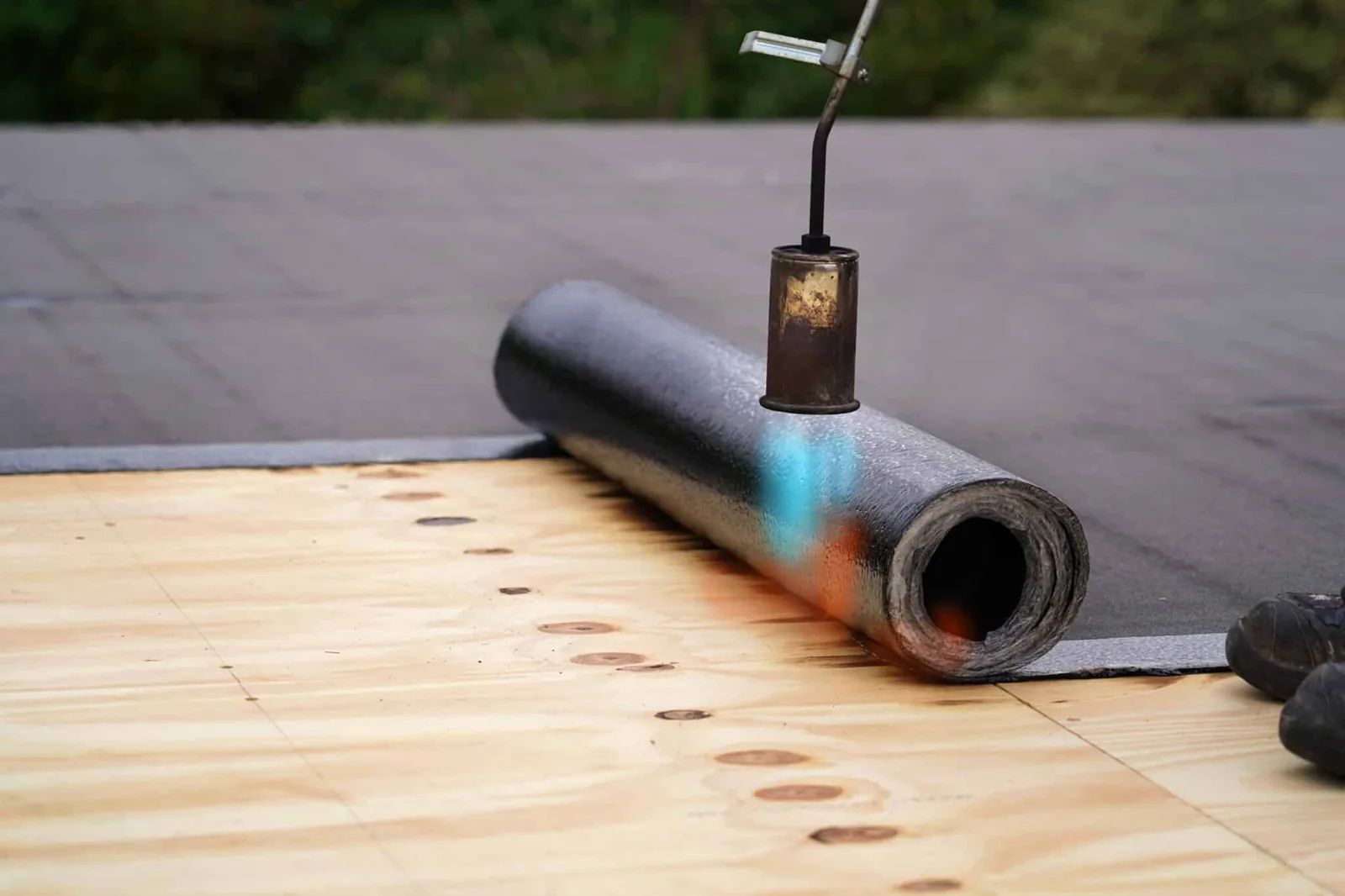
Identify the EPDM sheet and its condition
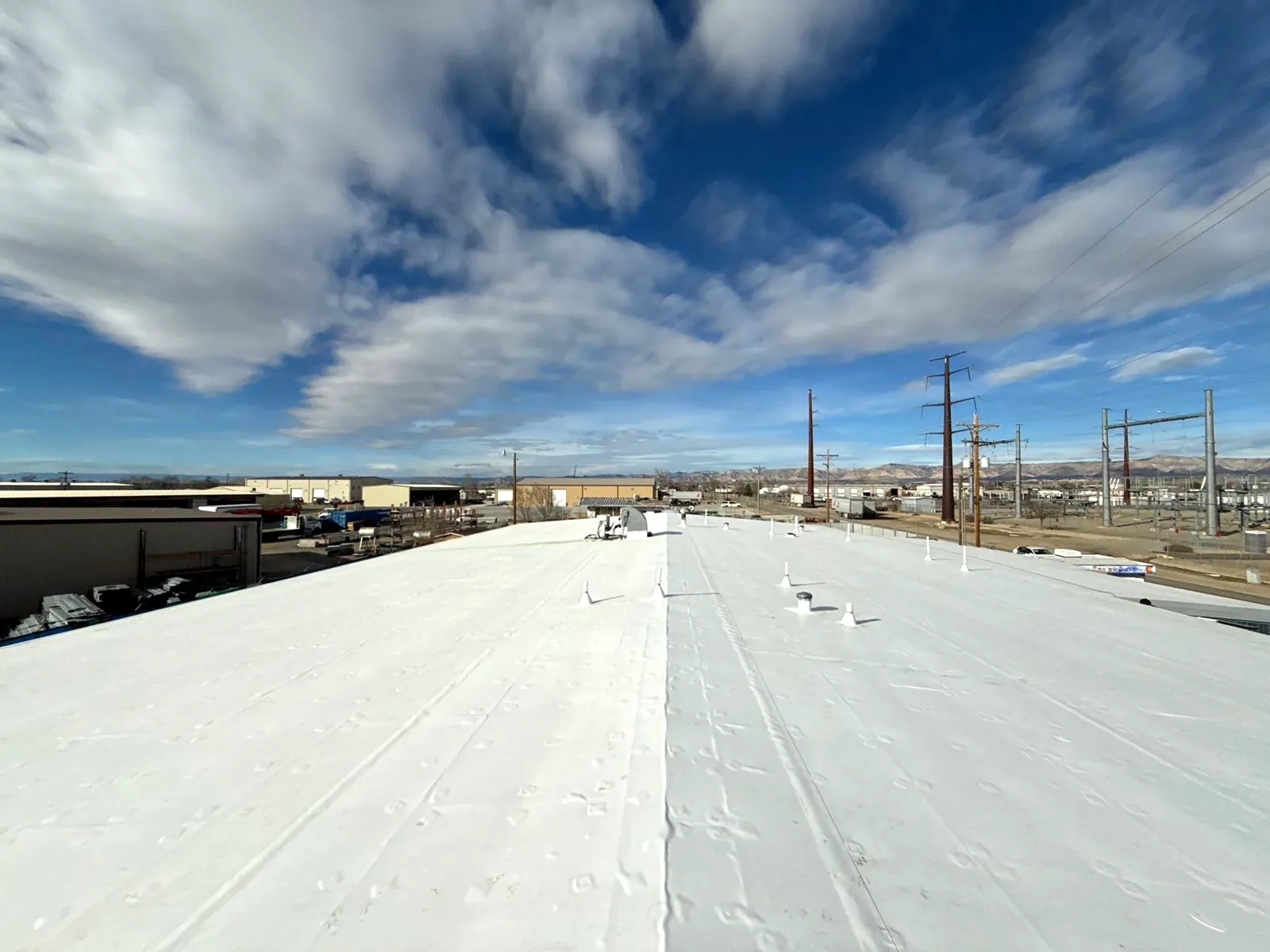
EPDM is a synthetic rubber membrane commonly installed in large sheets. We identify visible seams, field repairs, walkway material and changes in color or texture. Chalking can occur over time; cuts, punctures, shrinkage and open laps need closer review. We do not diagnose a roof from a photograph alone; the inspection follows the sheet to the nearest seam, curb and drain.
Existing repair products matter. Some sealants or coatings may not bond to EPDM or can complicate a later repair. We check the material and test compatibility before applying new adhesive. A commercial roof inspection can map the membrane and document representative details across several roof sections.
At mixed-use RiverPark, the city plan allows residential, commercial, park and open-space uses. For roofing, the useful detail is the actual building's access, roof layout and occupant schedule, not the broad land-use category.
Check laps and adhesive bonds
EPDM field seams may use seam tape or adhesive systems depending on the assembly. We inspect for lifted edges, fishmouths, wrinkles, contamination and loss of bond. A probe can reveal a loose section that looks flat from several feet away. Repair preparation removes dirt and residue, then follows the membrane manufacturer's requirements for cleaner, primer, tape or adhesive.
Repairs need enough sound material around the defect to form a dependable lap. A patch placed on dusty or damp sheet can release, and a narrow sealant smear does not rebuild a failed seam. We record the repair boundary and check its edges after installation. If separation appears across many seams, we compare the repair pattern with sheet movement and attachment conditions.
Commercial roof repair can address punctures and open seams found during the survey. For leaks that have reached interior finishes, leak repair traces the water path before a patch is placed.
Carry EPDM through curbs and edges
At a curb, pipe or parapet, membrane flashing must remain bonded and supported. We check curb height, corner cuts, pressure bars, counterflashing and the condition of the substrate. Shrinkage can pull the sheet away from a perimeter or concentrate stress at a pipe boot. The repair may require new flashing membrane and a secure termination, not a coating applied over the gap.
Equipment replacement is a common time to find a weak curb detail. The unit dimensions and lift plan should be settled before cutting the roof. Equipment curb work coordinates support and waterproofing at the opening. If an edge is loose or a scupper transition fails, edge-metal and gutter repair can connect the membrane to the perimeter assembly.
When another material meets EPDM, we check compatibility and use the separation layer required by the system. Details stay accessible for future service whenever the building layout permits.
Keep low points open
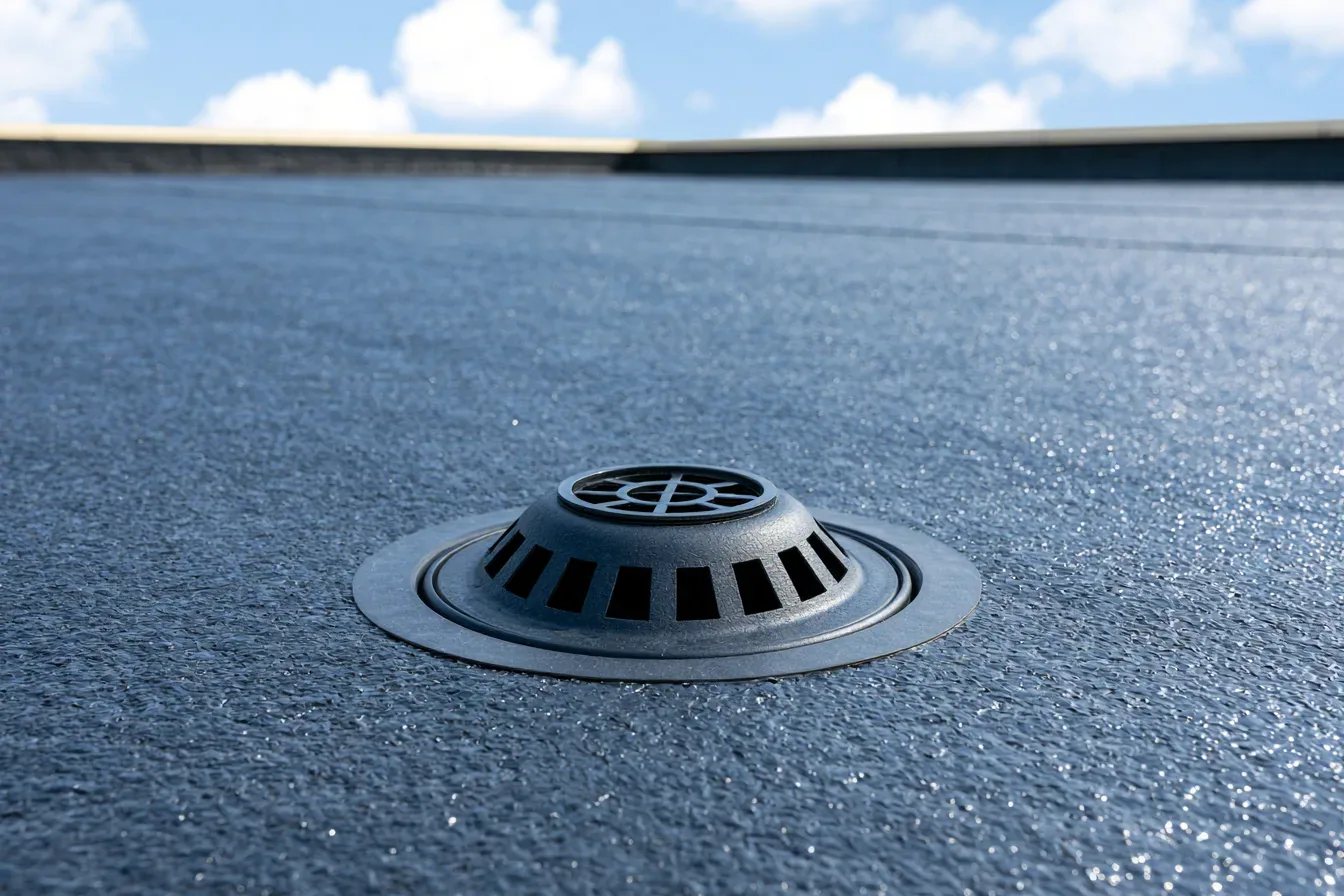
EPDM can bridge a low spot only when the substrate and membrane remain stable. We inspect drain bowls, scuppers, overflow openings, seams and water marks. A wrinkle or patch buildup may slow flow. Settled insulation or deck movement needs a different scope from a blocked strainer. We map each roof plane before proposing slope correction.
After the Oxnard station’s August 2023 rainfall during Tropical Storm Hilary, recurring interior reports can help staff identify which roof zones deserve attention first. We compare those reports with water marks and current drainage at the EPDM seams. Drainage correction can address a blocked outlet or low-point detail where needed.
At Port Hueneme, commercial and industrial properties sit within a coastal city with port and naval-base activity. This context can affect staging and access near a working facility. We confirm the actual service entrance, roof route and operating windows before mobilization. Port Hueneme area roofing describes the broader service area, while the inspection remains specific to the building.
Compare repair with recover or replacement
A localized cut or open lap can often be repaired if surrounding EPDM remains bonded and the roof assembly is dry. Widespread shrinkage, brittle areas, recurring seam failure or wet insulation can shift the decision toward replacement. We inspect the substrate and repair history, then show what each option would leave in place.
A recover must meet assembly limits and provide a compatible surface. A new layer can change flashing height and perimeter details, and it cannot correct trapped moisture. Recover evaluation reviews those constraints before additional roofing is installed. Commercial roof replacement can coordinate insulation, membrane, drains and edge work when the current assembly has reached its limit.
Work scope lists removal, deck repair allowance, new insulation, sheet attachment, seam method and flashing. That detail lets an owner compare bids without assuming each includes the same layers.
Preserve the rubber membrane
Maintenance checks look for punctures, loose laps, damaged boots, shrinking terminations, debris and traffic wear. EPDM should not be exposed to sharp tools, oil spills or unapproved cleaners. We remove debris with methods suited to the sheet and keep service routes clear of seams. After HVAC or solar work, we check whether a contractor's equipment disturbed the membrane.
Temperature changes move the roof assembly, and details must allow expected movement without pulling at the sheet. We inspect perimeter bars and flashing at regular intervals set by the system and building use. Photographs show trends across inspections, such as a seam beginning to open or a walkway pad shifting.
TPO roofing and PVC roofing have different seam and repair methods. The roof file should identify EPDM and list compatible patch materials. Pairing the walk with HVAC service keeps technicians on one planned route and reduces repeat crossings of the sheet.
Leave a record for the next roof walk
The closeout marks each EPDM patch, seam type and flashing repair on the roof plan. The facilities team can then check those same zones during the next HVAC visit and price any return work against the actual repair locations.
For an occupied building, the facilities contact chooses the lift route and interior protection area before materials arrive. We finish exposed EPDM details watertight each shift and check patch edges alongside the adjacent seam.
CRA can inspect, repair or replace EPDM roofing in Oxnard. Send available plans, leak locations, previous repair details and access information. We will trace the membrane, identify the failure and scope the work.
Related Roofing Work
More from Roof Systems and nearby services
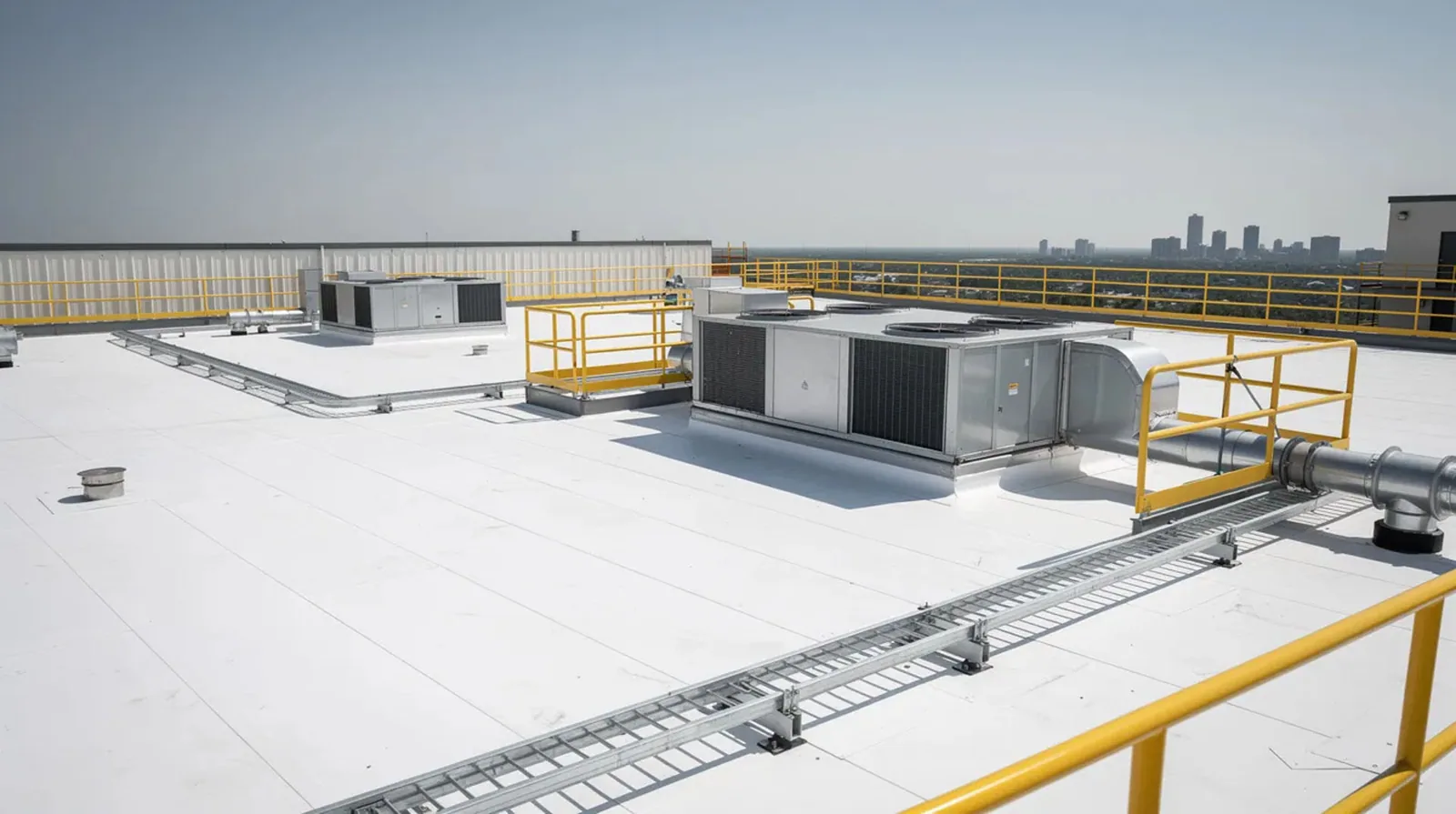
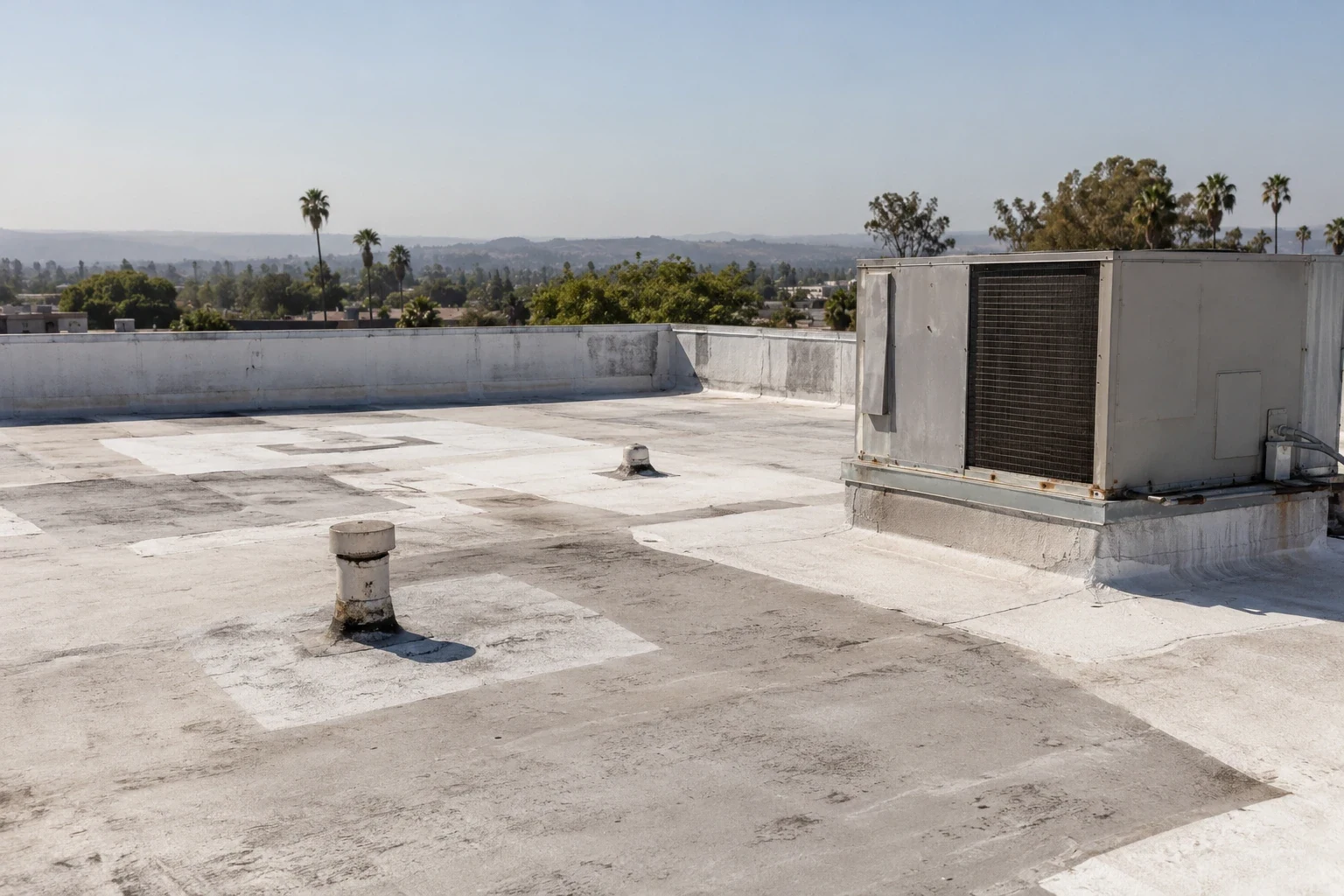
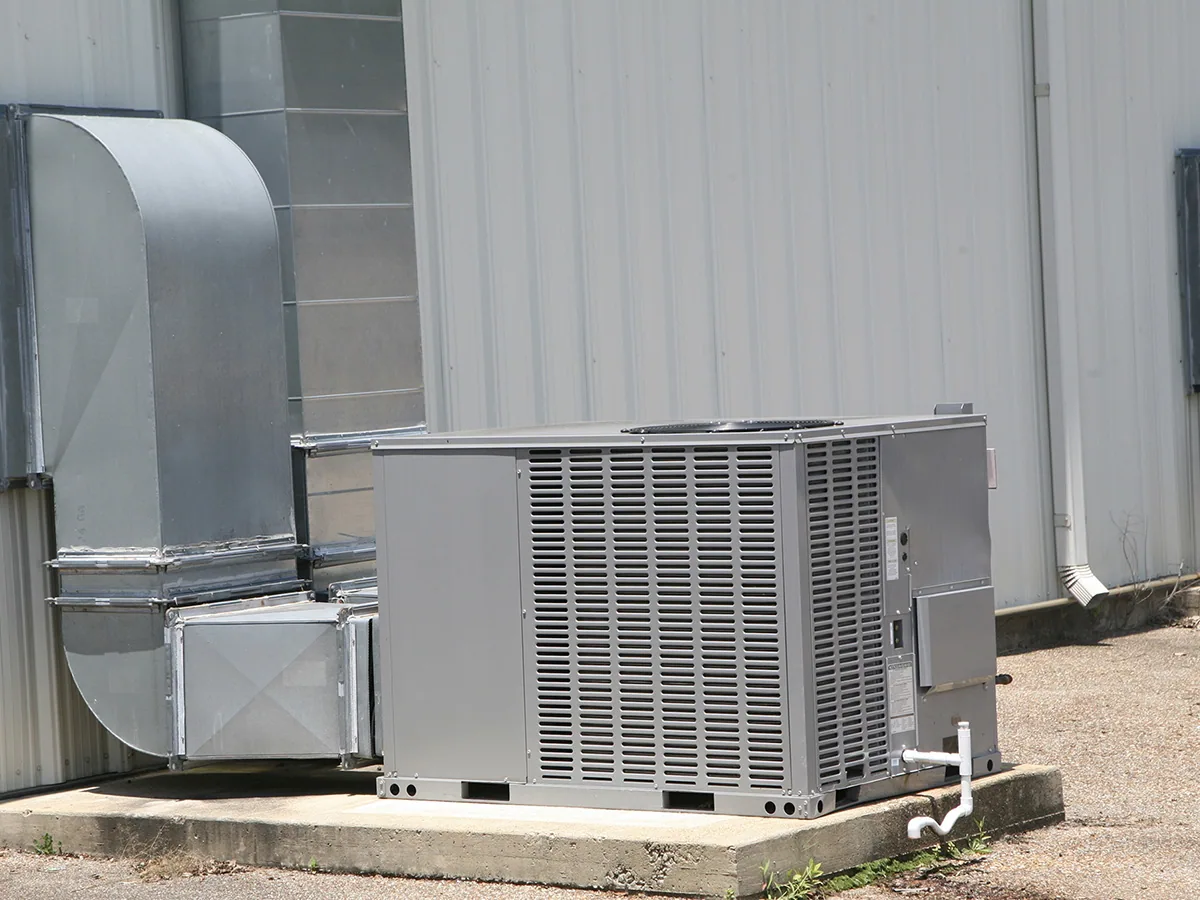

Inspect an EPDM roof
Share the roof plan, previous repairs, known leak locations and site access needs. We will examine seams, flashing, drainage and membrane condition, then define EPDM repair or replacement options in Oxnard.
Common Questions
How are EPDM seams repaired?
We clean and prepare the sheet, then use compatible primer, tape or adhesive for the installed membrane. The patch or lap must extend onto sound material and be checked at its edges after installation. A sealant smear alone does not restore an open seam.
Can EPDM be coated to extend its life?
Only when the selected coating is compatible and the membrane is dry, stable and suitable for that treatment. We inspect surface condition, seams and prior repairs, then review product requirements. If the sheet has widespread shrinkage or trapped moisture, another scope may be more appropriate.
What makes an EPDM roof shrink?
Age, installation details, sheet movement and perimeter restraint can contribute to tension at edges and penetrations. We inspect the membrane, termination bars, seams and curb flashings to see where movement is concentrated. The repair addresses the stressed detail rather than covering the symptom.
Can EPDM be repaired in a wet weather window?
Adhesive and primer work generally needs a dry substrate and conditions within product limits. We secure the roof, protect exposed areas and schedule permanent repairs when preparation and bonding requirements can be met. Emergency protection can limit water entry in the meantime.
What should a facility record after an EPDM repair?
Record the location, patch material, seam method, photographs and any moisture or substrate finding. Keep the membrane identification and maintenance notes together. That file helps later technicians choose compatible products and spot repeat movement.