
TPO Roofing
A TPO roof is only as reliable as its seams, flashing and attachment. We inspect the sheet, welds, penetrations and drainage before deciding whether a repair, recover or replacement fits. Oxnard has operating distribution, cold-storage, and fruit-processing uses at Sakioka Farms, alongside agricultural processing and vehicle or equipment repair in the Central Industrial Area. We confirm each building's membrane, access route, equipment, and operating limits before choosing the work sequence. The written scope then names the TPO work, the substrate it depends on and each transition that must remain watertight.
Read the weld before patching
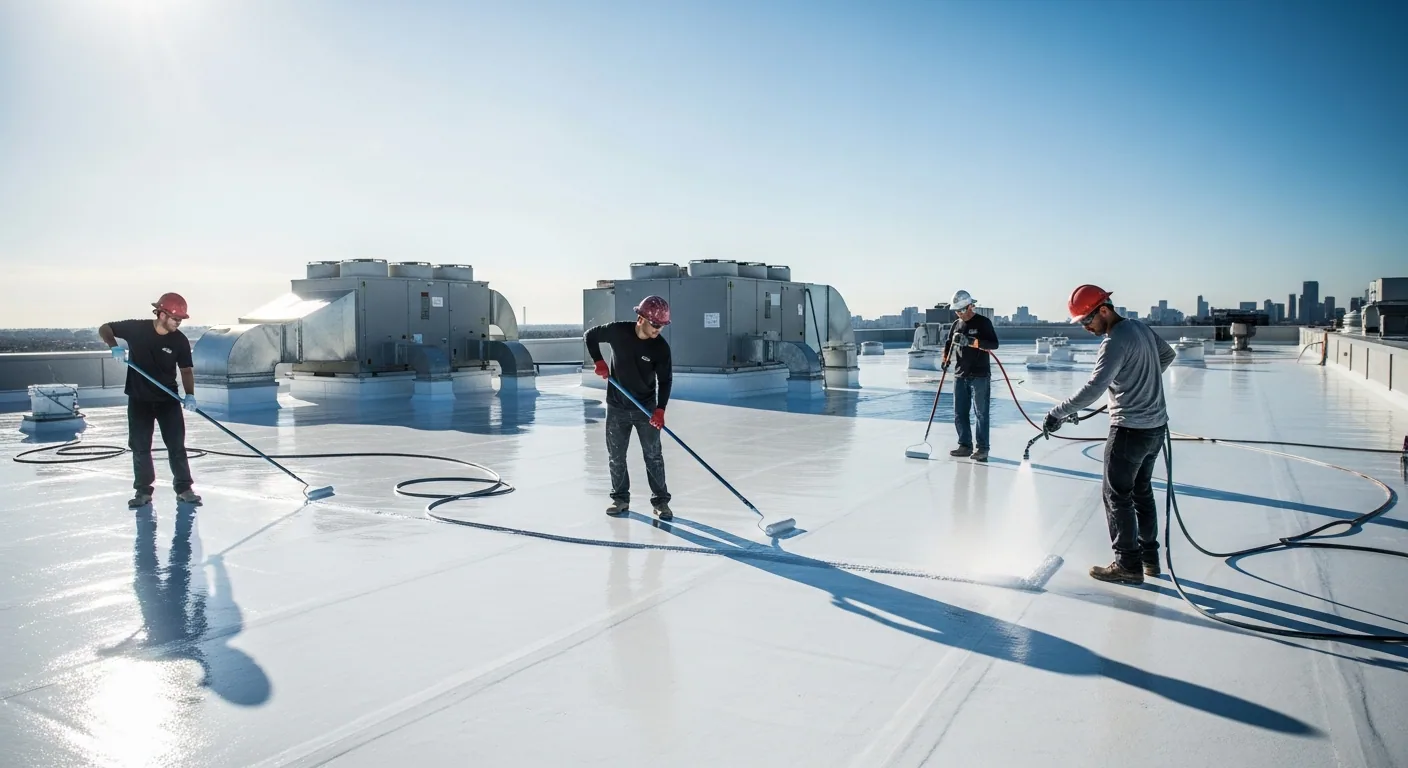
TPO seams are heat-welded, and a sound weld fuses the sheets into a continuous joint. We check the seam edge, probe suspicious areas and look for dirt, wrinkles, fishmouths or incomplete fusion. A loose edge may be localized, while a series of weak seams can point to broader surface preparation or installation concerns. We map the affected runs before setting the repair limits.
Patch material must match the membrane and be welded to clean, compatible sheet. A patch over a contaminated surface can peel even if it looks smooth on day one. We remove failed material as needed, prepare the area and verify the completed seam. A commercial roof inspection can record seam and flashing conditions across multiple roof sections before a larger scope is priced.
Make penetrations part of the roof plan
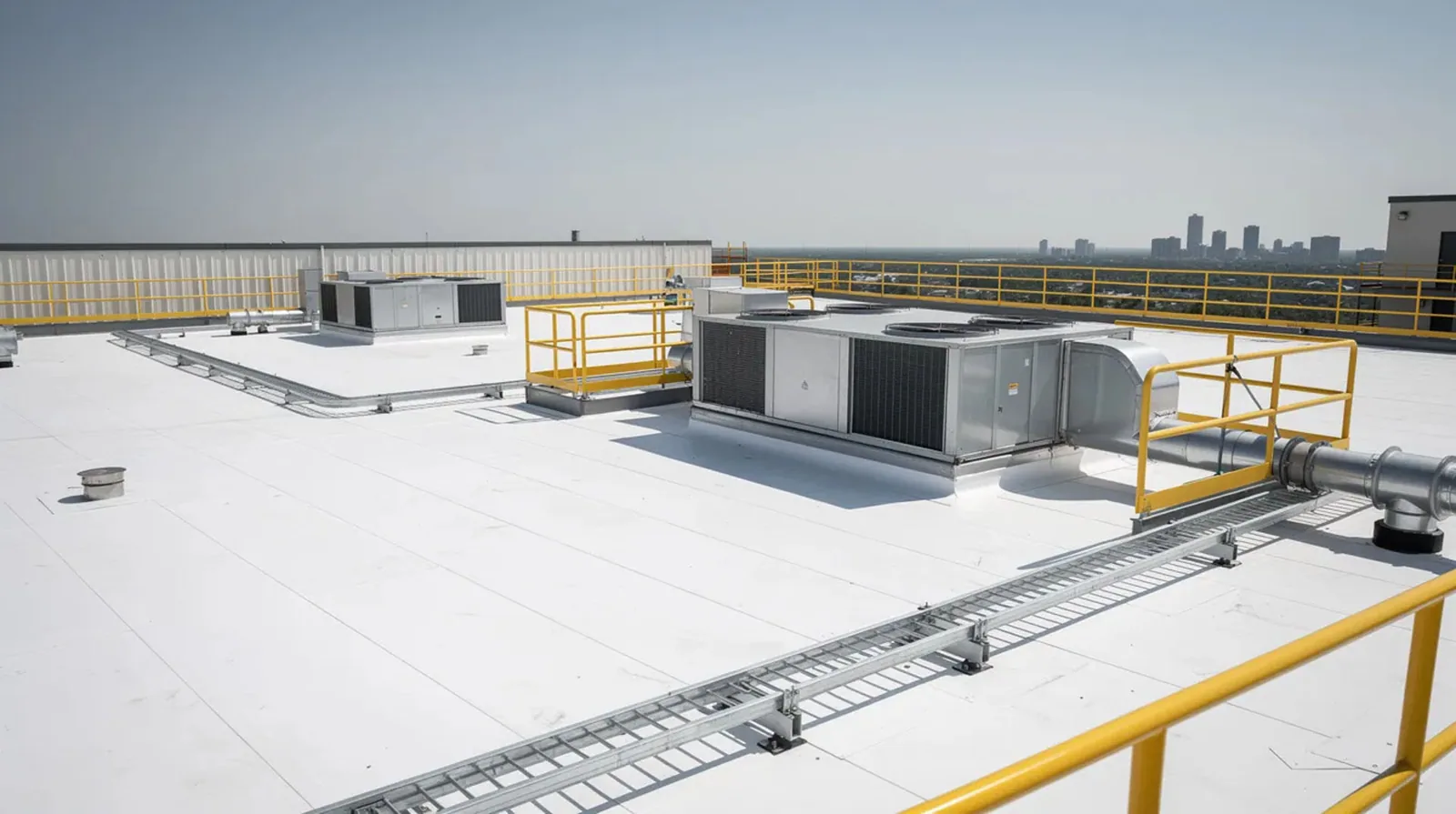
Pipe boots, equipment curbs, skylight corners and wall transitions interrupt the membrane plane. TPO flashing needs sound substrate, compatible components and a secure termination at each shape. We inspect whether a prefabricated boot fits the pipe, whether the curb height allows proper flashing, and whether corners are folded or welded without openings. A sealant bead cannot compensate for a torn membrane or a loose curb.
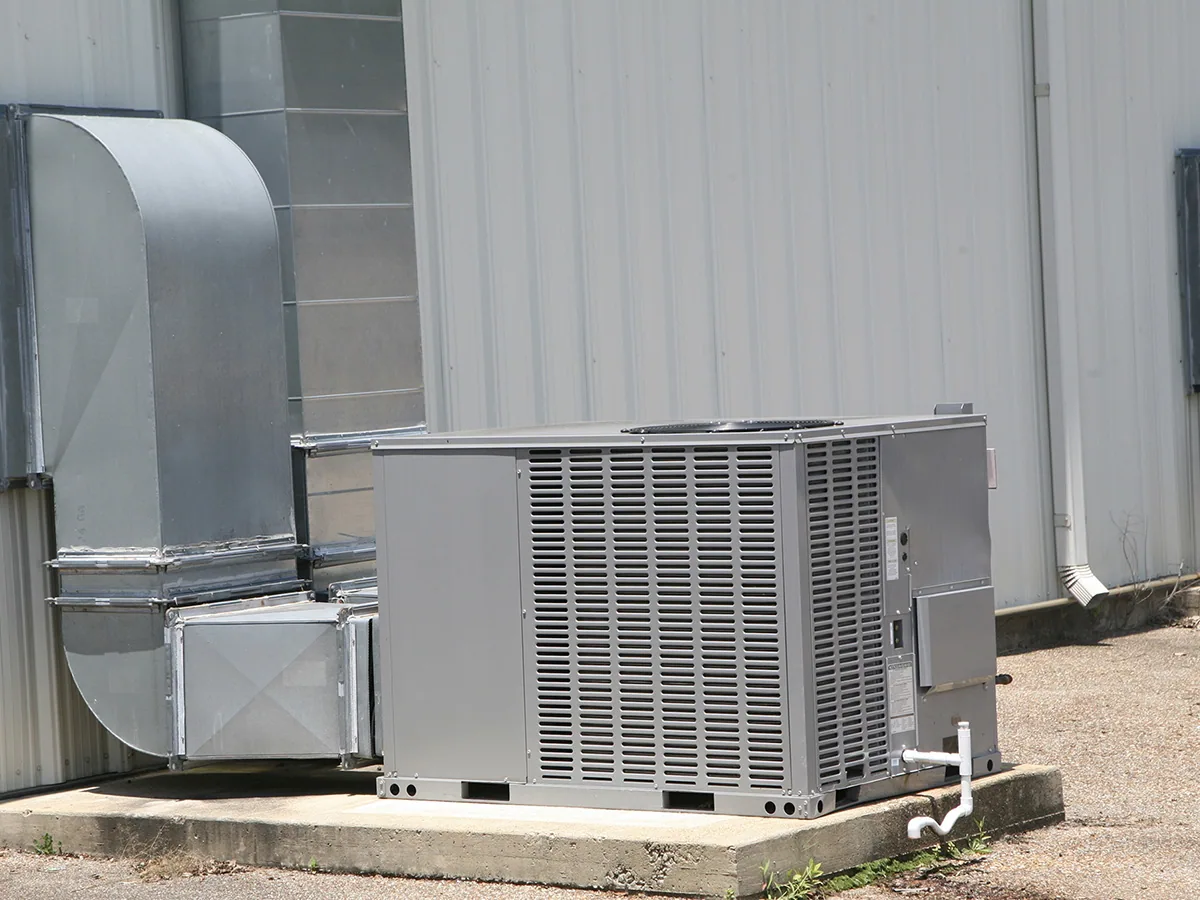
At an HVAC replacement, we coordinate the unit dimensions and curb adapter before the old equipment is lifted. At conduits or small pipes, we check the boot and clamp, then keep the repair accessible for future service. Equipment curb and support work can be planned with the TPO detail rather than cut in after the roof is complete. We photograph concealed tie-ins while they remain visible.
Confirm what holds the membrane
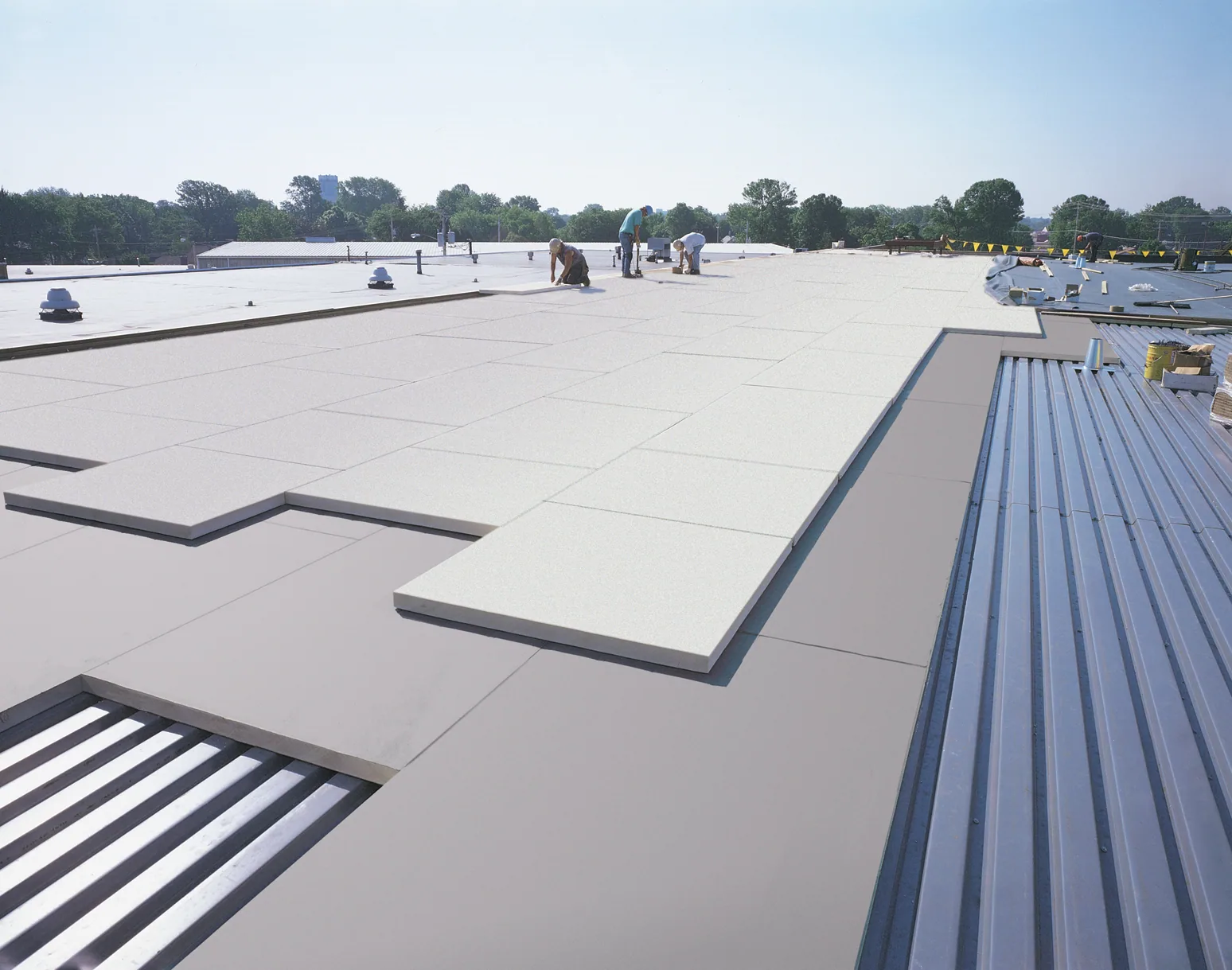
TPO can be mechanically attached, adhered or ballasted where the approved assembly allows it. The deck, insulation, cover board, building height and design loads influence the choice. We verify fastener type and pattern, plate placement, substrate condition and perimeter requirements. When a sheet lifts, we open the investigation at its edge and check the seam, fastener pattern and cover board before setting the repair boundary.
At corners and perimeters, wind design may call for denser fastening or different details than the field. We follow the issued design and manufacturer's assembly requirements. If the deck cannot hold a fastener, the attachment plan needs review before installation. Insulation and cover-board planning checks how those layers support the membrane system.
The scope records attachment method and known layer sequence. That file helps a facility manager compare future repairs with the original assembly instead of treating each roof section as identical.
Trace drains and low points
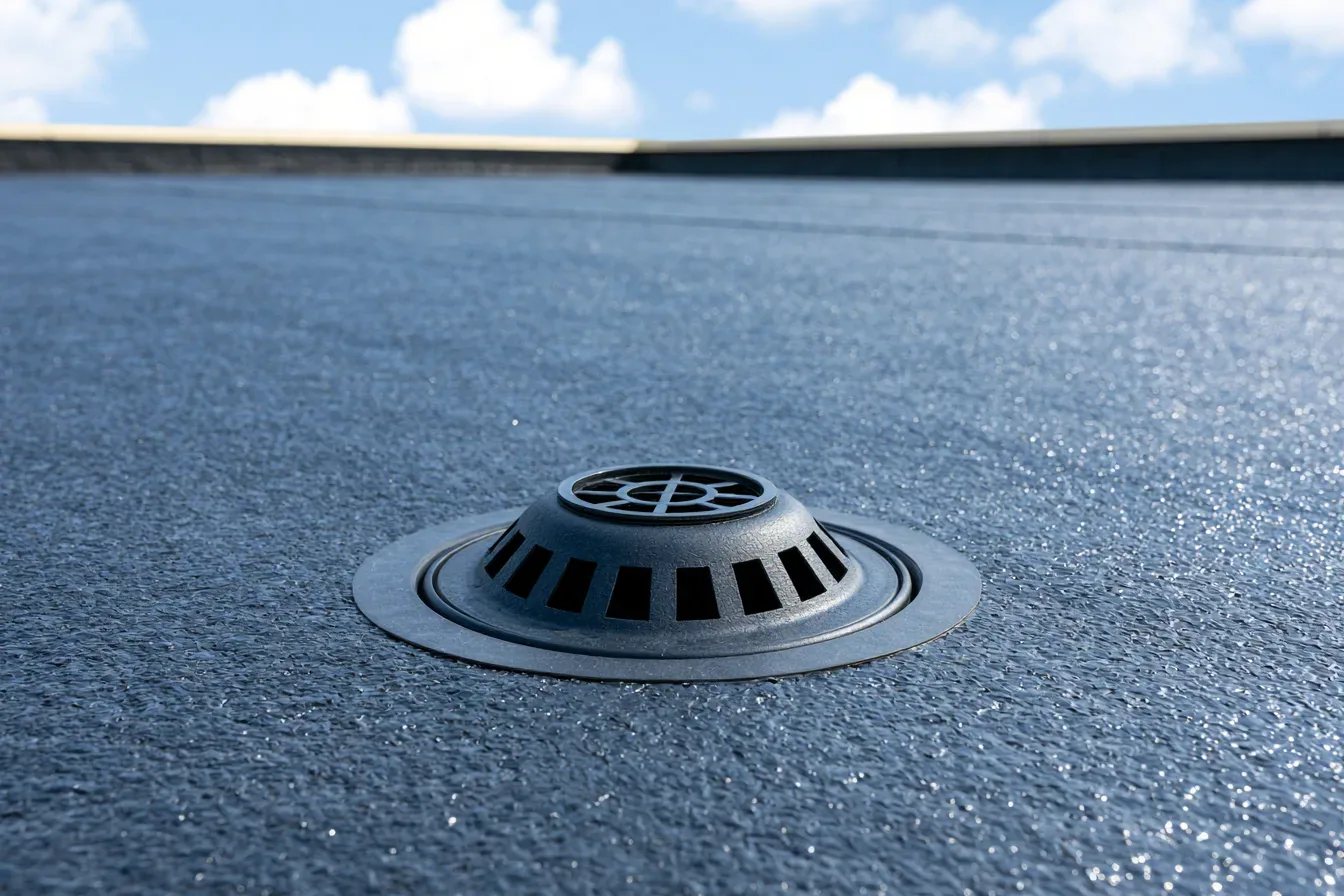
Water should move across the TPO surface to drains, scuppers or gutters without pooling against curbs. We mark low points, look for debris dams and check whether membrane wrinkles divert flow. Ponding can come from a blocked outlet, settled insulation, deck deflection or an earlier patch that raised the surface. We diagnose the path before proposing slope work.
In August 2023, Hilary produced 1.77 inches at the Oxnard station, its record monthly August total. We inspect each TPO roof's drains, overflow route, and low points for current conditions. We compare water marks with the current field and outlet condition. Drainage correction can address outlets and tapered transitions when those are part of the problem.
Sakioka Farms includes operating distribution and cold-storage uses. Camino Real Business Park includes manufacturing and research uses. We confirm access, staging, and work windows with each building contact before setting TPO work.
Choose repair, recover or replacement
A repair makes sense when the membrane remains serviceable and failures are limited. A recover may be possible when the existing roof is dry, attached and within system limits. Replacement becomes more practical when moisture, widespread seam failure, poor attachment or damaged insulation undermines the assembly. We inspect representative areas and identify what evidence supports each option.
Coating is not automatically a substitute for a failed TPO system. The surface and product must be compatible, and seams or wet layers still need correction. Recover evaluation checks layer limits, edge height and existing condition before adding material. For a full rebuild, commercial roof replacement coordinates insulation, cover board, membrane and perimeter flashing.
Oxnard's Central Industrial Area includes agricultural processing and vehicle or equipment repair uses. At each property, we confirm access, tie-offs, and interior protection before setting the project sequence.
Keep a TPO roof inspectable
Maintenance begins with a clear route to drains, curbs and perimeter details. We check seam edges, boots, rooftop traffic paths, repairs and any place where equipment service can damage the sheet. The record ties each finding to a roof area and next action.
Cleaning methods and repair products must suit the membrane. Abrasive tools or incompatible solvents can damage the surface. We remove debris and identify disturbance from other trades. If a patch is needed, the crew prepares and welds the material to the existing sheet, then records the completed repair.
For a Central Industrial Area roof, we confirm operating access with the property contact; maintenance timing follows the installed system and building use. PVC membrane systems and EPDM roofs use different seam and repair methods, so system identification matters.
Document the TPO assembly
A useful closeout identifies membrane type, attachment, insulation layers, flashing details, completed repairs and any areas that need follow-up. We photograph the roof before covering details and update the roof plan when equipment or drains change. The owner can use that record for maintenance, future bids and warranty coordination.
Before work starts, we confirm access, weather exposure, delivery staging and protection below the active zone. During installation, the crew keeps the roof watertight at each shift end and checks seams before they become inaccessible. Any concealed damage is documented for direction before the scope expands.
We inspect, repair, and replace TPO assemblies in Oxnard. Share roof plans, repair history, known leaks and access needs. We will map the current condition, define the work limits and leave a record the building team can use.
Related Roofing Work
More from Roof Systems and nearby services
Review your TPO roof
Provide roof plans, repair records, known leak areas and access details. We will inspect seams, details and drainage, then scope TPO repair or replacement for your Oxnard property.
Common Questions
How do you tell whether a TPO seam has failed?
We inspect the seam edge and probe areas that look lifted, contaminated or poorly fused. The finding is mapped by roof zone, then checked against nearby welds and the membrane condition. A localized repair is appropriate only when adjacent sheet and attachment remain sound.
Can a TPO roof be coated instead of replaced?
A coating may be considered only when the existing membrane and product are compatible and the roof is dry and stable. We check adhesion, seams, flashing and drainage first. Wet insulation or widespread failure calls for a different scope.
What changes when a rooftop unit is replaced on TPO?
The unit dimensions, curb height and lifting sequence can affect flashing and membrane protection. We coordinate the curb detail before the old equipment leaves, then inspect the completed weld around the transition. The mechanical contractor handles equipment reconnection under its scope.
How is a TPO puncture repaired?
The area is cleaned and prepared, then a compatible patch is heat-welded to sound membrane with the required overlap. We check the weld and document the location. If board or insulation beneath the puncture is damaged, that layer may need repair before patching.
What records should an owner keep for a TPO roof?
Keep the product and attachment information, roof plan, warranty requirements, repair photographs and maintenance notes. Those records identify the membrane and help the next crew choose a compatible weld and locate repeated issues.