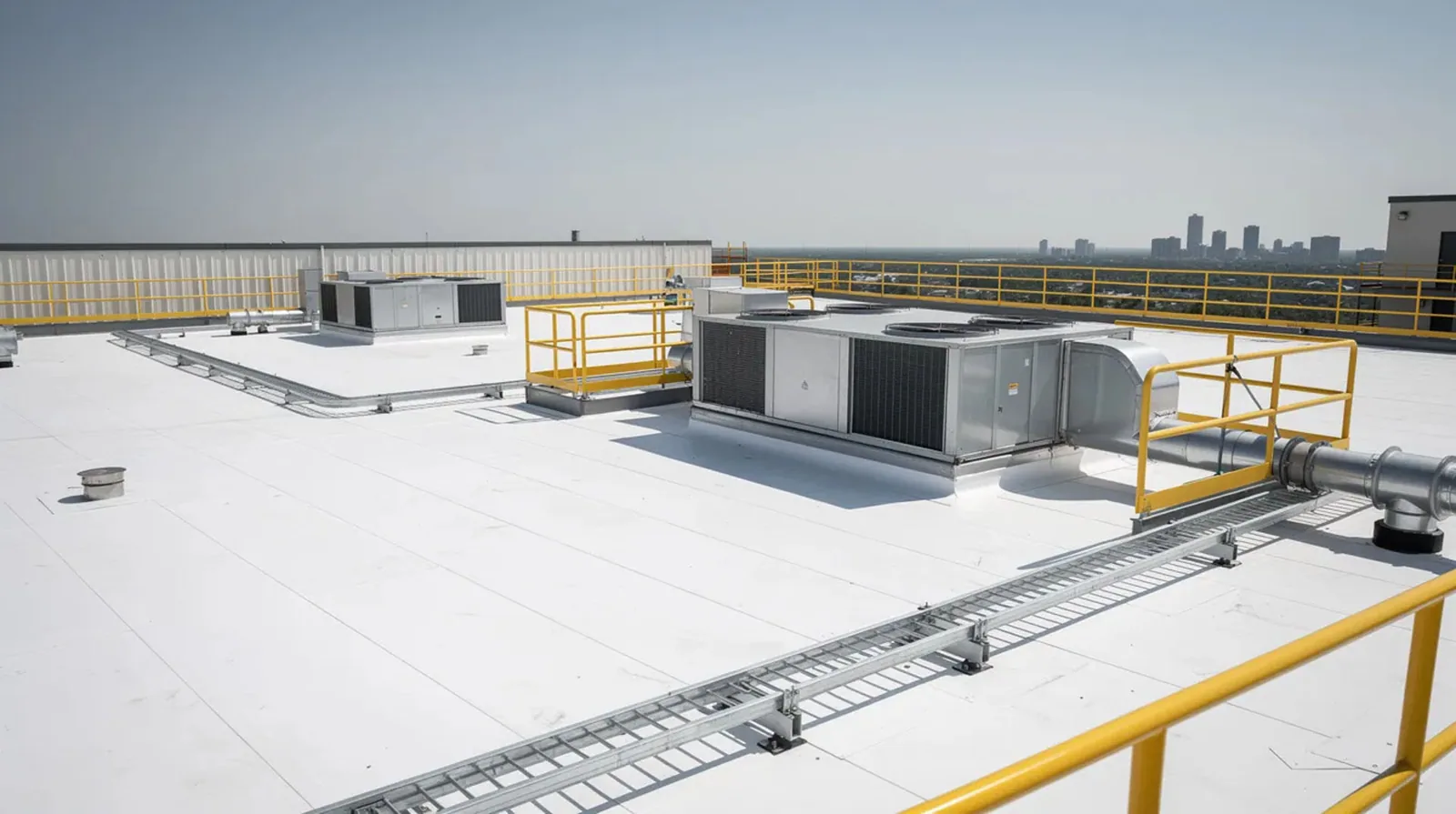
Emergency Commercial Roof Repair in Oxnard, CA
Request emergency roof response
Emergency Commercial Roof Repair
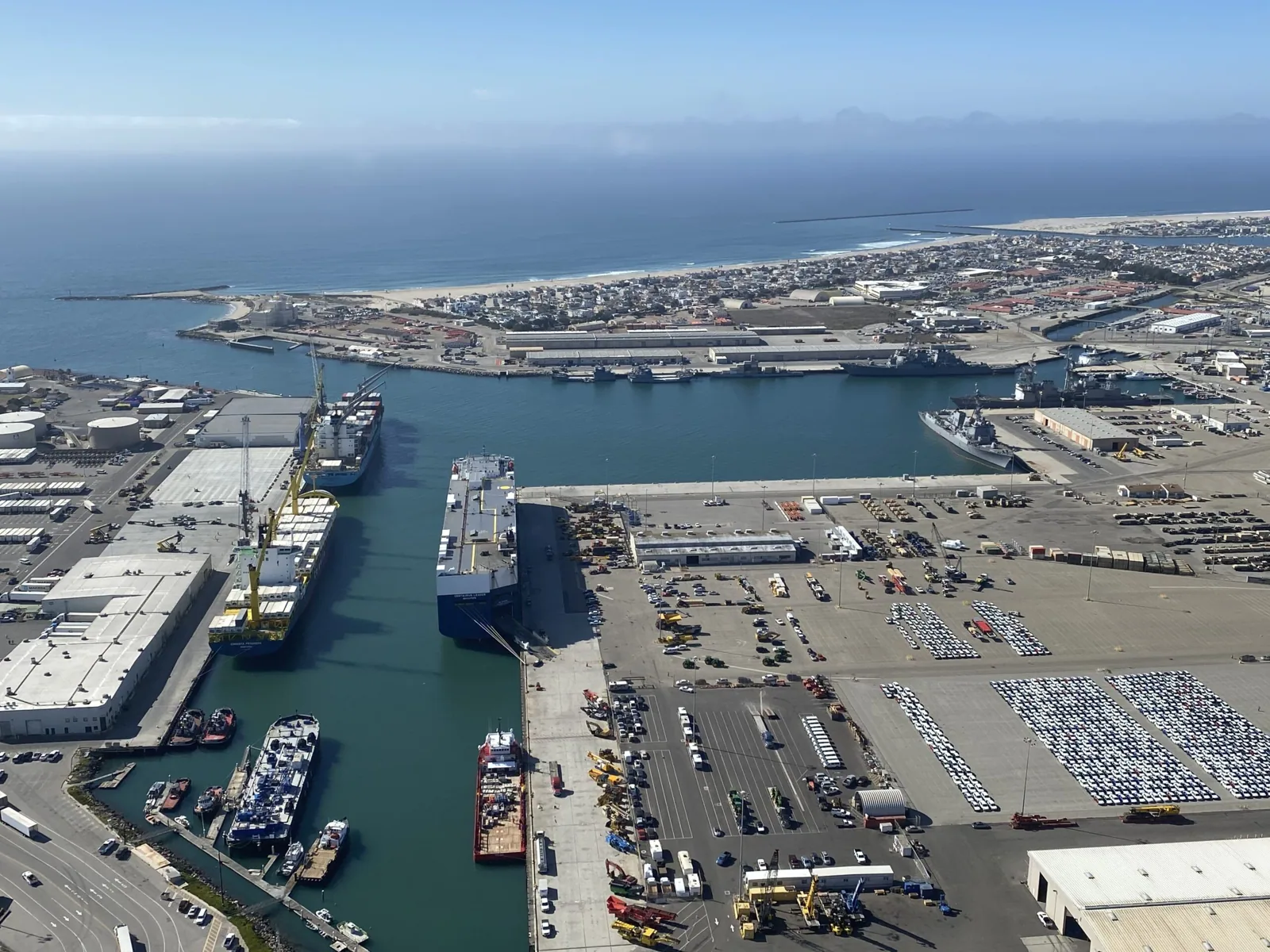
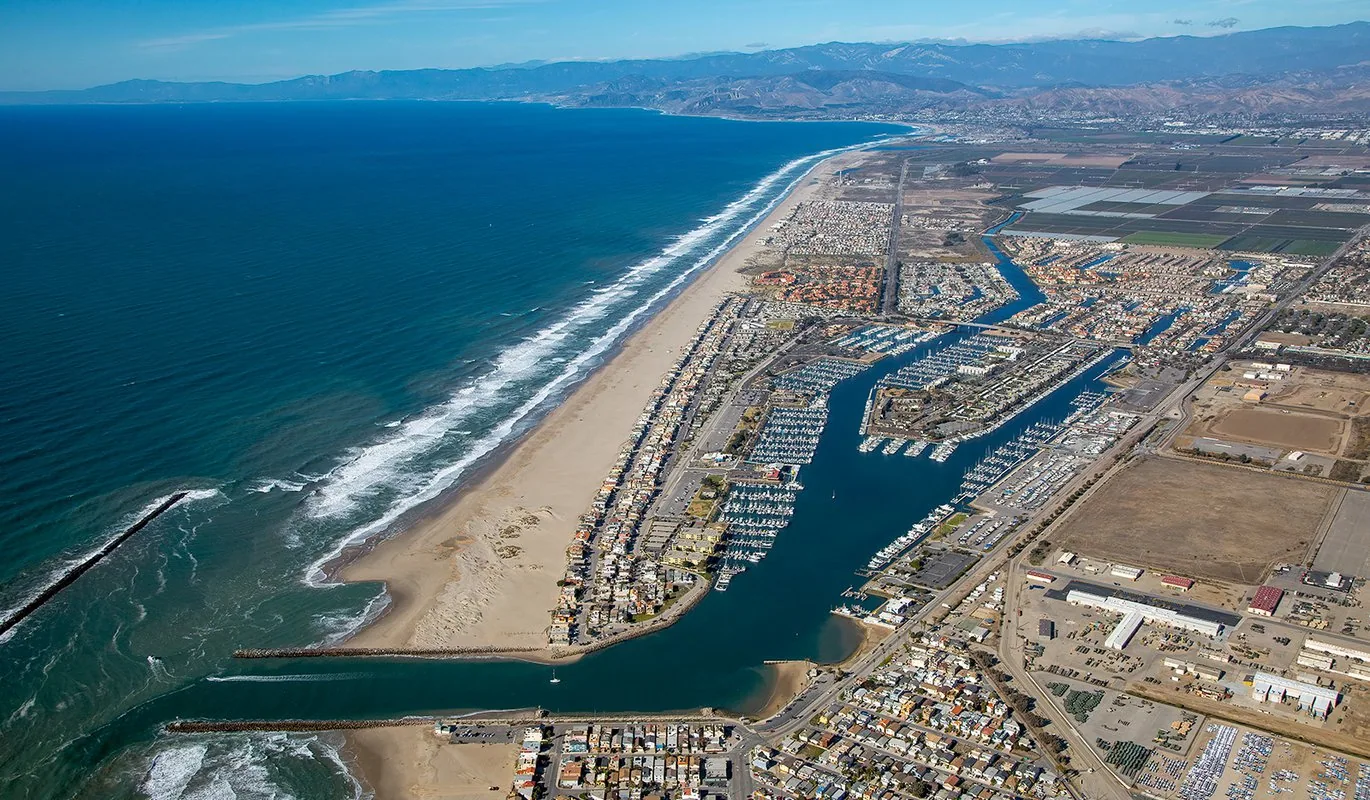
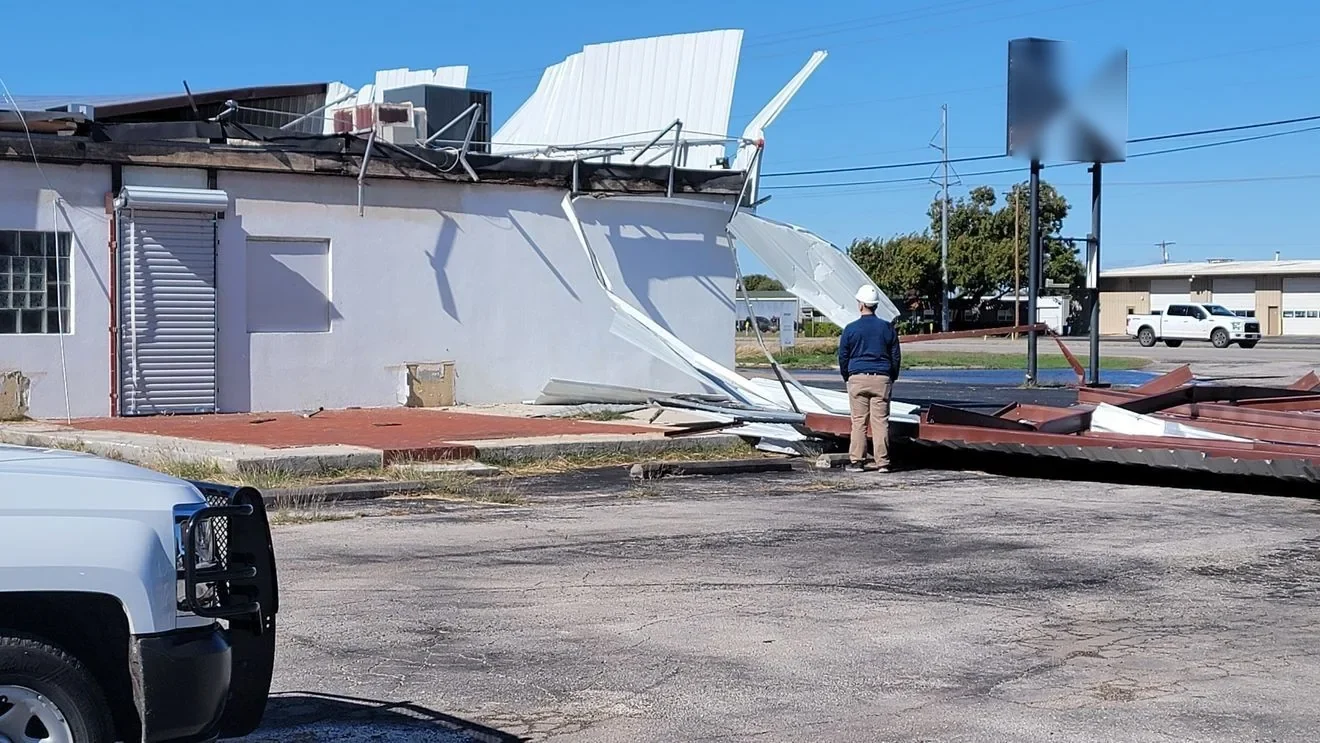
A roof opening over inventory changes the next hour of work. Water near electrical equipment, a torn membrane above a production line, or loose metal at an occupied entrance needs a controlled response, not an improvised climb. We provide emergency commercial roof response around the clock, weekends and holidays included. The first call establishes the affected area, immediate hazards, building access, and who can approve temporary protection. At a Port Hueneme warehouse, a food operation near Sakioka Farms, or an office in Downtown Oxnard, the safe staging point and operating limits differ. We arrange the roof inspection when access and conditions permit, then use tarping or a dry-in to limit additional exposure. Oxnard’s August 2023 Hilary rainfall record is useful weather context, but an emergency scope follows the damage found on this property.
Give dispatch the useful details
Tell us what is happening now: where water is entering, whether it is active, which rooms or equipment are at risk, and whether anyone is in the affected area. Share the roof access contact, gate instructions, and any restrictions on ladders, lifts, or loading zones. Photos from a safe interior location help identify the area, but do not climb onto a wet roof or approach damaged electrical equipment to take them.
We confirm the property address, roof access, and approval contact before dispatch. If wind has moved metal, a ceiling is sagging, or water is near electrical systems, the site team should keep people clear and contact the appropriate emergency service when needed. Our roofing crew focuses on the roof condition and temporary weather protection. For an ongoing leak without a sudden opening, a commercial leak investigation can trace the entry point and define the permanent repair after immediate risk is controlled.
Make the roof safe to approach
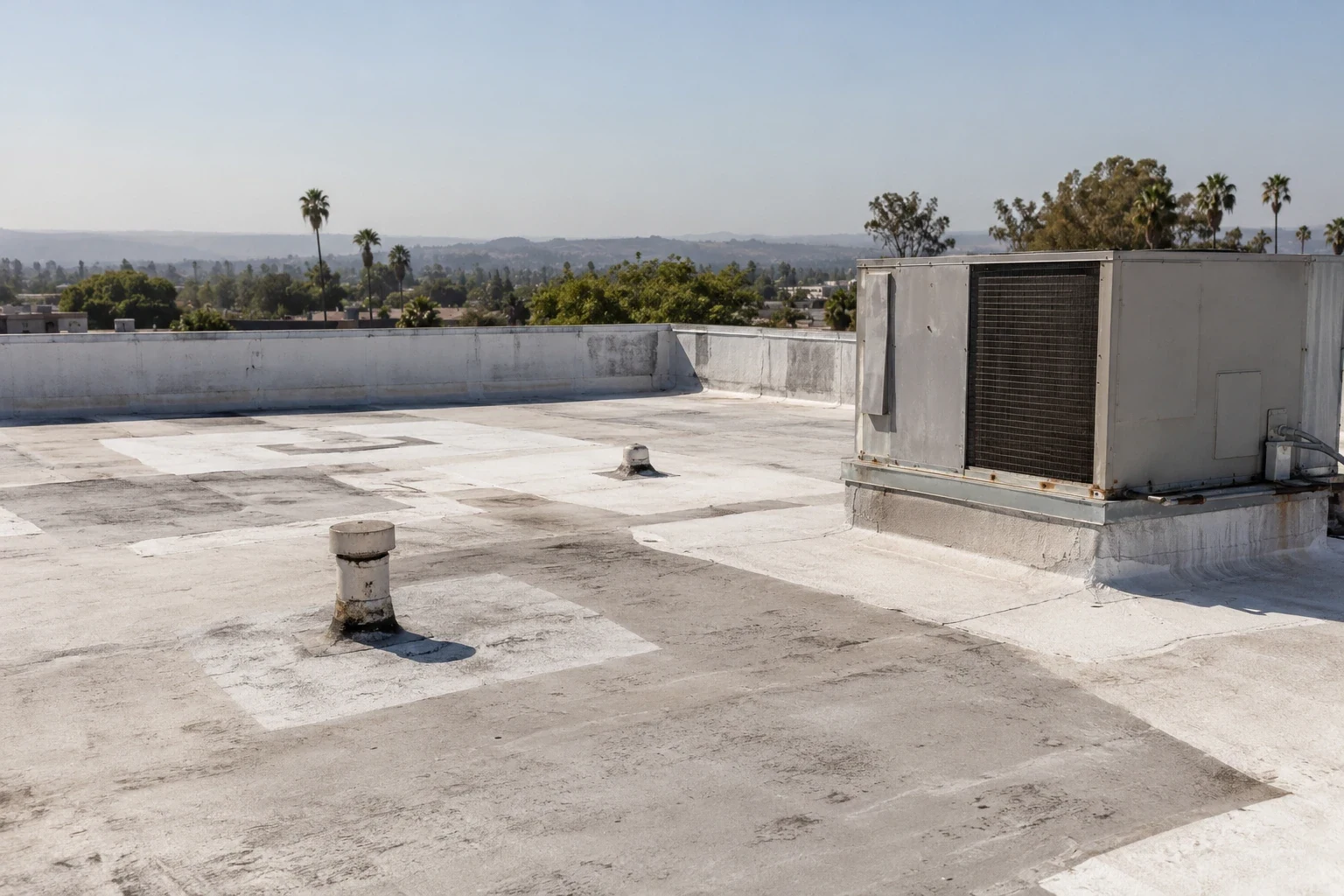
Emergency roof work begins with access and surface conditions. Wet membranes, loose insulation, exposed deck, damaged edge metal, and wind-blown debris can change the safe route. We identify tie-off points and keep clear of unstable areas. If conditions prevent roof access, the first response may focus on interior protection and a return visit when the surface is safe. Temporary covering is not worth creating a second hazard.
Where the roof can be reached, we locate the opening and check how far the damage extends. A puncture may have torn beyond the visible hole. A displaced panel may have released adjacent fasteners. A branch can damage flashing or block a drain even when the membrane looks intact from the access point. We record visible limits and avoid disturbing sound sections without a reason. Emergency work can include temporary fastening, a tarp, a dry-in, or a limited repair, depending on what the assembly and conditions allow.
Limit exposure inside the building
Temporary protection should match the way the building is used. We coordinate with the facility contact to isolate a room, protect inventory, pause work below an opening, or move traffic away from a wet path. In a cold-storage building, moisture near product or control equipment may need a faster interior response than a stain in an unused support room. In a multi-tenant property, notice and access routes should be clear before material is carried through shared areas.
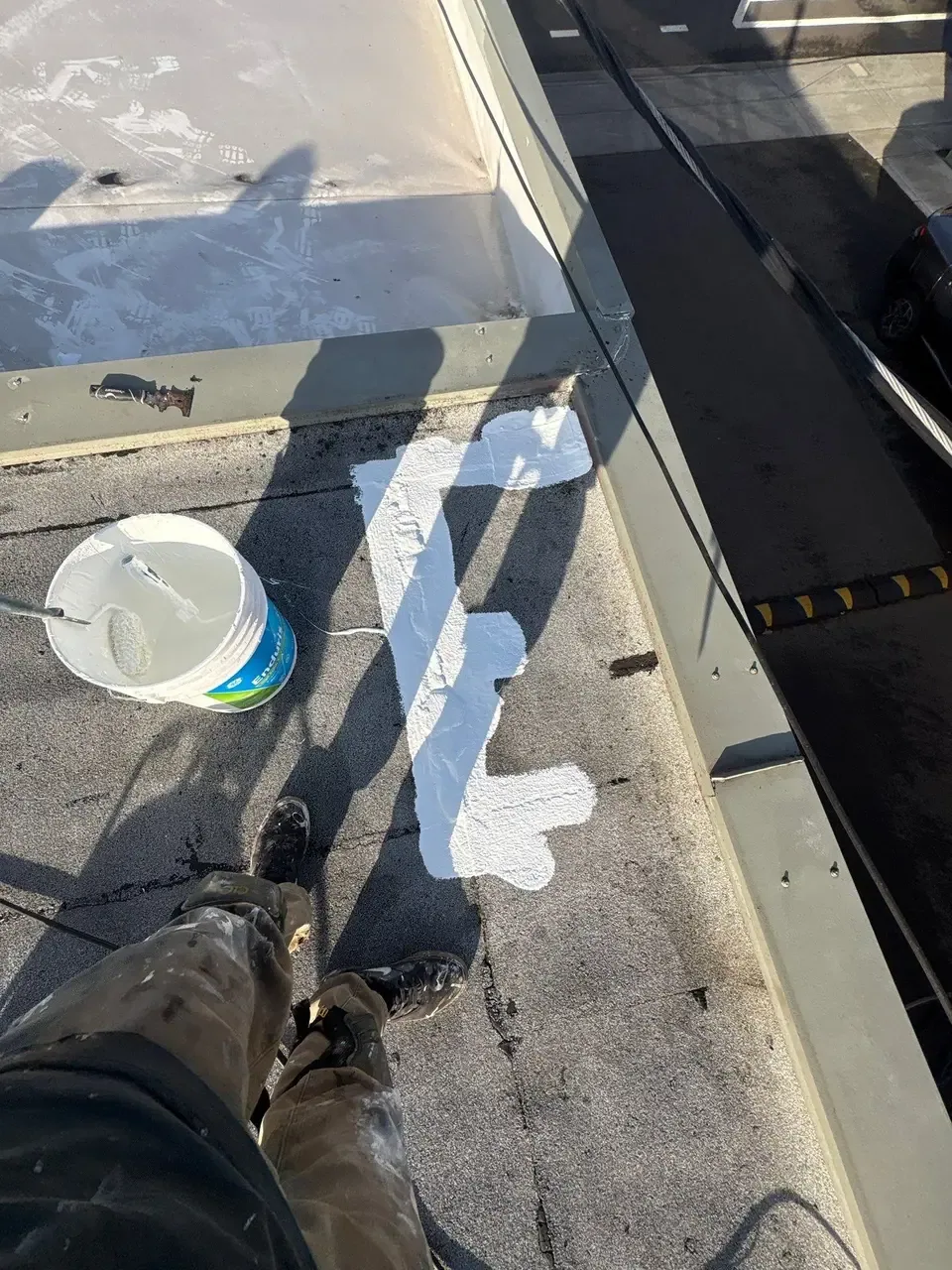
On the roof, a tarp or dry-in must be secured for the conditions expected during the temporary period. We note where it begins, how it is held, which roof details remain exposed, and what must be checked again. A temporary cover is not a permanent membrane repair. The owner receives the next action and the person responsible for access. At a property near Port Hueneme or in Sakioka Farms, loading schedules and equipment access can determine where crews stage and how the work area is isolated.
Read weather facts without guessing
During Tropical Storm Hilary in August 2023, the NWS measured 1.77 inches at its Oxnard station, a record for August at that site. That is one documented event, not a recurring rainfall pattern and not a statement about damage at a specific address. For an emergency visit, we use current site conditions and the forecast window to decide whether a temporary cover can be secured and when a permanent repair can be made.
Oxnard’s Local Coastal Program addresses coastal hazards in mapped shoreline areas. A building’s location determines whether that planning context applies; it does not mean every commercial roof has the same exposure. We inspect the actual roof edge, drainage, membrane, and attached equipment. A repair at a coastal parcel may need a different detail review than a warehouse near U.S. 101. For damage caused by a sudden puncture or wind event, wind-damage roof repair can document the permanent scope after temporary protection is in place.
Return for the permanent repair
The emergency visit should leave a clear handoff. We document the opening, temporary materials, affected roof layers, and any unsafe or inaccessible area. The owner receives photographs and a description of the permanent work still required. If wet insulation, damaged decking, or a compromised curb is concealed, we identify how it will be inspected and priced before the scope expands.
Permanent repair may mean replacing membrane around a puncture, rebuilding flashing, securing loose metal, correcting a drain detail, or replacing a larger section. We match the repair to the roof system and check adjacent seams and terminations before closing the area. If the damage is broad or repeated, a condition survey may be more useful than a series of isolated patches. Planned commercial roof repair can complete the durable work, while a hands-on inspection can map related conditions across the roof.
Keep the response record with the building
Save the emergency call time, roof access notes, interior protection steps, and photographs with the work order. That record helps the facility manager coordinate the next visit and supports a clear discussion with an insurer when documentation is needed. We note the temporary repair’s limits so nobody treats it as a completed permanent scope.
When requesting service, send the property name, best callback number, affected area, current water status, and access contact. Identify special operating conditions such as food handling, public entry, or equipment that cannot be shut down without approval. We will confirm the response plan, inspect the roof when conditions allow, and explain what must happen next. For a recurring issue, a photo-backed roof condition report can preserve the findings after the emergency has passed.
Related Roofing Work
More from Commercial Roofing Services and nearby services
Request emergency roof response
Call with the property location, active leak status, affected area, and roof access contact. We will confirm the safest response and document the temporary and permanent work needed.
Common Questions
Do you respond outside normal business hours?
Yes. Emergency roof response is available around the clock, including weekends and holidays. The first call confirms the property, active conditions, access contact, and immediate hazards. Dispatch timing depends on the location, road and roof access, and current conditions, which we discuss before the visit.
What should our staff do while waiting for the roof crew?
Keep people away from sagging ceilings, wet electrical equipment, and damaged roof areas. Move inventory only where it can be done safely, and contact emergency services if there is an immediate life-safety concern. Share photos from a safe interior point and identify the person who can arrange roof access.
Can you tarp a roof during rain or high wind?
The crew first checks whether roof access and fastening can be done safely. A tarp that cannot be secured for the conditions may create more risk. We can protect the interior or return when the roof is safe, then explain the temporary measure and its limits.
Does an emergency visit include the permanent repair?
The visit may include a limited durable fix when the area is safe, dry, and accessible. Some calls need temporary covering first, followed by a separate repair after conditions improve or concealed damage is reviewed. The closeout states which work is complete and what remains.
What details help with an insurance claim?
Keep the time of discovery, weather context, interior photographs, affected operations, and any temporary protection record. We can provide roof photographs and a description of observed damage and completed work. That documentation does not determine coverage, but it gives the claim file a clearer account of the roofing condition.