Commercial Roof Drains and Scuppers in Oxnard, CA
Map the water route
Commercial Roof Drains and Scuppers
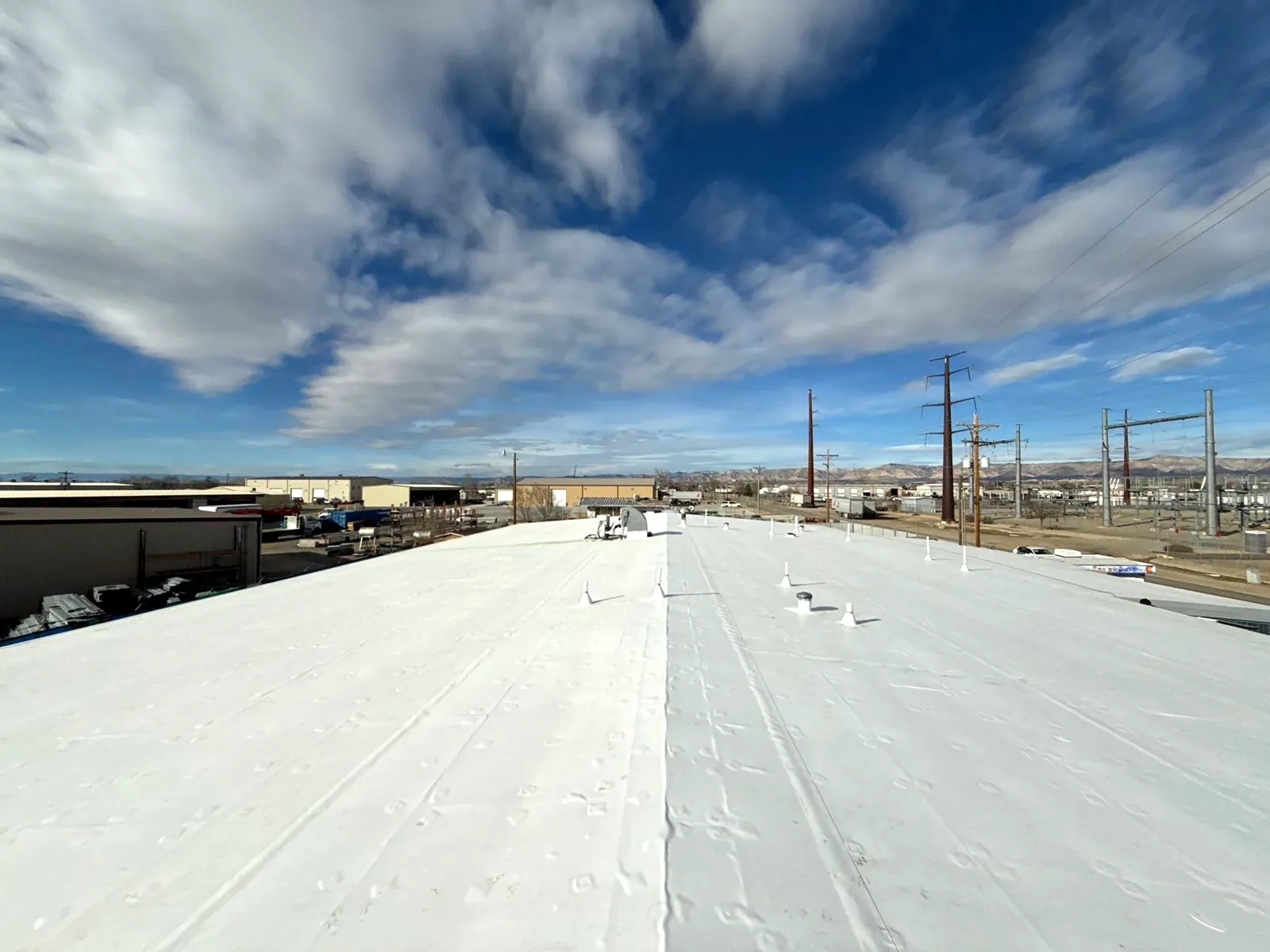
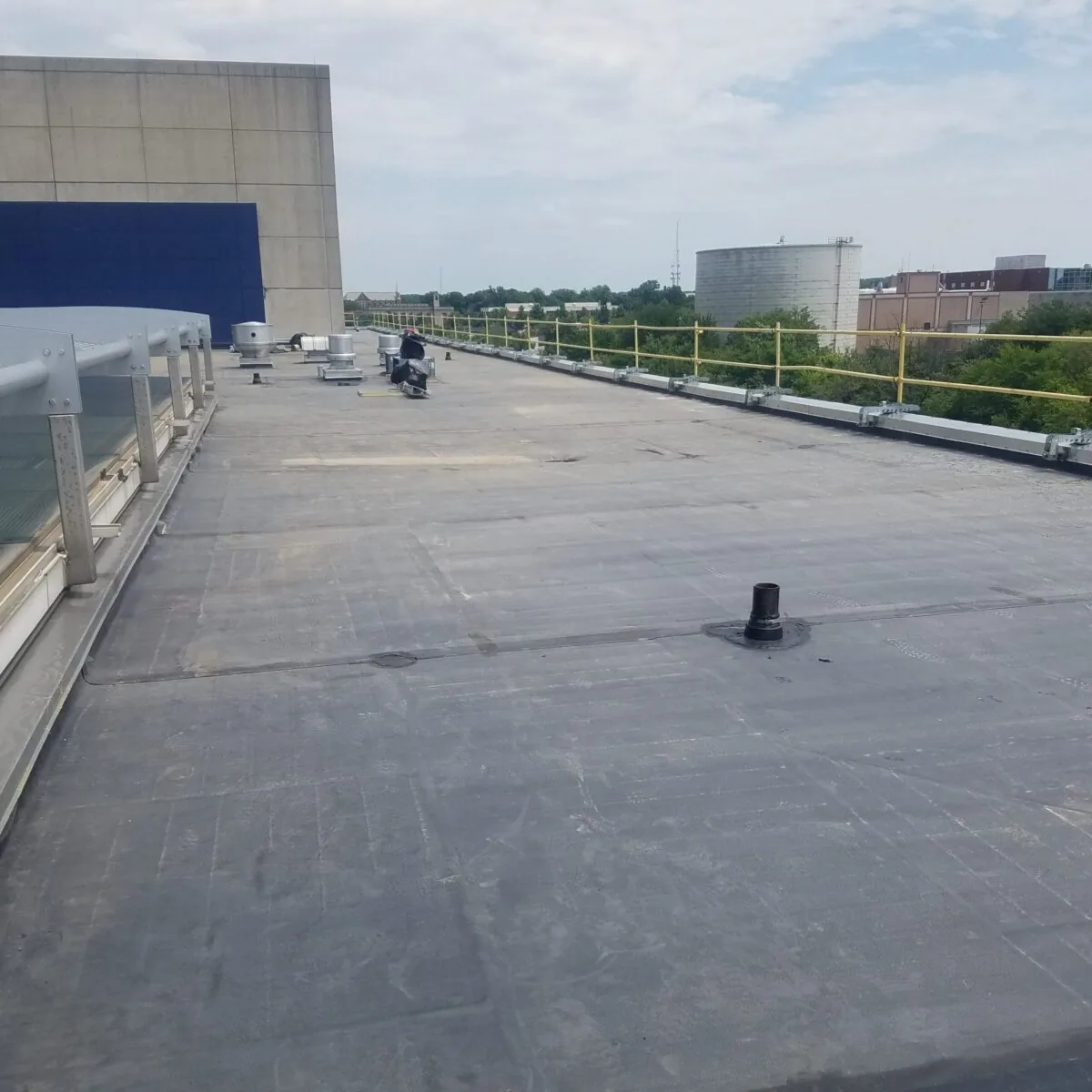
A drain outlet only works when water can reach it. We map the roof plane, low points, drains, scuppers, overflow openings, and walls that interrupt the flow before recommending a correction. A pond at a warehouse near Sakioka Farms may come from a blocked bowl, settled insulation, or a deck condition; the remedy depends on which one is present. In the Central Industrial Area, equipment, storage, and service activity may limit where crews can stage, so access belongs in the same plan. At the Oxnard weather station, Hilary's August 2023 total was 1.77 inches, the highest August figure on record. We inspect each roof’s drains, overflows, and low points to identify current drainage conditions. Our field marks show where water collects and what would give it a reliable route off the building.
Trace the surface to each outlet
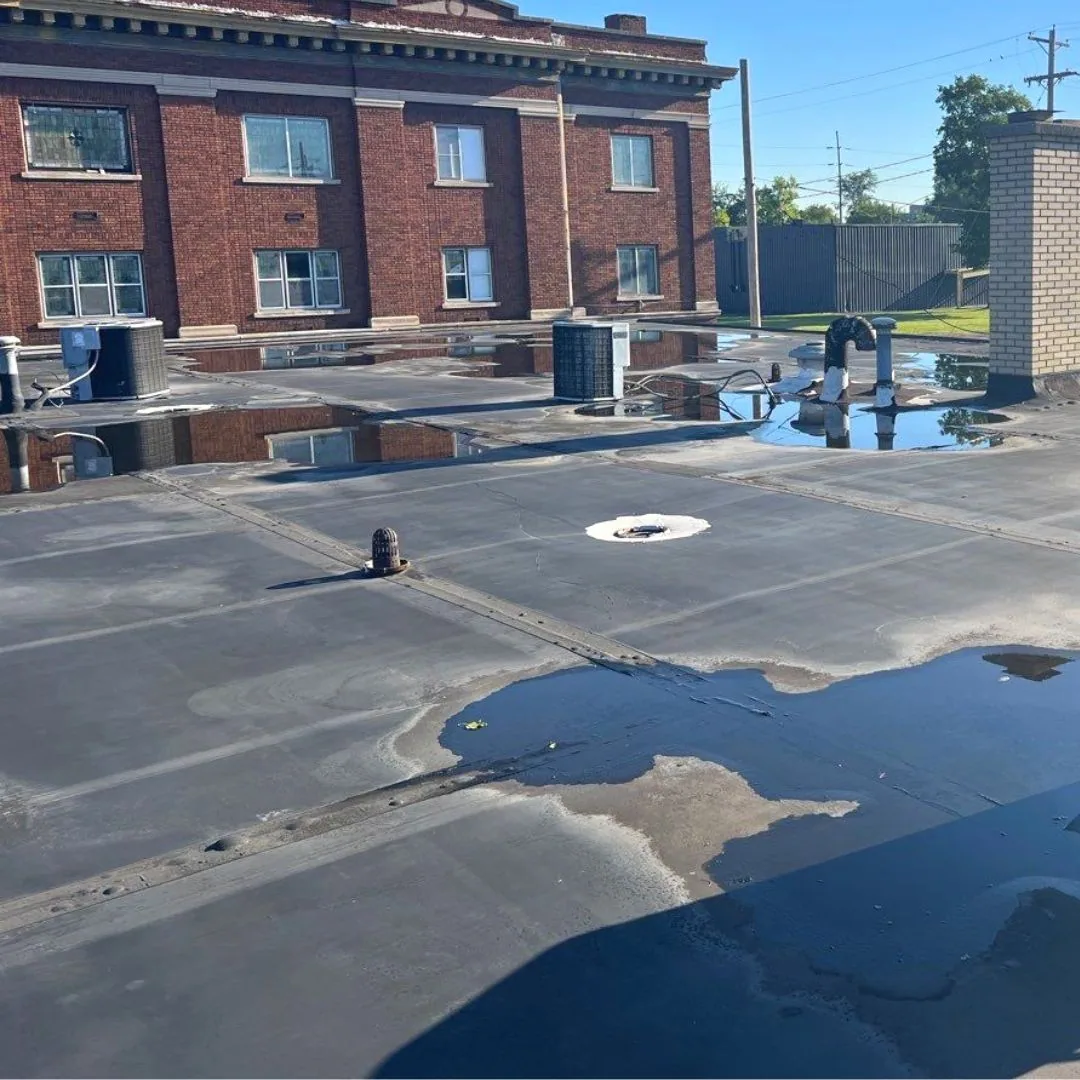
We start at each low point and work uphill, checking the slope, drain position, seams, equipment bases, and sections that feed the outlet. Roof plans may show intended drainage, but later additions, repairs, or settled insulation can change the route. We note standing water and sediment lines, then look for the cause rather than treating every pond as a drain problem. A blocked strainer can be cleared; a settled roof plane may need a different scope.
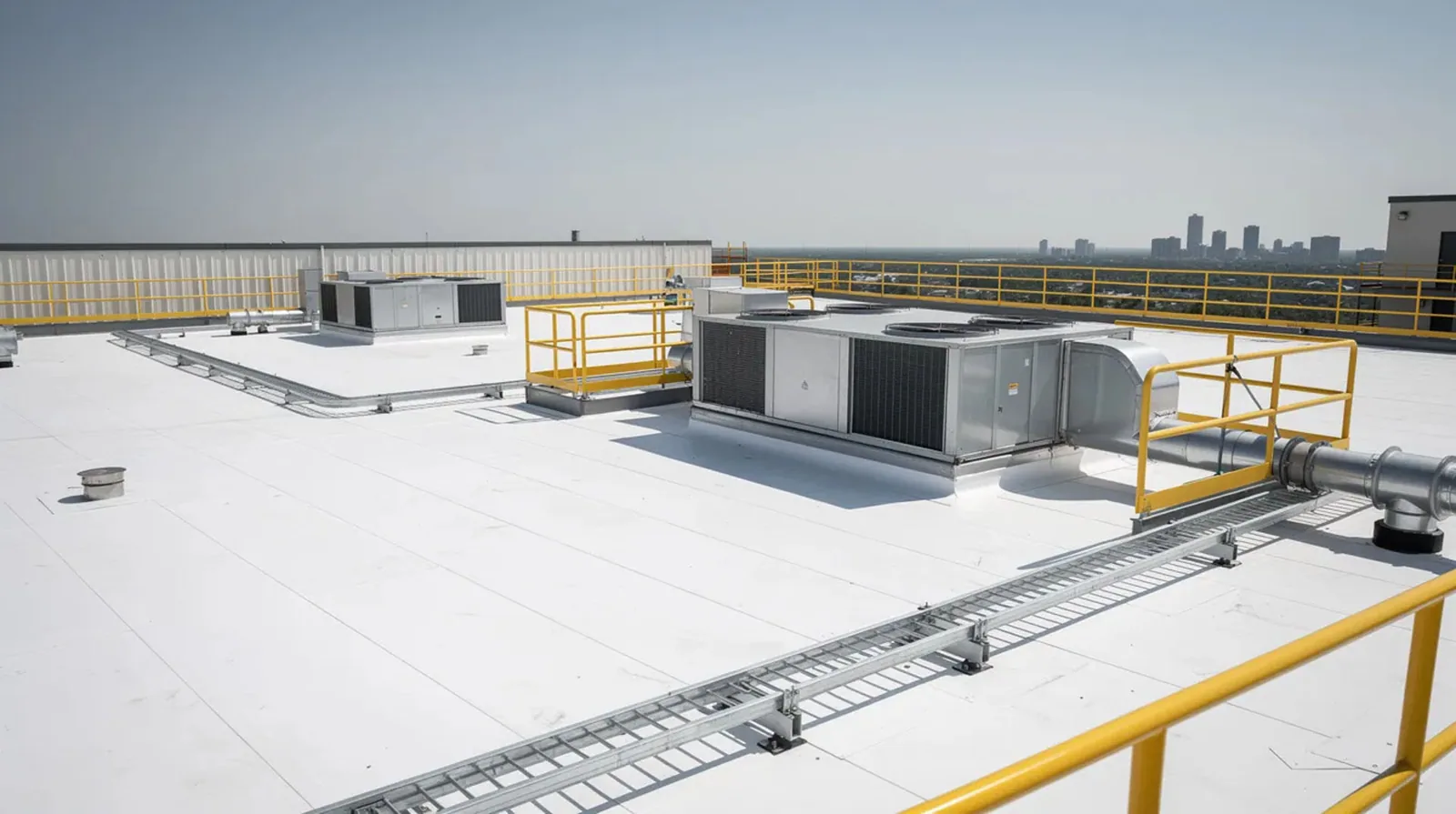
The map identifies primary drains, scuppers, gutters, and any overflow outlet. We record which roof area drains to each point and whether there is a visible path between them. If water crosses a traffic route or reaches a wall transition before it exits, the detail needs review. On a multi-section building, field marks keep the correction tied to the right roof plane. A hands-on inspection can document the broader membrane and flashing conditions while we map drainage.
Check the primary and overflow route
The primary drain should accept water at the roof’s low point and connect to an open drainage path. We inspect the bowl, strainer, clamp ring, membrane tie-in, and visible piping conditions. Leaves or packaging can restrict an opening; a displaced ring or failed seal can allow water under the membrane. The report distinguishes service cleaning from repair to the drain assembly.
Secondary drainage limits water depth if a primary opening is blocked. Scuppers and overflow drains must remain open and high enough to serve their intended role. We check the opening, lining, edge flashing, and route beyond the wall. Paint, sealant, or a new roof layer should not reduce the usable opening. If a scupper is too low or a drain lacks a safe path, we document the condition and coordinate the change with the project team. Gutter and edge-metal work may be needed where water exits through an exterior edge rather than a roof drain.
Build a controlled path with crickets
A cricket or tapered insulation can redirect water around an obstruction or toward a drain. The layout starts with actual elevations. We measure the roof plane, identify the high and low points, and consider how added taper changes curb heights, door thresholds, parapets, and flashing. A cricket should guide water without creating a new basin on its uphill side. It also needs a compatible cover board and membrane detail.
Not every pond can be corrected by adding taper. The structure may have deflection, an existing slope may be reversed, or the drain may sit above the surrounding surface. We check visible conditions and review available roof plans before pricing. Where the deck itself may be moving, structural review can be necessary. A repair that simply fills a low spot can trap water elsewhere or interfere with membrane thickness at nearby details. We draw the proposed flow path and show where it meets the outlet before installing the assembly.
Use rainfall history as context
The same station's Hilary measurement reached 1.77 inches in August 2023, establishing a new monthly August high. We document each building’s drainage path, outlet condition, and overflow route during inspection.
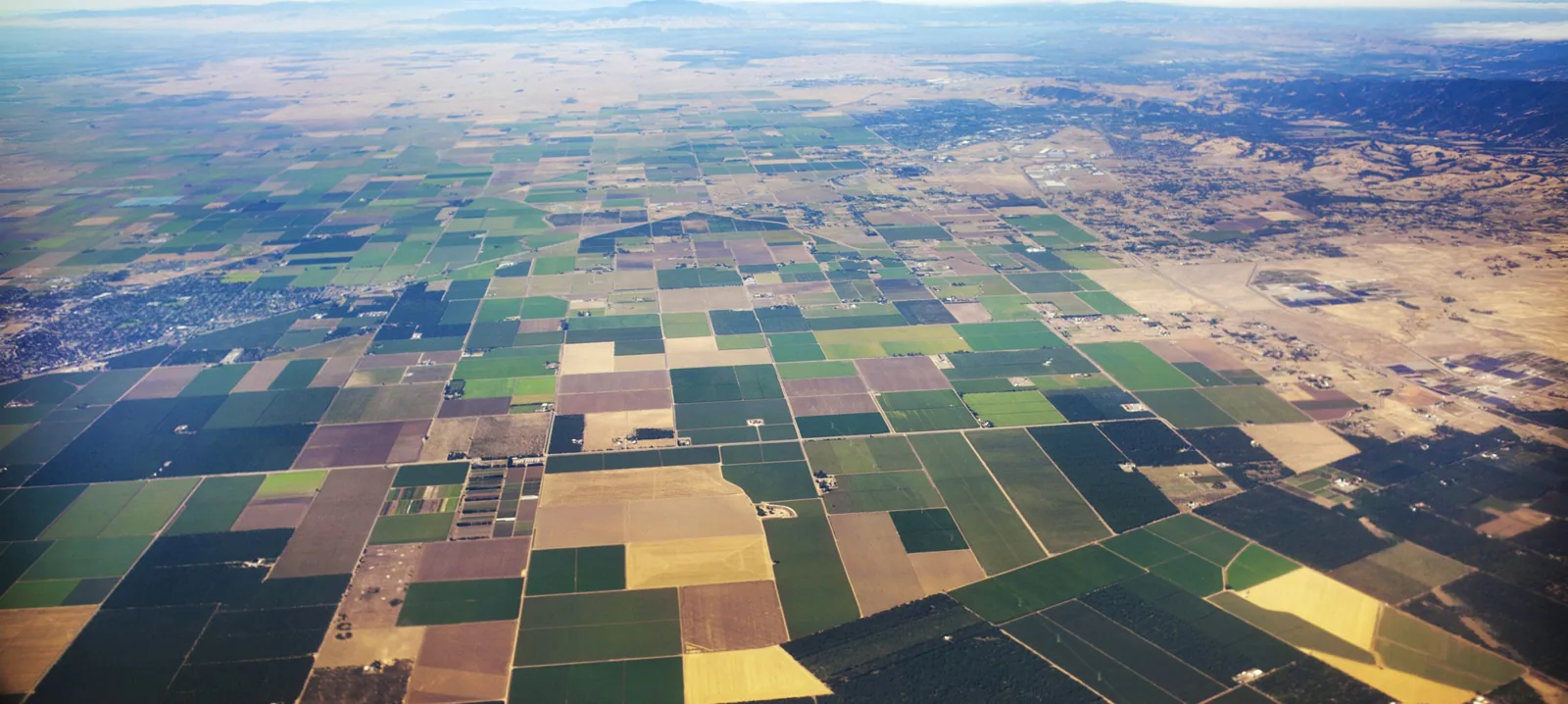
Oxnard planning materials place industrial and business uses across several districts. Camino Real Business Park fronts U.S. 101 and includes research, manufacturing, offices, and limited commercial activity. Sakioka Farms includes distribution and cold-storage development. We use roof plans and field measurements to locate each outlet. A Sakioka Farms drain inspection and a Camino Real roof inspection document the specific roof section in scope.
Coordinate membrane and drain work
Drain corrections require a watertight connection between the bowl and roof membrane. We remove failed material, prepare the flange, and install a compatible detail for the existing or new roof system. A replacement drain may involve plumbing coordination below the deck, while a scupper rebuild can affect the wall and edge metal. The scope states which trades are included and which work requires separate approval.
We sequence the work so roof areas can be dried in and the building remains protected. A larger drainage correction may be completed alongside replacement or recover work, when the assembly is open. For an existing roof, we identify a safe work window and temporary protection. The closeout records drain or scupper locations, changes to the flow path, and any outlet that was not accessible. Recover work and replacement can each include a drainage redesign, but the proposed elevations must be checked against curb and edge conditions.
Separate a blockage from a slope problem
The repair plan should distinguish maintenance from geometry. Clearing debris may restore flow when the roof plane is correct. A repeated pond may require tapered insulation, a drain relocation, a cricket, or further evaluation of deck movement. We mark the difference and explain what test or measurement would confirm it. That keeps the scope from pricing a cleaning visit when the water pattern will return.
Cost and schedule depend on roof access, drain count, piping coordination, membrane type, insulation thickness, edge height, and how many sections must be opened. We can provide an immediate clearing or repair scope, then price a larger correction after measurements. If the roof also shows membrane damage, commercial roof repair can include the local detail. For moisture near a low point, targeted testing may help establish what remains below the surface.
Related Roofing Work
More from Commercial Roofing Services and nearby services
Map the water route
Share roof plans, ponding locations, leak history, and access details. We will measure the flow path, inspect drains and overflow points, and scope the needed correction.
Common Questions
How do you tell a blocked drain from a low roof area?
We inspect the bowl and strainer, then compare the water mark with the surrounding slope and nearby roof sections. If clearing the outlet restores flow, the issue may be maintenance. A pond that remains or returns at the same location can point to settled insulation, reversed slope, or deck movement and needs measurement.
What is the difference between a drain and a scupper?
A roof drain takes water through the roof deck into a connected drainage system. A scupper passes water through a parapet or edge to an exterior outlet. The roof layout determines which detail is used and how the overflow route works. We inspect the membrane connection and the outlet beyond the opening.
Can adding a cricket solve every ponding area?
No. A cricket can redirect water around an obstruction or toward an outlet when the elevations allow it. We check the deck, curb height, parapet, and drain level first. If the roof plane or structure is the underlying issue, taper alone may not correct it.
Do overflow scuppers need to stay open?
Yes. An overflow opening needs a clear path to perform its secondary drainage role. We record its location, height, and visible obstruction and identify repair if the opening or lining is damaged. Coating and membrane work should preserve the usable opening.
Can drainage work be completed during a roof replacement?
Yes. Replacement can provide access to adjust elevations, replace drains, add tapered insulation, or rebuild scuppers. We show those items in the scope and coordinate any below-deck plumbing or wall work. The elevations need to be checked before the new membrane is installed.