Commercial Roofing in Central Industrial Area, Oxnard, CA
Plan an industrial roof inspection
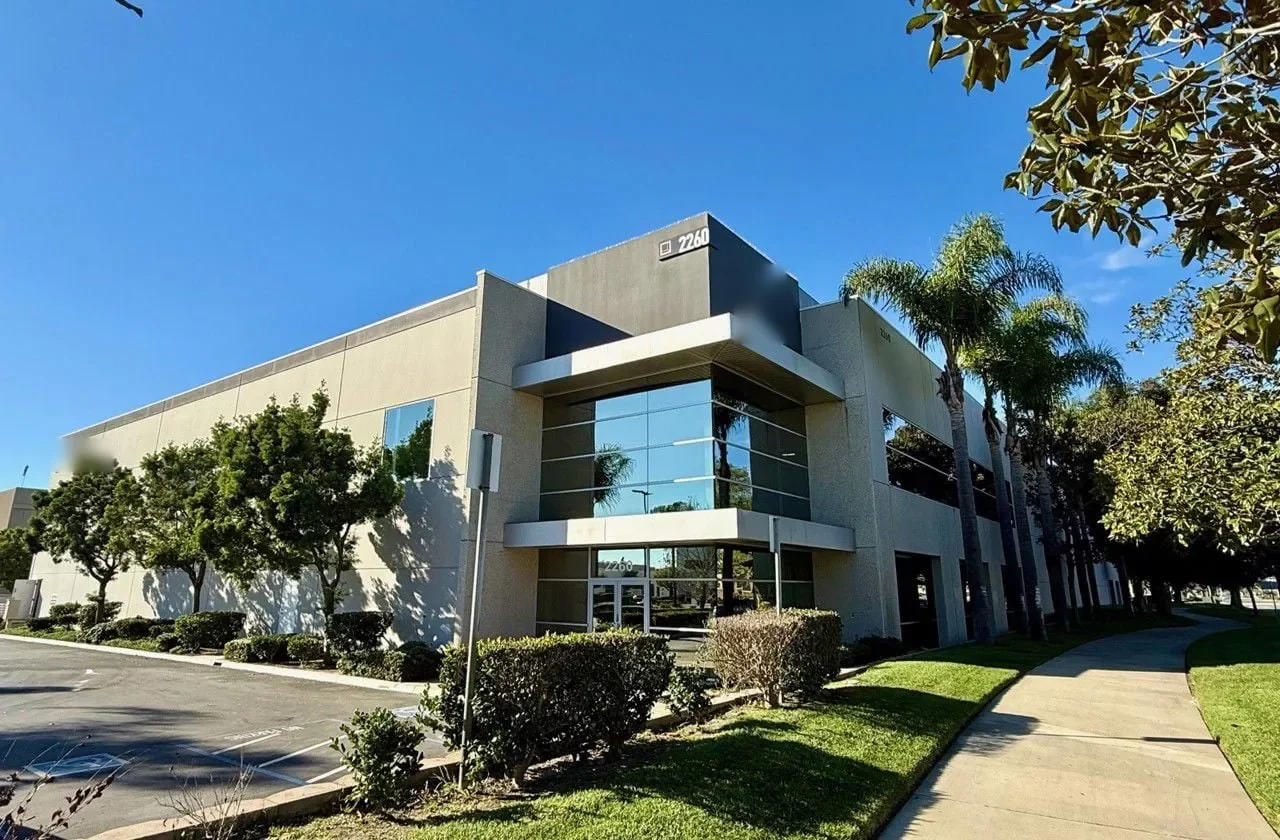
Central Industrial Area
A roof above agricultural processing or vehicle and equipment repair has to stay coordinated with work on the floor below. Vents, exhaust, service lines, and rooftop equipment can interrupt membrane paths and constrain where a crew can stage. Oxnard's General Plan identifies those uses in the Central Industrial Area, a broad heavy-industrial designation. We start at the roof access point, map the equipment zones, and trace low points, seams, penetrations, and perimeter details. The use tells us what to ask about operations; the field walk establishes the assembly and the repair scope.
Industrial roof work often needs a precise sequence. A temporary opening cannot remain exposed while a production or repair shift continues below. We record which work areas depend on ventilation, where equipment must remain live, and which roof section can be isolated for repair. Separate roof additions or changes in elevation receive their own marks, so a drain defect near one work bay does not become a vague note against the entire building.
Map the equipment before opening the roof
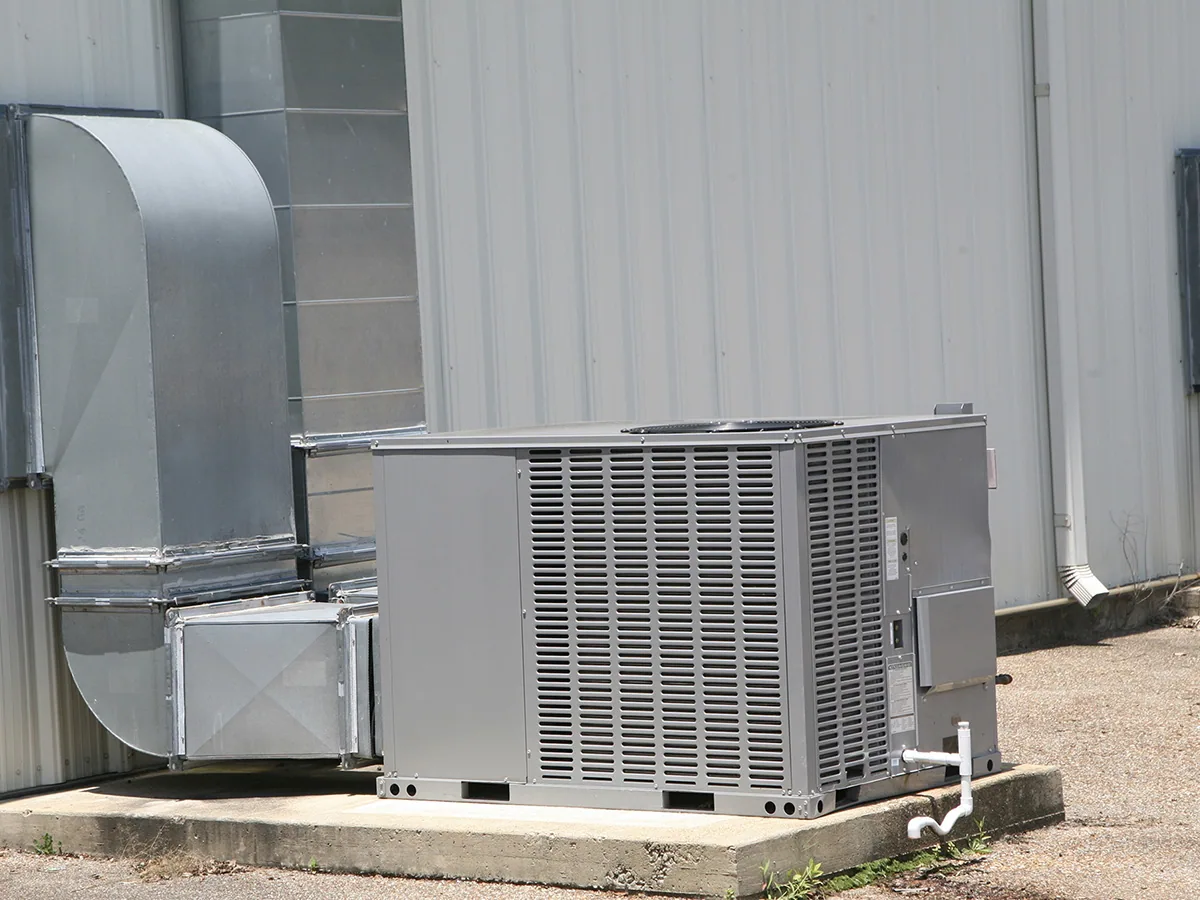
Industrial roofs can carry curbs, ducts, conduits, exhaust points, supports, and service routes. We record each penetration and check flashing for separation, open corners, cracked sealant, or movement. A replaced unit may sit on an older curb or carry new lines through the membrane. We note the interface and coordinate with the equipment trade before altering a support.
Equipment access affects safe movement across the roof. We identify the route, tie-off locations, overhead conflicts, and fragile or obstructed areas. If a unit blocks a seam or drain, the report states what could not be seen. The owner can decide whether to arrange a shutdown, move equipment, or price a test. A curb and support detail needs compatible flashing and a stable base; penetration work must restore the membrane around each opening.
Properties in the McInnes Ranch Business Park and the Central Industrial Area have different planning identities, but both need equipment mapped before repair. The field inventory supports the work order and next inspection.
Check drains where process dust can collect
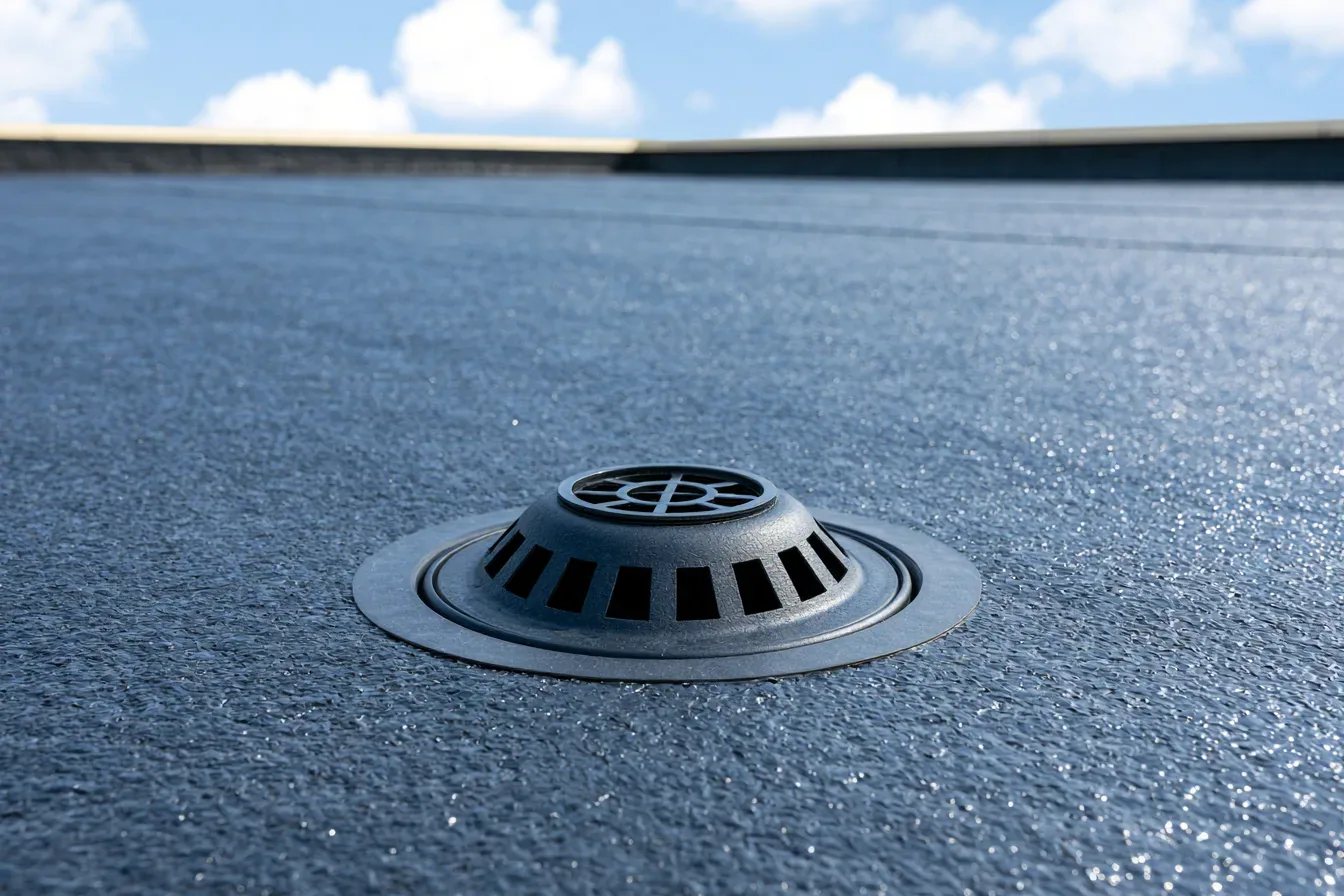
Dust, leaves, packaging, and other material can collect at a drain bowl, scupper, or behind a curb. During the walk, we inspect each low point, the visible outlet, overflow path, and membrane around the opening. We document debris and water marks separately from a split drain connection or a depressed roof area. Clearing an obstruction may restore flow; a damaged bowl, loose flashing, or poor transition can require repair. The report should make that difference explicit.
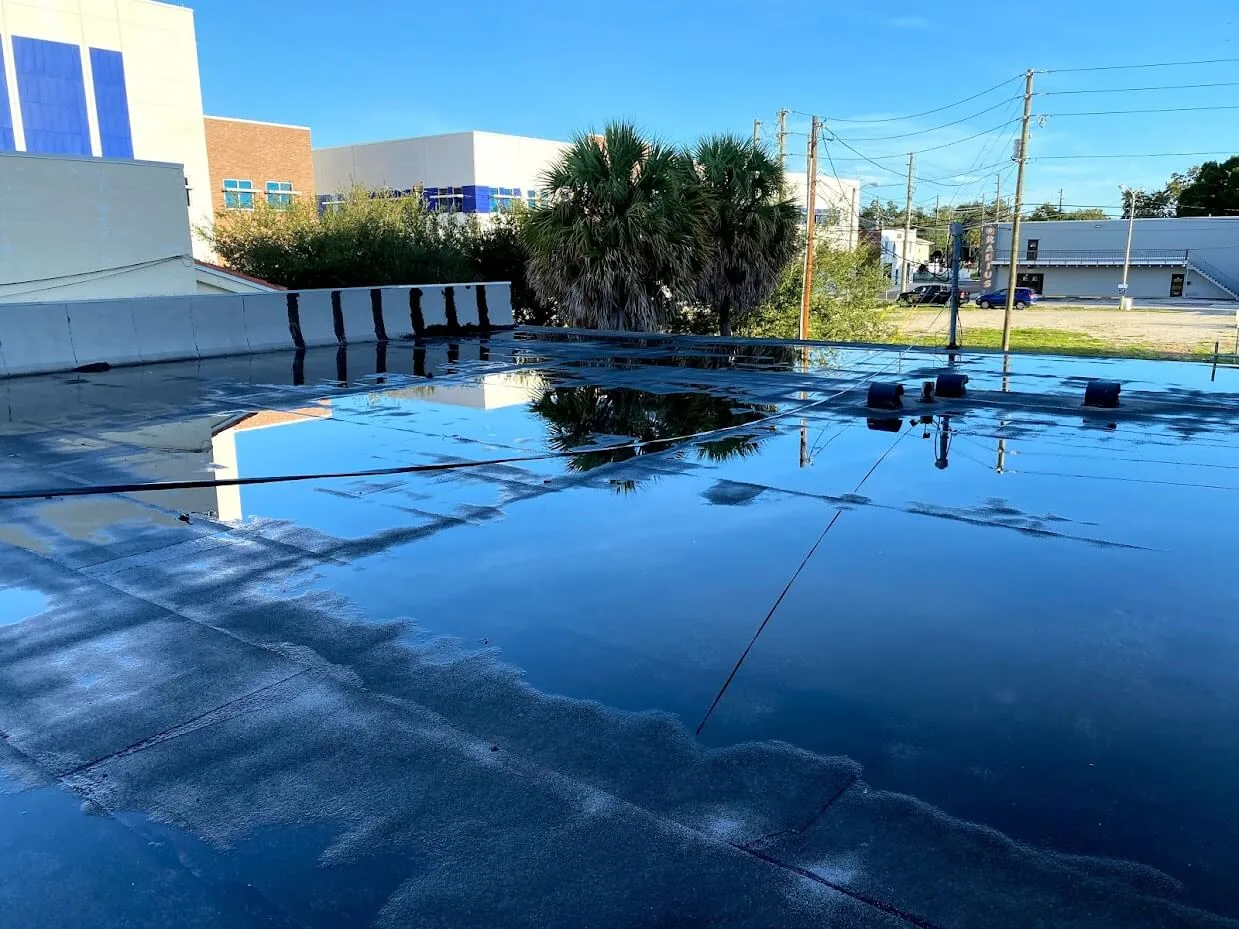
Drainage review includes what happens when the primary outlet is blocked. We look for an overflow route and check whether its opening is clear and its flashing intact. If the roof drains toward equipment or a wall, the slope and obstacles matter. For water reported inside the building, we compare the room location with the roof map and likely paths. A drain and scupper inspection can document the drainage detail; a ponding-water repair review evaluates the surface and outlet together.
The Oxnard weather station recorded a monthly August rainfall record during Tropical Storm Hilary in 2023, with 1.77 inches at the station. When a leak report follows the storm, compare its timing with the service record, then inspect the property's outlets, overflow route, and roof conditions to determine whether testing or repair is justified.
Separate surface wear from assembly failure
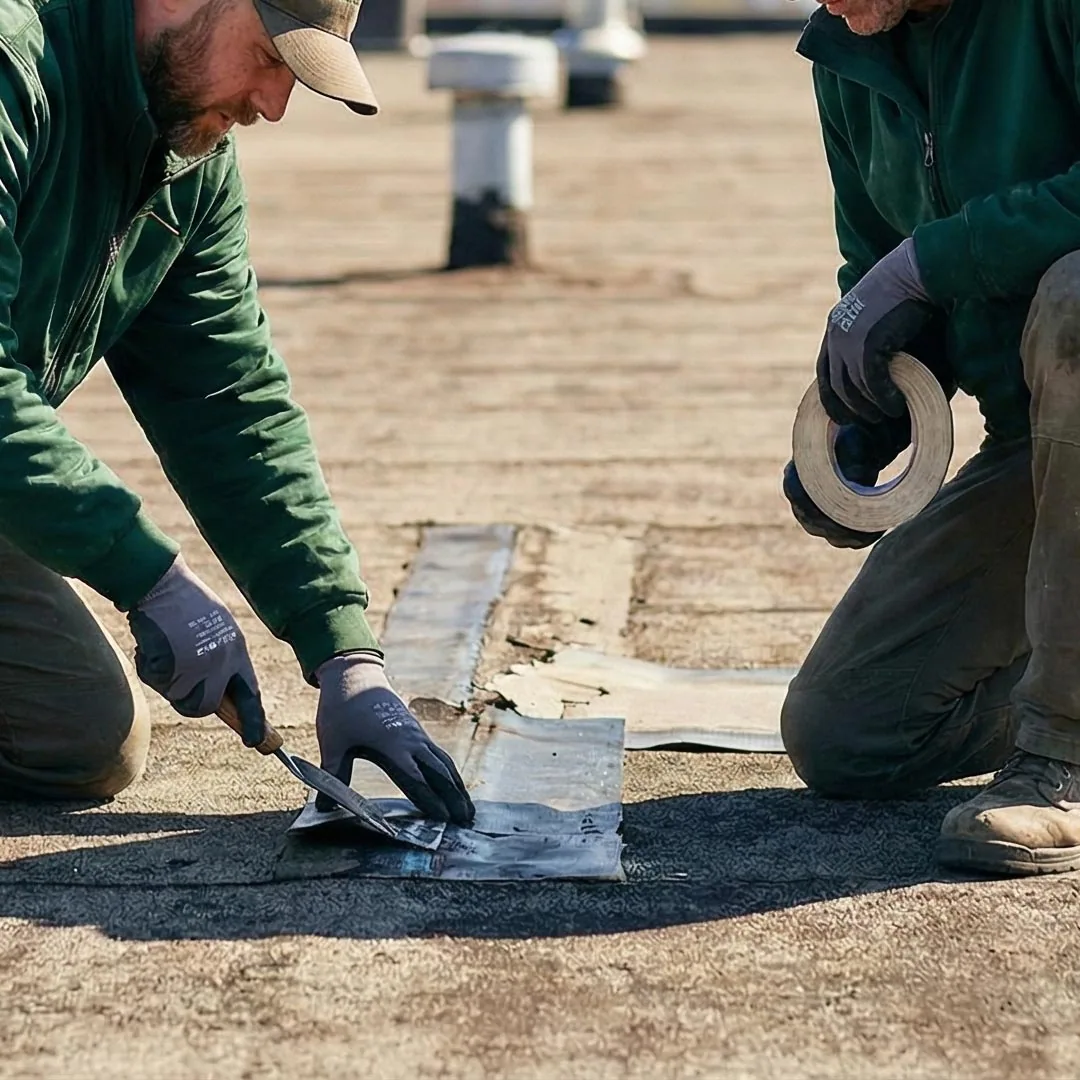
Oil, foot traffic, vibration, dropped fasteners, and maintenance work can leave marks that need different responses. We inspect seams, field membrane, base flashing, edge metal, and prior patches for openings, splits, punctures, loose attachment, or surface oxidation. A scuff is not automatically a leak, and an old patch is not automatically failing. Each field mark describes the visible condition, its roof zone, and whether moisture or attachment testing would change the recommendation.
For a single-ply membrane, a compatible patch needs sound material and proper preparation at the tie-in. A built-up or modified-bitumen assembly requires a repair method suited to its layers and surface. Coatings need a stable substrate and confirmed compatibility. We identify the roof type when visible, then avoid pricing a system-specific repair before that check. Where a test opening is required, we set a location and closeout plan with the owner before the roof is cut.
Some Central Industrial Area parcels adjoin downtown, and Oxnard planning materials note that certain adjoining properties may face higher standards for new or rehabilitated uses. That planning detail can matter to project review, but does not tell us the roof's condition. A Downtown Edge building also calls for parcel-specific project questions. Our inspection focuses on roof sections, visible layers, and the repair scope that the property needs.
Sequence work with the operating floor
Before removal begins, we confirm work hours, access clearance, material staging, lift placement, interior protection, and who can approve a change. The repair sequence should leave the building weather-tight at the end of each shift. If removal reaches wet insulation or a deteriorated deck, the owner needs to know how much work can be closed that day and what temporary measures will protect the interior overnight.
Cost and duration depend on the measured area, preparation, removal depth, replacement insulation, drain or edge changes, equipment coordination, and disposal. A repair beside a live exhaust or an operating production area can require a narrower access window. A staged reroof plan can control exposure by section; a focused commercial roof repair may be the right scope where adjacent material remains sound. We set quantities after inspection and keep test allowances separate from confirmed work.
Emergency protection is available around the clock, including weekends and holidays. For active water entry, we protect the area and record the permanent work that remains. Temporary stabilization is not a completed repair. Once controlled, the leak can receive correction around equipment and floor operations.
Keep maintenance connected to the roof map
Industrial maintenance logs should identify which drain, curb, seam, and roof section was checked. A vague note that the roof was cleared does not tell the next crew whether the overflow was open or whether an earlier patch moved. We tie photos to field marks, list work performed and material used, and note any access limit. When equipment is replaced, the roof record should capture the new penetration or support detail and a follow-up inspection date.
A preventive maintenance visit can revisit drains, edges, seams, and prior repairs at an interval set by observed condition and operating risk. Keep roof plans, equipment schedules, leak notes, and repair closeouts together. A roof asset register can make those records easier to use when facility staff or property managers change.
Share the roof plan, equipment inventory, recent leak reports, repair history, and the work windows available. We will inspect the relevant areas, mark the roof conditions, and return a defined repair or testing scope that reflects the operations below.
Related Roofing Work
More from Service Areas and nearby services
Plan an industrial roof inspection
Send the roof plan, equipment inventory, leak history, access requirements, and available work windows. We will map conditions and recommend repair or testing by roof section.
Common Questions
Can roof repairs be scheduled while process equipment stays online?
Often, if the work area can be isolated and access coordinated. We identify equipment that must remain active, the affected roof section, and any shutdown or trade coordination needed before setting the sequence.
What roof details deserve attention around exhaust and ducts?
We inspect curb seals, flashing corners, membrane tie-ins, support attachments, and nearby drainage. A changed unit or added line can disturb an older detail and should be checked as its own location.
How do you tell a clogged drain from a failed drain detail?
Debris may call for clearing; loose flashing, a split connection, or damaged membrane can require repair. We inspect the opening, visible connection, surrounding membrane, and overflow path.
Can you stop a leak before permanent repair is scheduled?
We can provide emergency protection around the clock, including holidays. The service record identifies the area protected and the permanent correction that remains.
What records are useful after equipment work?
Keep equipment plans, roof photos, curb or penetration changes, approvals, and repair closeout together. Those records help the next inspection find the altered detail and check its condition.