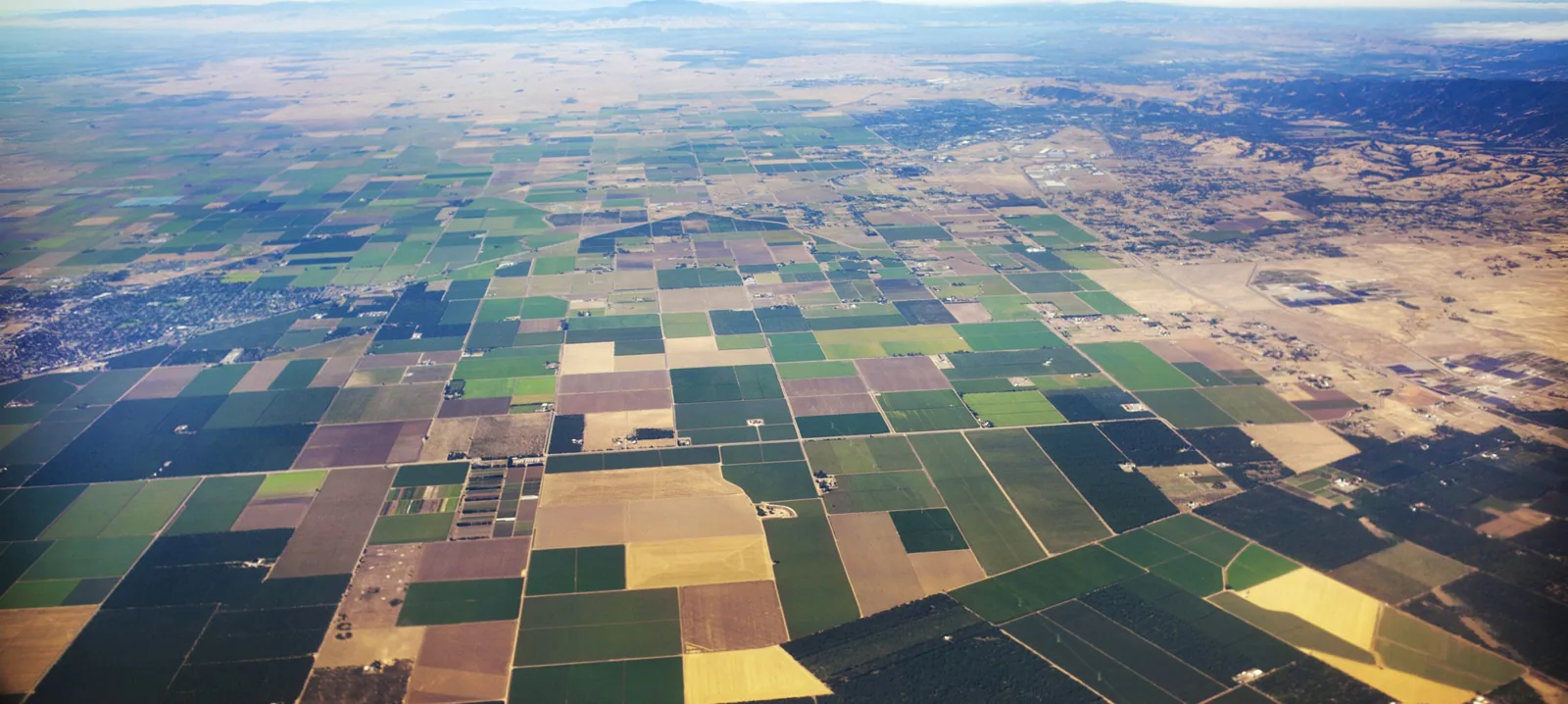
Local weather advisory

Coastal Flood Advisory: Commercial Roof Help in Oxnard

The National Weather Service has issued a coastal flood advisory covering Oxnard. Heavy rain and drainage loading can expose roof leaks, blocked drains, and ponding water. This is a weather exposure advisory; it does not establish damage to a specific roof.

Do not access a roof during hazardous weather. Protect people first, avoid water near electrical equipment, and request roofing help when conditions permit.

National Weather Service · Updated Oct 27, 2026, 1:54 PM UTC

Commercial Roof Leak Repair

A ceiling stain marks where water arrived, not necessarily where it entered. In a cold-storage building at Sakioka Farms, an office near Camino Real, or a retail property in Downtown Oxnard, the first useful record is a map of the interior report and the roof features above it. We ask when the water appears, whether it changes with wind direction or equipment cycles, and which rooms or inventory need protection. Then we inspect the corresponding roof area and trace likely paths across seams, curbs, drains, and wall transitions. We compare the roof condition with the building’s own leak history before deciding where to open or test. If water is entering now, call for an emergency response and move people or contents away from the affected area while the inspection is arranged.
Commercial Roof Leak Repair in Oxnard, CA

Protect the interior before the repair

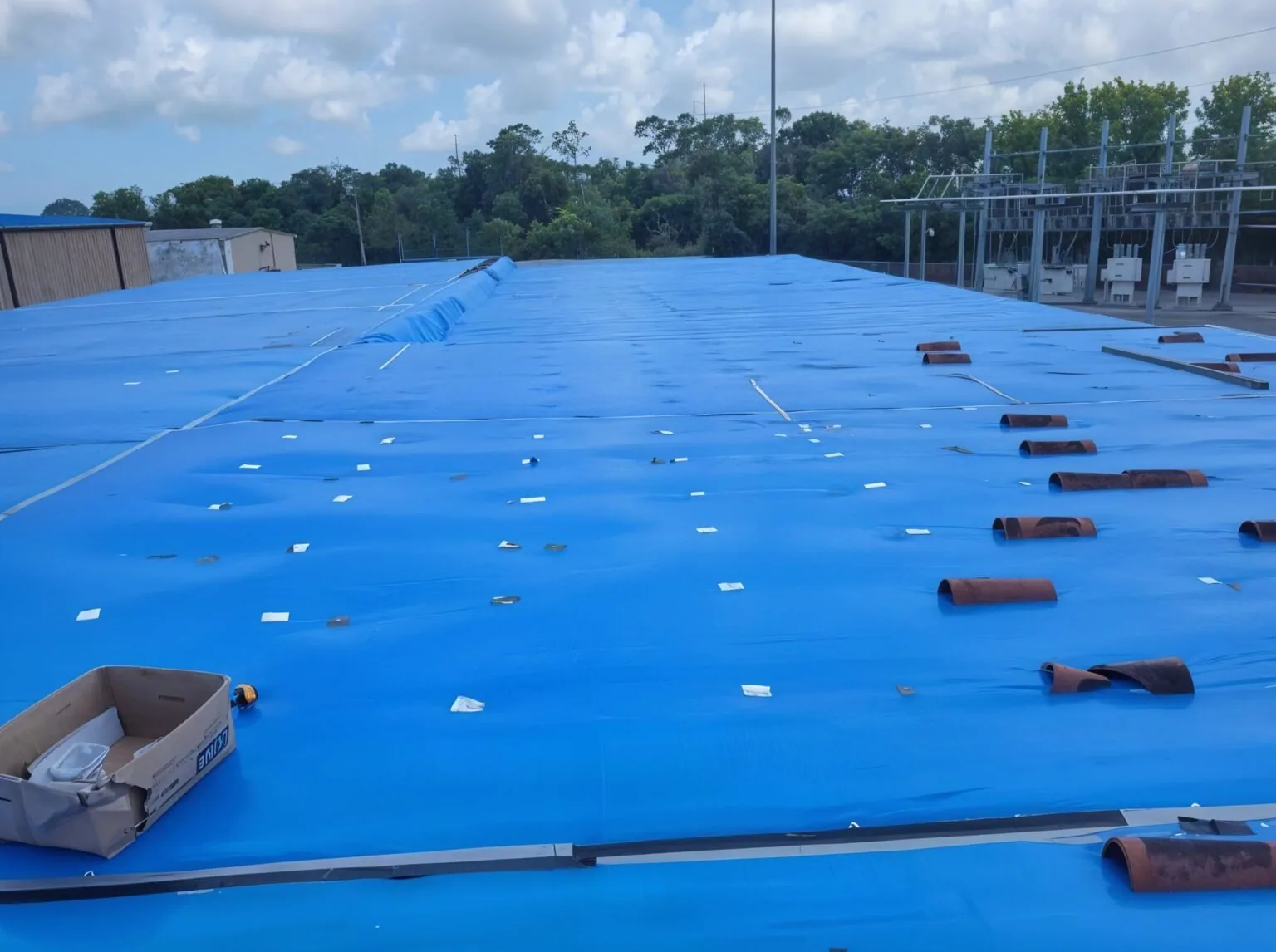
Active water can threaten electrical equipment, stored goods, ceiling systems, and occupied space. We first identify the affected area and determine whether temporary containment, a controlled shutdown, or access restrictions are needed. A safe dry-in may use temporary covering or diversion while the roof can be reached and inspected. Inside, the facility team can move contents and place containers only where they do not create electrical or trip hazards. We coordinate the immediate steps with the site contact.

For an operating building, a leak plan should account for shifts, loading doors, medical or food handling areas, and equipment that cannot be interrupted without notice. The property manager tells us which spaces need priority; our Diligence Notes then connect those reports to roof sections. If several leaks appear together, we label each one separately instead of assuming one defect explains all of them. Emergency roof repair is available around the clock, including weekends and holidays, for urgent protection and dry-in needs.

Trace the route above the stain

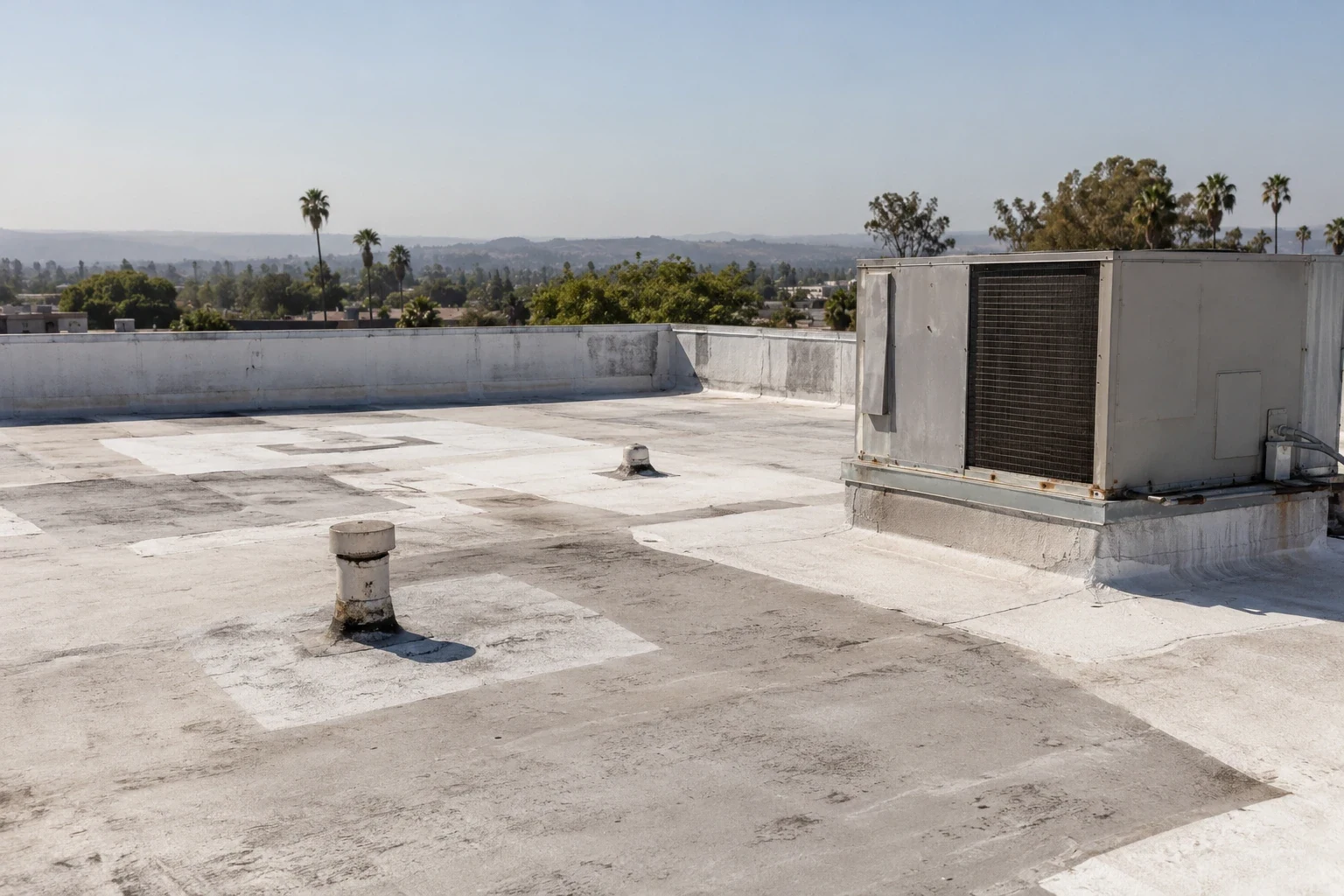
Water can move along a deck, insulation facer, joist, or pipe before it drips. We start above the interior location, then widen the inspection to nearby seams, penetrations, edge details, drain bowls, and low points. Wind can push rain toward a wall or curb that does not show an obvious opening from below. A roof map, photographs, and measured offsets help the crew return to the right spot after temporary protection is removed.

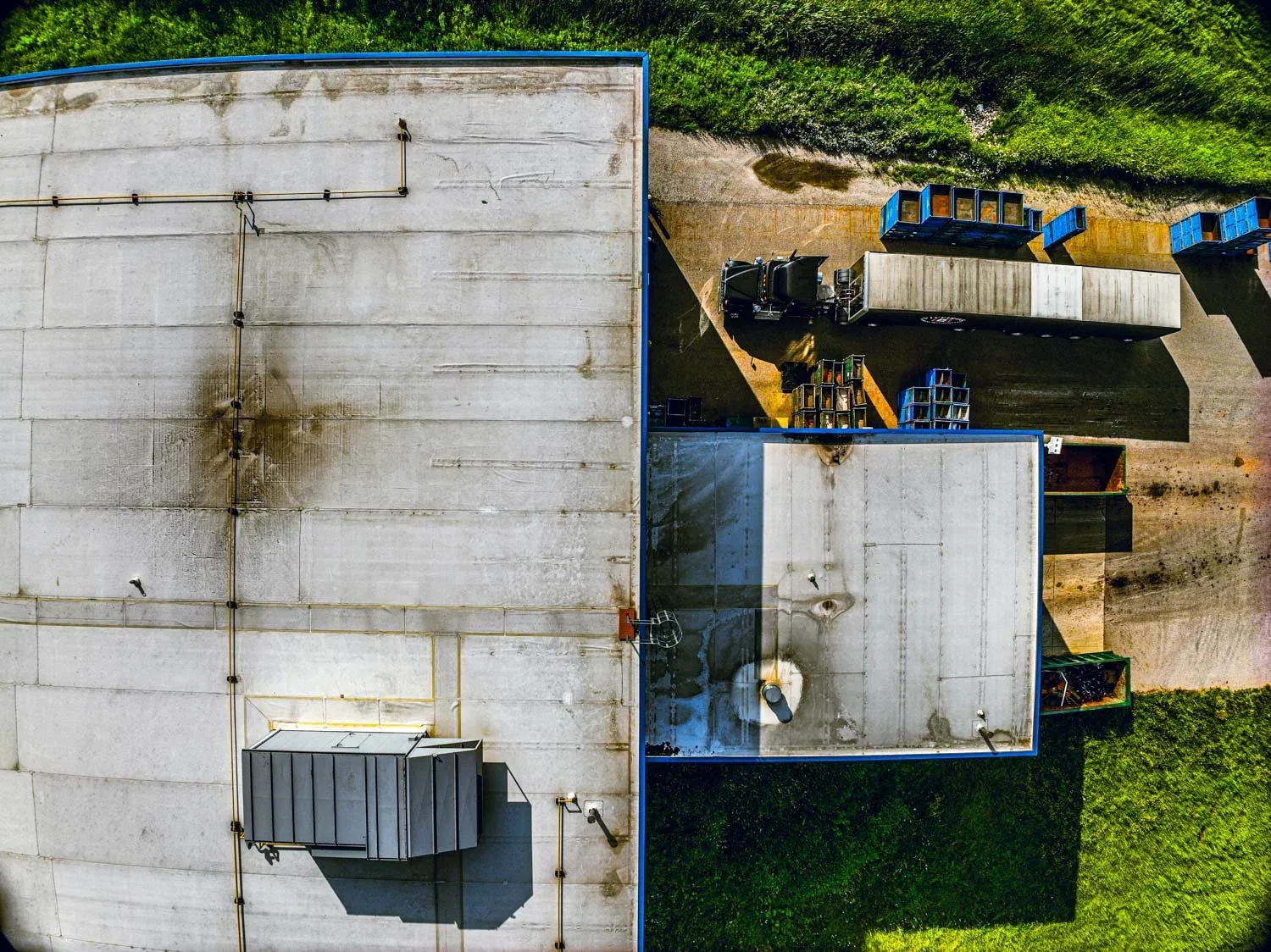
We check for a pattern. A leak that appears only after heavy rain may point toward drainage or overflow details. A drip tied to mechanical operation may be condensate rather than roof water. Staining at a wall can trace to counterflashing, while a wet ceiling grid below a penetration can have more than one possible route. We separate those clues and test the likely entry point. For a larger roof or an area with difficult access, drone imaging can document surface features, though it does not replace hands-on checks at suspect details.

Separate roof water from other moisture

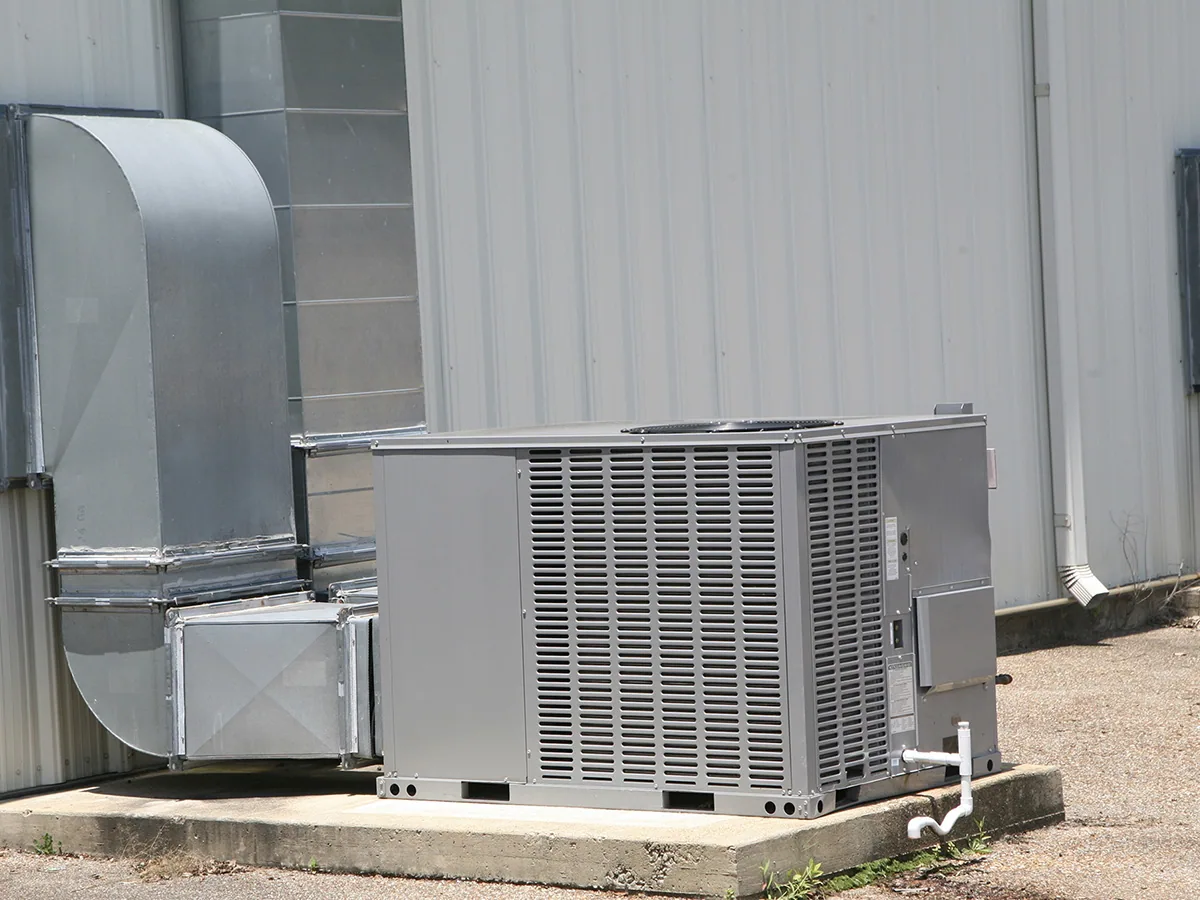
Not every ceiling drip comes through the roof membrane. HVAC condensate, plumbing, façade joints, and condensation can produce similar interior signs. We compare the timing, location, rooftop equipment, and visible roof condition before selecting a repair. Where the source remains unclear, we record the competing possibilities and identify what test would distinguish them. That prevents an unrelated sealant application from becoming the default response.

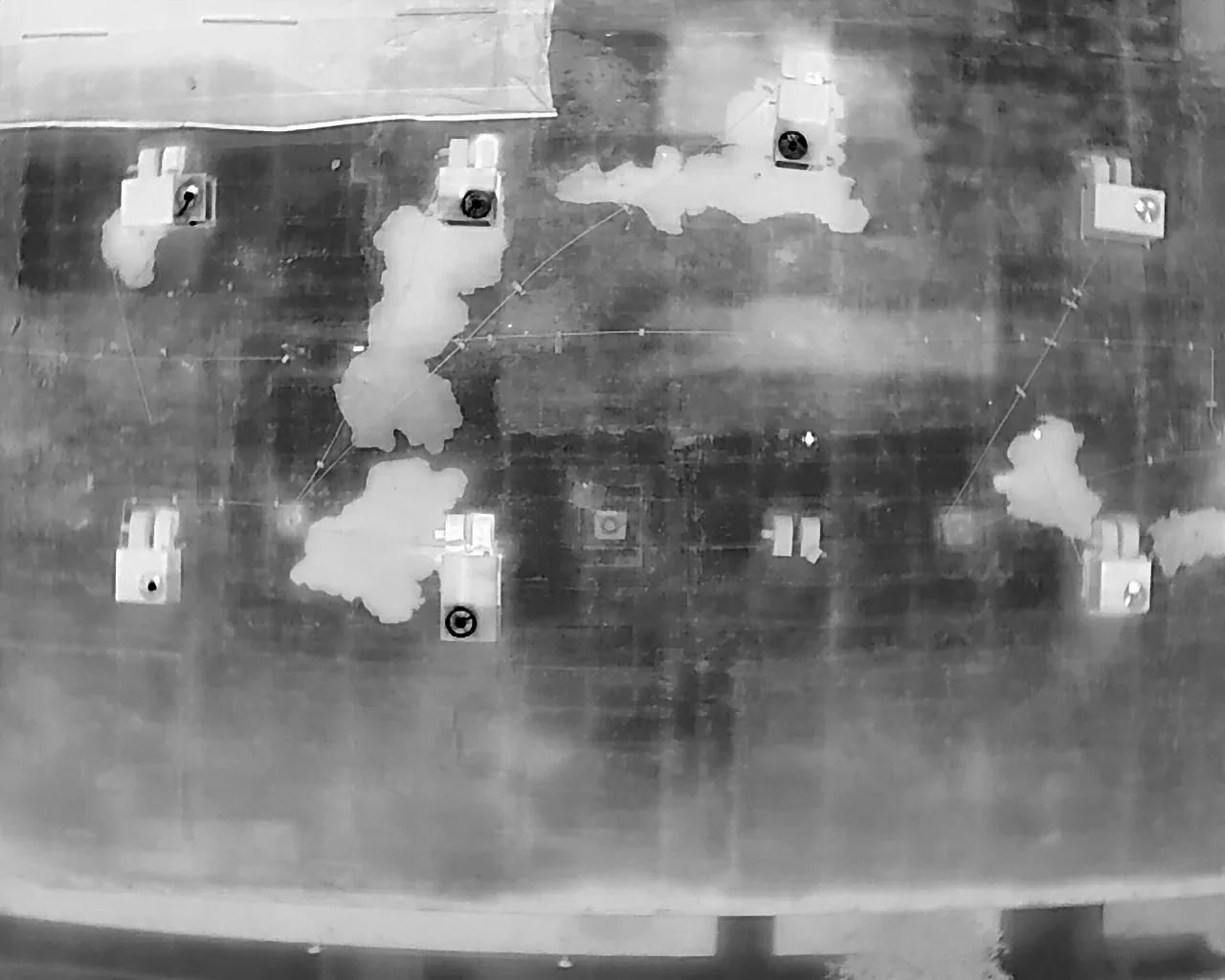
When insulation may be wet, surface appearance can understate the affected area. We use infrared indications to locate temperature patterns that merit confirmation and take targeted core cuts when the assembly allows it. The core shows the actual layers and moisture at that point. A survey is most useful when it is tied to a roof plan and followed by focused confirmation, not treated as a diagnosis by itself. The resulting map can guide infrared and core-cut moisture testing or a direct repair when the opening is visible.

Close the entry point with a compatible detail

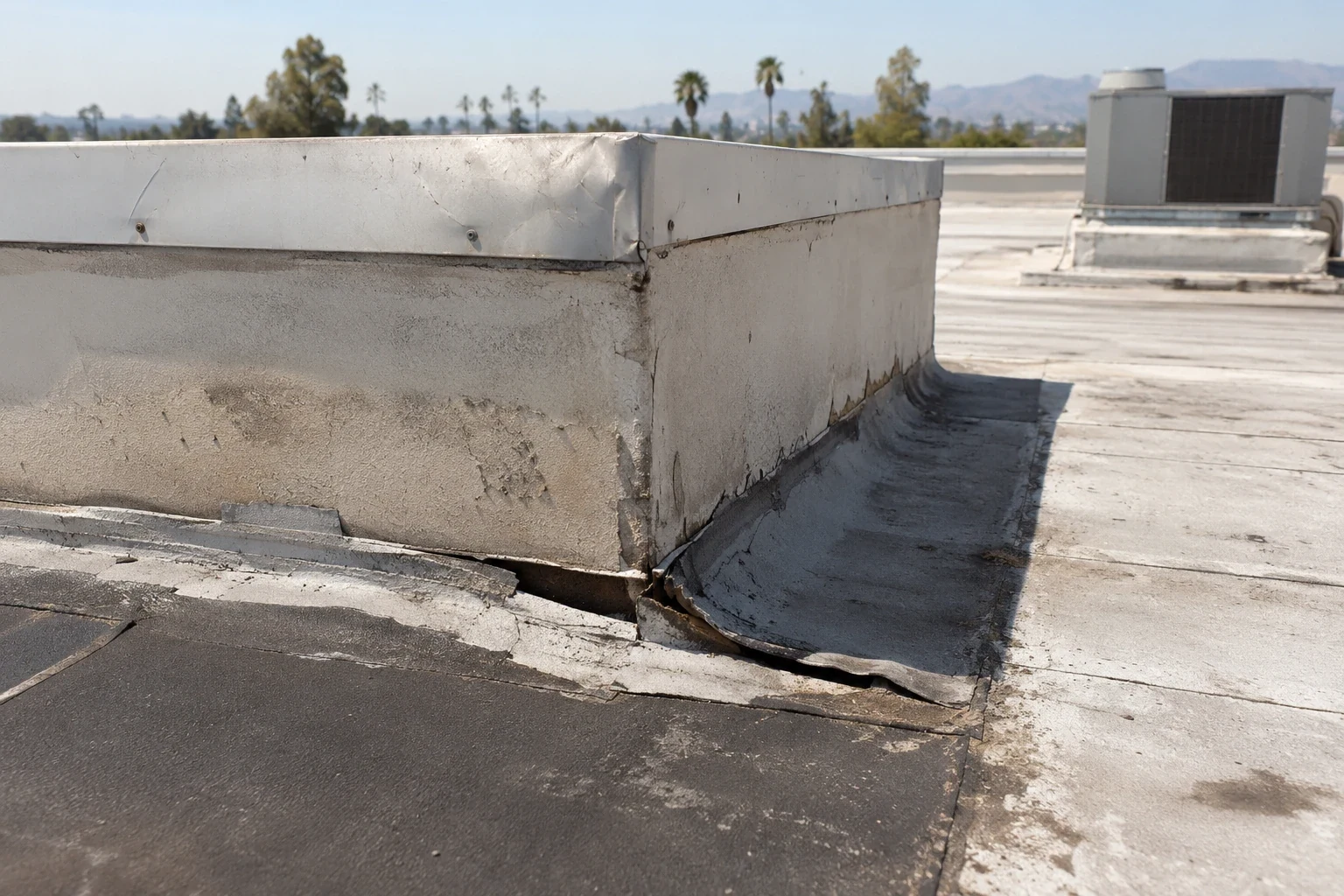
The repair depends on the roof system. A thermoplastic seam may need cleaning and a new weld. EPDM may require a compatible patch and adhesive. Metal flashing may need new fastening or a replacement piece rather than another bead of sealant. At a curb, we check corners and the full height of the flashing. At a drain, the repair must tie into the bowl and preserve a clear route for water. The method follows the installed materials and condition.

Before closing the area, we remove failed material to a stable boundary and prepare the substrate. The crew records the defect, the repair limit, and the materials used. If wet insulation or damaged deck extends beyond the initial opening, we pause and show the owner what has changed before expanding the scope. A permanent repair should address the cause and leave a detail that can be inspected later. For membrane or flashing failures that are already visible, see commercial roof repair and flashing failure repair.

Use Oxnard weather as dated context

The Oxnard station’s August 2023 Hilary rainfall reached 1.77 inches, while the station’s typical August amount is below 0.05 inch. For an active leak, compare the reported time with drain and overflow conditions, then set a dry-in boundary that reflects the current forecast and roof assembly. The current forecast and the building’s own leak history determine what to inspect and how to protect exposed materials.

For coastal properties, Oxnard’s Local Coastal Program identifies sea-level-rise and related hazards in designated areas. A property-specific review should match the roof, drainage, and reported interior symptoms to the parcel’s location. A cold-storage operator in Sakioka Farms may prioritize product protection and refrigeration continuity; a downtown office may need a quiet access route and protection for occupied rooms. Sakioka Farms properties and Downtown Oxnard buildings therefore get a response plan tied to their use, not a generic local-weather assumption.

Record what stopped the water

After the repair, the owner needs the exact location, the entry detail, and any remaining condition. We provide photographs and Diligence Notes that connect roof observations with the reported interior area. If temporary protection was installed, we state what must happen next and when the permanent detail should be checked. If moisture remains in an adjacent layer, the report identifies whether additional testing or removal is recommended.

Get the leak traced

Share the interior location, timing, roof plan, and access contact. We will protect the affected area, trace the likely entry path, and document the repair needed.

Common Questions

What information helps locate an active roof leak?

A room number, ceiling-grid position, first date noticed, rain timing, and photographs from inside give us a useful starting point. Tell us whether the drip changes with wind or equipment operation and whether it has happened before. We match those observations to roof features above the space, then widen the check if water may be traveling.

Can the roof be repaired while water is still coming in?

Temporary protection may be possible if roof access and weather conditions allow it. We first secure the work area and limit interior exposure, then decide whether a dry-in is safe. The permanent detail usually requires a suitable dry surface and compatible materials, so we schedule that work when the assembly can be prepared correctly.

What if the stain is far from the roof opening?

The location below is still useful, but it may sit downhill or along a structural member from the entry point. We compare the building layout with seams, curbs, drains, and wall transitions and check likely water paths. Photographs and measurements help connect the interior report to the roof map.

Do you repair leaks caused by HVAC equipment?

We inspect the roof interface and look for condensate or plumbing sources as well. If the source belongs to mechanical equipment, we identify the needed trade coordination instead of treating it as a membrane failure. When the curb or flashing is involved, we describe the roofing work and any equipment access needed.

How do you know the leak is fixed?

We document the completed detail and any test performed, then recommend a follow-up check when rainfall or operating conditions allow. A dry ceiling immediately after repair may not prove the full path is closed. The record will state what was repaired and whether concealed moisture or another possible source remains.

ServicesRoof SystemsProperty TypesIndustriesService AreasDamage RepairCapabilitiesManufacturersAboutRequest a Roof Assessment555-555-5555
Call555-555-5555