
Commercial Roofing in Camarillo, CA
Schedule a Camarillo roof condition review
Camarillo
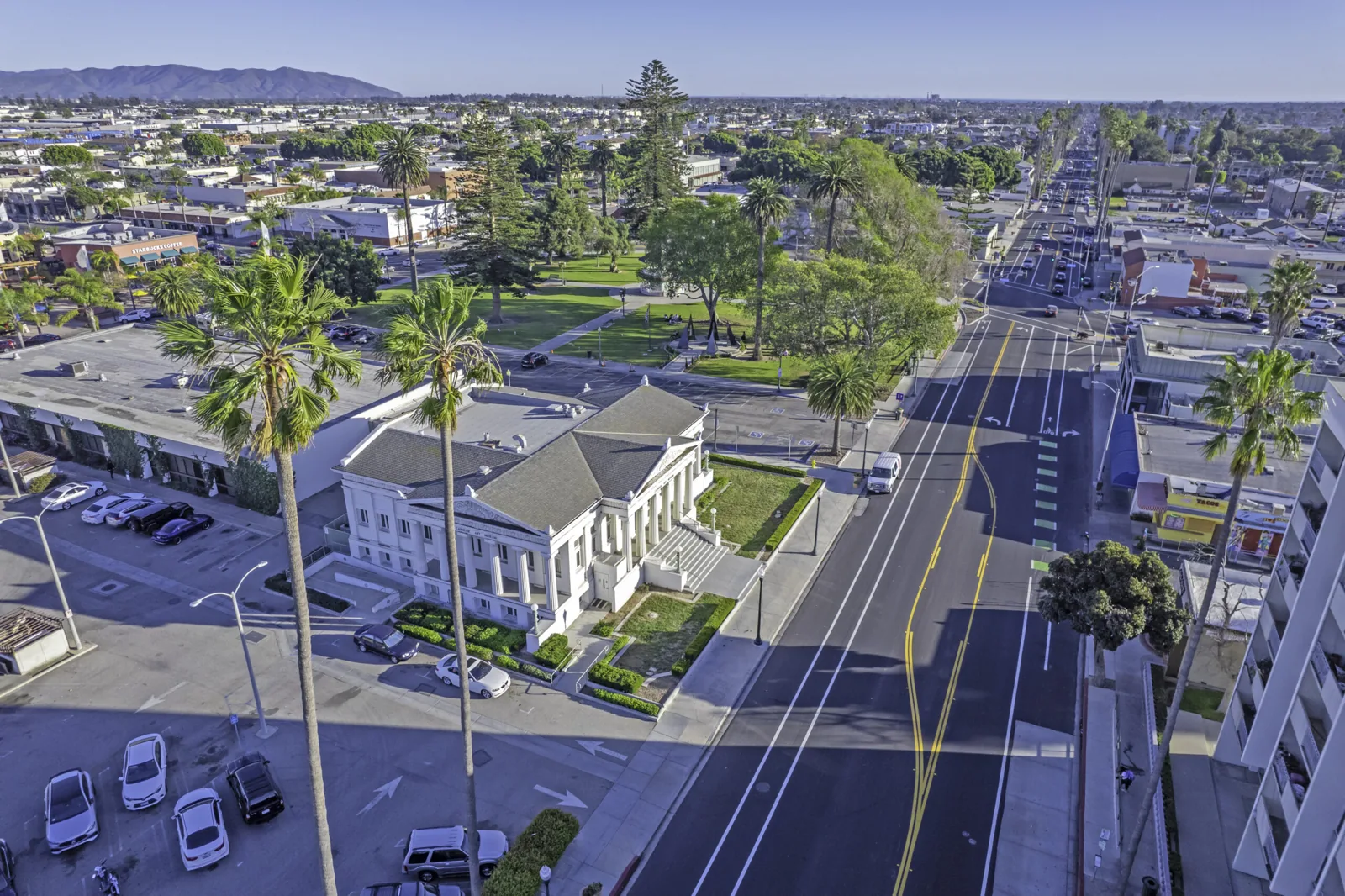
Manufacturing, research, and agriculture-oriented businesses in Camarillo put different demands on roof access and equipment coordination. The City's General Plan identifies industrial areas including Flynn Road, Mission Oaks Business Park, Adamson, Lewis Road and Dawson Drive, and the airport area. Those designations help frame the work plan, but do not identify the roof system on any one property. We inspect the assembly, map hatches, equipment, low points, and edges, then mark the leak or repair boundary on the roof plan. A Mission Oaks roof walk may involve an industrial setting, while the actual schedule and repair method still follow the building's operations and roof condition.
Inspect the building and access route together
We confirm where the crew can enter, how materials reach the roof, and which operating areas need protection. For a production or research property, facility contacts identify active intakes, rooftop service routes, equipment that cannot shut down, and the work windows available. Those are confirmed with each manager, not assumed from the General Plan. We also mark tie-off points, staging space, and the daily dry-in boundary before proposing an open-roof sequence.
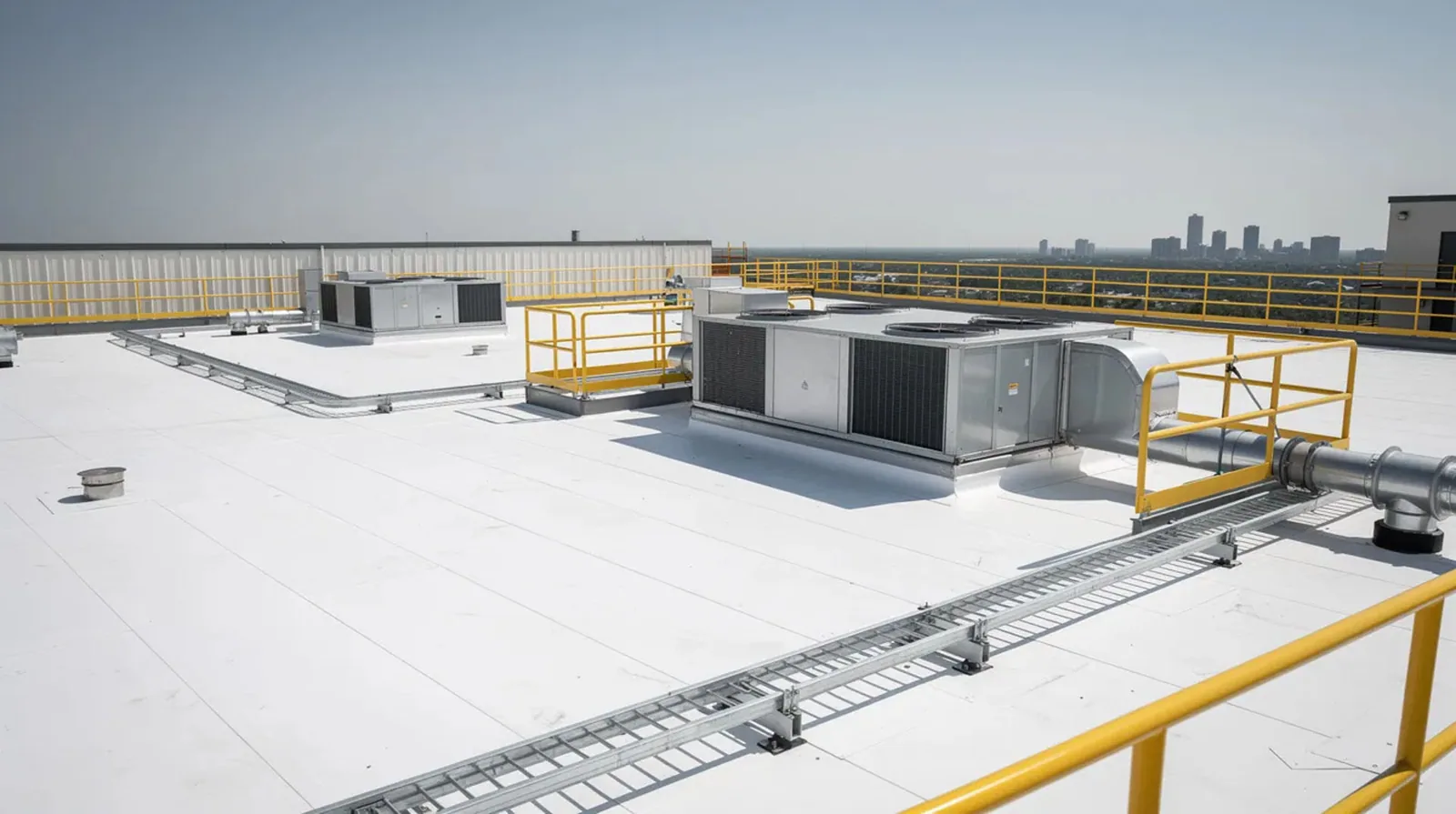
The roof walk follows drainage first. We trace slopes toward drains and scuppers, note any standing-water marks, then inspect seams, penetrations, curb seals, wall transitions, and perimeter metal. A stain inside does not reveal where water entered. We compare the room and timing with the roof section above it and photograph the likely path. If a later addition creates a step in the membrane or sends water toward a new low point, the plan should show that transition. A commercial roof inspection documents the assembly and which areas remain uncertain.
Camarillo's General Plan links commercial and industrial designations to U.S. 101, Highway 34, and major arterials. That regional access context can affect delivery planning, while the site entrance and lifting point decide how material moves at a particular property. We confirm the route with the building contact and include restrictions on truck access, hoisting, and staging in the schedule.
Trace water through seams and low points
A leak can start at an open lap, a fastener, a curb corner, or a drain connection. We inspect the membrane around the reported area and follow the water path rather than sealing the first visible stain. At a single-ply roof, seams and flashing need compatible preparation; at a metal roof, panel laps and fasteners need a different check. A roof with earlier patches may show where work has occurred without explaining why it repeated, so we compare those locations with drainage and equipment traffic.
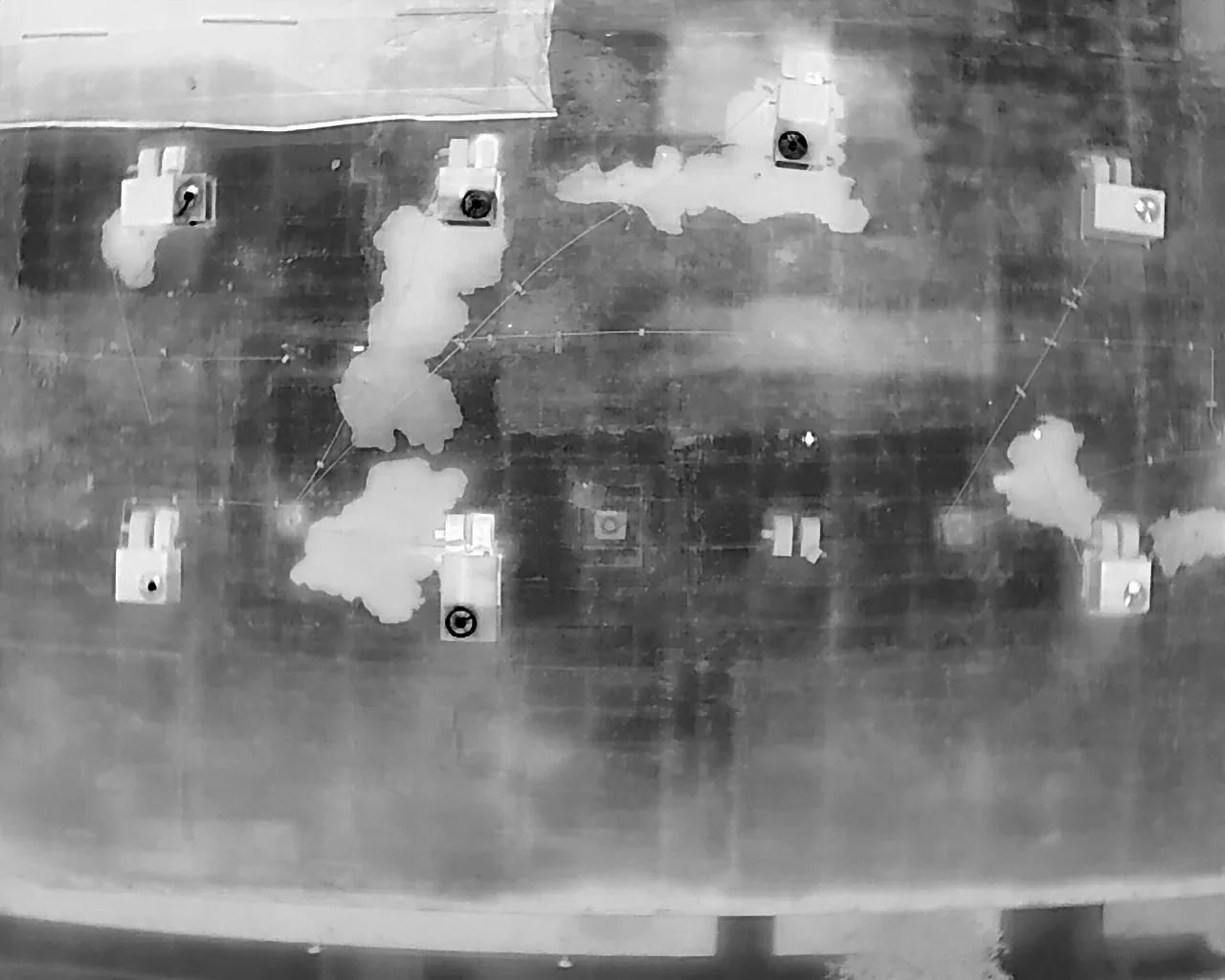
At the Oxnard, CA weather station, Tropical Storm Hilary brought 1.77 inches of rain in August 2023, setting a new monthly August record there. That measurement belongs to Oxnard and can help place a regional maintenance record in time. It does not establish rainfall or roof damage at a Camarillo property. We inspect the actual outlets, overflow routes, low points, and membrane tie-ins on the building. If insulation may be wet, an infrared moisture survey can focus testing; the result and any test opening determine how much material needs removal.
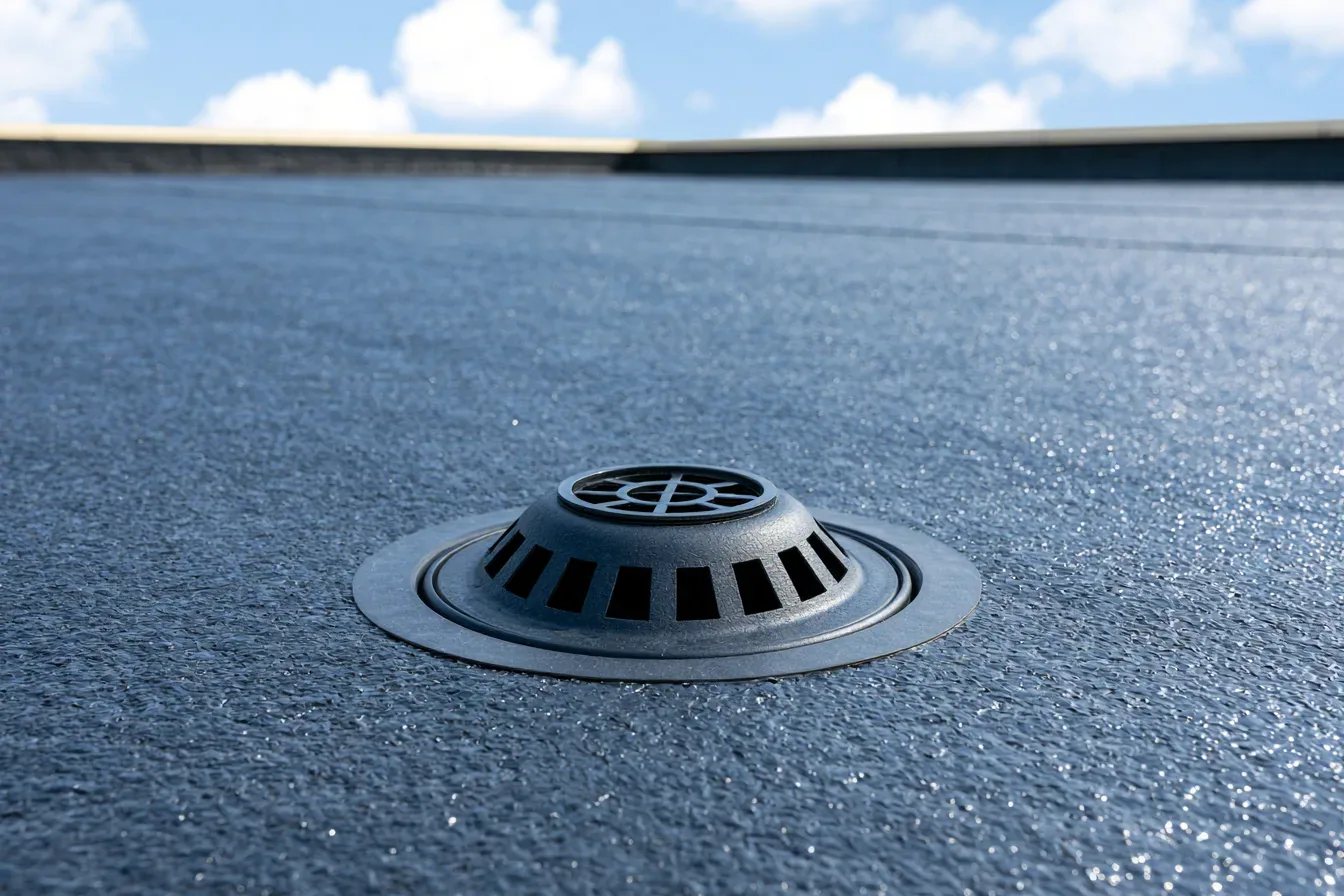
A blocked drain can be cleared, but a separated drain flange or depressed roof area requires a repair decision. We check the outlet and the surrounding sheet, then photograph the finding and identify whether the work is maintenance, membrane repair, or correction of the slope and substrate. Drain and scupper repairs should address the component that failed, not just the visible water mark.
Close penetrations and perimeter transitions
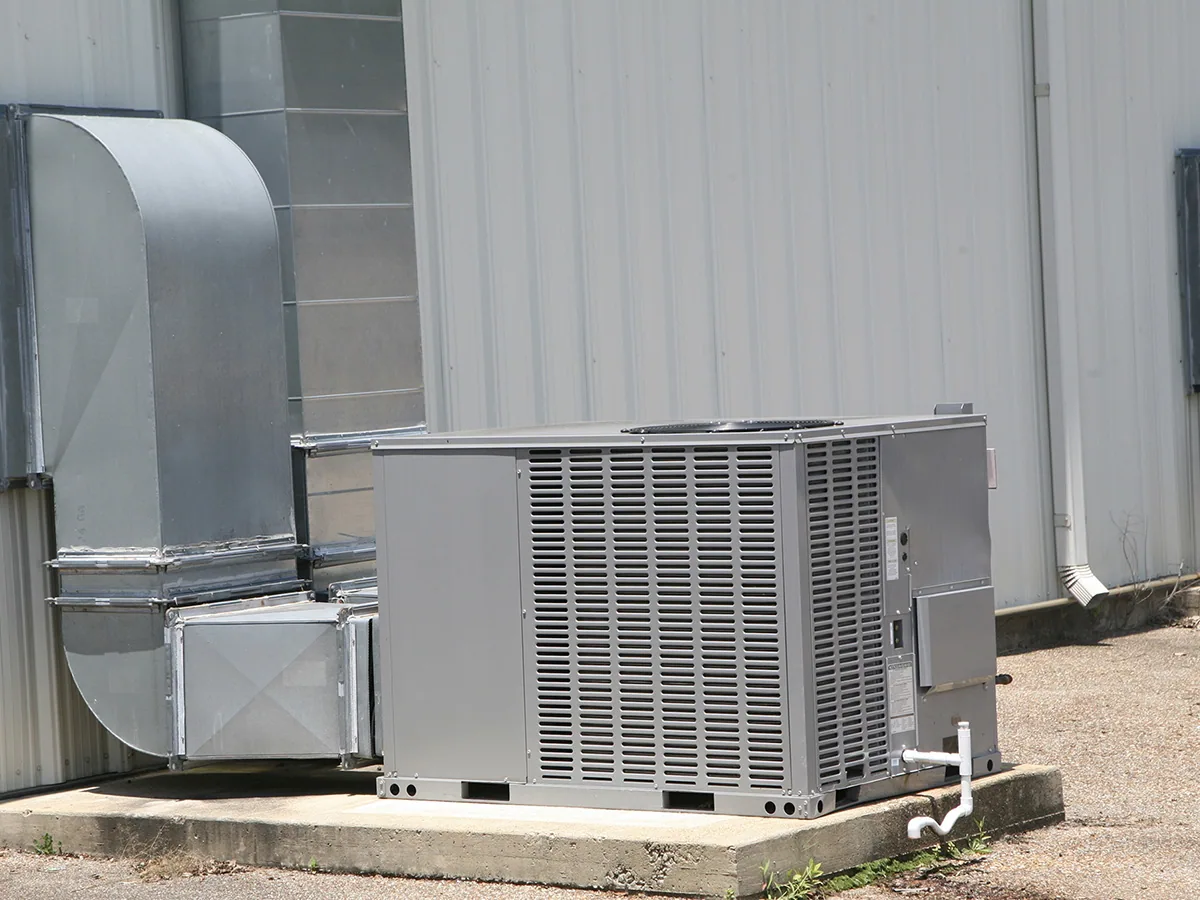
Roof penetrations deserve a close inspection because each one interrupts the membrane plane. We check curb height, corner treatment, flashing continuity, counterflashing, and the curb seal. At the edge, we look for loose coping, failed fasteners, open joints, or movement between metal and membrane. Surface oxidation is documented by location and extent; a roof-wide assumption about corrosion does not replace a field check.
Repair material and preparation vary by assembly. A thermoplastic seam may be heat welded when the membrane is clean and remains weldable. EPDM needs compatible repair products; metal, modified bitumen, and coating systems require their own methods. We verify the system before applying material and test the completed detail. If a mechanical contractor has to move equipment, we coordinate that work before closing the flashing. A seam repair addresses a confirmed opening, while curb and equipment work restores the roof interface.
A service route across the membrane can cause new damage after the repair. We identify walk paths and equipment access needs, then mark areas that need protection or follow-up. The owner receives a photo and plan reference for each repaired curb or perimeter section, which makes the next visit easier to target.
Compare a local fix with broader work
A repair can stay local when the material around the defect is stable and dry, the deck supports the patch, and the repair can tie into sound roofing. Repeated seam openings, broad moisture readings, weak attachment, or deck movement may require testing across a larger area. We mark the findings and identify what evidence is needed before moving from patch to recover or replacement.
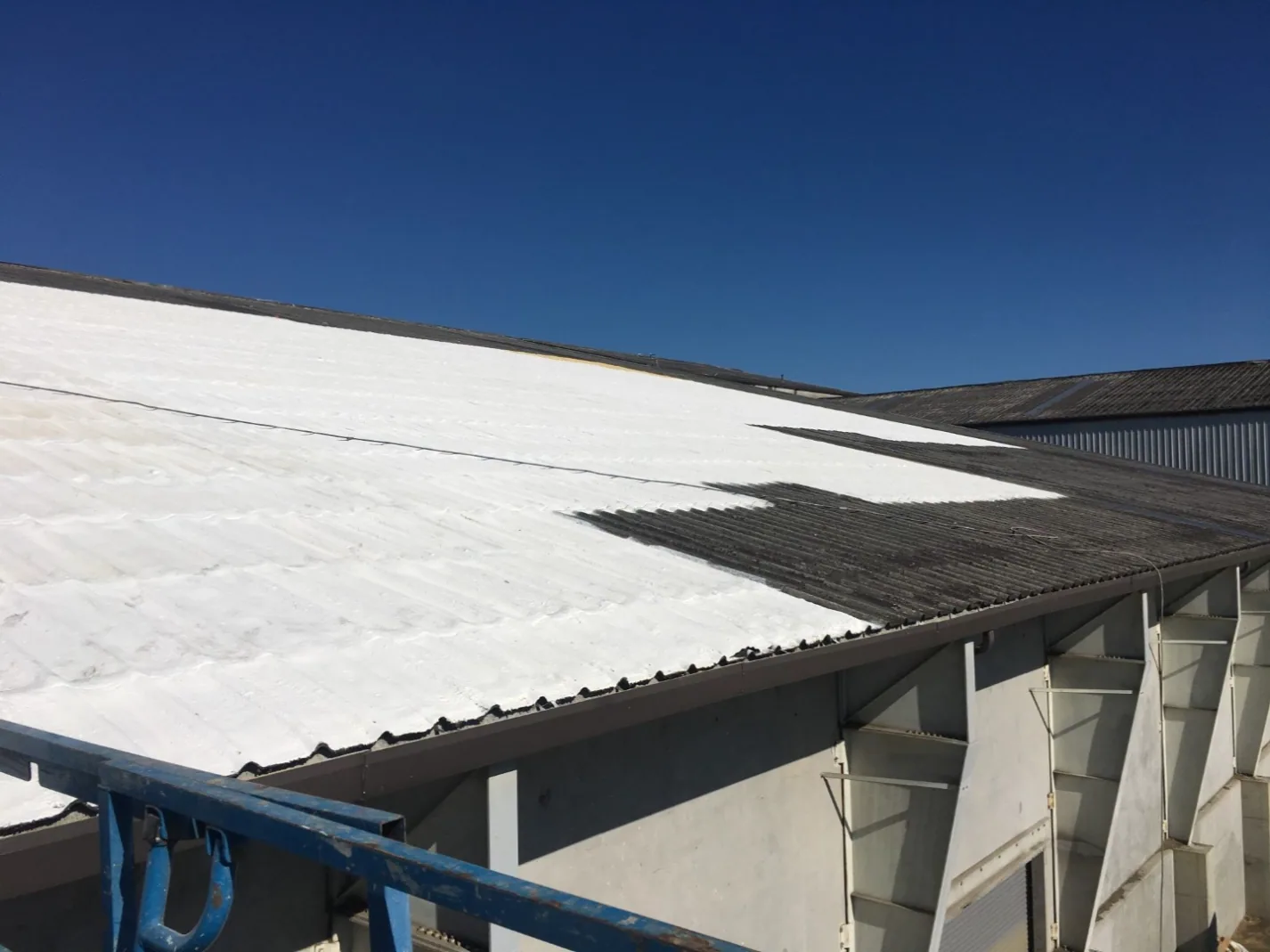
A recover is considered when existing layers, moisture, attachment, drainage, height, and project requirements support another assembly. Added thickness affects drains, parapets, equipment supports, and edge metal. Replacement gives access to insulation and deck but adds tear-off, disposal, protection, and material staging. The written options use consistent quantities so an owner can compare cost and downtime. A repair scope addresses a defined defect; a replacement assessment addresses a broader roof condition when field results point that way.
Timing and cost reflect roof height, lift access, removal depth, insulation, metal edges, drains, disposal, equipment shutdowns, and the length of the approved work window. A manufacturing line or research operation may have specific access needs, but we confirm them with the facility contact. Each phase includes material staging, interior protection, and a dry-in point before the next section is opened.
Keep the roof history usable
The closeout should identify the roof section, assembly, material, preparation, photographs, and any test result. We mark completed work and open conditions separately on the roof plan. If testing was limited by access, that limit belongs in the record. A later inspection can then revisit the same seam, drain, or curb without interpreting an old note or guessing which unit was involved.
Maintenance walks revisit drains, seam edges, penetrations, counterflashing, metal edges, and service paths. The service interval follows the observed condition and equipment schedule. Camarillo's planning map identifies several industrial areas, but each building needs a distinct file. A photo-based condition report connects the inspection findings with repair priorities. Managers coordinating sites in Ventura can retain separate records for each city's roofs.
Send the roof plan, leak history, equipment schedule, access limits, and prior repair records. We will inspect the affected sections, map the water path, and return a repair, testing, recover, or replacement recommendation tied to the building.
Related Roofing Work
More from Service Areas and nearby services
Schedule a Camarillo roof condition review
Provide the roof plan, leak reports, equipment schedule, access requirements, and prior repair notes. We will inspect and map the affected areas before recommending the scope.
Common Questions
Do Camarillo's industrial designations show which roof a property has?
No. They identify planned land uses and industrial areas. We inspect the actual roof to determine its membrane or metal system, drainage, attachment, and repair needs.
How do manufacturing or research operations affect a roof project?
Active equipment, intakes, shutdown limits, loading, and access windows can change the sequence. We confirm those constraints with facility contacts and show the work zones and daily dry-in point before mobilization.
Is the Hilary rainfall figure a Camarillo measurement?
No. The 1.77-inch August 2023 record was measured at the Oxnard station. We use it only as Oxnard weather context and base a Camarillo repair on conditions found at that building.
When does a roof need more than a seam patch?
Repeated openings, wet insulation, weak attachment, deck movement, or a failed edge can expand the scope. We map each condition and recommend testing when it would change repair limits.
What should a Camarillo roof closeout include?
Keep the roof-plan mark, system identification, preparation and material notes, photos, test results, and any open condition. We tie the record to the roof section and next action.