
Commercial Roofing in Ventura, CA
Arrange a Ventura roof condition walk
Ventura
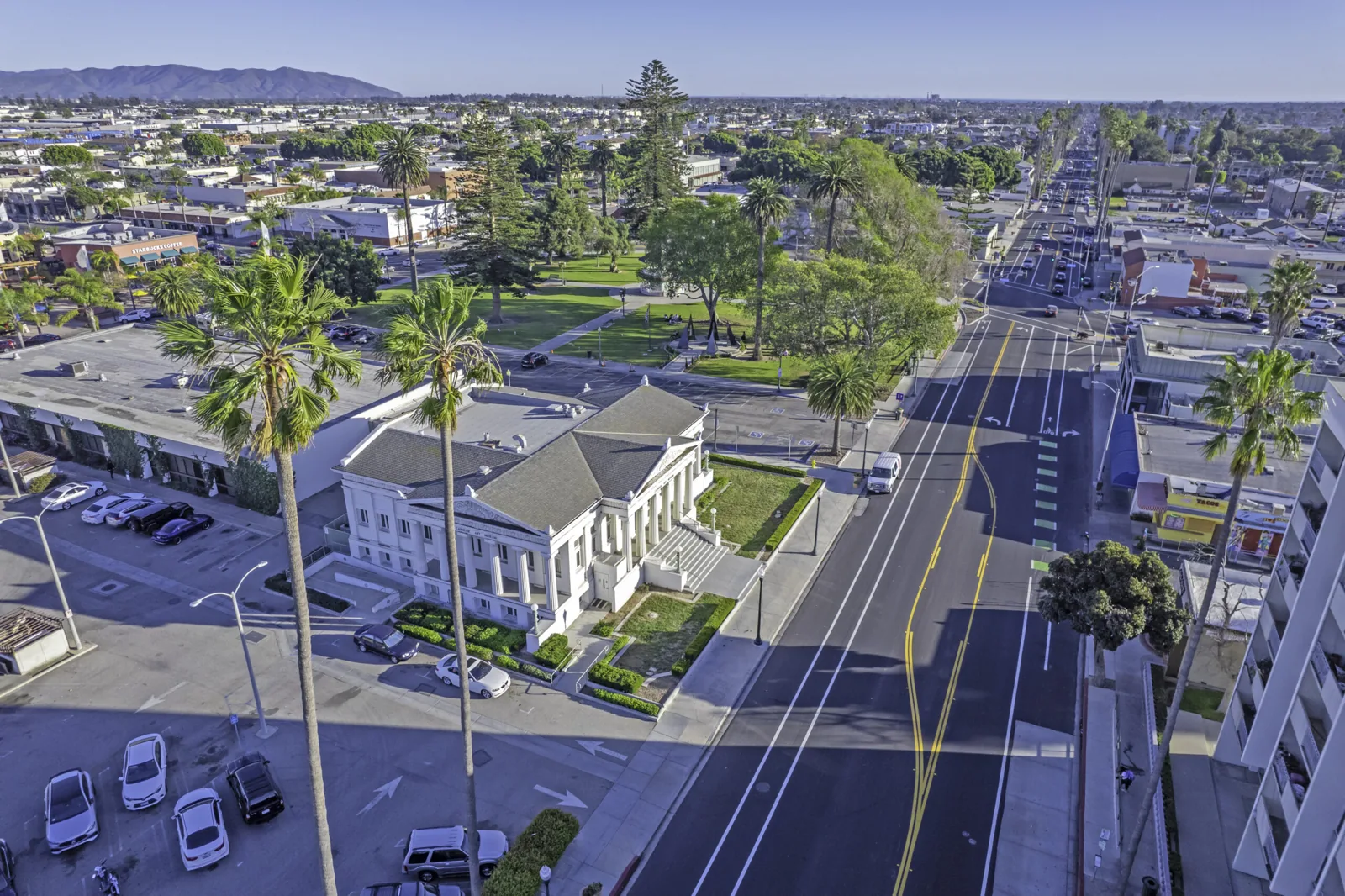
Downtown and Main Street are established commercial areas in Ventura, where existing building conditions and continuity matter during property work. A roofing scope in these areas should identify the actual assembly and protect the use below it before a section opens. We walk the roof plan, note access and equipment, trace drainage, then field-mark seams, flashings, curbs, and edges. The City's 2050 General Plan also sets citywide policy for land use, roads, infrastructure, and services, so a roof project should be coordinated with the property's work constraints and applicable review. A Port Hueneme roof assessment uses its own commercial context; our Ventura inspection stays tied to this building and its roof.
Walk from the access point to the low point
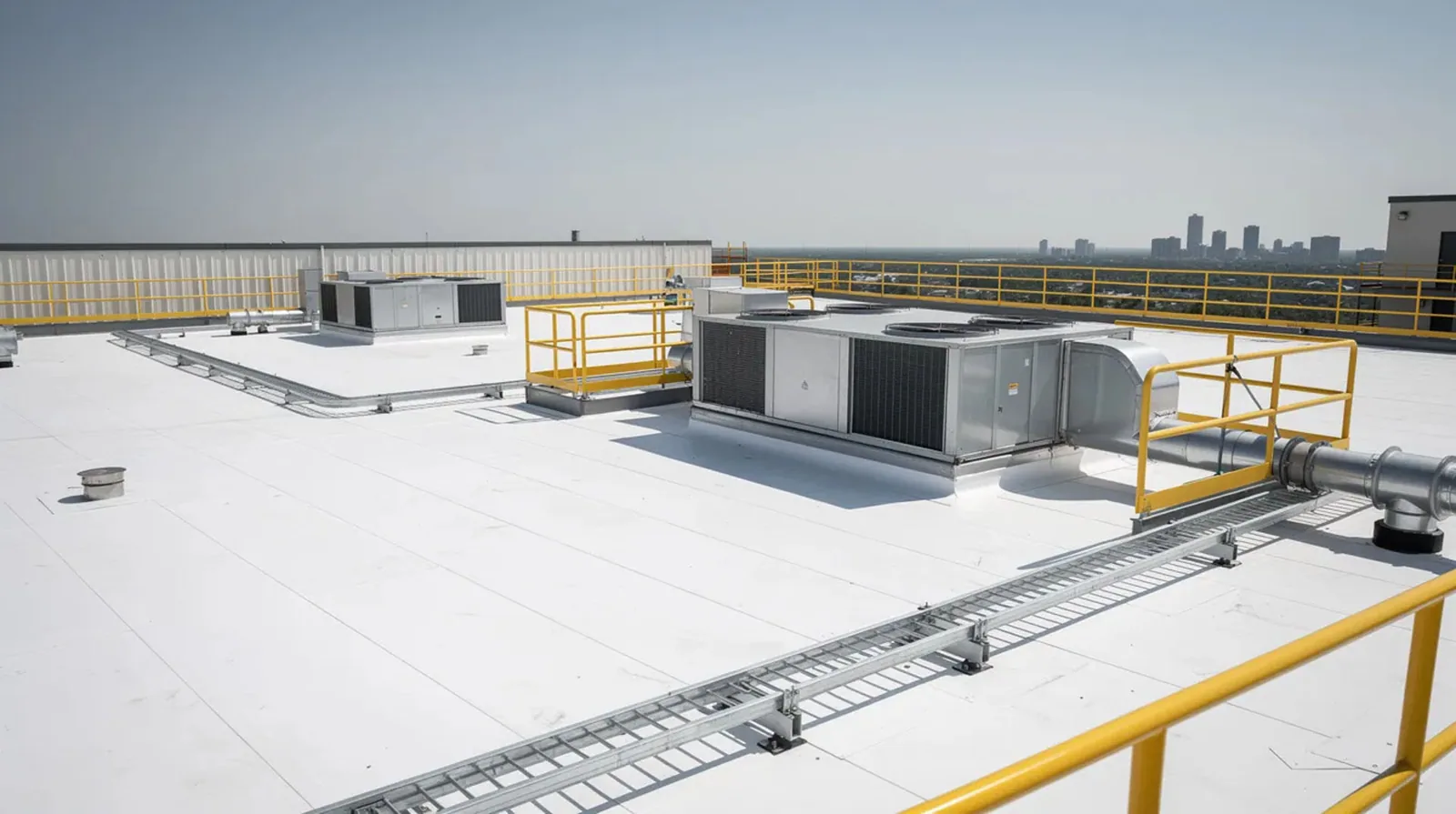
The walk begins at approved access. We confirm tie-off points, equipment routes, and areas needing interior protection. Each roof section gets its own mark and photograph, keeping drains and curbs tied to the right elevation. We also note service paths and equipment that must remain operating.
From there, we follow the roof slope to drains and scuppers, then inspect seams, penetrations, curb seals, wall transitions, and edge metal. We look for open laps, movement, punctures, previous patches, and signs that water has stayed in one area. A stain inside Ventura's Downtown or Main Street commercial area can sit below a different roof section than expected, so we compare the room report with the deck path and nearby details before naming an entry point. A hands-on inspection records what is visible and whether testing would change the scope.
Ventura's General Plan provides citywide policy for land use, roads, housing, infrastructure, and public services. For a building manager, that planning framework reinforces the need to coordinate roof access, construction staging, and any broader property work. We confirm the roof details and work limits on site rather than inferring them from a general plan designation.
Connect the leak report to a roof path
A leak investigation starts with a room, date, and description of the conditions when water appeared. We compare that report with roof seams, drains, walls, equipment curbs, and penetrations. Water can travel under insulation or along framing before reaching the interior finish. The inspection photographs the suspected area and identifies where a test is needed to confirm the route. That gives the owner a repair boundary based on roof evidence rather than the stain alone.
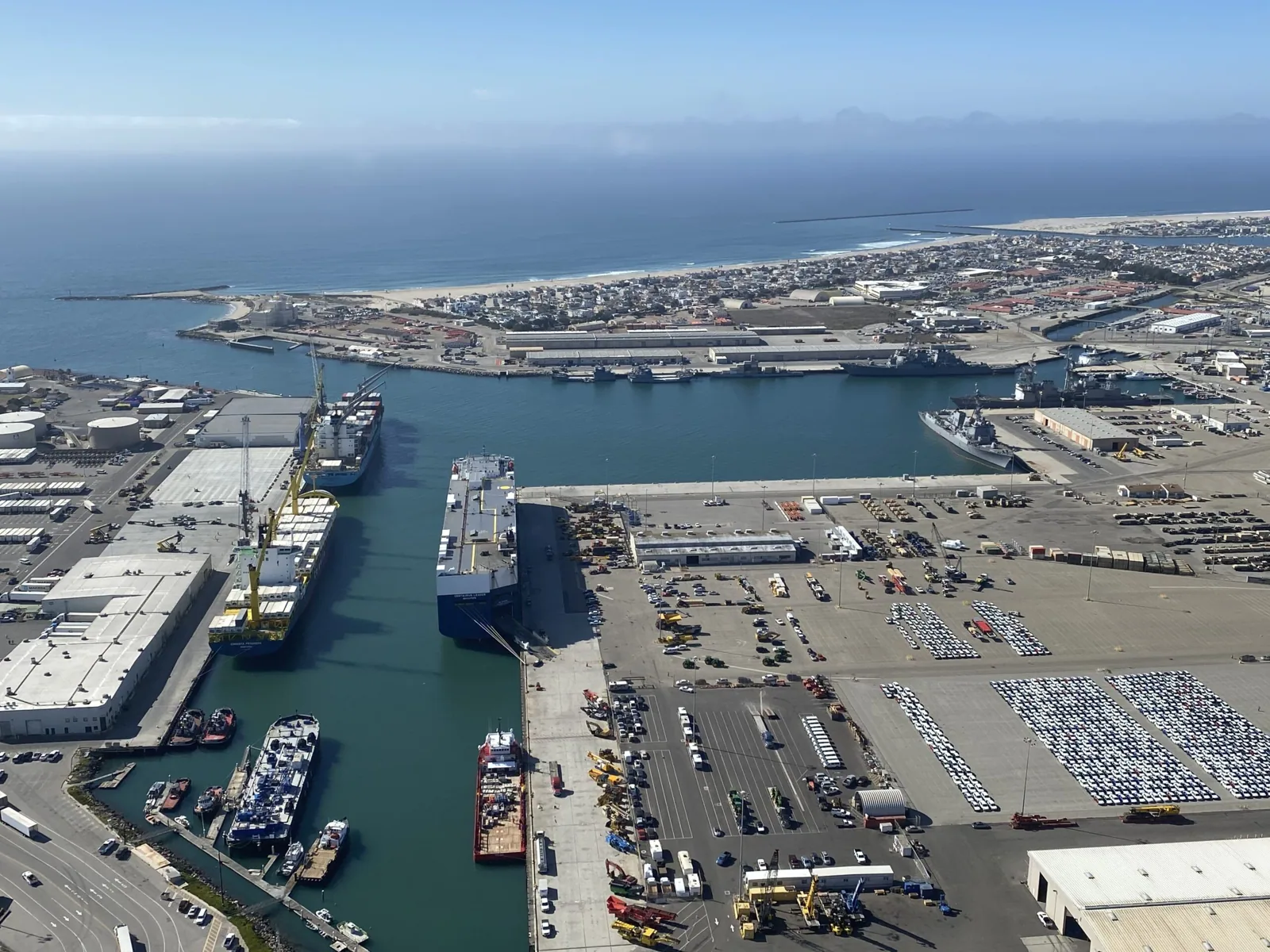
Ventura residents are included among regional communities connected to the coastal port economy in Port Hueneme's employment-flow analysis. That regional relationship helps describe the movement of workers across the area, while a property's own schedule, access window, and equipment determine the roof sequence. The Oxnard, CA weather station logged 1.77 inches during Tropical Storm Hilary in August 2023, setting a new August monthly record there. The rainfall figure belongs to that station and can help frame a dated regional maintenance log; it does not measure rainfall on a Ventura roof. We inspect the actual outlet, overflow, low point, and flashing conditions on the building.
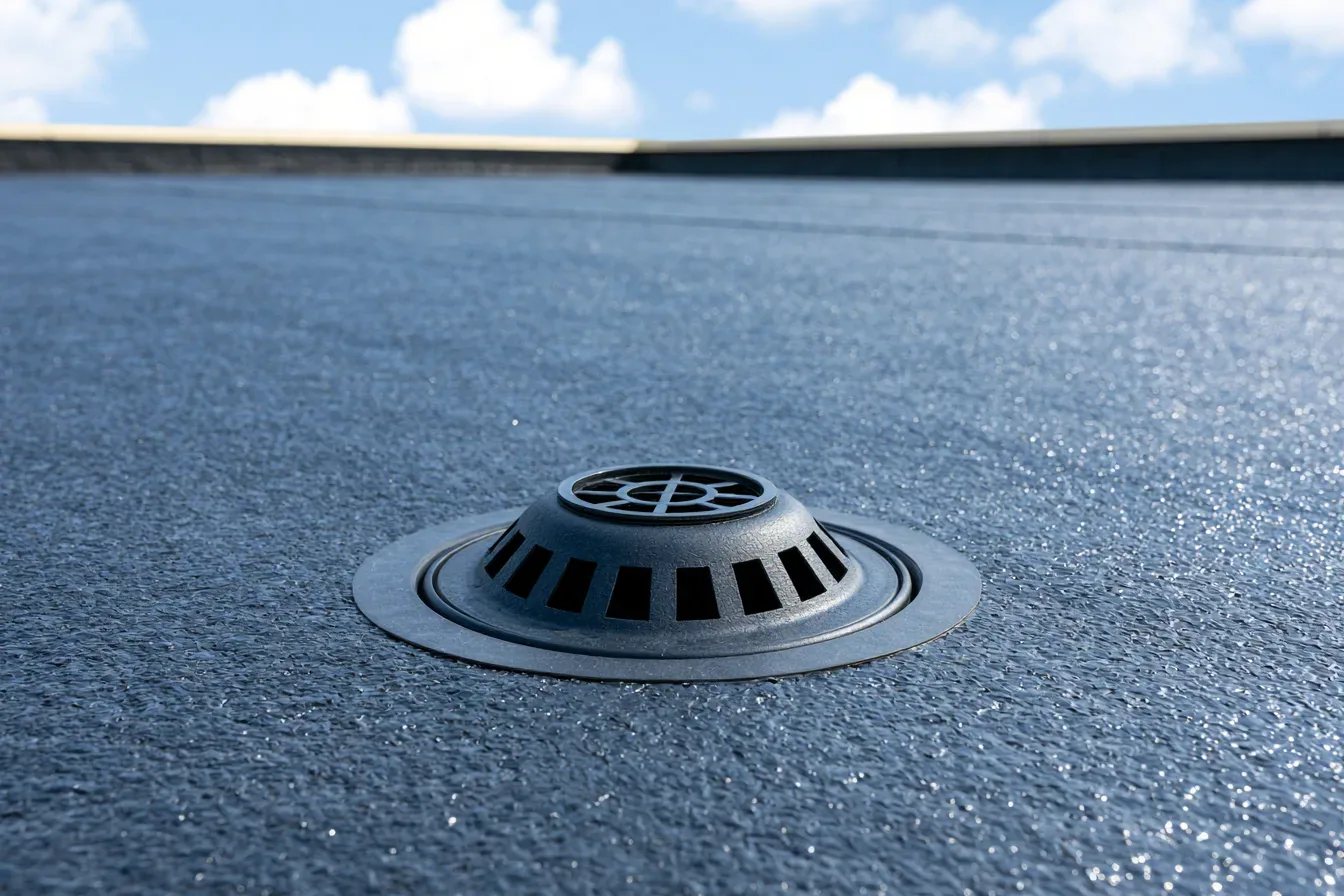
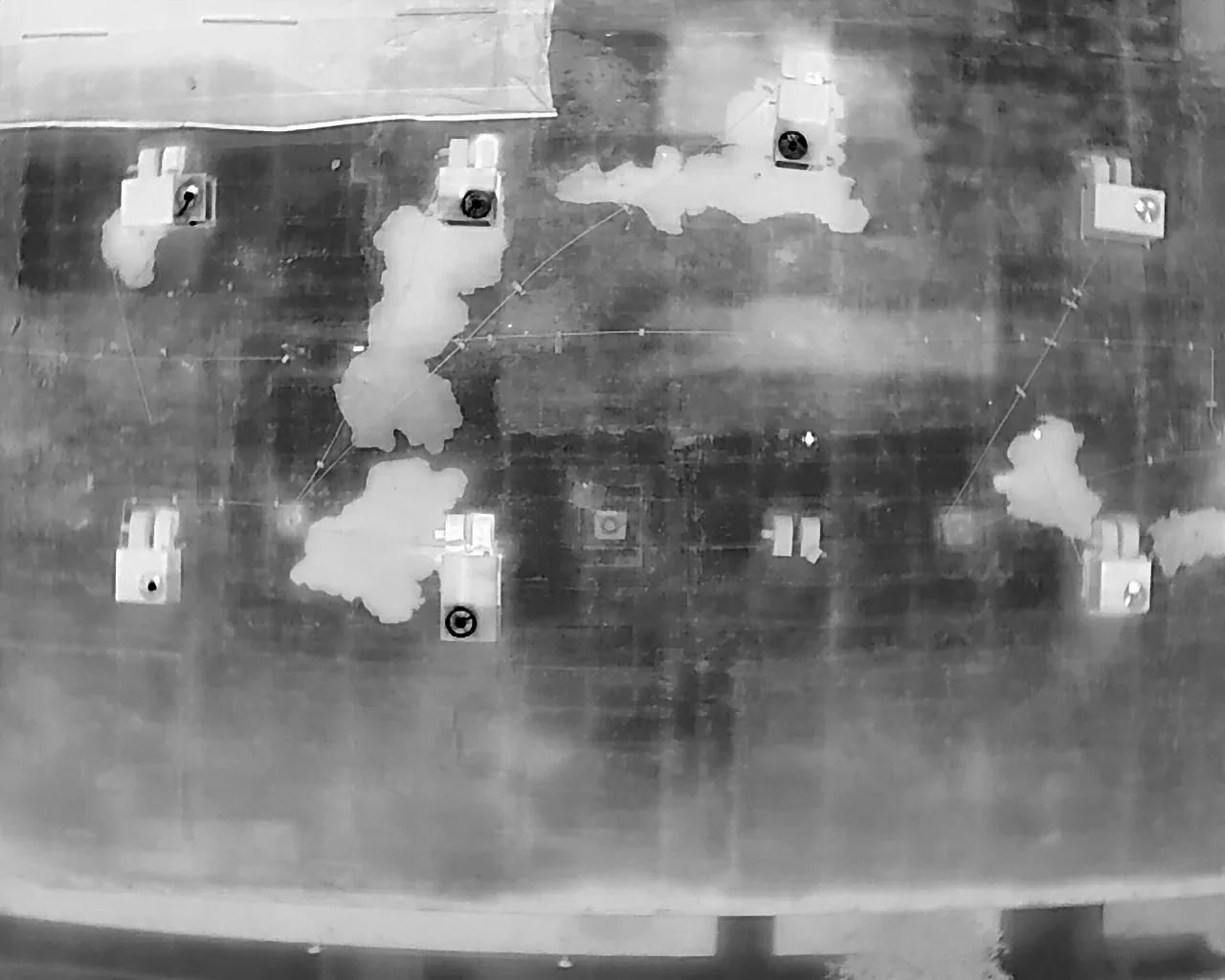
At a drain, we inspect the membrane tie-in and slope as well as the bowl. A drain and scupper review identifies the component that needs service. When a wet area extends beneath the field, an infrared survey can help guide selective testing before tear-off limits are set.
Inspect the transitions that protect older conditions
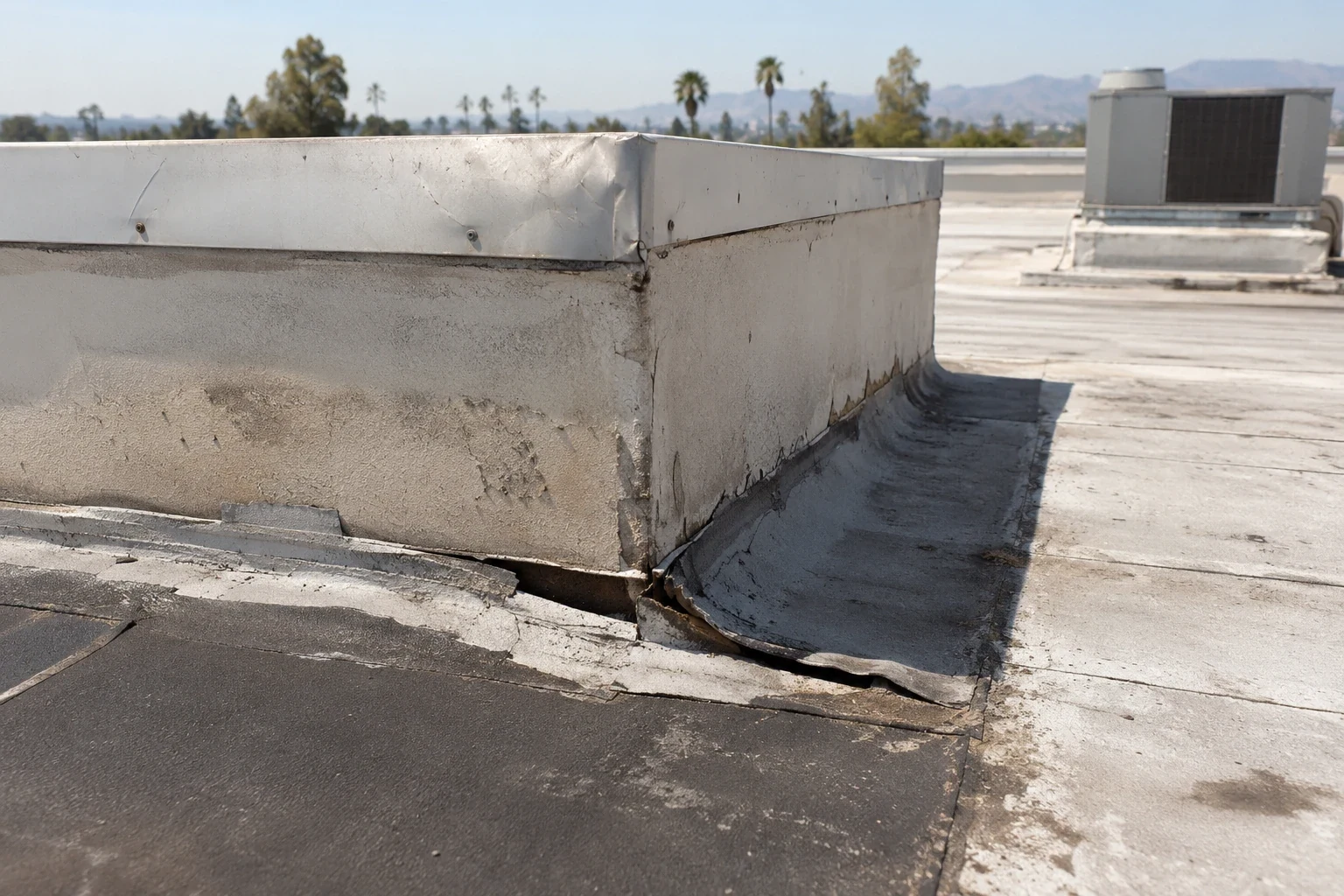
At a roof edge, we look for loose coping, open joints, failed fasteners, or a membrane termination that no longer holds. Around a curb or pipe, corners and flashing height matter because water can enter behind the field sheet. At a wall, counterflashing should cover the transition and shed water outward. Photos show the defect and its location on the roof plan.
Ventura's preservation plan identifies Downtown and Main Street as established commercial areas where existing conditions and continuity matter to property work. That context makes measured, clearly bounded roofing work useful when a building remains in service. It does not tell us the roof's age or construction. We inspect the membrane, metal, coating, and substrate, then choose a repair method that fits the material. Flashing repair restores the wall or curb transition; edge-metal work addresses a failed perimeter connection.
If the existing system is not clear, we check available roof records and compare them with field conditions. A surface coating can hide earlier repairs; a later addition can change drainage. We mark uncertainty where it changes the work and recommend a test only when it could affect the method or quantity. The scope then says what will be removed, prepared, and replaced.
Compare a repair with a capital project
A localized repair is appropriate when the surrounding roof remains sound and the work can connect to stable material. If the same seam has failed repeatedly, moisture spans a wide area, attachment has loosened, or the deck is damaged, more investigation may be needed. We map each finding and identify the test that would confirm how far the repair should extend. If an active leak needs temporary protection, we record that separately from the permanent correction.
A recover can preserve existing layers when moisture, deck, attachment, drainage, height, and project requirements allow it. Added insulation changes conditions at drains, parapets, curbs, and equipment supports. Replacement can correct those layers and the substrate but requires removal, debris handling, and protection as the roof opens. We compare the options using the same quantities and explain the access, trade coordination, and downtime each requires. A repair scope may stay local, while a recover review or replacement plan evaluates the wider assembly.
Cost and timing change with roof height, lift access, tear-off depth, insulation, edge metal, drainage, disposal, operating hours, and weather windows. A building along Main Street may have delivery and pedestrian considerations to resolve with the property contact. We identify staging, work zones, and the daily dry-in point before the crew starts. Hidden conditions are shown to the owner before added work changes the scope.
Record the work for the next property decision
A closeout file should show the roof section, material identified, repair preparation, installed products, photographs, and any follow-up condition. We mark the repair on the plan and state which area was not reachable, if access limited the visit. That record lets another manager find the same seam, curb, or drain and compare it with the next inspection. Keep equipment changes and maintenance visits in the same roof history so new penetrations do not disappear from the record.
Maintenance walks inspect seams, laps, drains, counterflashing, curb seals, perimeter metal, and traffic routes. The service interval follows observed condition and building use. For a manager overseeing several communities, Camarillo property inspections should retain their own building records alongside Ventura's, rather than transferring one city's findings to another. Roof condition reporting can connect photos, repair priorities, and the capital plan.
Send the roof plan, leak reports, prior repairs, equipment schedule, and access contact. We will inspect the affected sections, document the assembly and water path, and recommend repair, testing, recover, or replacement from the field evidence.
Related Roofing Work
More from Service Areas and nearby services
Arrange a Ventura roof condition walk
Provide the roof plan, leak history, equipment schedule, access limits, and available repair records. We will field-mark the affected sections and return a practical scope for the building.
Common Questions
What does Ventura's preservation plan mean for roof repairs?
It identifies Downtown and Main Street as established commercial areas where existing building conditions and continuity matter. We document the roof and define repair limits so the property team can coordinate its applicable review.
Can you identify the leak source from an interior stain?
The stain gives us a starting room and date. We compare that report with seams, walls, drains, curbs, and penetrations above, then test where needed to confirm the water path.
How should a property manager compare repair and replacement?
We use the same roof measurements to show repair boundaries, wet areas, deck condition, drainage, and access needs. The written comparison separates confirmed quantities from concealed conditions that still need testing.
Does the Oxnard rainfall record apply to Ventura?
The 1.77-inch record belongs to the Oxnard station during August 2023. It can provide a dated regional reference, but our recommendation for Ventura follows the individual roof's drainage and observed conditions.
What information helps schedule roofing on Main Street?
Share delivery windows, access instructions, occupied areas, equipment restrictions, and any property work underway. We use them to map staging, protect pedestrian routes, and set a daily watertight closeout.