
Roofing Manufacturers
Review commercial roof systems in Oxnard by material, seam, detail, and field condition before planning compatible repairs or replacement.
GAF Commercial Roofing Systems
Review GAF commercial membrane options for Oxnard buildings, from seam details to drainage and access. Get a roof-specific repair or replacement scope.
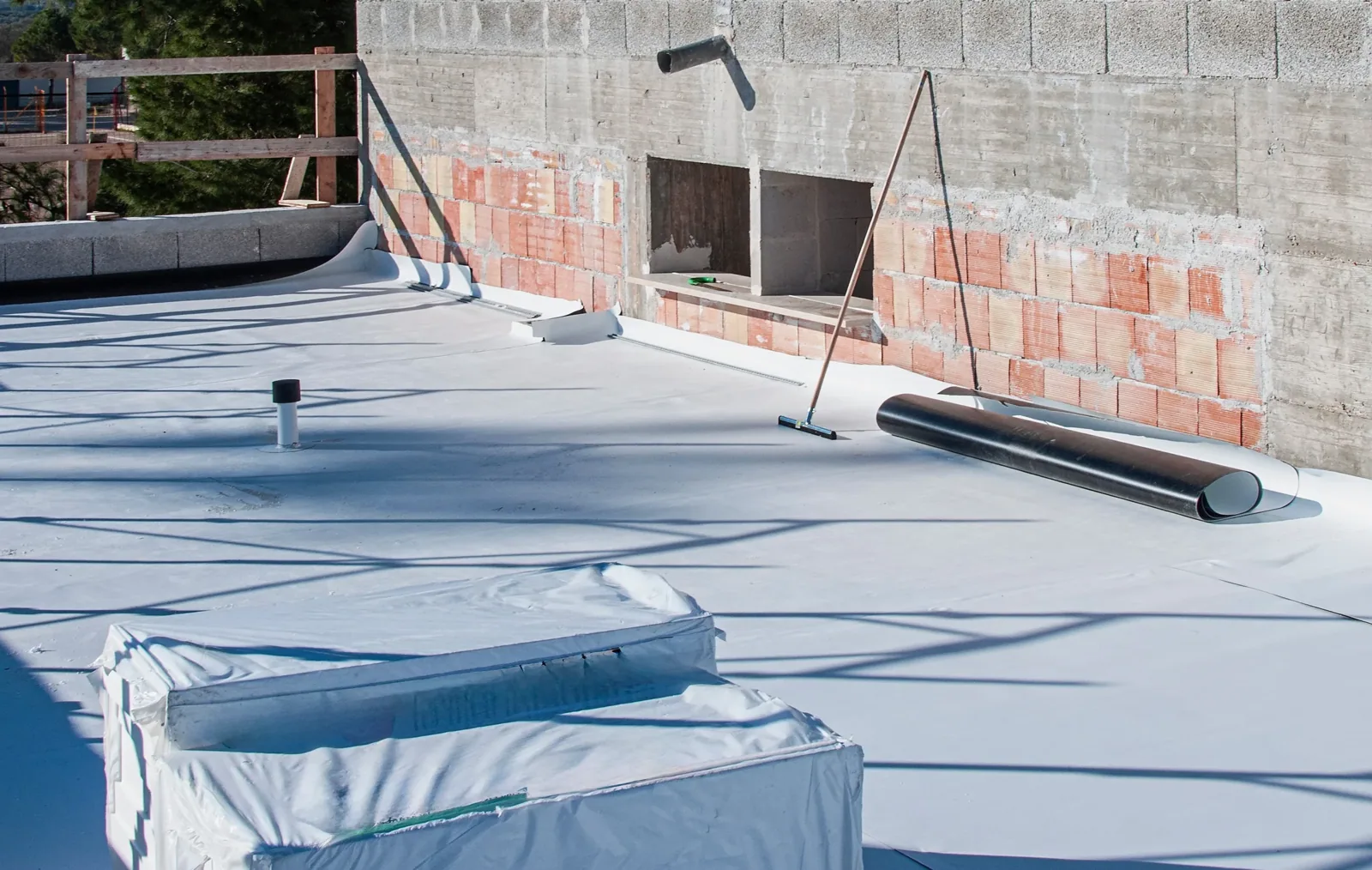
Carlisle SynTec Roofing Systems
Compare Carlisle SynTec membrane options for Oxnard facilities and plan repairs, roof access, seams, and drainage around the building's actual assembly.
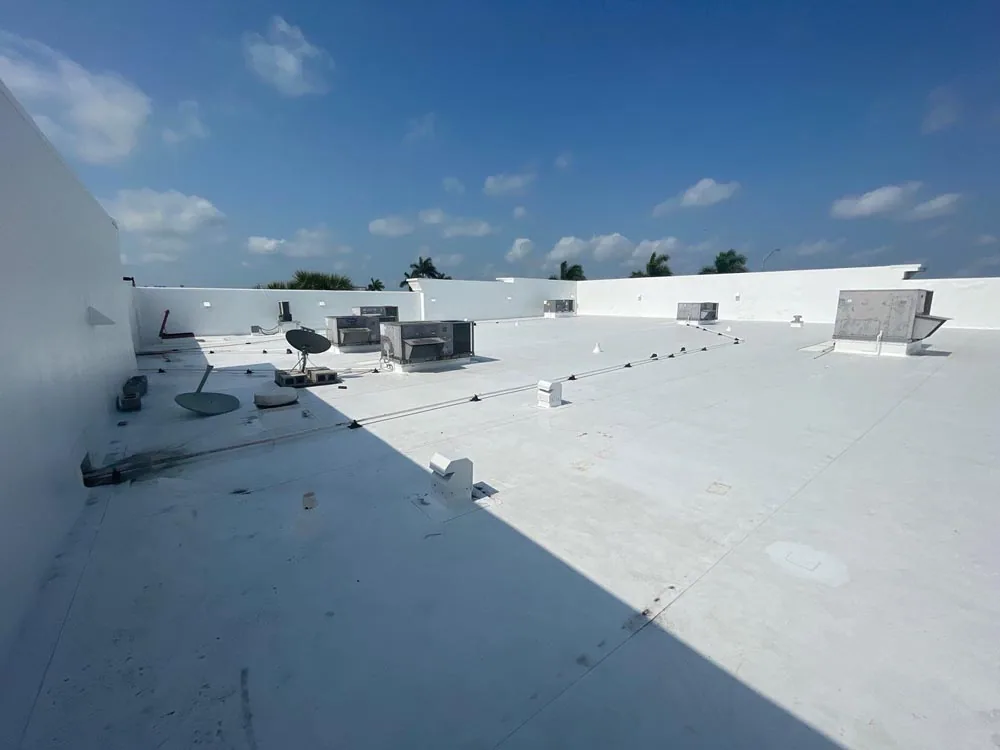
Johns Manville Commercial Roofing
Plan a Johns Manville roof repair or replacement in Oxnard with assembly checks for membrane, insulation, drainage, seams, and occupied-building access.
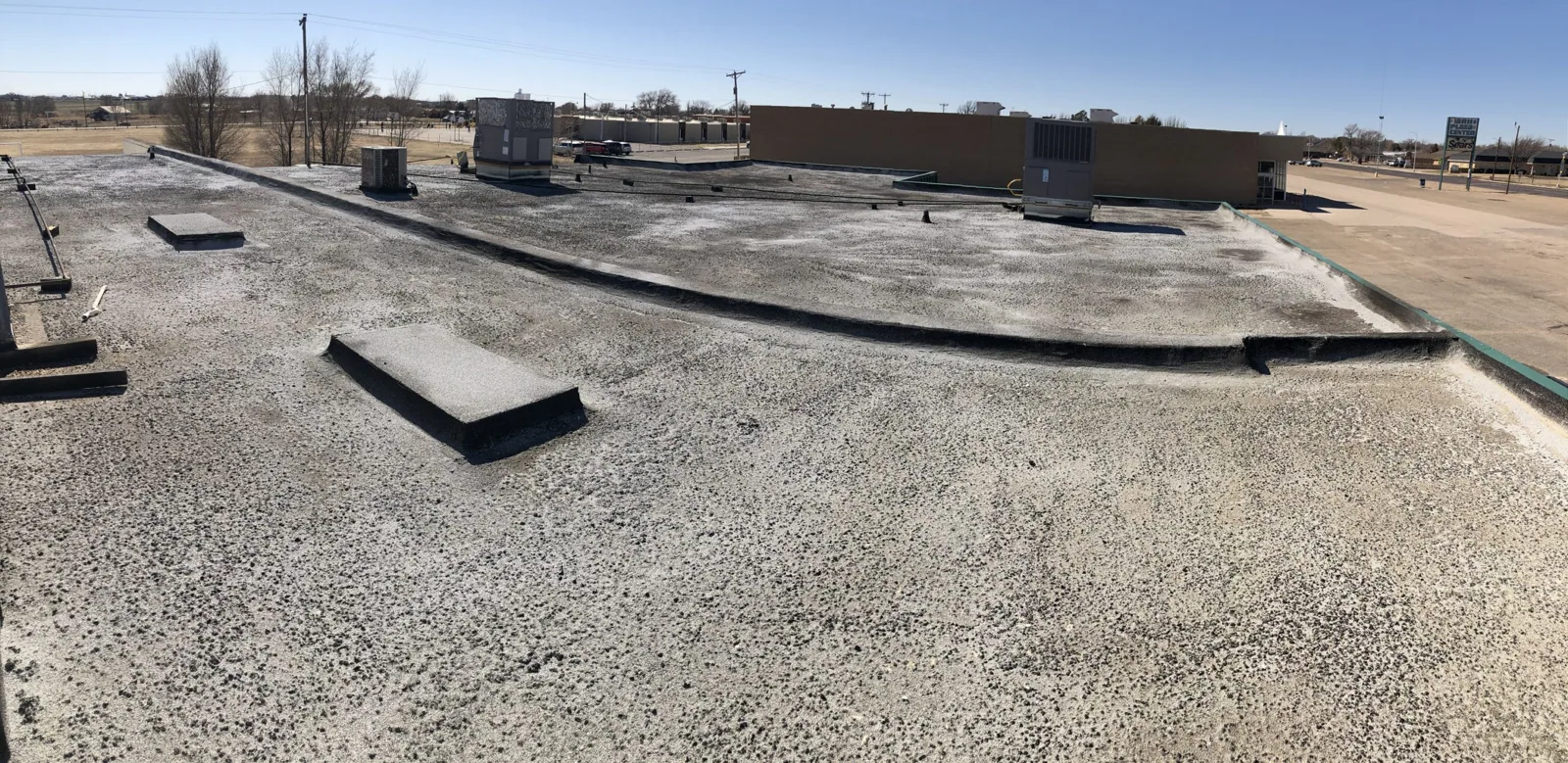
Holcim Elevate Roofing Systems
Review Holcim Elevate TPO and EPDM options for Oxnard roofs, with field checks for insulation, seams, access, drainage, and project-specific details.
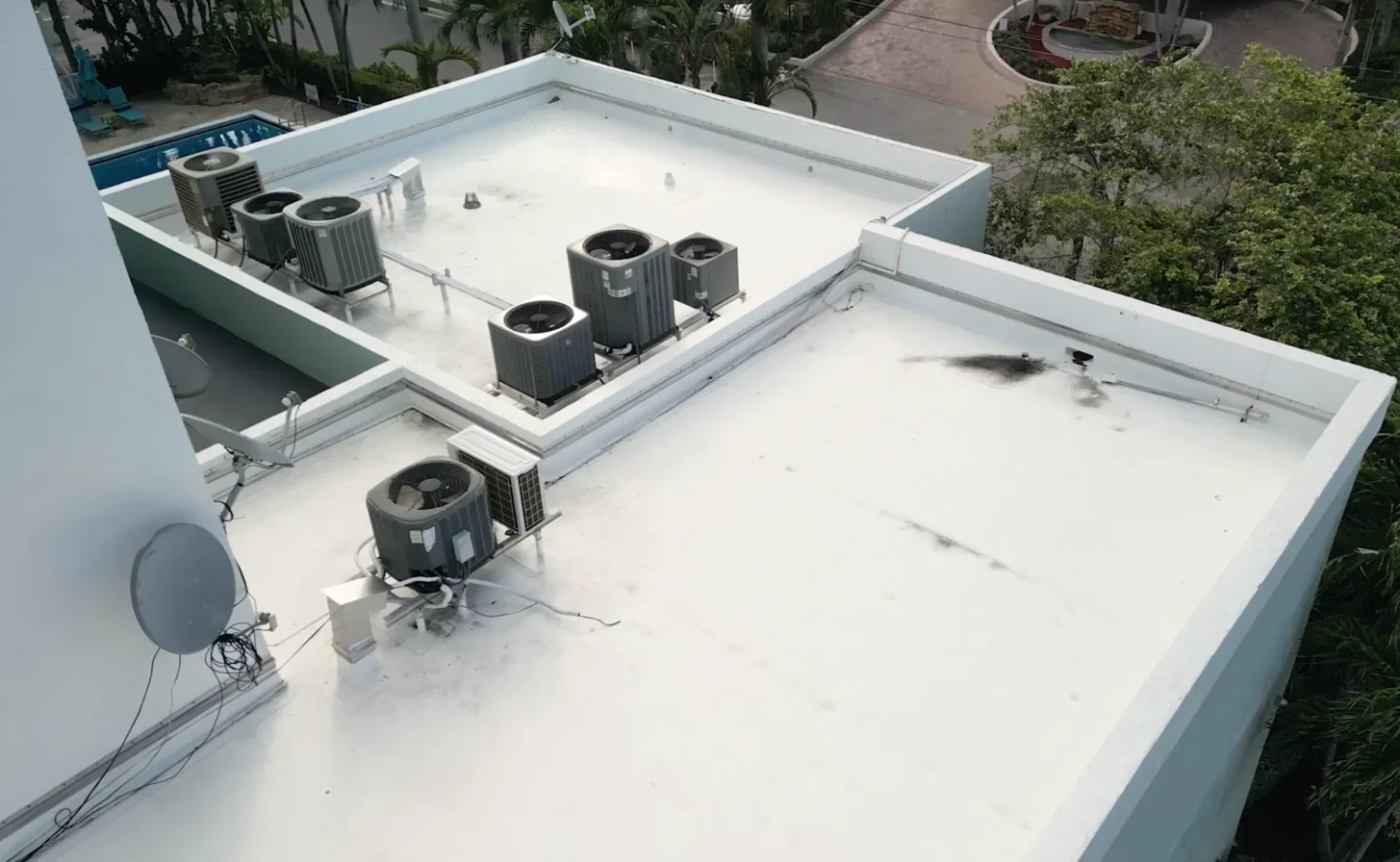
Sika Sarnafil Roofing
Assess Sika Sarnafil and Sikaplan PVC roofing for Oxnard buildings with field review of welded seams, flashing transitions, drainage, and access.
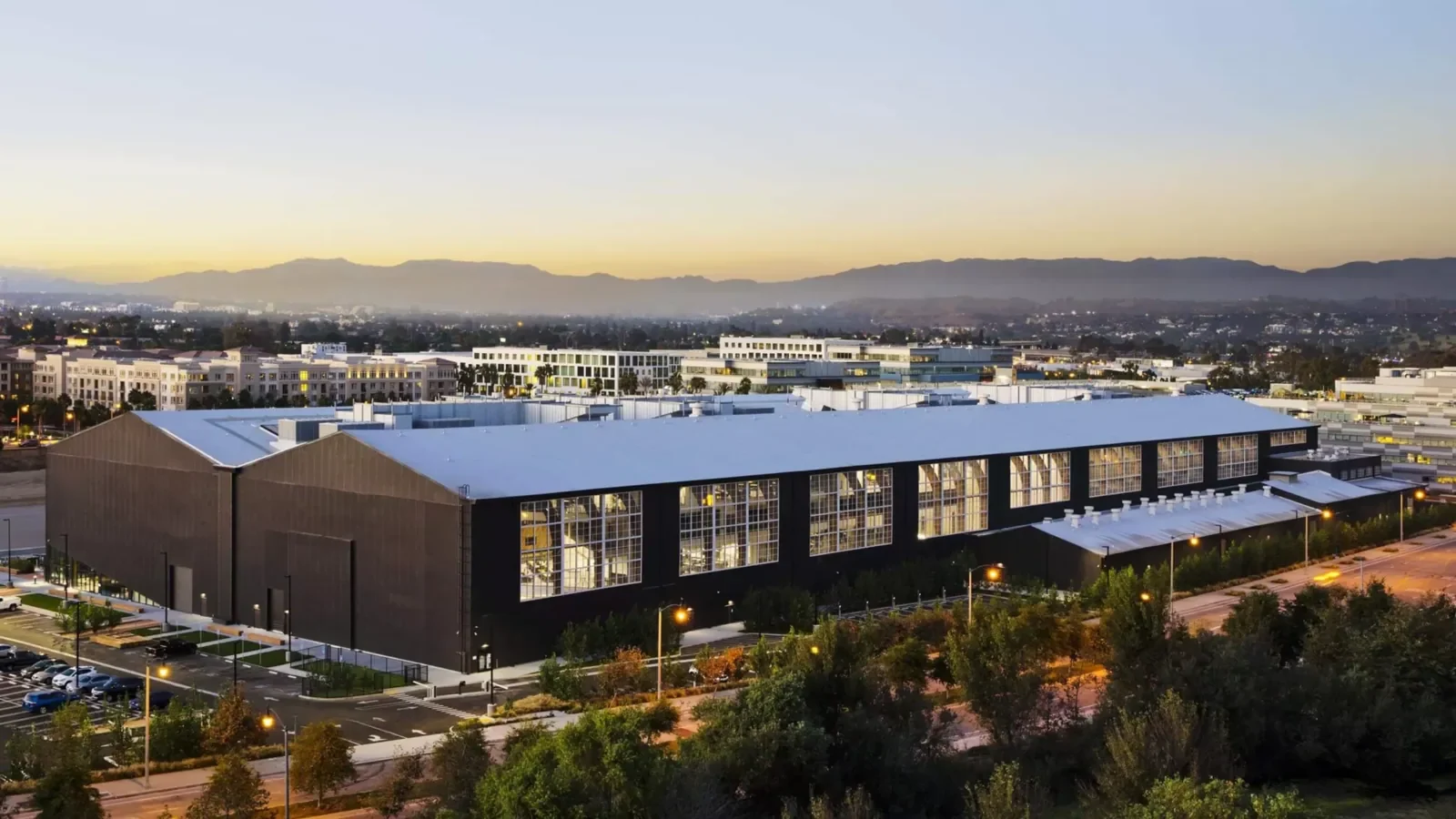
Versico Commercial Roofing
Inspect Versico TPO or EPDM systems in Oxnard and plan seam repair, roof access, drainage, and replacement around the actual assembly and operation.
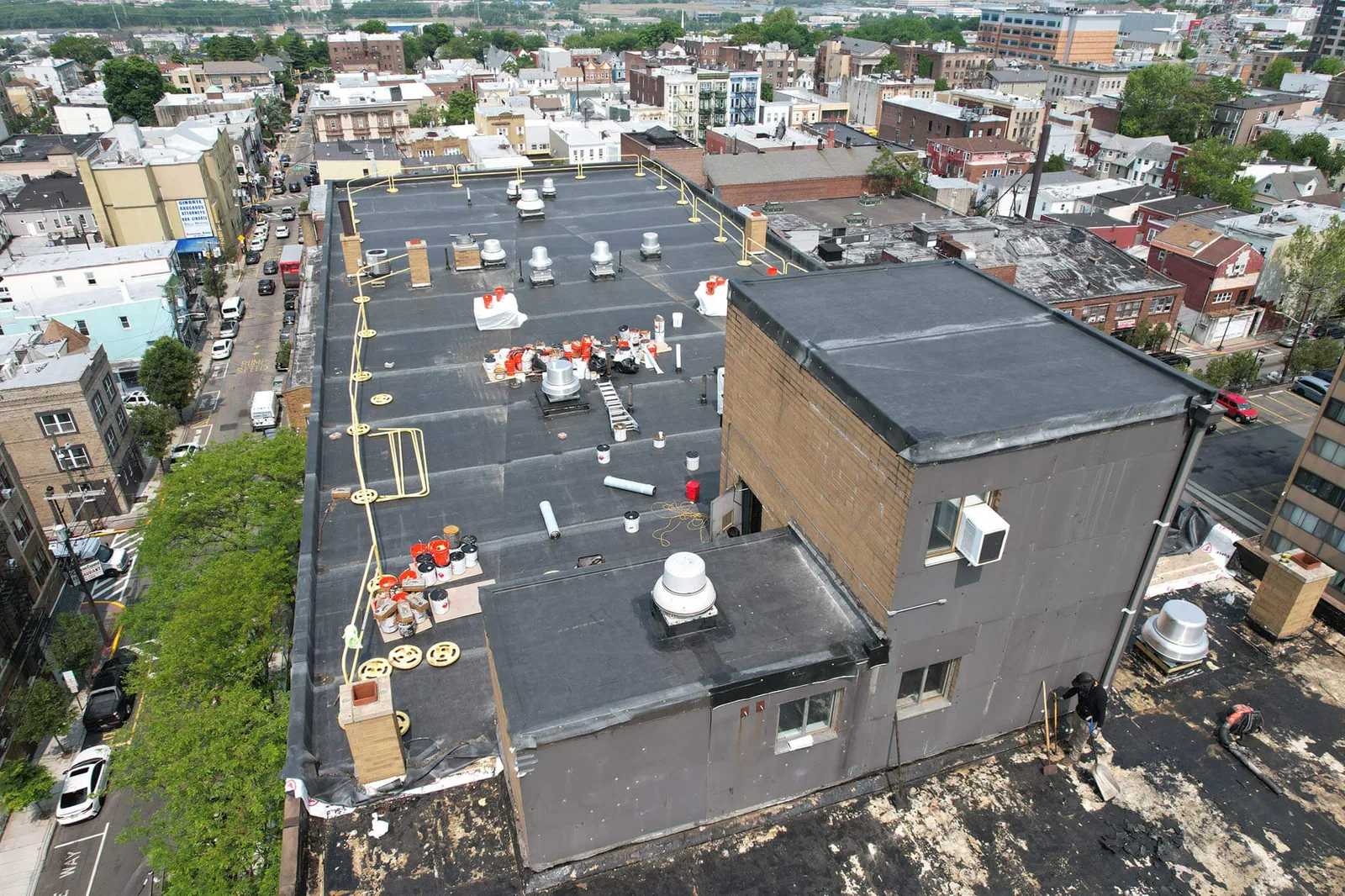
SOPREMA Commercial Roofing
Evaluate SOPREMA PVC, modified bitumen, and liquid-applied roofing for Oxnard facilities with attention to substrate, transitions, drainage, and access.
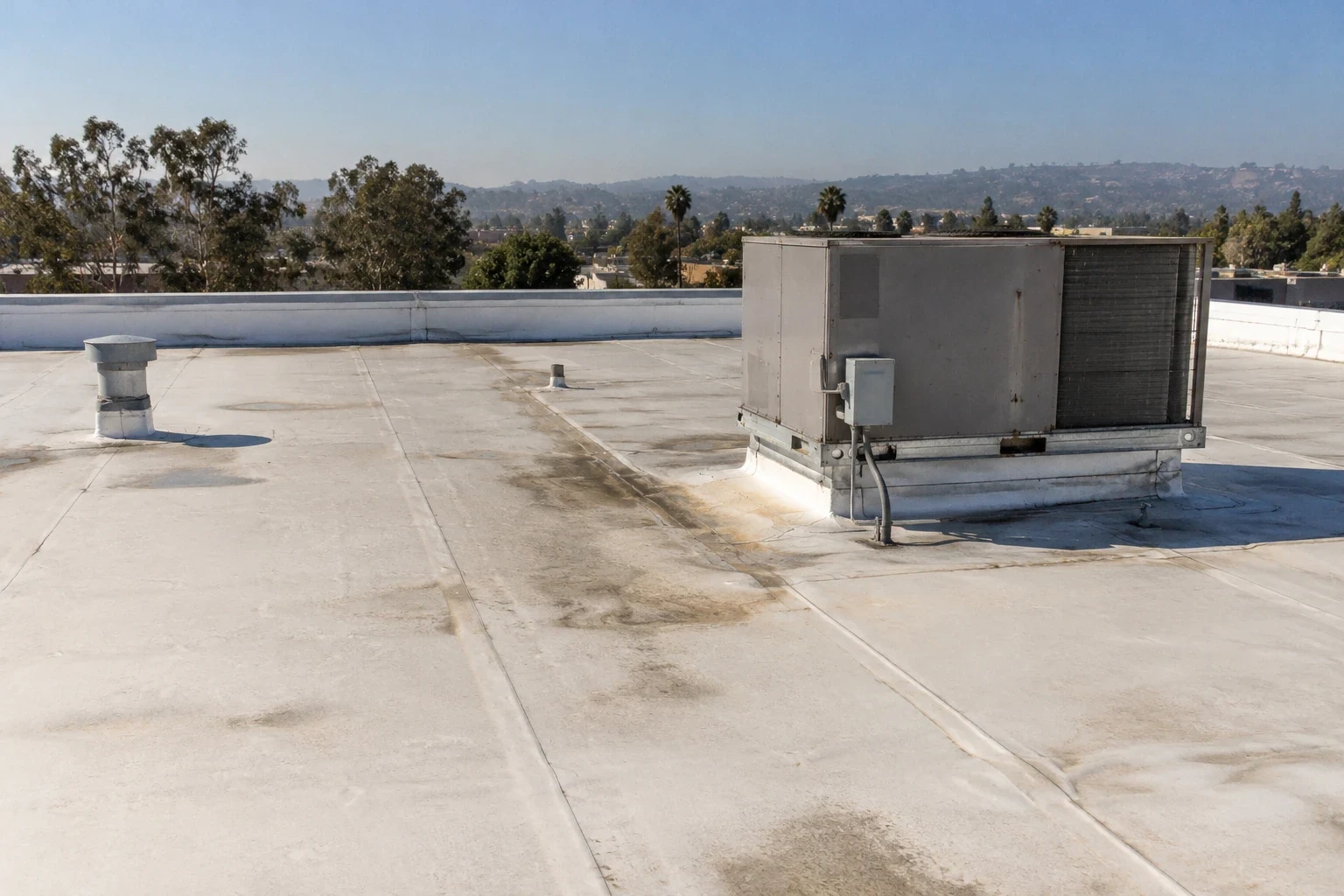
Duro-Last Commercial Roofing
Plan a Duro-Last PVC roof repair or replacement in Oxnard with checks for factory-fabricated details, seams, drainage, access, and the existing assembly.
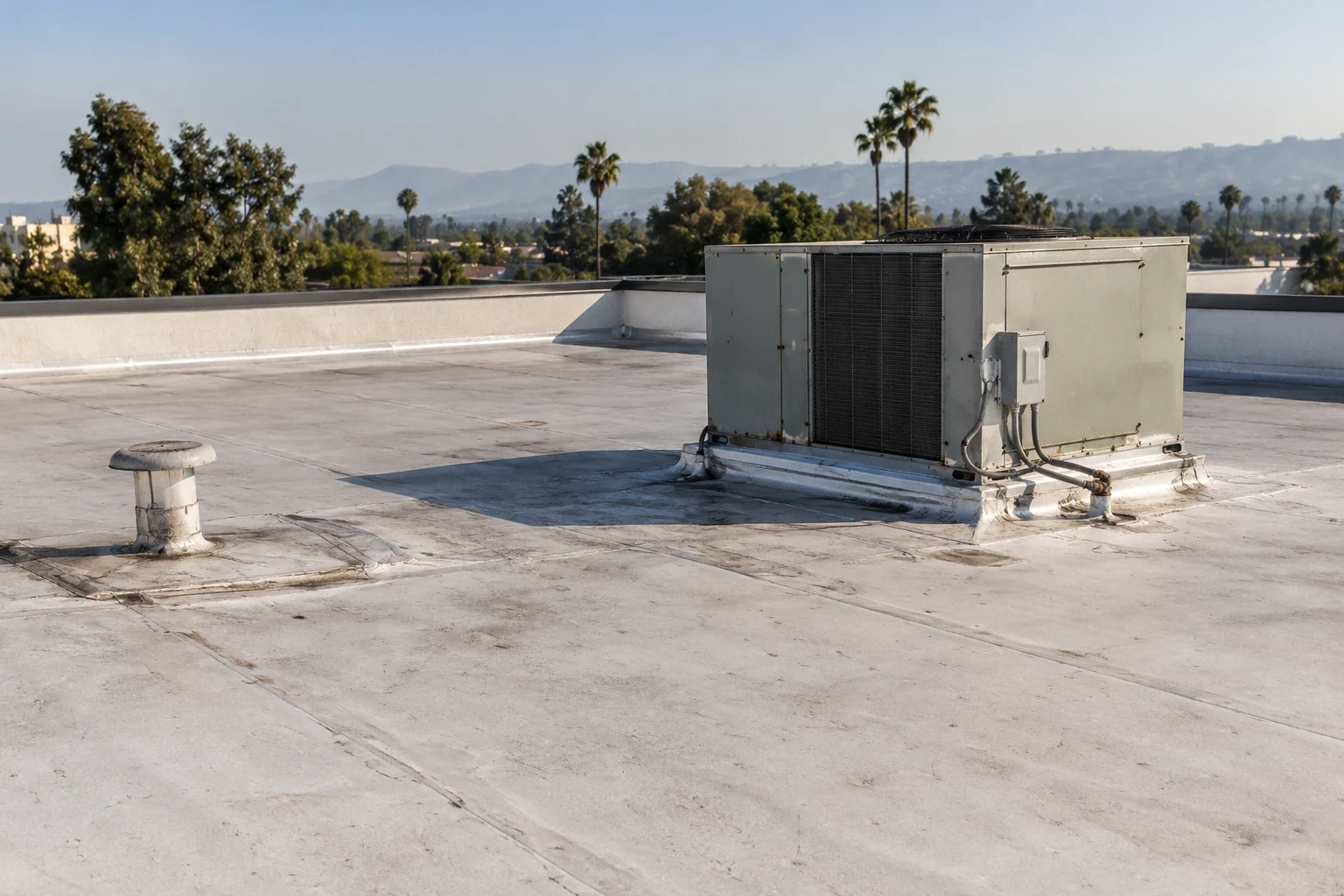
About Our Roofing Manufacturers
A manufacturer name is useful only when it matches the roof in front of the crew. Labels, shop drawings, product records, and field details help identify the installed system before a repair is selected. Oxnard includes distribution, cold-storage, fruit-processing, vehicle-service, and other commercial contexts, but the building’s use does not identify a membrane brand. We inspect seams, flashings, drains, penetrations, and earlier repairs, then document the assembly and choose materials that fit its condition.
Identify the system before ordering material
We begin with field evidence and available roof records. A label may show the manufacturer, while a repair layer or later addition can change what is exposed at the surface. We check the membrane type, seam method, insulation, edge details, and compatibility before pricing. The installed roof may use a GAF membrane, a Carlisle system, a Johns Manville assembly, or a Holcim Elevate roof; each requires a matching repair detail. Each project still starts with the installed assembly and confirmed materials.
Match the repair to the roof detail
A thermoplastic seam needs a prepared, weldable surface; EPDM uses different seam and flashing materials; metal panels require attention to movement, fasteners, and joint design. We identify what is present before choosing a patch, coating, or replacement detail. Repair details also vary for a Sika Sarnafil membrane, Versico assembly, Soprema system, or Duro-Last roof; we inspect the installed material before specifying a tie-in. We evaluate the system on the building, not by name alone.
Oxnard’s Sakioka Farms Business Park includes distribution, cold-storage, and fruit-processing operations. Those building uses can affect equipment access and work sequencing, but they do not indicate which product was installed. A condition walk records the visible system, previous repairs, drainage, and any test needed to set the scope.
Keep product and warranty records together
The closeout file can preserve the system identifier, repair preparation, materials used, photographs, and details that remain to be checked. If warranty documents are available, we keep their terms with the roof history and distinguish them from the field condition report. We check coverage questions against the available warranty documents and keep those terms separate from the field-condition report. The owner has a clearer record for a future maintenance visit or claim review.
In August 2023, the Oxnard station logged 1.77 inches during Hilary, its highest August amount on record. When product documentation is reviewed after wet weather, it supplements the field record; selection still follows the marked membrane, seams, flashing, and drains on the building. A roof inspection and a photo-backed condition report connect the manufacturer information to observed details and work history.
Set the next step from condition
A bounded seam or flashing defect may support local repair. Moisture, loose attachment, recurring failures, or deck issues can require testing or wider replacement work. We compare options using measured roof sections, compatible details, access, staging, and protection. A good product match starts with what is installed and ends with a record of how the repair ties into it.
Commercial Roofing Questions
Can a manufacturer name alone identify the roof system?
A label helps, but we verify exposed materials, seams, transitions, and repair layers. The method follows the assembly confirmed during inspection.
Do you install repairs on several membrane brands?
We inspect the roof type and select compatible materials and preparation. The proposal identifies the assembly and repair approach for the specific building.
Does a product brand determine warranty coverage?
The actual warranty document and its terms control. We can preserve available records alongside the inspection findings, but a name alone does not establish coverage.
What should I send before a manufacturer-system inspection?
Provide roof plans, product labels or records, prior repair notes, leak reports, access information, and equipment schedules. We compare the documents with the roof in place.