
Roof Systems
Compare commercial roof systems in Oxnard by assembly, condition, drainage, access, and the repair or replacement work each requires.
TPO Roofing
Install, repair or replace commercial TPO roofing in Oxnard with welded seams, compatible flashing, drainage review and documented roof conditions.
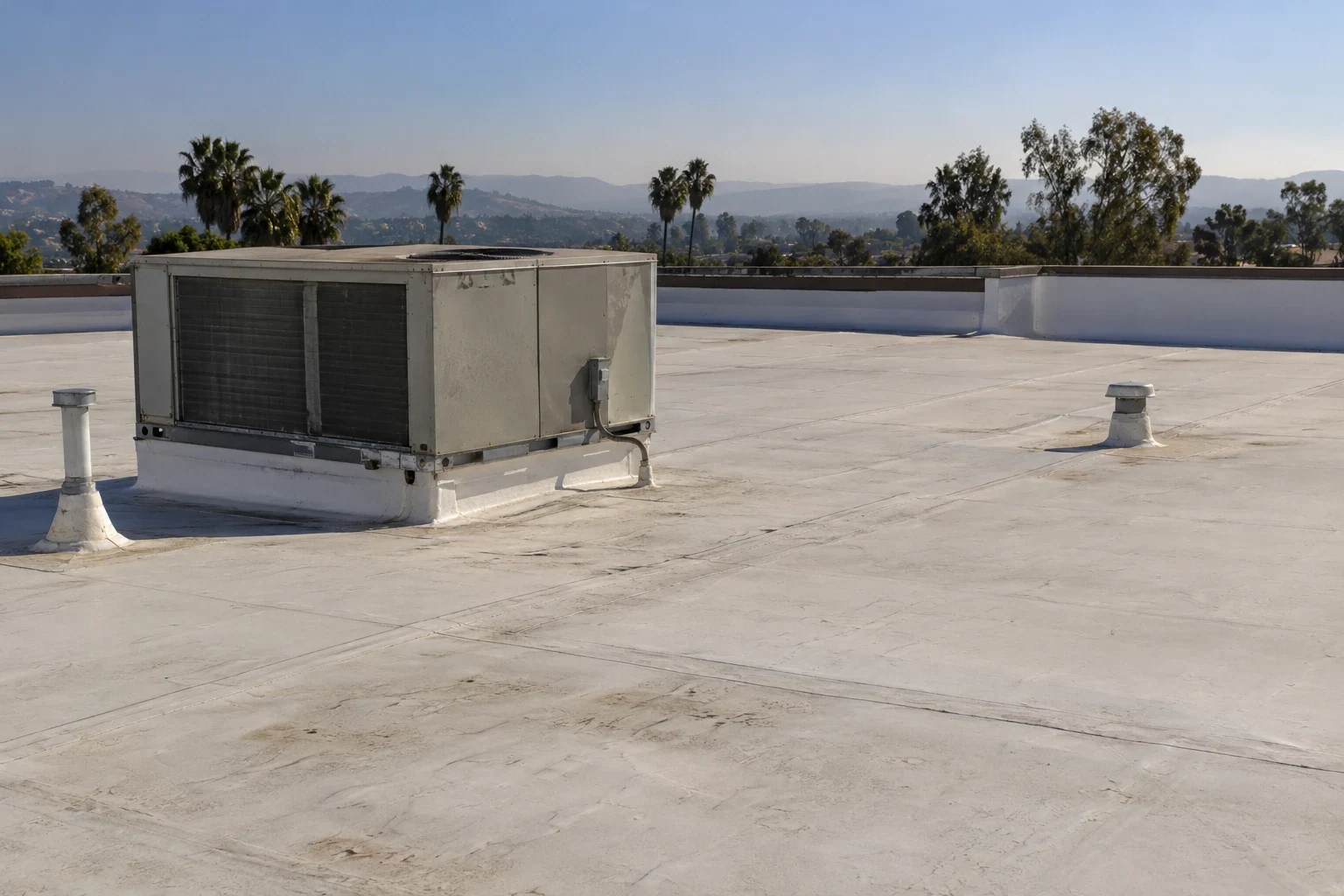
PVC Roofing
Install and repair commercial PVC roofing in Oxnard with welded seams, compatible flashing, substrate review and service access for the roof assembly.
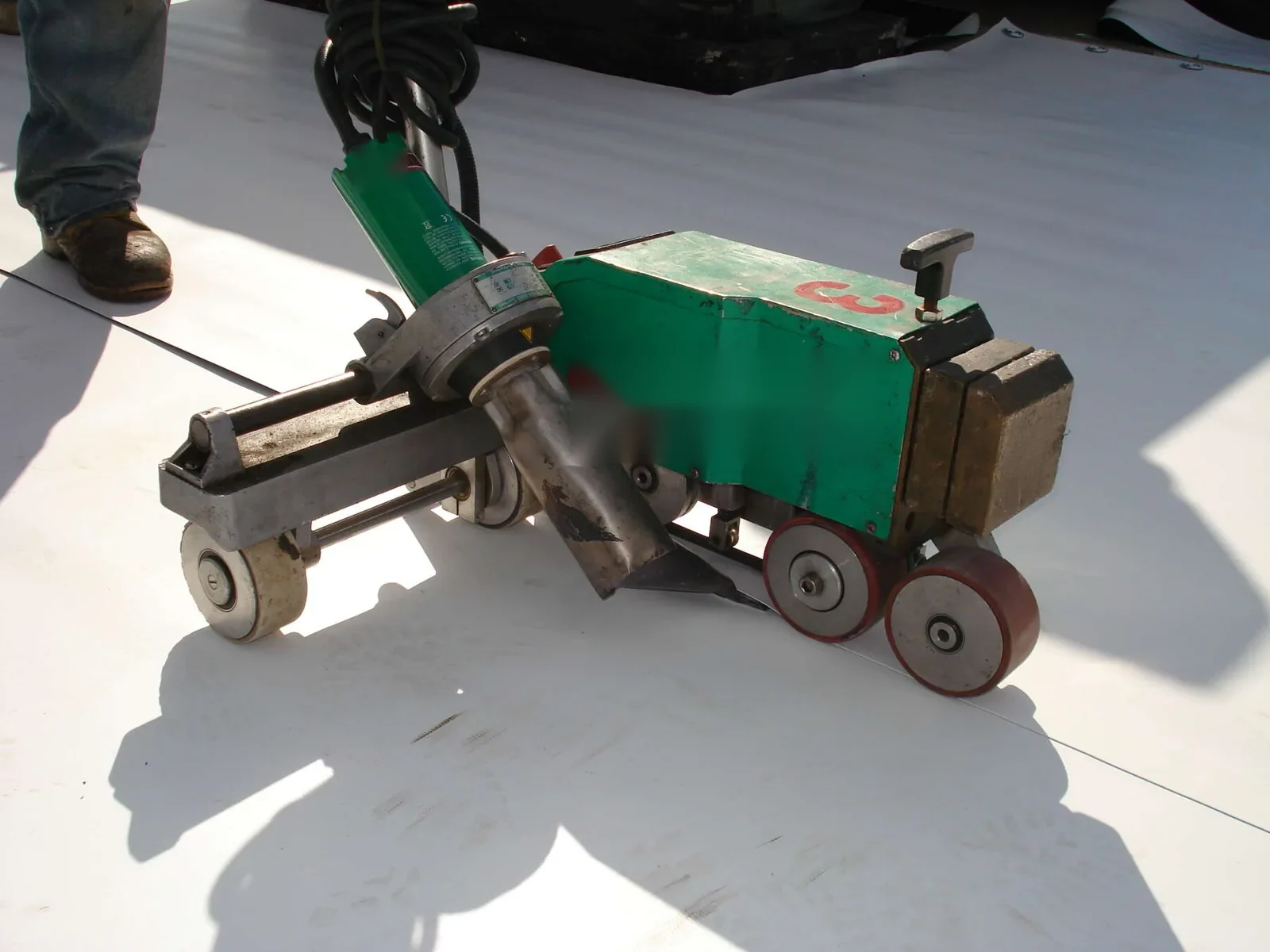
EPDM Roofing
Inspect, repair and replace commercial EPDM roofing in Oxnard with careful seam, flashing, adhesive and drainage review across the roof assembly.
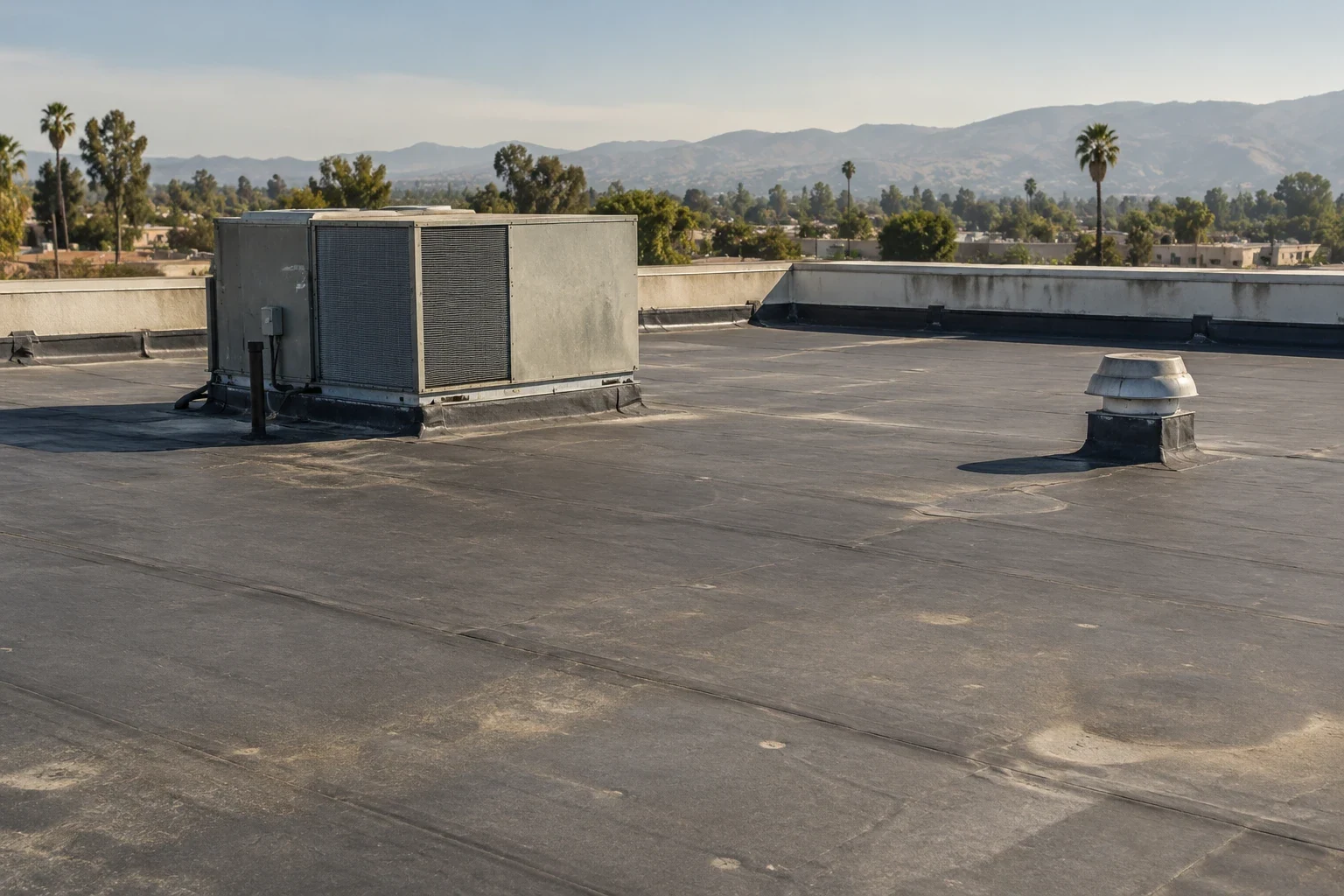
KEE Roofing
Evaluate and install KEE commercial roofing in Oxnard with product-specific welding, flashing, compatibility and exposure review for the existing roof.
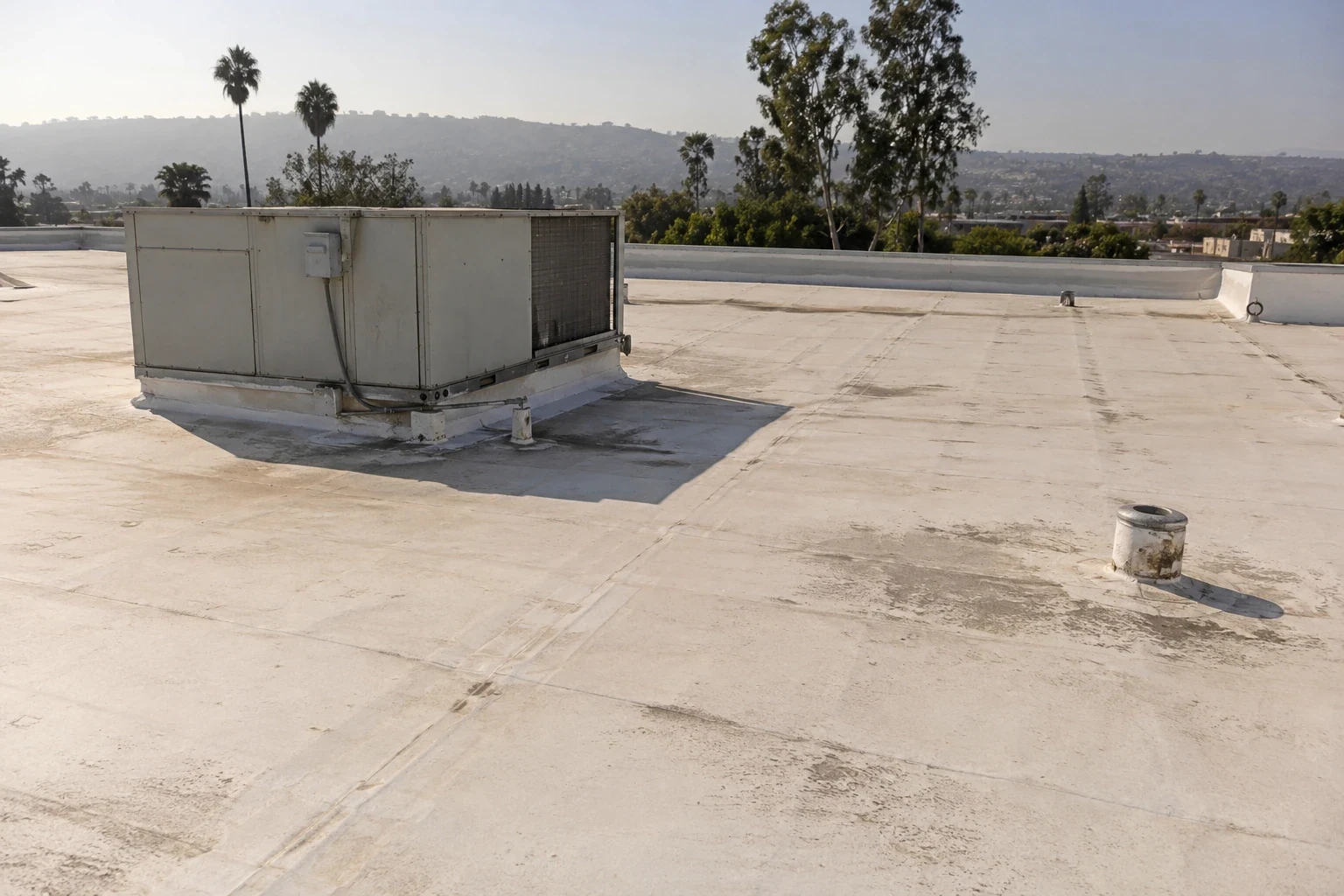
Modified Bitumen Roofing
Repair or replace modified bitumen commercial roofing in Oxnard with layer, flashing, drainage and safe hot-work review matched to the existing assembly.
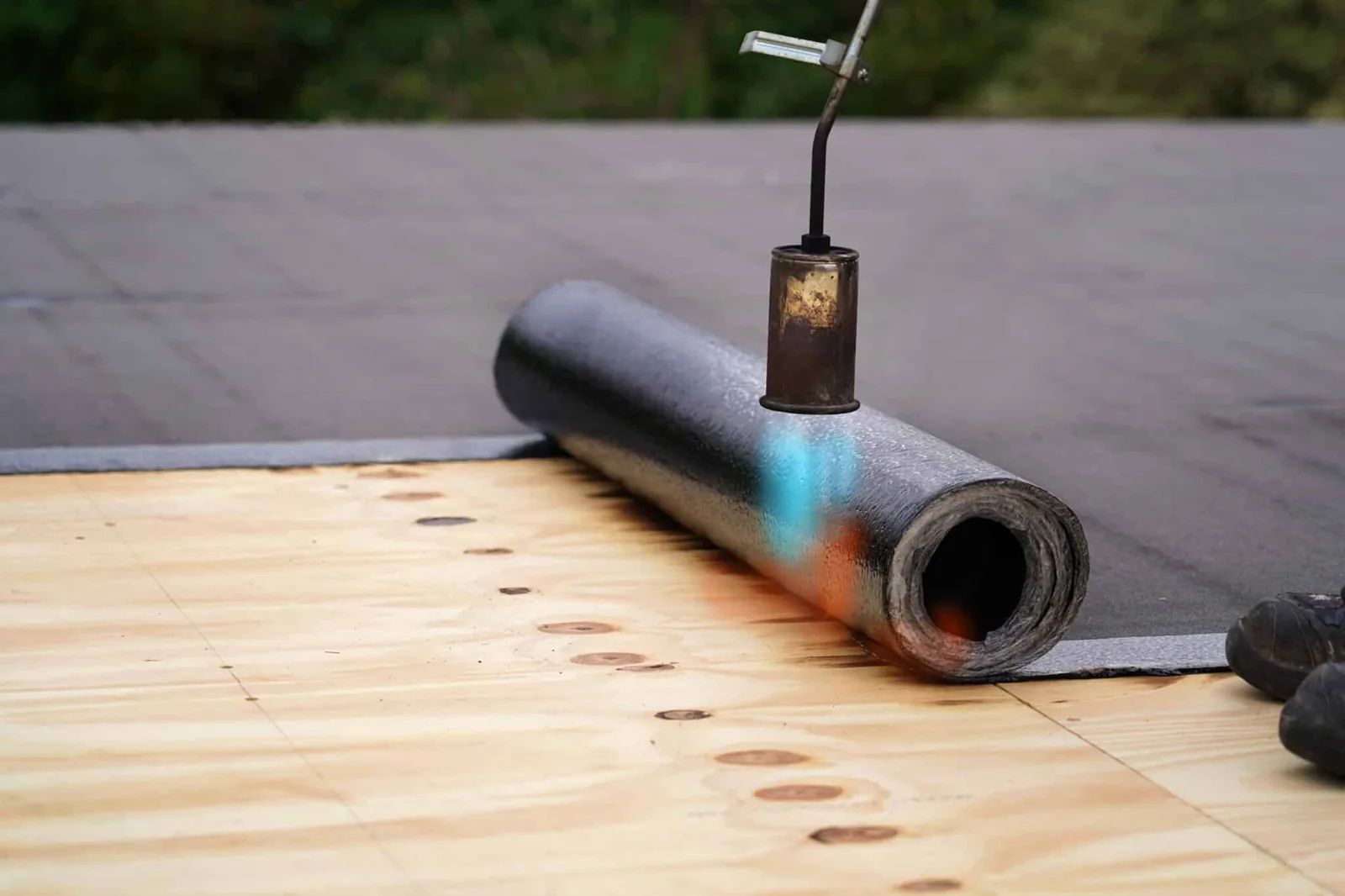
Built-Up Roofing
Inspect and repair commercial built-up roofing in Oxnard by tracing ply layers, surfacing, flashings, drainage and the condition below the roof field.
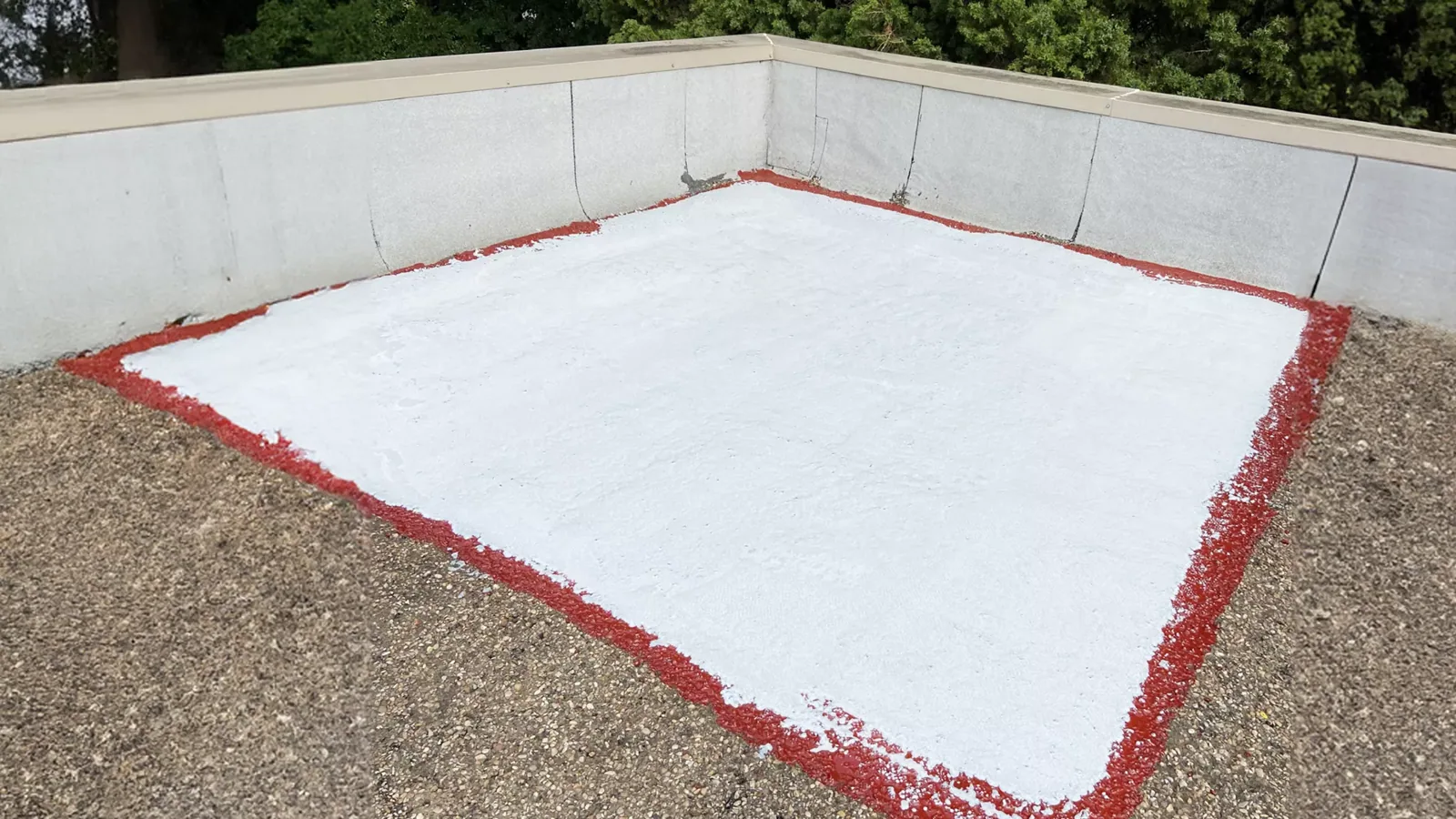
Standing Seam Metal Roofing
Install and repair commercial standing-seam metal roofing in Oxnard with clip, panel, flashing, drainage and movement details matched to the roof design.
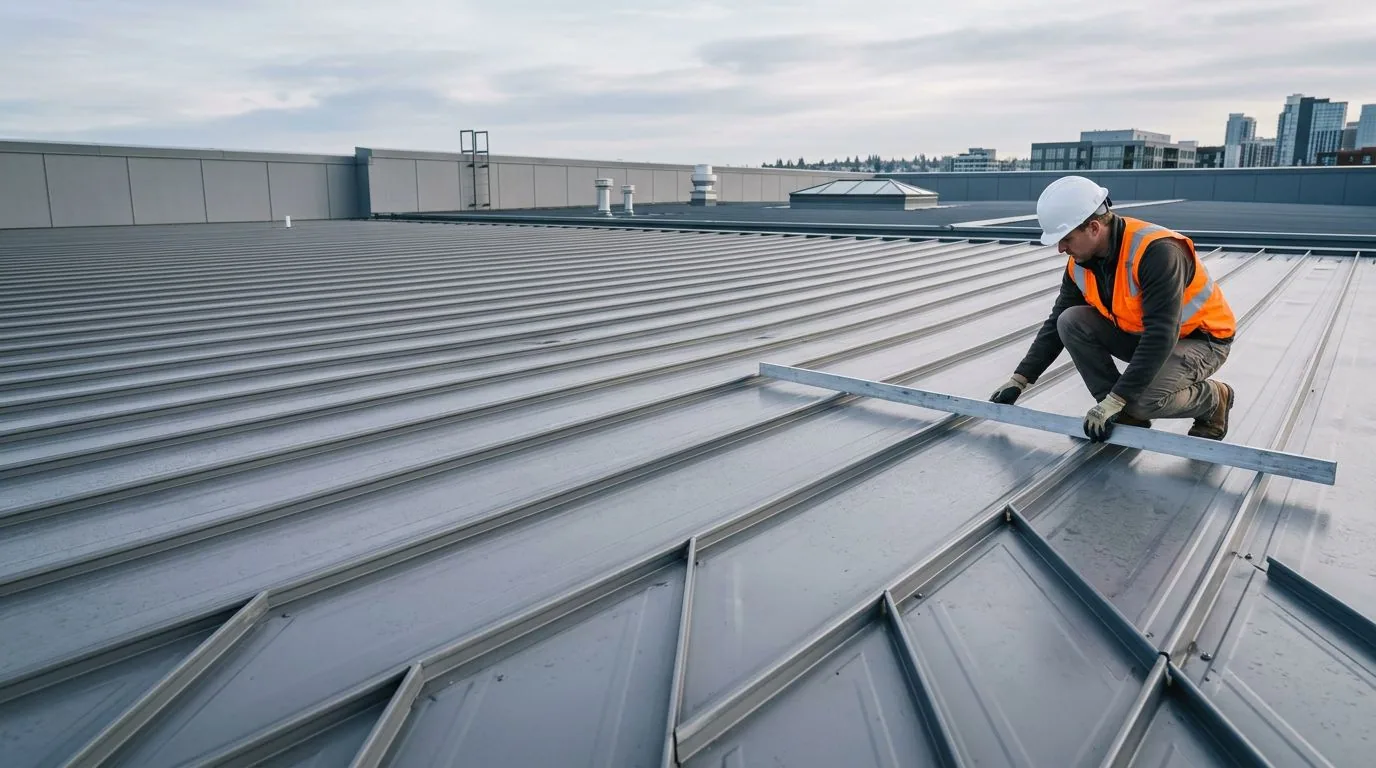
Commercial Metal Roof Retrofit
Retrofit an exposed-fastener commercial metal roof in Oxnard with panel, purlin, attachment, insulation, drainage and perimeter conditions reviewed.
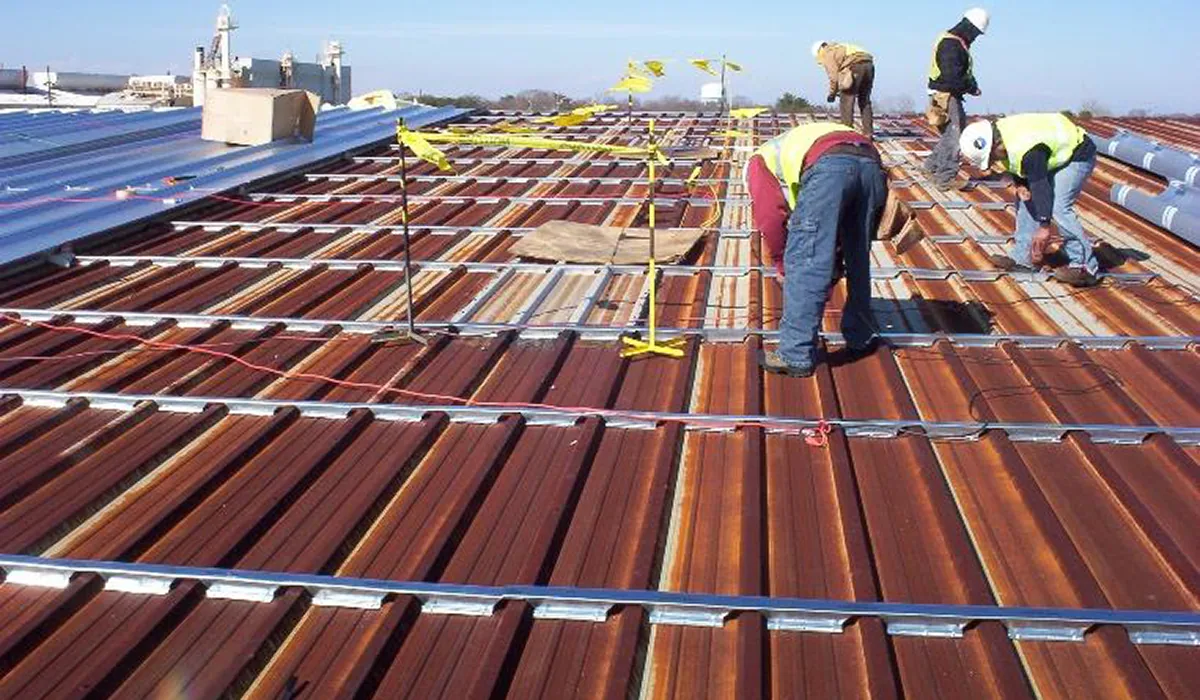
Spray Polyurethane Foam Roofing
Install and restore commercial spray polyurethane foam roofing in Oxnard with substrate, drainage, thickness, protective coating and repair checks.
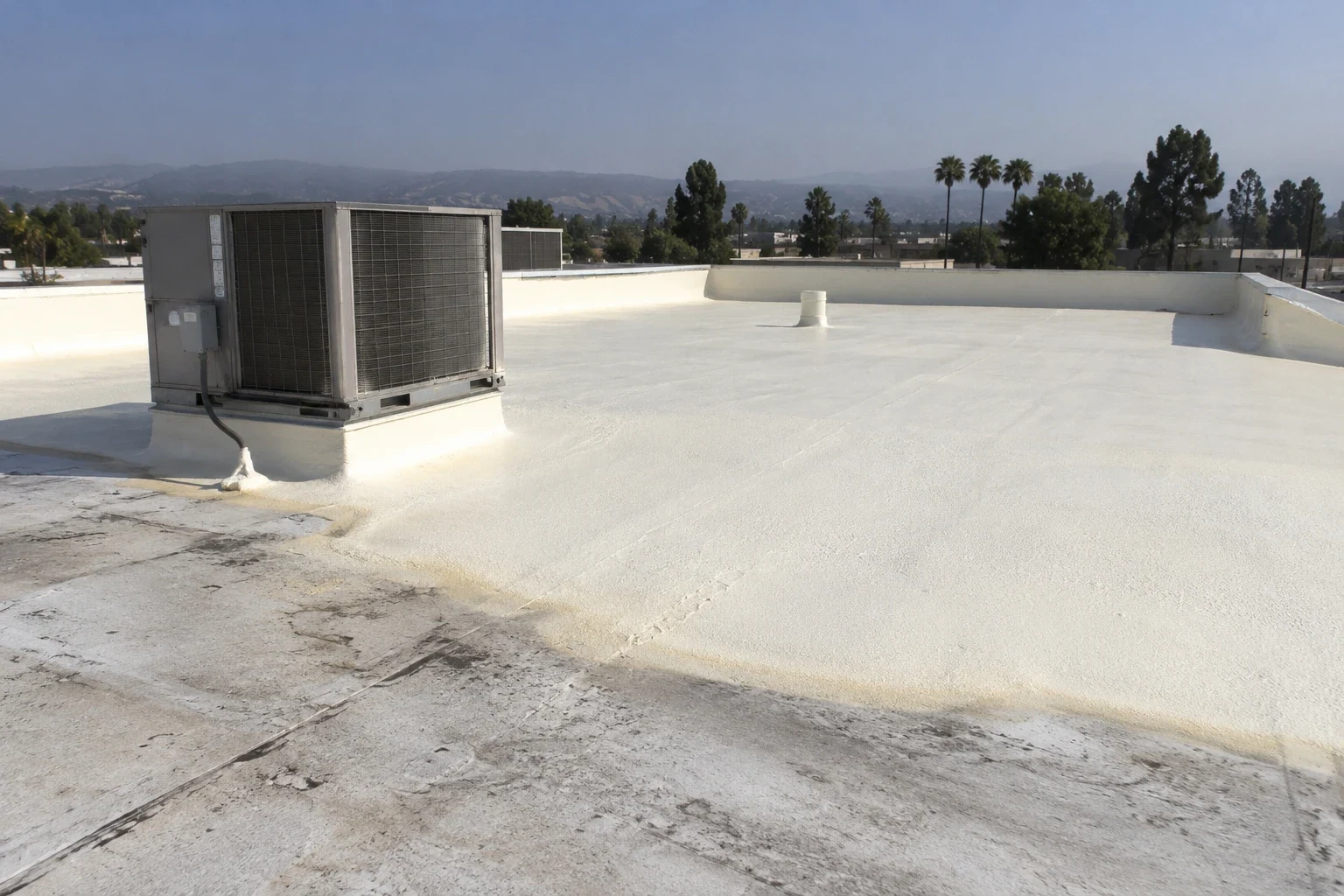
Silicone Roof Coatings
Restore eligible commercial roofs in Oxnard with a silicone coating system, after checking substrate, adhesion, ponding, preparation and flashing conditions.
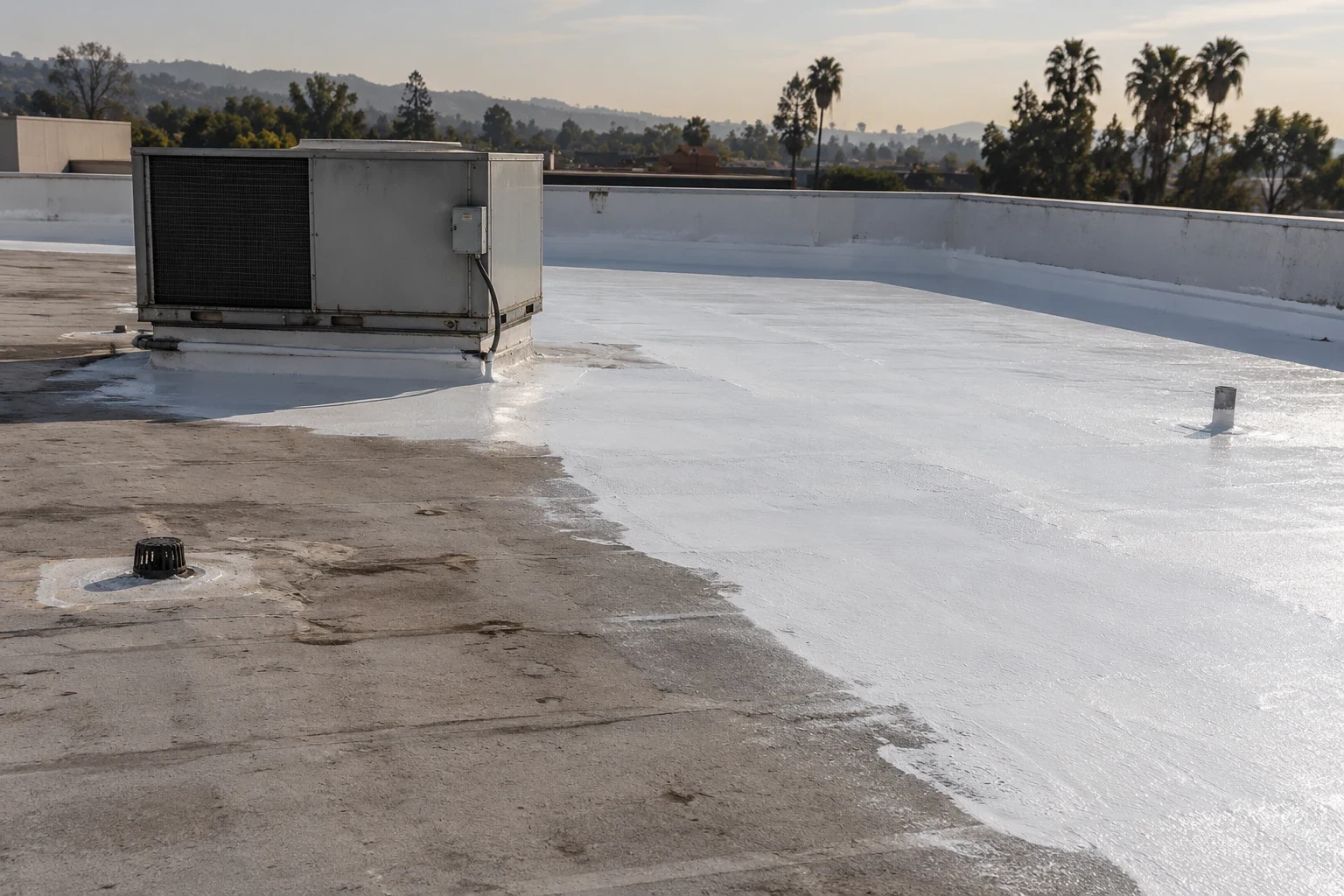
Acrylic Roof Coatings
Assess acrylic roof coating for an Oxnard commercial building by checking substrate, slope, drainage, weather window, surface preparation and details.
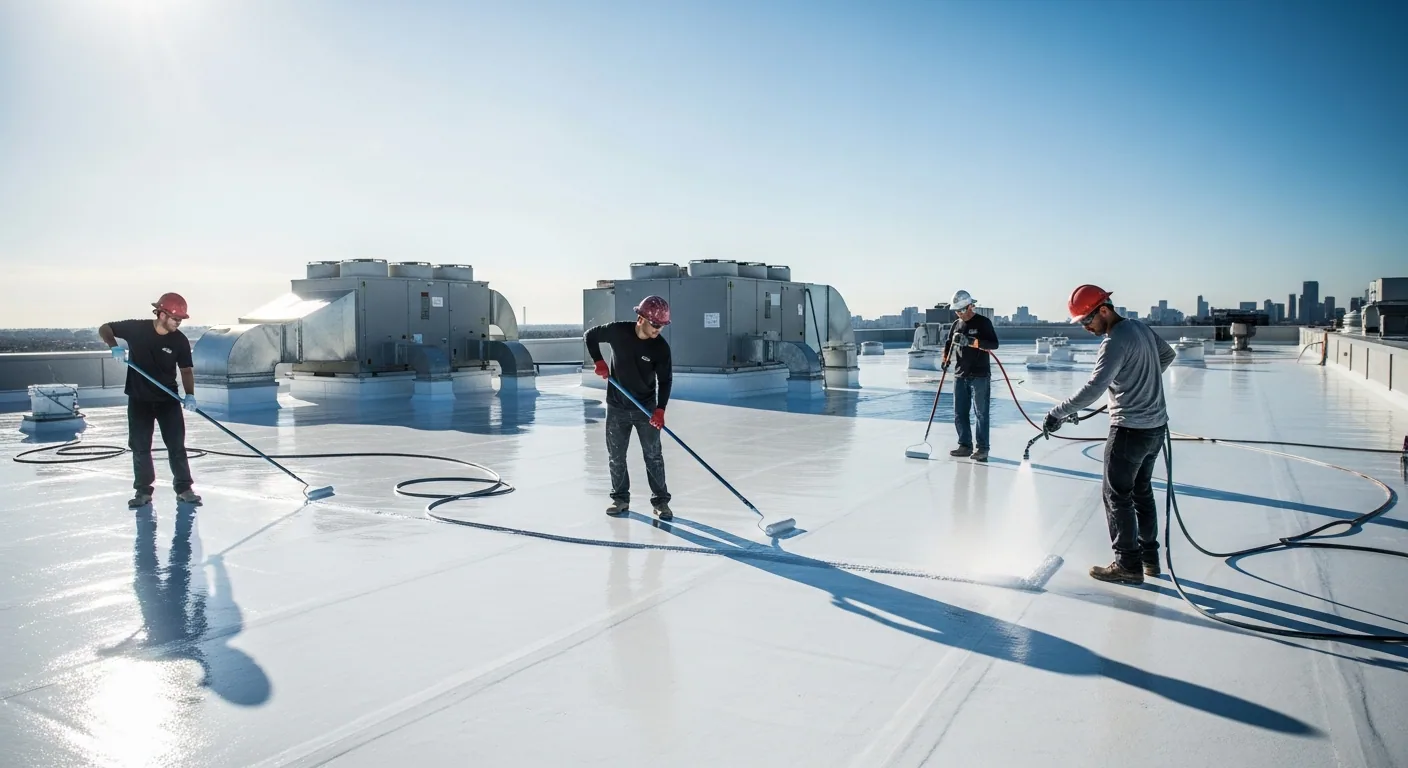
About Our Roof Systems
A repair detail has to match the installed assembly. We identify the membrane, metal profile, or coating first, then check what lies beneath it and how its edges are secured. Thermoplastic seams need a compatible weld; EPDM, built-up roofing, metal joints, and coating systems each call for their own preparation and tie-in. At Sakioka Farms, cold-storage and distribution buildings place different equipment and access demands on a roof than vehicle and equipment service uses in the Central Industrial Area. We verify each building before setting the work method.
Match repair methods to the membrane
For single-ply systems, we check seam adhesion or weld quality, flashing transitions, fasteners, and the condition around penetrations. A TPO roof and a PVC roof both use heat-welded seams, but compatibility and preparation still matter. EPDM uses a different seam and flashing approach, and KEE roofing needs a compatible detail system. We identify the product and surface condition before selecting a repair material.
Read layered and metal assemblies
Modified bitumen and built-up roofs are checked for splits, blisters, open laps, coating condition, and transitions at curbs and walls. Modified bitumen and built-up roofing are not interchangeable, and a coating over either system does not erase what is below it. On metal roofs, we inspect panel seams, fasteners, oxidation, movement, and penetrations. A standing-seam system has different movement and attachment points from an older metal retrofit.
Check what lies beneath the surface
A soft area or recurring interior mark changes the repair decision only after the roof layers are checked. We map the suspect zone, compare it with seams and penetrations, and use moisture testing when the result will change the boundary. A recover review also checks attachment, deck condition, drainage, added height, and edge details. Oxnard recorded a significant one-day rainfall total during Hilary in August 2023; the useful maintenance question is whether this roof's outlets and low points drain as designed. Inspection findings determine the work.
Choose the next work from field evidence
Repair fits a bounded defect where the surrounding system can hold a compatible tie-in. Restoration or coating may suit a substrate that is sound and properly prepared. Replacement addresses broader assembly or deck conditions but requires staging, tear-off, and protection as work advances. We record each roof zone, material, repair method, and unresolved condition so an owner can compare options against the same measurements. A Sakioka Farms Business Park inspection and a Downtown Oxnard roof walk remain separate property records, even when the same system appears on both.
Commercial Roofing Questions
Can you identify the roof system from a leak photo?
A photo may narrow the possibilities, but field inspection confirms the material, seams, transitions, and condition. We verify the assembly before selecting a repair method.
Can an existing roof be coated instead of replaced?
Coating depends on substrate condition, attachment, moisture, surface preparation, and detail compatibility. We inspect those items and compare restoration with repair or replacement.
Does a recover work over any existing membrane?
No. Moisture, deck, attachment, drainage, edge height, and project requirements affect suitability. We inspect each before recommending an additional layer.
Why does system identification matter for a seam repair?
Materials and seam methods differ. We identify the membrane or metal, prepare a stable boundary, and use a repair compatible with the assembly in place.