
Commercial Roofing in Port Hueneme, CA
Arrange a Port Hueneme roof inspection
Port Hueneme
Commercial and industrial properties in Port Hueneme need roof work that respects building operations and access. The City's economic-development plan identifies the Port of Hueneme and Naval Base Ventura County as major local employers, and it also identifies commercial and industrial land outside those operations. Downtown and Market Street are among the City's broader commercial areas, while multiple shopping centers serve other parts of the city. We start with the roof plan, access route, equipment schedule, and reported leak location, then field-mark drains, seams, curbs, and perimeter details. A nearby Channel Islands Beach property has its own coastal planning context; here, the building's assembly and work limits set the repair scope.
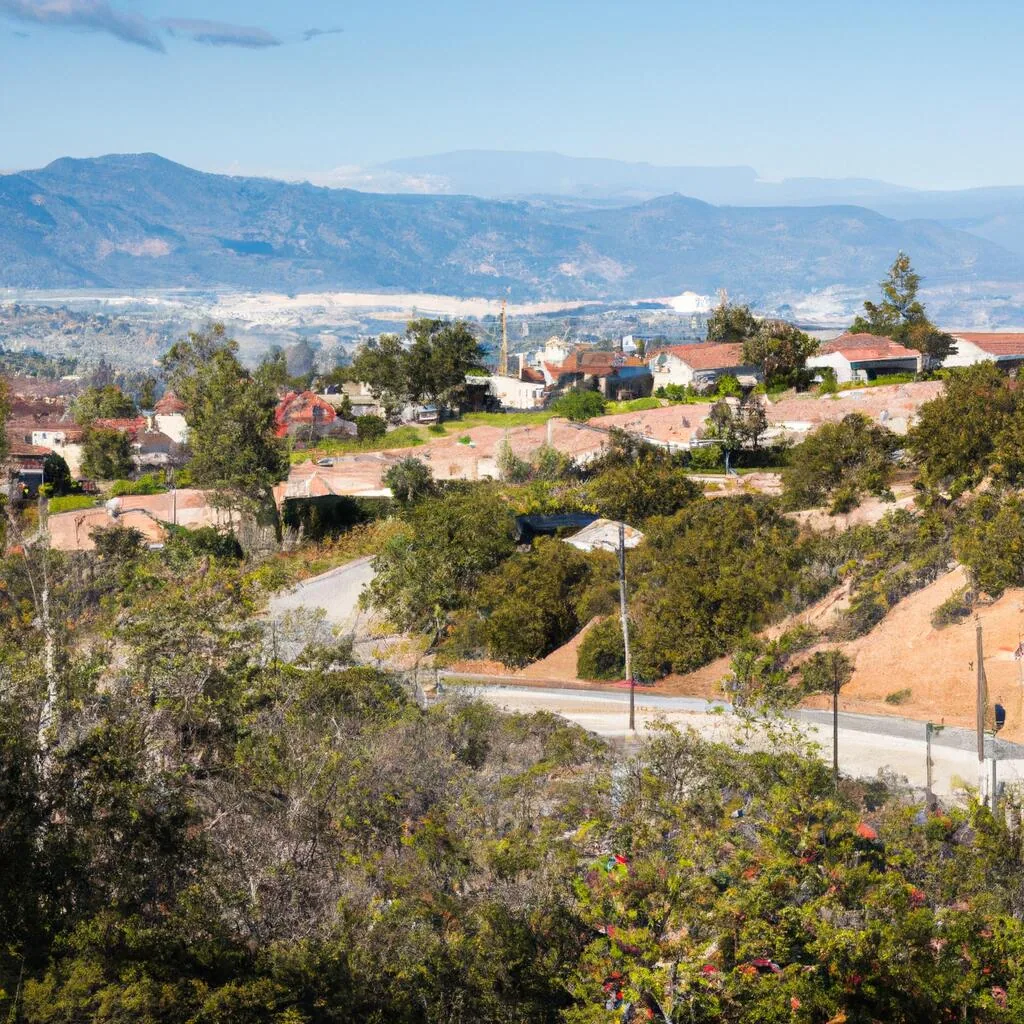
Read the building before the roof surface
At a commercial property, the first question is how the crew reaches the roof without disrupting the work below. We confirm the hatch or ladder, tie-off route, loading and delivery windows, active equipment, and the rooms that need protection. Retail hours and pedestrian access affect material movement; industrial service traffic can shape the work zone. We confirm each condition at the building.
We walk the roof in sections and mark the field membrane, metal panels, coatings, or layered material we can identify. The inspection follows water toward drains and scuppers, then checks penetrations, curb seals, wall turns, edge metal, and prior repairs. Photos show the defect and nearby roof area. If a unit blocks the view or a surface cannot be walked, we note the limit and next inspection step. A commercial roof inspection turns those observations into a condition map.
The City's land-use and economic-development materials describe several kinds of commercial and industrial activity across Port Hueneme. That makes property-specific access planning useful; it does not identify a roof type or condition. We verify the assembly, substrate, insulation, and attachment where visible and recommend testing only when the result could change the repair boundary.
Follow the leak report to a roof detail
A ceiling stain may sit away from the opening. Water travels along decks or insulation before appearing inside. We record the room, date, and operating conditions, then compare seams, walls, penetrations, and drains above. The field mark shows where we inspected and which point remains uncertain. That is more useful than a patch location copied from the interior without tracing the route.
Port Hueneme’s port and naval-base activity make crew access and material staging worth confirming with each property contact. During Hilary in August 2023, the Oxnard National Weather Service station measured 1.77 inches, a new August record there. For a Port Hueneme roof, we mark the low points, outlet path, overflow, and membrane tie-ins before scoping work. Drain and scupper work follows the outlet condition; a ponding-water evaluation distinguishes blockage from a depressed or damaged roof area.
When a moisture survey suggests water beneath the surface, we map the result and decide whether a test opening is warranted. Wet insulation changes the amount of removal and the dry-in sequence. If the roof remains dry around a single failed seam or curb, a smaller repair may be reasonable. We keep those scopes separate until the field evidence sets the quantities.
Restore seams, flashing, and perimeter metal
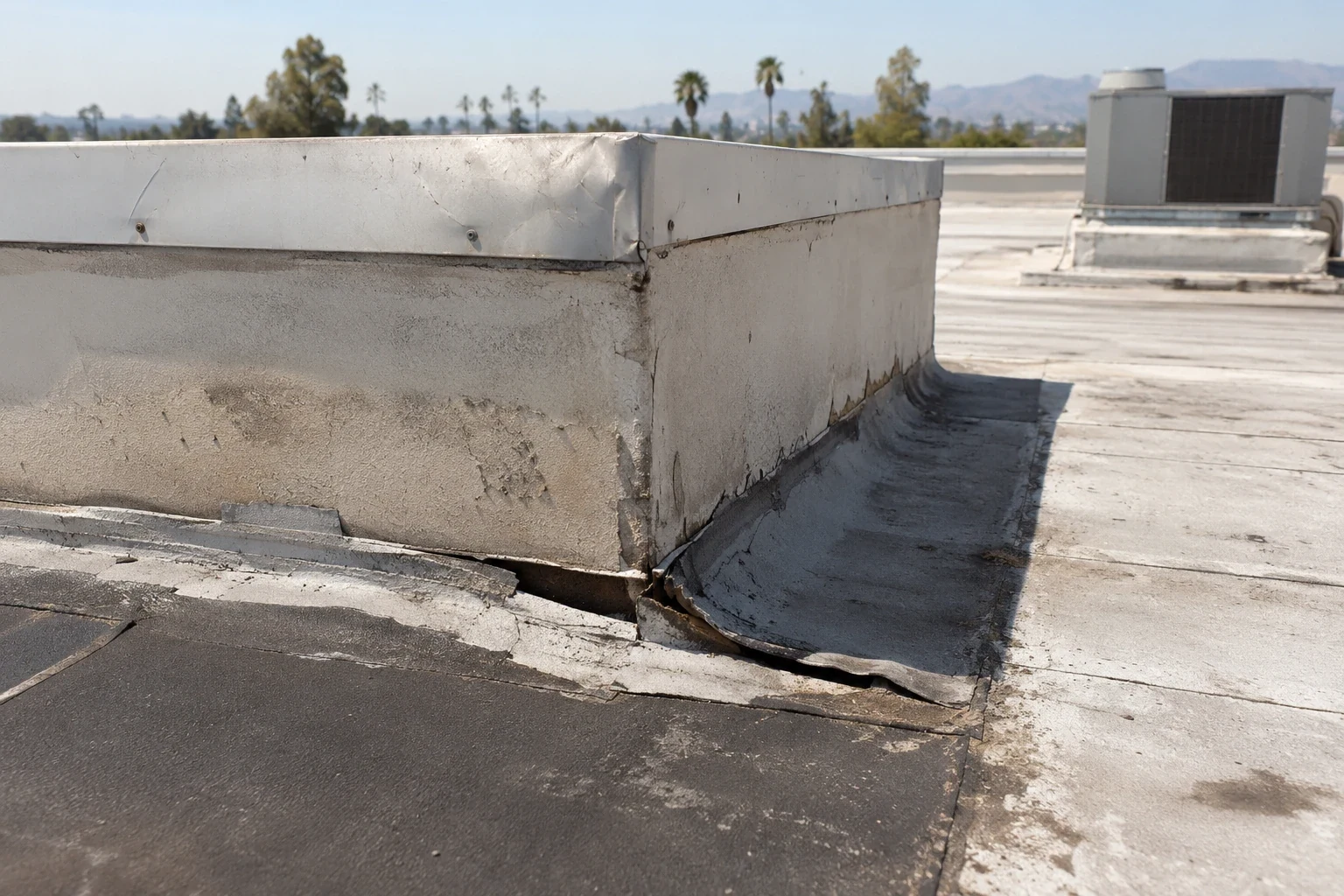
At walls and curbs, we inspect flashing, corners, and termination. At the edge, we check coping, fasteners, metal seams, and membrane tie-ins. A failed sealant bead can be one symptom, but replacing the bead alone will not correct loose metal or a moving substrate. We identify what must be prepared, removed, and tied back into stable material.
Downtown and Market Street are broad commercial areas outside Port Hueneme’s base and port lands. A storefront roof, warehouse, and industrial building can present different membrane and metal details, so we verify the product and work access at the assigned property. We prepare each receiving surface for its compatible tie-in, then photograph the finished boundary and any adjacent condition that needs follow-up. Flashing repair addresses a failed wall or curb transition, while a perimeter-metal scope can correct a loose coping or gutter connection.
Work near active equipment may require coordination with another trade. We identify who can shut down or move a unit, what protection is needed around intakes, and when the repaired section can be returned to service. The work plan marks material staging and the dry-in point for each shift. For a property with customers or staff on site, we separate the crew route from pedestrian and delivery paths before opening the roof.
Choose a scope by condition, not by stain size
A targeted repair is appropriate when the surrounding roof is stable and a compatible detail can tie into sound material. Repeated patches, broad moisture readings, failed attachment, or deteriorated deck can require a larger investigation. We map each finding, explain what is confirmed, and identify where a test cut or additional survey would set a reliable limit. Waiting on an active leak can extend interior protection and damage work, so we also document temporary measures separately from permanent correction.
A recover is possible only when moisture, deck, drainage, attachment, layer limits, and project requirements allow it. Added height affects edges, drains, curbs, and supports. Replacement exposes the deck and insulation but adds tear-off and daily protection needs. We compare both paths using the same measurements and note the access and trade work each requires. A commercial repair scope can stand on its own; a recover assessment or replacement plan addresses a broader roof condition.
Timing and cost reflect access, preparation, removal depth, insulation, edge metal, disposal, equipment moves, and work windows. Downtown and Market Street schedules can differ from industrial operations. We confirm constraints with the building contact and sequence the work accordingly.
Keep records attached to each roof section
The closeout should show the building, roof zone, system identified, repair preparation, materials, photographs, and any test result. We mark the location on a roof plan and list follow-up conditions separately from completed work. If roof access was limited, we record which detail remains to be checked. That file gives a later manager a place to start when a tenant reports a new leak or a contractor needs to cross the roof.
Maintenance visits check seams, drains, counterflashing, curb seals, edge metal, and traffic paths. The interval follows observed condition, building use, and planned equipment changes. For a property portfolio spanning Port Hueneme and Ventura commercial buildings, separate roof records keep local findings from being carried to another city. Photo-based condition reporting connects inspection findings to the repair list and next capital decision.
Send the roof plan, leak history, equipment schedule, prior repair records, and access contact. We will inspect the relevant sections, field-mark the confirmed conditions, and recommend repair, testing, recover, or replacement based on the building's actual assembly.
Related Roofing Work
More from Service Areas and nearby services


Arrange a Port Hueneme roof inspection
Share the roof plan, leak details, equipment schedule, repair history, and access contact. We will inspect the assembly and return a marked scope with the next practical decision.
Common Questions
Do commercial properties outside the port and base need different roofing work?
The property determines the assembly and scope. Port Hueneme's plan identifies commercial and industrial land beyond the Port and Naval Base, but we inspect each roof for its material, drainage, access, and operating needs.
How do you plan work near a store or business entrance?
We confirm delivery hours, pedestrian routes, staging, roof access, and interior protection with the building contact. The work map keeps the crew path and open roof area clear of customer access.
Can the Oxnard rainfall record be used to diagnose a Port Hueneme leak?
It gives regional context for a date, not a finding on this roof. We trace the reported water path and inspect the property's drains, seams, curbs, and wall transitions before defining a repair.
When should a leak move from repair to replacement review?
Repeated failures, widespread moisture, loose attachment, deck damage, or failing edges can broaden the scope. We map the evidence and compare repair, recover, and replacement using the same roof measurements.
What should a roof repair report include?
Keep the roof-zone mark, photographs, material, preparation, test findings, and open conditions. We make those details part of the closeout so a later visit can locate the same area and plan follow-up.