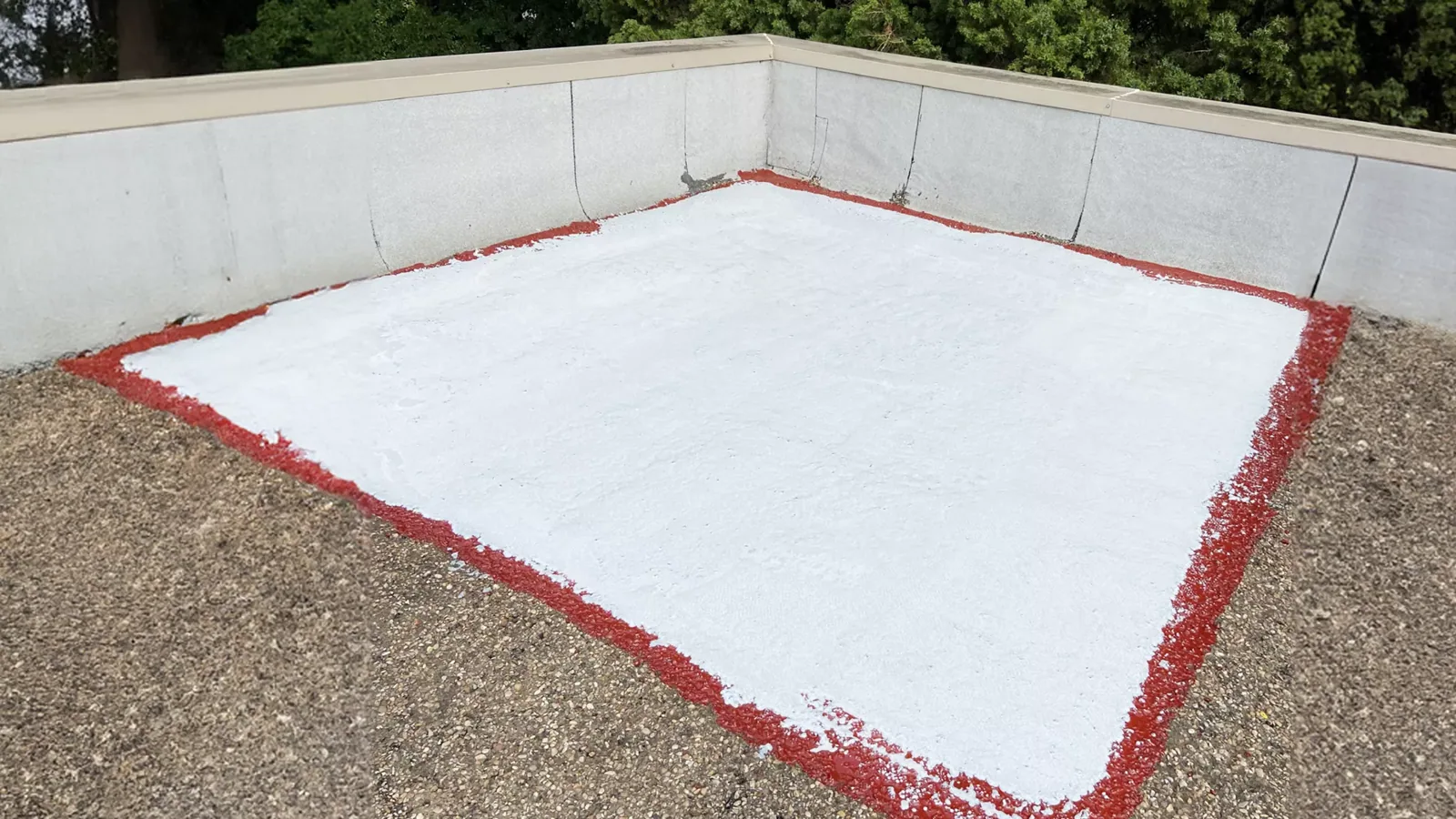
School District Roofing in Oxnard, CA
Schedule a district roof review
School District Roofing
A school roof project has to fit the calendar below it. A leak over a classroom, kitchen, gym, or equipment room can require different protection and access than a repair over an unused wing. We inspect the roof section, map seams, drains, curbs, edges, and penetrations, then identify the work boundary and schedule needed by the district. In the Oxnard service area, buildings may sit within Oxnard or neighboring Port Hueneme; each campus gets its own access plan and condition record.
Before starting, the facilities contact confirms student and staff schedules, secure entrances, bus and delivery movement, maintenance access, and any space that cannot be closed. A roofing crew should not assume that a summer window means the whole campus is clear. Oxnard's Downtown Code supports mixed commercial and office activity, and Camino Real Business Park has office and industrial uses along U.S. 101; these are different local operating settings, but neither tells us the assembly of a school roof. The field walk establishes that condition before we select a repair or replacement method.
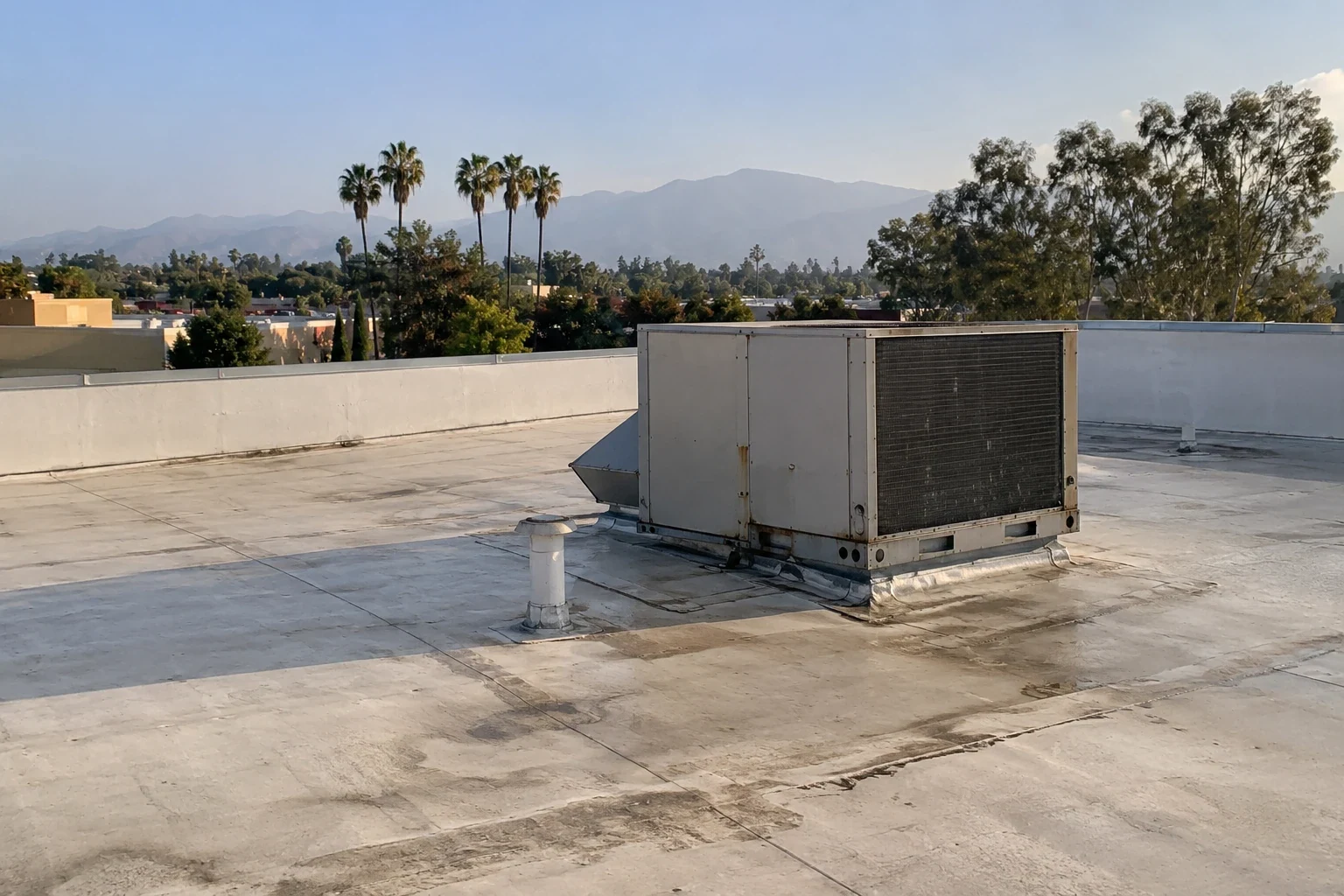
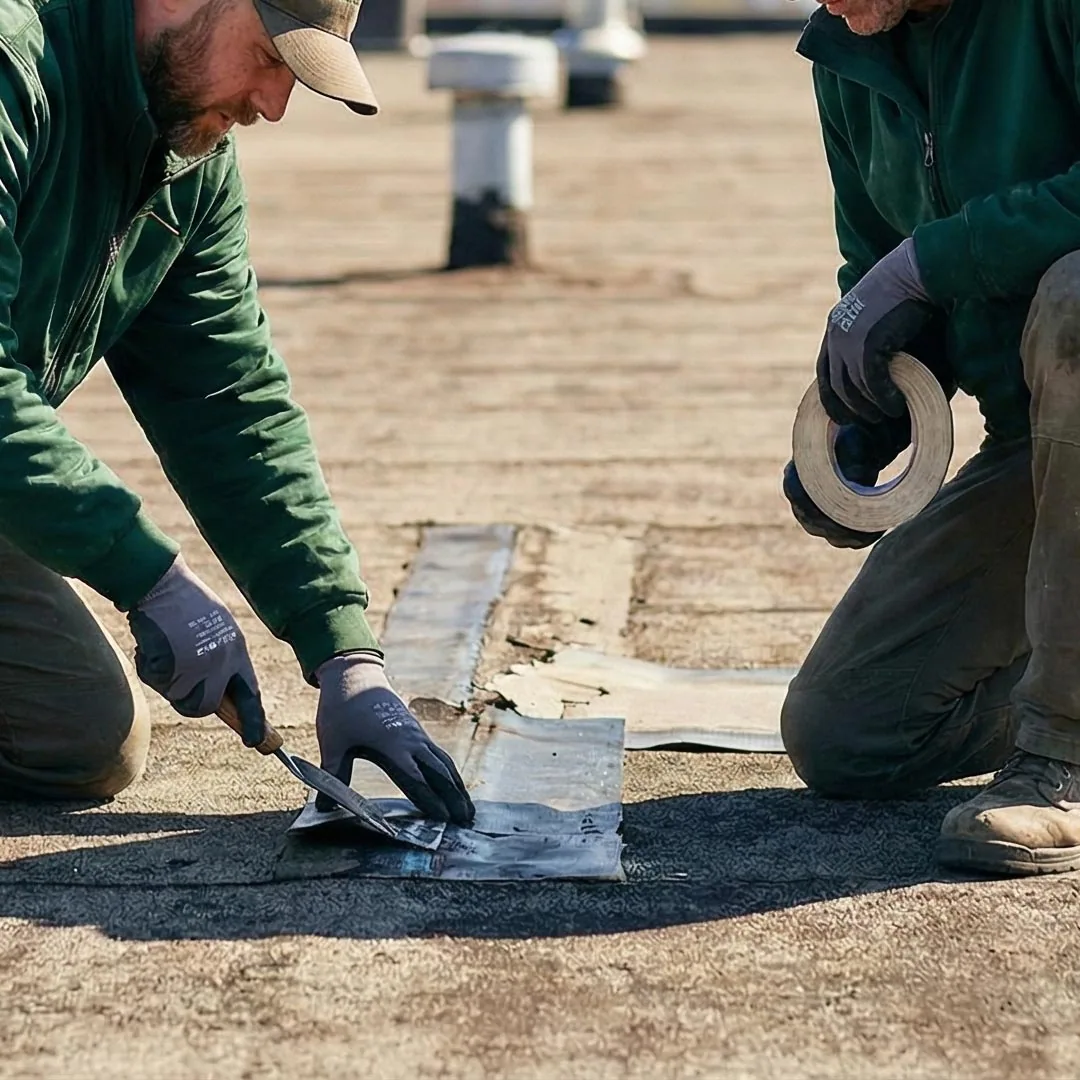
Fit roof work to the school calendar
Set the project by building and roof zone, then compare the sequence with class days, events, meal service, maintenance tasks, and any summer program. We confirm noisy work periods, roof hatch access, staging, lift positions, debris handling, and routes that must remain open. If a wing stays occupied, the plan identifies interior protection and the close-of-shift condition. A schedule that only names a start and finish date does not show when each area will be exposed.
School facilities teams can provide roof plans, prior inspections, repair records, equipment schedules, access rules, and the person authorized to release each area. We compare those materials with visible section breaks and mark any addition or elevation that may have a different assembly. The occupied-building sequence can set the daily dry-in limit, while a marked roof inspection identifies the work that should be scheduled before the next term. For a district with multiple buildings, preserve separate maps rather than assuming all campuses share one roof type.
Protect classrooms and shared spaces
Before opening the roof, identify rooms beneath the work and decide whether furniture, computers, food preparation, or stored materials need to move. We state the planned opening, expected duration, protection below, and how the assembly will be closed each day. If a leak is active, emergency response is available around the clock, including weekends and holidays. Stabilization may limit entry, but it remains distinct from permanent repair and follow-up testing.
A roof stain can appear away from the failed detail. We compare the reported room with the roof plan, nearby drains, penetrations, wall transitions, and seams before drawing a repair boundary. Where the interior cannot be vacated, we coordinate containment and safe access with the school contact. A roof repair scope records the material, preparation, and tie-in; urgent stabilization states what is temporary and what remains. Clear closeout notes let staff know when protection can be removed and which conditions need another visit.
Identify each roof assembly
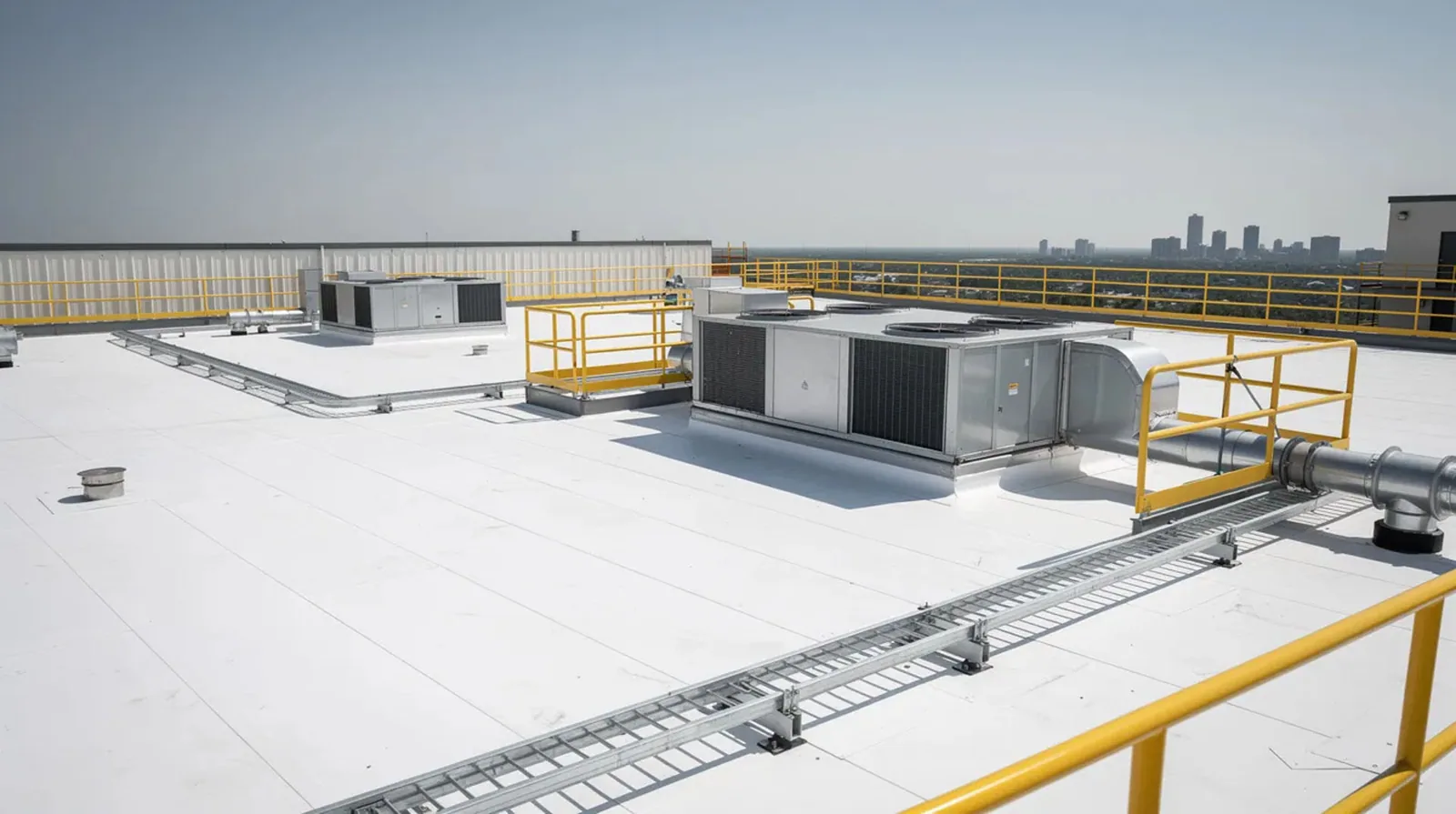
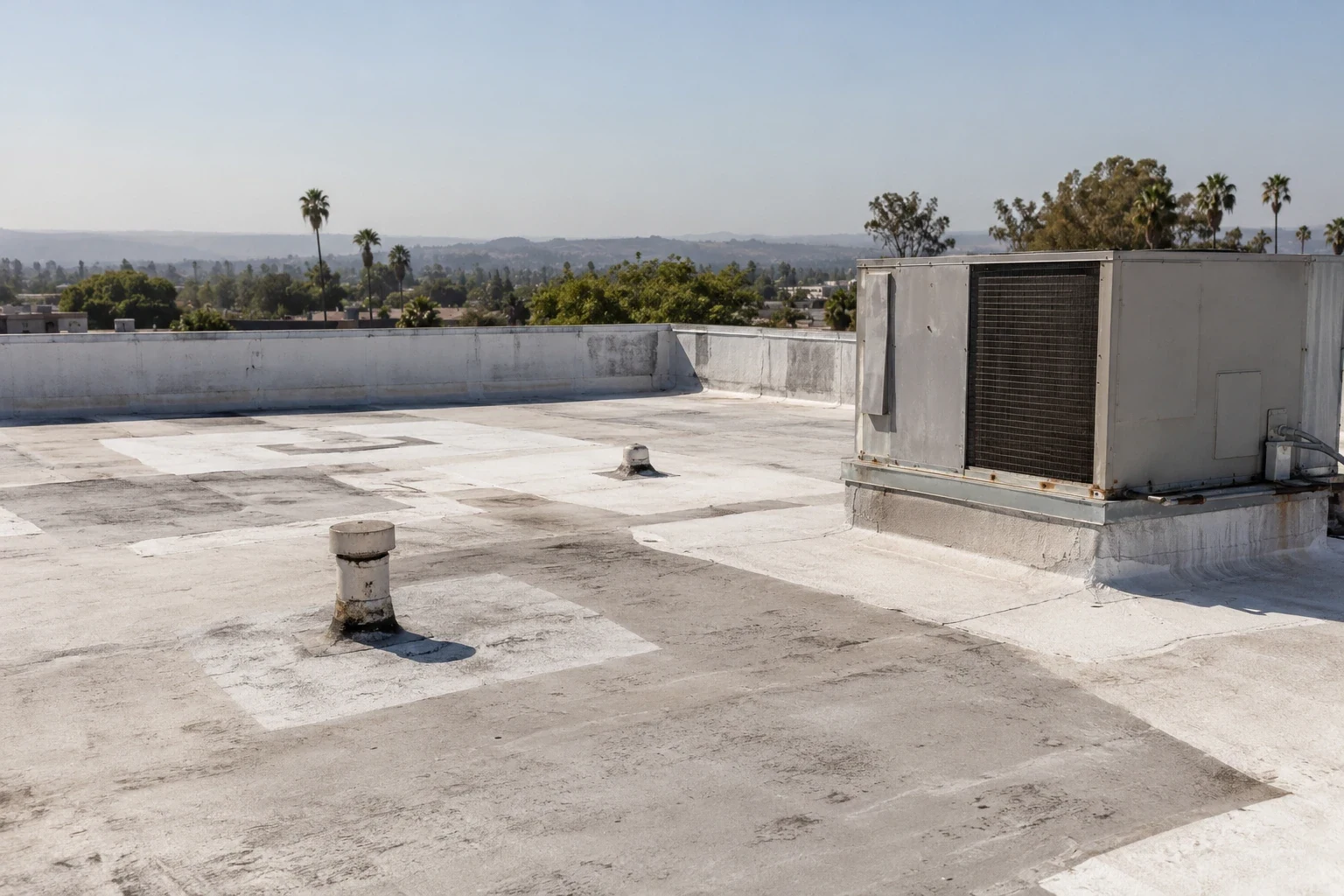
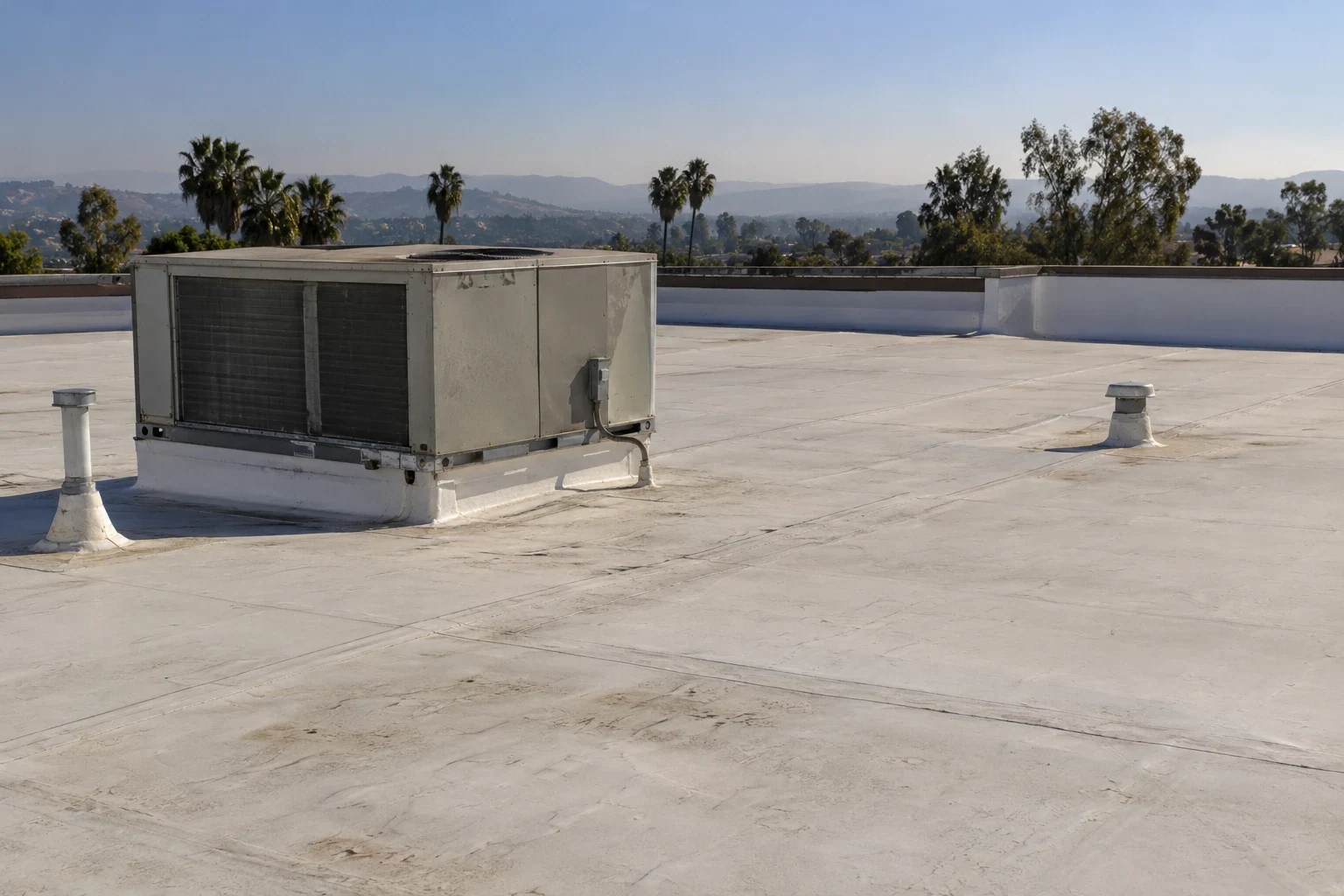
Many school buildings contain different roof sections because of additions, covered walks, gym expansions, or mechanical changes. We identify visible membrane, metal, coating, insulation transitions, deck edges, and flashing details without assigning a material from the building's appearance. A drawing may be outdated. If the layers below a patch or coating would change the repair recommendation, we can define a small test opening and restoration method before asking the district to approve it.
Repair compatibility depends on the installed system, surface condition, moisture, attachment, and edge detail. A localized opening may accept a compatible patch when the surrounding membrane is sound. Repeated seam failures, widespread moisture, or weak attachment can call for additional testing or replacement planning. The school-building roof review can account for classroom schedules and separate wings, while TPO assemblies and built-up roofs have different seam and repair details. The field record names what we could verify and what remains concealed.
Check drains before the next weather window
Walk low points, drains, scuppers, gutters, overflow outlets, and paths from rooftop equipment. We note debris, restricted openings, standing-water marks, lifted material, and areas where water reaches a wall or curb. A blocked strainer may need cleaning, while a failed drain flashing or persistent slope issue requires a different scope. Each condition is recorded by roof zone, with a photo that shows both the defect and its location.
Rainfall at the Oxnard station reached 1.77 inches during Hilary in August 2023, setting the station's monthly August record. For a district roof, compare the date of a water report with maintenance history, then inspect the drains and path above the affected rooms. We document what the field shows and schedule any testing or repair with the campus access and interior-protection plan.
Build a scope the district can approve
A clear scope lists the building, affected sections, observed condition, repair limits, material, access needs, and any work by another trade. Replacement options add tear-off assumptions, insulation and cover-board details, edge metal, drainage, daily dry-in, and interior controls. Price and duration depend on those quantities and access limits, not on a broad label such as classroom roof. If a test opening changes the removal quantity, state the approval point before work begins.
Oxnard's Ordinance 3070 adopts the 2025 California Building Standards Code locally. For a school project, the district and design team determine applicable review and permit requirements; the roof inspection documents field conditions rather than replacing that review. A replacement plan can show phases by building and work window. public-agency procurement teams may need the same scope fields for bid review and project records, while health-system facilities teams use a comparable approach to protect occupied spaces. Keep each project's approvals and campus access distinct.
Leave facilities staff a usable handoff
At closeout, record the roof zone, repair detail, material installed, photographs, test results, and any area not reached. Mark temporary protection separately from permanent correction. If a mechanical or electrical trade still needs to finish work, identify the receiving surface and follow-up inspection. The district should be able to match the report to the building and determine whether another access window is needed.
For service-area coordination, Downtown Oxnard and Port Hueneme is a separate community with distinct access and property contacts. A district roster can keep those locations, maps, and work orders organized without implying that every roof has the same condition. Send the building list, plans, known leak locations, calendar restrictions, equipment schedule, and approval contact. We will return a field-marked report with a sequence tied to the school use and roof assembly.
Related Roofing Work
More from Industries We Serve and nearby services
Schedule a district roof review
Send the campus roster, roof plans, prior repair records, known leak locations, school calendar, access rules, and approval contact. We will map the findings and identify the work windows for each building.
Common Questions
Can a roof project be completed over summer break?
It can be planned for a summer window when access and material timing allow. We still confirm programs, staff occupancy, deliveries, equipment needs, and the daily dry-in boundary for every building.
How do you protect rooms below an active repair?
We identify the opening, interior area, protection, and close-of-shift condition before work begins. The school contact confirms what must move or remain isolated below.
Do all buildings in a district use the same roof system?
No assumption is made from the district name or age of a campus. We inspect visible layers and transitions, then record the assembly or recommend a focused test.
What does the district need for a bid-ready roof scope?
The scope should name each building and roof zone, repair limits, materials, access, work windows, protection, and approval points for concealed conditions.
Can an inspection cover several campuses?
Yes, if the district can arrange access. We keep separate maps, photographs, findings, and follow-up actions for each building.