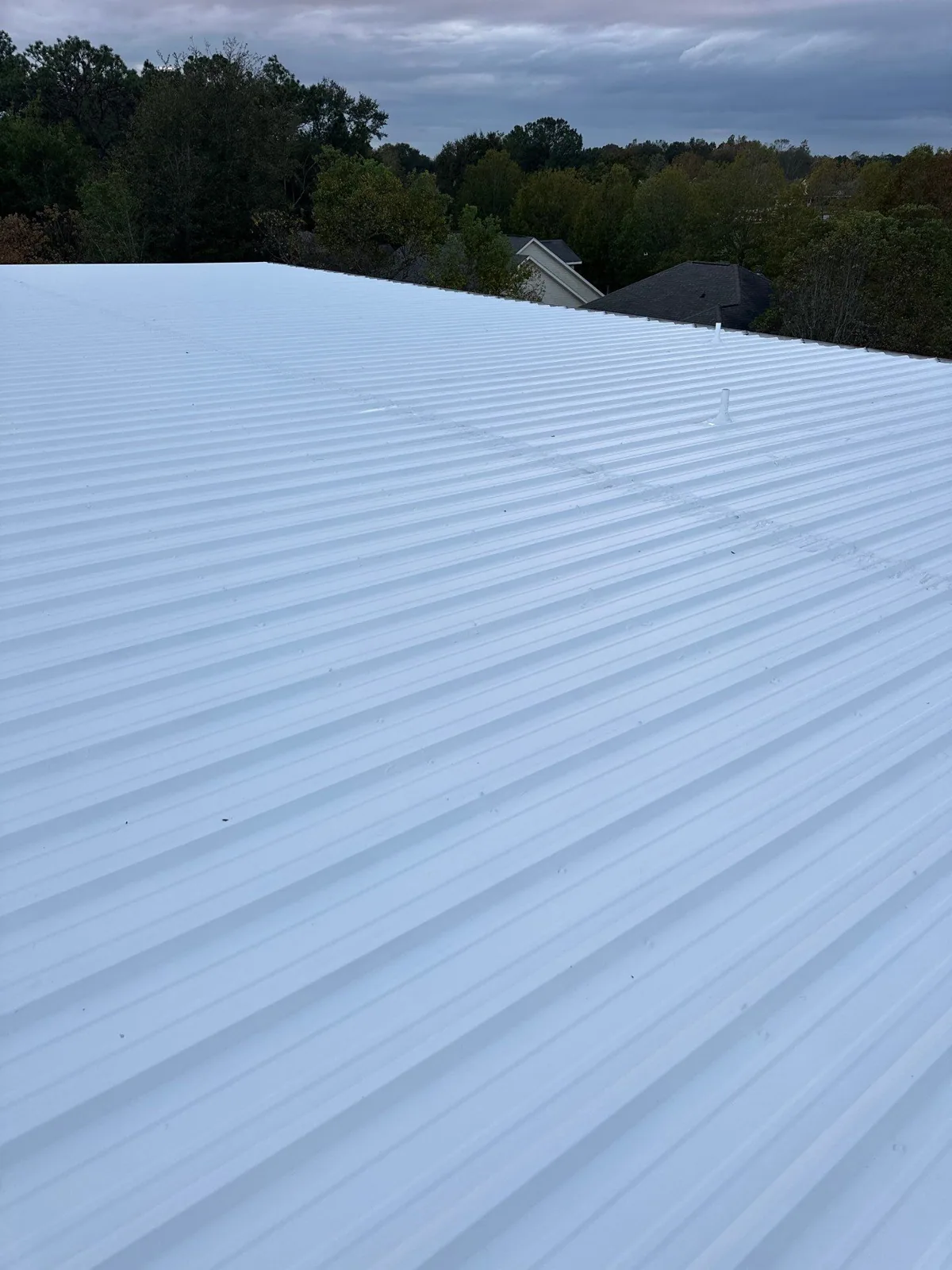
Local weather advisory

Coastal Flood Advisory: Commercial Roof Help in Oxnard

The National Weather Service has issued a coastal flood advisory covering Oxnard. Heavy rain and drainage loading can expose roof leaks, blocked drains, and ponding water. This is a weather exposure advisory; it does not establish damage to a specific roof.

Do not access a roof during hazardous weather. Protect people first, avoid water near electrical equipment, and request roofing help when conditions permit.

National Weather Service · Updated Oct 27, 2026, 1:54 PM UTC

Downtown Edge

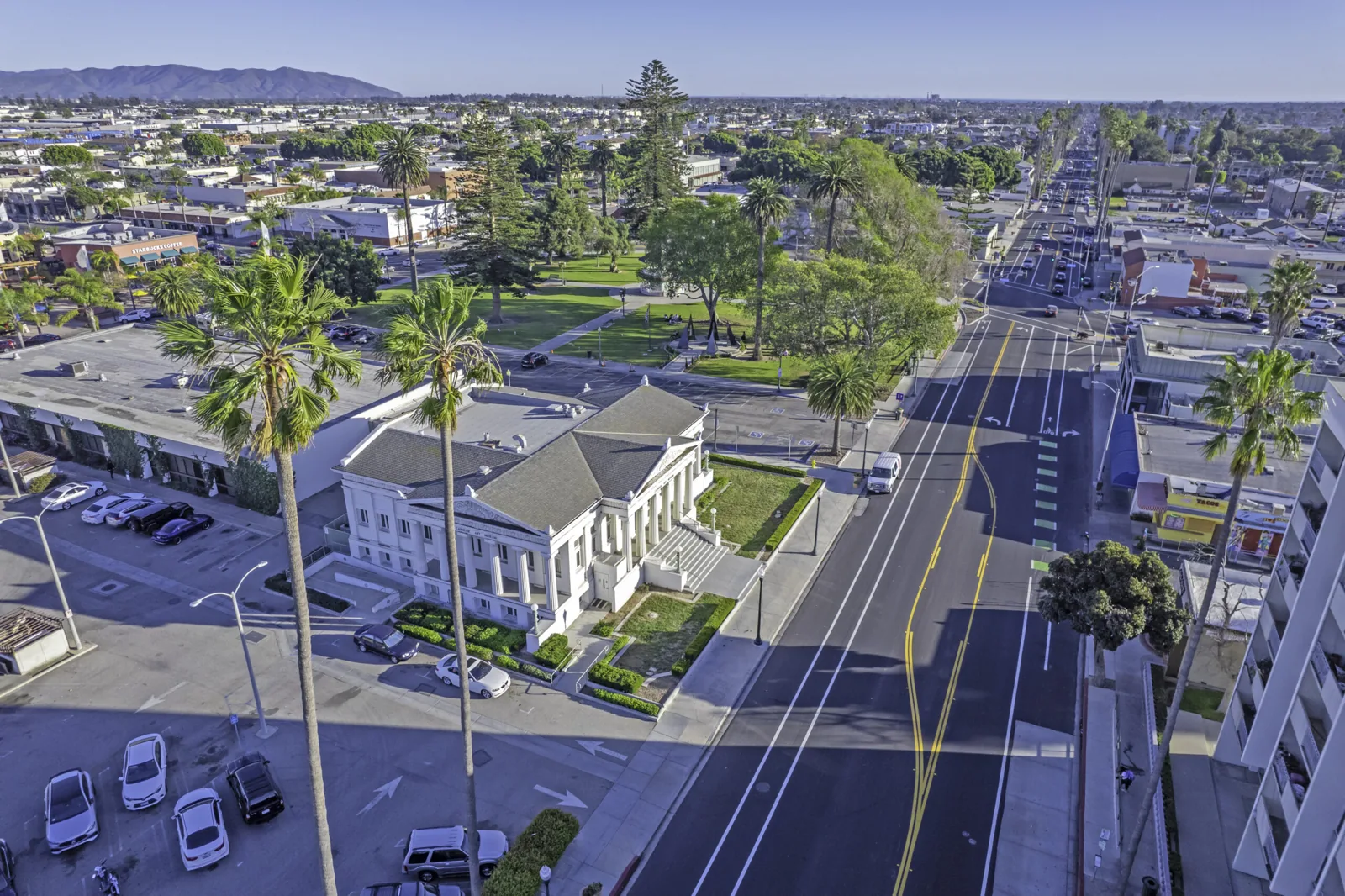
Office and mixed-use buildings at Downtown Edge need roof work that respects both the surface and the rooms below it. A leak near a wall, skylight, or rooftop unit can interrupt more than one tenant, and a repair opening must be closed before the shift ends. We map the roof sections, identify the assembly where visible, and follow drainage from low points to outlets. The Downtown Code names Downtown Edge as one of three regulatory districts, alongside Downtown Core and Downtown General. Those boundaries help describe the area; each building's access, occupancy, and observed roof condition set the repair plan.

Oxnard's planning framework gives commercial and mixed-use activity a place in downtown. A roof visit therefore begins with the use of the property and the location of the work below it. We ask which areas must remain open, who controls roof access, and whether equipment can be approached safely. Then we mark seams, penetrations, edge metal, wall transitions, drains, and previous repairs so an owner can see which condition drives the next decision.
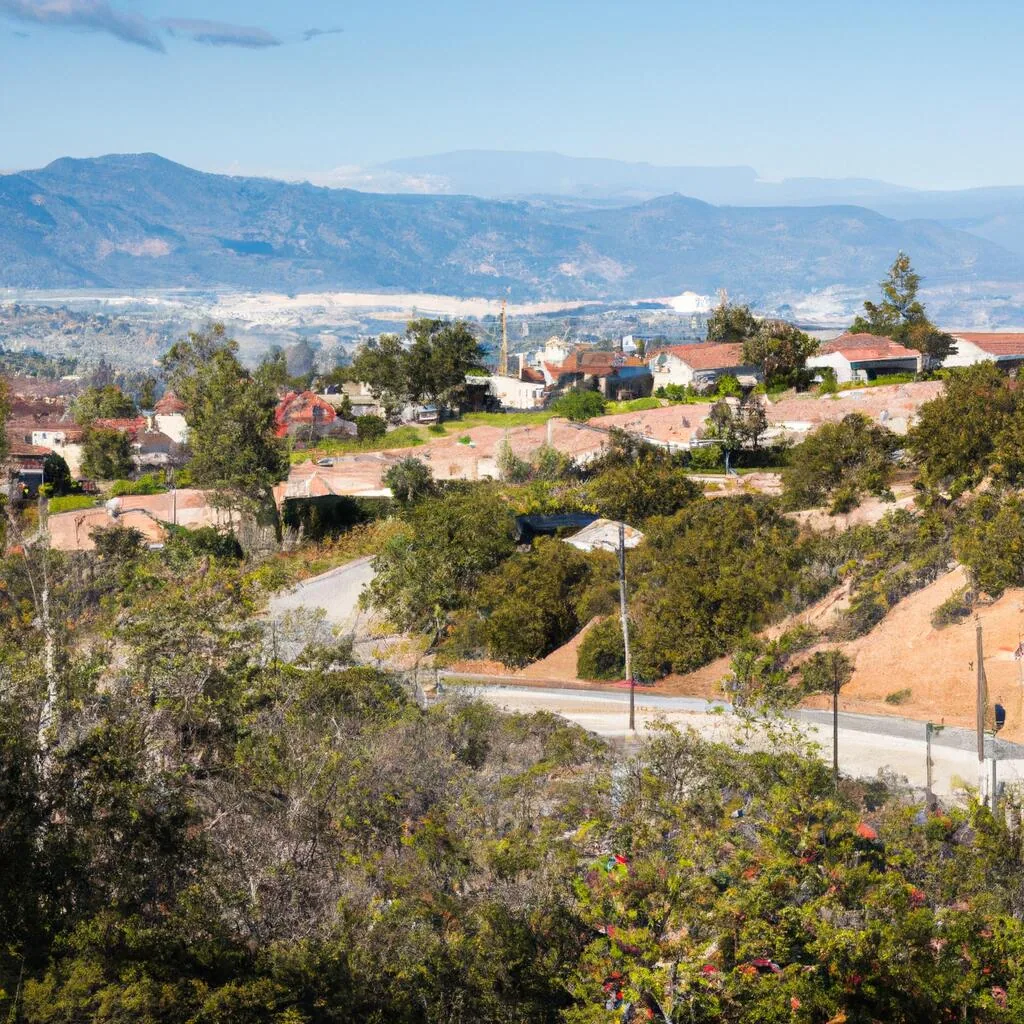
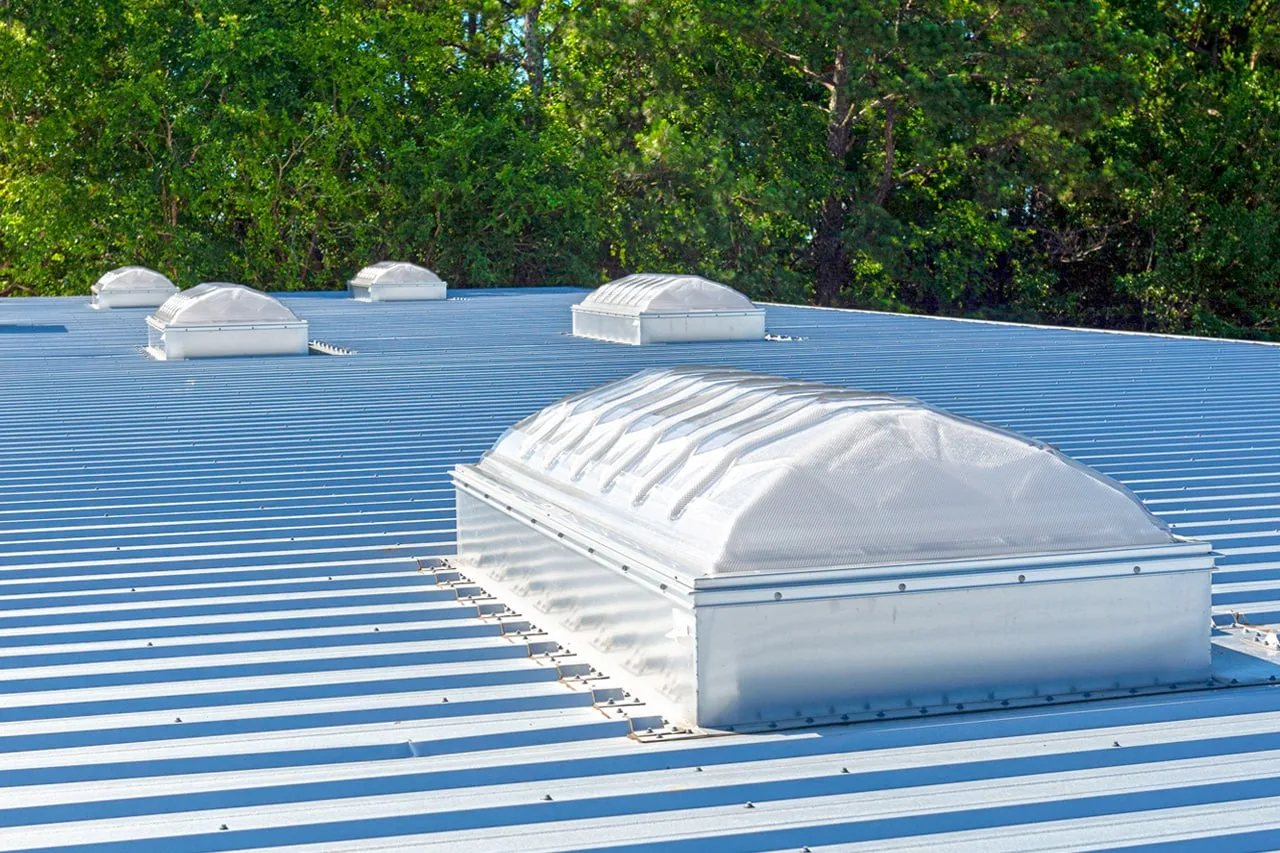
Downtown Edge in Oxnard, CA

Check transitions before choosing materials

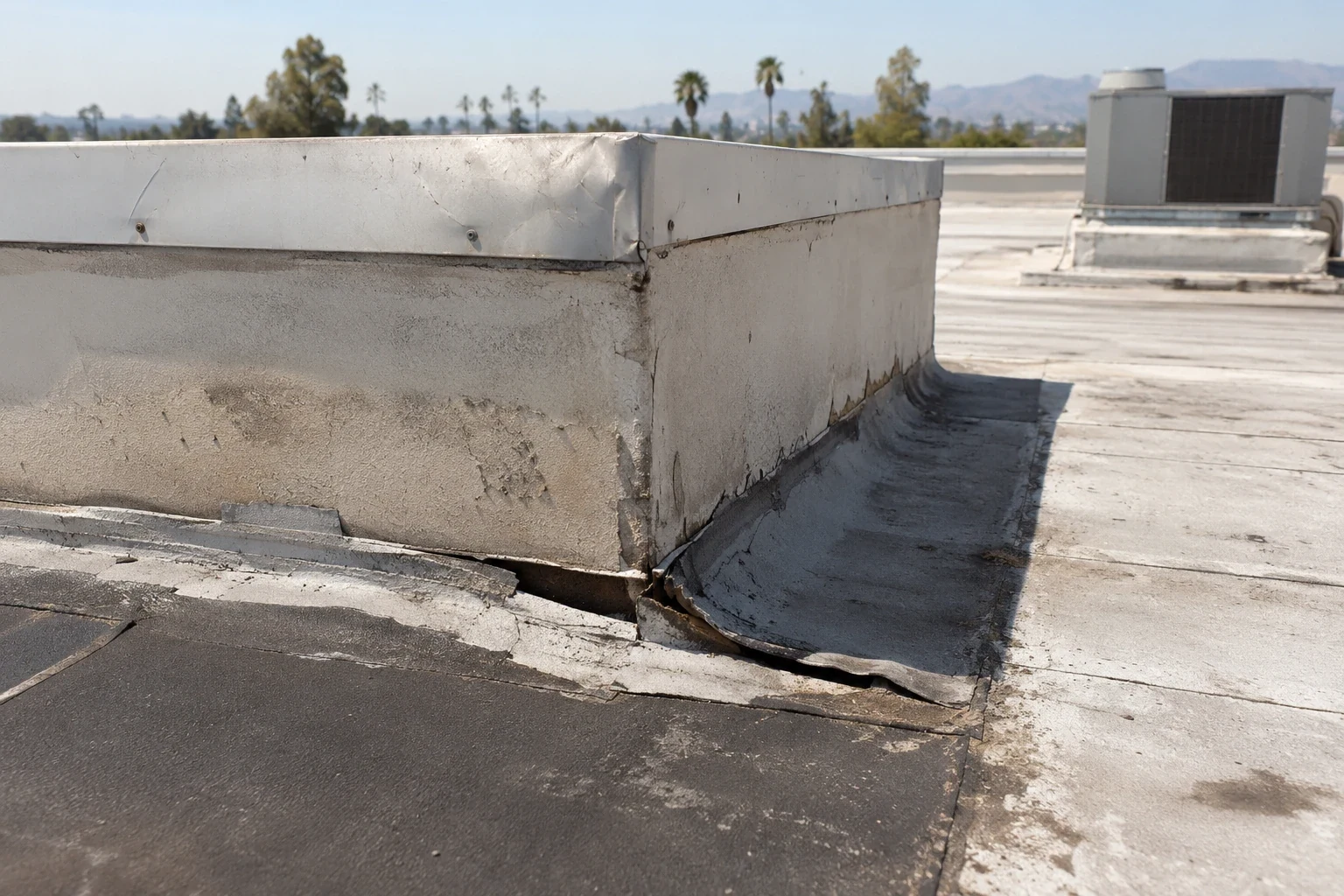
At a parapet or raised wall, the roof membrane must connect cleanly to flashing and counterflashing. We look for an open termination, loose metal, cracked sealant, bridged corners, or movement where different materials meet. A patch that stops at the visible split can miss the condition beneath the counterflashing. The Diligence Notes should show the detail, adjacent surface, and length that needs repair, rather than a general instruction to reseal the roof.

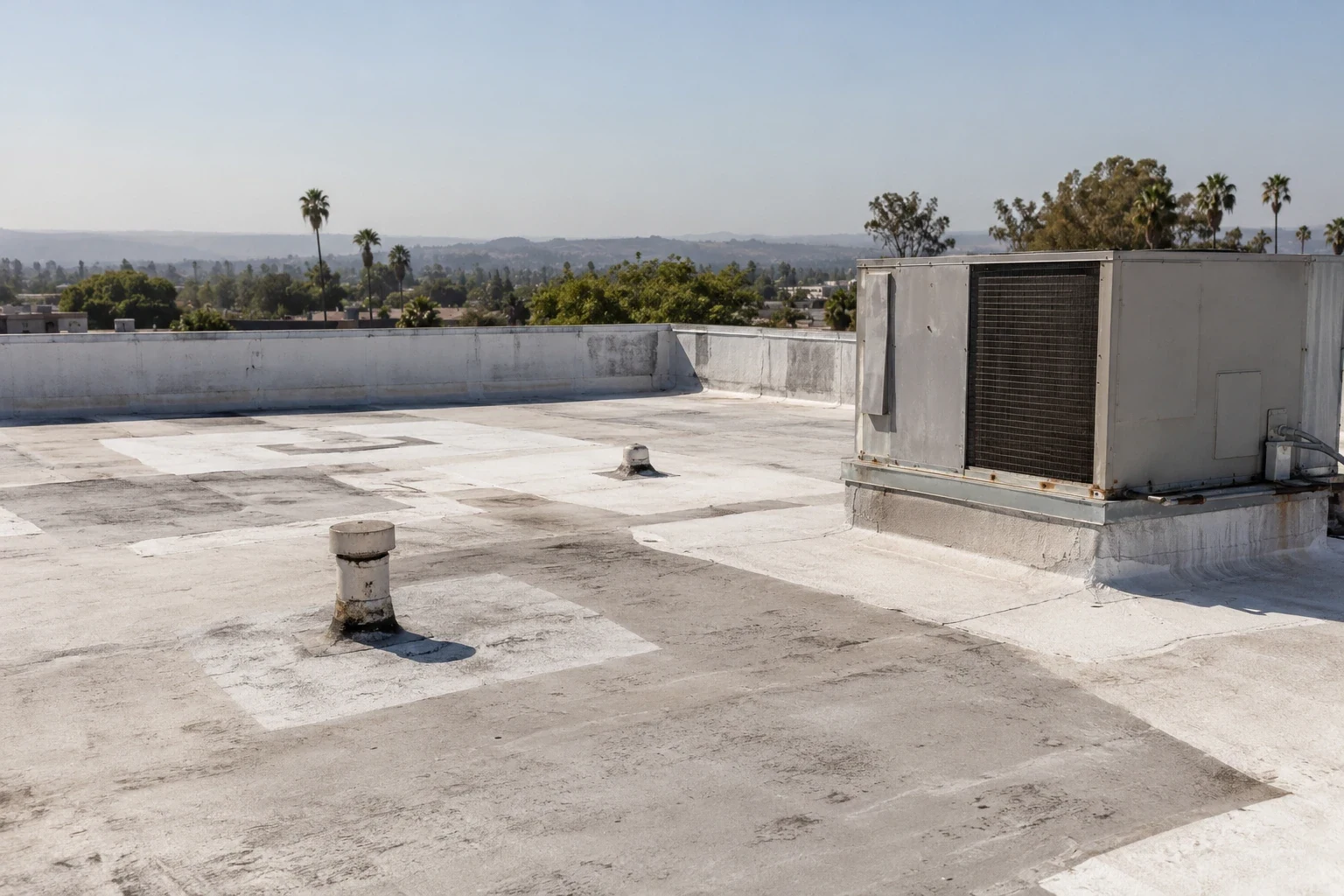
Curbs, pipe penetrations, conduit supports, and skylight edges need the same careful look. We check whether the curb seal is intact, whether water can drain away, and whether a mechanical trade has altered the flashing. If an assembly has been patched several times, we compare the substrate and repair materials before selecting another layer. A penetration-flashing repair can address a defined transition; flashing failure work may require opening or replacing a larger detail.

Read low points and outlet conditions

Water marks, sediment lines, and debris patterns can show where drainage needs attention. We inspect the low point, drain bowl, scupper, overflow, and surrounding membrane, then note whether a restriction, damaged connection, or slope condition is visible. A drain that needs cleaning calls for a different response than a split around the clamping ring or a depressed area that holds water. Photographs tied to roof zones make those distinctions easier to price and revisit.

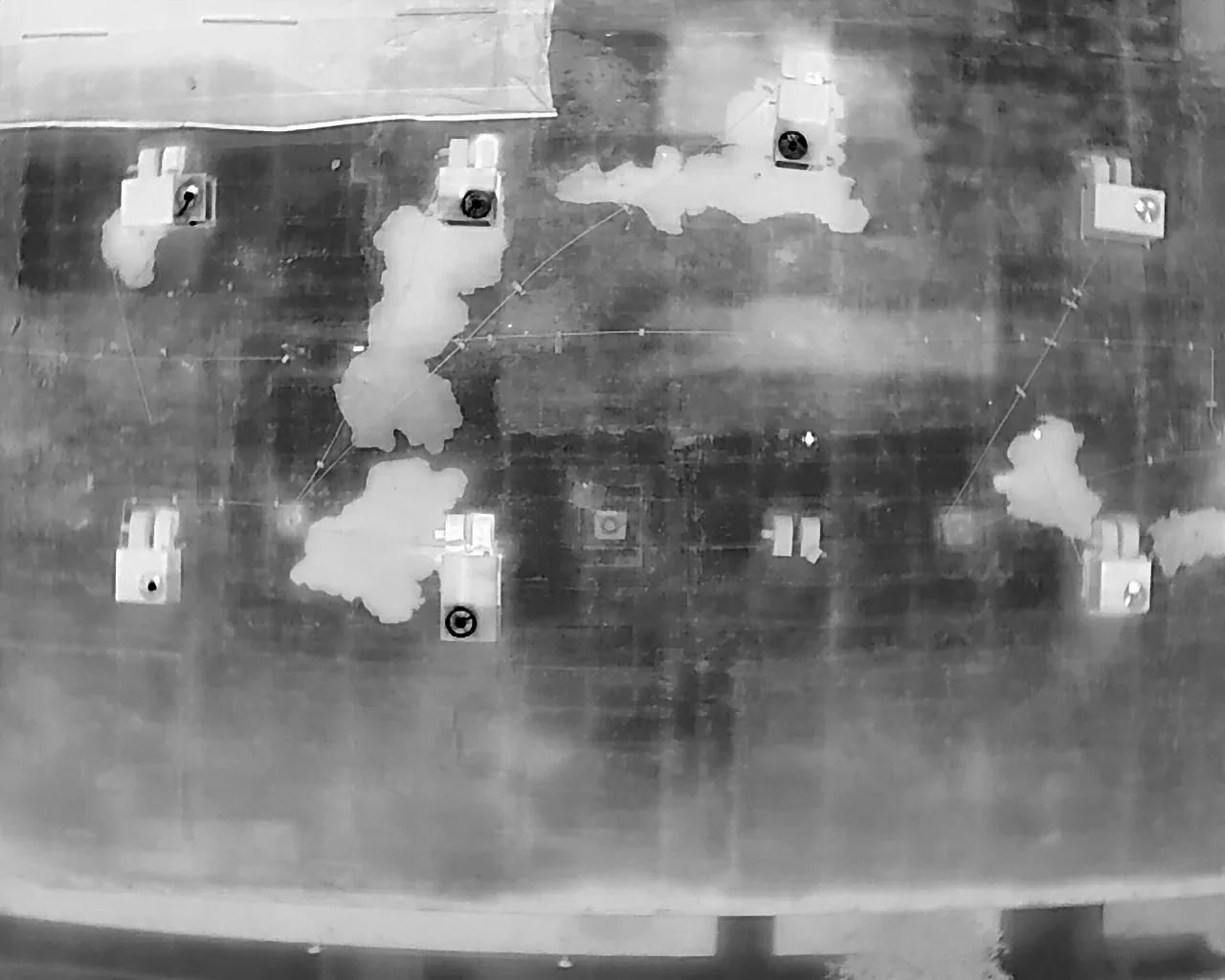
For an interior leak, we compare the reported room and timing with the roof features above and around it. Water may travel across the deck before appearing at a ceiling, so the nearest penetration is not automatically the source. If moisture is suspected below the membrane, infrared readings can help choose a test location; a cut or other investigation is needed to confirm concealed material conditions. A moisture survey can narrow the search, while the repair recommendation states what evidence remains to be gathered.

The Oxnard weather station logged 1.77 inches during Tropical Storm Hilary in August 2023, its new August monthly record. The date belongs in drainage context when reviewing a reported leak, not as a claim that a Downtown Edge building sustained damage. If a roof report mentions water after that storm, we still check actual outlets, seams, and interior evidence. An inspection in Downtown Oxnard follows that same evidence-led sequence.

Protect the occupied floors below

Before a repair starts, we identify the rooms under the work zone, moveable equipment or inventory, entry route, and protection needed indoors. A small flashing correction may expose less roof than a wet-insulation repair that needs removal and replacement down to a sound layer. The scope states where the opening will be, how it will be dried in, and what can remain in place during each shift. That gives the property contact something concrete to use when coordinating notices.

Downtown planning materials describe mixed-use and residential proposals as part of the area's redevelopment activity. In a shared building, a delivery, odor, or temporary noise can affect occupants with different schedules. We set the work window with the owner, secure materials, and keep the exposed roof area within the approved daily limit. If temporary protection is necessary before permanent correction, the closeout labels it as temporary and identifies the next action. Larger reroof work can be divided into controlled sections.

Compare a focused fix with broader work

A localized opening with sound material around it may be repaired in place. Repeated failures, broad moisture, open laps in several areas, or weak attachment can point toward testing or a larger rehabilitation. We check membrane compatibility, insulation transitions, edge conditions, and previous patches before selecting repair, recover, coating, or replacement. If the deck or concealed layers could change the answer, the scope identifies a test rather than treating an unknown quantity as confirmed.

Pricing follows access, roof preparation, removal depth, new insulation, perimeter metal, drain work, staging, and protection below the work. A busy property can add coordination time when access requires notice or escorts, while a difficult roof detail can add skilled labor and sequencing. We describe these drivers alongside measured quantities. A defined commercial roof repair can address isolated defects; a coating-restoration review first checks substrate condition, adhesion, and preparation needs.

Oxnard adopted the 2025 California Building Standards Code through Ordinance 3070. Project-specific permit requirements should be checked against the work being proposed. Our inspection documents roof conditions and can identify questions for project review; it does not substitute for a code determination. A Central Industrial Area property has a distinct use context, but material and scope decisions there also depend on the roof assembly in front of us.

Carry the field marks into the next service

Closeout photographs should show the repair before and after, with the roof zone, material, preparation, and remaining limitation identified. If the work included a test, keep the test result beside the revised quantity and approval. A future inspector can then distinguish a completed repair from a temporary cover or an area left for monitoring. This is particularly useful when the building contact, tenant, or ownership changes.

A preventive service visit can return to drains, curbs, seams, and earlier patches on an interval suited to the observed condition. The next visit should compare field marks with the prior photographs and ask whether rooftop equipment or access conditions changed. Keep roof plans, leak reports, and repair records with the property file. The roof asset record can connect those materials to the specific building and section.

Share the roof plan, leak history, photos, equipment schedule, access contact, and any upcoming tenant or mechanical work. We will inspect the accessible roof, report the condition by section, and recommend repair or testing steps that fit the building's operation.

Review a Downtown Edge roof

Send the roof plan, leak notes, equipment schedule, access contact, and prior repair records. We will inspect the relevant sections and return marked findings with a repair or testing recommendation.

Common Questions

Does the Downtown Edge designation determine the roof system?

No. It is a planning district, not a roof specification. We identify the visible assembly at the property and confirm concealed layers only when testing will change the recommendation.

Can you locate a leak when the ceiling mark is away from the roof defect?

We compare the room location with drainage paths, seams, penetrations, and wall details. The report marks the likely source and separates it from any condition that still needs a test.

What changes the schedule for a repair in an occupied building?

Access hours, interior protection, equipment coordination, material delivery, and the area that can be exposed safely each shift affect timing. We include those limits in the work sequence.

When is a moisture test useful?

A test helps when concealed insulation or deck condition could change the repair boundary. We identify the location and purpose first, then keep unconfirmed work separate until results are available.

What should the repair closeout include?

It should identify the roof section, preparation, installed material, photographs, test results, and any remaining action. Temporary stabilization should be labeled separately from permanent correction.

ServicesRoof SystemsProperty TypesIndustriesService AreasDamage RepairCapabilitiesManufacturersAboutRequest a Roof Assessment555-555-5555
Call555-555-5555