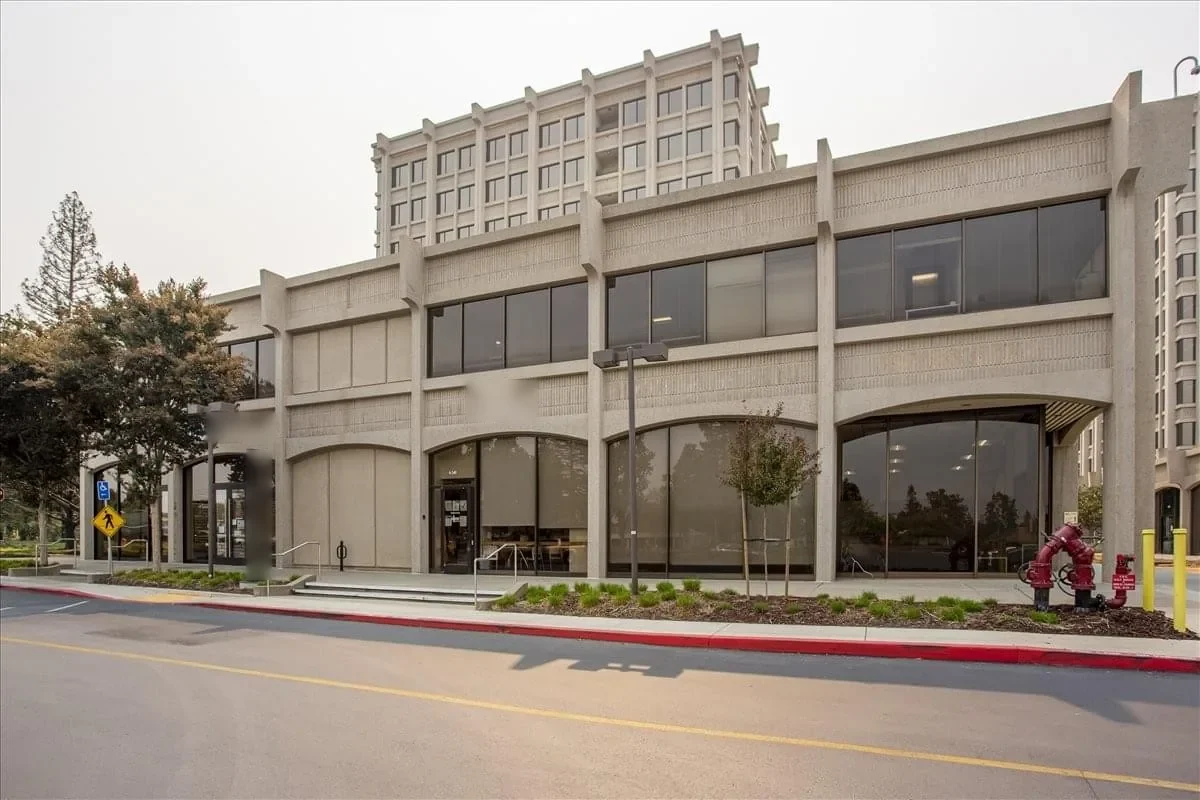
Infrared Moisture Survey

Warmth across a roof can shift after sunset. An infrared survey uses those surface temperature patterns to identify areas that deserve closer testing, not to declare insulation wet from an image alone. We plan the scan around roof sections, system type, recent weather, and the owner’s question. A distribution or cold-storage property at Sakioka Farms may need a moisture map before a repair budget; an industrial building in the Central Industrial Area may need to separate one damaged section from adjacent roof areas. We mark the indications and confirm selected locations with core cuts when the assembly and access permit. The report states what the scan shows, what testing confirmed, and what remains unknown. That keeps the next repair or replacement decision tied to the roof in front of us.
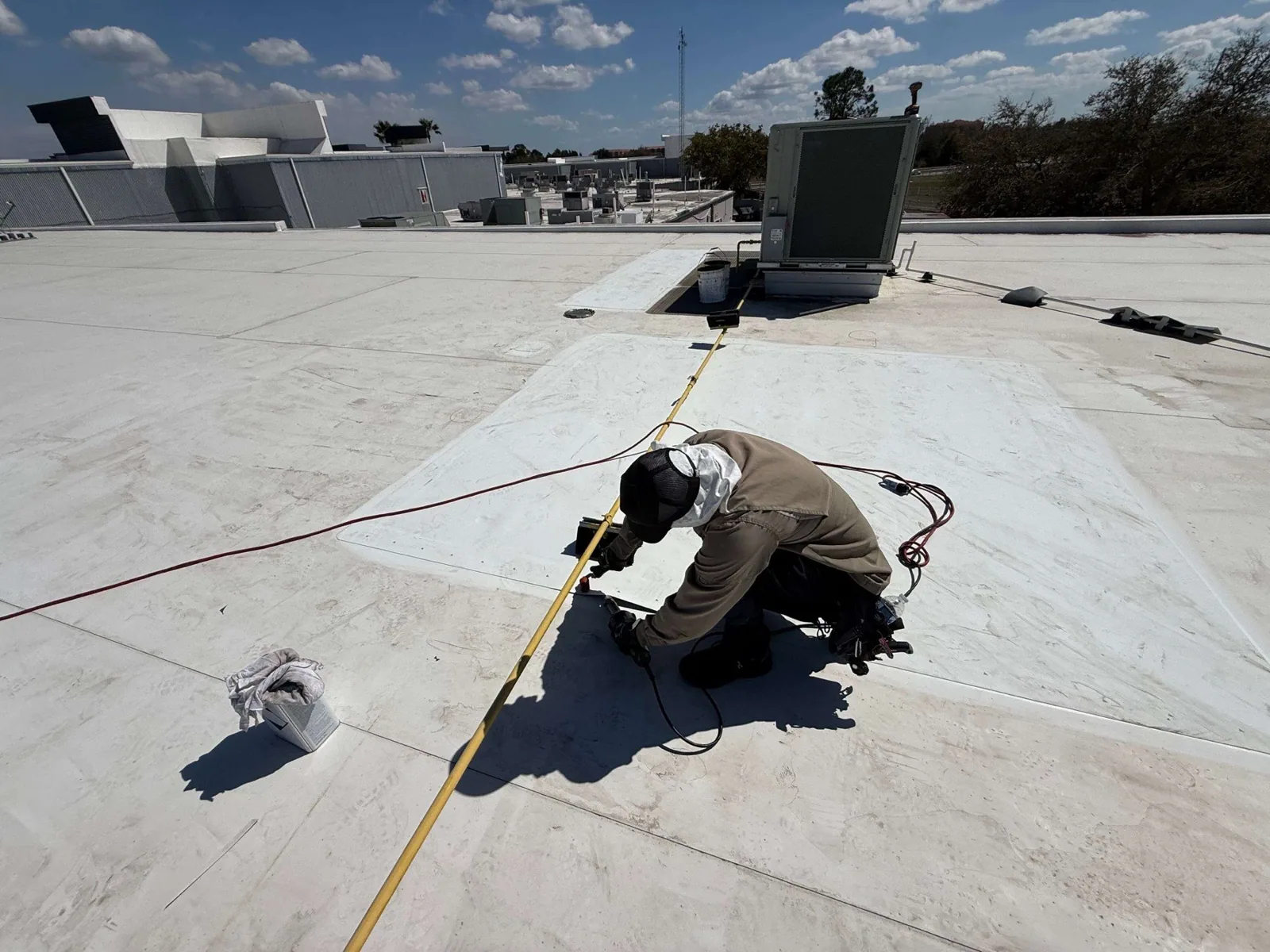
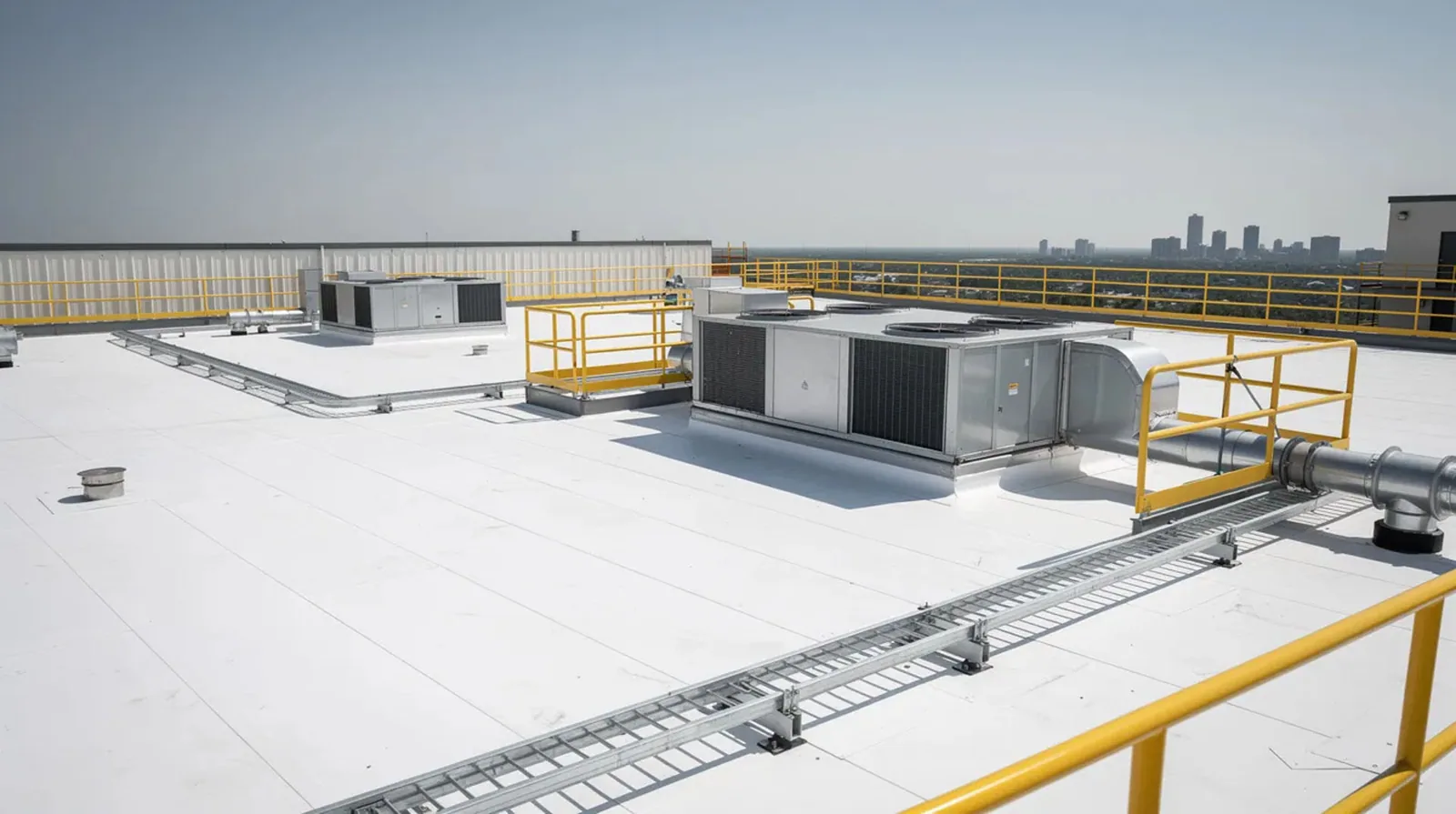
Infrared Moisture Survey in Oxnard, CA

Choose the right survey window

Infrared works best when the roof surface and underlying materials show a useful thermal contrast. Cloud cover, wind, recent rain, insulation type, surface color, and rooftop equipment can affect what appears in the scan. We review recent conditions and schedule the survey for a suitable window instead of promising the same reading on every roof. A daytime image can help document roof layout; thermal capture needs conditions that support meaningful comparison.

Before mobilization, we confirm roof access, safety routes, sections to include, known leaks, and areas with equipment or stored materials. We also ask what decision the survey needs to support. A manager comparing repair zones needs clear field marks and confirmation points. A buyer evaluating a building may need a broader set of tests. We identify the intended coverage and limitations before scanning. For general roof condition context, a hands-on inspection can record surface defects that are visible without thermal imaging.

Read patterns as indications

The camera records temperature differences across the surface. An anomaly may be associated with moisture, but it can also come from a change in construction, shading, insulation, roof height, or a rooftop unit. We compare the pattern with the roof plan and visible details, then mark a location for confirmation. A thermal image is an indicator for additional investigation, not a moisture reading from inside the assembly.

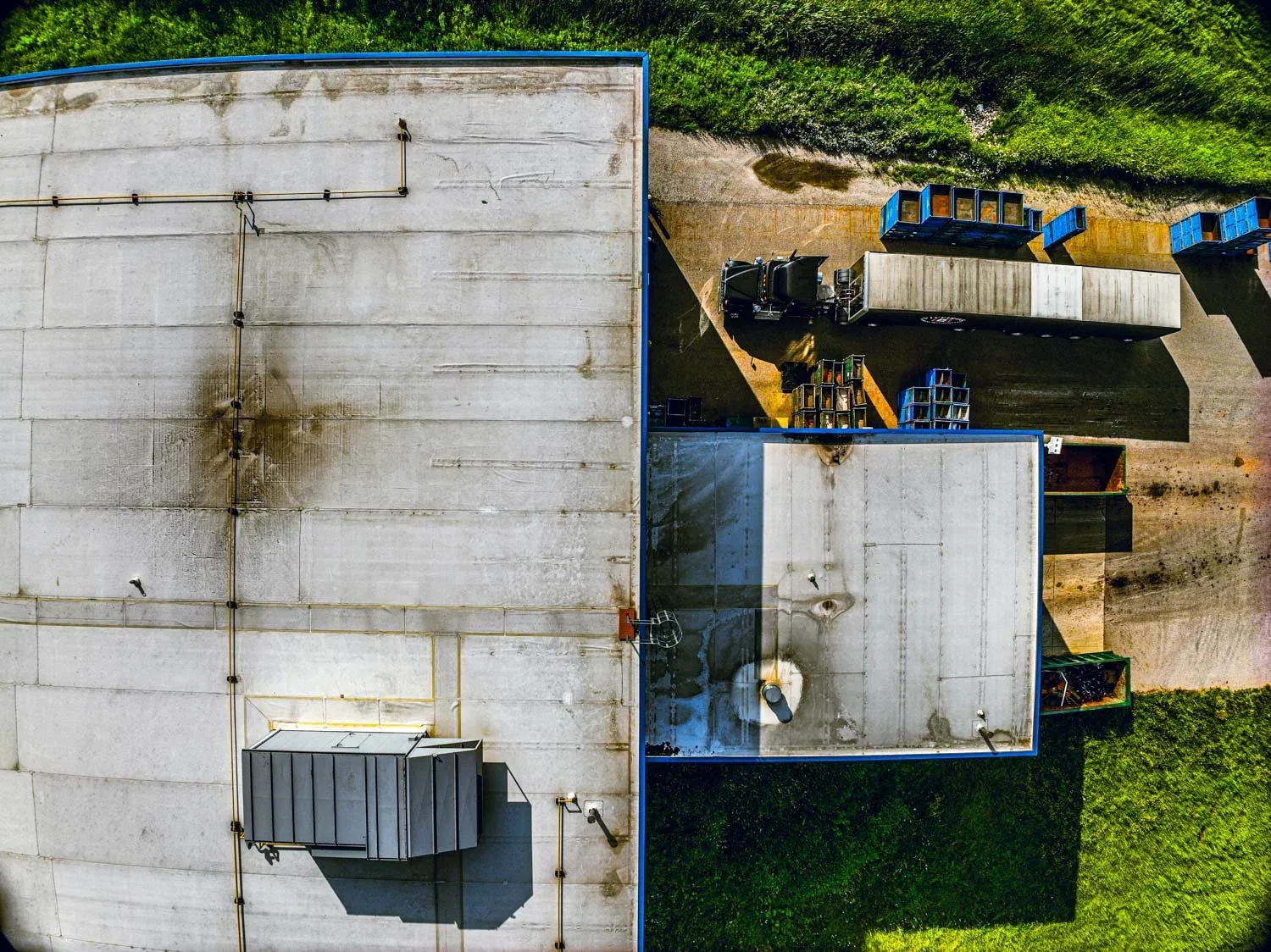
We review scan paths for repeatable patterns and exclude areas that are obscured or distorted by equipment, shadows, or surface conditions. Each suspected location gets a field reference and a note about why it was selected. That way, a core cut can be matched back to the image rather than taken somewhere convenient. When a direct visual issue is present, such as an open seam or puncture, we record it separately from thermal indications. A drone survey can provide an overhead visual map on difficult roofs, while the thermal scan addresses a different set of clues.

Confirm suspect areas with cores

A core cut reveals the roof layers at one point. We inspect the membrane, cover board, insulation, and deck visible in the sample, then note moisture, compression, separation, or other observed conditions. A dry core at one mark does not prove the entire roof is dry. It narrows the question at that location. If the sample confirms wet insulation, we can add nearby test points to establish a practical boundary before repair or replacement is priced.

We coordinate each opening with the property contact, protect the interior, and close the test location with a compatible repair. The report identifies where samples were taken and what each showed. The owner can then decide whether to remove a defined area, add tests, or monitor a section. Core results are especially useful when comparing a recover with tear-off because the moisture condition and layer count affect what can remain. The recover review weighs layer count, attachment, and edge height; replacement planning uses confirmed sample locations to set removal assumptions.

Keep local weather in its place

In August 2023, Hilary brought 1.77 inches to the Oxnard station, a record total for the month. Recent rain belongs in the survey conditions because roof-surface and insulation temperatures shift after weather; core samples still confirm moisture at specific locations.

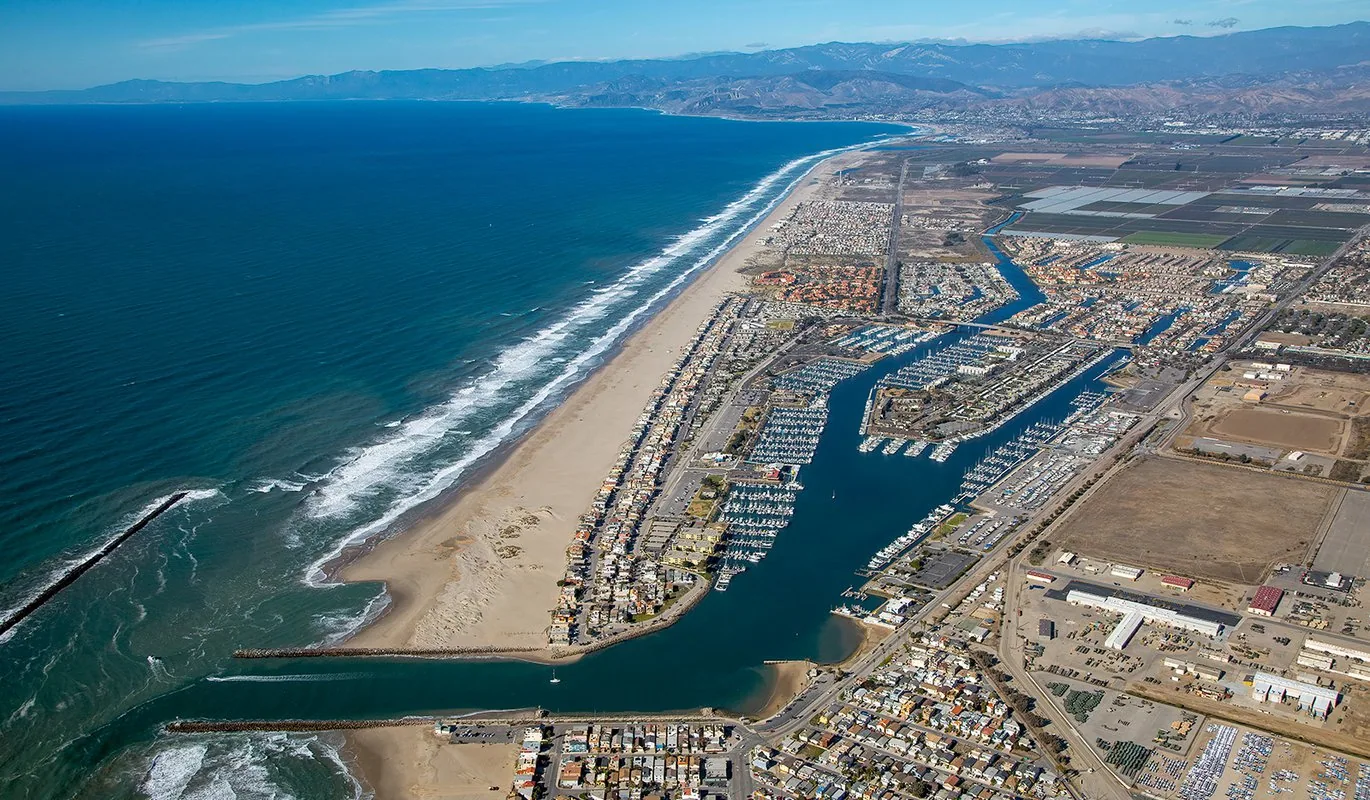
Oxnard’s Local Coastal Program addresses sea-level-rise and other coastal hazards within mapped areas. Coastal location can matter to a property’s broader planning context, but it is not a moisture diagnosis. We inspect the parcel and roof itself. At a business park near U.S. 101, access, equipment, and roof-section boundaries may be more relevant to scan coverage than coastal exposure. The Sakioka Farms area and Camino Real Business Park include diverse commercial and industrial uses, so we label each building and assembly separately.

Show what the survey can support

The deliverable includes a roof map, marked thermal indications, selected core locations, sample results, photographs, survey conditions, and areas that could not be evaluated. We distinguish confirmed wet material from patterns that still need a core cut. If an area was blocked by equipment or unsafe to access, that limitation is written down. The report should not convert every temperature variation into a repair order.

Once the affected area is confirmed, we can prepare a repair or replacement scope with clear limits. The property team can compare wet and dry zones, separate concealed-condition work from base scope, and plan around the operating schedule. A roof condition report can combine infrared evidence with hands-on observations and service history. For a repeat leak, leak tracing can focus the repair on the entry point rather than the thermal pattern alone.

Make the next roof decision

Moisture information is useful when it answers a specific question. A repair team may need the boundary of wet insulation. An asset manager may need to know whether a recover remains possible. A building buyer may want sample points near observed interior reports. We can design the coverage to match the decision and state what evidence is still missing. That makes it easier to compare options without assuming the survey can predict future roof performance.

Send roof plans, leak locations, prior repairs, equipment schedules, and any access restrictions before the visit. Let us know whether the priority is a repair map, a recover review, or a replacement estimate. We will establish the scan coverage, document the indications, confirm selected points, and identify the limits of the findings. The report becomes most useful when each map mark leads to a known action or an explicit question for the next visit.

Map the moisture question

Share roof plans, leak history, access limits, and the decision the survey must support. We will scan, mark test locations, confirm selected points, and return a findings map.

Common Questions

Does an infrared image prove the roof insulation is wet?

No. It identifies temperature patterns that may be consistent with moisture, but other roof conditions can produce similar appearances. We mark suspect areas and use core cuts or another appropriate test to confirm what is inside the assembly.

Why do you take core cuts after the scan?

A core sample shows the actual layers and condition at a selected point. That confirmation helps set removal boundaries and distinguish a moisture indication from a construction change or shaded area. We repair each test opening with a compatible detail and record its result.

Can you scan a roof after rain?

Recent rain can affect surface temperatures and scan interpretation. We review the weather and roof conditions before setting the survey window. If the contrast is not useful, we reschedule or use a different inspection method rather than presenting an unclear scan as a finding.

How many test cuts will the survey need?

The number depends on roof size, assembly changes, scan patterns, visible leaks, and the decision being made. We select points that can confirm or narrow suspect areas. If early samples show a wider pattern, we discuss additional locations with the owner before expanding the work.

Can infrared findings support a recover decision?

They can help identify places for moisture confirmation, while core cuts show the assembly at those points. A recover decision also depends on layer count, attachment, deck condition, height transitions, and code requirements. We combine those findings before recommending a scope.

ServicesRoof SystemsProperty TypesIndustriesService AreasDamage RepairCapabilitiesManufacturersAboutRequest a Roof Assessment555-555-5555
Call555-555-5555