Public Agency Roofing in Oxnard, CA
Request an agency roof scope
Public Agency Roofing
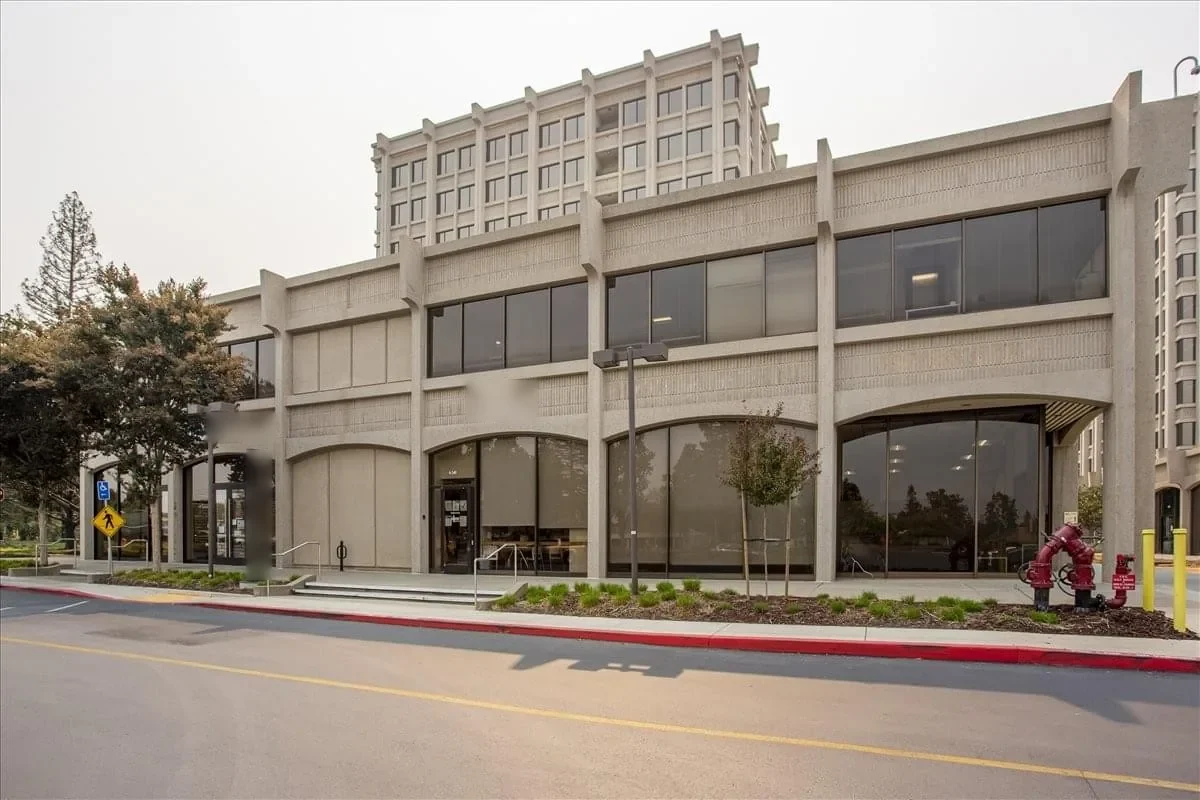
A public building roof scope should make the work boundary easy to inspect and price. An agency may manage offices, maintenance buildings, community spaces, and other occupied facilities, each with separate access and operating constraints. Oxnard's Downtown Code supports office and retail activity in a mixed-use district; the Central Industrial Area includes outdoor storage, agricultural processing, and equipment repair. Those local settings can change staging and pedestrian control. We inspect each building's roof assembly, mark the affected sections, and return findings that an agency can connect to its procurement record.
Start with the building identifier, roof plans, prior work, known leaks, equipment schedule, and the staff member who can release access. We compare the records with visible drains, low points, seams, curbs, edges, and previous patches. The report names what was inspected, what could not be reached, and what needs testing before the repair quantity is set. That gives facilities and purchasing teams an auditable path from field condition to scope, rather than an unsupported conclusion about the age or remaining life of the roof.
Define the asset and inspection limit
Public portfolios often contain additions and roofs installed at different times. Keep the map, photographs, and repair history separate for each structure and section. A site plan should identify the roof hatch, service routes, drains, equipment, parapets, and any area that requires an escort or key. We walk the accessible surface in a repeatable order and tie each field mark to a building reference. If a locked zone or unsafe surface prevents inspection, the report lists the limitation and the access needed to finish it.
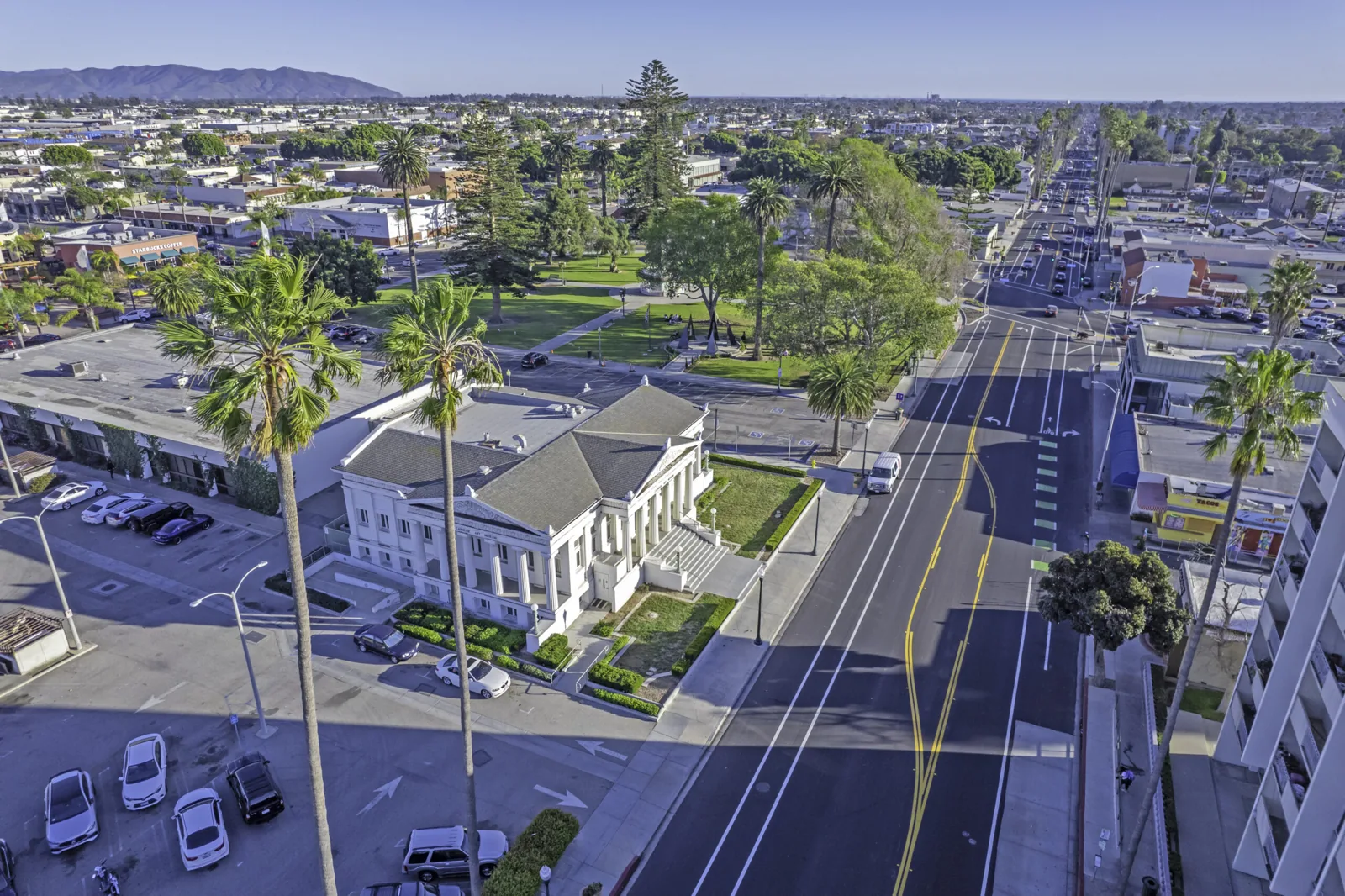
For a property near Downtown Oxnard, the mixed-use code context may make entrances and pedestrian routes part of the setup. A property near Camino Real Business Park has office, manufacturing, and research context along U.S. 101. We confirm building access with the local property contact, then base the scope on observed seams, membrane, flashing, drainage, and perimeter details. A photo-marked roof inspection gives reviewers a reference for each proposed quantity.
Write quantities against visible conditions
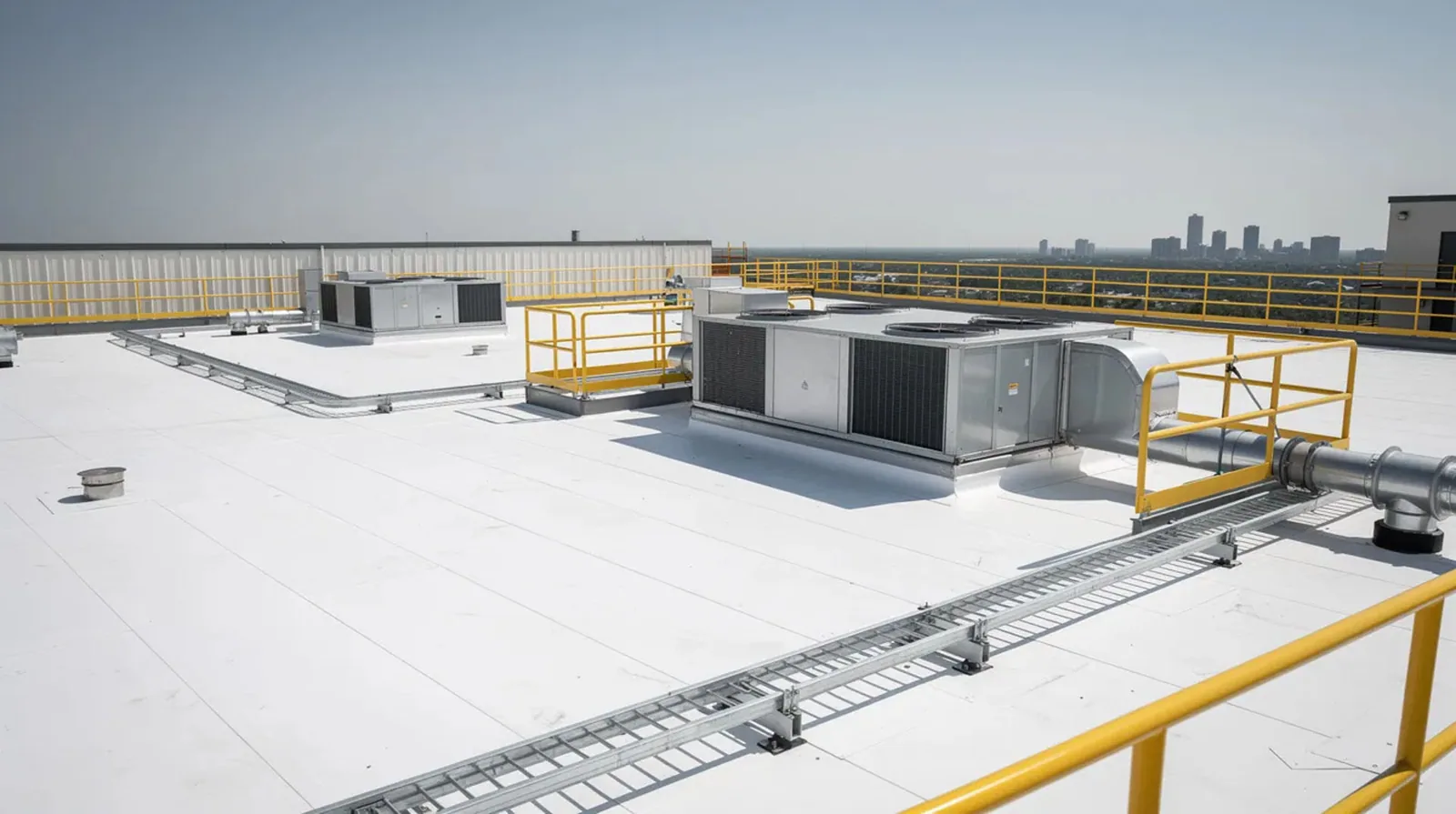
A bid scope should state the roof zone, defect, preparation, material, tie-in, and closeout evidence. If several repairs are bundled, list each one by location rather than combining unrelated items into a broad allowance. For a replacement, identify removal limits, insulation and cover board, edge metal, drains, curbs, daily dry-in, and disposal assumptions. A bidder should be able to distinguish base work from alternate work and understand what condition would trigger a change.
When concealed layers could affect price, define a test opening and restoration detail as an approval item. If test results change the area of removal, establish who reviews the finding and authorizes the revised quantity. The repair scope can isolate known defects, while a replacement package should include a section-by-section sequence. We note access, staging, hours, and occupied-area restrictions in the same document as roofing work, so bidders do not have to infer those conditions from a site visit.
Keep code review separate from field findings
Oxnard uses Ordinance 3070 to adopt the 2025 California Building Standards Code. For a public project, the owner and design professional determine which code provisions, permits, and submittals apply. A roof inspection can document visible assembly and condition, but it does not replace project-specific code review or design. We describe the work that the roof requires and identify questions that should be resolved before the bid package is final.
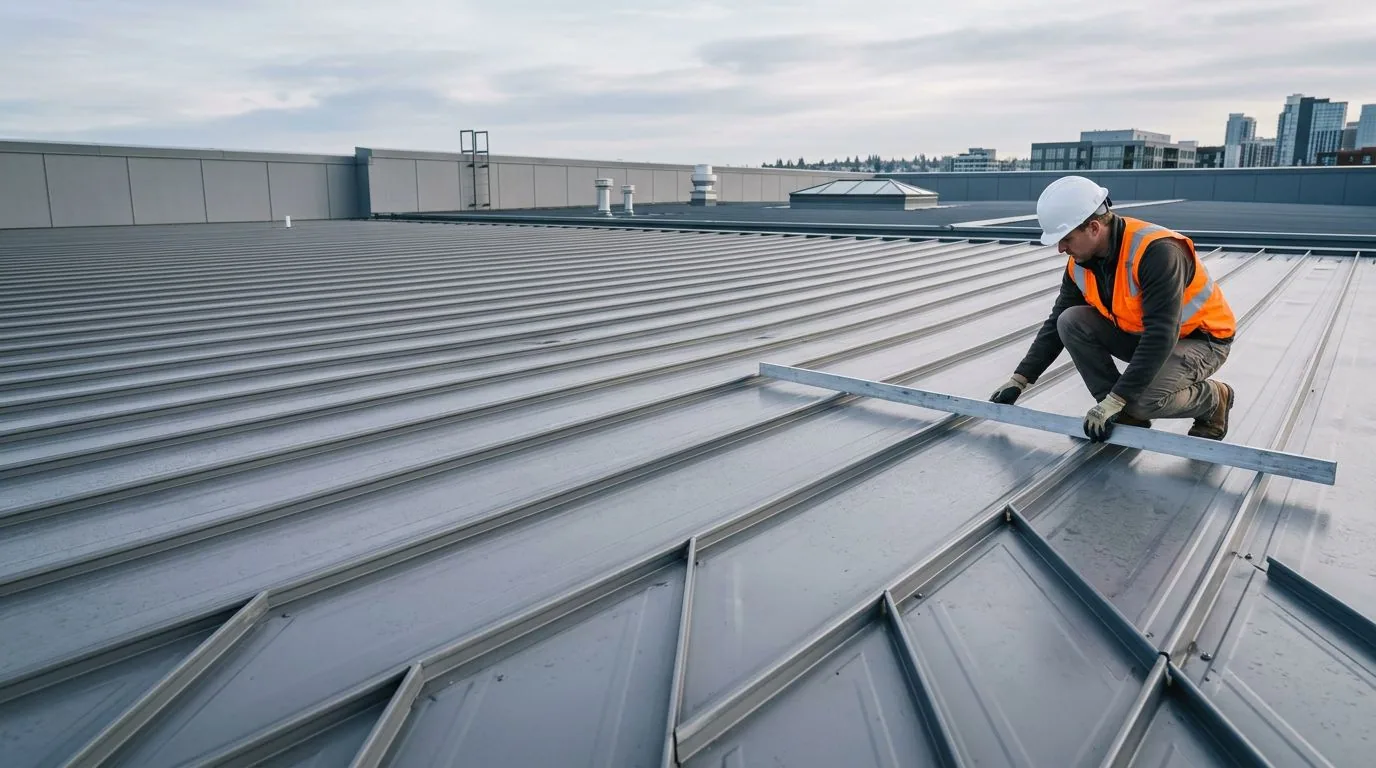
When a property falls inside a mapped coastal zone, Oxnard's Local Coastal Program identifies coastal hazards and adaptation policies. Confirm the parcel and project scope before including that context in an agency review. The designation does not establish a roof defect. For roof work itself, identify the existing material, substrate, drainage, and edge details. A TPO membrane repair and a standing-seam metal scope need different materials, attachment checks, and closeout records. Stating the assembly before solicitation helps prevent a generic line item from concealing incompatible work.
Plan around public access and essential services
Work near public entrances, counters, meeting rooms, or maintenance functions needs a clear access plan. The agency contact identifies open hours, restricted rooms, service routes, pedestrian controls, and areas where interior protection is required. We set a daily work boundary, identify where material will be staged, and close the roof against weather at each shift end. If a building remains occupied, the sequence should state when a space can reopen and who verifies the handoff.
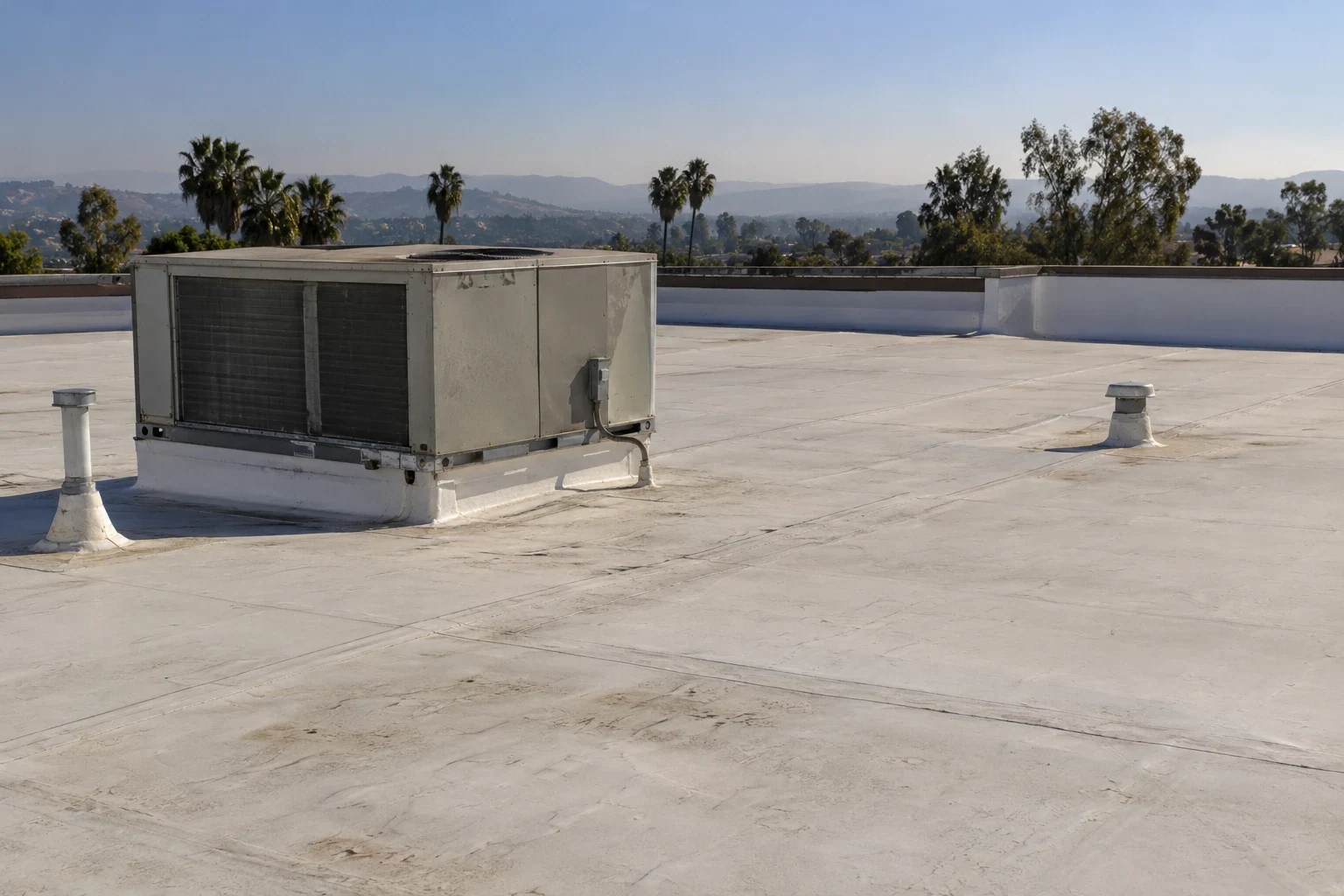
Roof-mounted mechanical equipment may require a separate trade to disconnect, lift, or reset a unit. We define which party owns the curb, flashing, electrical connection, and startup check. The general contractor's coordination plan can align that trade work with a public owner's access rules. For district-owned schools or occupied care sites, school facilities teams and other agency users may have specific calendar or occupant-protection needs. Each building receives a separate sequence and approval path.
Trace drainage before it becomes an emergency
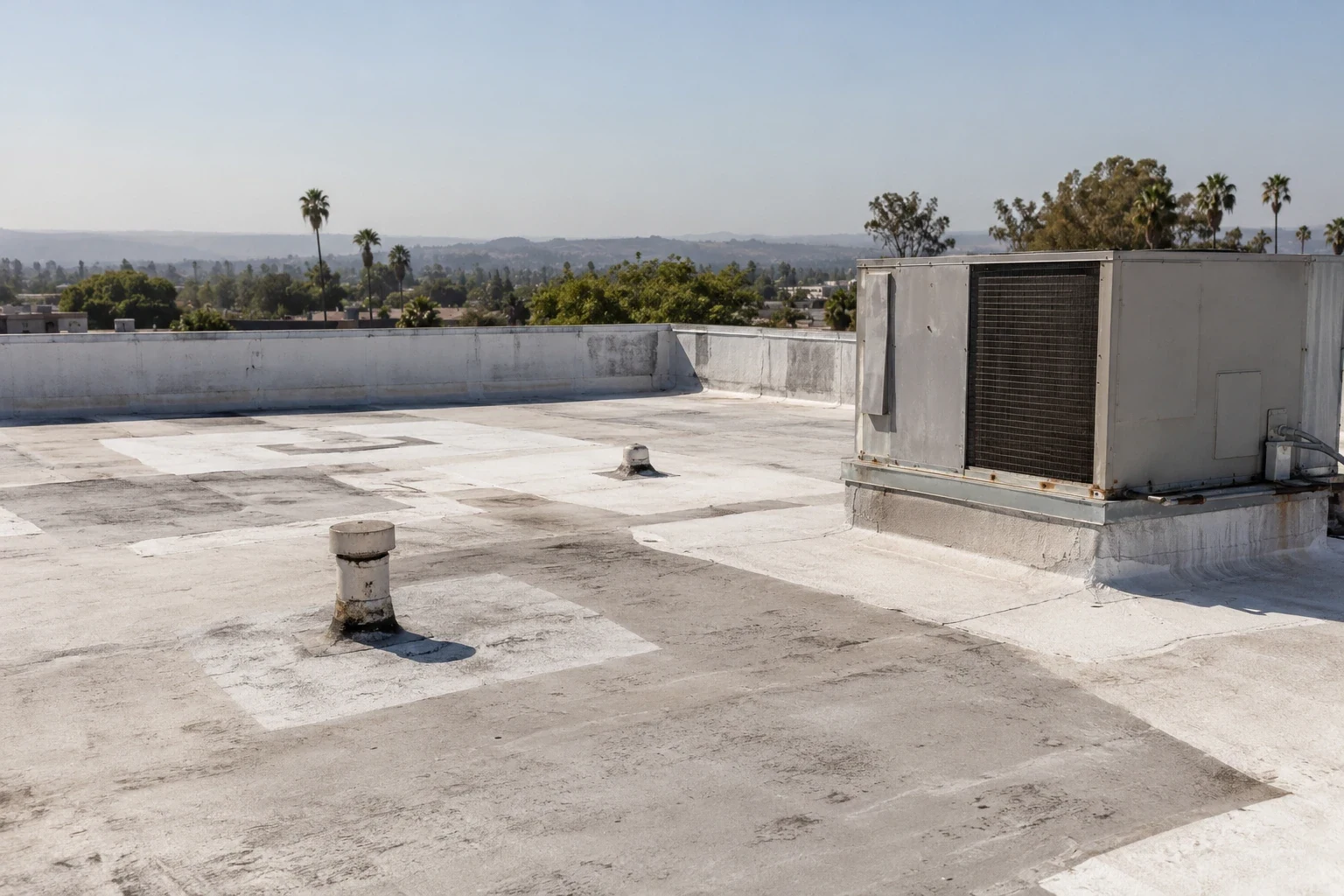
We inspect low points, drains, scuppers, gutters, overflow openings, and the path water follows around rooftop equipment. Sediment, debris, standing-water lines, open flashing, and damaged membrane are separate findings with different responses. If water is already entering, emergency response is available at any hour, including weekends and holidays. The first record states what was protected and whether the work is temporary stabilization or permanent repair.
An August 2023 Hilary total of 1.77 inches set a monthly August high at the Oxnard station. The event supports attention to drainage records, not a claim that any specific public building was damaged. We compare the reported interior area with the roof map and inspect the relevant details. If moisture below the surface could change the scope, we recommend testing and document the reason. A maintenance entry can then identify the outlet, roof section, photo, and next review date rather than listing a generic roof concern.
Make acceptance evidence easy to check
At completion, record the building, roof zone, preparation, material installed, repair detail, photographs, test results, and any item that remains open. Temporary cover must be labeled as temporary. If another trade will return, name the receiving surface, responsible party, and follow-up inspection. The agency should be able to compare the closeout with the bid quantity and see which item is complete without relying on a verbal handoff.
For future planning, retain the marked roof map, access notes, material identification, and repair history with the building file. A condition report can give facilities staff a repeatable reference at the next service interval. Send the asset list, drawings, procurement schedule, access instructions, and approval contact. We will document the field conditions and provide a scope that connects each recommendation to a roof detail and the agency's decision path.
Related Roofing Work
More from Industries We Serve and nearby services
Request an agency roof scope
Provide the building list, plans, known roof issues, procurement calendar, access rules, and approval contact. We will return marked findings and a repair scope with clear quantities and hold points.
Common Questions
Can you provide findings that support a public bid?
Yes. We can mark roof zones, describe observed defects, identify quantities and access limits, and state where testing is needed before a final scope can be set.
How do you handle unknown roof layers?
We identify what is visible and where the assembly remains uncertain. If the answer affects material choice or removal quantity, we define a test opening and restoration detail for approval.
Does the roof inspection determine permit requirements?
No. We document field condition and the proposed roofing work. The owner and design team determine applicable code, permit, and submittal requirements for the project.
Can work proceed while a public building stays open?
Often, if access, staging, interior protection, and work hours can be agreed in advance. The sequence identifies which entrance or room is affected and when it can reopen.
What evidence should be included at acceptance?
Keep the roof zone, installed material, repair detail, photos, test results, and remaining items with the closeout. Temporary stabilization stays separate from permanent correction.