
Standing Seam Metal Roofing in Oxnard, CA
Inspect standing-seam metal
Standing Seam Metal Roofing
A standing-seam metal roof moves as its panels heat and cool. Clips, seams, eaves and penetrations must allow that movement without opening the weather line. We inspect panel profile, attachment, coating, fasteners and support before selecting a repair. In Oxnard, CA, a business park near U.S. 101 can have different access constraints from a service building in the Central Industrial Area. We identify what the roof is made of, check for corrosion or seam separation, and map how runoff leaves the panels. The repair detail follows the installed system and the building's use, not a generic sheet-metal patch.
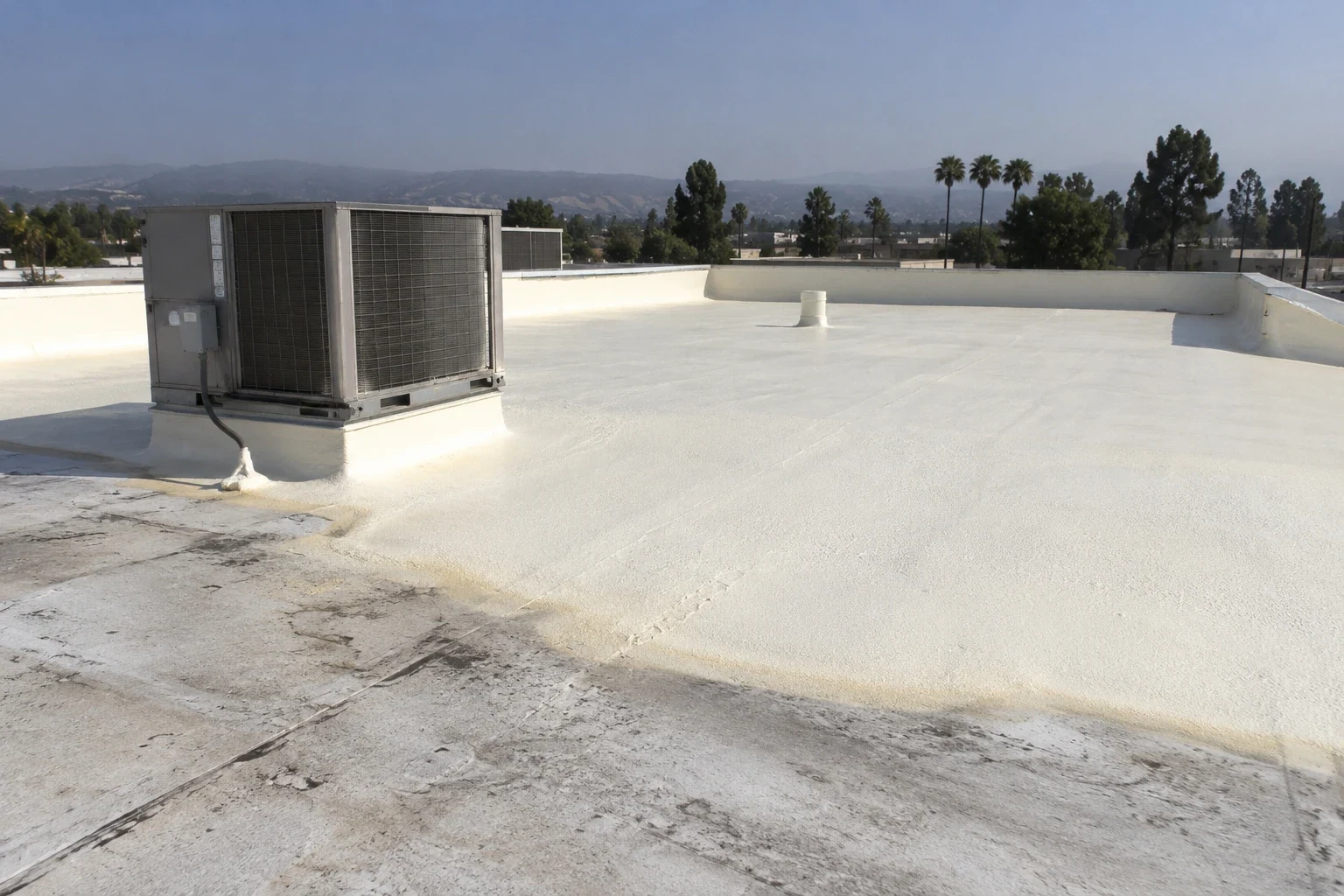
Read panel seams and clip lines
Standing-seam panels connect at raised vertical seams, with concealed clips commonly securing the panels to the substrate or framing. We inspect seam engagement, panel waviness, clip lines, end laps and the eave. Oil-canning can affect appearance without indicating failure, while a loose seam, missing clip or pulled fastener can create a water path. We record the finding.
Metal type and coating matter where oxidation is present. We look for rust at cut edges, scratches, fastener heads and areas where water remains. Paint or sealant over corrosion does not restore the panel thickness or correct a loose attachment. A commercial roof inspection can record panel condition, perimeter details and evidence of water entry.
We also check the building's support system when movement or panel deflection is visible. Structural review may be required before changing clips, fasteners or panel spans. The roofing scope states what the field survey found and what design question remains.
Allow panels to move at transitions
Long metal panels expand and contract. A fixed clip in the wrong location can restrain movement, stress a seam or pull a fastener from its support. We identify fixed and sliding clips where accessible, review panel lengths and inspect movement joints. Repair details must restore secure attachment without locking a panel that is designed to slide.
Transitions at ridges, eaves, valleys, curbs and walls need compatible closures and flashing. A foam closure can deteriorate or leave a gap if the panel profile does not match. At a rooftop unit, curb flashing must meet the ribs without trapping water. Curb and support work coordinates the opening with the metal panel layout.
If a seam separates near a wall or parapet, we trace water and inspect the underlayment and substrate. A new cap may cover the visible seam while leaving the failed tie-in below.
Follow runoff to the eaves
Standing-seam roofs shed water by slope. We check panel direction, valleys, gutters, downspouts and discharge points. Debris at an eave can dam runoff, while a clogged valley may push water under an end lap or flashing. For low-slope applications, the seam height and drainage design must match the roof’s exposure and panel length.
After Hilary’s August 2023 rainfall, roof teams can use reported overflow or interior leaks to prioritize a drainage walk. We follow water marks, gutter condition and the metal panel flow path before selecting repairs. Gutter and edge-metal work can address the perimeter system connected to the panels.
The Camino Real plan combines research, production and office uses near U.S. 101. For panel replacement or repair, we select a staging point that keeps the facility’s loading and service circulation open.
Repair the metal without sealing movement
Repair options depend on panel gauge, profile, coating and support condition. A localized fastener or flashing issue may be corrected with compatible components. If panels have widespread corrosion, repeated seam separation or damaged substrate, replacement or retrofit may be more practical. We show where the metal will be removed, where new work starts and how the transition closes.
Sealant has a place at designed joints, but a bead across a standing seam can restrain movement or fail as the panel shifts. We use a detail suited to the profile, and we avoid mixing metals that can accelerate corrosion. Roof repair can address related membrane or flashing conditions found during the same survey.
When the metal roof needs a new roof-over solution, the existing panel condition and structural capacity govern. Metal-roof retrofit evaluates a different approach for exposed-fastener roofs; it is not interchangeable with a repair to a standing-seam assembly. A TPO membrane system uses different seams and flashing.
Check coastal and industrial context
Oxnard's coastal program addresses mapped hazards within designated coastal areas. A property must be located in the mapped zone for those policies to apply. For a metal roof, we inspect actual corrosion, coating, joints and drainage rather than infer salt exposure from a city address.
Oxnard’s Central Industrial Area is planned for heavy industrial activity, including crop processing, outdoor storage and equipment repair. That mix can put yard movement directly beneath a lift, so we place the pick zone where it will not interrupt equipment routes. Central Industrial Area service covers the broad district; the roof scope remains building-specific.
Camino Real's business-park plan includes manufacturing and research uses beside U.S. 101. Sakioka Farms has distribution, cold-storage and fruit-processing operations. We inspect each panel run and confirm access at the specific property.
Preserve the finish and fasteners
Inspection checks include panel seams, clips, fasteners, coating damage, end laps, flashings, gutters and downspouts. We clear debris without scratching the finish, then document bare metal or rust before applying any repair material. Fasteners should match the panel and substrate; overdriving or replacing them with an incompatible metal can create another failure point.
Foot traffic can dent panels or damage ribs. We set access routes and identify areas that should not carry concentrated loads. If equipment service is recurring, a planned walkway and staging point can reduce repeated contact with the roof. After another trade works overhead, the property team can request a brief check for loose trim or disturbed flashing.
Preventive maintenance records changes between inspections. A metal roof needs the service interval set by its coating, exposure and assembly rather than a universal schedule.
Keep panel and coating information on file
The roof record should identify panel profile, metal type, finish, clip or fastener information, flashing material and repair locations. We photograph representative seams and transitions before covering them. That information helps future work match the coating and maintain intended panel movement.
We confirm access, fall protection, staging and interior protection before work. During work, the crew secures loose panels and closes each exposed detail. At closeout, we inspect eaves and gutters and document any condition outside the agreed scope.
CRA can inspect, repair or replace commercial standing-seam roofs in Oxnard. Share available shop drawings, coating records, leak history and access restrictions. We will map the panel system and define a scope that keeps movement, drainage and flashing in the same plan.
Related Roofing Work
More from Roof Systems and nearby services
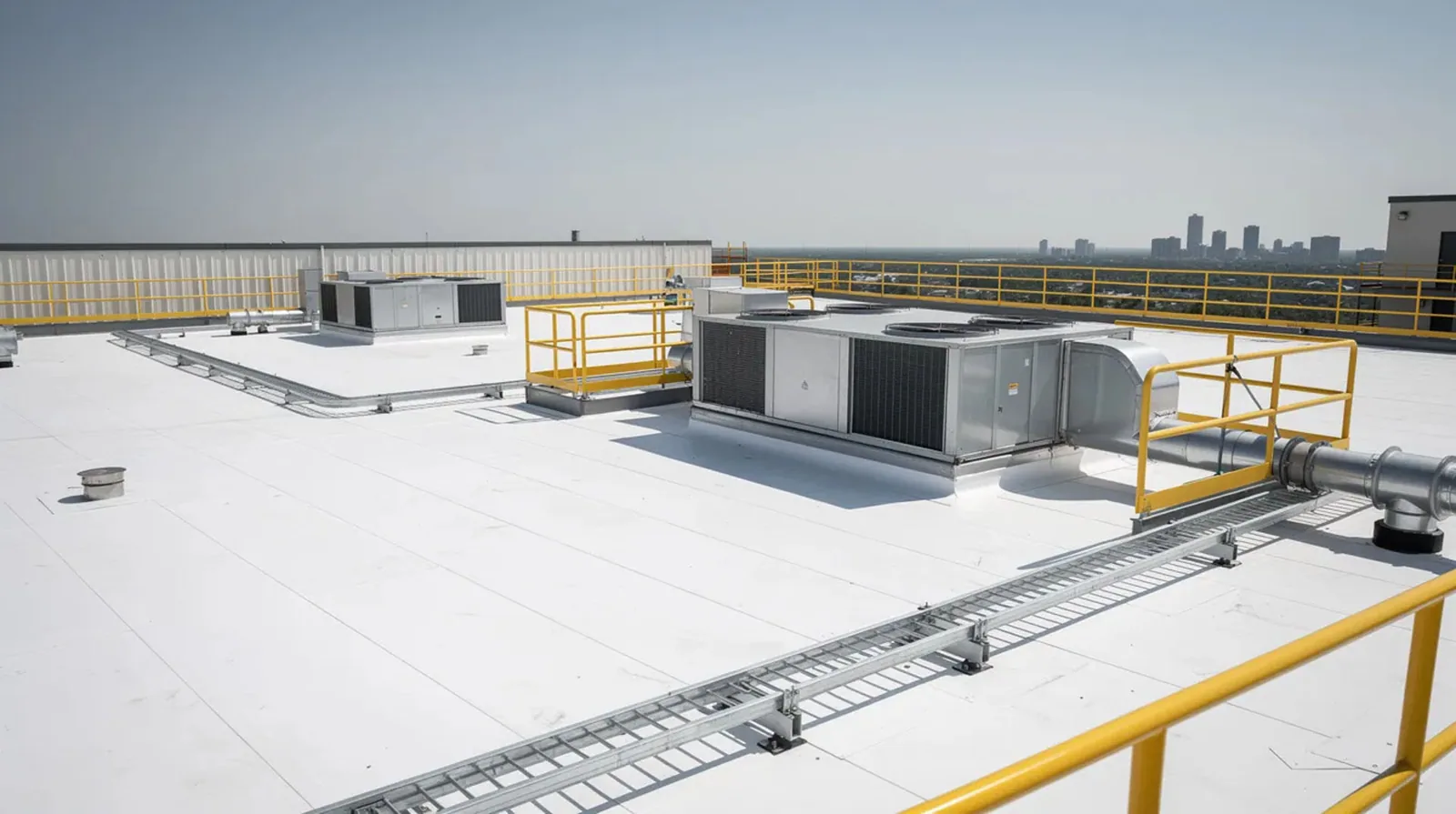
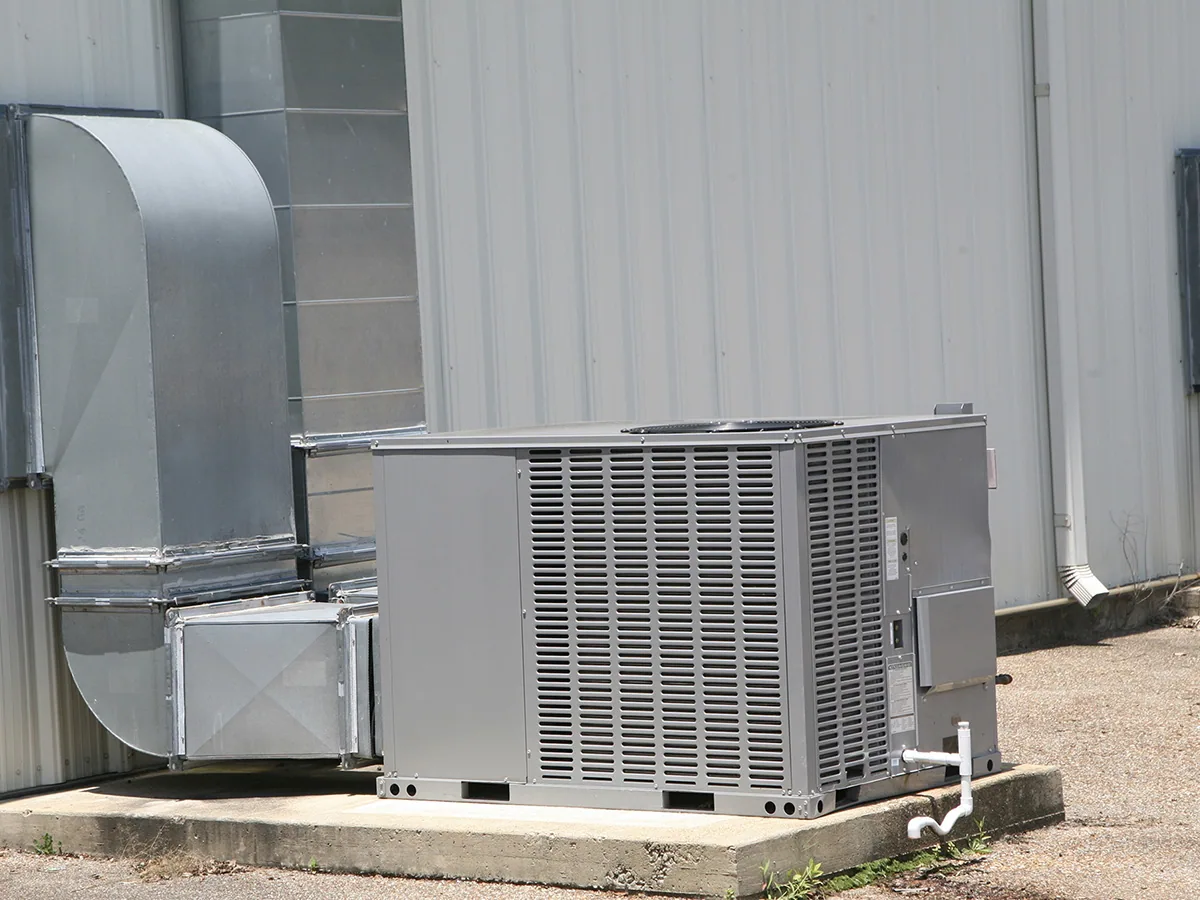
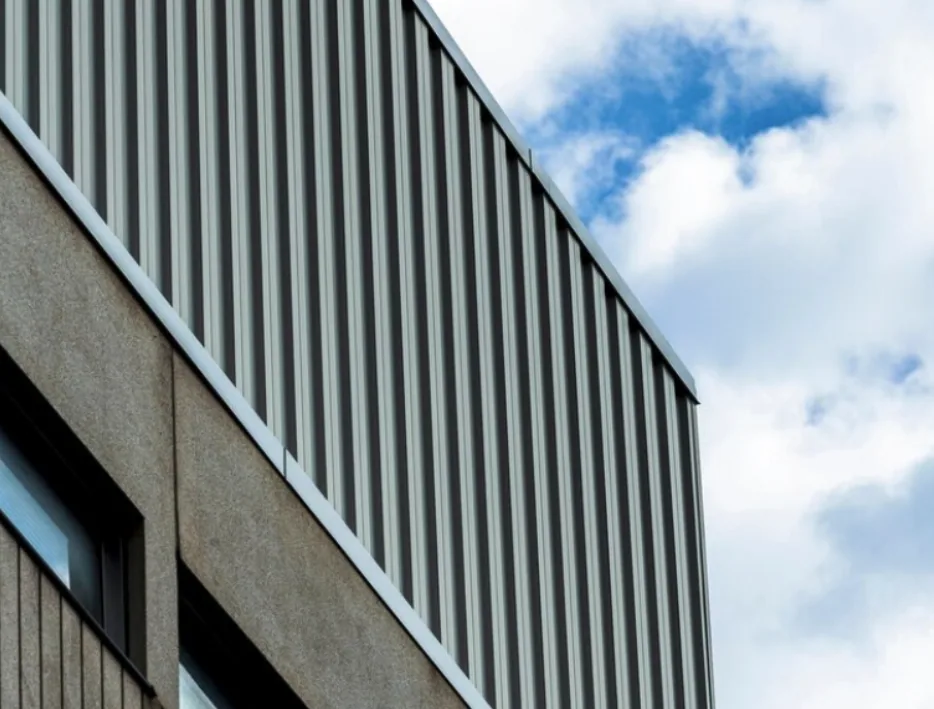
Inspect standing-seam metal
Send panel drawings, coating information, leak history and roof access details. We will inspect seams, clips, flashings and drainage, then scope repairs or replacement for your Oxnard facility.
Common Questions
What causes standing-seam panels to separate?
Panel engagement, clip placement, thermal movement, wind loading, fastener support and prior repairs can all affect a seam. We inspect the profile and attachment before proposing a correction. Sealing over the seam without restoring the connection may not address the cause.
Can standing-seam metal be coated?
A coating may be considered if the metal is sound, clean, compatible and prepared to the product requirements. Loose seams, active corrosion, failed fasteners and drainage issues need repair first. We check adhesion and details before including a coating scope.
How do you repair a leak at a standing-seam roof?
We trace water from the interior evidence to the seam, eave, valley or flashing where it enters. The repair is matched to the panel profile and movement. We also check underlayment and adjacent joints so a surface cap does not conceal an open transition.
Does standing-seam roofing need exposed screws?
The panels commonly use concealed clips, but trim, closures and some details may include fasteners. We inspect each component and replace damaged fasteners with compatible parts. The repair should preserve the panel's movement and avoid adding unnecessary penetrations.
What documents help plan standing-seam repair?
Panel shop drawings, metal and finish information, prior repair records, leak locations and access limits help define the scope. We verify the installed profile and support conditions before ordering replacement trim or panels.