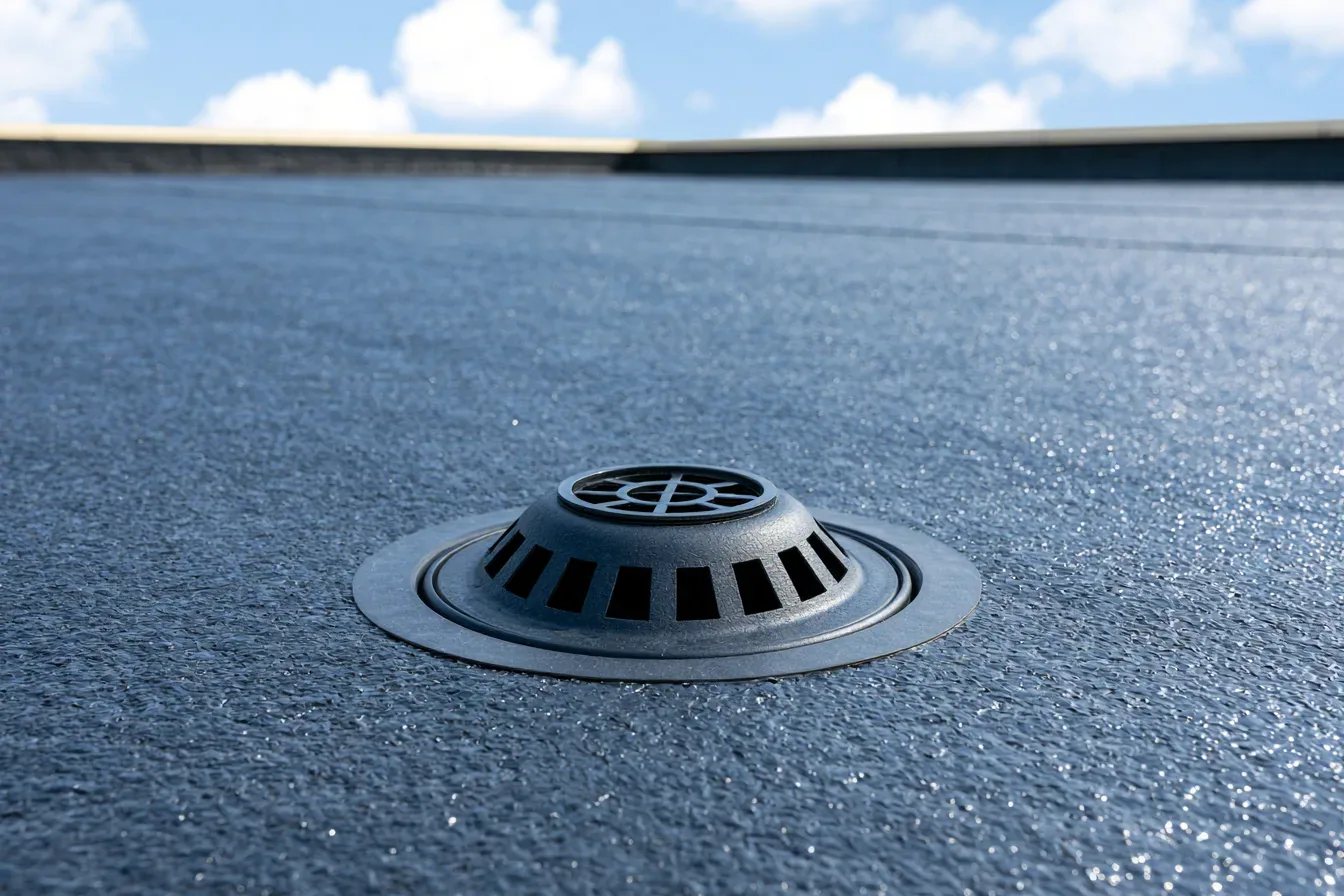
Commercial Roof Flashing Failure Repair in Oxnard, CA
Request a flashing failure inspection
Commercial Roof Flashing Failure Repair
A split counterflashing joint can admit water even when the roof field looks intact. Start at the transition, check where the upper and lower materials meet, and follow the runoff toward the nearest drain or wall. We mark the loose or open detail, inspect its receiving surface, and determine whether the repair can stop at the corner or needs a longer section.
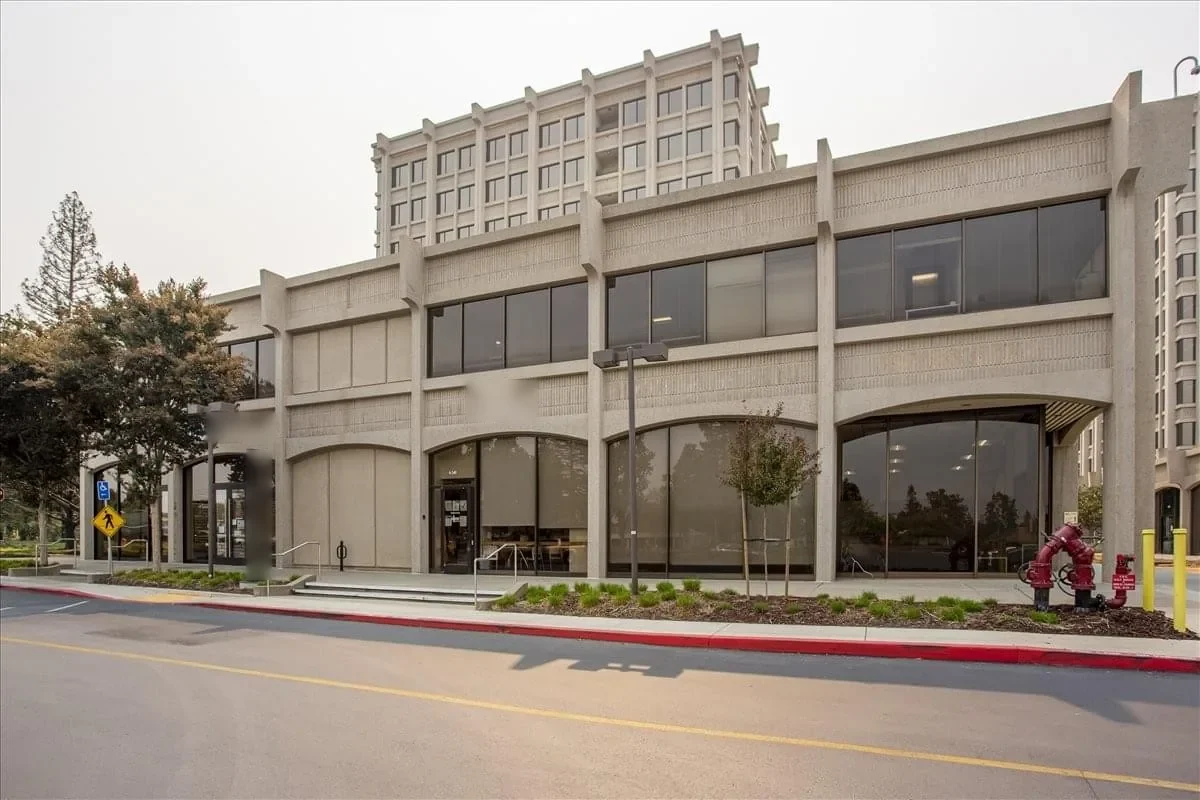
Camino Real Business Park combines planned office, research, manufacturing, and limited commercial uses. Downtown Oxnard has separate Core, General, and Edge districts with mixed office, retail, residential, and live-work activity. Those local settings can influence access and work hours; flashing type and failure extent come from the building itself. A Camino Real roof-flashing inspection starts with the actual wall, curb, or perimeter condition.
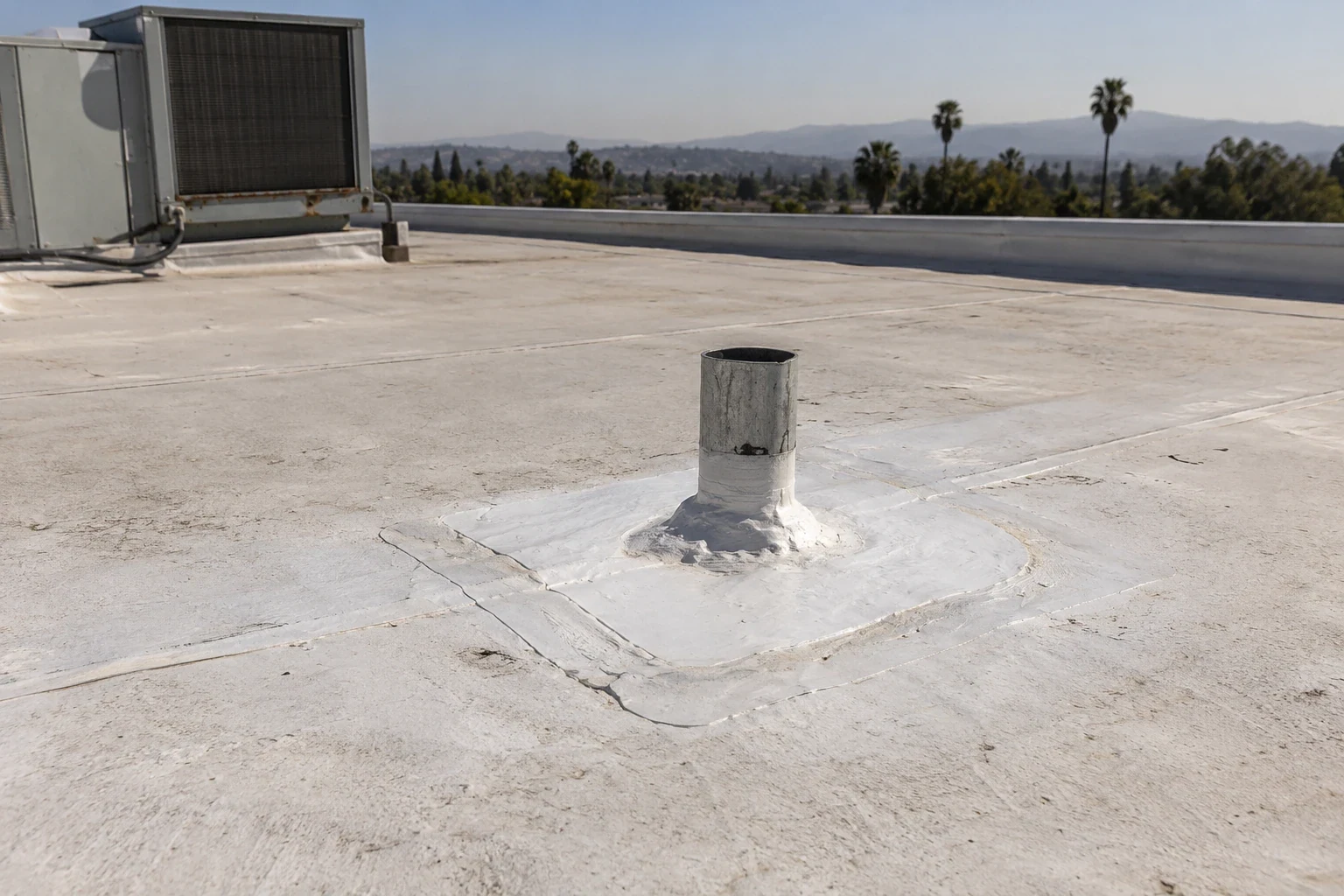
Locate the transition that opened
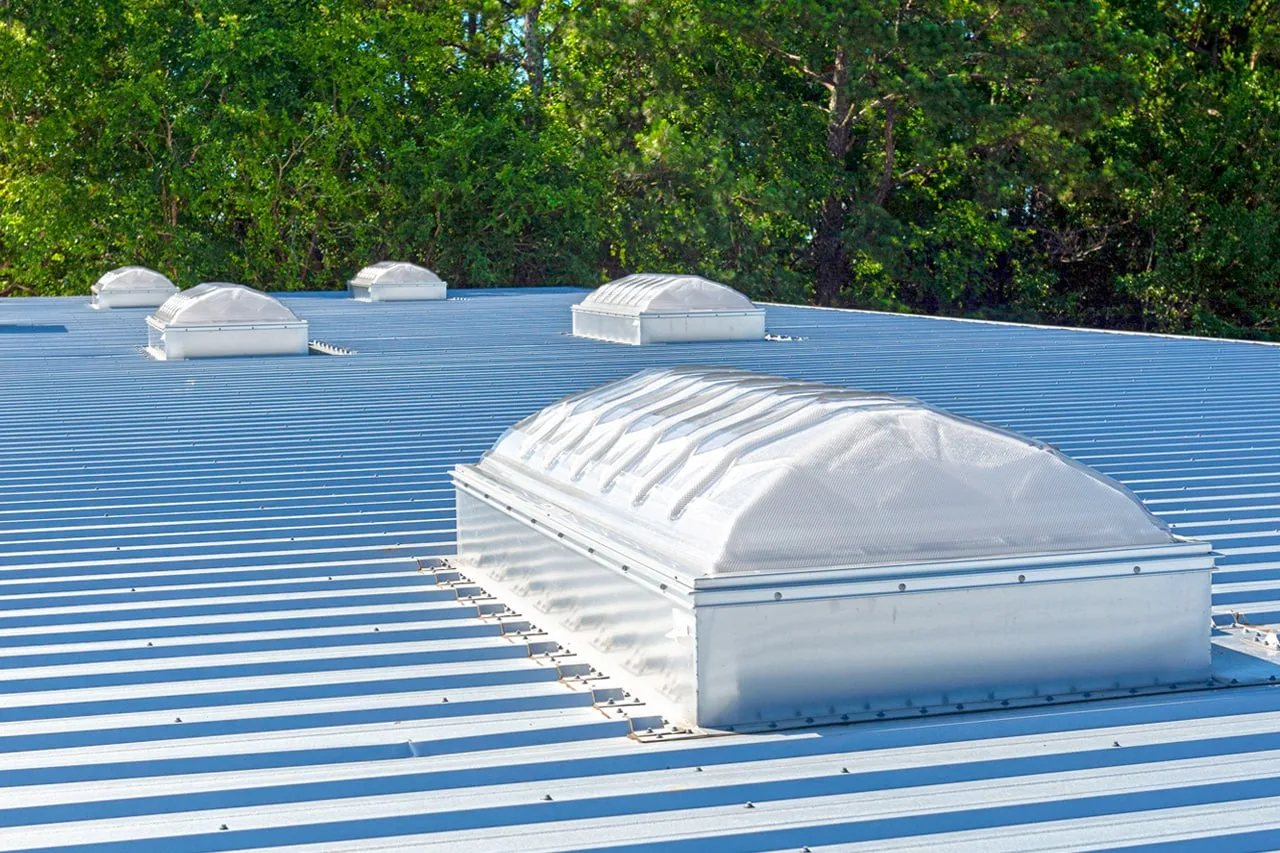
Inspect where the roof meets a parapet, wall, curb, pipe, skylight, equipment platform, or change in material. Look for open seams, split corners, loose reglets, missing counterflashing, failed sealant, corrosion, and movement at fasteners. Water can pass behind a termination and travel along the assembly before it reaches a ceiling, so mark the roof detail that aligns with the full water path, not only the interior stain.
Identify the roof system and wall construction before choosing a flashing material. A membrane tie-in, sheet-metal counterflashing, reglet, and curb wrap each have different preparation and attachment requirements. Compare records with exposed edges and field conditions. A penetration and flashing inspection can document the interface, while a seam failure review addresses an open joint that continues beyond the flashing corner.
Ordinance 3070 brought the 2025 California Building Standards Code into Oxnard's local code. For replacement work, the project designer reviews permit-date requirements with Oxnard’s permitting authority. A repair visit records visible conditions and the scope needed at the inspected transition; it does not substitute for a design decision when the wall or structure must change.
Check the parts behind the sealant line
Sealant can hide an unstable joint. Check whether the curb or wall is sound, the termination is fastened, and the counterflashing sheds water over the roof flashing. Inspect corners for gaps, lap direction, and incomplete returns. At equipment curbs, confirm if another contractor recently moved a unit or changed a pipe. Assign the receiving surface and final roof detail before that equipment work is closed.
At a masonry or metal wall, identify how the flashing terminates and whether movement is expected between materials. Do not bridge a moving gap with surface sealant and call it a complete repair. Remove failed material to a stable boundary, prepare the substrate, and install a compatible detail. If corrosion, cracked masonry, or a displaced curb extends beyond the roof scope, record that interface and identify the trade or design review required.
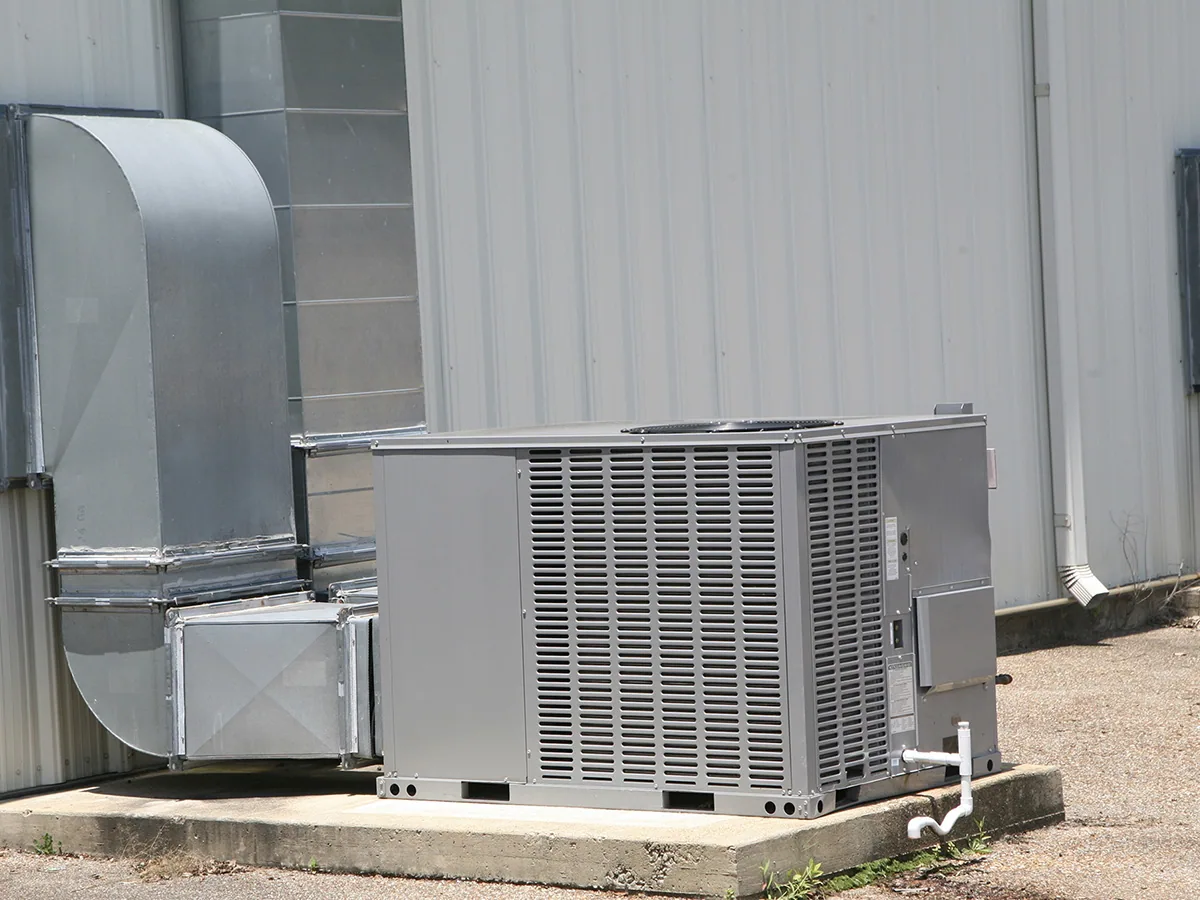
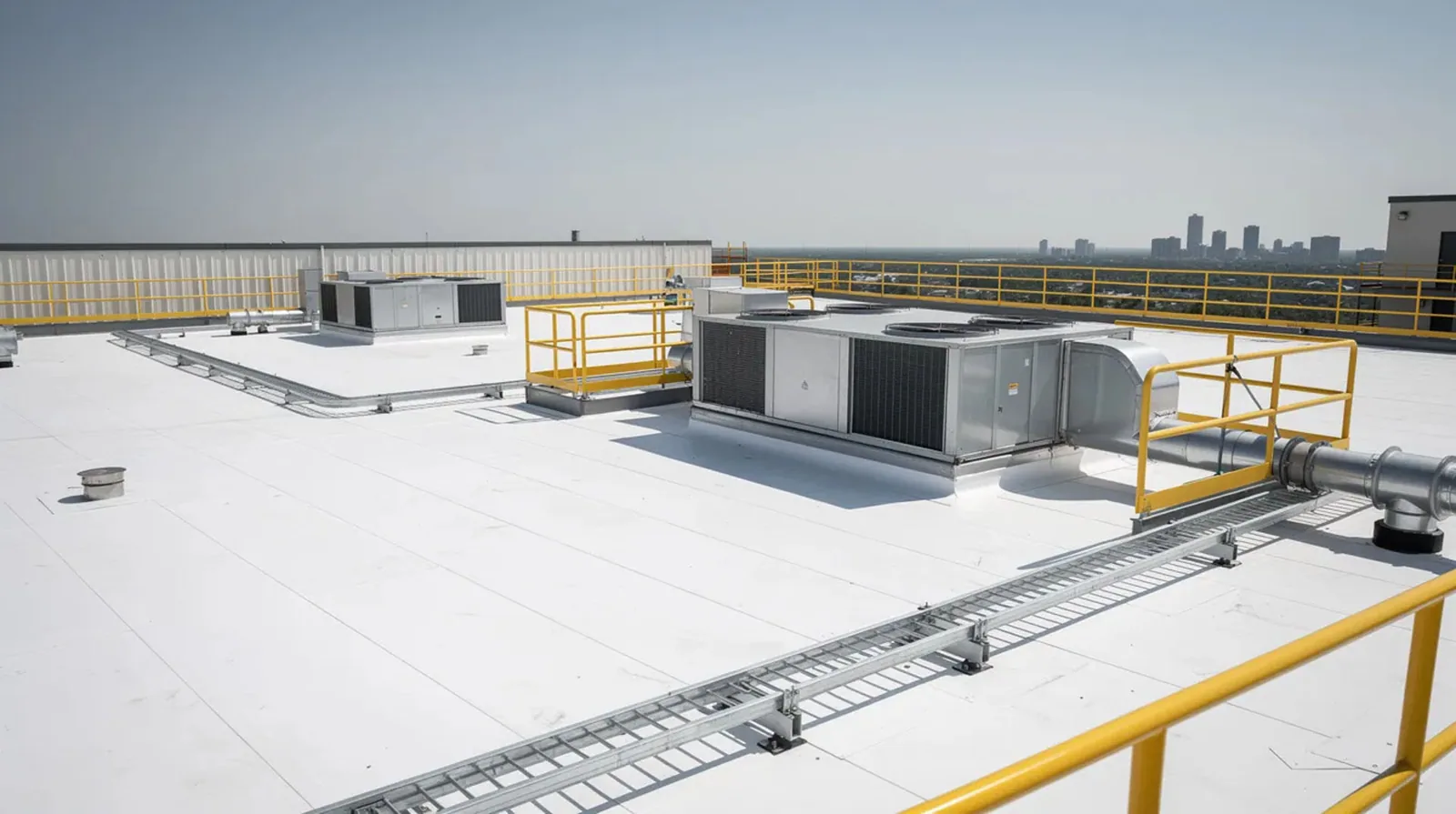
Camino Real's mix of research, manufacturing, office, and commercial uses can mean rooftop equipment and service access differ between neighboring buildings. Confirm the equipment schedule and operating window at the property. A curb and equipment-support review can document dimensions and handoff points before a new unit is set.
Follow the water route across the roof edge
Trace slope to drains, scuppers, gutters, and overflow outlets, then inspect where the flashing detail intersects that route. Debris or ponding can keep water against a failed corner longer than expected. Mark low points, water lines, and discharge locations. If an interior report follows rain, note its date and room; investigate the roof and wall above instead of assigning cause from timing alone.
Oxnard's August 2023 Hilary observation totaled 1.77 inches, a monthly August record for the station. We use that dated event to review drainage and flashing at exposed transitions, then document the conditions present at the property. A commercial roof inspection can map the path, and a drain and scupper service can correct a confirmed outlet problem.
Oxnard's Local Coastal Program identifies hazards in mapped coastal areas, including sea-level rise. Parcel location controls applicability. If coastal conditions affect the owner’s capital plan, check the site against current city mapping; do not presume the same condition across Downtown and inland business areas.
Rebuild the flashing as a continuous detail
A durable repair ties into sound roofing and wall materials. Remove loose metal, failed sealant, or membrane back to a stable edge. Prepare the receiving surface, install compatible flashing, secure the termination, and close corners so water sheds outward. The scope should identify metal gauge or membrane component where specified, lap direction, fasteners, sealant use, and any test that confirms continuity.
If the substrate is wet or the curb has moved, repairing the visible seal may not resolve the condition. Define a test opening or mechanical review if hidden layers or support stability change the detail. A roof repair proposal should describe the opened area and any limitation. If flashing failure repeats across sections or connects to broader roof deterioration, compare repair with replacement planning that includes perimeter transitions, curbs, and daily dry-in limits.
Timing and cost can depend on roof access, wall height, equipment removal, substrate preparation, metal fabrication, interior protection, and whether the area can be exposed during the available work window. Include the weather-tight stop and trade coordination in the sequence. If removal uncovers a different wall assembly, pause before extending demolition and obtain direction on the revised transition.
Record the wall and roof materials together
Closeout identifies the wall or curb, roof assembly, flashing material, completed lap and termination, photographs, test results, and any adjoining condition that remains. Mark the detail on the roof plan and note when a mechanical or wall contractor must return. This matters where a later service visit might otherwise reseal the same joint without checking whether the underlying attachment changed. Photographs show the failed transition in context and the completed repair from a close view.
Send the roof plan, wall details, equipment schedule, leak location, prior repair photos, and access contact with a service request. A wind damage review may find displaced perimeter flashing, while a membrane puncture concerns a different failure path. Keep the repair mark and maintenance record with the building section they describe. Include the date, weather conditions observed, and whether temporary protection remained in place so a later visit can distinguish a new opening from the completed repair. Keep the revised roof plan with facility records.
Related Roofing Work
More from Roof Damage Repair and nearby services
Request a flashing failure inspection
Provide roof and wall details, equipment plans, leak locations, repair photos, and access instructions. We will map the failed transition, inspect the receiving surface, and define a compatible repair boundary.
Common Questions
How can I tell whether failed flashing or a roof seam caused the leak?
The inspection follows the water path and checks how the membrane meets the wall, curb, or penetration. We mark the open detail and test adjacent seams where they may connect to the same route.
Can a flashing joint be fixed with new sealant?
Sealant alone is appropriate only when the substrate and termination are stable and the specified detail permits it. Loose metal, failed attachment, or a moving curb needs correction at the underlying connection.
What if the wall below the flashing is damaged?
We document the roof-to-wall boundary and identify where wall repair, structural review, or another trade must prepare the receiving surface. The roofing scope should resume at a defined handoff.
Does the Hilary rainfall record prove flashing failed in Oxnard?
No. It documents an August 2023 station measurement. A failure at a specific building is established by inspection evidence and its maintenance record.
When should flashing work be included in a larger roof replacement?
Include it when defects repeat, the surrounding assembly cannot accept a durable tie-in, or replacement changes edge height and transitions. We map each affected detail before pricing the larger scope.