Commercial Wind Damage Roof Repair in Oxnard, CA
Request a wind-damage roof inspection
Commercial Wind Damage Roof Repair
A lifted perimeter edge is a different repair from a displaced panel in the roof field. Start by marking where material moved, what remains attached, and whether the deck or insulation beneath it can be seen. We secure an active opening, trace the water path, and document the affected roof section before defining permanent work. That keeps the repair tied to observed damage instead of the weather report alone.
Oxnard's Camino Real Business Park serves manufacturing, research, office, and limited commercial uses. At Sakioka Farms, the City reports operating distribution, cold-storage, and fruit-processing buildings. Before assigning a repair boundary, we identify the affected building and inspect its roof assembly, loose material, and attachment. This operating context guides staging and dry-in logistics; field marks establish what moved.
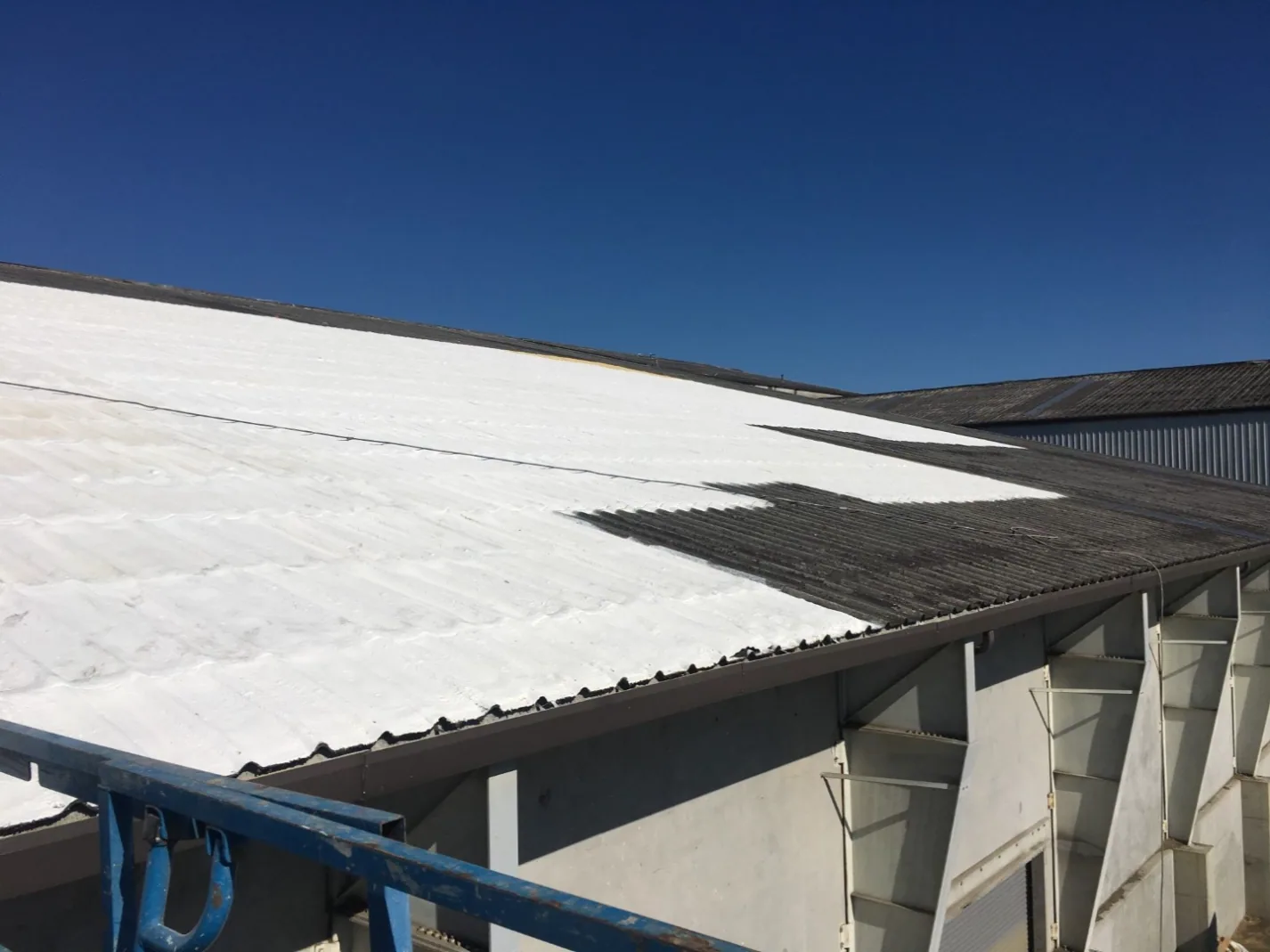
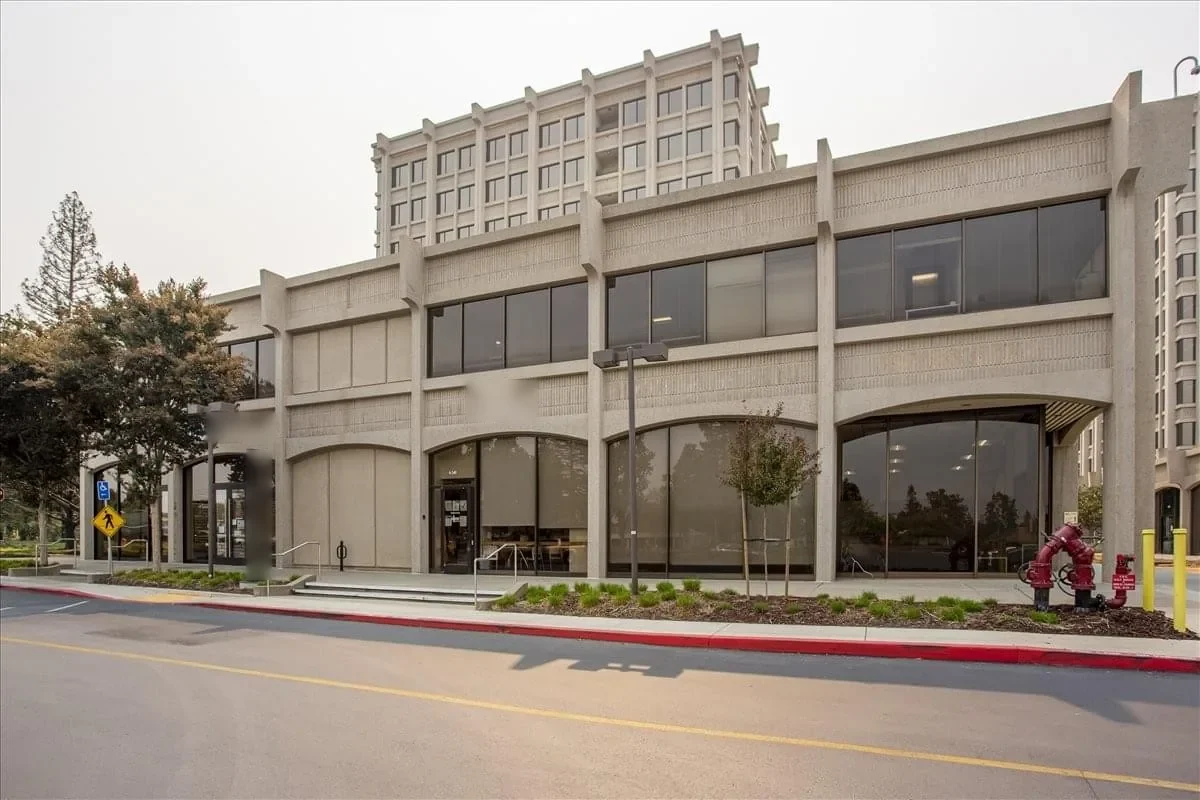
Secure the opening and record what moved
When a membrane edge, coping run, panel, or flashing has lifted, control access around the affected area and protect interior contents below. The facility contact identifies active operations and any equipment that cannot be interrupted. We photograph the visible condition, note loose material that could move again, and separate temporary stabilization from permanent repair. Do not pull at a panel or trim piece before its attachment and surrounding roof are inspected.
Mark the location by roof plan, grid, bay, or another repeatable field reference. Record whether the opening crosses a seam, fastener line, curb, parapet, or transition. If the weather window is short, state how the temporary cover is secured and what inspection remains before a permanent detail can be installed. The work order should list the person authorized to approve a scope change if removal reveals additional damage.
At a Sakioka Farms Business Park distribution or cold-storage property, delivery lanes and equipment service may affect staging. At Camino Real, office, research, and manufacturing uses can have different access rules. The property manager confirms the operating route; the repair plan maps how the crew reaches the damaged zone and leaves the roof secure at shift end.
Follow the load path through edges and seams
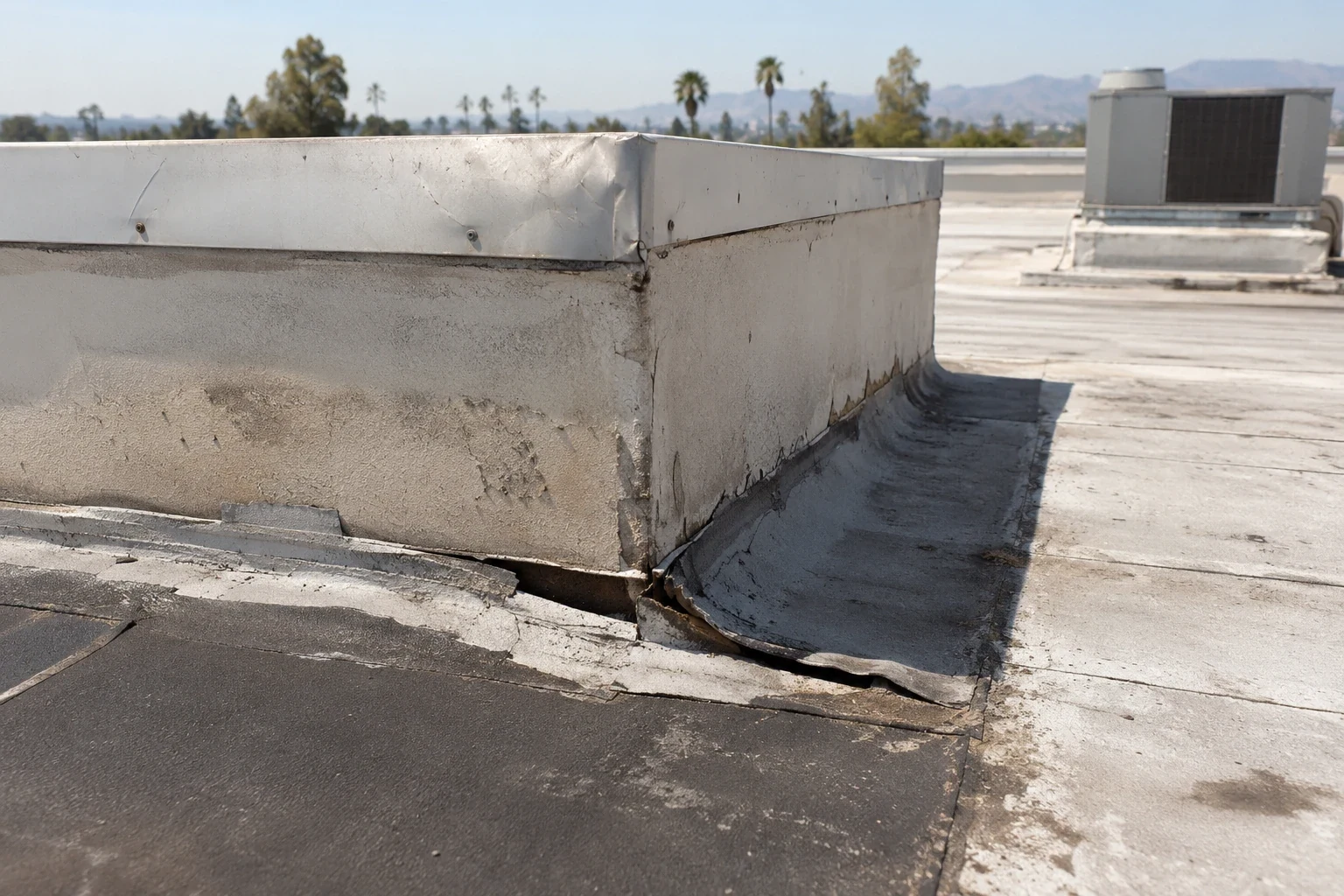
Wind-related distress can appear as open seams, lifted terminations, displaced coping, loose fasteners, wrinkles, or a panel pulled from its support. Check how far the condition continues in each direction and whether adjacent attachment remains sound. A single loose edge may connect to a longer separation. We inspect the transition from roof field to perimeter and mark each section that needs opening, testing, or repair.
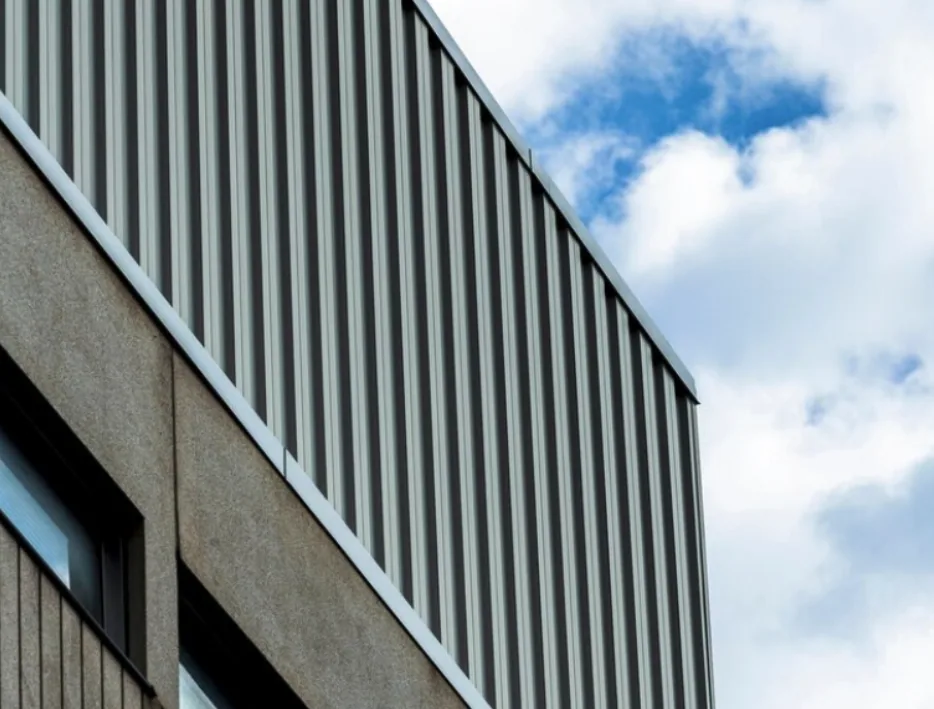
For metal roofing, identify the panel profile, fastener type, sidelap, end lap, and condition of the substrate. For membrane systems, check welds or adhered seams, edge securement, and the termination detail. Compare the field condition with available assembly documents before selecting a repair method. A seam-failure inspection can define an open joint, while a perimeter-metal assessment checks coping, gutters, and edge attachment.
Inspect rooftop equipment supports, skylights, and wall transitions near the affected area. A loose curb or failed counterflashing can create a separate water path even if the field membrane remains in place. A flashing repair review should name the transition and its receiving surface rather than relying on sealant over a moving detail.
Trace water to the opening and the outlet
After a wind event, water may enter at a displaced edge and travel before it appears indoors. Record the room, time reported, weather date, and roof area above it. Then trace slopes toward drains, scuppers, and overflows. Check for debris, ponding lines, opened laps, punctures, and wet materials around the suspected entry. A ceiling mark by itself does not identify the roof component that failed.
A wind inspection starts with the reported event date and the material that moved, then follows any water report back across the roof. We log the room and time of entry, inspect the nearest seams and penetrations, and trace the slope toward each outlet. When drainage is restricted, the work order names the outlet and its condition; when the membrane is open, it records the seam or edge detail. Those are separate corrections, even when one storm report prompted both checks.
Oxnard's Local Coastal Program maps coastal hazards, including sea-level rise, for designated areas. Whether coastal planning applies depends on the parcel. Verify a site against current mapping when that factor affects a capital plan; do not treat the city's full commercial area as one exposure zone.
Set the repair boundary from confirmed conditions
A permanent repair begins when the loose or damaged material is removed to a stable edge. We identify replacement fasteners, compatible membrane or panel, underlayment, insulation, and flashing details required by the observed assembly. If attachment or substrate damage continues beneath the visible area, pause at the approved hold point and document what changed. The owner should know whether the additional area needs testing or a revised proposal.
A recover may be considered only after existing layers, attachment, drainage, edge height, and wet insulation are checked. Coating does not secure a loose panel or correct a failed deck connection. Replacement becomes a separate option when damage crosses multiple sections or the assembly cannot receive a durable repair. A commercial roof repair scope can cover a defined defect; a replacement plan states removal depth, temporary protection, and the roof zones included.
Cost and timing depend on access, roof height, material availability, perimeter length, interior protection, equipment coordination, and how much can be opened before weather protection must be restored. For insurance documentation, keep storm date, inspection date, photographs, measurements, and the distinction between observed damage and concealed conditions with the property record.
Leave the next inspection a repeatable mark
Closeout names the damaged building and roof zone, assembly observed, stabilization performed, permanent repair, materials, and any test results. Photograph the completed termination and mark it on the roof plan. List areas not inspected, concealed conditions, and temporary measures that need follow-up. A later service interval can compare the same mark rather than relying on a broad note such as “storm repairs completed.”
Provide roof plans, prior repair records, the reported storm date, interior locations, access rules, and the approval contact when requesting service. A metal roof retrofit assessment can address broader panel and assembly planning, while this damage visit starts with the displaced detail and its verified boundary. Keep temporary-cover inspection dates on the same work record.
Related Roofing Work
More from Roof Damage Repair and nearby services
Request a wind-damage roof inspection
Send the roof plan, reported event date, leak locations, photographs, prior repairs, and access contact. We will secure active openings, mark affected sections, and define the permanent repair boundary.
Common Questions
What should be checked first after wind lifts a roof edge?
Secure the exposed area, then inspect the edge metal, termination, seams, fasteners, and substrate around it. We mark how far the condition continues before setting a permanent repair limit.
Can you repair a panel that has shifted at one fastener line?
The panel profile, fastener support, adjoining laps, and substrate determine whether local reattachment is sound. If the connection has pulled from the deck or damaged adjacent panels, the scope must include that area too.
Does Hilary's rainfall record establish wind damage in Oxnard?
No. The station record measures rain during one August 2023 event. Wind damage at a property needs its own dated inspection and field evidence.
Will insurance documentation state the cause of every roof condition?
The report records visible damage, measurements, dates, photographs, and areas requiring testing. A cause is stated only where the inspection supports it; concealed conditions remain identified as unresolved.
When does a storm repair become a replacement project?
A broader project may be needed when attachment, seams, substrate, or multiple roof sections are compromised. We map the affected area and compare a defined repair with a replacement scope before work expands.