
Solar-Ready Commercial Roofing in Oxnard, CA
Coordinate the roof and solar layout
Solar-Ready Commercial Roofing
A solar layout can fit on a roof plan and still conflict with drains, curbs, service lanes or the roof's remaining life. We review the roof first, then coordinate the proposed array with the attachment and waterproofing details. In Oxnard, CA, business areas range from Camino Real's office, research and manufacturing uses to Sakioka Farms' distribution and cold-storage development. Their access needs differ. We map the panel field against the roof, check membrane condition and document tie-ins. The goal is a roof that can be maintained before and after solar installation, with separate responsibilities clear between roofing, electrical and structural trades.
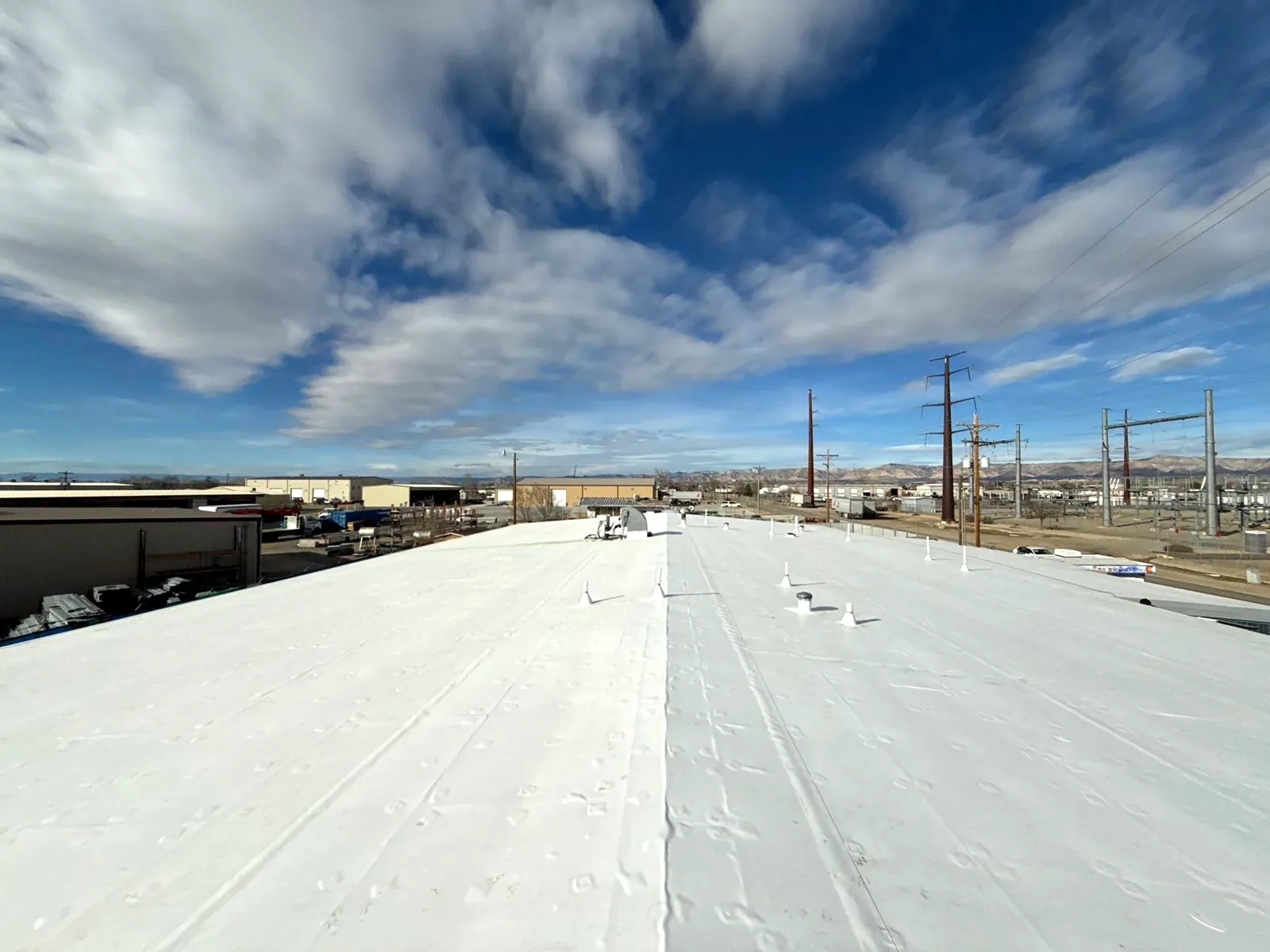
Map the roof before panels are placed
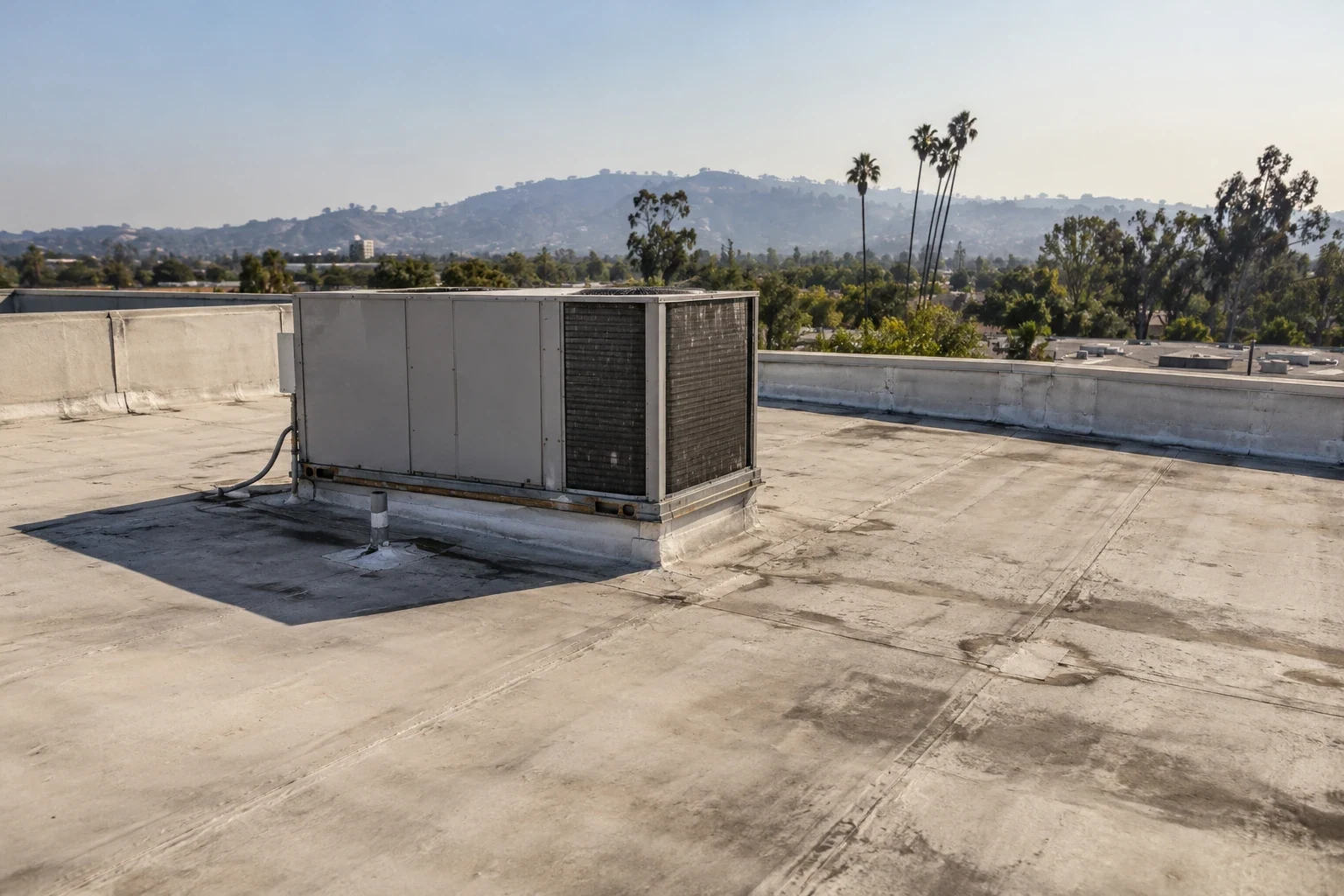
We compare roof and solar plans, equipment schedules and warranty information with seams, drains, skylights, units and service routes. The array should leave access to components that need inspection or repair. Panel rows cannot block an overflow opening or trap debris against a curb.
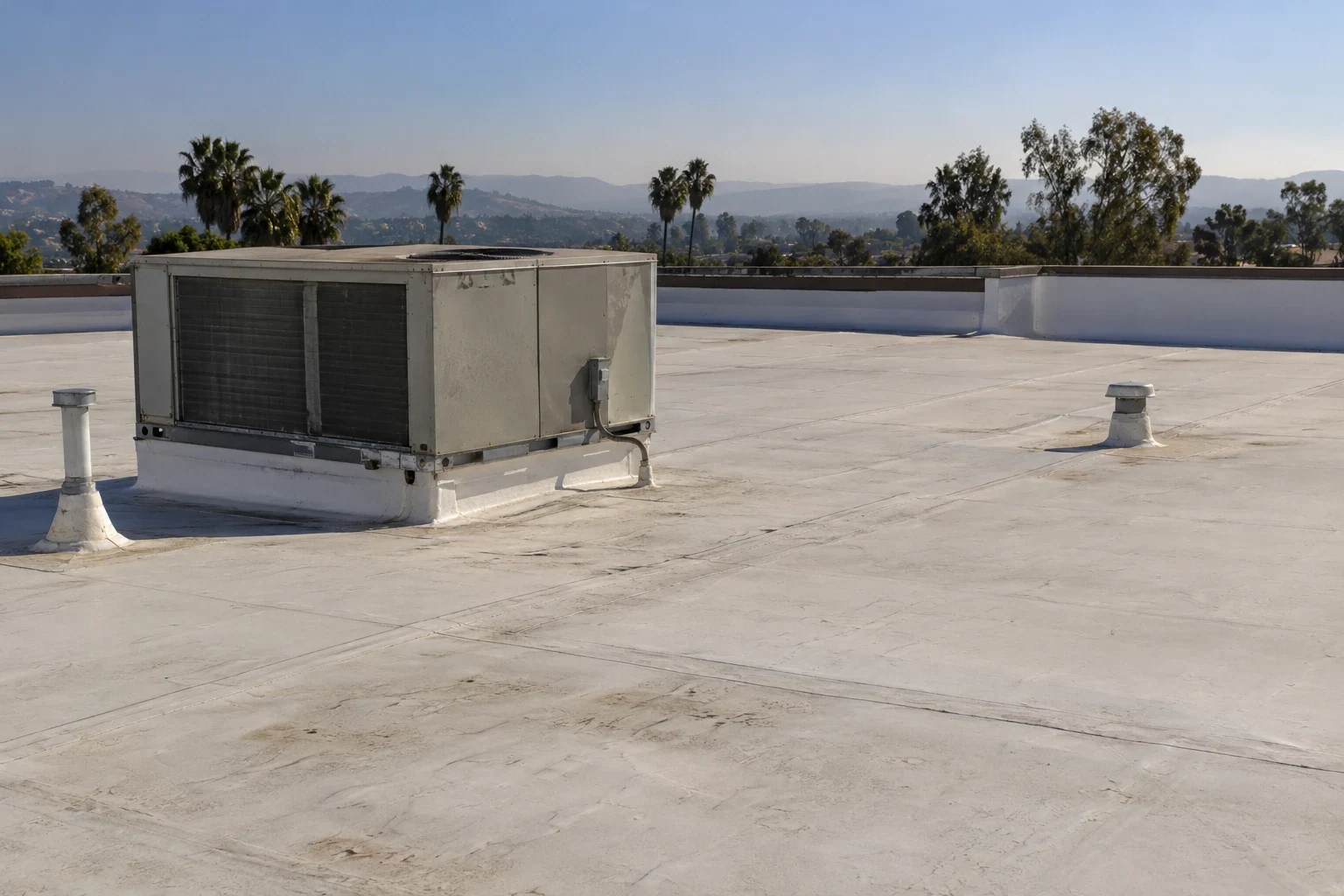
We mark existing damage before a solar crew stages rails or modules. If the membrane has open seams, wet insulation or loose edge metal, that condition needs a defined repair plan first. A roof condition inspection can record the baseline and separate current defects from work that may arise during solar installation.
When records are incomplete, we identify what needs verification. Plans should label roof sections installed at different times instead of assuming one system covers them all.
Match attachment to the roof system
Solar equipment transfers loads through a mounting system into the roof structure. The attachment approach must account for deck type, structural capacity, wind design, membrane and insulation. Our inspection covers roof layers and waterproofing. Qualified design professionals provide structural calculations and array design; we coordinate details with their approved plans.
Penetrating mounts require flashing that integrates with the membrane and remains accessible for inspection. Ballasted or non-penetrating systems still add load and need an approved design; they are not automatically suitable for every roof. We identify attachment points, curb transitions and areas where existing seams or drains limit placement. A mounting sketch should show how roofing materials will be protected during installation.
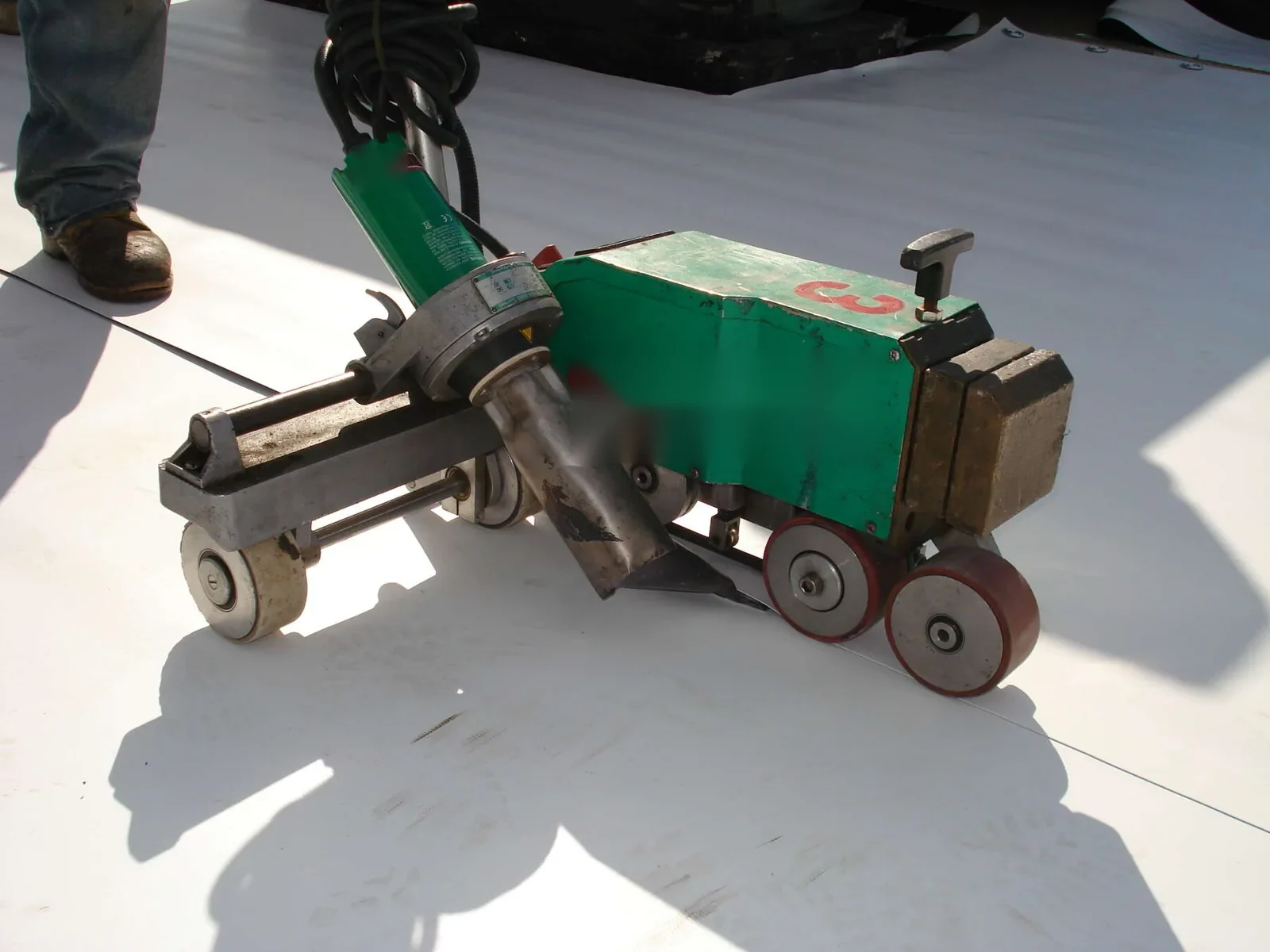
For single-ply roofs, material compatibility matters at every patch or flashing. TPO roof assemblies and PVC membrane systems have system-specific details. We follow the selected manufacturer's requirements and coordinate any required review before work starts.
Preserve the routes technicians need
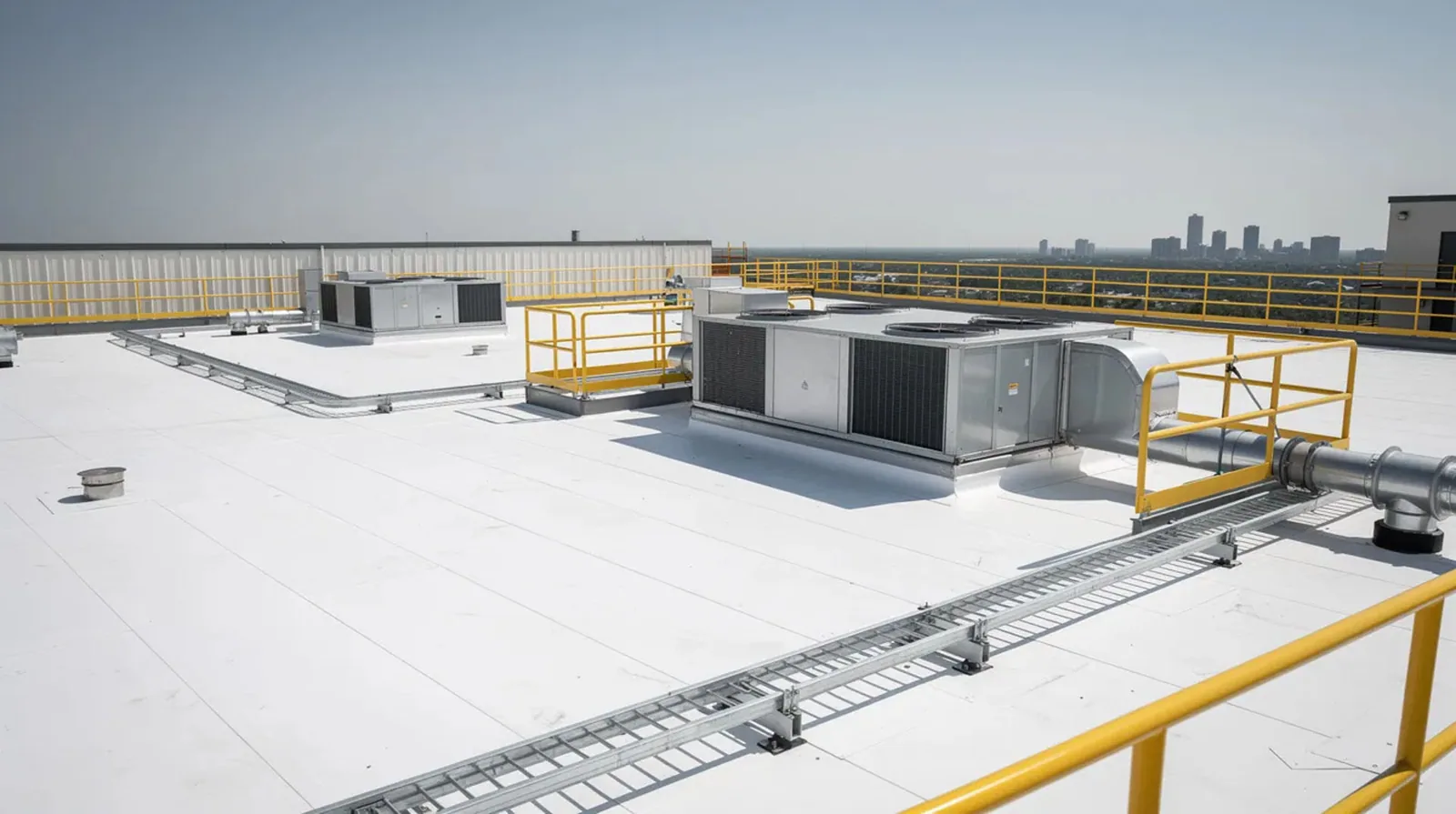
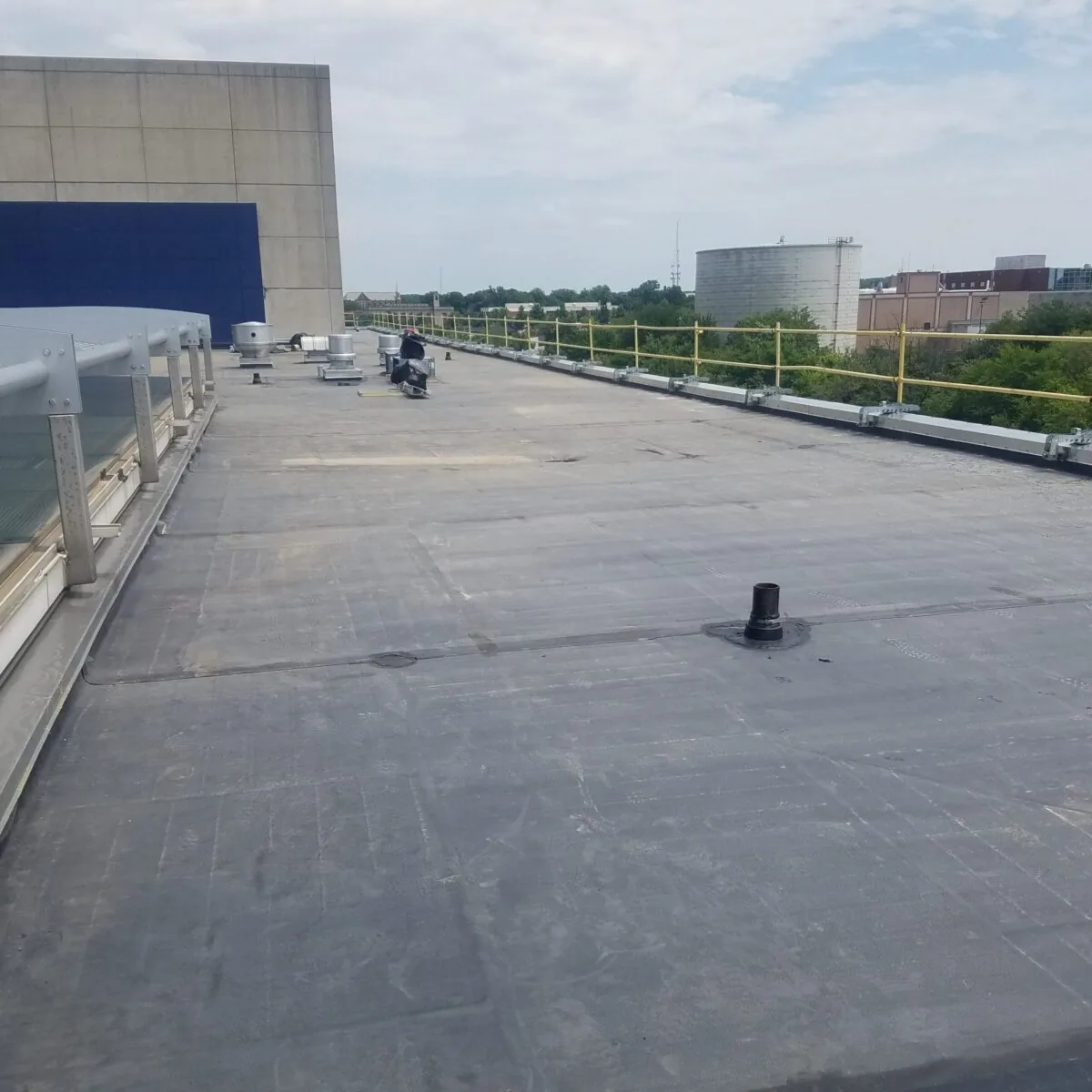
Solar arrays introduce recurring service visits on top of roof maintenance. We map walking routes to inverters, disconnects and equipment while keeping roof drains and emergency access available. Walk pads may be needed between access points and service areas. Their placement should protect the membrane without diverting water or covering a seam that needs inspection.
At buildings with multiple units or roof sections, we label penetrations and equipment on a shared plan. A future leak investigation is faster when the asset file shows panel rows, attachment locations, membrane type and repair history. We photograph and mark roof zones before solar hardware obscures them. Roof condition records preserve that baseline for facilities staff.
In the Central Industrial Area, outdoor storage, agricultural processing and vehicle or equipment repair are among the uses in city planning materials. Delivery routes and operating yards can constrain lift access. We confirm staging and roof access with the building contact before setting the installation sequence.
Compare solar timing with roof life
A solar project can outlast the serviceable condition of the roof beneath it. We inspect seams, flashings, membrane wear, insulation evidence, attachment and edge details to determine whether roofing work should come first. If the roof needs replacement soon, coordinating it before array installation can avoid removing and reinstalling panels later. The decision uses field conditions, not a standard age cutoff.
A recover or coating may be possible in some assemblies, but it must meet system limits and provide a suitable substrate for solar attachments. Added layers can affect curb height, drainage and mounting details. Recover evaluation checks the existing assembly, while roof replacement planning can coordinate a new membrane with the array layout.
We list roof scope separately from solar work, including removal, membrane repairs, flashing, walkway protection and closeout documentation. The solar contractor can then price its structure and electrical scope against the same roof plan.
Coordinate with Oxnard building patterns
The Camino Real Business Park plan includes offices, research, manufacturing and limited commercial uses. A solar layout near that corridor may need to account for different equipment footprints and operating schedules, but the district plan does not describe a particular roof. We confirm the building's loads, access and maintenance requirements with its team.
Sakioka Farms is a 430-acre business area with reported distribution, cold-storage and fruit-processing development. Those uses can bring active loading operations and interior temperature controls into the access conversation. Business type does not establish roof construction. Sakioka Farms area service addresses the broader business park; our inspection maps conditions at the individual building.
Oxnard's coastal program includes mapped hazard policies for properties within the coastal zone. Whether a building falls within a mapped area depends on location. We use site-specific conditions when checking existing roof materials and planning access, rather than applying coastal assumptions citywide.
Set a clean handoff between trades
Before work begins, the project team should settle array geometry, attachment details, roof repairs, delivery access and the order of installation. We identify who removes roof-mounted equipment, who flashes attachments and who restores disturbed walk pads. If roofing and solar work happen in separate contracts, the handoff should still name the responsible party for each roof opening.
During installation, crews protect the membrane from carts, dropped hardware and concentrated foot traffic. They keep drains open and secure openings at shift end. Any field change to an attachment location should be reviewed before drilling or fastening. We inspect flashing after installation and preserve a photograph of each representative detail.
At completion, the owner receives updated roof and solar layouts, product information and a record of repairs. A planned roof maintenance program can include accessible membrane areas and roof details without disturbing the array.
Keep the roof serviceable beneath solar
Our review gives the owner a roof condition baseline, an attachment coordination list and a clear roofing scope. It identifies needed repairs, suitable installation areas and items requiring design or manufacturer review. We do not certify array design or estimate solar production.
When a roof is ready, we coordinate flashing and protection around the selected attachment method. If more work is required, we show which tasks belong before panels are set and which can follow. The field record lets operations staff find seams, drains and repairs without guessing beneath the array.
For an Oxnard property, provide the roof plan, proposed panel layout, equipment schedule, roof records and access contact. We will mark the interfaces, assess the existing assembly and prepare the roofing work needed to support a maintainable solar project.
Related Roofing Work
More from Commercial Roofing Services and nearby services
Coordinate the roof and solar layout
Provide the roof plan, array drawings, equipment schedule and prior repair records. We will inspect the membrane, identify roof interfaces and define roofing work before solar installation in Oxnard.
Common Questions
Should solar panels go on before or after a commercial reroof?
The roof condition and project sequence decide. If the membrane, insulation or flashings need major work, completing that scope before panels are installed can avoid later removal. We inspect the assembly, review the proposed array plan and identify the work that should precede mounting.
Can solar rails be attached through a single-ply roof?
They can be part of a designed assembly, but each penetration needs a compatible flashing detail and structural approval. The membrane manufacturer requirements, deck, insulation and mounting plan all matter. We coordinate the waterproofing detail with the approved attachment design.
Do ballasted solar panels avoid roof attachment concerns?
They avoid some penetrations but still add weight and may affect wind design, drainage and service access. A qualified design team must verify the roof structure and system limits. We review the roof assembly and note how the array affects membrane maintenance.
What roof information should be given to the solar designer?
Useful items include roof plans, membrane type, installation and repair records, known leaks, drain locations, curbs and any warranty requirements. Field photographs and a marked service route help the designer place the array while retaining access to roof components.
Who repairs roof leaks after solar installation?
The contracts should assign responsibility for membrane, flashing and solar attachments. We document the existing roof and work performed, then coordinate future repair with the array installer if hardware must be moved. Clear records prevent a leak investigation from starting with uncertain attachment locations.