Preventive Commercial Roof Maintenance

The first debris line at a drain can show where the roof needs attention before water backs up. A scheduled maintenance visit checks drains, scuppers, seams, curbs, flashing, edge metal, rooftop equipment, and prior repair locations while those details are still accessible. In Oxnard, a distribution building at Sakioka Farms and a vehicle-repair operation in the Central Industrial Area can have different traffic and operating windows. Their roof plans need separate field marks. We record what we see, clear accessible drainage points within scope, and list work that needs a separate repair. The owner gets a service record tied to roof sections instead of a vague note that the roof was checked. Sakioka Farms business properties and the Central Industrial Area call for a maintenance interval based on their actual roof use and condition.

Preventive Commercial Roof Maintenance in Oxnard, CA

Set a route the next visit can repeat

A maintenance route starts at roof access and follows each section in a consistent order. We note the membrane or panel system, roof transitions, walk paths, equipment zones, and areas where access is restricted. The field map lets a later visit compare the same drains and penetrations. For a multi-building property, each structure gets its own record so a repair on one roof does not get mistaken for a condition shared across the portfolio.

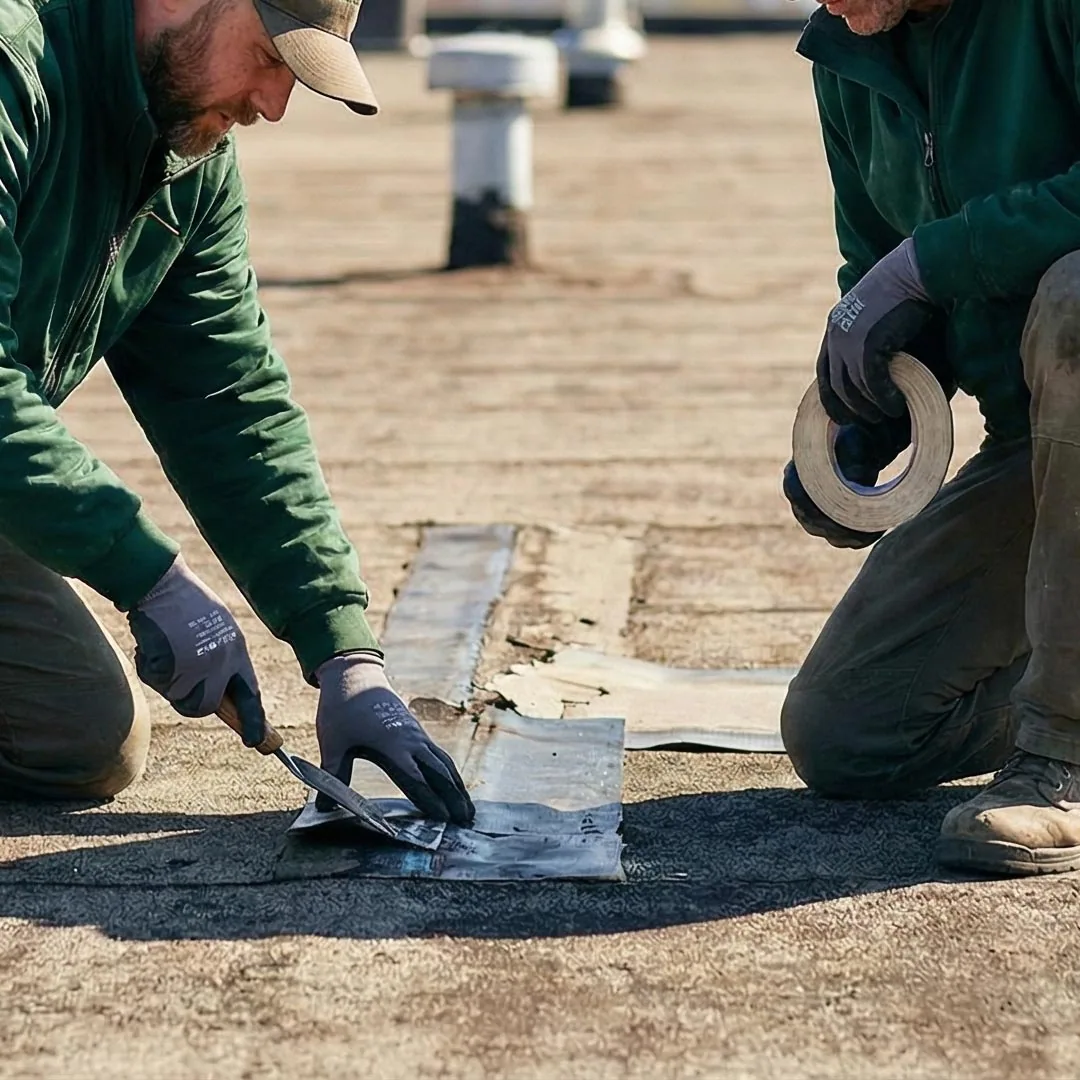
The inspection includes visible seams, terminations, penetration seals, curb corners, parapets, metal edges, and prior patches. We look for loose material, cracked or displaced details, punctures, corrosion, and evidence of water that remains after ordinary drainage. A small defect can be easier to scope while the surrounding material is clean and accessible. If we find a condition requiring repair, we photograph and field-mark it, then describe the corrective work separately from routine service. A hands-on roof inspection can add a fuller condition map when the property team needs a capital or replacement decision.

Keep drains and overflow paths clear

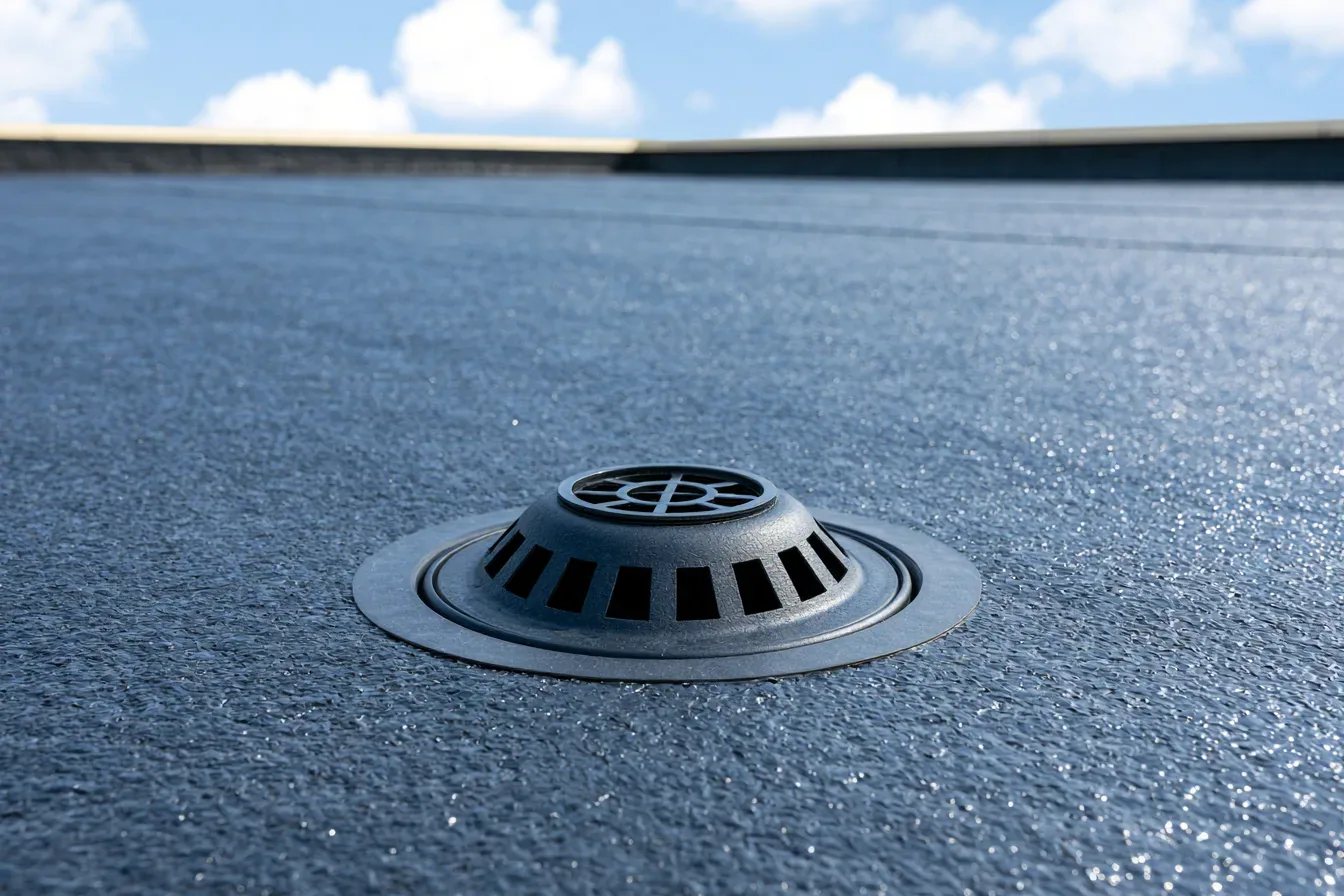
Leaves, packaging, sediment, and roof debris can restrict a drain even when the membrane around it is sound. We check the drain bowl, strainer, nearby low point, and visible route toward the outlet. Scuppers and overflow openings receive the same attention. If water cannot reach the primary drain, we look for surface obstructions, settled insulation, or a slope issue that cleaning alone will not fix.

Hilary brought 1.77 inches of rain to the Oxnard weather station in August 2023, the largest August total recorded there. That event is dated context, not a claim that every roof experienced damage. It is a reminder to keep the drainage route inspectable. A maintenance log that records debris, ponding location, and drain condition helps distinguish a blocked opening from a recurring low point. For standing water that remains after cleaning, drain and scupper correction may be needed rather than another routine service visit.

Check the details that move

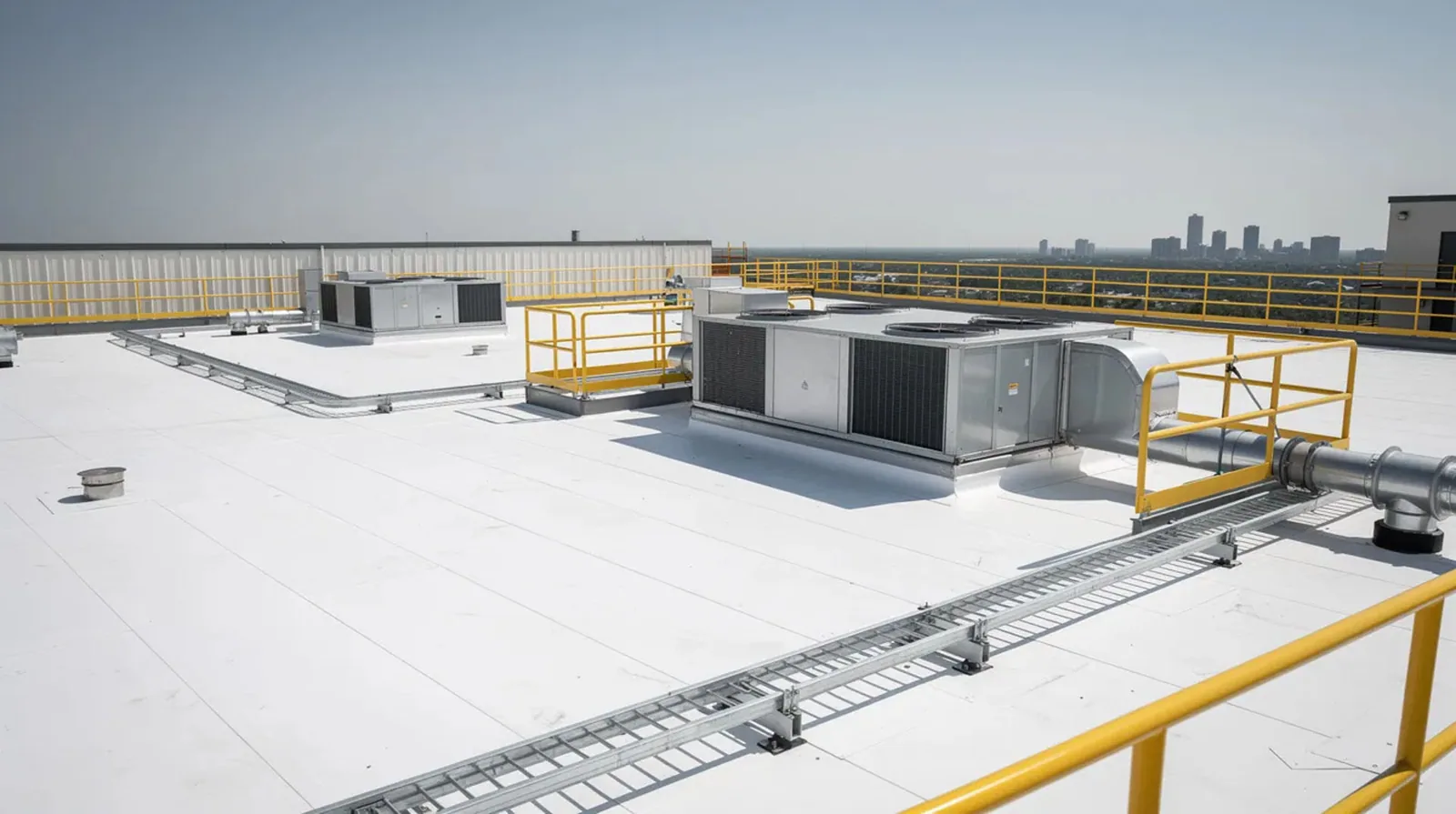
Roof details change as equipment is serviced and materials age. We check curb seals, pipe penetrations, counterflashing, pitch pockets, expansion joints, and metal terminations for separation or movement. A new HVAC line or cable can leave an unfinished penetration. A replacement unit may have a different footprint than its predecessor. We note those changes and identify where the roofing and mechanical scopes need coordination.

Edges deserve a separate pass. Wind can move loose coping or edge metal, while fastener corrosion and sealant failure can open a path at the perimeter. On metal roofs, oxidation and panel movement need to be considered before choosing a coating or sealant. We do not use a blanket caulk application as a substitute for identifying the failed connection. A perimeter and edge-metal review can detail repairs when coping, gutters, or downspouts need more than routine clearing. Work on occupied buildings is sequenced with the site contact to keep access routes and rooftop operations clear.

Use local context without assuming exposure

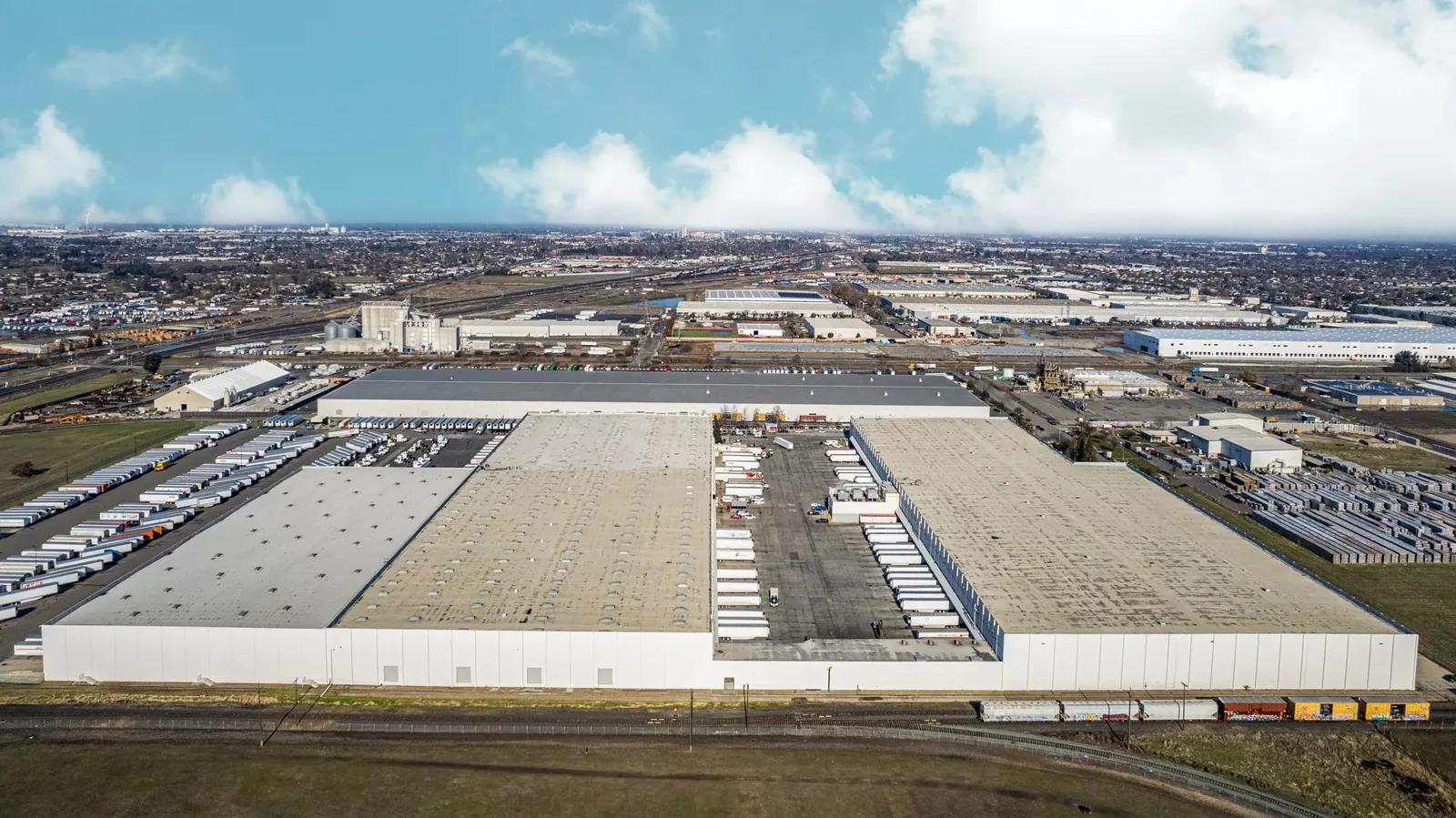
Oxnard’s planning record includes large commercial and industrial areas with different building uses. Sakioka Farms has distribution and cold-storage development, while Central Industrial Area uses include agricultural processing and vehicle or equipment repair. Those facts help us ask about loading, rooftop traffic, exhaust, and equipment access. They do not establish the roof type or condition at an individual address. The service plan follows the roof map and the facility’s operating schedule.

The city’s coastal program addresses hazards within mapped coastal areas, including sea-level-rise planning. That planning context only applies to properties in the designated zone. We inspect the parcel and roof rather than assuming all Oxnard roofs face identical conditions. When recent rain has been reported, we note the date and compare it with drain, seam, and interior observations. Any suspected moisture below the membrane needs confirmation. For a property in RiverPark or Camino Real Business Park, a building list and roof plan help keep maintenance findings assigned to the right structure.

Turn findings into planned work

The service report separates items that can be handled during routine maintenance from repairs that need pricing or approval. We identify active openings, deteriorated flashing, restricted drains, loose metal, and localized coating failure, then state what should happen next. A photo and field mark give the property manager a specific place to inspect. If a condition is stable, we can note it for the next service interval rather than overstating the urgency.

Timing depends on roof access, building hours, weather, equipment schedules, and whether a repair needs a dry surface. We coordinate a return visit for work outside the maintenance scope and provide the owner with the requested material or access details. Routine visits do not replace a full survey when widespread moisture or attachment concerns are suspected. A commercial roof repair can address a defined defect; a moisture survey can investigate areas that surface inspection cannot resolve.

Build a service history that holds up

A useful record shows the visit date, areas reached, conditions found, debris removed, work completed, and items left open. We use the same roof sections and reference points on later visits so an owner can compare notes. If a mechanical unit blocked part of the membrane, that limitation is recorded. The next crew can plan access instead of treating an unviewed area as clear.

Send existing roof plans, repair records, known leak locations, equipment schedules, and access rules before the visit. Tell us which tenants, loading zones, or production activities need protection. We will make a route and record that fits the building’s schedule, then return the findings with repair priorities. A repeatable maintenance program helps asset teams plan service intervals and budget work from observed conditions.

Set the next maintenance visit

Share the roof plans, equipment schedules, service records, and access contacts. We will map the route, record field conditions, and separate routine work from repair needs.

Common Questions

What gets checked during a maintenance visit?

The walk covers accessible seams, flashing, curbs, penetrations, roof edges, drains, scuppers, visible patches, and rooftop equipment interfaces. We record the sections reached and any access limitation. Debris removal and minor service tasks are listed separately from repairs that require a proposal or owner approval.

How often should our maintenance schedule change?

The interval follows roof condition, traffic, debris, equipment work, leak history, and the operating needs of the building. A newly installed roof may need a different service pattern than one with recurring drain restrictions or active repair areas. We use field findings to recommend the next check, then adjust when conditions change.

Will maintenance prevent every leak?

A service visit can find and correct visible issues before they develop further, but it cannot eliminate every concealed defect or future damage. We document what was inspected, what was repaired, and what remains uncertain. That record supports a practical next step instead of a promise that the roof cannot leak.

Can you maintain several buildings in one program?

Yes. We map each building separately, then group visits by access, tenant schedules, and work priorities. A shared report format makes the portfolio easier to review, while individual roof records preserve differences in assembly and condition.

What information should we send before the first visit?

Roof plans, prior service notes, leak locations, equipment schedules, and access requirements help set the route. Identify restricted areas, roof access procedures, and work hours that cannot move. If drawings are missing, we can begin by recording accessible sections and marking where the information is incomplete.

ServicesRoof SystemsProperty TypesIndustriesService AreasDamage RepairCapabilitiesManufacturersAboutRequest a Roof Assessment555-555-5555
Call555-555-5555