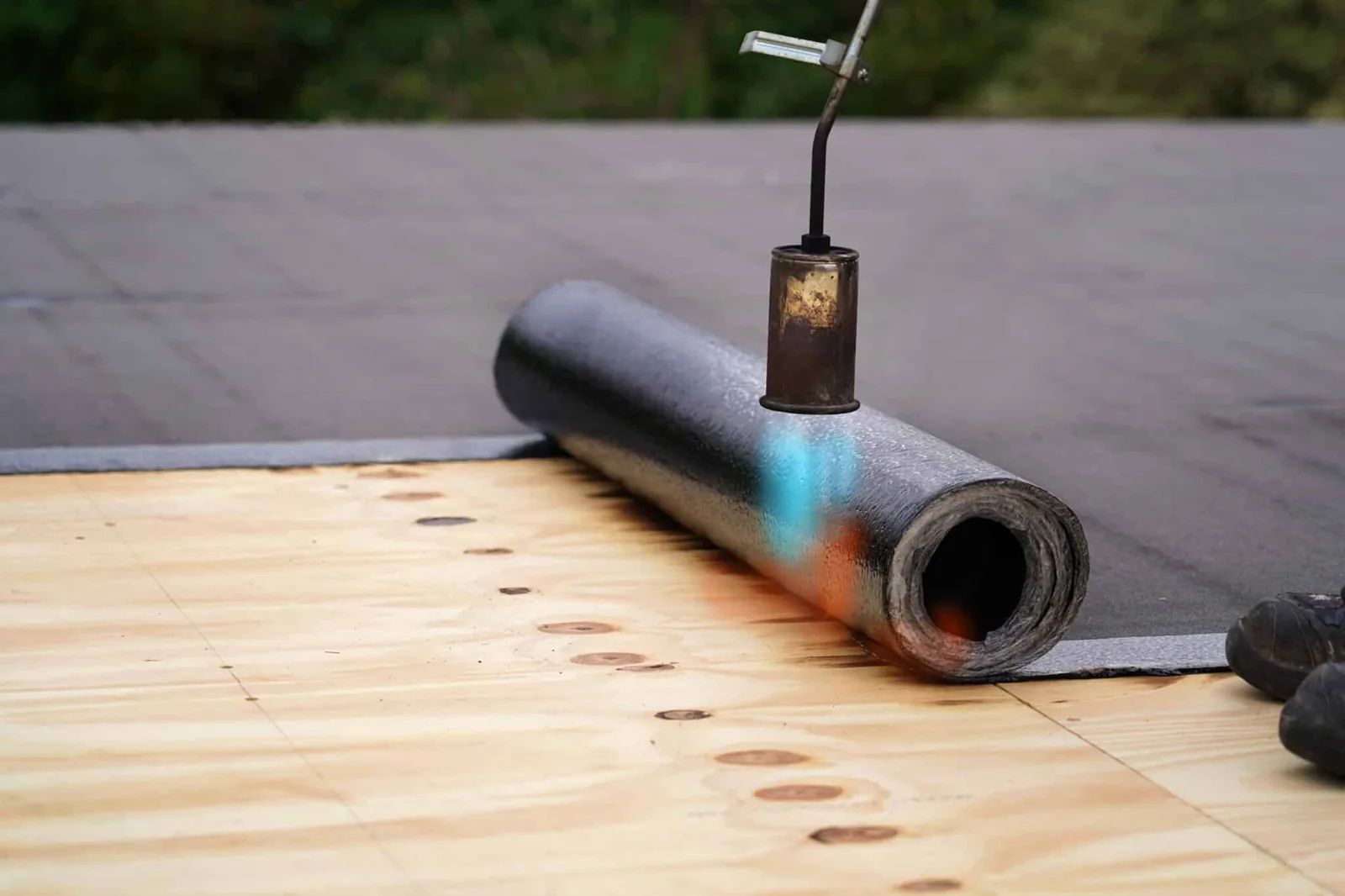
Commercial Roof Due Diligence Surveys

An acquisition roof survey begins with the asset file and the question the transaction needs answered. The review may cover a mixed-use property in Downtown Oxnard, a distribution building at Sakioka Farms, or a research and office asset near Camino Real Business Park. Those uses can affect access, but each roof has to be inspected on its own. We compare available plans, repair invoices, photographs, and leak reports with the visible assembly, then mark the conditions that could affect immediate work or future capital.

A useful survey makes the boundary of the inspection clear. It lists roof sections reached, areas blocked by equipment or access limits, system identification, observed defects, and tests needed to resolve concealed conditions. We separate a confirmed repair from a possible allowance and state which finding could change the scope. That gives the buyer, lender, and facilities team a field record they can review without treating an unknown layer as a known defect.

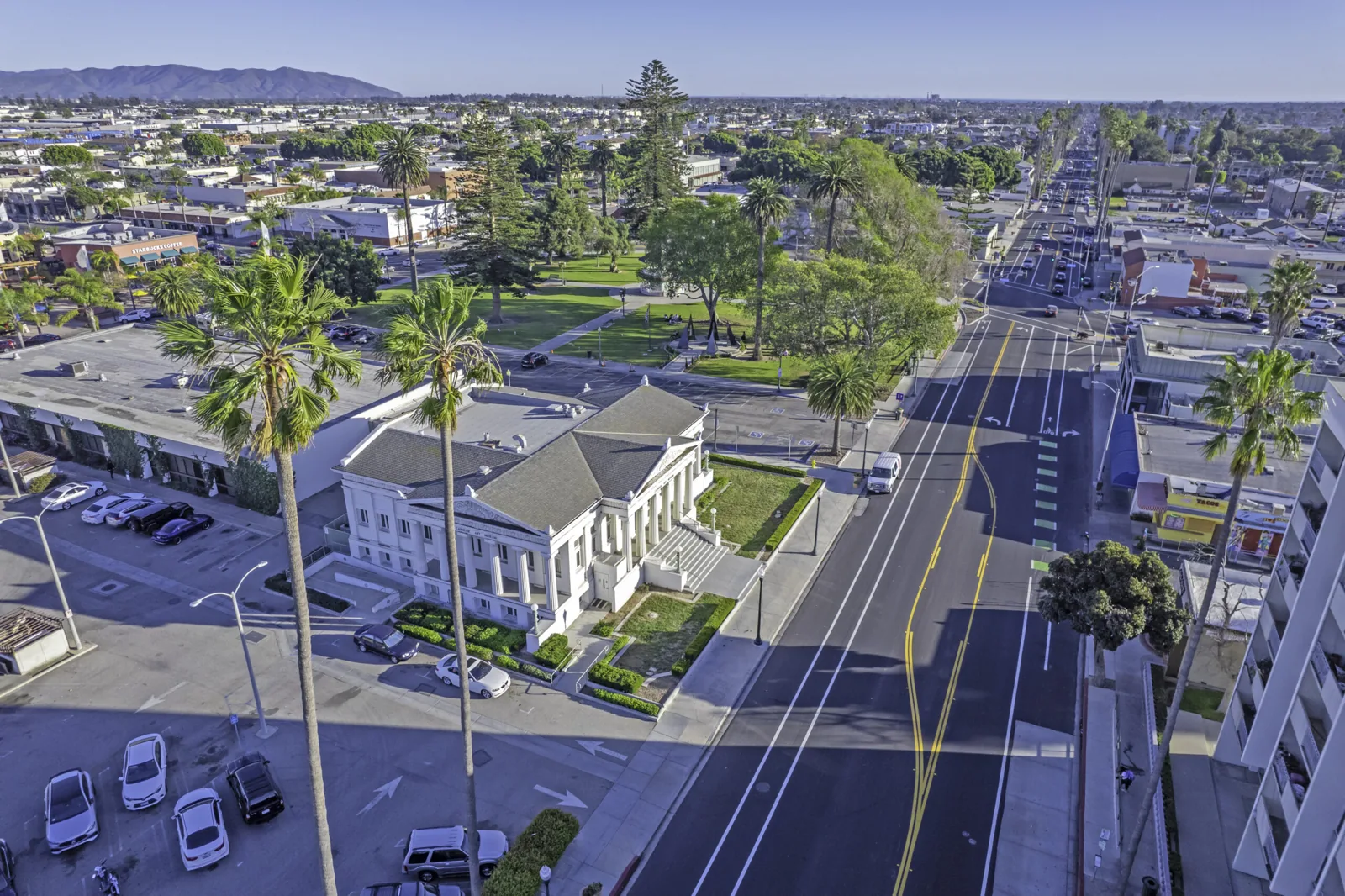
Commercial Roof Due Diligence Surveys in Oxnard, CA

Compare the property file with the roof

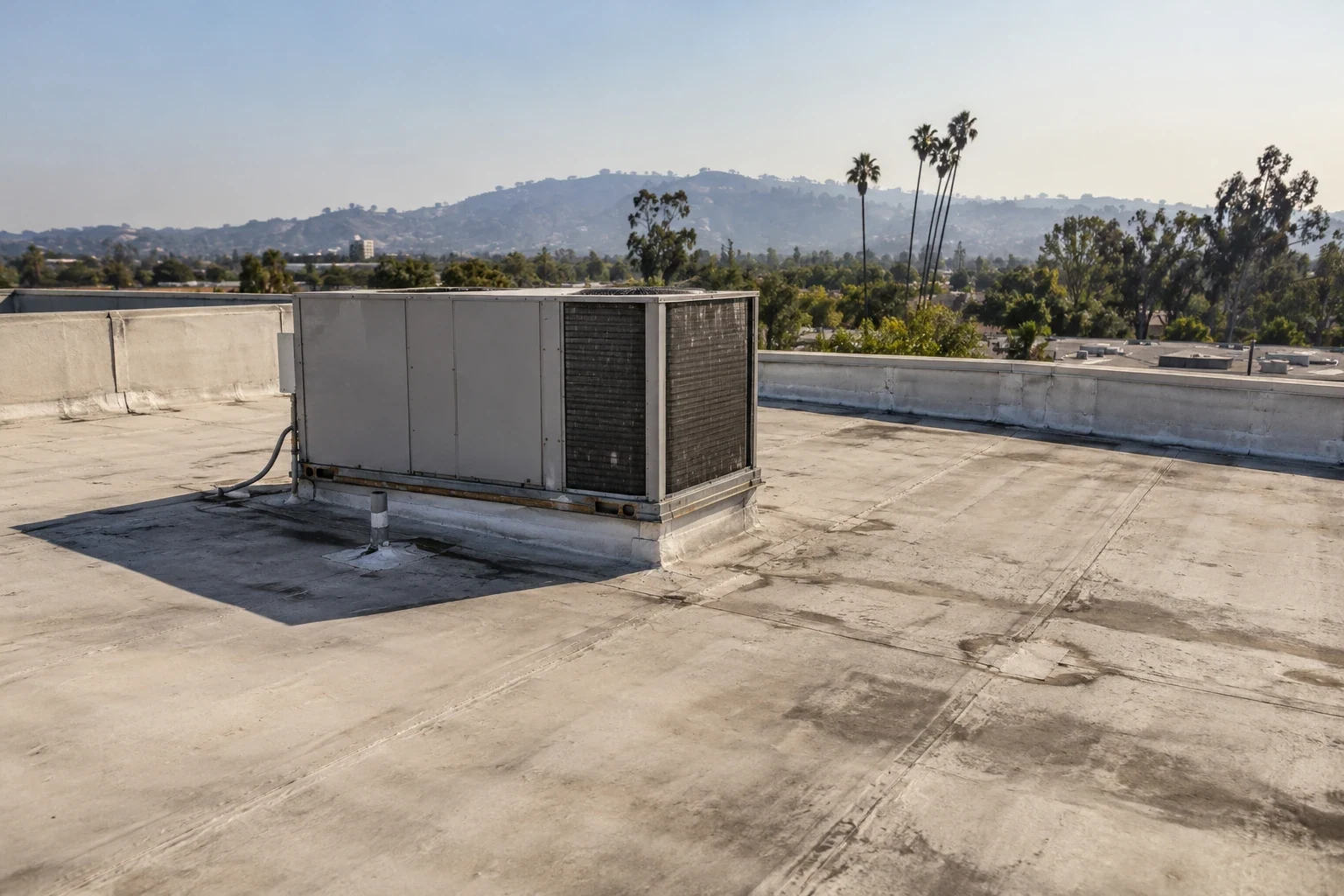
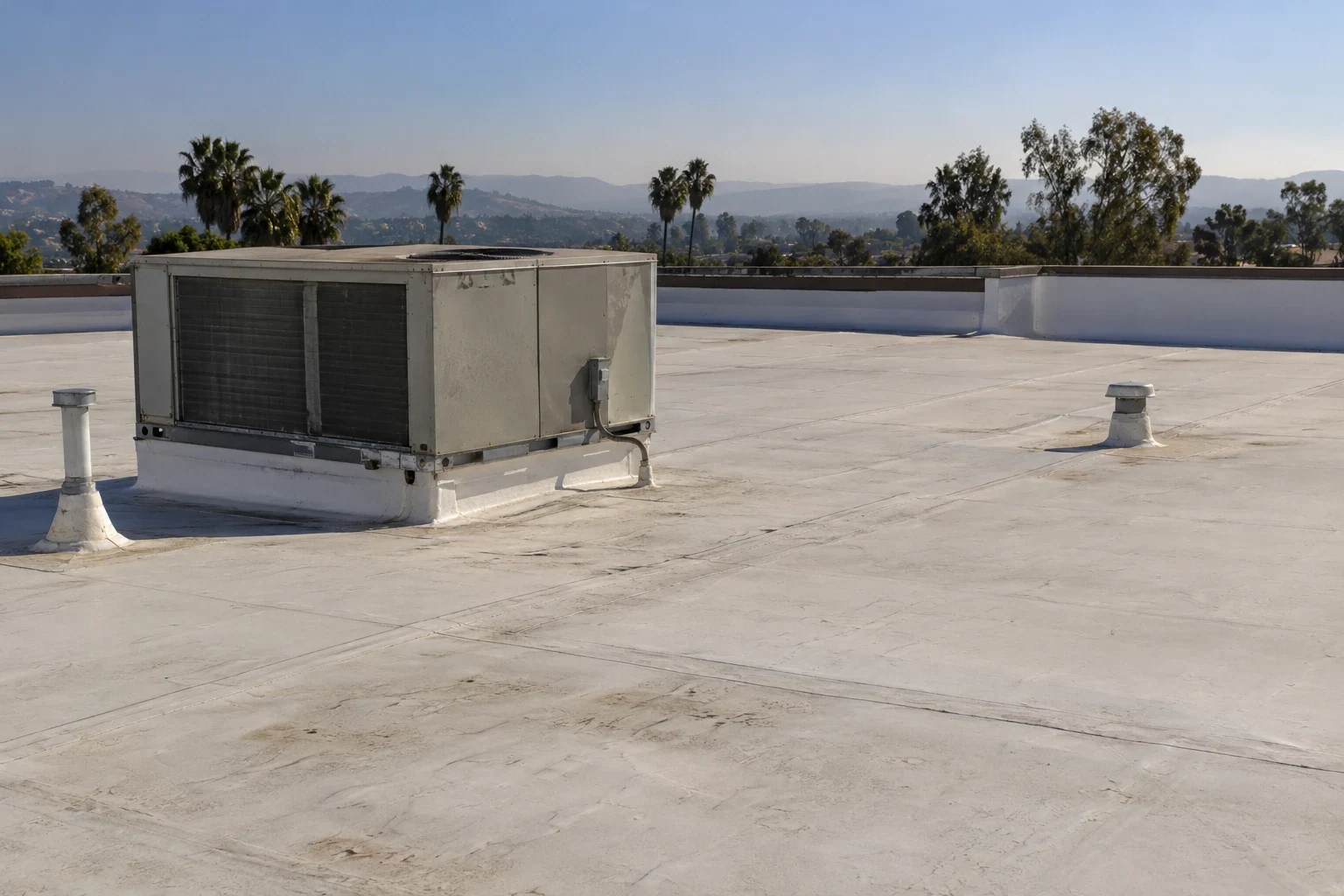
Start with the roof plans, prior condition reports, repair history, warranty file, tenant leak reports, and equipment schedule. We compare those records with visible section breaks, seams, curbs, drains, edges, wall transitions, and previous patches. A plan may omit a later addition, and a repair invoice may not name the roof zone. We mark each difference and identify whether another document, access visit, or test opening can resolve it.

For a property near Downtown Oxnard, mixed office and retail activity may require a different route for inspection than a warehouse near Sakioka Farms. Sakioka Farms Business Park includes operating distribution and cold-storage uses that can affect delivery and access windows. We use those operating contexts to confirm site access, then a hands-on inspection records each roof section’s assembly and condition.

For a sale or refinance, note who supplied each record and the period it covers. A recent invoice may document one repair without describing the rest of the roof. We tie it to its marked area and look for a closeout image or service entry that shows what was completed. If the file lacks that evidence, list the gap for the transaction team rather than converting a missing record into a negative roof finding.

Identify the assembly and concealed questions

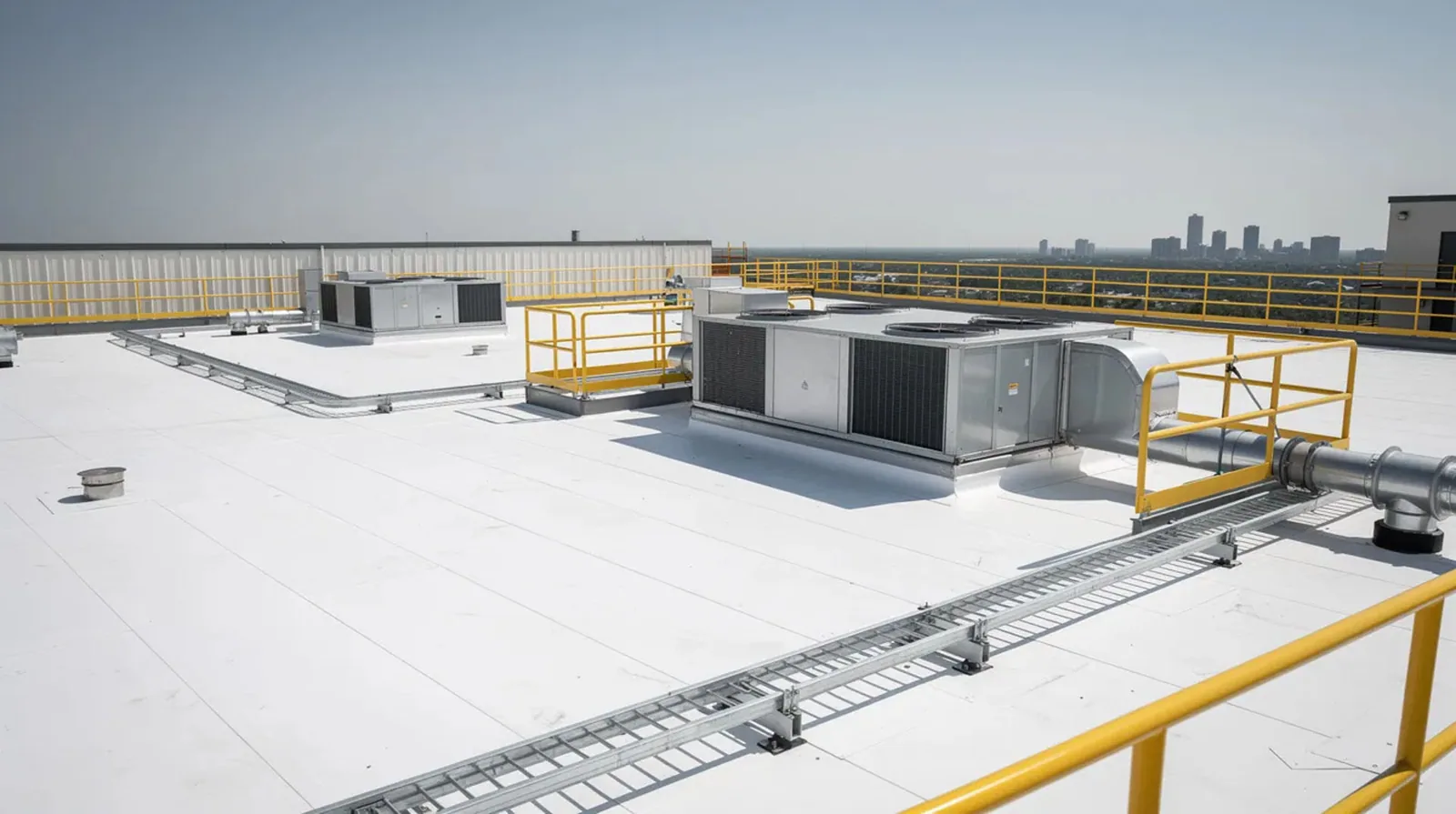
We identify the visible membrane, built-up surface, metal panels, coating, insulation transitions, and perimeter details before describing a repair. Additions can use different systems within one building. If the material cannot be confirmed from the exposed surface or available records, we say what remains unknown. A test cut can reveal layer count, attachment, and moisture at one location, but does not describe every section unless the inspection includes representative tests.

The report connects each test to a question: Is insulation wet? Does the deck support the proposed attachment? Does the removal boundary need to expand? Mark the location and restoration method before opening the roof. A condition report can store the image and test result with its field mark. A TPO system and a modified bitumen assembly have different seams and flashing, so material assumptions should not carry between roof zones without confirmation.

Sort urgent repairs from future allowances

Active water entry, loose perimeter metal, failed flashing, and restricted drainage may need near-term correction. Other findings may be suitable for maintenance or monitoring when the assembly is stable. We state the condition and consequence that support each priority. If an unverified moisture indication could alter the recommendation, keep testing separate from confirmed repair quantities so an acquisition budget does not imply that removal is already required.

Cost and timing depend on access, repair preparation, material compatibility, removal depth, insulation, drainage, edge transitions, interior protection, and work hours. A capital plan can compare near-term work with replacement options. investment ownership teams can use the marked findings to review an allowance, while facilities staff retain the details needed to schedule work. If a seller's repair record cannot be reconciled with field conditions, state that gap rather than assigning a replacement date from document age alone.

Where a buyer needs a near-term transaction estimate, identify which scope can be priced from the walk and which depends on testing, permits, or another trade. Keep assumptions about removal, access, and occupied space in the same record as the repair quantity. A defined hold point can preserve the buyer's ability to approve additional work after the concealed assembly is exposed.

Keep local planning facts tied to the parcel

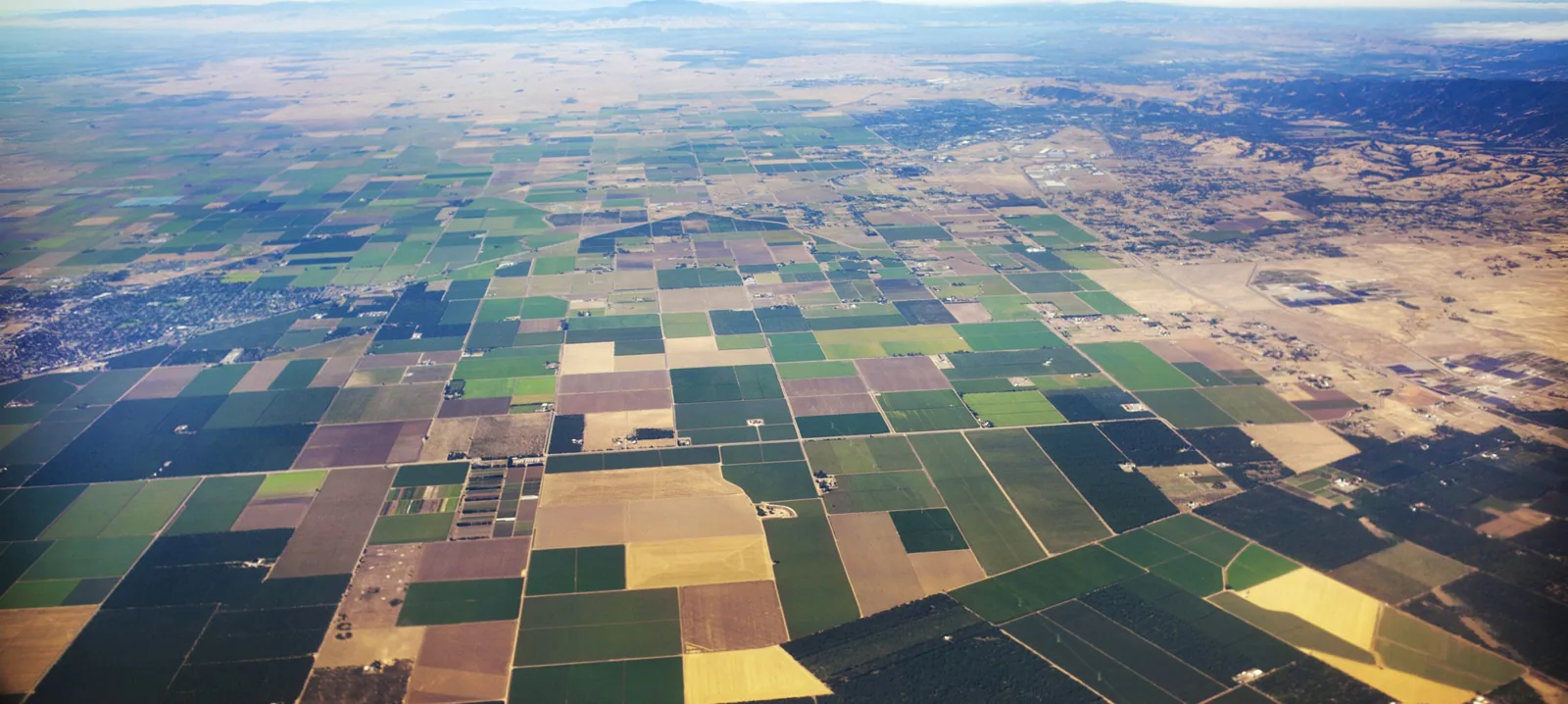
Oxnard's General Plan distinguishes industrial, commercial, downtown, and Business and Research Park areas. Camino Real supports office, manufacturing, research, and limited commercial uses, while the Central Industrial Area includes agricultural processing and equipment repair. That local mix helps explain why access and operating schedules can differ from one transaction asset to the next. It does not establish material, roof size, or condition, which require direct observation.

Oxnard's Local Coastal Program identifies hazards and adaptation policies within the mapped coastal zone. Check the parcel before applying that context to an acquisition. The coastal designation does not determine whether a roof needs repair or what its assembly contains. The Oxnard station's August 2023 total reached 1.77 inches during Hilary, its highest August amount on record. That dated rainfall record can prompt a drainage review, but the survey relies on actual low points, drains, overflows, and reported conditions at the building.

Deliver a report with limits and next steps

The deliverable should identify the property, roof sections inspected, access limitations, assembly, findings, photographs, test locations, repair priorities, and open questions. State whether a recommendation is based on visible condition, owner records, or a test. If the inspection does not include destructive testing, identify the concealed layers that could change the scope. That lets a buyer or lender distinguish the observed condition from an assumption included for budgeting. The survey also names the access assumption, evidence gap, and condition that could change the estimate.

Send the transaction date, roof plans, prior inspection records, maintenance history, current leak reports, equipment schedule, access contact, and required report format. We can focus the walk on the decision deadline and return the conditions by building section. For refinancing, acquisition, or sale, asset records can preserve the field map and follow-up tasks after transaction teams change. Before closing, designate who approves access and testing while seller contacts remain available. The report can then serve as an operating handoff after funding, with clear repair limits instead of a broad condition label.

Schedule a transaction roof survey

Send the property file, roof plans, transaction date, repair records, access contact, and required report format. We will inspect the assemblies and return marked findings, limitations, and next actions.

Common Questions

Can the survey confirm the roof's remaining life?

It can document current conditions, recurring defects, maintenance history, and questions that affect a service-life estimate. We do not assign an exact end date without evidence and stated assumptions.

What if the seller has no roof plans?

We map accessible sections during the field walk and state any unknown areas. The report can identify what additional records or testing would resolve assembly questions.

Will a survey price every concealed repair?

No. We define the visible work and separate testing or allowances for conditions that remain concealed. The report identifies what result could change removal quantity or material selection.

Can the roof be inspected before refinancing?

Yes. Share the lender's timing and required format, along with plans, repair records, and access contacts. We will map the inspected areas and any limitations.

How do you report an unverified moisture indication?

We mark the location and state what the indication can and cannot establish. A focused test can confirm the layers and moisture at that point before a larger scope is set.

ServicesRoof SystemsProperty TypesIndustriesService AreasDamage RepairCapabilitiesManufacturersAboutRequest a Roof Assessment555-555-5555
Call555-555-5555