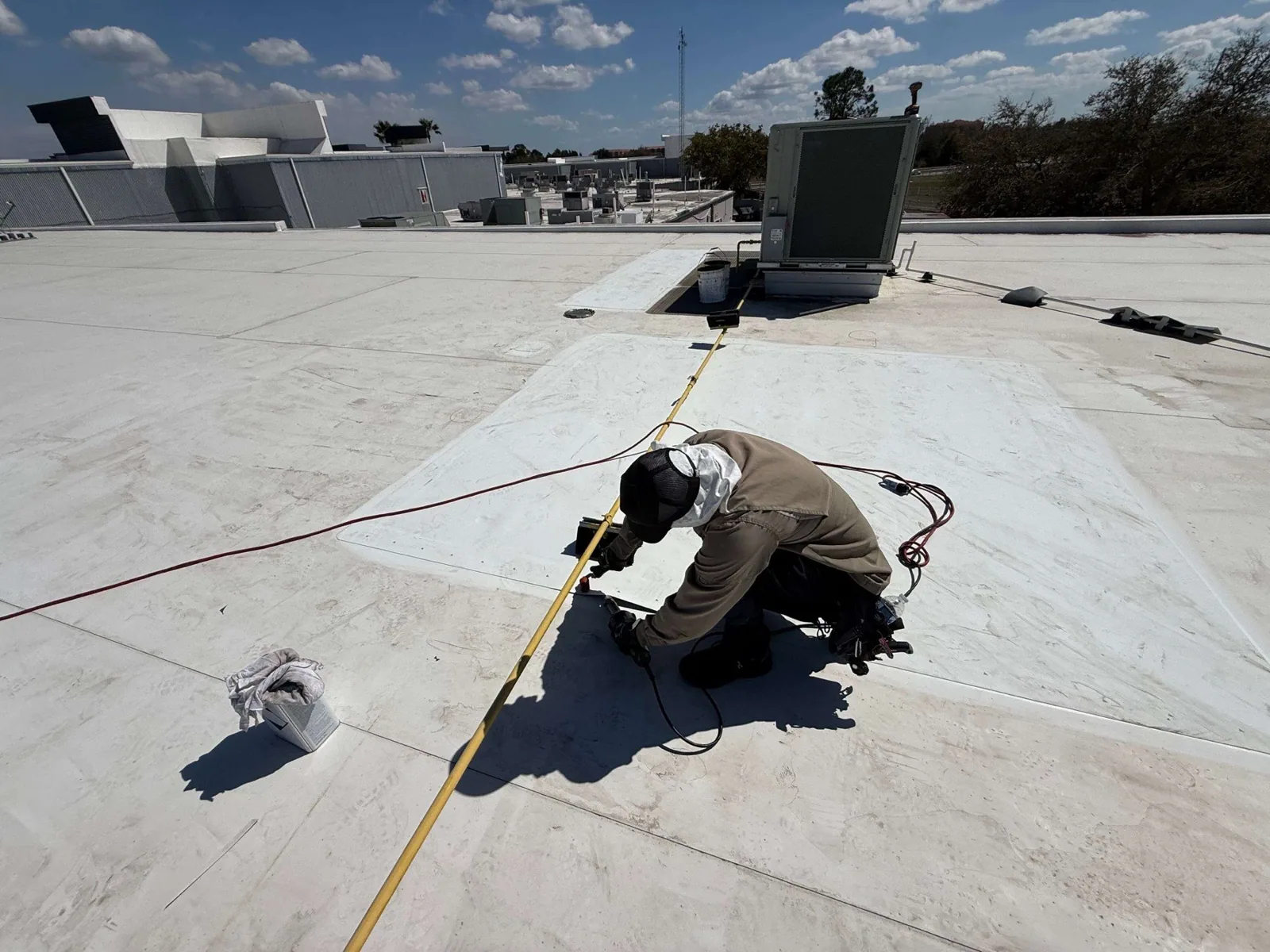
Commercial Roof Asset Management

A roof register earns its place when a facility manager can use it to find a field mark and decide what happens next. Across Oxnard, a portfolio may include a distribution roof at Sakioka Farms, an office or research building near Camino Real Business Park, and a commercial property downtown. Those uses create different access needs, while the roof assembly and condition remain building-specific. We connect the map, inspection findings, photographs, work orders, and service dates so the next visit starts with a usable record.

Asset management is more than a list of addresses and roof ages. A useful file distinguishes observed defects from assumptions, names inaccessible areas, tracks temporary protection, and records repair material and follow-up. It should show which roof needs a response now, which needs a scheduled correction, and which remains on a monitoring interval. We use field marks and section breaks to keep separate buildings and additions from blending into one portfolio score.

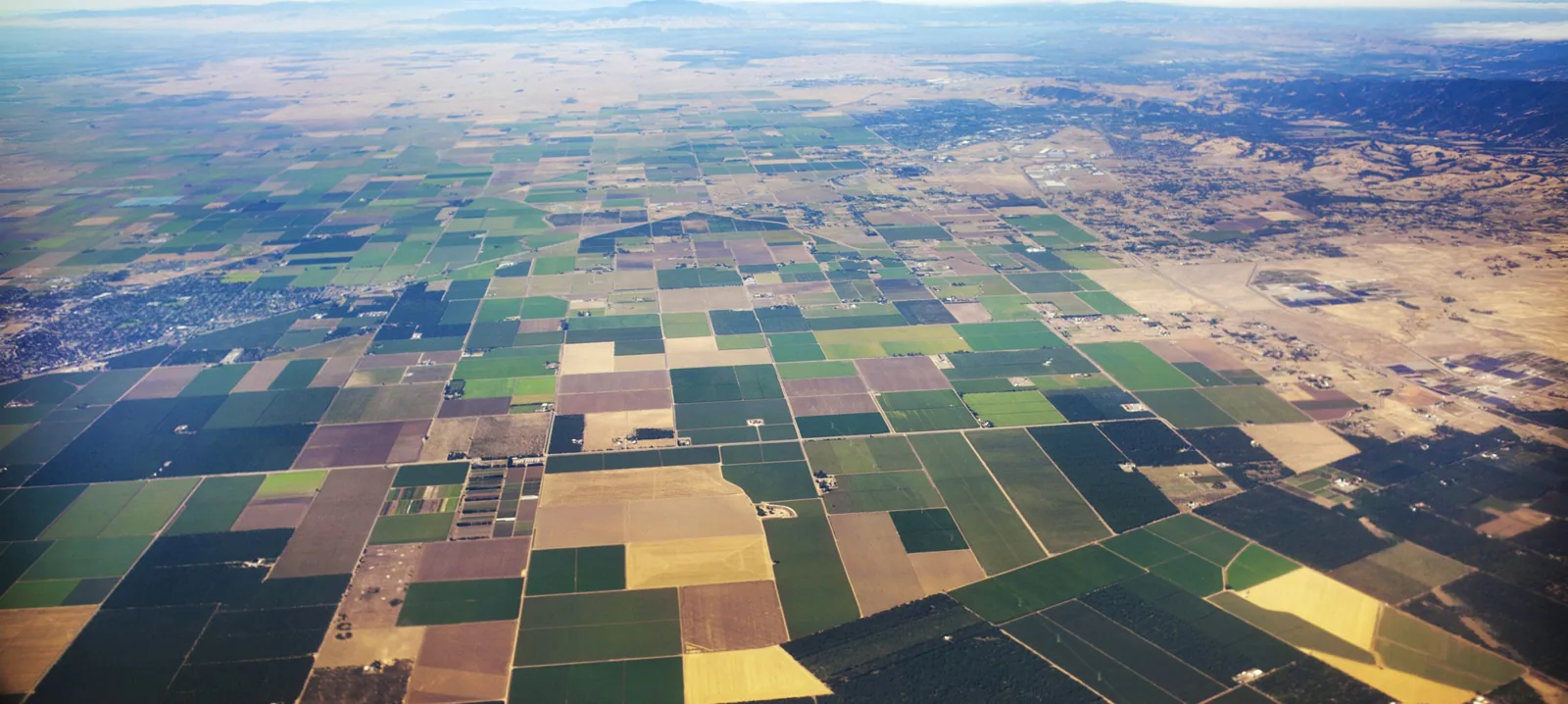
Commercial Roof Asset Management in Oxnard, CA

Build the register around roof sections

Start each record with the property identifier, building name, roof area, access point, known assembly, equipment zones, and person who can release entry. Add plan references for drains, low points, parapets, penetrations, and section breaks. If a building has several elevations or additions, give each one a separate roof identifier. The plan should show where a photograph or repair note belongs, not just list a total area for the parcel.

Oxnard's General Plan distinguishes downtown, commercial, industrial, and Business and Research Park designations. Sakioka Farms has operating distribution and cold-storage uses; Camino Real Business Park supports office, manufacturing, research, and limited commercial activity along U.S. 101. These facts help shape delivery and access questions, but do not establish roof type or condition. A Sakioka Farms property record and a Camino Real asset entry still need separate maps, contacts, and field findings.

Use consistent labels for assembly, section break, issue type, urgency, and disposition so reports can be searched across the portfolio. Preserve the original observation when a repair changes its status, then add the completion date and a new photograph. This gives the next manager a traceable history instead of replacing an open item with a vague mark that it was handled.

Tie each repair to a field mark

A repair history should identify the roof zone, defect, material, preparation, date, photo reference, and any test or limitation. Record temporary dry-in separately from permanent correction. If equipment work disturbed flashing, add the trade activity and follow-up inspection. A later leak report can then be compared with the same curb, seam, drain, or wall transition instead of being treated as an unrelated complaint.

Our photo-backed condition record connects field observations with repair priorities. A hands-on roof inspection can map accessible areas and name what was not reached. If infrared readings suggest moisture, keep that indication separate from a confirmed wet assembly until a test cut or other investigation resolves it. The asset file should preserve the test location and results so a future manager understands why the work boundary changed.

Set priorities by condition and consequence

An active opening, loose edge metal, restricted drain, and a stable coating wear area do not carry the same urgency. We sort findings by observed condition, water entry, interior consequence, and risk of further assembly damage. The priority note states its basis and the next action. If hidden layers could alter the recommendation, list the test needed before assigning a larger repair allowance.

A localized seam split with sound material around it may be a focused repair. Repeated failures, broad moisture, weak attachment, or deck concerns can require testing or replacement planning. An asset manager can use capital planning to compare the repair need with other building decisions. A maintenance visit can return to low points, drains, curbs, edges, and previous patches on a defined service interval. Those actions should remain specific to each roof, not rolled into a single portfolio condition label.

Repair cost and timing depend on the access route, preparation, material compatibility, area exposed, insulation replacement, edge adjustments, and the time available before the building must be dry. Record those drivers beside the recommendation, including any assumption about concealed layers. If a test changes the work boundary, update the quantity and approval status while retaining the original field mark. That lets ownership compare a small correction with a larger capital option without losing the basis for the decision.

Keep service intervals tied to the roof

Choose the next review date based on assembly, observed wear, prior repairs, access, and the consequence of a missed condition. At the next visit, compare the same field marks and photographs, inspect newly reported areas, and note whether equipment or tenant work changed the roof. A calendar reminder without a map often sends the next inspector back to the wrong location.

Hilary’s August 2023 rainfall totaled 1.77 inches at the Oxnard station, setting that gauge’s monthly mark. Keep the date beside each building’s outlet checks, low-point marks, and water reports so a portfolio review compares roof-specific records. A multi-building roof program can standardize the fields while allowing each location's access window and service interval to reflect its own use.

Make the handoff clear when teams change

Property files move between owners, facility managers, tenants, and contractors. Keep roof plans, warranties, repair photos, approval history, equipment schedules, access contacts, and unresolved tests with the building identifier. When a manager leaves, the next contact should know which repair was temporary, which is complete, and who needs to approve permanent work. Retain the details that support a decision, not a vague label such as fair condition.

A transition checklist can flag missing records before they become urgent: unlocated roof plans, incomplete closeouts, warranties without service history, and repairs with no follow-up date. We can compare available records with field conditions and mark which items need a walk or test. The asset file then separates a missing document from a roof defect, so the next budget review does not price work based on a gap in the paperwork.

For a portfolio review, send the building list, available plans, current leak reports, prior work orders, access instructions, and upcoming equipment projects. We can inspect the roofs, reconcile field conditions with the register, and identify missing documentation. The result gives ownership a clean list of urgent work, planned maintenance, and unknowns that need testing. Each proposed action points back to a marked roof section and the evidence gathered there.

Bring your roof records into the field

Send the building roster, roof plans, work orders, leak history, equipment schedule, and access contacts. We will inspect the sections, connect findings to field marks, and organize the next actions by building.

Common Questions

What belongs in a commercial roof asset record?

Include building and roof identifiers, known assembly, plans, field marks, photographs, repair history, access limits, open tests, and the next service date. Keep multiple roof sections distinct.

Can you set up records for buildings without roof plans?

Yes. We map accessible sections during the inspection and label the limits of the survey. The first record can identify what drawings or testing would improve later decisions.

How should temporary leak protection appear in the history?

List the protected area, material, installation date, inspection interval, and permanent work still required. Do not record temporary cover as a completed repair.

Can one priority scale work across several roof types?

A shared set of priority fields can help compare work, but each score should cite the observed condition, consequence, and assembly-specific action for that building.

What should happen when a roof record conflicts with field conditions?

We mark the difference, photograph the visible assembly, and identify any test needed to resolve it. The register should preserve the updated finding and the reason for the change.

ServicesRoof SystemsProperty TypesIndustriesService AreasDamage RepairCapabilitiesManufacturersAboutRequest a Roof Assessment555-555-5555
Call555-555-5555