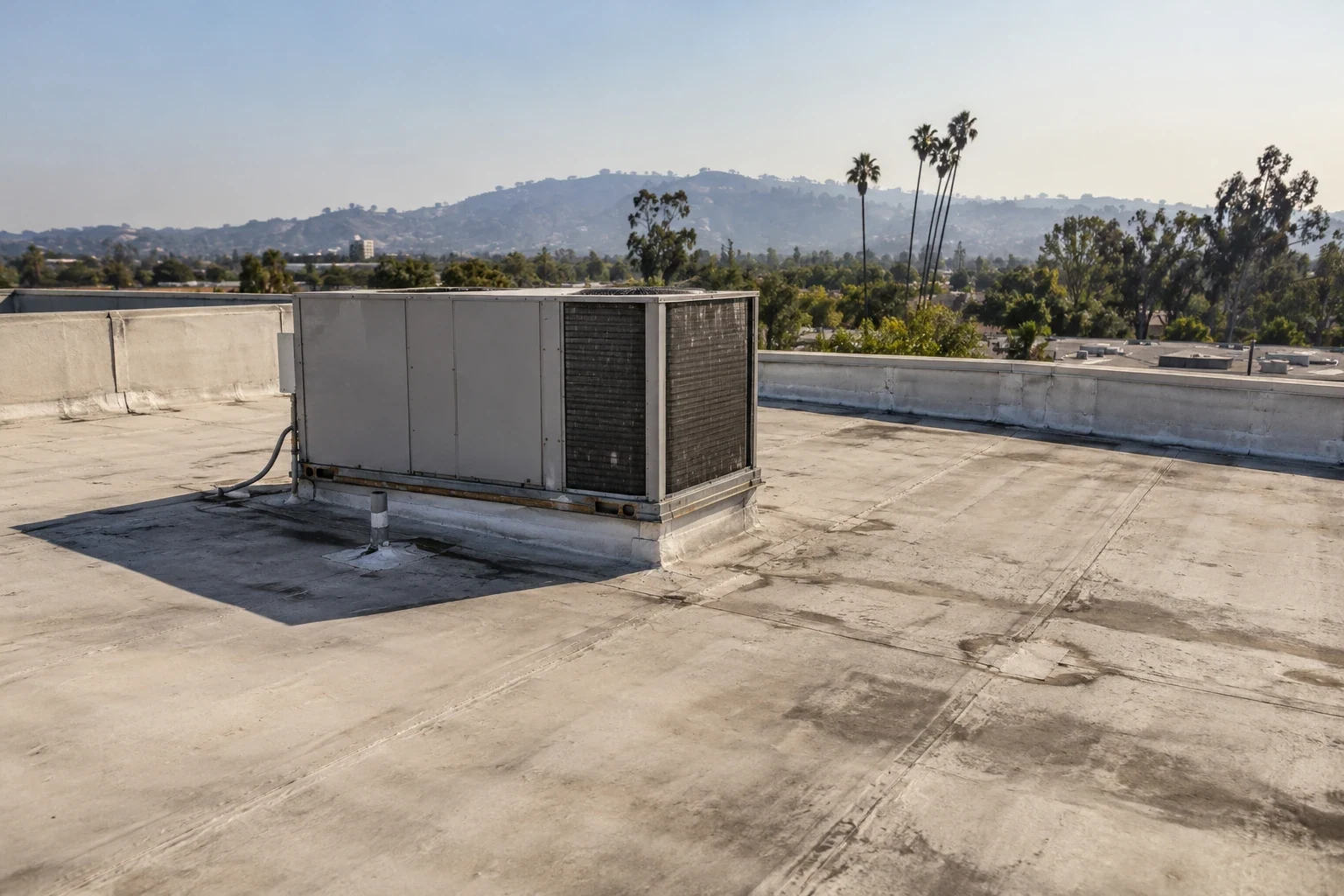
Commercial Roof Capital Planning in Oxnard, CA
Prepare a roof capital review
Commercial Roof Capital Planning
A roof capital forecast changes when the condition report distinguishes a repairable detail from a wet assembly. For an Oxnard portfolio, that difference can affect a downtown commercial building, a distribution property at Sakioka Farms, or an office and research property near Camino Real Business Park. The local use shapes access and project sequence, while the roof assembly determines the scope. We inspect the building, mark the conditions, and prepare alternatives with the assumptions visible so ownership can compare maintenance, repair, testing, and replacement.
A useful plan separates work that can proceed now from choices that depend on future testing or funding. It identifies the affected roof area, observed defect, consequence of waiting, likely preparation, and decision date. Cost drivers should be tied to quantities and access, not a generic allowance attached to a roof age. When concealed layers remain unknown, the plan carries a testing item and an approval point instead of treating an estimate as a confirmed repair scope.
Build the forecast from marked conditions
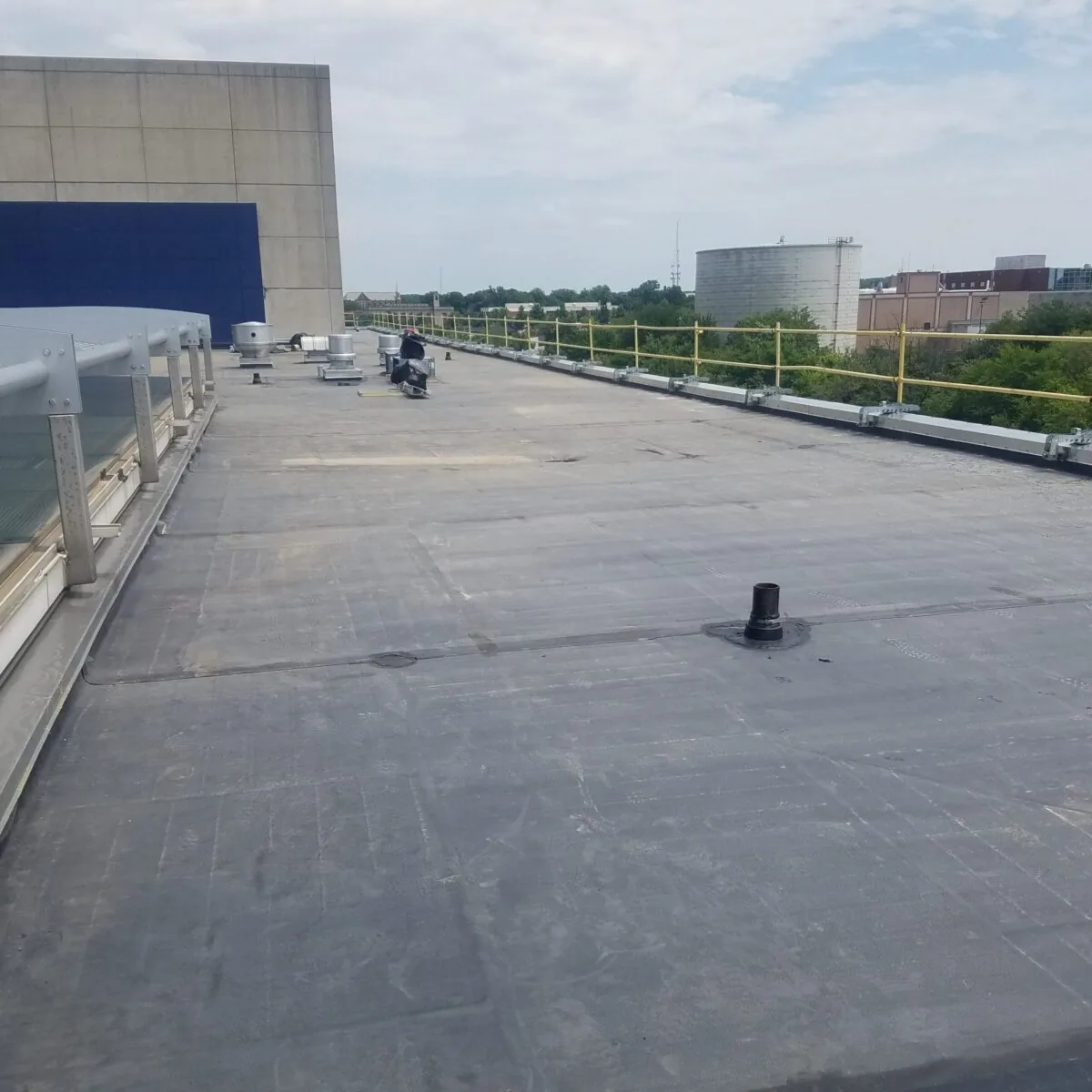
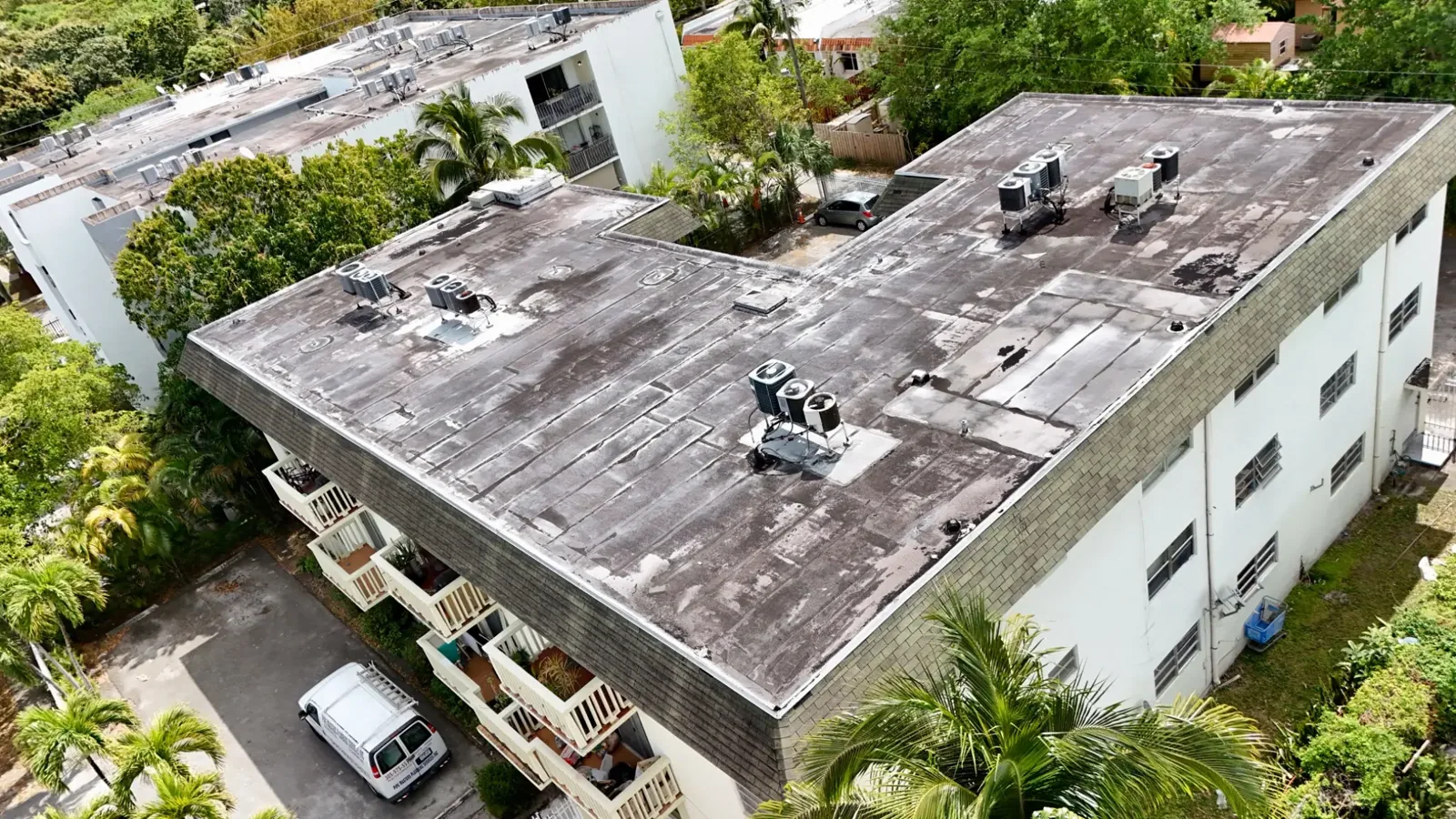
Start with a hands-on inspection and the records already in the building file. We compare roof plans, repair invoices, leak reports, equipment work, and visible field conditions. Each finding receives a location, photograph, assembly note, and recommended action. If the inspector could not reach an area, name the access restriction. If moisture below the membrane could change the repair, list the test and the boundary it could affect.
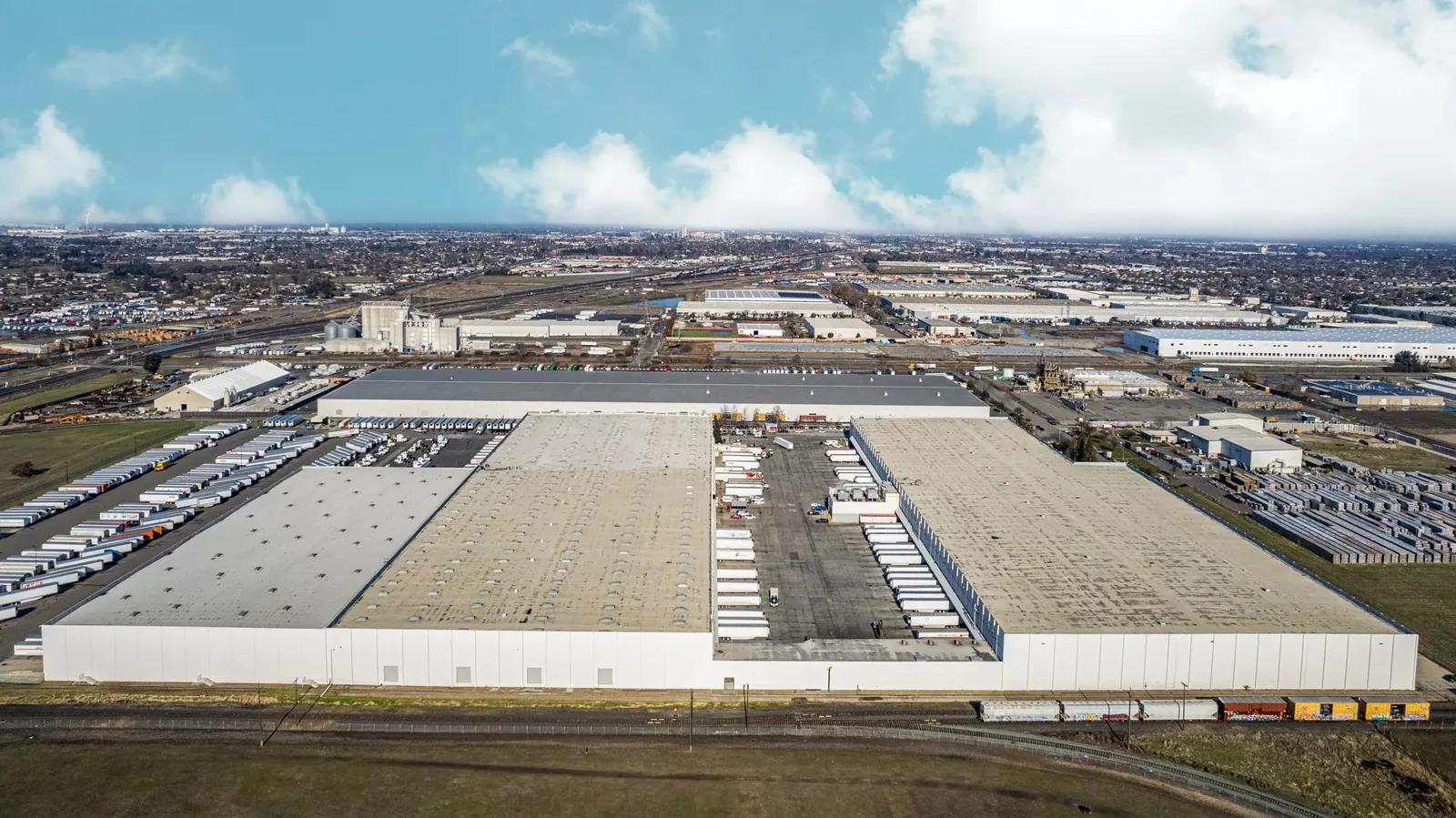
At Sakioka Farms, operating distribution and cold-storage uses shape delivery requirements. The Central Industrial Area has a wider heavy-industrial mix, including vehicle and equipment repair, agricultural processing, and outdoor storage. These activities can change staging windows, while inspection marks and tests establish the roof condition at each property. A Sakioka Farms building and a Central Industrial Area property should each receive a field-marked roof map and their own approval schedule.
Compare repair, recover, and replacement
A focused repair may suit a localized split, puncture, or failed flashing when the surrounding assembly remains sound. Repeated seam failure, broad moisture, weak attachment, or deck concerns can make testing or replacement more appropriate. A recover requires review of layer count, moisture, attachment, drainage, and added height at curbs and parapets. We identify what each option leaves in place and what field result could change it.
A replacement scope should account for tear-off limits, insulation, cover board, drains, penetrations, edge metal, daily dry-in, and occupied-building restrictions. Material handling, lift access, removal depth, and after-hours work can change both timing and cost. Replacement planning separates the base scope from concealed-condition allowances. If a roof section can remain in service after repair, scheduled maintenance may keep its findings visible while another building moves into a larger capital project. The recommended option stays specific to the roof condition and its work window.
For an occupied property, sequence matters as much as system choice. We identify which section can be closed, how much material can be removed before the shift ends, and what protection keeps the building dry overnight. A facility manager can compare that sequence with tenant or production schedules before choosing between a phased repair and a larger project.
Set the order by risk and access
Urgent water entry, loose edge metal, and restricted drainage may need attention before a planned reroof. Other roofs may be stable enough for testing or a later budget year. We sort the work by observed condition and consequence, then test how the schedule interacts with tenants, deliveries, equipment, and weather protection. The forecast should name the building and zone rather than treating a parcel as one roof.
For a project near Downtown Oxnard, commercial and mixed-use activity can affect staging and pedestrian controls. At Sakioka Farms, distribution and cold-storage operations may set truck and delivery windows. A field inspection can confirm the current limit and note what changed since the last survey. An image-linked condition report keeps the schedule tied to field evidence, while an asset record preserves the decision history across managers and budget cycles.
Show the assumptions behind each allowance
Every estimate depends on a defined area and method. We identify the roof section, proposed material, preparation, removal depth, insulation needs, flashing details, drainage work, access equipment, and dry-in sequence. A number without those assumptions is difficult to compare with another bid or year. List excluded work and identify whether equipment, interior protection, permit review, or testing sits in another budget line.
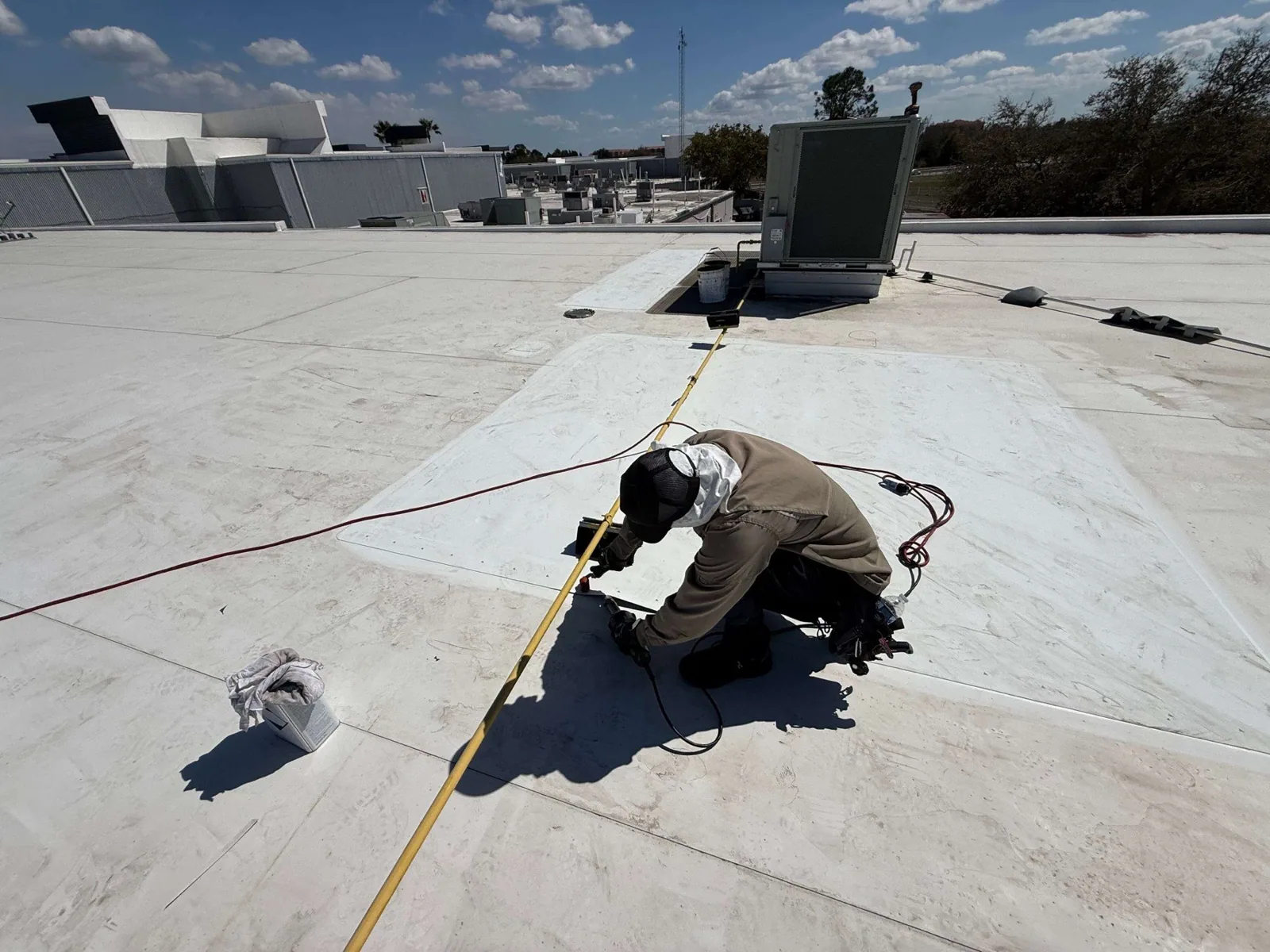
Where a test cut may expose wet insulation or damaged decking, price the known test separately from potential removal. The forecast can state the expected decision point and how additional quantity will be reviewed. A TPO assembly has different welding and flashing details from other systems, so the proposed materials must match the observed roof. For portfolio owners, investment teams can compare the documented risk and timing across assets, while facilities staff retain authority over access and project approval.
Refresh priorities when the roof changes
A capital plan is a working file. Update it after a leak, emergency cover, mechanical replacement, test cut, tenant improvement, or completed repair. Record whether the roof condition improved, whether the work boundary changed, and which action remains open. If a section is stable after repair, its next inspection date can differ from a nearby area with repeated moisture or a low point that needs monitoring.
During August 2023, the Oxnard station measured 1.77 inches of rain as Tropical Storm Hilary passed, setting that station's August monthly record. Compare the date with service entries, then update the capital plan from current drain, scupper, and overflow conditions. Oxnard's Local Coastal Program addresses hazards and adaptation for properties inside the mapped coastal zone. Confirm the parcel before connecting those policies to an individual asset; keep that review distinct from its measured roof condition and project cost.
Connect the next project to an owner decision
For each capital item, identify the person who approves investigation, the person who accepts the scope, and the date by which a decision is needed. State whether the building can be partially closed, whether after-hours access is available, and who coordinates mechanical trades. The project sequence should identify a daily stop point and the condition that would require a change order or second approval.
Send the property roster, available roof plans, recent inspections, repair history, current leak reports, equipment schedule, funding window, and access contacts. We will inspect the roofs, mark work zones, and return options that distinguish known repairs from testing and future allowances. Each recommendation should be traceable to a field observation and useful to facilities, finance, and ownership. A building's budget line should not hide an unknown assembly or an unresolved water path.
Related Roofing Work
More from Roofing Capabilities and nearby services
Prepare a roof capital review
Send the property list, roof plans, inspection records, repair history, current leak reports, equipment schedule, and funding dates. We will map conditions and return repair, testing, and replacement choices by building.
Common Questions
Can a capital plan estimate replacement timing?
It can identify current condition, repair history, and decision points that affect timing. We do not set a precise replacement date without field evidence and clearly stated assumptions.
How should concealed moisture appear in the budget?
List testing as a defined item and separate possible removal from confirmed quantities. State who reviews the result and approves any expanded work boundary.
Can one budget compare several different roof systems?
Yes, if each option names its building, assembly, quantity, preparation, access, and tie-in details. The comparison should preserve differences between systems rather than apply one rate to all roofs.
What changes the timing of a roof project?
Access windows, tenant or production activity, material handling, roof area exposed per shift, equipment work, and substrate findings can change the sequence. We put those drivers in the scope.
When should the plan be refreshed?
Update it after a leak, repair, test, equipment project, or change in access. New photographs and field marks help the owner see which assumptions remain valid.