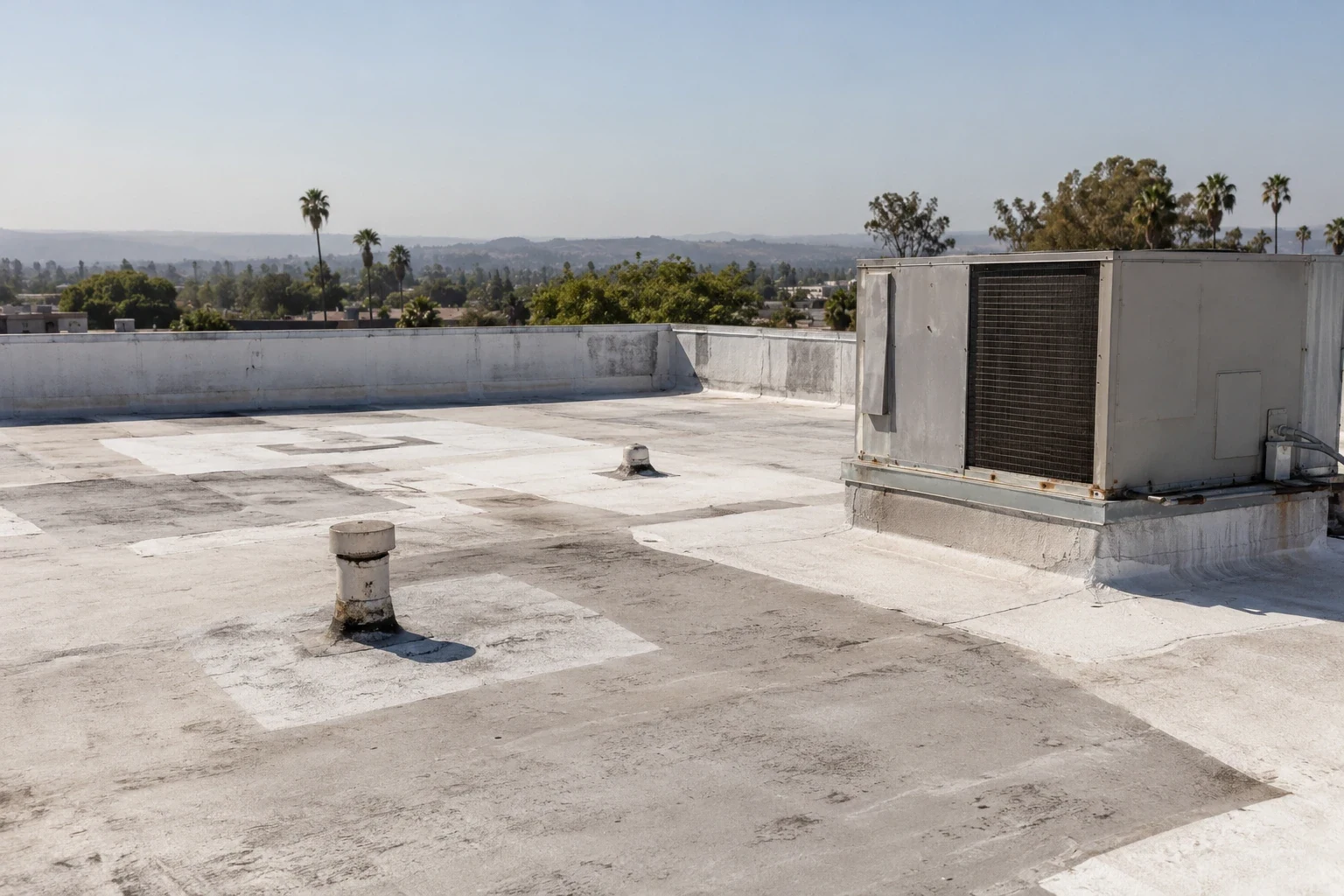
Multi-Site Commercial Roof Programs

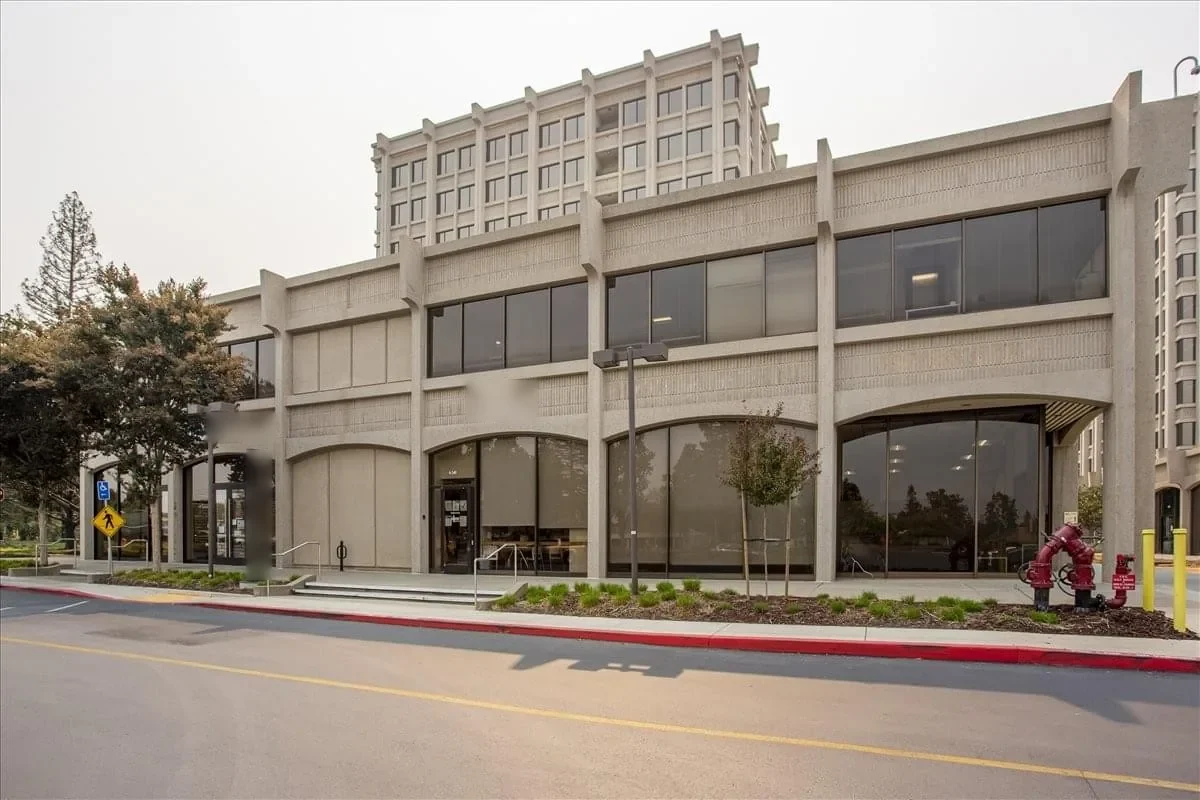
A multi-site roof program needs one operating format and separate building findings. An Oxnard owner may manage a distribution property at Sakioka Farms, a mixed-use building downtown, and an office or research site near Camino Real Business Park. The access route, tenant schedule, and roof assembly differ at each address. We use shared field labels for condition, priority, repair, test, and follow-up, while keeping maps, photographs, and scope decisions attached to the building where they were observed.

This structure helps an asset manager see the portfolio without flattening its differences. One site may need emergency protection; another may be ready for planned maintenance; a third may need a test before replacement can be priced. The schedule groups work by urgency and access, but the recommendation stays tied to the roof section, material, and operating window.
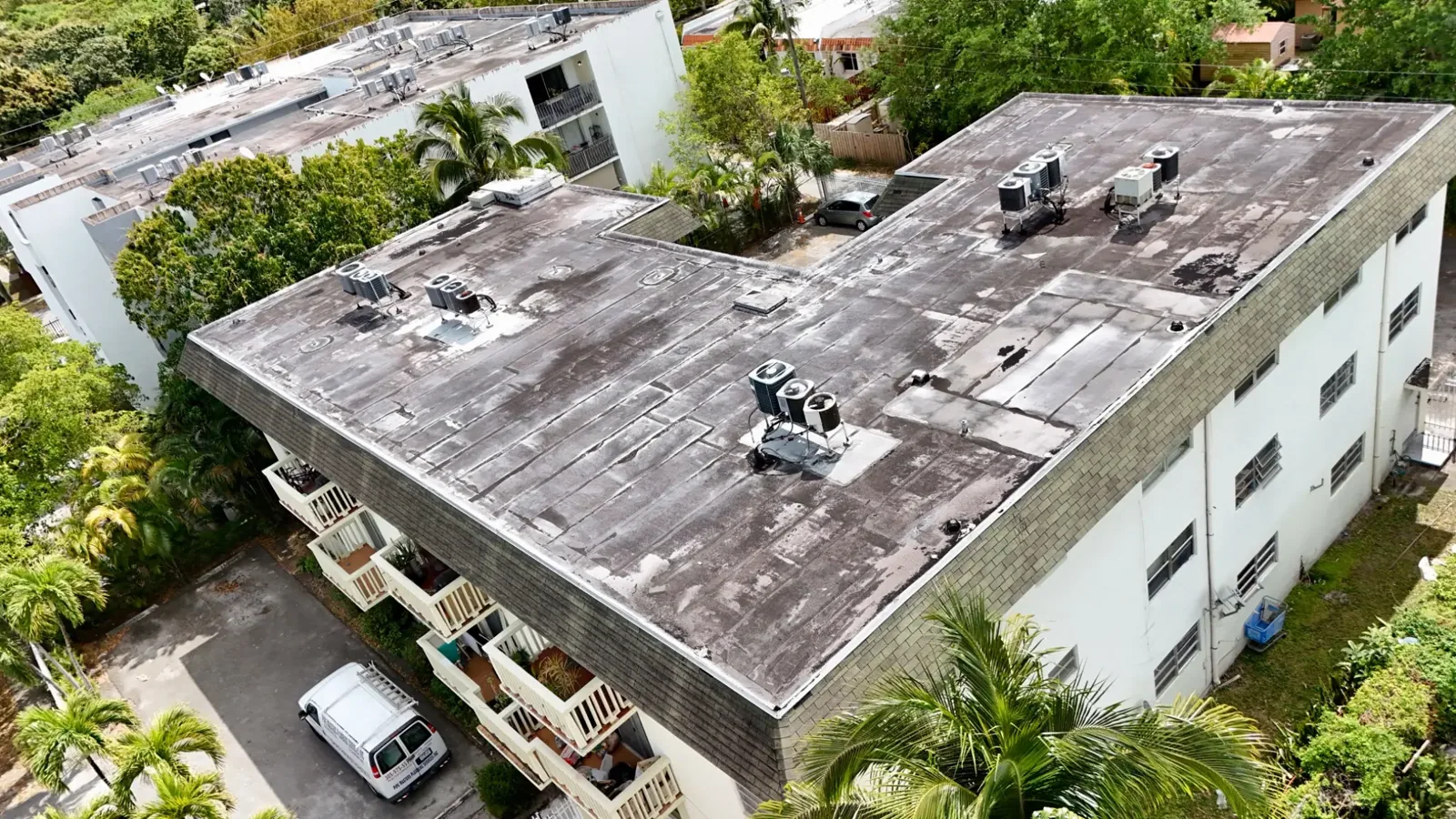
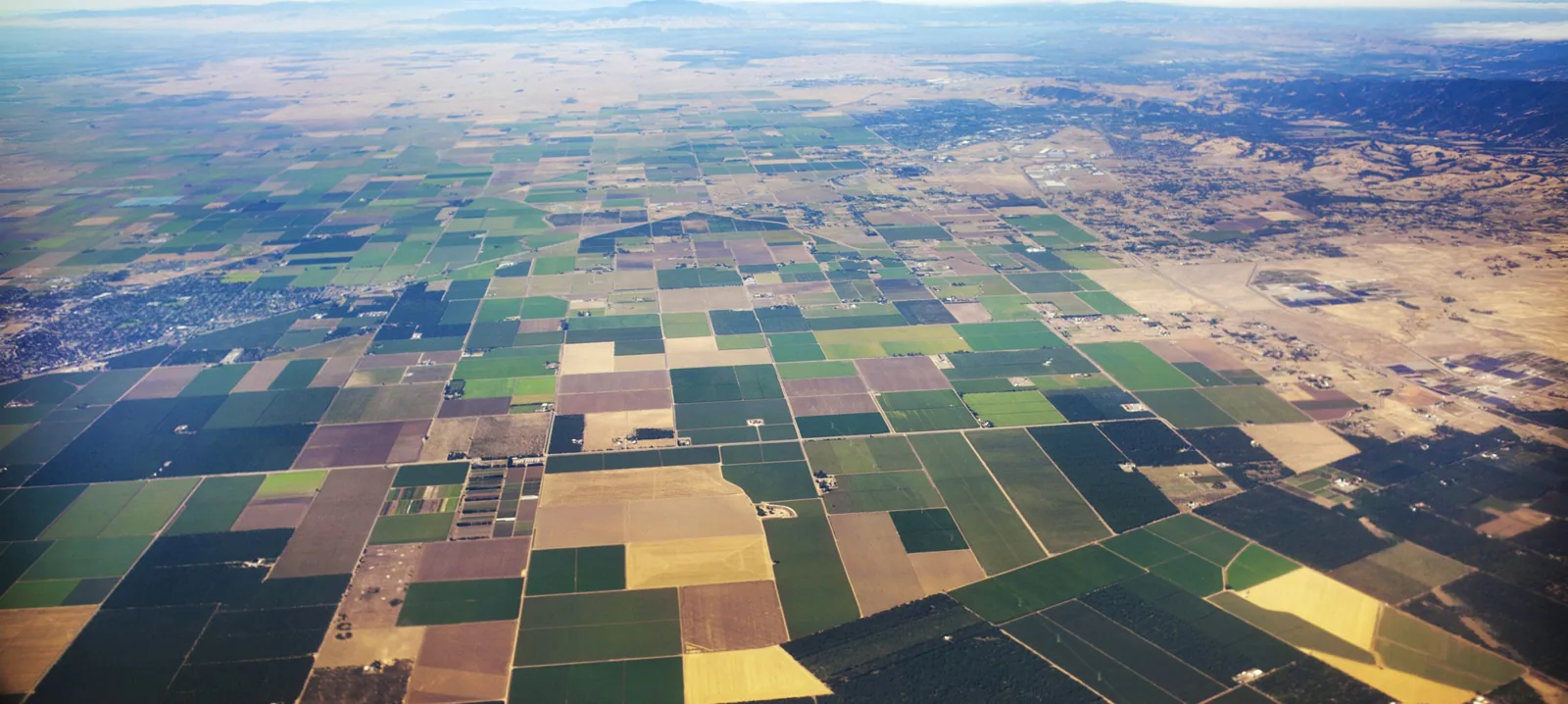
Multi-Site Commercial Roof Programs in Oxnard, CA

Set a common intake for each property

Build the site roster with property and building identifiers, roof plan, assembly if known, contact, access point, equipment schedule, operating limits, and open leak reports. Keep each addition or separate structure distinct. Before field work, confirm which person can release access, approve a test opening, and authorize temporary protection. A shared intake sheet makes dispatch easier, while a separate roof map ensures that one property's details do not get attached to another property's work order.

Oxnard's General Plan distinguishes downtown, industrial, commercial, and Business and Research Park designations. Sakioka Farms has distribution and cold-storage activity; Camino Real Business Park supports office, manufacturing, research, and limited commercial uses. Those local settings influence truck staging and work windows. A Sakioka Farms facility and a Camino Real property still require distinct gate instructions, plans, and inspection records.

Use the same field marks at every site

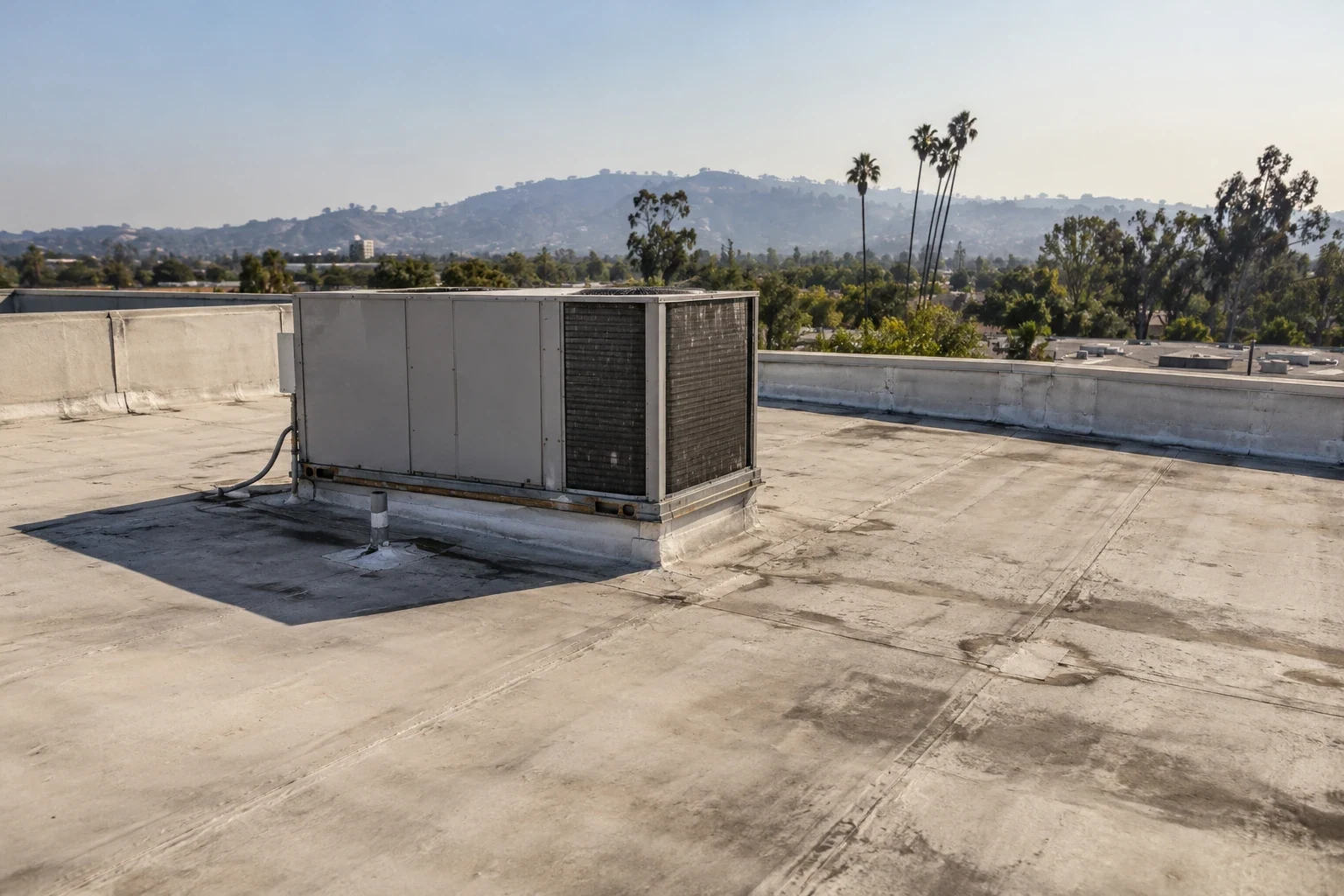
We use a consistent sequence to inspect low points, drains, scuppers, seams, curbs, penetrations, wall transitions, edges, and prior repairs. Each finding gets a field mark, photograph, roof-zone reference, observed condition, and next action. If equipment blocks a detail or access is unsafe, the report lists the limit. The same labels can make results comparable, but the inspection still describes what is present at that individual roof.

A hands-on roof inspection can establish the baseline for each building. A condition report links photos to priorities and test questions. We keep infrared indications separate from confirmed wet insulation until a test cut or another investigation resolves the condition. If a repair changes the boundary, update the record with the new quantity and approval rather than replacing the original observation.

Route urgent work before planned maintenance

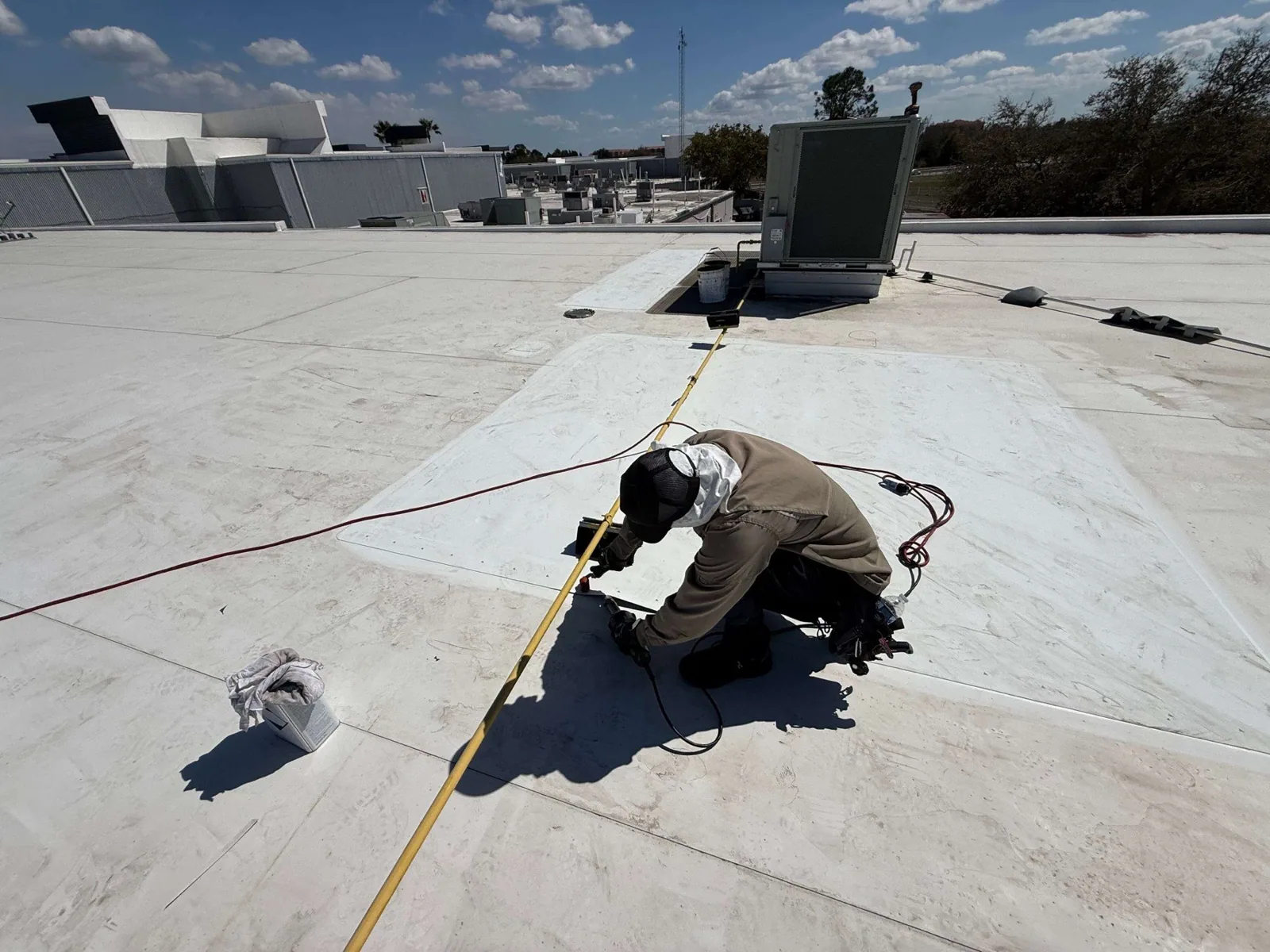
An active leak, loose edge, open flashing, or blocked outlet may require near-term action. A stable surface defect may be suitable for planned repair or monitoring. Set one process for emergency notice and a separate approval route for permanent work. When water is entering, response is available overnight, on weekends, and holidays. The first record states the area protected, materials used, and work that remains before the roof can be marked complete.

Schedule visits by condition and consequence, then compare travel, access, tenant or production hours, lift requirements, and material delivery. A maintenance visit can revisit drains, curbs, edges, and prior repairs on a service interval. If the defect is isolated, the program can group a repair route across several sites while retaining a separate scope, closeout, and approval for each building. A shared calendar should not imply shared roof condition.

Keep system choices building-specific

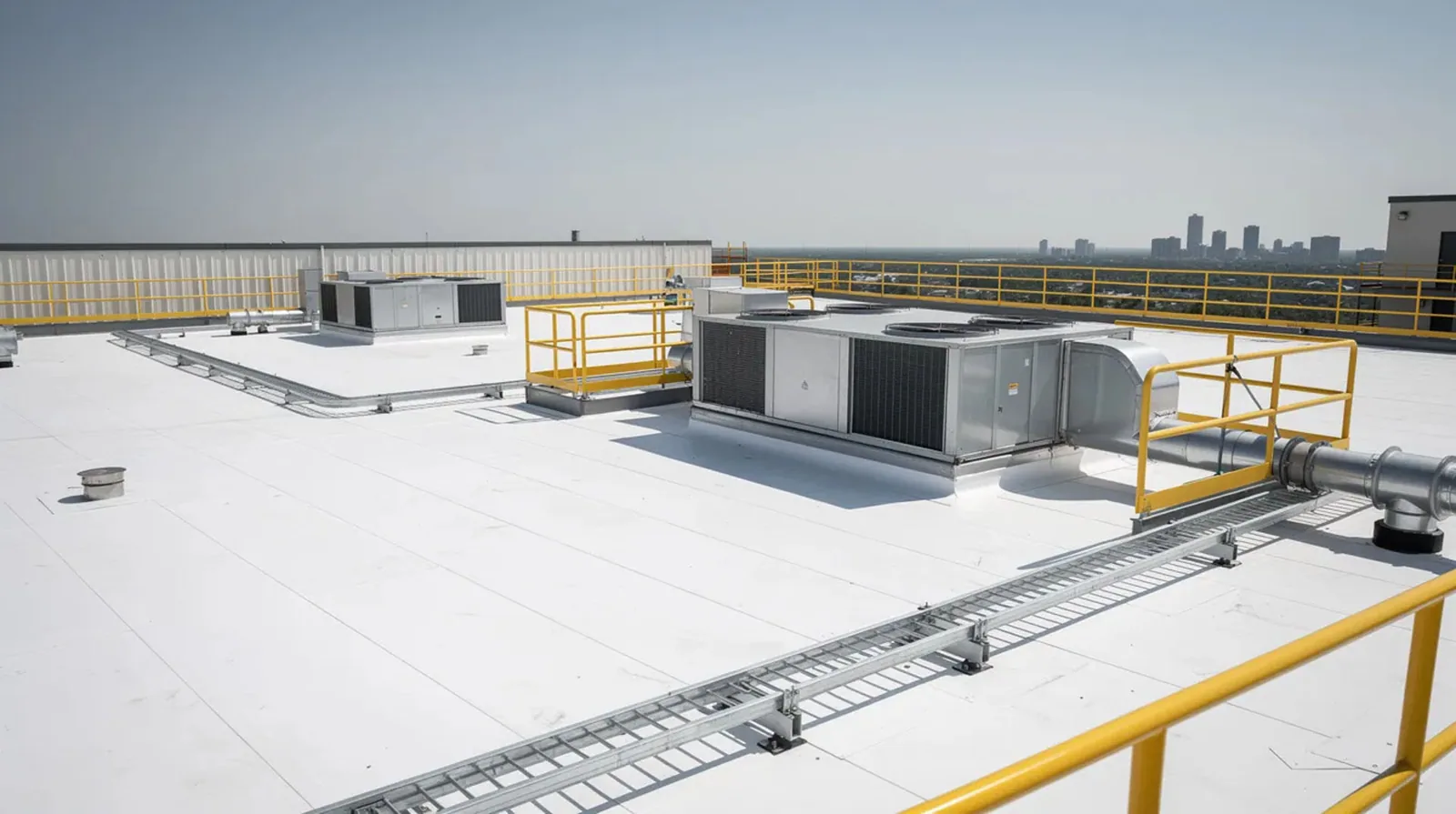
Two roofs in one portfolio can use different membranes, attachment methods, insulation layers, and edge details. We identify the installed assembly before choosing repair materials or a replacement option. A coating over an unknown substrate needs a different review from a TPO membrane or metal panel. Equipment additions, tenant changes, and previous reroofing may also create transitions within a single building.

A multi-site material standard may be useful, but it should not override field compatibility. The manufacturer system information can help owners identify product families, while the survey confirms the visible assembly and repair detail. Store material data, test results, and approved substitutions with the affected roof map. If a section cannot be identified, keep it flagged for confirmation rather than selecting a system from another property in the same portfolio.

Group the schedule without blending budgets

Portfolio reporting can show urgent repairs, planned maintenance, testing, and long-term replacement in one view. The supporting detail should still list each roof zone, quantity, access limit, preparation, material, and work window. Cost and duration depend on removal depth, insulation, perimeter metal, drains, lifts, interior protection, and the roof area that can be exposed in a shift. For concealed layers, distinguish a test allowance from a confirmed repair.

A roof asset register preserves plans, photos, work orders, and open items across ownership changes. A property manager's file can track tenant notices and approval contacts at managed locations. Group the visit or procurement schedule where it saves time, but keep the estimate and work order matched to the property that generated the finding. If the scope grows after a test, route the changed quantity through the correct owner approval before extending removal.

Refresh the program after each repair

Close each work order with the building, roof area, installed material, repair detail, photographs, test results, access limitation, and remaining action. Temporary stabilization stays separate from permanent correction. Update the portfolio view when a site changes condition, loses access, adds equipment, or reports another leak. The next inspection can then start from the last field mark and see what changed.

Give every finding an owner, a due date, and a status such as monitor, investigate, price, or complete. That small discipline prevents an open test question from disappearing when a budget meeting or property manager changes. Keep the approved scope and any field change together, while retaining the original report so the decision trail remains clear. When locations share a vendor or accounting cycle, the program can consolidate scheduling and summaries without combining authorizations or roof records.

The Oxnard weather station recorded 1.77 inches during Tropical Storm Hilary in August 2023, a new monthly record for August at that station. The date is relevant to drainage review, not a forecast or damage claim for every property. After an event or water report, compare each building's roof findings with the relevant interior and drainage records. Oxnard's Local Coastal Program applies only to properties within the mapped coastal zone; retain that parcel question separately from condition and repair decisions.

Send the building roster, roof plans, leak history, maintenance records, equipment schedule, access contacts, and current budget dates. We will inspect each roof, report findings by section, and return a schedule that separates urgent work from capital decisions.

Set up a multi-site roof review

Share the property roster, roof plans, leak and repair history, access contacts, equipment schedules, and budget dates. We will inspect each building and return priorities with separate field records.

Common Questions

Can one inspection format cover different roof systems?

Yes. Common field labels can make findings comparable, while each report identifies its own assembly, detail, access limit, and repair method.

How do you set priorities across locations?

We compare observed condition, active water entry, consequence, and access, then assign a next action to each building. Urgent stabilization stays separate from planned maintenance.

Can repairs at several properties be scheduled together?

Yes, when work windows and material needs align. Each location keeps its own scope, approval, photographs, and closeout record.

What if one building needs more testing than the others?

We identify the test and its purpose for that roof section, then keep any possible expanded work as a separate allowance until the result is known.

What should the portfolio report show after a repair?

Record the property, roof section, work performed, installed material, photo references, remaining issue, and next service date. Temporary protection is labeled separately.

ServicesRoof SystemsProperty TypesIndustriesService AreasDamage RepairCapabilitiesManufacturersAboutRequest a Roof Assessment555-555-5555
Call555-555-5555