
Commercial Roof Warranty Management in Oxnard, CA
Organize your roof warranty records
Commercial Roof Warranty Management
A warranty file starts with the installed roof system and the written terms tied to it. The owner needs to know which building and section the document covers, what maintenance records are required, how repairs should be reported, and which work needs review before it proceeds. For an Oxnard portfolio, separate roof zones and property records before combining maintenance histories; the covered area and written terms govern each entry.
We help organize inspection findings, service entries, photographs, repair scopes, and correspondence by building and roof zone. We document field conditions and roof repairs, identify material and location, and make records easy to retrieve when the owner needs to coordinate a repair or ask the issuer a question.
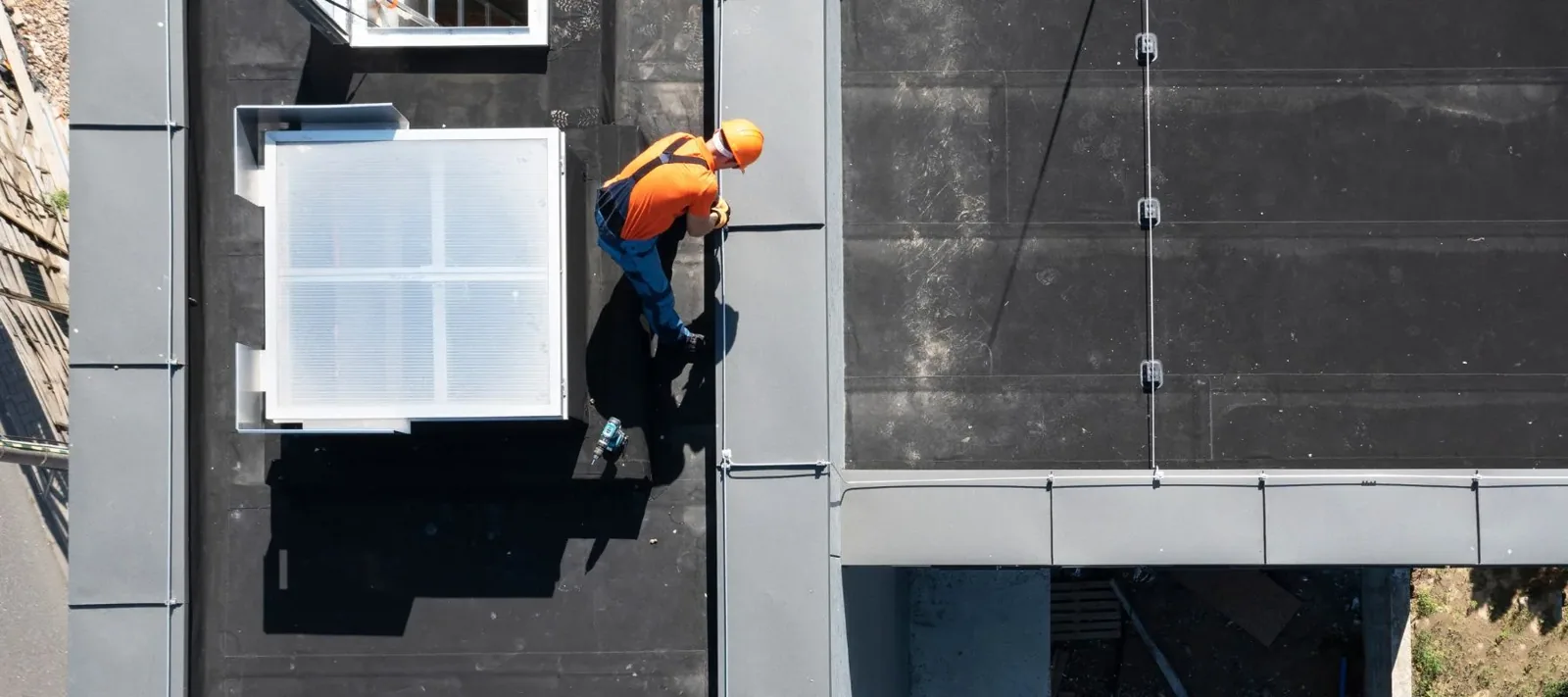
Match the document to the roof section
Start by recording the issuer, document number, covered building, roof area, system, issue date, and stated maintenance or notice requirements. Attach the final roof plan, material submittals, closeout photographs, test results, and any schedule in the written terms. If one building has several additions, separate the areas so a repair to an older membrane is not filed under a newer section. Note where the plan and installed work differ and retain the field record that explains the change.
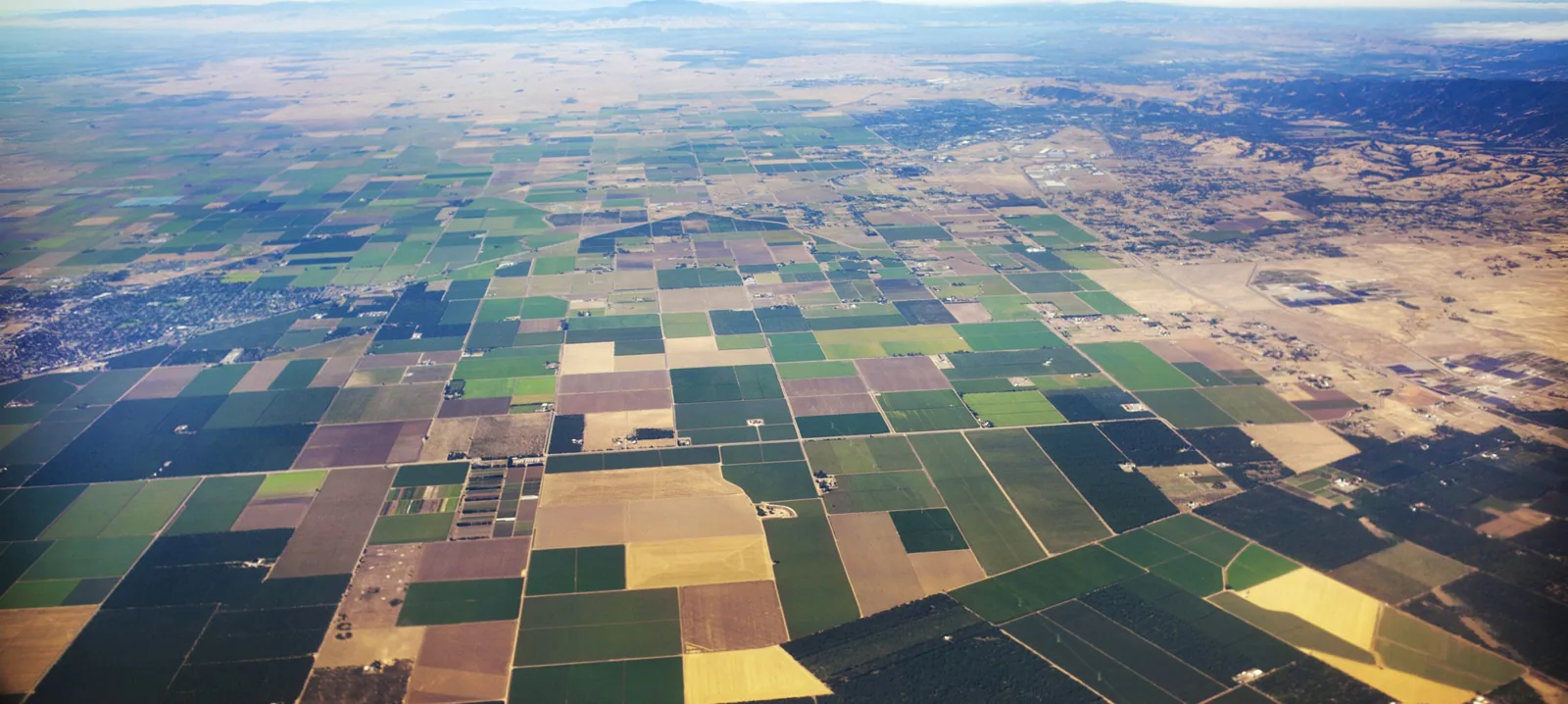
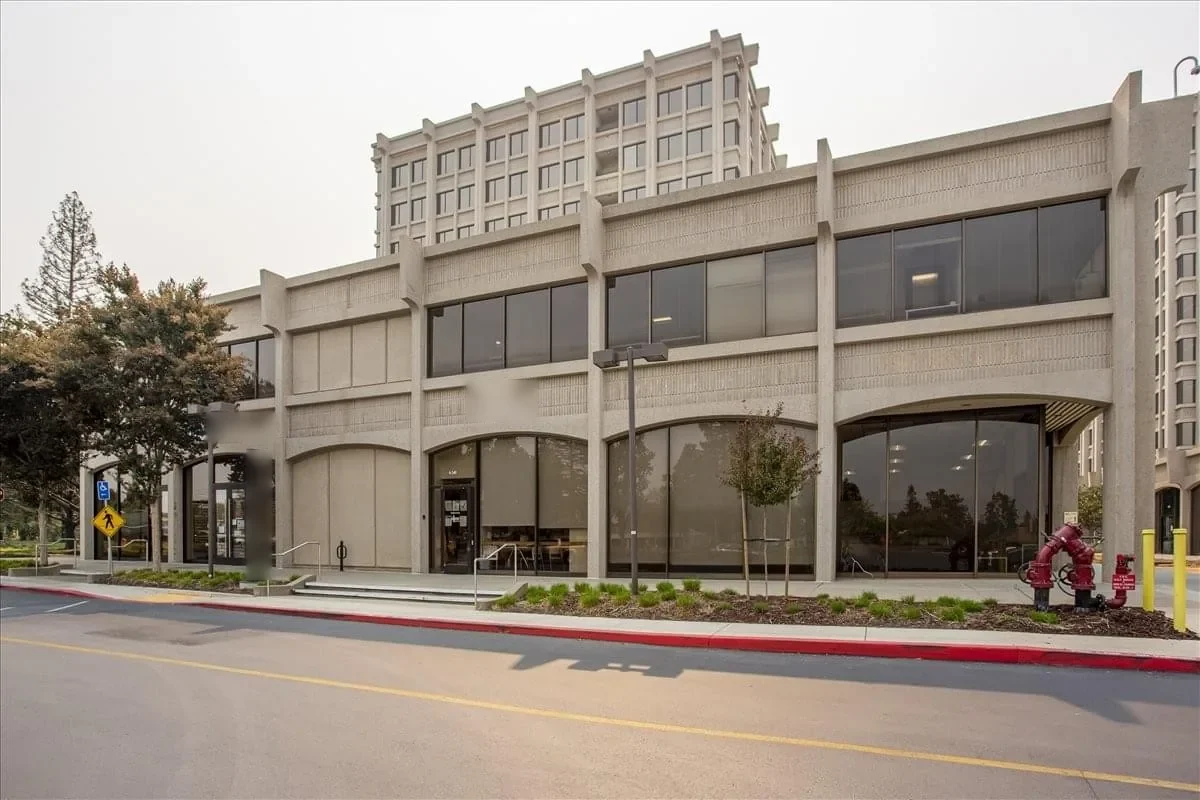
At Sakioka Farms, an owner may coordinate loading and temperature-controlled operations; a Camino Real property can have a different access contact and work window. File each property's covered section against its own closeout documents and written terms.
Keep maintenance entries specific
A useful maintenance entry names the roof area, date, observed condition, work performed, photographs, and follow-up. Record debris removal separately from flashing repair, and keep temporary protection apart from permanent correction. If access was restricted or equipment concealed a detail, state that limitation. The next service visit can then return to the same low point, drain, curb seal, seam, or edge metal instead of assuming an uninspected area was clear.
A scheduled maintenance inspection can produce dated photographs and a repair list tied to the relevant roof zone. A condition report can preserve the field mark, priority, and any test still needed. The owner should retain invoices and approvals with those records. If the written terms require a particular inspection, notice, or repair procedure, follow that document and confirm requirements with its issuer before work that could affect the covered assembly.
When the roof system or covered area is uncertain, do not file a repair under a guessed description. Compare the available drawings and closeout material with the visible assembly, then record the question for confirmation. A correct section reference saves time when the owner needs to retrieve service history or contact the issuer.
Route repairs through the right review
Before cutting or replacing material, identify whether the repair scope needs review under the written warranty terms. The owner or designated contact can send the document, roof plan, leak record, photographs, and proposed detail to the issuer. We can document the field condition and prepare a repair description that names the material, location, preparation, and tie-in. Approval, coverage, and reimbursement remain decisions for the issuer and policy or warranty language.
For active water entry, emergency response is available around the clock, including nights, weekends, and holidays. Temporary stabilization should be photographed and labeled separately from permanent work. We note what was exposed, what protection was installed, and what remains to be corrected. A roof inspection record can map the related details, while a defined repair scope records the approved work and closeout evidence. Keep any issuer direction with the final repair entry.
Identify the assembly before filing the work
Roof type and material matter when an owner records a repair. We identify visible membrane, metal panels, coating, insulation transitions, edge details, and prior patches before selecting a repair method. The building use or a document title is not proof of the installed assembly. If drawings do not match the roof or a product is uncertain, record the difference and seek confirmation before describing the repair material as a match.
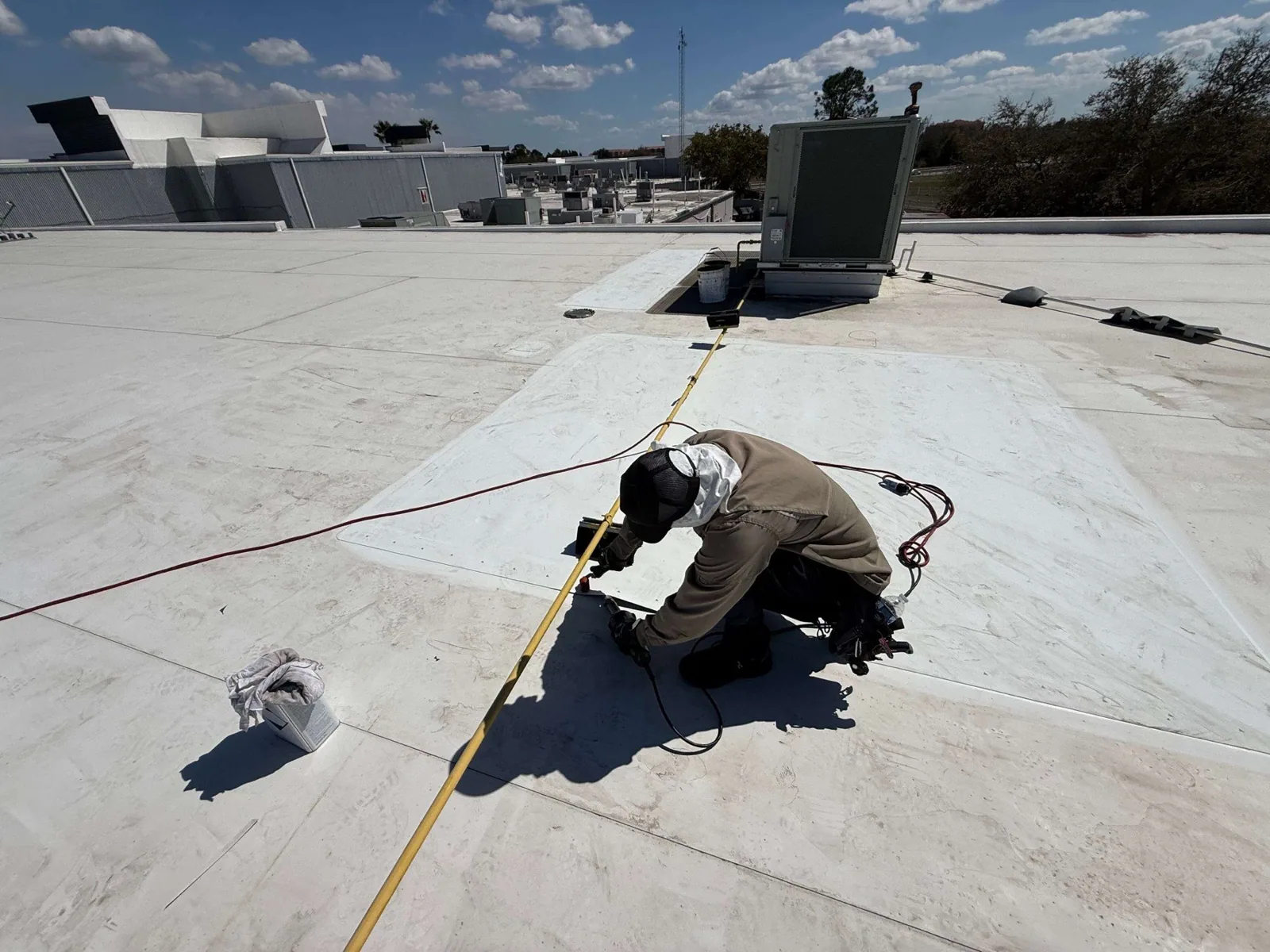
A TPO seam, PVC flashing, EPDM patch, built-up roof, coating, and metal panel each call for a different field description. The TPO assembly has welded seams and membrane-specific details; a rubber membrane system uses different repair materials and seam treatment. Our report identifies the field condition, not whether a manufacturer will accept the work. This distinction keeps the owner file accurate and helps the issuer review the actual detail.
Keep local event records in proportion
During Tropical Storm Hilary in August 2023, the Oxnard station logged 1.77 inches, a record August monthly total for that station. When the date appears in a service file, pair it with that building's inspection notes, drainage photographs, and repair history before discussing the event with the warranty issuer.
Oxnard's mapped coastal-zone policies apply to parcels within the designated boundary. Include a parcel map when the location matters to a roof review, then keep that planning record beside the inspection, maintenance schedule, and issuer's written requirements.
Prepare the next service visit
A concise warranty handoff should identify open repairs, required notices, maintenance due dates from the written terms, issuer contacts, access limits, and documents that remain missing. State who owns the next action and what has already been sent. If a test or material question is unresolved, keep it open rather than marking the file complete. This lets the facilities team schedule work without promising a coverage result that has not been decided. Keep the issuer's contact and the covered roof-zone name beside each notice so questions can be routed without searching unrelated building records.
Send the roof plan, written warranty, prior inspection records, repair invoices, current leak details, equipment schedule, and access contact. We can inspect the affected section, document conditions and completed work, and return the closeout materials in a building-specific file. An asset register can carry the roof zone and repair history forward, with each photograph tied to the document that governs it.
Separate recurring maintenance from work that requires written approval. A log can note the inspection date, conditions reviewed, photographs, corrections completed, and open questions without interpreting coverage. If a leak returns, the new entry should reference the earlier roof-zone mark and record what changed: rainfall date, equipment work, drain condition, or interior report. Keep a copy of every notice and issuer response with the relevant building file. When staff turns over, a clear timeline helps the next contact distinguish completed repairs from open recommendations and identify which document or approval is still needed.
Related Roofing Work
More from Roofing Capabilities and nearby services
Organize your roof warranty records
Share the warranty document, roof plan, service history, repair photos, current leak report, and access contact. We will document the field condition and file the repair evidence by roof section.
Common Questions
Does a roof inspection confirm that a warranty claim is covered?
No. We document roof conditions and work performed. The issuer applies its written terms and determines coverage or claim status.
What records should stay with a roof warranty?
Keep the document, covered-area plan, material submittals, maintenance entries, inspection photos, repair approvals, invoices, and closeout records together by building and roof section.
Should emergency protection wait for a warranty review?
Active water entry may require prompt stabilization. We photograph the initial condition and temporary measure, then record permanent work separately and follow the notice requirements in the document.
What if the warranty file names a system that differs from the roof?
We note the mismatch and inspect the visible assembly. Confirm the covered area and material with the issuer before filing a repair under an unverified system description.
Can maintenance records be organized across several buildings?
Yes. Use a separate document, roof plan, contact, and maintenance history for each building, with common fields that make portfolio review easier.