Hospitality Group Roofing in Oxnard, CA
Arrange a hospitality roof inspection
Hospitality Group Roofing
A hotel roof repair has to account for guest rooms and service routes below it. Water entering near a guest wing, kitchen, meeting room, or mechanical space can require different containment and timing. Oxnard's General Plan distinguishes downtown, commercial, and coastal designations; Channel Islands Harbor planning includes visitor-serving commercial uses, while Downtown Oxnard supports retail and office activity. These areas do not establish where a particular hotel sits or what roof it has. We inspect the building, mark the affected section, and plan the work around the hotel's access and operating needs.
Before opening the roof, we confirm guest circulation, loading hours, kitchen exhaust, rooftop units, lift access, and which rooms or functions can be isolated. The site contact identifies interior protection and the person who can authorize work. We trace the reported leak to roof seams, drains, curbs, wall transitions, and prior repairs, then distinguish a confirmed opening from a condition that needs testing. The field record helps a general manager, facilities director, and ownership group agree on the next step without treating the hotel as an unoccupied work site.

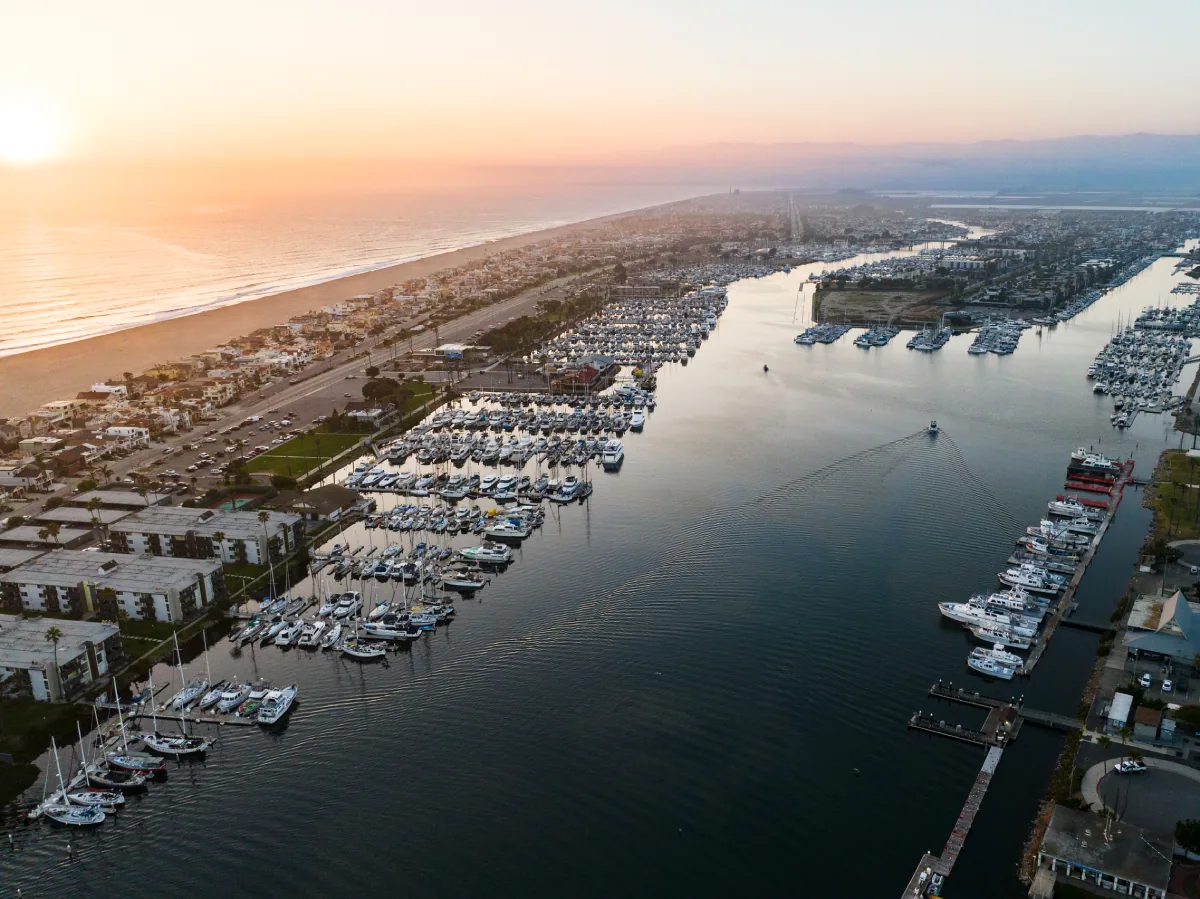
Keep guest routes clear
Map the roof access route from the service entrance to the work area. The operations team confirms lift position, staging, material delivery, debris removal, pedestrian controls, and any event or check-in periods that limit movement. If a public entrance sits below the work zone, establish a safe alternate path before bringing material onto the roof. We identify where guests may hear noise or smell an adhesive and plan those tasks within an approved window.
Near the Channel Islands Harbor area, city land-use categories include visitor-serving commercial, harbor, recreation, and coastal-dependent industrial designations. A property near Downtown Oxnard may need a different pedestrian and staging plan. Each hotel's actual address, access, and operations determine the schedule; area context is not a substitute for site approval. A phased occupied-building plan can separate noisy tear-off, flashing work, and closeout by roof section.
Protect occupied rooms below the repair
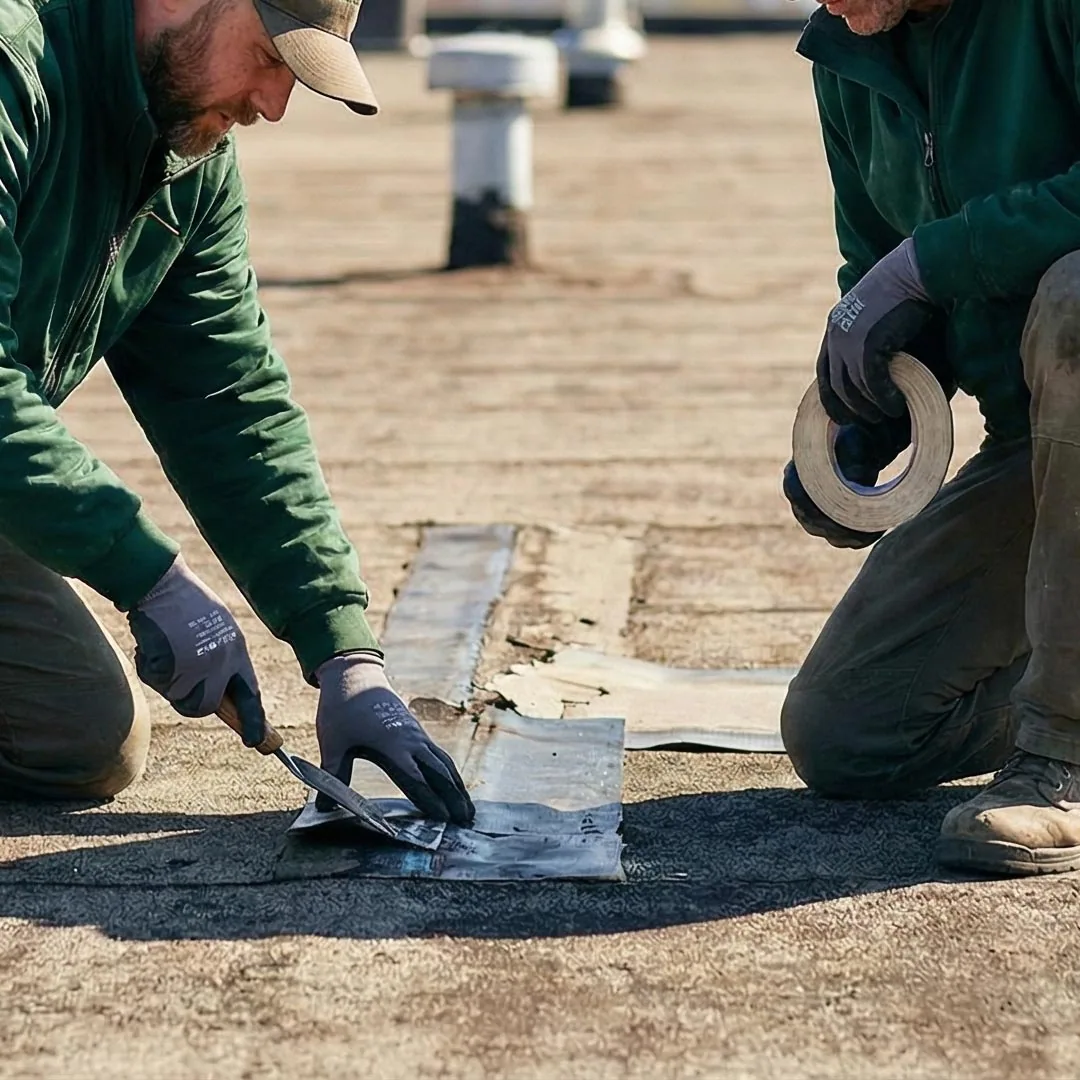
For an active leak, we first identify the room or service area, protect contents, and limit water entry. Then we inspect roof details above and upslope of the report. Water can move through insulation or along a deck before appearing on a ceiling, so the stain itself does not set the repair limit. We photograph the likely opening, nearby penetrations, drainage path, and any uncertainty that could require a test opening.
Emergency response is available at any hour, including holidays and weekends. Stabilization can protect an occupied room while permanent work is scheduled, but the closeout must label the temporary condition and remaining correction. A permanent repair scope identifies preparation, compatible material, tie-in, and interior-protection steps. If a test cut is needed, the manager approves its location, expected finding, restoration detail, and timing before the roof is opened. This gives housekeeping and engineering staff a clear update about when a room or corridor can return to normal use.
Check the details at kitchens and units
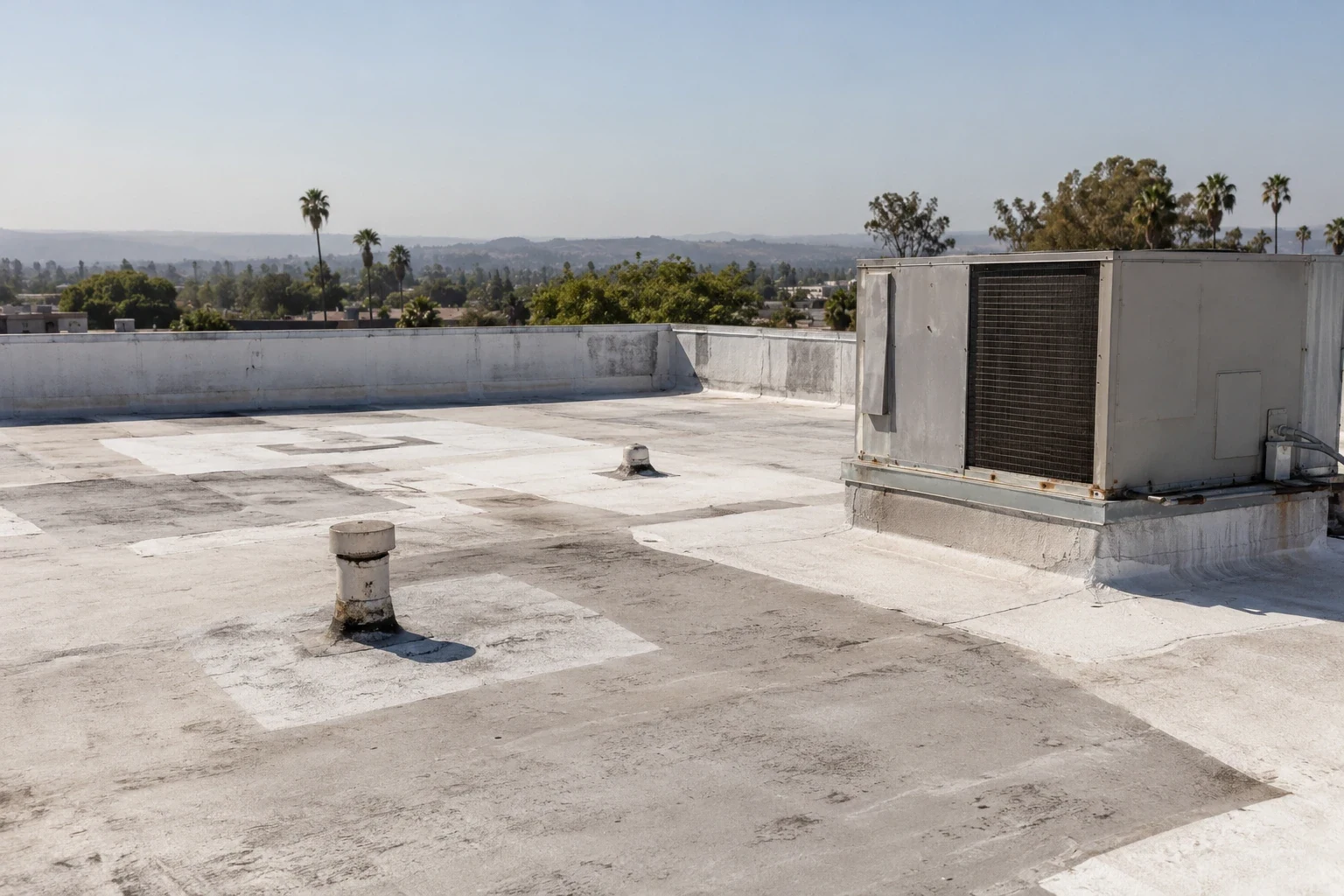
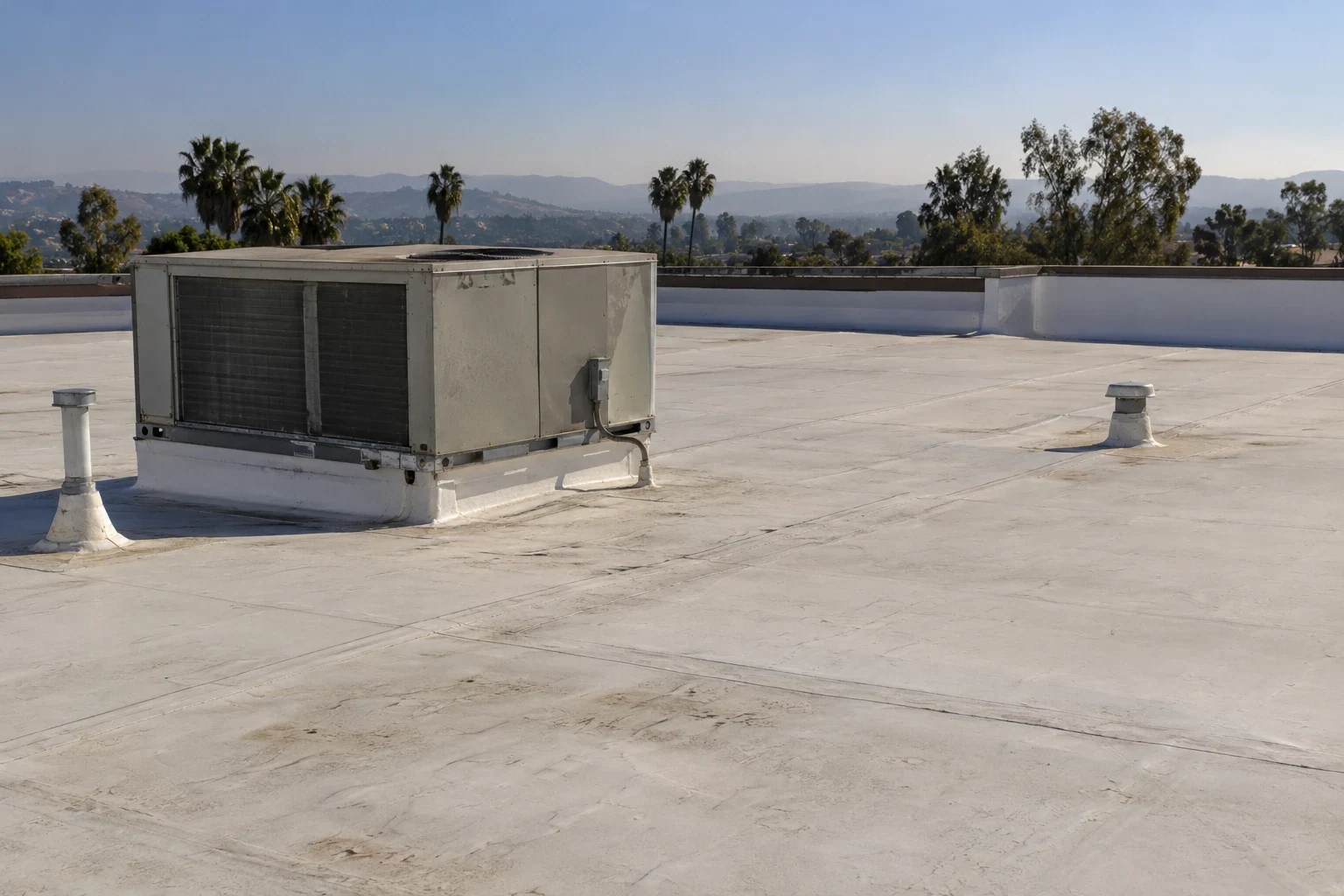
Hotels may have kitchen exhaust, laundry equipment, HVAC systems, signage, antennas, and service walkways. We inspect curb seals, flashing, counterflashing, membrane laps, fasteners, and transitions at each penetration. Grease, foot traffic, unit movement, and repeat mechanical access can affect a detail. If equipment must be disconnected or lifted, assign that task to the responsible trade and confirm who restores electrical and mechanical connections after the roofer finishes.
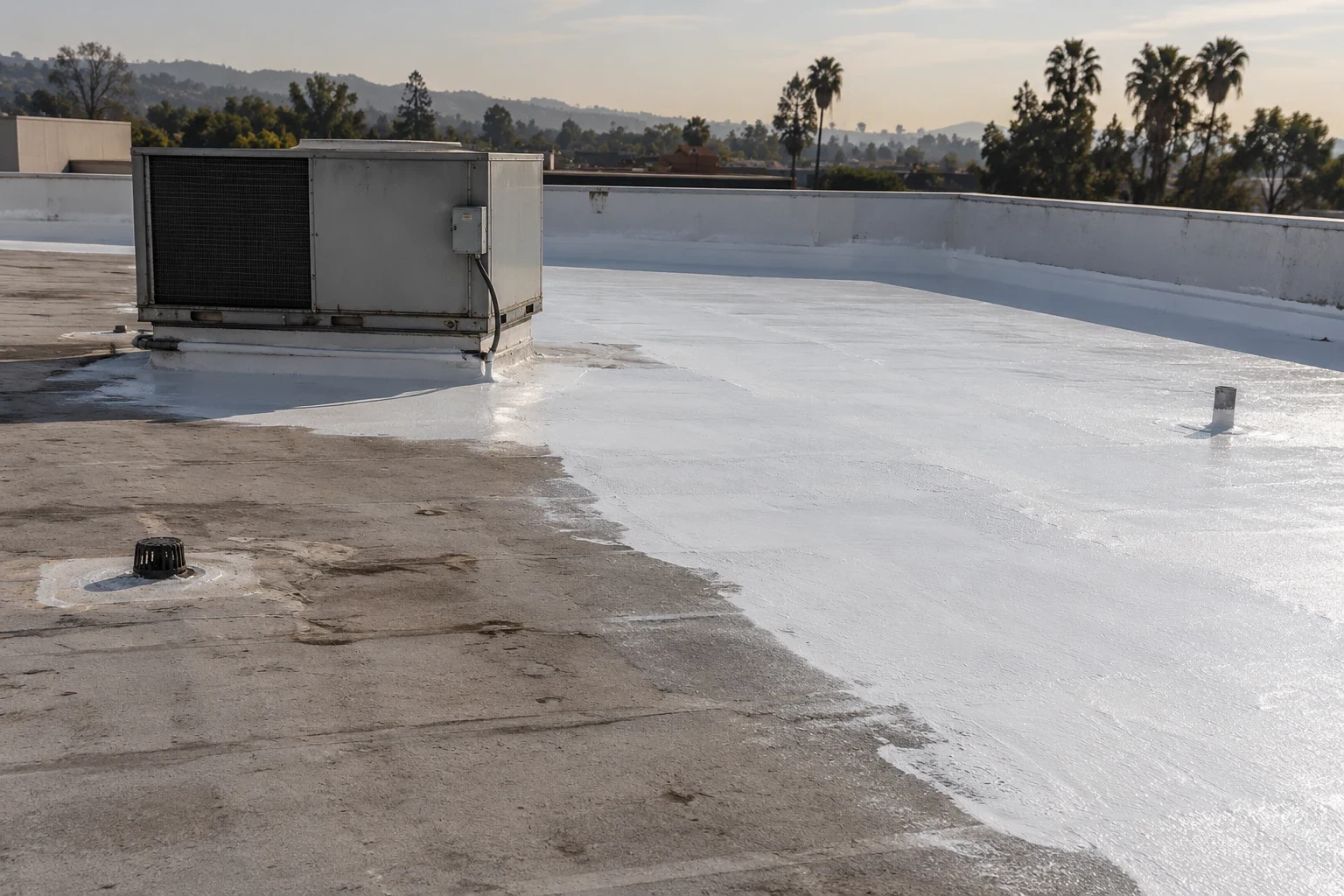
On each roof, we identify the installed system instead of choosing a patch by appearance. A single-ply membrane, built-up assembly, coating, or standing-seam roof has different repair needs. For example, TPO membrane work requires a compatible weld and flashing, while a silicone restoration depends on a sound, prepared substrate and adhesion. A hotel building assessment records the equipment route and each room zone below without assuming two locations in the same group share a roof assembly.
Follow drainage around the roof
We inspect low points, drains, scuppers, gutters, overflow openings, and roof-to-wall transitions for debris, standing water, damaged flashing, and restricted outlets. A blocked drain may need service; a failed drain bowl or recurring low point can call for a roofing correction. We record each item separately so cleaning is not mistaken for a membrane repair. When a reported leak appears far from the nearest outlet, trace the water path and inspect intervening seams, curbs, and wall details.
Hilary delivered 1.77 inches to the Oxnard weather station in August 2023, its record total for that month. For a hotel, pair an event date with service tickets and guest-area reports, then inspect the roof outlets, perimeter details, and any opening above occupied rooms before choosing repair or testing. If the hotel's kitchen or guest operations continue below, include the protection and communication plan before scheduling any opening.
Check coastal planning by parcel
Oxnard's Local Coastal Program identifies hazards and adaptation policies for properties within the mapped coastal zone. A hotel's location must be checked against that map before a coastal designation is included in the project file. The program does not establish membrane condition, wind exposure at a particular roof, or the source of a leak. We review observed materials, edges, drainage, and attachment on the building, then identify any separate design or planning question for the owner.
The Channel Islands Harbor area includes more than one land-use category and a broader coastal context, not just a single facility. For a hospitality group, that local planning information can help frame parcel review while a survey determines the roof scope. A property manager's site file can preserve access contacts, repair history, and parcel references for the next service visit. Keep the geographic context separate from findings such as open seams or wet insulation, which require direct roof evidence.
Keep hotel records ready for the next shift
A closeout identifies the building, roof zone, installed material, repair detail, photographs, test results, and any area not reached. If temporary protection remains, state its inspection interval and the permanent work still needed. Record the guest or service areas below that were protected and the date they could reopen. A clear report lets facilities staff update operations and ownership without relying on an informal handoff.
For multiple hotels, keep a separate roof map and approval path for each address. One property may need emergency response, while another is ready for planned maintenance or a replacement budget. A multi-property roof register can group the schedule while preserving those differences; investment ownership teams can use the same findings in capital review. Send the roof plans, equipment schedule, known leaks, guest restrictions, access contact, and decision deadline. We will return the next action by building and roof section.
Related Roofing Work
More from Industries We Serve and nearby services
Arrange a hospitality roof inspection
Send the hotel roof plan, room or service-area leak reports, equipment schedule, guest restrictions, access contacts, and approval path. We will map the findings and set a work window by roof zone.
Common Questions
Can roof repairs happen while guests are on site?
Often, if access, noise, staging, interior protection, and guest routing can be planned by zone. We confirm the hotel's operating schedule and dry-in boundary before work begins.
How do you protect a guest room under a leak?
The hotel contact identifies whether the room can be vacated and which guest routes must remain open. We set interior containment, temporary dry-in, and a return window that works with occupancy and housekeeping.
Can a roof survey include several hotels?
Yes. We keep separate building maps, findings, access notes, and photos, then group the schedule or budget by priority.
What if a rooftop unit is part of the leak?
We inspect its curb and flashing and identify any trade coordination needed to expose or repair the connection. Unit removal and startup are assigned separately in the scope.
Does the coastal zone mean the hotel needs a new roof?
No. The mapped coastal context may affect planning for a parcel, but roof work follows observed condition, assembly, drainage, and attachment at the building.