
Commercial Roofing in Channel Islands Harbor Area, Oxnard, CA
Request a Channel Islands Harbor area roof review
Channel Islands Harbor Area
A commercial roof in the Channel Islands Harbor area needs an inspection that accounts for both the roof details and the work happening below them. Oxnard’s land-use map separates visitor-serving commercial, harbor, recreation, and coastal-dependent industrial designations within the coastal-zone framework. Those uses can bring different access windows, equipment, and interior protection needs; they do not tell us which roof system a property has. We identify the assembly, map its low points and service routes, then trace the reported leak across seams, curbs, penetrations, walls, and edges. The resulting scope stays tied to the building and its operating constraints.
Map the roof without interrupting the operation
We confirm who controls access, the approved entry route, tie-off points, equipment that must remain active, and areas below that need protection. Visitor-serving commercial space may have different work windows than a harbor or coastal-dependent operation. We verify the actual requirements with the property contact rather than assume one schedule fits the area. Any section that cannot be reached gets marked as an inspection gap, with the access needed to close it.
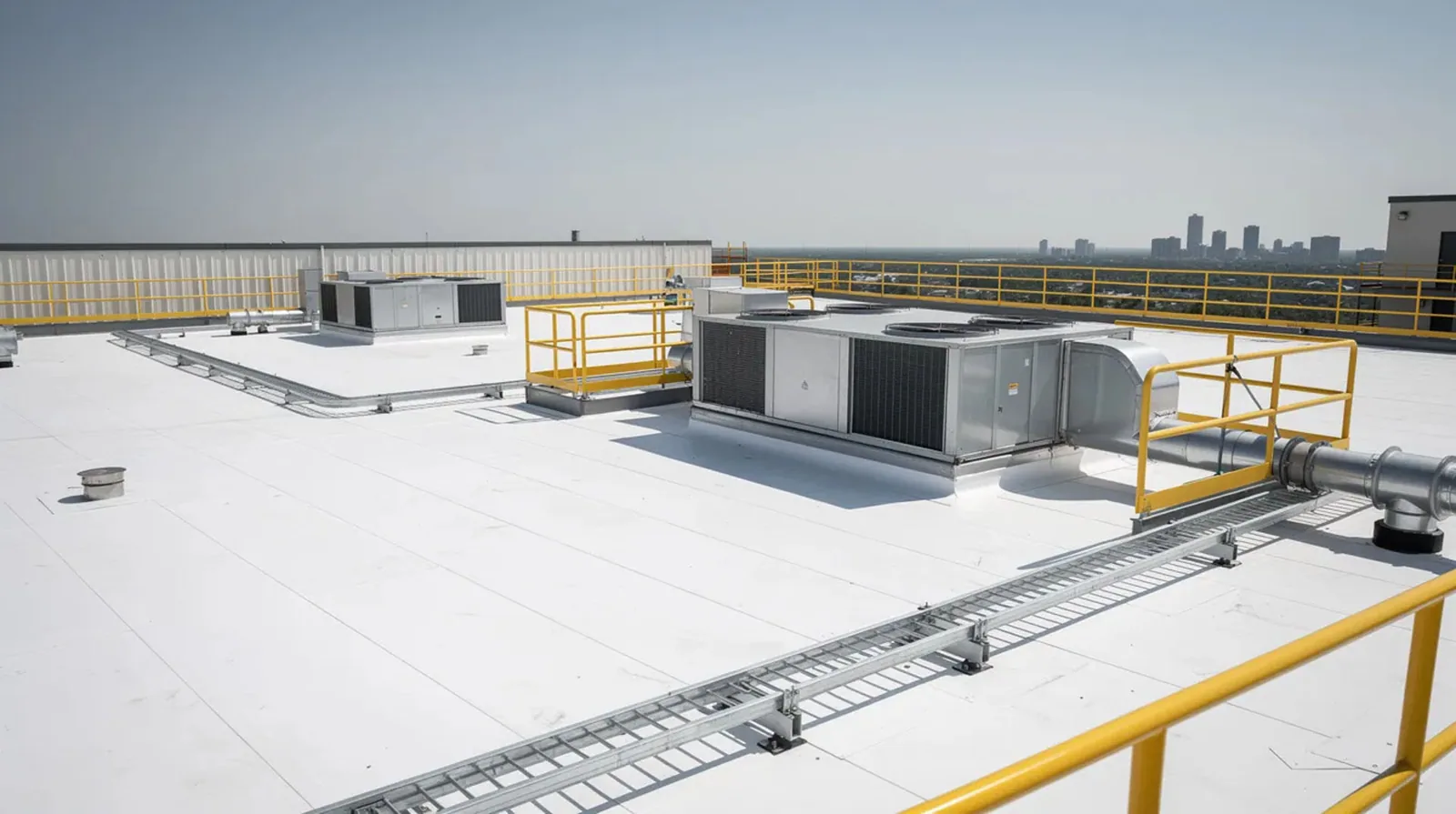
We break the roof into sections on a plan and record the assembly, hatches, drains, scuppers, seams, penetrations, curb seals, wall transitions, and edge metal. We note open laps, punctures, loose attachment, worn surfaces, standing water, and previous patches. Photos include a location reference so the maintenance team can match a close detail to its place on the roof. A commercial roof inspection can document the condition for a leak repair, planned maintenance, or a larger capital decision.
The Port of Hueneme and Navy port operations contribute to a regional maritime building context near the Oxnard coast. That context can matter when a property coordinates deliveries or access, but we do not treat a nearby operation as proof of any building’s roof use. We confirm equipment, traffic, staging, and authorization at the property before setting the work plan. A Channel Islands Beach roof review has a separate parcel and planning record.
Trace the path through drains and transitions
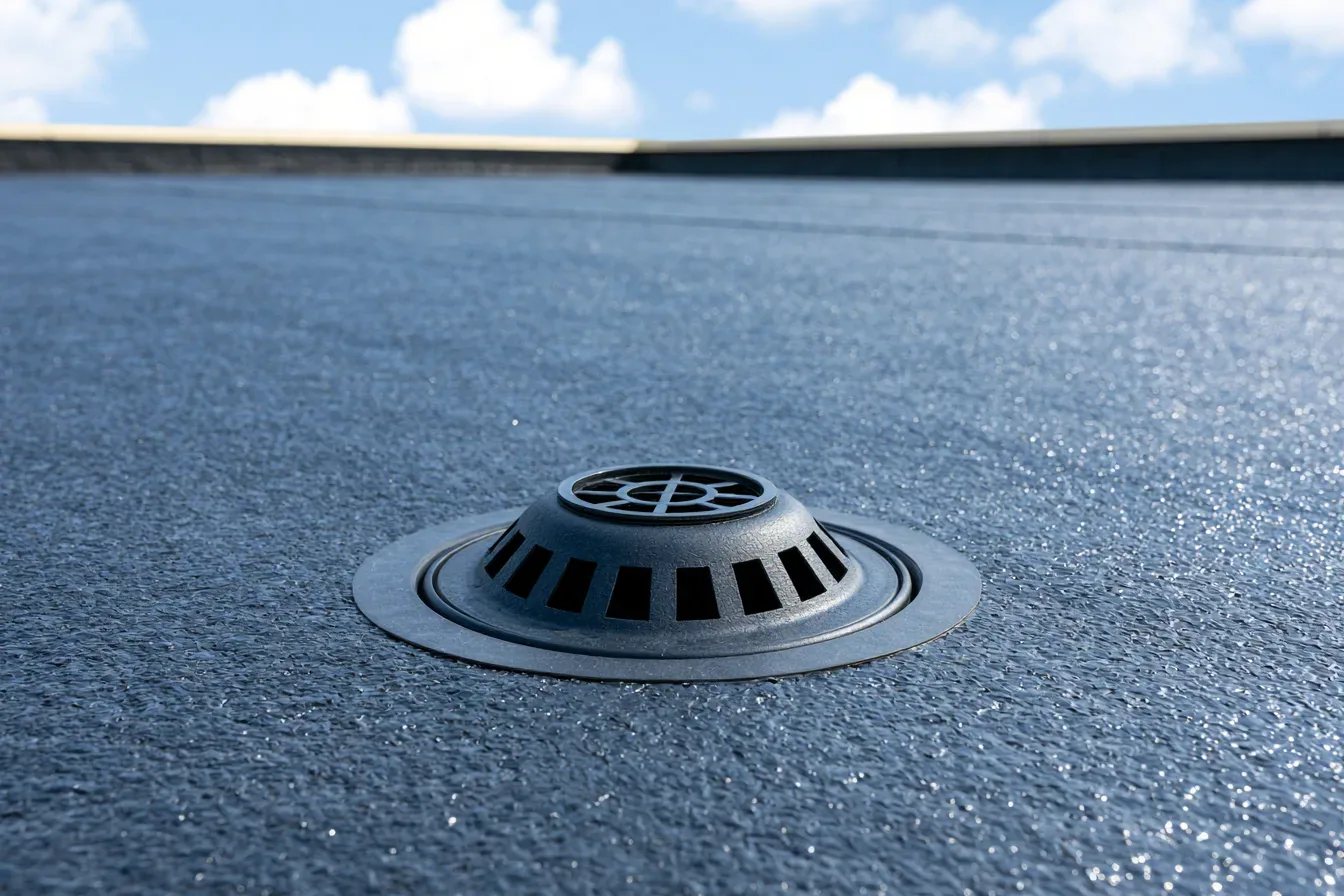
A roof leak can travel before it appears inside. We compare the room and timing with the roof sections above, then inspect nearby penetrations, seams, walls, and outlets. At a drain, we check the bowl, membrane tie-in, overflow route, and slope. At a curb, we inspect corners and flashing height. At an edge, we look at coping joints and attachment. The report identifies the observed condition and any point that still needs a test.
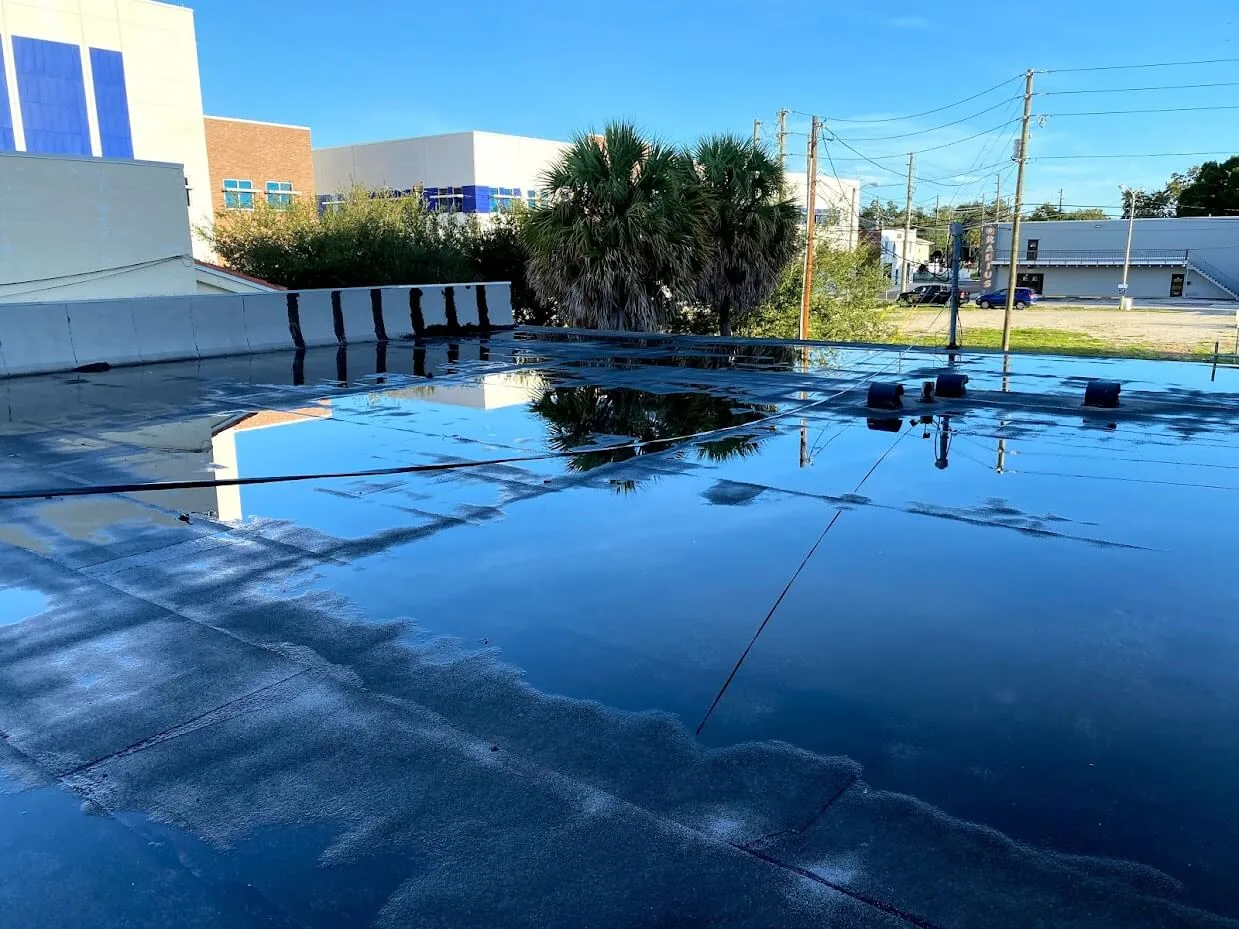
During Tropical Storm Hilary, the Oxnard station recorded 1.77 inches in August 2023, a record monthly August total there. For harbor properties, we compare the event date with each building’s own drainage layout and service history. For a confirmed outlet connection failure, drain and scupper repair can restore the detail. If a low section holds water beyond an outlet problem, we map its boundary before suggesting ponding-water repair.
When a moisture line extends beyond visible damage, a survey or test opening may show whether insulation is affected. We define the test location and the decision it would inform before proceeding. A clean boundary can support a local tie-in; moisture across a wider area may change the removal quantity and dry-in plan.
Restore the connection that failed
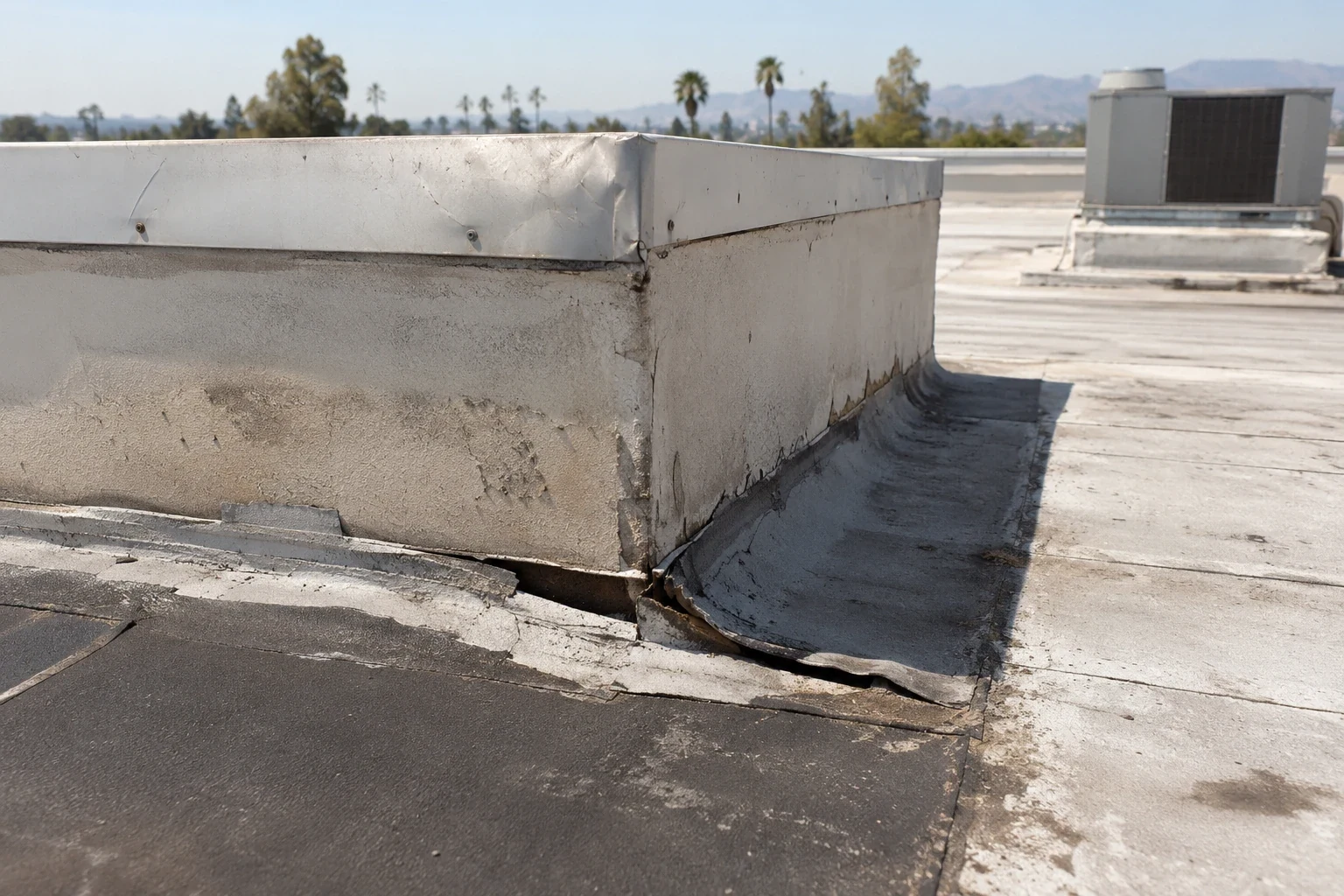
At a wall or curb, a sound repair follows the transition from the field membrane through the flashing and termination. At a seam, we check whether a split or failed weld continues past its first visible point. At the perimeter, loose coping or separated metal needs a secure connection, not another surface bead. We prepare to stable material, identify the assembly, and install a compatible repair with a defined end.
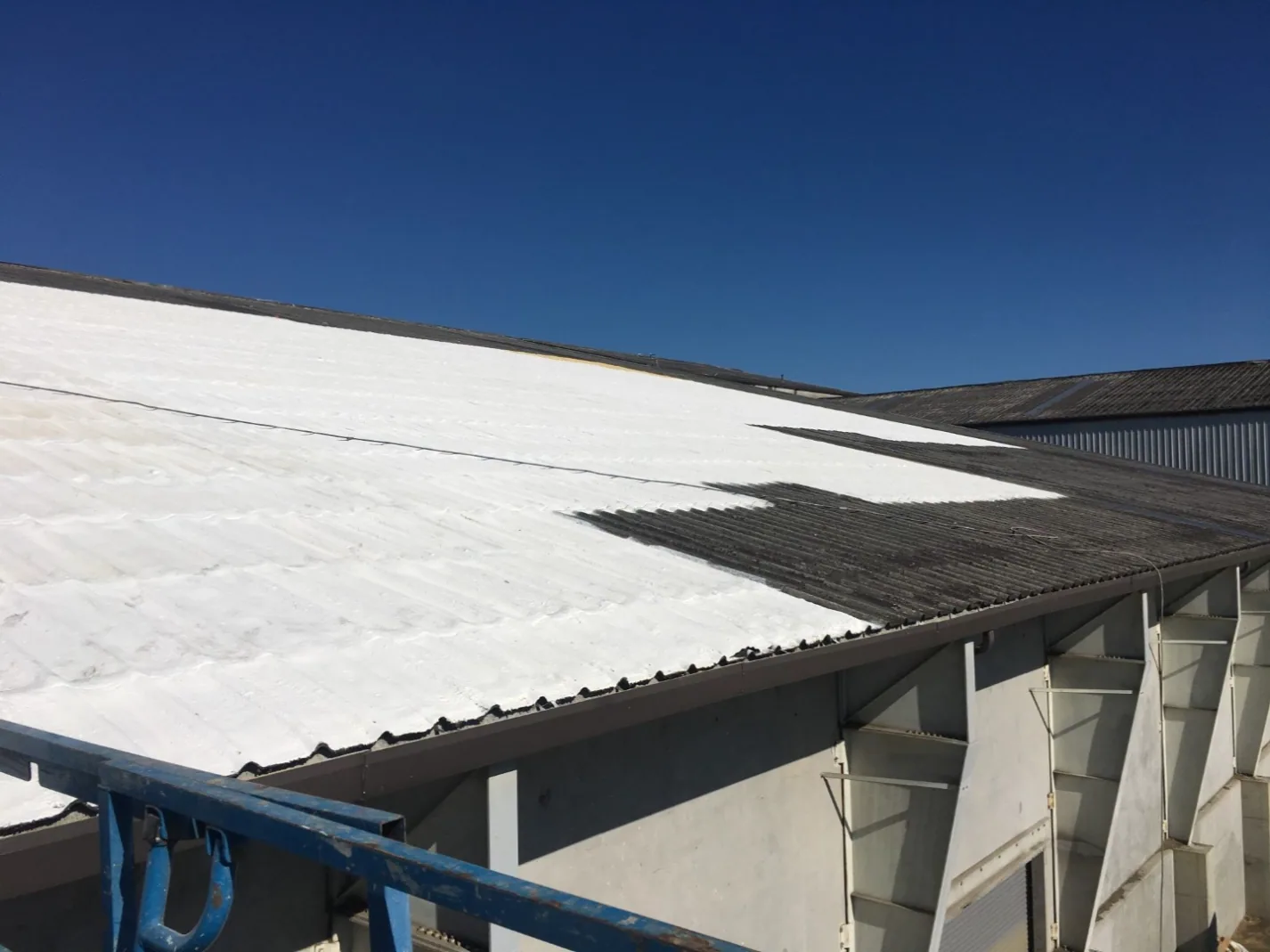
TPO and PVC seams need a clean, weldable surface. EPDM, modified bitumen, metal, and coating systems require different methods and materials. We verify the roof before selecting the repair, then inspect nearby details for movement or earlier patches. A failed lap can call for seam repair, while a curb or wall opening may need flashing repair. The closeout includes photos and a roof-plan mark, with adjacent conditions kept outside the scope unless they are separately measured.
If a leak is active, temporary protection can limit entry until permanent work can be completed. We label it as temporary, show what remains, and identify the point where the crew will leave the roof secure each day. Equipment shutdowns or vendor work are scheduled before a curb is opened, with interior protection and staging in the work sequence.
Choose between a repair and wider roof work
A local repair may be the right scope when the surrounding material is stable and the defect has a clear boundary. Recurring openings, widespread moisture, loose attachment, or deck concerns can require testing or a larger section. We map the findings and distinguish confirmed quantities from concealed conditions. A commercial roof repair scope states the preparation, materials, quantities, access assumptions, protection, exclusions, and work limit.
A recover retains existing layers only when they are dry, attached, compatible, and workable at drains, edges, and equipment. Replacement exposes the substrate and allows correction below the membrane, but requires tear-off, debris handling, and daily protection. We compare these approaches using the same measured areas and list insulation, perimeter metal, outlet work, equipment coordination, and staging separately. The property manager can then weigh service life, operating disruption, and budget using documented conditions.
Coastal-zone planning applies to properties identified under the applicable planning framework; the roof decision still depends on site conditions. The City’s land-use categories distinguish harbor-related, recreation, visitor-serving, and coastal-dependent industrial uses. We use that context to ask the right access and scheduling questions, then base quantities on the assembly we inspect. If an owner also manages a Port Hueneme property, we keep each building’s inspection map and work history separate.
Keep condition marks useful for the next service
The closeout record names the roof sections, material observed, repair preparation, products used, photos, and remaining conditions. Any inspection gap stays visible. Equipment changes and later contractor work can be logged against the plan, so a future crew can tell whether a defect is new or connected to an earlier repair. The property manager can use the same record to plan a follow-up walk or budget review.
Maintenance returns to drains, seams, curb seals, penetrations, counterflashing, edge metal, and routes used by equipment crews. The service interval follows observed condition and building use. A photo-backed roof condition report links each field mark to a priority and next step. Where a moisture test or inaccessible area remains open, the file identifies what would resolve it instead of leaving a broad note to revisit later.
Provide the roof plan, leak history, equipment schedule, access contacts, and previous repair records. We will walk the affected section, document the assembly and water path, and return a measured recommendation for repair, testing, recover, or replacement.
Related Roofing Work
More from Service Areas and nearby services

Request a Channel Islands Harbor area roof review
Share the roof plan, equipment schedule, leak history, access contacts, and earlier repair notes. We will document the affected sections and return a field-marked scope.
Common Questions
Does the harbor land-use map tell us how a roof is built?
No. It identifies planning categories, including visitor-serving, harbor, recreation, and coastal-dependent industrial uses. We inspect the installed assembly and access conditions at the property before setting a roofing scope.
How do you schedule work around a harbor-area operation?
We confirm access windows, active equipment, delivery routes, protection below, and any required coordination with the property contact. Those confirmed conditions enter the work sequence before the roof is opened.
How should a storm-related leak report be reviewed?
Compare the reported date and interior location with that property's outlets, low points, and repair history before setting the investigation boundary.
What changes a leak repair into a larger project?
Repeated failures, moisture beyond the detail, loose attachment, or deck concerns can widen the work. We mark those findings and explain which test or repair boundary would resolve the scope.
What should a harbor-area roof closeout preserve?
The record should connect the system, repair limits, photos, material, and remaining conditions to roof sections. We also list access gaps and follow-up so the next visit can resume accurately.