
Silicone Roof Coatings in Oxnard, CA
Check coating suitability
Silicone Roof Coatings
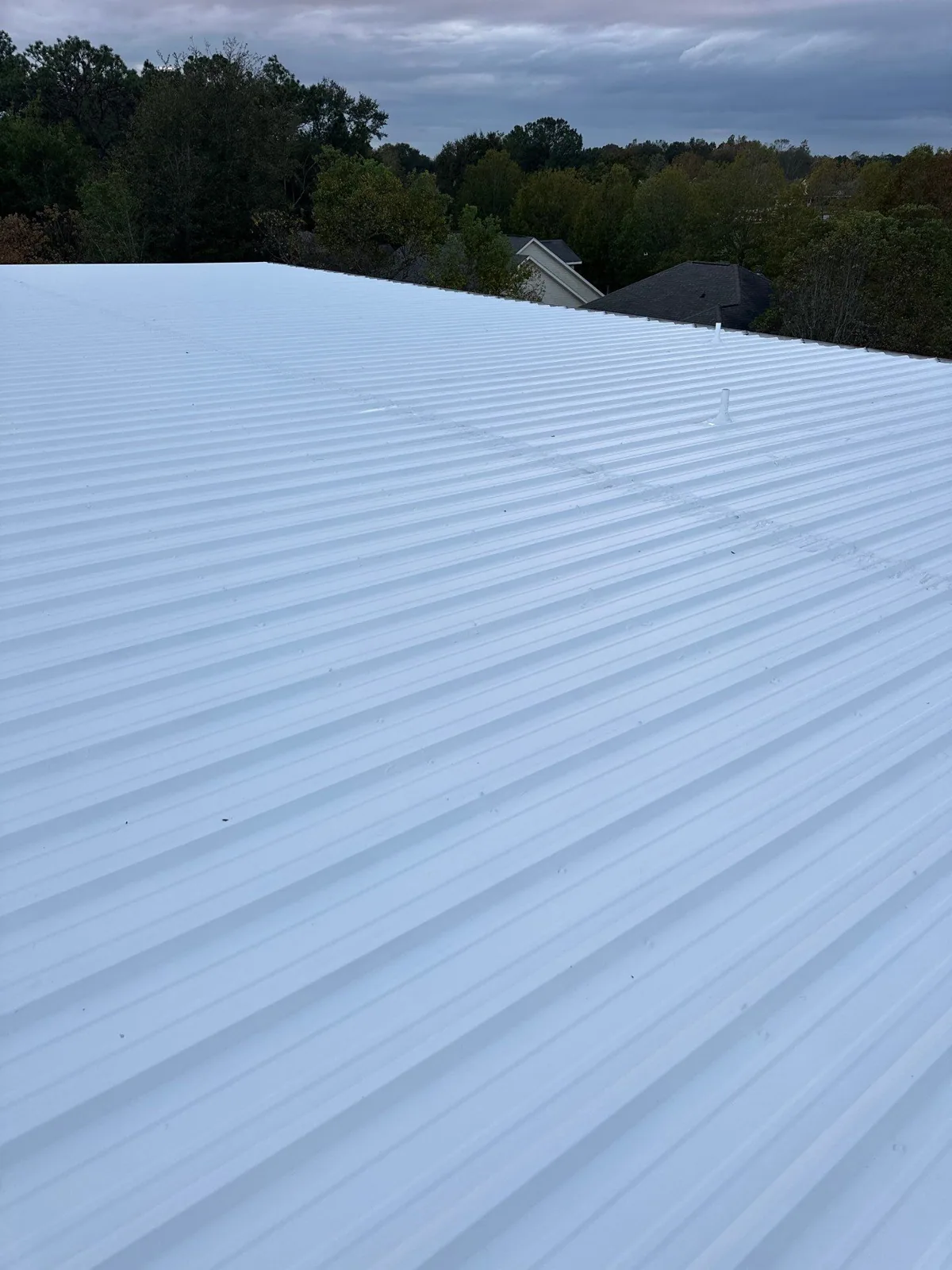
A silicone coating can renew a roof surface, but the existing assembly has to be a suitable base. We inspect the membrane, seams, moisture, slope, prior coatings and details before recommending it. Oxnard, CA has broad business areas such as Sakioka Farms, with distribution and cold-storage uses, and the Camino Real Business Park, with manufacturing and research uses. Cold-storage service lanes and production equipment can shape roof traffic and staging; coating remains an option only if the installed assembly is a sound base. We document the substrate and test uncertain areas, then define the preparation and coverage the project requires. If the roof is wet or unstable, coating is not the first step.
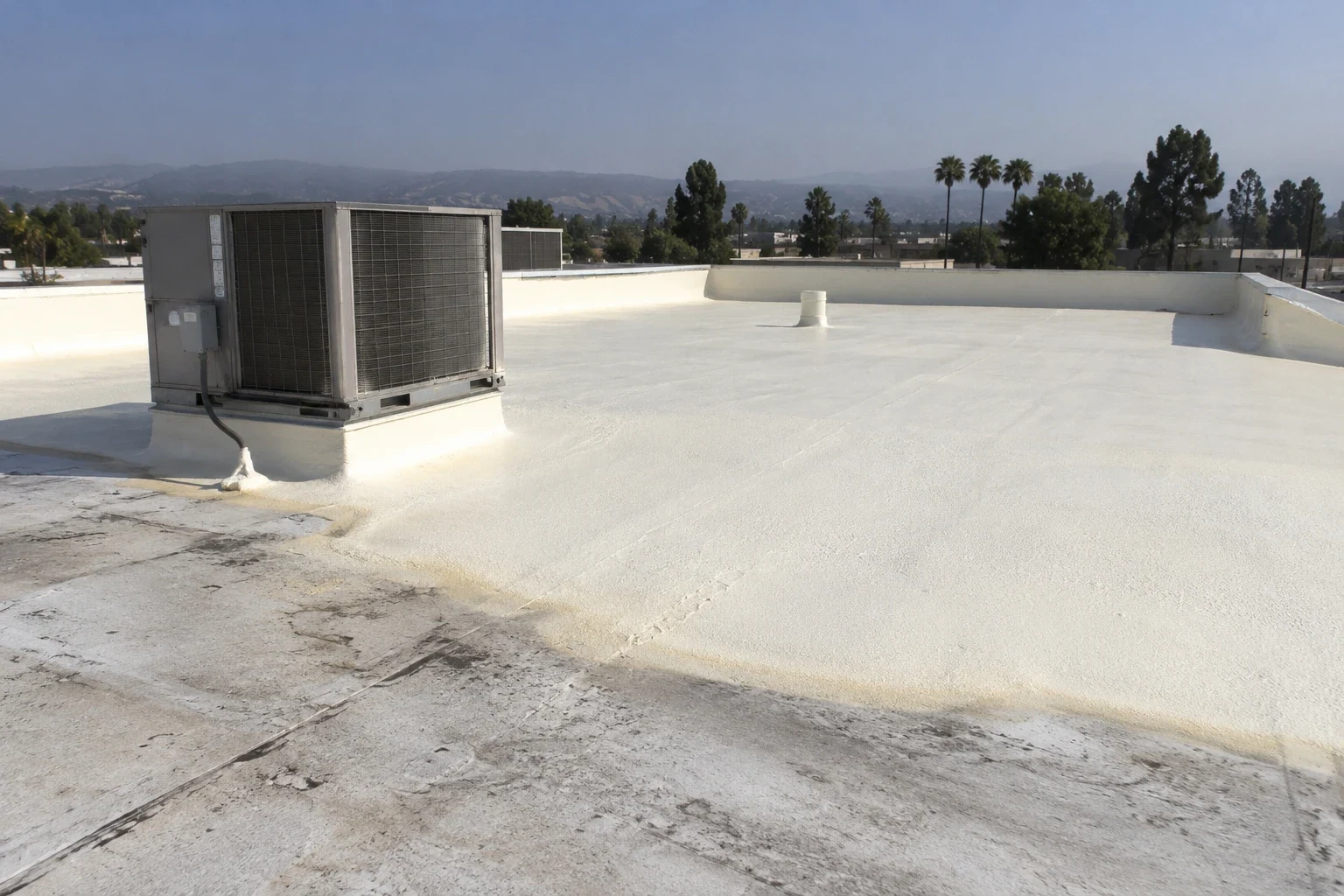
Confirm what lies beneath the surface
We identify the existing roof system and look for open seams, loose membrane, trapped moisture, deteriorated flashing and prior repairs. Silicone bonds only to a compatible, prepared surface. Where old coating or patch material changes across the roof, adhesion tests identify the zones needing primer or removal before application.
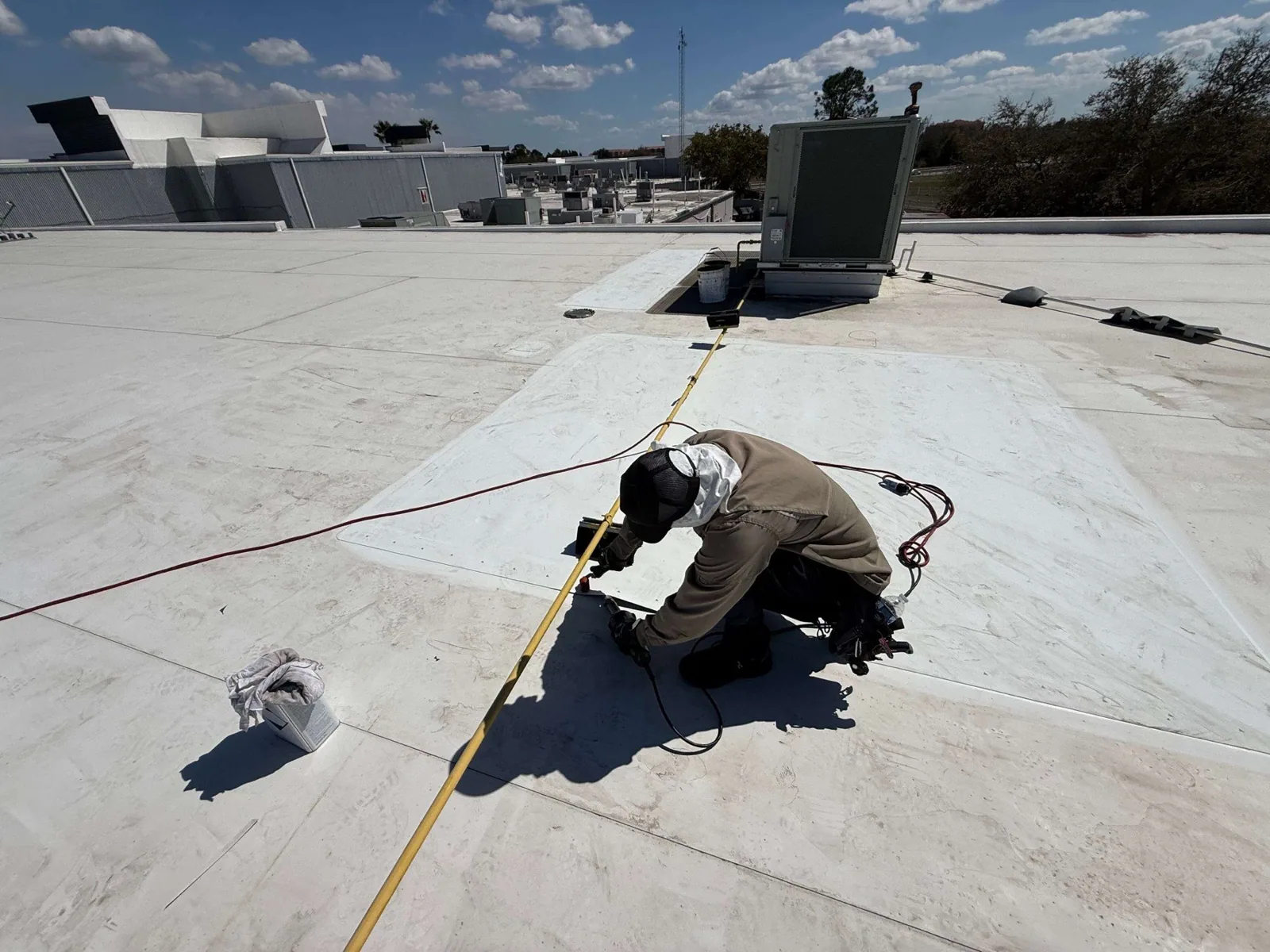
Different membranes and old coatings can react differently to primers and cleaners. We map material boundaries, repair incompatible patches and confirm the selected system's preparation instructions. A test patch can reveal whether the surface needs extra cleaning or a primer. A roof inspection can document current layers and identify test locations before the owner commits to restoration.
Sakioka Farms has reported distribution, cold-storage and fruit-processing activity. At those properties, maintenance traffic and equipment service may wear a coating. We inspect walkways and access points rather than infer the roof condition from the business park.
Prepare the roof for adhesion
Preparation usually includes cleaning, removing loose material and repairing weak details. We check whether dirt, oils, chalking or residue remain after cleaning and whether the surface is dry enough for application. A coating laid over contamination can lose bond at the first stressed edge. The work plan identifies wash water control, debris collection and protection for drains and rooftop equipment.
Seams, fasteners, penetrations and ponding areas receive separate attention. We repair open laps, replace failed sealant where specified and reinforce details with compatible materials. A coating is not a substitute for a new curb flashing or a loose termination bar. Roof repair can handle those defects before coating begins.
On a broad roof, test sections confirm surface preparation and application method. We document the location, products and result, then use the approved procedure for remaining areas. Weather and dew conditions affect when the crew can coat.
Apply the specified coating system
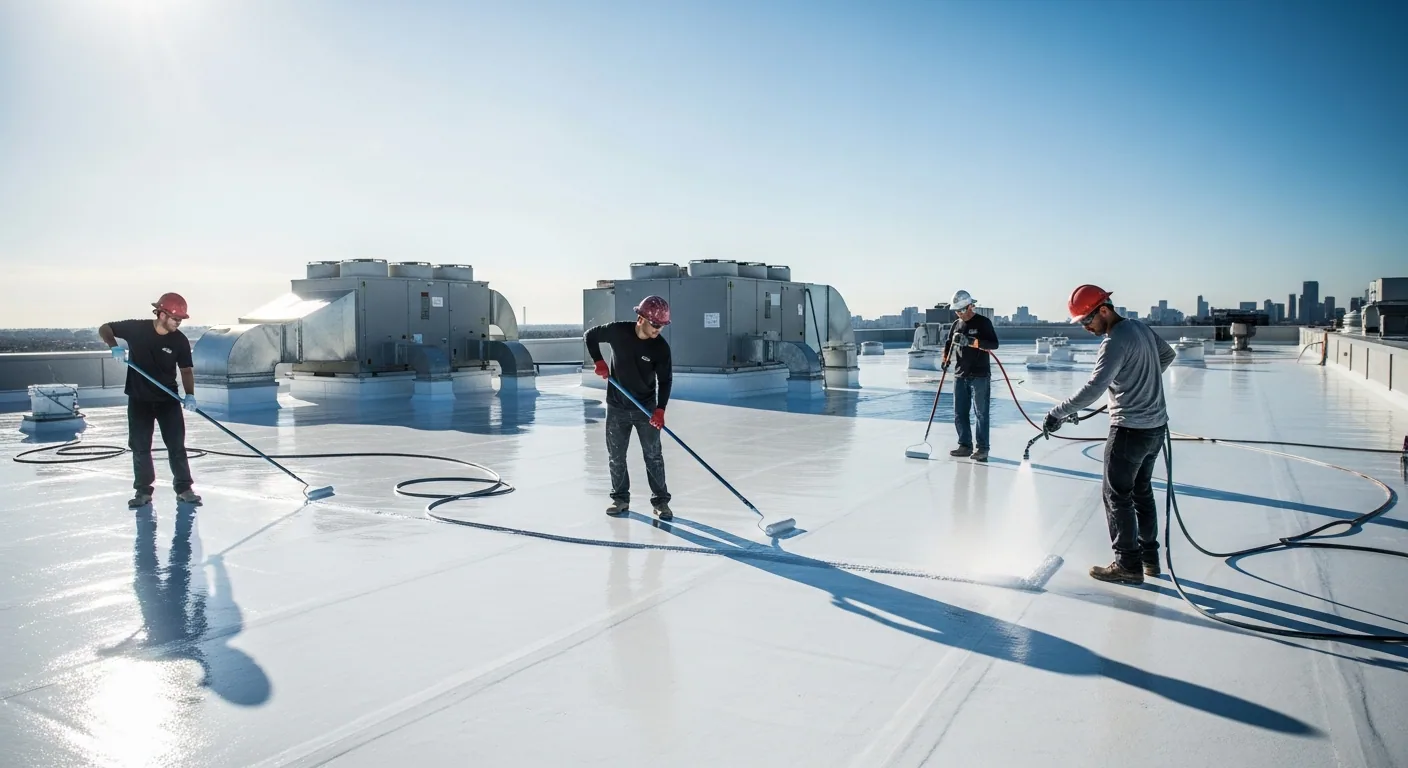
Silicone coating is applied at a specified rate and thickness over the prepared roof. The design may require one or more passes, reinforcement at seams or flashing, and a different treatment at drains. We check material condition, mixing instructions, ambient limits and wet-film readings during application. The project specification and product data set the target, not an arbitrary number selected in the field.
Silicone can tolerate standing water better than some coating types, but ponding still needs review. A recurring pool can hold debris, stress a weak substrate or conceal an opening. We inspect low points and identify whether the roof needs slope correction before coating. Drainage work can address flow paths and outlet details that coating alone cannot change.
We protect wall finishes, equipment, intake openings and walkways from overspray. At Camino Real Business Park, office, research and manufacturing uses may require careful coordination around operations. We establish access and protection with the actual building contact before spraying.
Keep coating separate from roof repair
Coating is a restoration layer, not a structural fix. It does not replace wet insulation, repair a damaged deck or restore a curb that has separated from the roof. We scope those repairs before the coating. If the existing assembly cannot support restoration, a new membrane or replacement may provide a clearer long-term path.
The National Weather Service recorded a new August rainfall mark at its Oxnard station during Tropical Storm Hilary in 2023. The event matters when reviewing drains, transitions and temporary dry-in, but it does not indicate whether a particular roof can take coating. Current moisture, ponding, substrate and seam conditions set the decision.
Acrylic coatings differ in water exposure and application limits. Acrylic systems may be evaluated where the roof design and product requirements fit; SPF coating renewal follows the foam assembly and its condition.
Track coating condition after installation
After application, roof walks check coating continuity, repaired seams, penetrations, drainage and areas that receive foot traffic. We note cuts or wear before water reaches the substrate. Walk pads, service routes and equipment access should be kept in the roof file so later maintenance does not damage the surface.
Cleaning methods and repair materials must suit the installed coating. A future patch over dirt or incompatible material may not bond. We record product, coverage requirements, repair sequence and areas outside the restoration scope. The maintenance plan also lists any drain or flashing issue that requires a separate repair.
Preventive roof maintenance can pair coating checks with drainage and equipment inspection. Sakioka Farms area service is scheduled around the facility's access and receiving periods.
Compare coating with recover or replacement
We compare the expected work, substrate risk, access and remaining service condition. A coating may fit when the roof is dry, stable and compatible; a recover may be possible where another assembly is permitted; replacement may be needed when failures are widespread. The proposal lists preparation, repairs, coating product, reinforcement and required coverage so competing scopes can be compared.
Edge height, scuppers and curb flashing can change when a coating adds thickness. Recover evaluation checks build-up limits, while replacement planning coordinates new insulation and membrane details if the substrate has reached its limit.
Closeout links each test and repair to a roof zone, allowing the facilities team to distinguish coating wear from a recurring seam or drainage problem on the next walk.
Record preparation and coverage
Closeout includes product identification, preparation notes, application records, thickness checks, repair photographs and any test-patch results. We mark drains and penetrations treated during the work and note areas that were excluded. The facilities team can then inspect the same details during maintenance.
The property contact schedules coating around ventilation intakes, deliveries and roof access. We keep outlets open, protect active systems and check transitions before reopening the work zone.
CRA can evaluate and restore eligible commercial roofs with silicone coating in Oxnard. Provide roof plans, product records, repair history, known ponding and access needs. We will inspect the assembly and explain whether coating, recover or replacement fits.
Related Roofing Work
More from Roof Systems and nearby services
Check coating suitability
Share product records, roof plans, moisture or ponding reports, and access details. We will inspect the substrate and details, then define silicone restoration or another roof option in Oxnard.
Common Questions
Can silicone coating be applied over a wet roof?
No. The roof must be dry and the substrate suitable for the selected system. We inspect moisture indicators and test suspect areas before preparation. Wet insulation, loose membrane or a failed detail needs repair or removal before coating is considered.
Does silicone coating solve ponding water?
It can protect a suitable substrate under specified conditions, but it does not change the roof slope. We measure low areas, check drains and determine whether tapered work or structural review is needed before coating.
How is silicone coating applied around HVAC units?
We protect equipment and intakes, prepare the curb and flashing, then reinforce details as specified before coating the field. Access clearance and service routes are coordinated so coating does not block panels, drains or equipment maintenance.
Can an old roof coating receive a new silicone layer?
Only after identifying the existing material and verifying compatibility and adhesion. We clean the surface, repair weak areas and may apply a test patch. If the old coating is detached or moisture is present, adding another layer is not appropriate.
What should be checked after silicone restoration?
Inspect coating continuity, seams, penetrations, drains and service paths. Keep the product data and application record with repair photos. Future patches need compatible materials and a clean, dry surface.