Insurance Restoration Roofing in Oxnard, CA
Document a commercial roof loss
Insurance Restoration Roofing
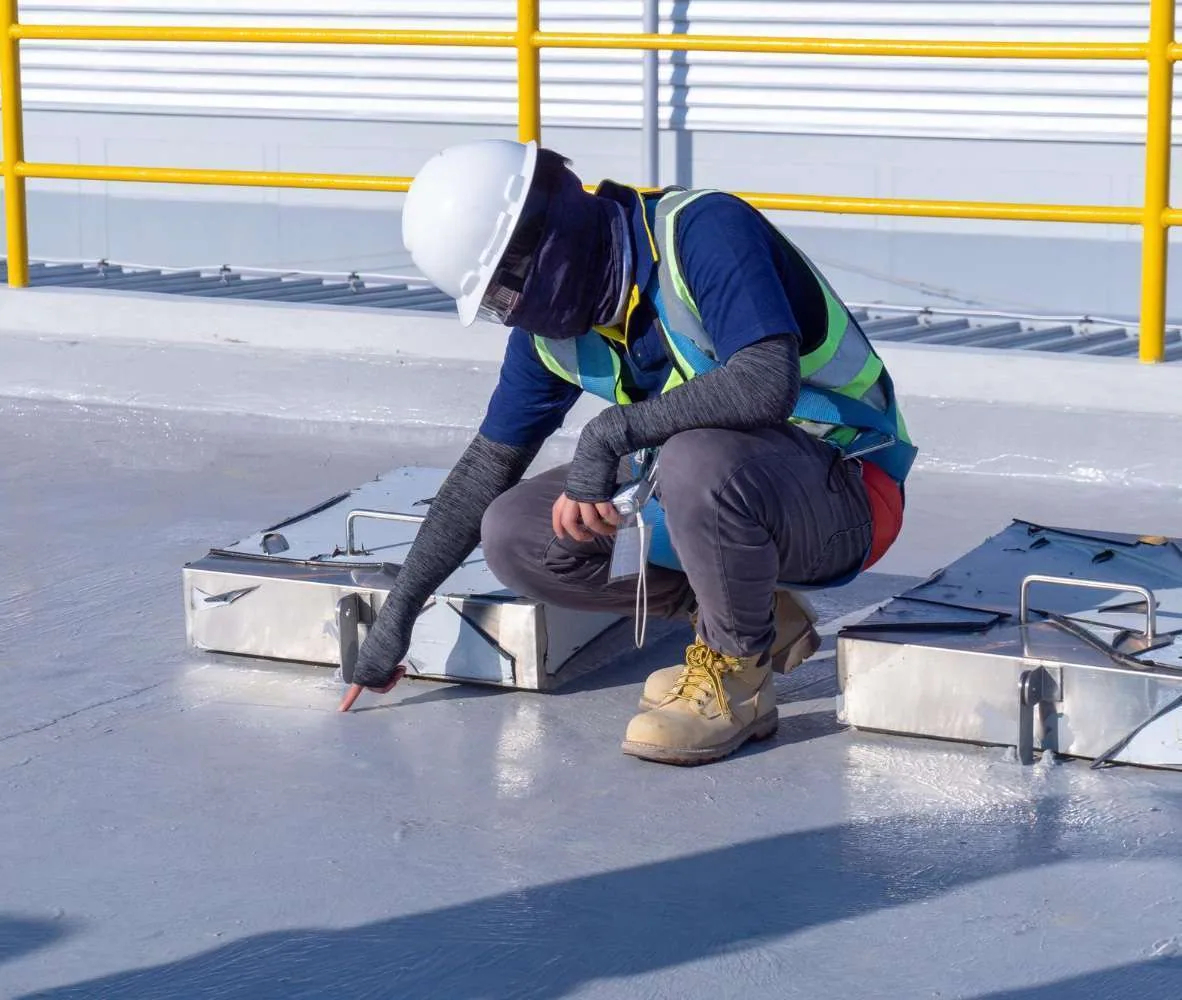
A restoration roof file needs a clear line between the reported event, observed damage, temporary protection, and permanent work. In Oxnard, a building in the Central Industrial Area may have outdoor storage or repair operations, while a downtown property may have occupied commercial or mixed-use space below the roof. Those conditions affect access and containment, not the cause of a roof opening. We inspect the assembly, mark each finding, photograph the relevant detail, and describe what the field evidence supports.
After a leak or storm report, timing and location matter. We record when water was reported, which interior areas were affected, what protection was installed, and which roof sections were accessible. The report distinguishes an opening from a suspected path and notes any test required to confirm concealed moisture. That gives the property owner, adjuster, and restoration contractor a usable record without stating that a specific event caused damage unless the physical evidence supports that conclusion.
Secure the opening and keep the record intact
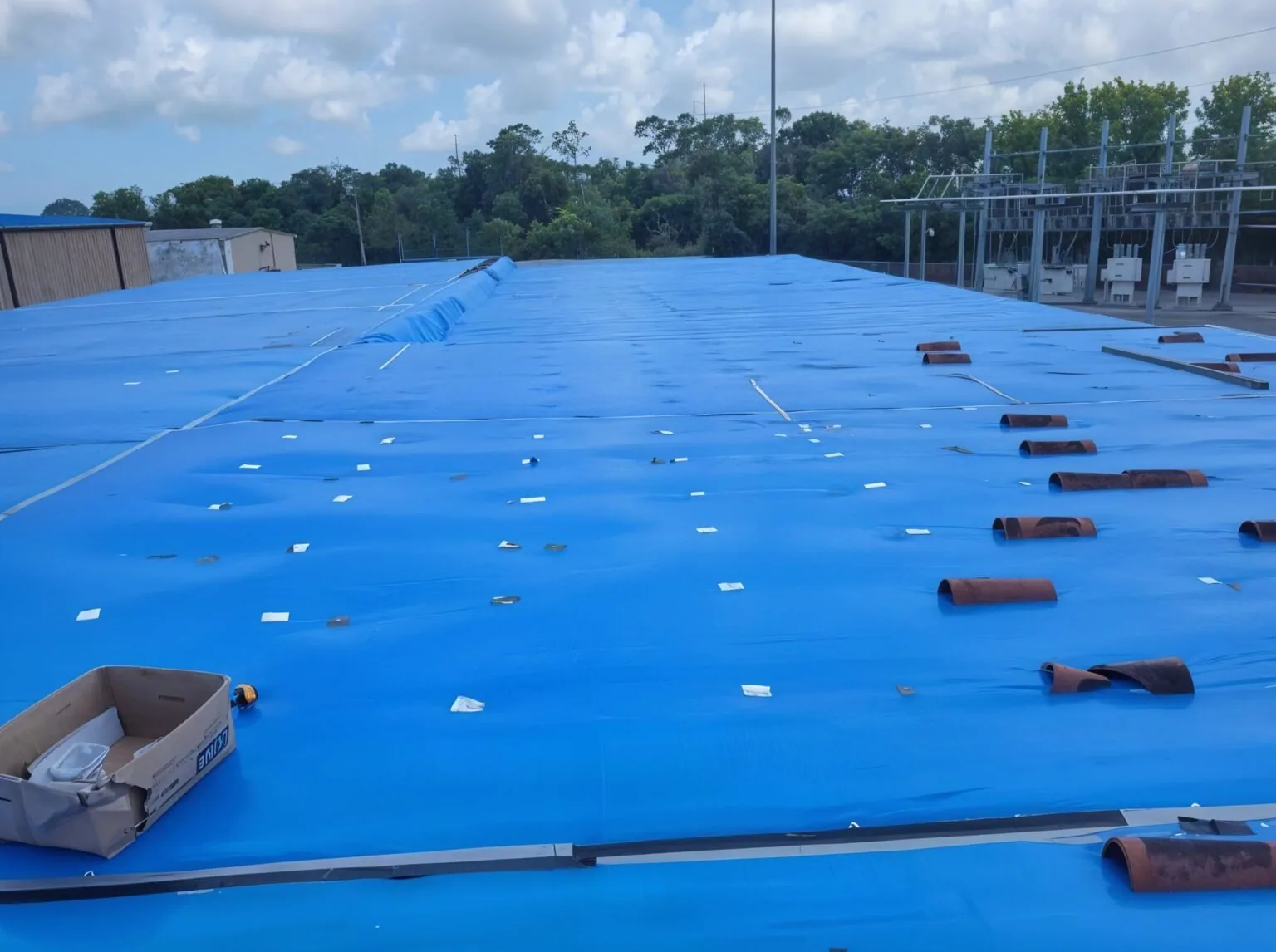
For active water entry, around-the-clock response is available, including nights, weekends, and holidays. The first task is to limit further entry and protect the interior while preserving a clear view of the roof condition. We photograph the opening before and after temporary cover, identify the material used, and note the area that remains exposed. A temporary measure should be labeled as stabilization, with its inspection interval and permanent correction listed separately.
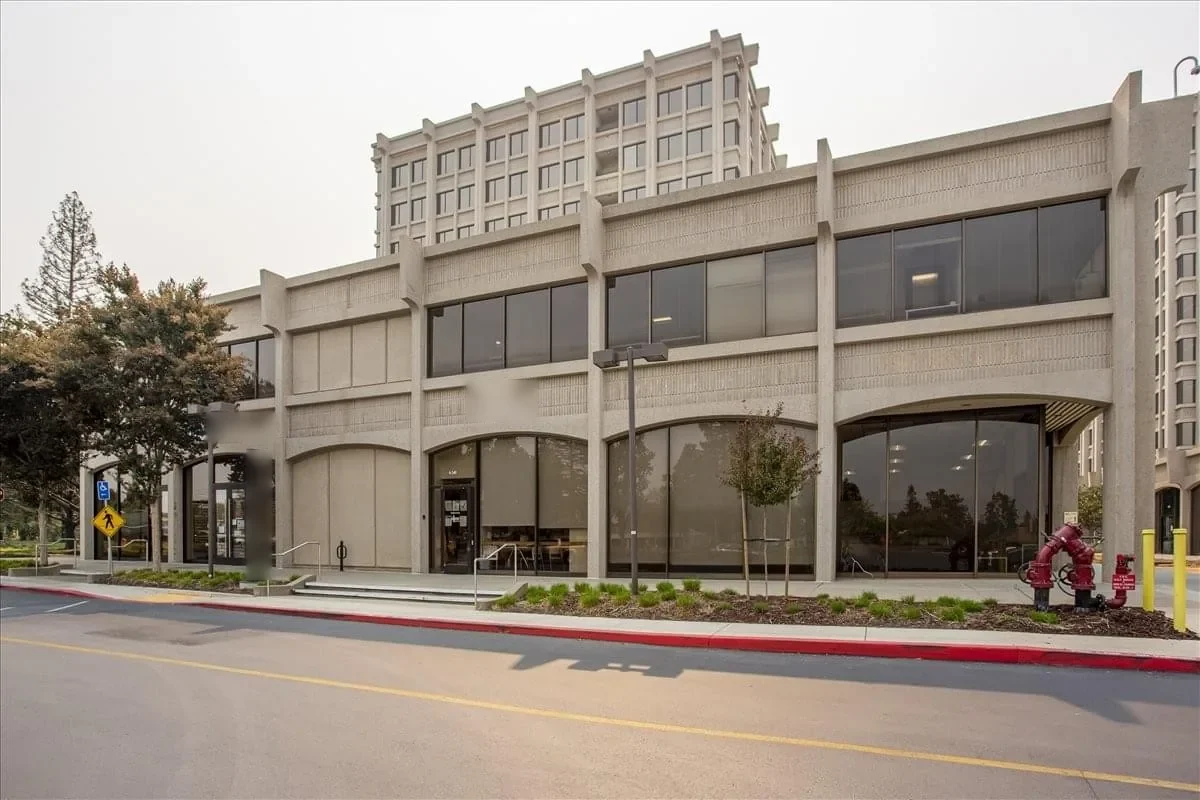
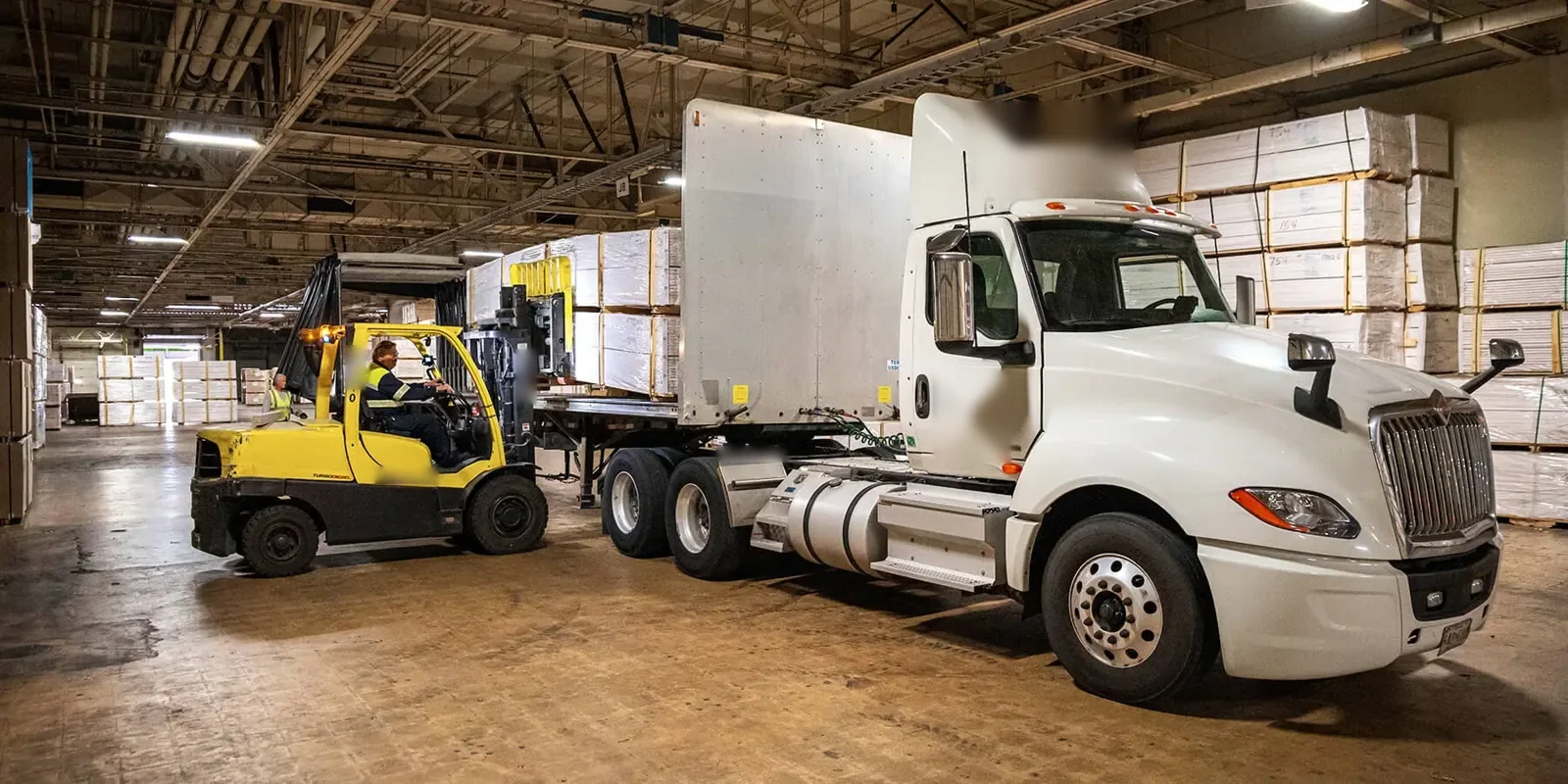
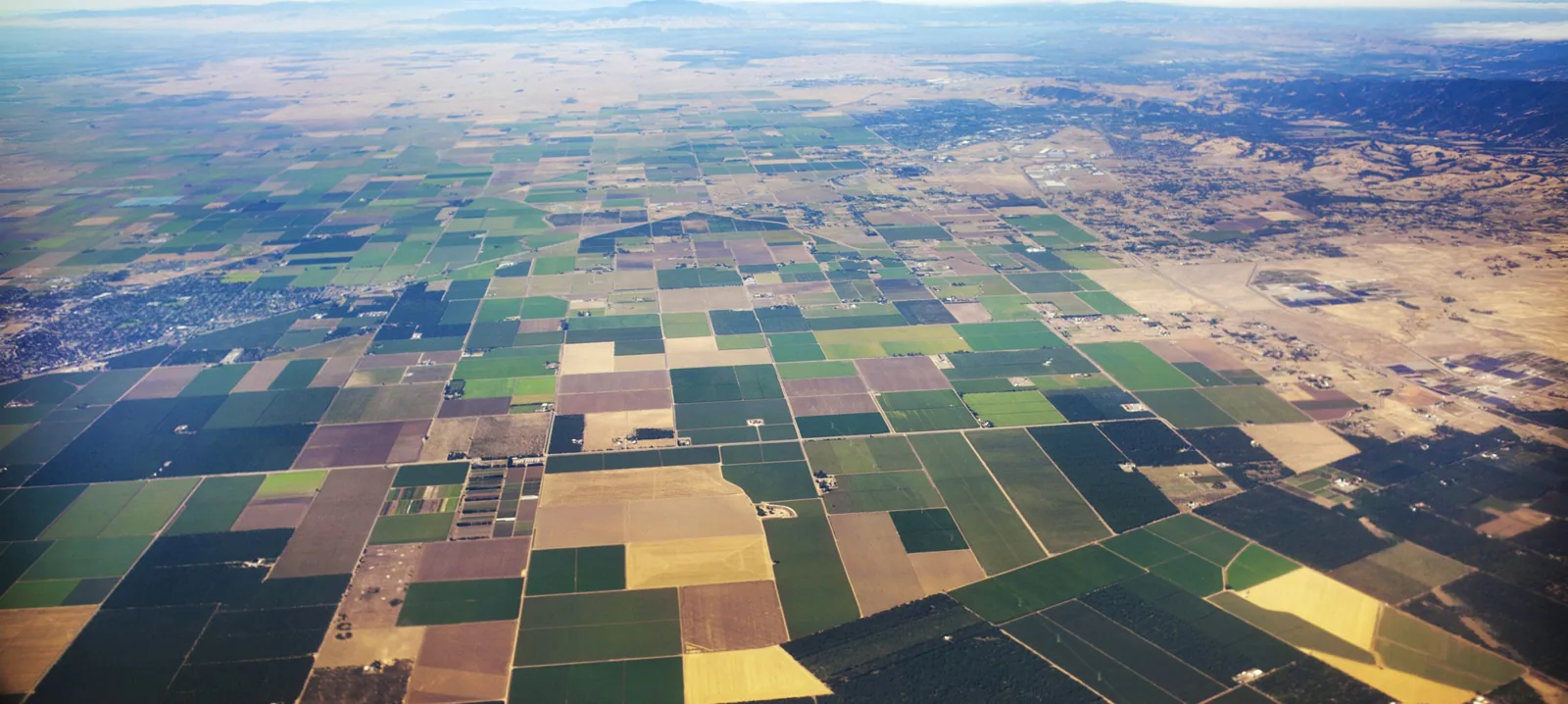
At a property in the Central Industrial Area, outdoor storage and vehicle or equipment repair may affect where a lift or response vehicle can stage. At Sakioka Farms Business Park, distribution and cold-storage uses can affect truck staging. A property near Camino Real Business Park may have different access needs. We confirm the actual gate, work zone, and responsible contact rather than inferring access from the neighborhood. The emergency response scope names what was protected, what could be inspected, and what still needs permanent repair.
Map each roof condition to its location
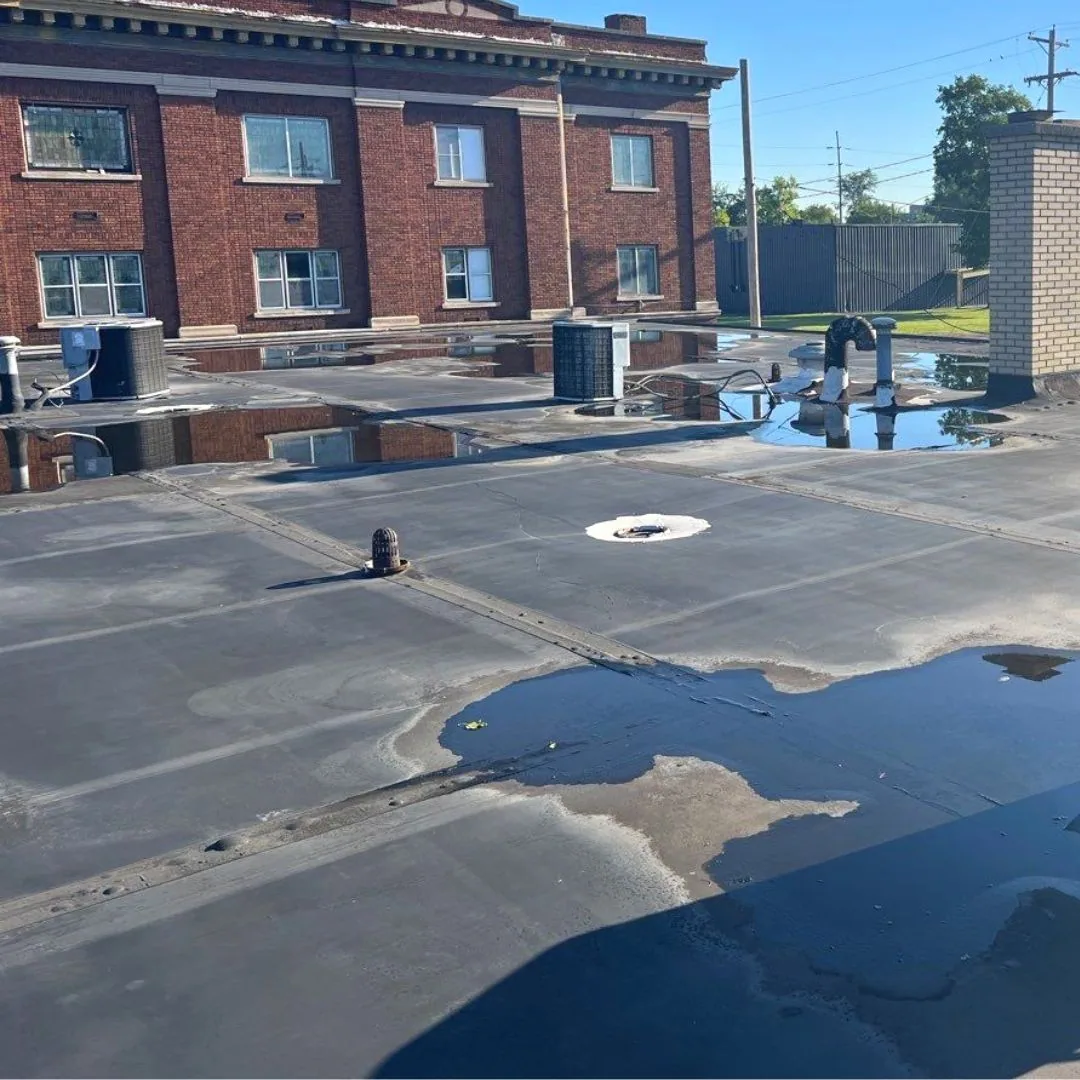
We follow the roof by section, noting seams, laps, penetrations, curbs, drains, scuppers, walls, edges, and prior repair patches. A field mark and photograph identify the location and the visible condition. Water may travel along a deck or insulation joint before reaching an interior finish, so we compare the reported area with details above and upslope. The report labels a confirmed opening, a likely path, or an area that needs further testing rather than treating all three as the same finding.
A photo-marked inspection can document the accessible surface and its limitations. We note blocked equipment zones, unsafe areas, or missing records that prevent a complete review. If a stain is present but no opening is found, the report says so and identifies the next diagnostic step. A targeted moisture survey or test cut may help define removal, but the test purpose, location, and restoration method should be agreed before the roof is opened.
Keep weather history separate from damage findings
The Hilary event summary reports a 1.77-inch August 2023 total at the Oxnard station, the station's new August monthly record. Compare the reported loss date with maintenance entries, then inspect the building's own drains, roof transitions, and interior path before describing findings in the claim file.
Oxnard's Local Coastal Program identifies coastal hazards and adaptation policies for properties within the mapped coastal zone. Confirm the parcel before adding that context to a claim or repair scope. A coastal designation does not identify the roof system, condition, or cause of a leak. We record visible seam separation, displaced metal, punctures, wet insulation evidence, or blocked drainage as distinct findings, each tied to its own photograph and inspection location. A storm-related roof assessment should state the observed damage and separate pre-existing conditions when field evidence supports that distinction.
Separate repair scope from cause determination
Our roofing scope addresses the assembly and repair work required for the observed condition. A claim file may need a separate cause determination, engineering opinion, policy interpretation, or coverage decision from the appropriate parties. We do not convert a repair recommendation into an insurance conclusion. The field record can describe material, location, condition, test results, and work completed in neutral terms that another reviewer can compare with the claim documents.
If the roof has an older patch, worn surface, or recurring drain issue near a reported event, record it independently from any new opening. That makes the repair boundary more useful and keeps unrelated maintenance from being bundled into the loss scope. A claim documentation package can organize photographs, marked areas, temporary protection, and repair quantities. If restoration crews are already on site, a general contractor's trade plan can coordinate roofing with interior drying and mechanical work, while the roofing file keeps its own observations and material record.
Price the permanent correction after inspection
A localized puncture or split may accept a compatible repair when the surrounding sheet and substrate are sound. Repeated failures, broad moisture, weak attachment, or deck damage can require testing or a larger replacement boundary. We identify the roof assembly and repair method, list the affected area, and state what the scope excludes. If test results alter the quantity, establish an approval point before removal expands beyond the marked limit.
Price and duration depend on access, preparation, material compatibility, removal depth, insulation, edge details, drains, interior protection, and the time needed to keep the building dry. A permanent repair scope should identify the tie-in and closeout evidence. If broader work is needed, a replacement proposal can state tear-off, daily dry-in, and concealed-condition assumptions. We keep temporary stabilization, covered repairs, and replacement alternatives distinct so the owner can review each decision.
Share a record every reviewer can follow
Each report should identify the property, roof section, inspection date, reported event, interior area, access limitations, photographs, temporary measures, test results, and remaining work. Keep the sequence clear: initial condition, stabilization, permanent repair, and final closeout. A photo without a location reference is difficult to compare with a bid or field revisit, so we connect each image to a roof map or field mark.
When a landlord and tenant share responsibility, identify who requested the visit, who can authorize roof access, and who approves permanent work. The property manager's asset record can preserve work history and tenant coordination after the claim file closes. Send the policy or claim requirements that affect documentation, the roof plan, loss timeline, interior reports, and access contact. We will document the roof evidence and repair scope in a way that can be read alongside the claim without deciding coverage.
Related Roofing Work
More from Industries We Serve and nearby services
Document a commercial roof loss
Share the roof plan, reported event and leak timeline, prior repairs, interior photographs, access contact, and documentation requirements. We will inspect the assembly and return marked findings with a repair scope.
Common Questions
Does a roof report determine whether insurance covers a loss?
No. We document observed roof conditions and repair work. Coverage and policy interpretation belong to the insurer and other designated reviewers.
Can you document temporary protection after hours?
Yes. Emergency response is available day and night. We record the area protected, materials used, photographs, and permanent work still required.
How do you describe a likely leak path?
We compare the reported interior area with roof details above and upslope, then label what was observed and what remains a test question. The report does not treat a stain as proof of the opening.
Should pre-existing roof wear appear in the file?
Yes, when observed. We list it separately from a reported opening or event-related condition so the repair boundary and maintenance needs stay distinct.
What should I provide before an inspection?
Send the roof plan, event and leak timeline, prior repairs, interior photos, claim documentation requirements, access rules, and the person who can approve testing or permanent work.