
Commercial Roof Insurance Claim Assistance in Oxnard, CA
Organize the roof documentation
Commercial Roof Insurance Claim Assistance
A claim file is easier to review when each photograph has a date, roof location, and condition attached to it. We document visible commercial roof damage, map affected sections, and describe recommended repairs in the same terms used in the work scope. We connect any reported weather date to the inspection record without treating a station measurement as proof of a roof condition. A cold-storage property at Sakioka Farms, an industrial site in the Central Industrial Area, or a port-adjacent facility may have different access and operating requirements. We record what the roof shows, note limits, and provide supporting roofing documentation for the owner’s discussion with an insurer.
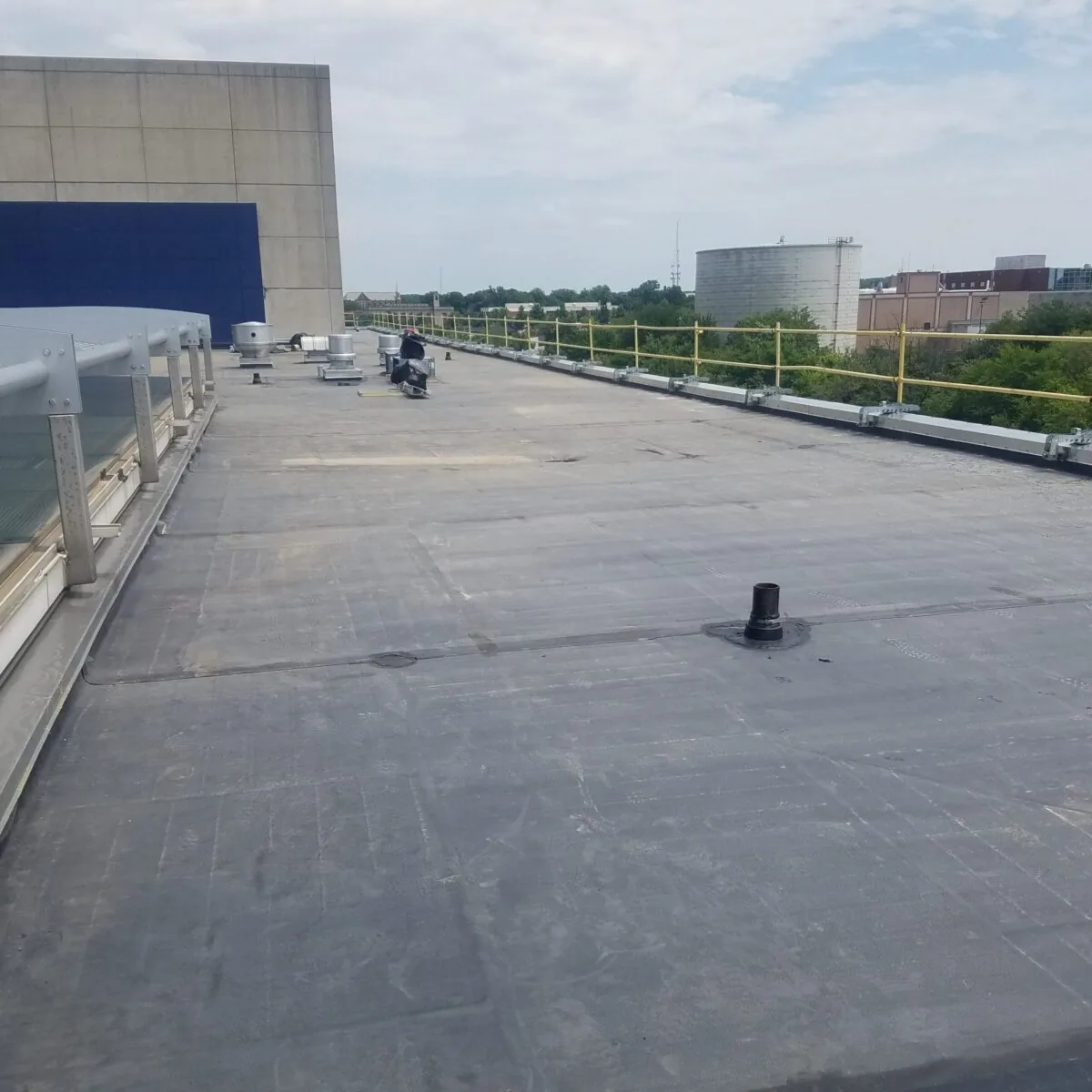
Create a date-linked roof record
We begin with the owner’s reported date, interior observations, earlier roof photographs, repair history, and available plans. On site, each visible condition receives a field mark and a photograph that shows both the detail and its place on the roof. That connection matters when an image is reviewed later. A close-up of a torn seam without a location reference can be difficult to match to a building or roof section.
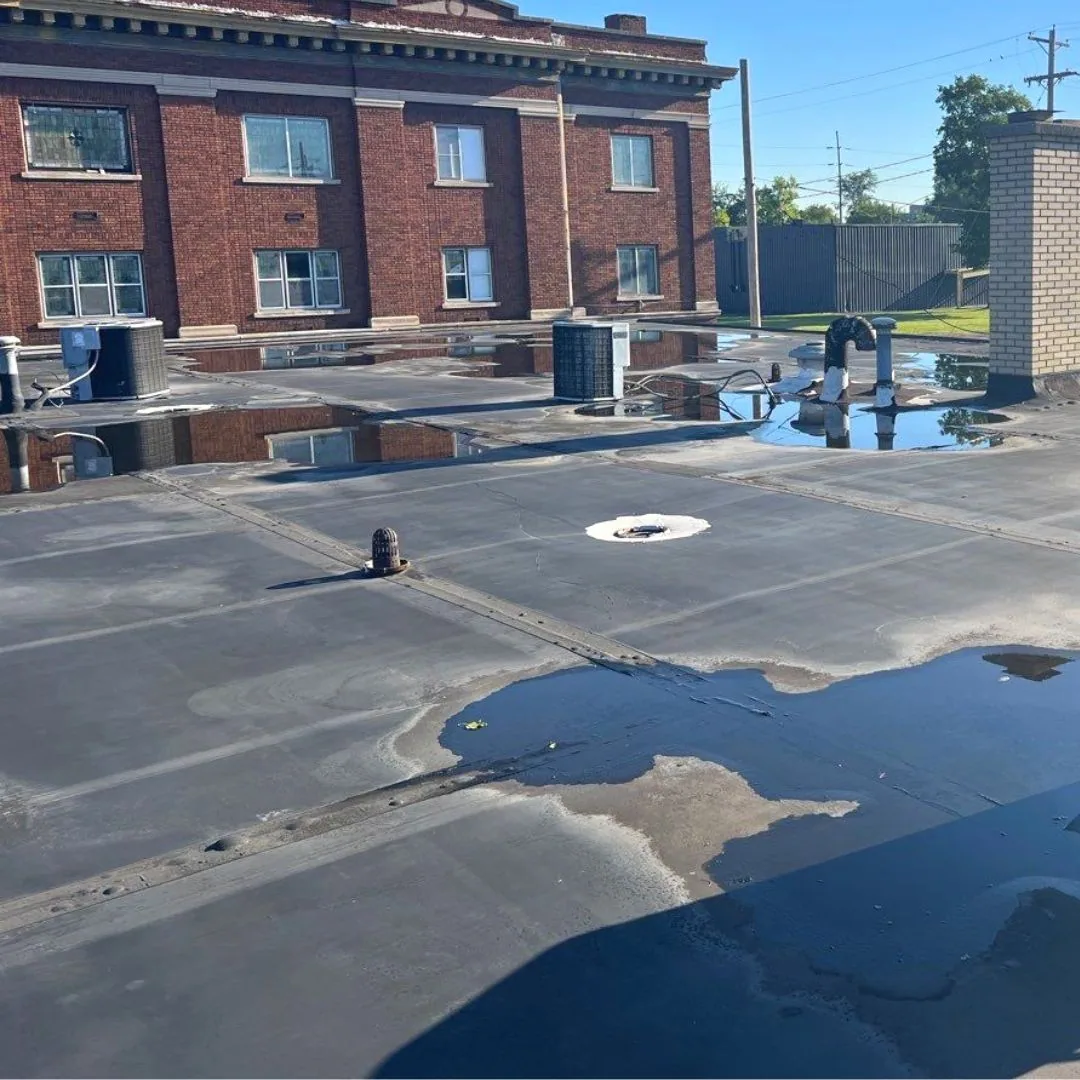
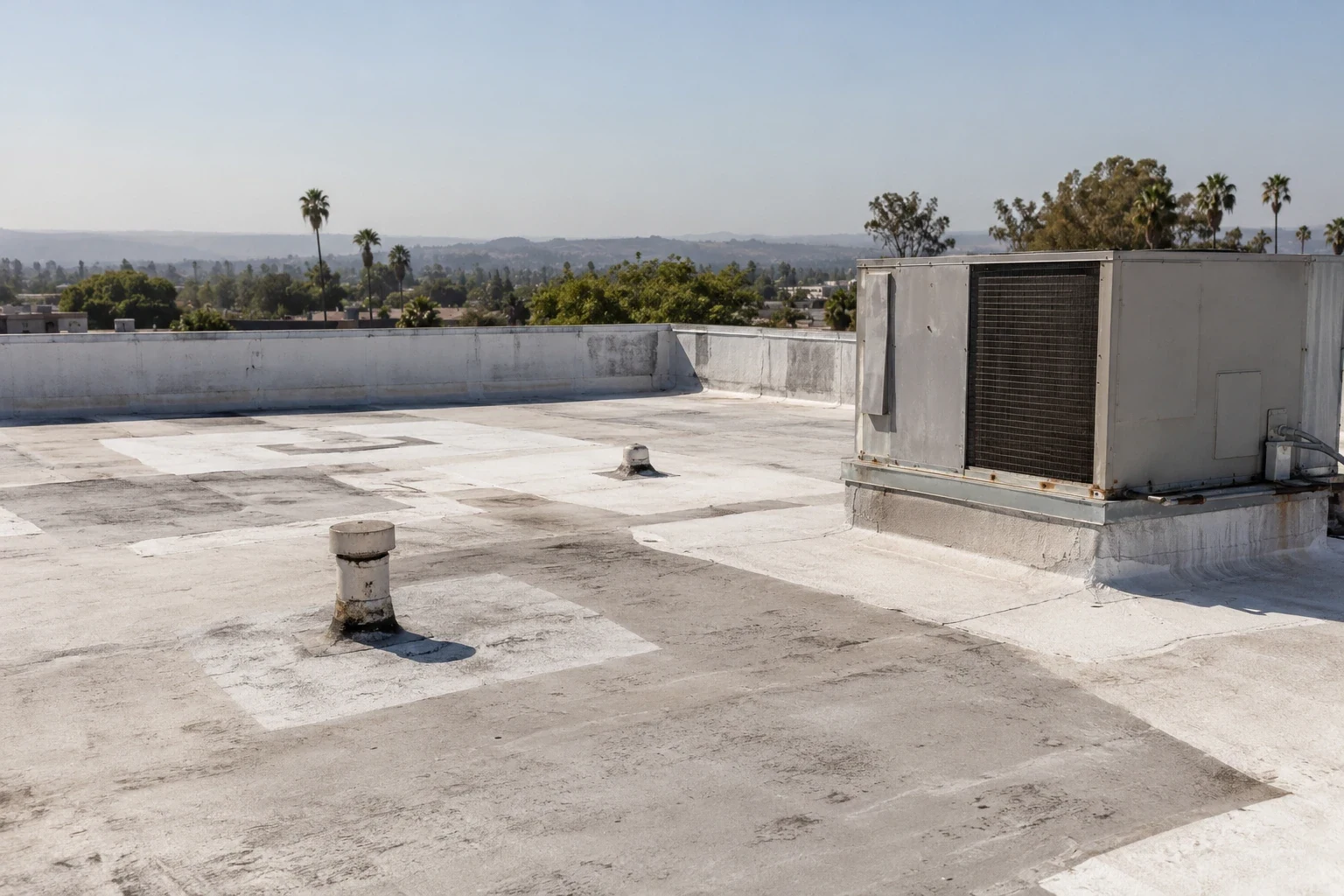
The inspection notes the roof system when identifiable, the affected detail, visible dimensions, nearby conditions, and any area not reached. We distinguish an open seam from loose metal, a drain obstruction from membrane damage, and active leakage from a dry stain. If a cause or date cannot be established from what is visible, we do not assign one. Storm damage assessment can pair the observations with a repair plan when the roof has a recent weather-related issue.
Keep observed damage separate from repair choices
The report describes the condition. The proposal describes the work. Keeping those records distinct lets the property owner review both without treating a recommendation as proof of cause or coverage. A photograph may show a puncture or separated flashing. The repair proposal may identify a compatible patch, flashing rebuild, or localized replacement, with the limits stated clearly.
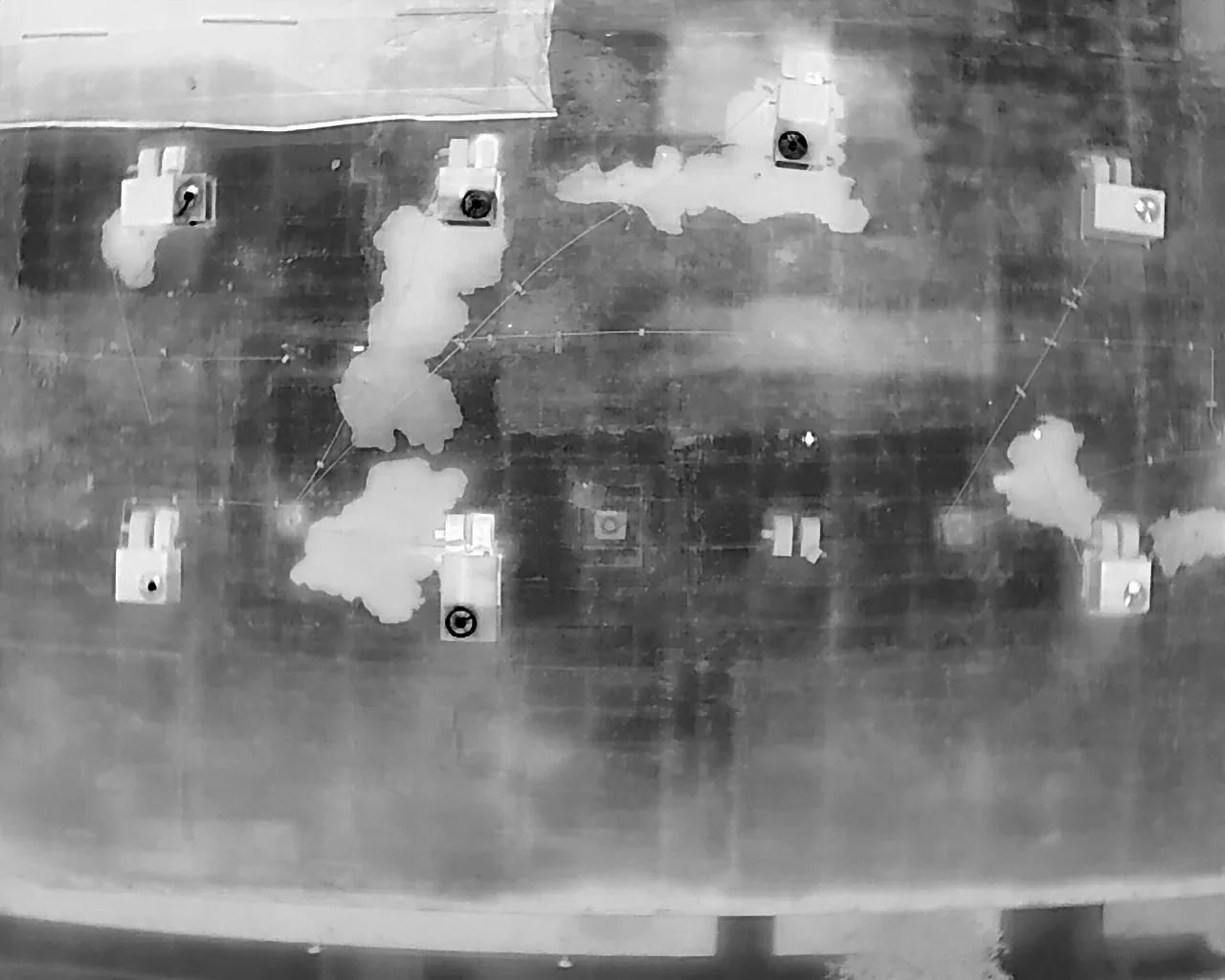
When concealed layers need review, we mark the opening, photograph the assembly, and record what the sample shows. Infrared patterns can help select a test location, but they do not prove moisture below a roof surface. Core cuts or other appropriate checks provide confirmation at their locations. We can prepare a repair estimate from confirmed findings and identify any concealed condition that may change the work. A hands-on inspection and targeted moisture testing can provide supporting roof evidence where surface observations leave a question.
Place local weather in the right record
For an event file, the National Weather Service’s Oxnard station reported 1.77 inches in August 2023 during Hilary, a record August total. Pair that dated measurement with the owner’s reported event, photographs, and roof inspection findings; the documented repair boundary follows the building evidence.
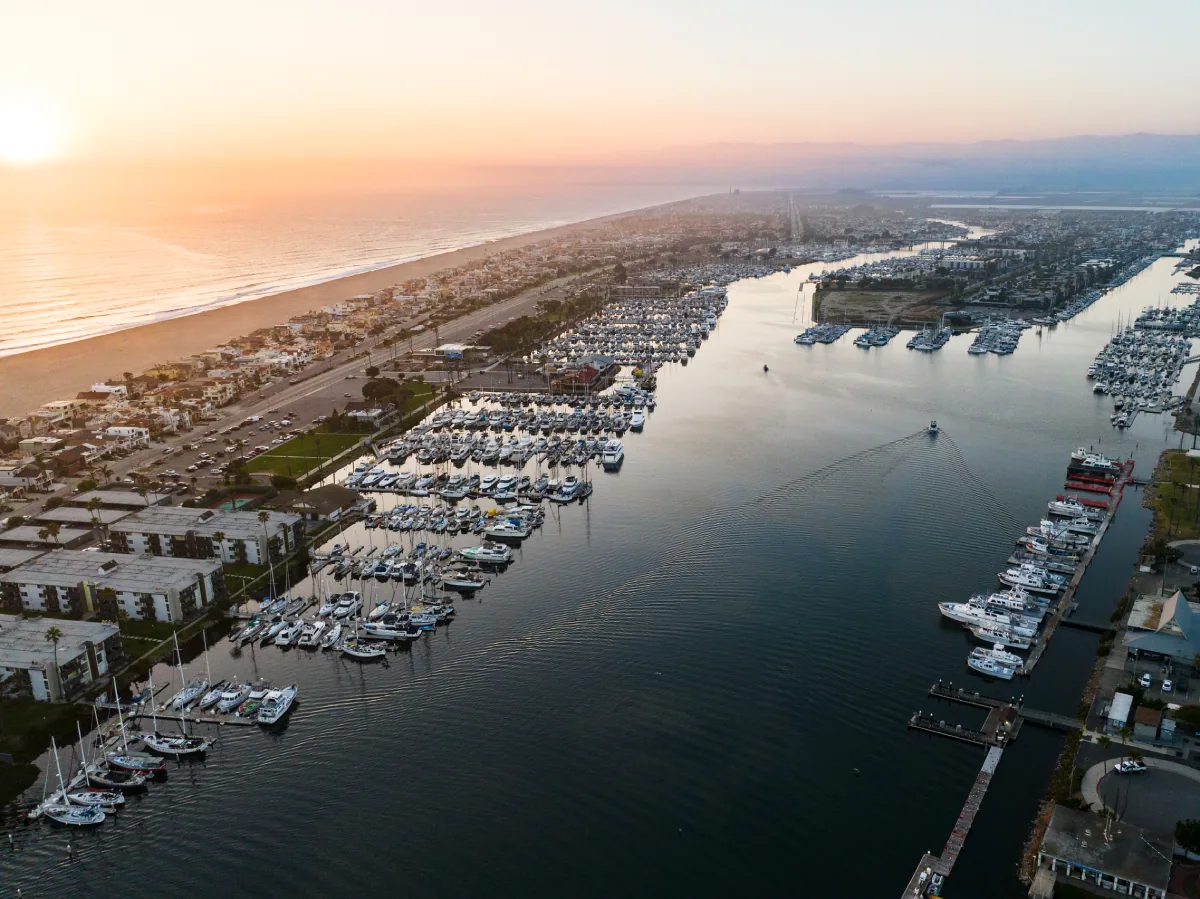
Coastal planning has the same boundary. Oxnard’s Local Coastal Program addresses sea-level-rise and related hazards for mapped coastal areas. That planning record may be relevant to a parcel in the designated zone, but it does not show that the property flooded or suffered roof damage. A building near Channel Islands Harbor has a different location context from one in the Central Industrial Area. We identify the property on the report and keep local context tied to that location.
Make the scope easy to compare
A useful repair scope states the roof section, system, damaged detail, preparation, repair method, access needs, and work boundary. It also identifies temporary protection and any follow-up needed after the permanent work. If wet insulation or damaged decking appears after an opening is made, we photograph it and seek approval through the agreed concealed-condition process before changing the scope.
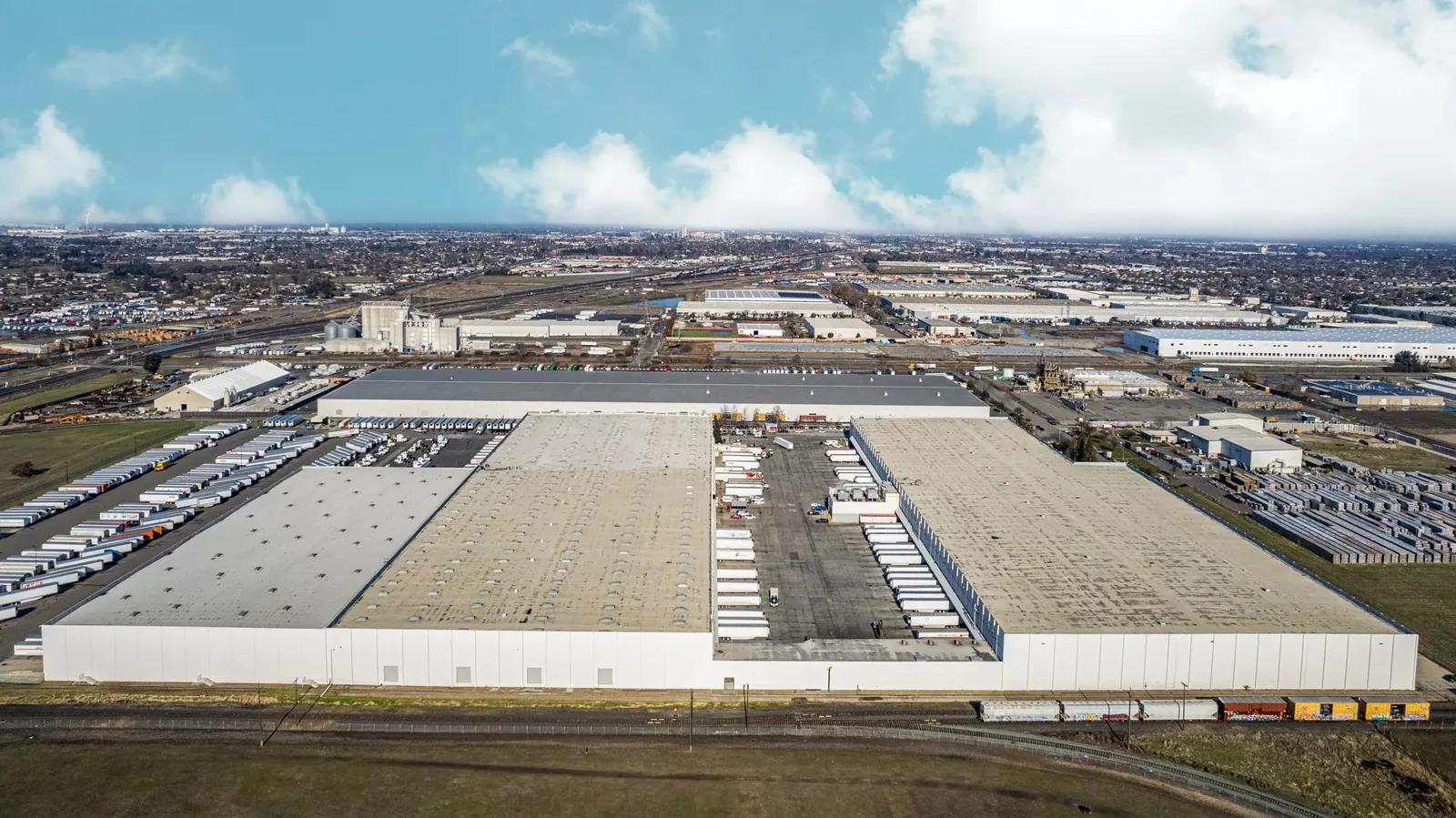
We can organize estimates by building or roof section for an owner with multiple properties. At Sakioka Farms, where the city’s progress report describes distribution and cold-storage development, access and business continuity may affect the sequence. The roof itself still needs an individual survey. We list any mechanical or electrical trade coordination separately and explain what remains outside the roofing scope. A commercial roof repair estimate can then be compared with the observed condition without blending unrelated work.
Respect the claims decision
We provide roofing observations, photographs, measurements, and repair recommendations. The insurer decides whether coverage applies under the policy. We do not promise approval, interpret exclusions, or tell the owner what an adjuster must conclude. If an adjuster or consultant requests additional roof information, we can identify available records and arrange an inspection when access is approved.
That process works best when communications identify the building, affected section, event date reported by the owner, and requested document. We can explain how a proposed roofing method addresses the visible condition and what materials are included. If a second visit is needed, we coordinate site access and document what was added. For larger work, replacement planning can define the assembly and section sequence, while a condition report with photos can organize findings across a portfolio.
Keep the file usable after repair
After work, we record the repair location, materials, date, photographs, and any condition left for monitoring. The closeout should match the approved scope and identify any change made after concealed material was exposed. That way the owner can compare the completed work with the inspection report and preserve both in the property file.
Before the visit, identify whether the owner needs a repair estimate, a photo set, or a dated status record for the carrier. We confirm the requested deliverable and the roof sections included, so a later question can be answered from the matching inspection notes rather than a general summary.
Before requesting claim documentation, gather the policy contact, reported event date, roof plans, prior service logs, interior photographs, and access instructions. Tell us whether the roof is actively leaking and which operations need protection. We will document the roof condition and prepare a clear repair scope for your records. Sakioka Farms and other local properties receive the same evidence-first file, matched to the building and its use.
Related Roofing Work
More from Commercial Roofing Services and nearby services
Organize the roof documentation
Share the reported event date, policy contact, roof plans, leak locations, prior repair records, and access details. We will inspect, photograph, and scope the roofing work clearly.
Common Questions
Can you tell us whether the insurer will cover the roof work?
No. The insurer applies the policy and makes the coverage decision. We can document the roof condition, provide photographs and measurements, and explain the proposed repair method. Those records support the owner’s review without predicting a claim outcome.
What should the report say about the cause of damage?
It should state what the inspection found and distinguish that from anything not established. We describe visible tears, separation, impact marks, water entry, and related conditions. If the evidence does not identify a cause or date, the report says so instead of filling the gap with a guess.
Can you coordinate with an adjuster or consultant?
Yes. With the owner’s approval, we can provide roofing photographs, field marks, and scope details and arrange access for a follow-up inspection. We keep communications tied to the roof evidence and leave policy interpretation to the insurer and its representatives.
Will a repair proposal include concealed conditions?
We identify the visible scope and state how newly exposed wet insulation or deck damage will be documented and approved. The proposal can include a pricing basis for concealed work, but the final quantity depends on what is found after opening the roof.
What records should we keep after the repair?
Save the inspection report, photographs, approved scope, change records, invoices, and closeout description together. We can provide the roofing documentation for the completed work and note any area that should be revisited. That gives a future property manager a clear history of the claim-related repair.