Local weather advisory

Coastal Flood Advisory: Commercial Roof Help in Oxnard

The National Weather Service has issued a coastal flood advisory covering Oxnard. Heavy rain and drainage loading can expose roof leaks, blocked drains, and ponding water. This is a weather exposure advisory; it does not establish damage to a specific roof.

Do not access a roof during hazardous weather. Protect people first, avoid water near electrical equipment, and request roofing help when conditions permit.

National Weather Service · Updated Oct 27, 2026, 1:54 PM UTC

Storm Damage Commercial Roof Repair

After a storm, the first roof check should separate visible change from assumed damage. We inspect for displaced metal, punctures, open seams, damaged flashings, blocked drains, and water entry, then mark the affected sections. At Oxnard, the August 2023 Hilary observation totaled 1.77 inches, exceeding every other August total in that station’s record. We check the property’s overflow paths, roof surface, and reported leak areas during inspection. A distribution site near Sakioka Farms may need a different access and interior-protection plan than a commercial building close to the Port of Hueneme. We document conditions found, protect openings when safe, and propose repairs that fit the existing roof system. At Sakioka Farms properties and Port Hueneme-area buildings, the inspection records each roof’s observed damage and drainage conditions.
Storm Damage Commercial Roof Repair in Oxnard, CA

Control immediate exposure

Water entering an occupied building, loose edge metal, or a puncture above equipment needs prompt attention. We ask where water is appearing, when it began, and whether any area is unsafe to enter. The site contact identifies rooms, inventory, electrical equipment, and operations that need protection. If there is an immediate life-safety concern, keep people clear and contact the appropriate emergency service.

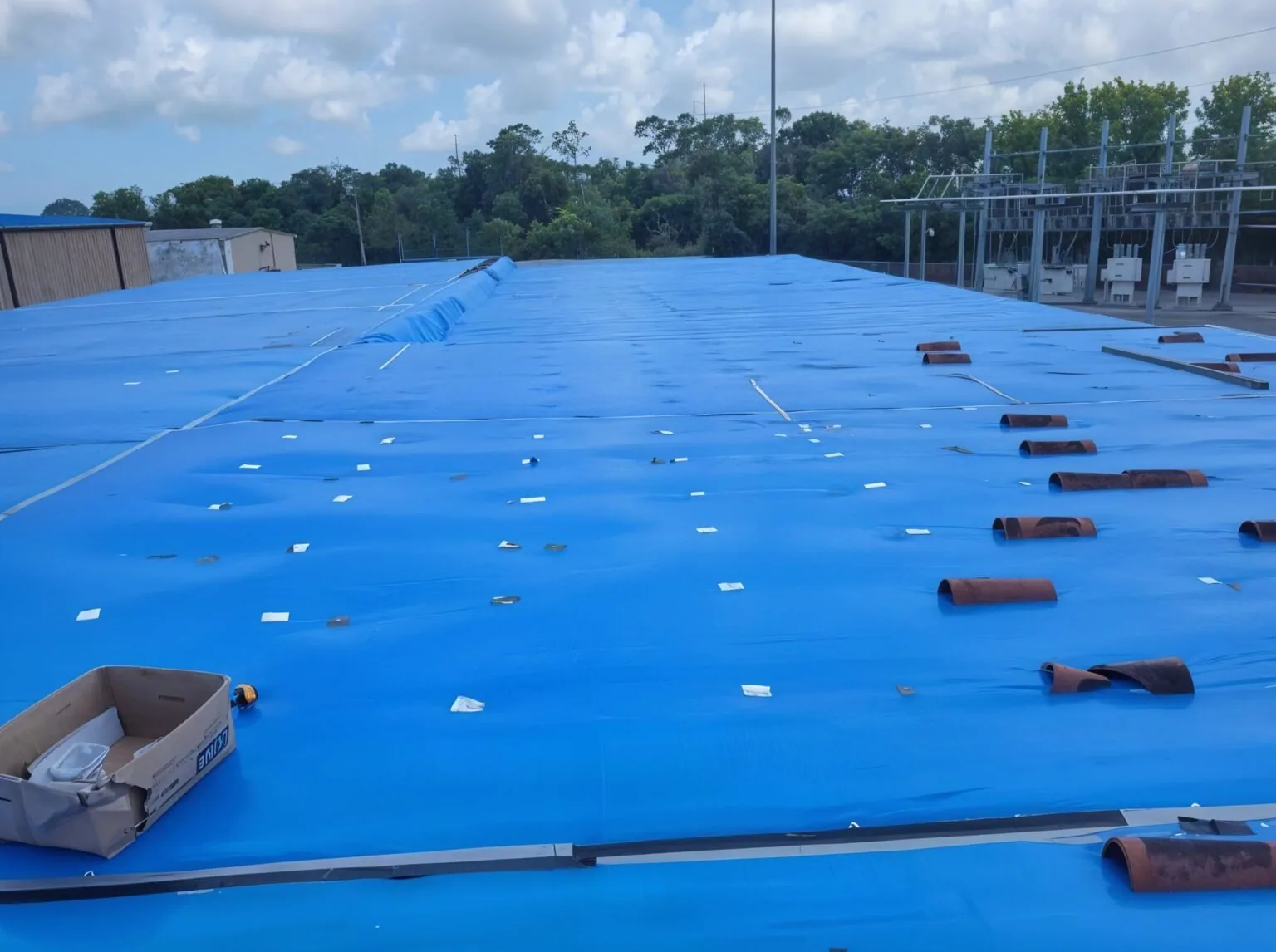
When roof access is safe, we inspect the suspected area and determine whether temporary covering, a dry-in, or a limited repair is appropriate. Wind, standing water, loose materials, and damaged decking can make a roof unsafe to walk. We do not disturb unstable areas just to complete a visual pass. Around-the-clock emergency roof response is available, including weekends and holidays, for urgent weather exposure. Emergency roof repair can stabilize an opening while the permanent scope is assessed.

Compare the roof before and after

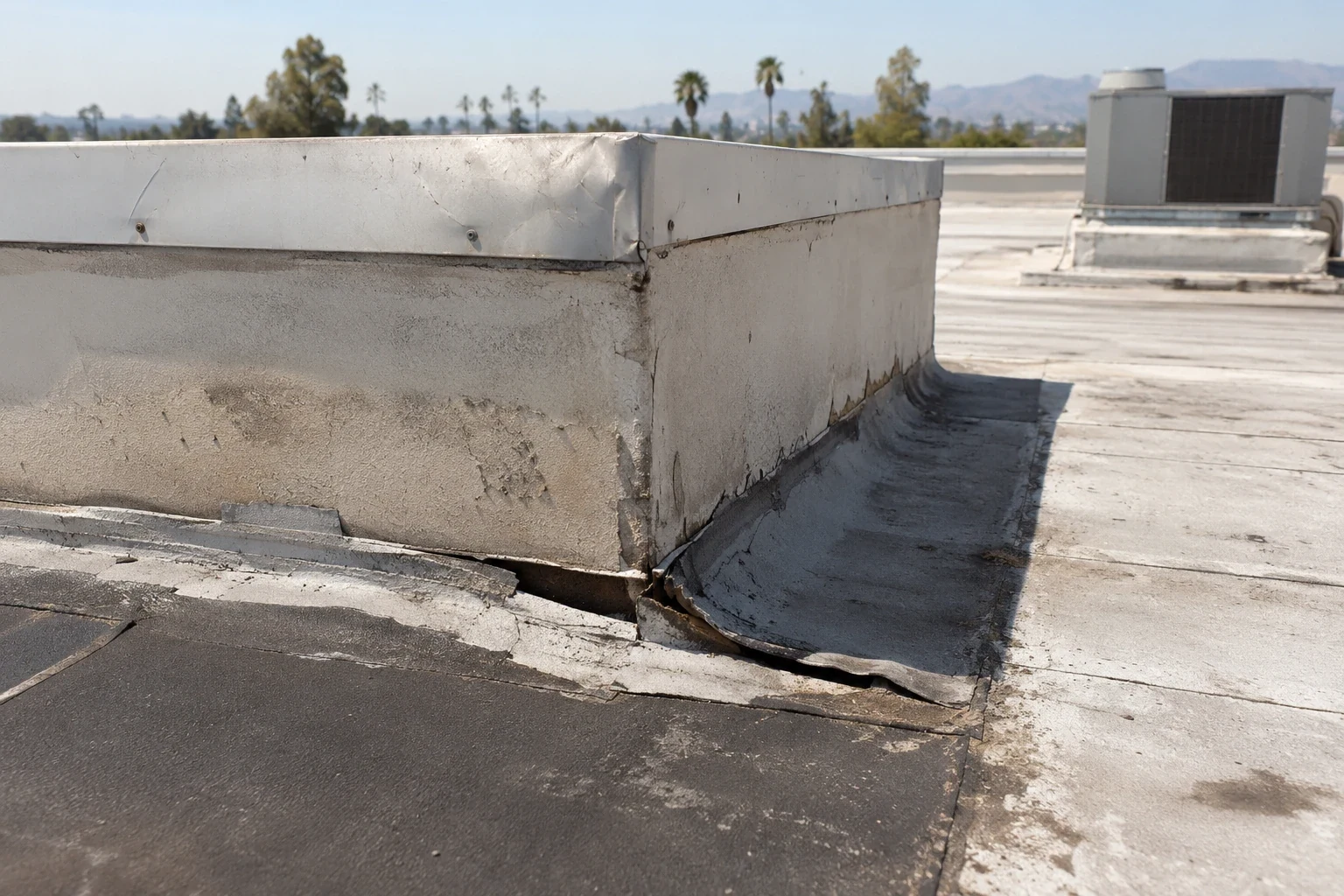
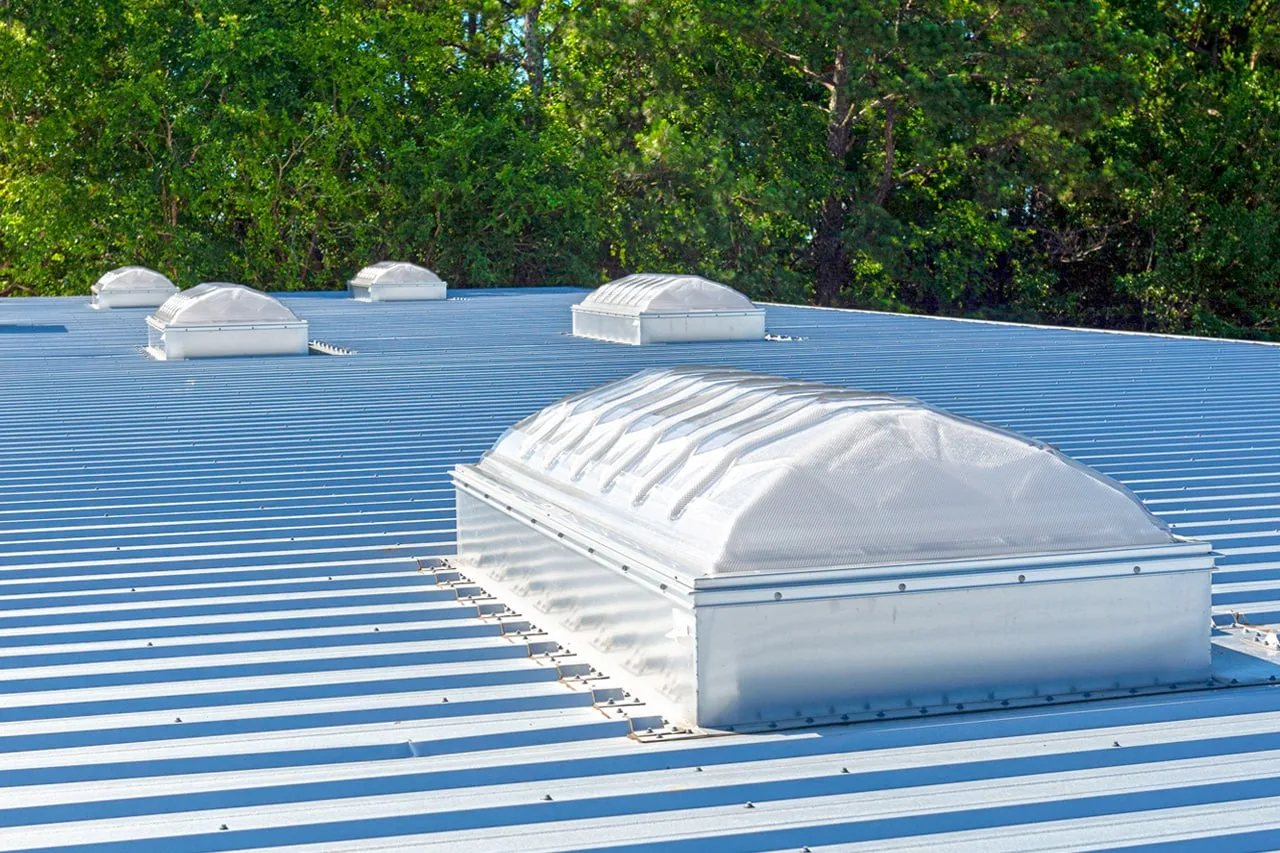
We start with reported conditions and any earlier roof record. Photographs from before the event, repair logs, and roof plans help establish what changed. On the roof, we look at edges, coping, seams, penetrations, curbs, drains, skylights, and metal panels for movement or impact. The inspection records the defect and its boundary. A displaced edge section is different from a loose cover, and a blocked drain is not the same as membrane failure.

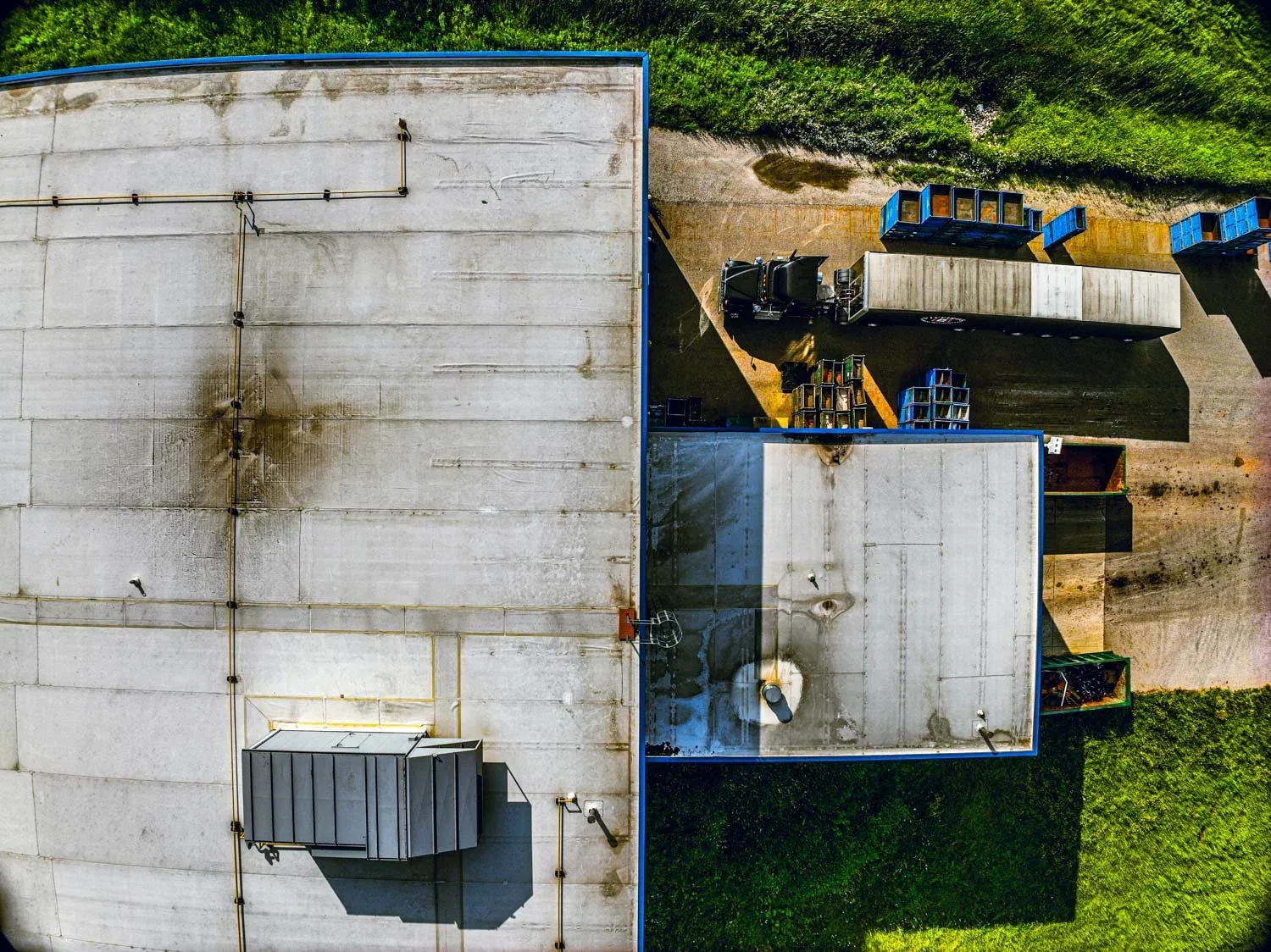
Interior reports help narrow the roof search, but water may travel away from the entry point. We compare ceiling locations with the roof map and inspect nearby transitions. If the suspected condition sits beneath the membrane, infrared indications can guide test cuts; they do not confirm moisture alone. A hands-on roof inspection can record the full accessible surface, while a drone image survey can document hard-to-view areas from above.

Match the repair to the damaged assembly

Repair method follows the roof material and the failure. A thermoplastic membrane may need a cleaned and welded patch. EPDM requires compatible patch materials. A metal panel may need fastening or replacement rather than a surface seal. Flashing at a wall or curb may need to be rebuilt to restore its water-shedding path. We identify the system before selecting materials and prepare the repair boundary so the new work bonds to stable surfaces.

If damage reaches insulation or deck, the scope should show what must be removed and how the exposed area will be protected. We mark the opening, photograph the layers, and pause for owner approval if concealed conditions extend beyond the base repair. On a building with multiple roof sections, each affected area gets a separate map reference. For a clear seam opening, seam repair may be sufficient. If water entered at a wall or curb, flashing repair addresses that detail.

Check how water left the roof

Storm-related service should include drains, scuppers, overflow paths, and low points. We look for debris, displacement, sediment lines, and water that remains after the event. If an outlet is restricted, cleaning may restore drainage. If water repeatedly collects at the same location, the roof’s slope or deck movement may need review. We record the difference so the owner does not pay for repeated cleaning when the geometry is the issue.

Oxnard’s coastal program addresses hazards in designated mapped areas, including sea-level-rise planning. For a property in the mapped coastal area, we check its location against current city mapping and document the roof conditions observed during inspection. At buildings within the Channel Islands Harbor area, the coastal setting may inform site review, but the roof evidence still determines the repair. Elsewhere, including the industrial area near U.S. 101, access and drainage may matter more to the work sequence.

Keep observations separate from conclusions

A clear record gives the owner observed damage, photographs, measurements, temporary work, and recommended permanent repairs. We describe the visible condition and its location without assigning a cause that the inspection cannot establish. If the roof was inaccessible or a surface was unsafe, that limit appears in the record. For an insurer discussion, the property owner can use the report as a factual account of conditions found and work performed.

We can also identify concealed conditions that need additional testing. If wet insulation appears, targeted core cuts help confirm the layers and define a removal boundary. If the roof is serviceable beyond a localized defect, a repair may be preferable to broader work. If damage or age spans a larger area, compare findings with a replacement scope or claim documentation support. The recommendations stay tied to evidence and the building’s operating needs.

Sequence repairs around building use

The repair plan accounts for access, weather, material staging, interior protection, and operations below the roof. A loading entrance may need a temporary route. A production or cold-storage area may require coordination before work near equipment. We set a sequence for each section, identify any needed trade coordination, and state which areas remain exposed until the permanent repair is complete.

Cost and schedule depend on the defect size, membrane type, number of affected areas, roof height, access, deck condition, and whether mechanical or electrical work is needed. We separate immediate stabilization from permanent repair and price concealed conditions through a defined approval process. Tell us the site contact, roof plan, prior repairs, and areas that cannot close. We will identify the next safe work window and keep the owner informed about what is complete and what remains.

Document the roof condition

Send the property location, interior reports, roof plans, prior service history, and access contact. We will inspect the affected areas, protect exposure, and document the repair scope.

Common Questions

Does the Hilary rainfall record mean my building had storm damage?

At Oxnard, the August 2023 Hilary observation totaled 1.77 inches, exceeding every other August total in that station’s record. We compare the property’s current roof condition with prior records and document visible damage or water entry before proposing work.

What should we photograph after a storm?

From a safe interior area, photograph stains, active drips, affected equipment, and the surrounding room. Note when water appeared and which roof section may be above it. Do not climb onto a wet or damaged roof. We can map the interior report to roof details during the inspection.

Can you make a temporary repair before the full assessment?

Yes, when the roof can be reached safely and the temporary work can be secured for current conditions. We document the covered area and any remaining exposure, then schedule a permanent repair when surfaces and materials are suitable.

How do you distinguish storm damage from an older defect?

We compare prior photographs, service logs, leak reports, and current field conditions. A new tear, displaced component, or puncture can be documented as observed. If the evidence cannot establish when it occurred, we state the visible facts without assigning a date or cause.

Can the inspection support an insurance claim?

We can provide photographs, field marks, observed conditions, and a description of work completed or recommended. The report documents roofing facts; the insurer determines coverage. If more detail is needed, we can identify test areas or additional records that would help clarify the roof condition.

ServicesRoof SystemsProperty TypesIndustriesService AreasDamage RepairCapabilitiesManufacturersAboutRequest a Roof Assessment555-555-5555
Call555-555-5555