
Carlisle SynTec Roofing Systems in Oxnard, CA
Inspect the Carlisle roof before choosing a scope
Carlisle SynTec Roofing Systems
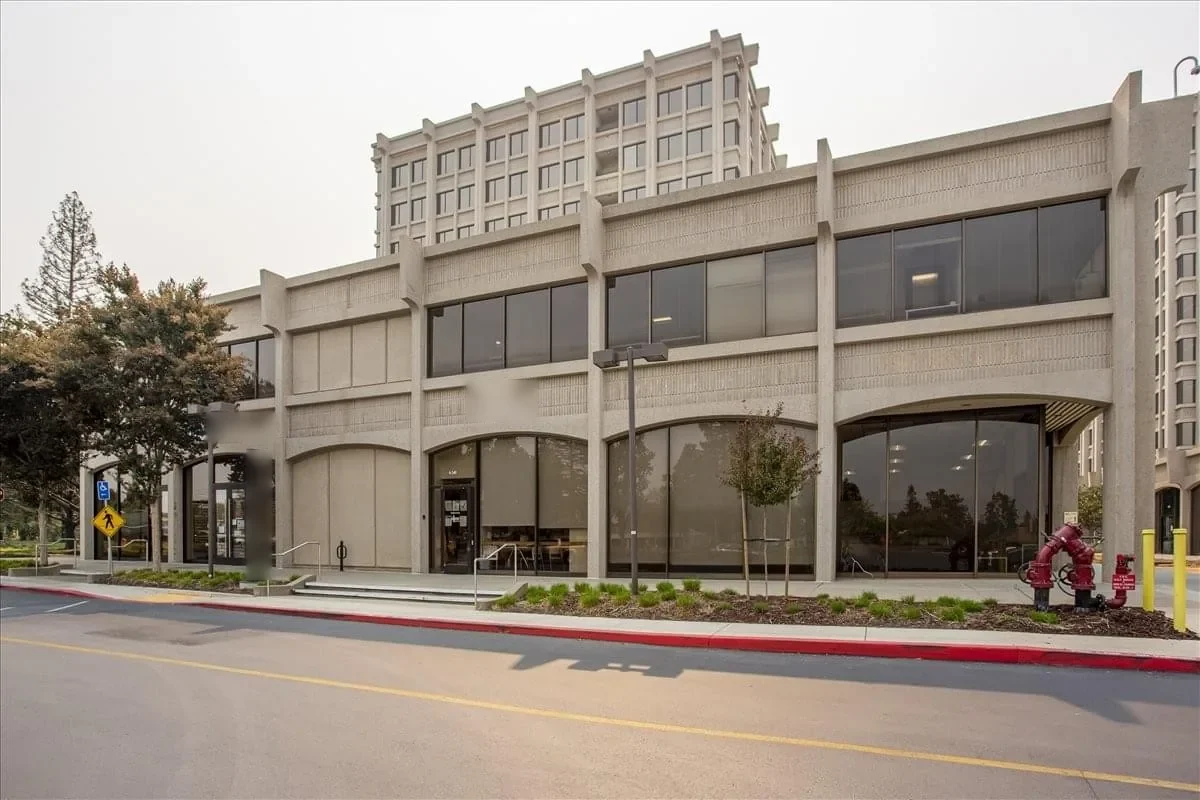
Carlisle SynTec's commercial portfolio includes Sure-Weld TPO, Sure-Seal EPDM, Sure-Flex PVC, and FleeceBACK assemblies. Product selection starts with the substrate, attachment, insulation, drainage, perimeter restraint, and penetrations already on the building. Camino Real Business Park includes manufacturing, research, office, and limited commercial uses, so access and equipment constraints vary by property. We compare the proposed system detail with field measurements before estimating a tie-in or replacement. A manufacturer name does not replace confirmation of the installed assembly.

Read the membrane and attachment together
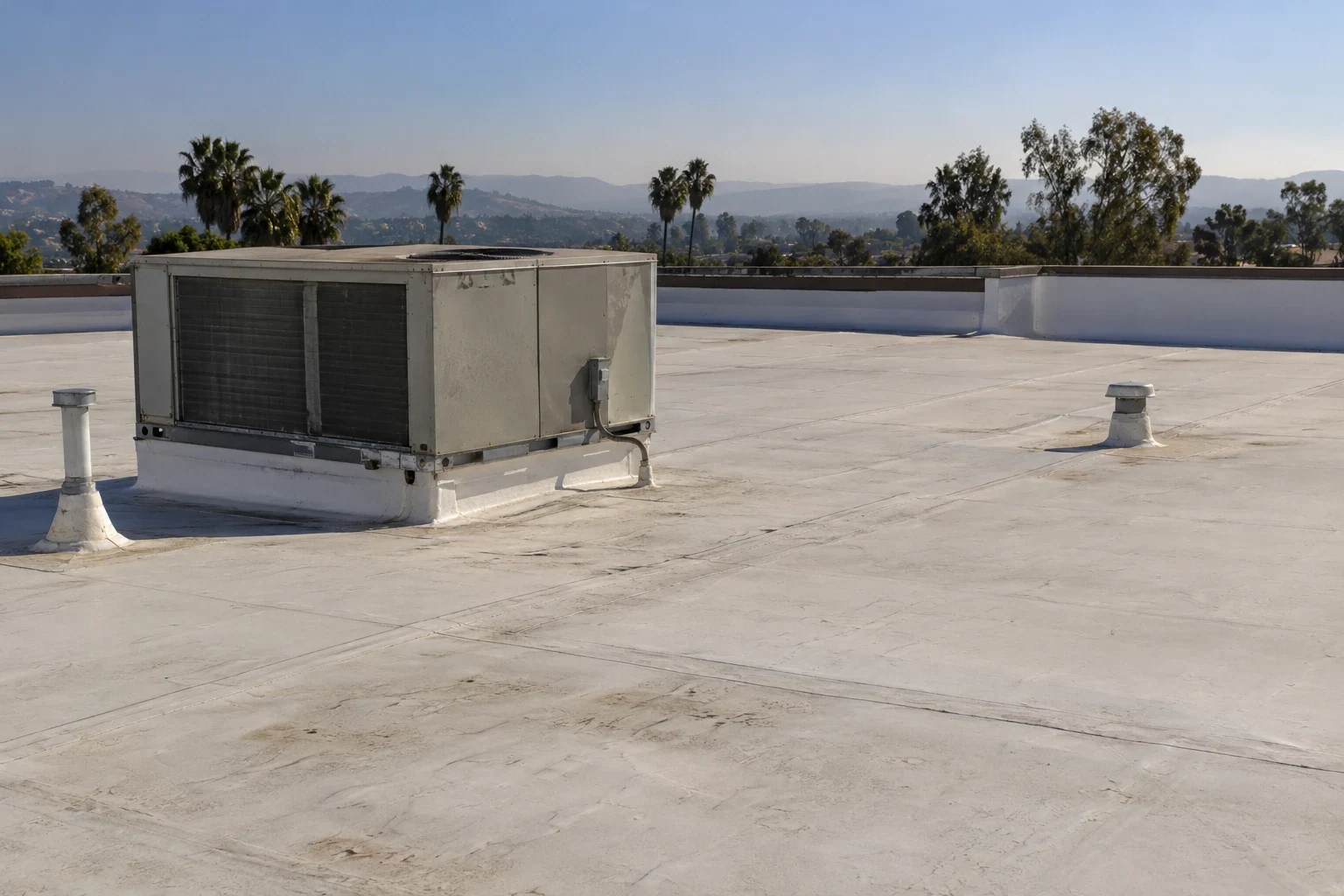
Sure-Weld TPO, Sure-Seal EPDM, and Sure-Flex PVC use different material behavior and detail requirements. Carlisle also makes FleeceBACK membranes, where the fleece backing is part of a specified assembly. A manufacturer's system name narrows the product family, but the deck, insulation, cover board, attachment, and project requirements determine the installed roof. We inspect an existing assembly for moisture, fastening, surface condition, and compatibility before proposing an overlay or replacement.
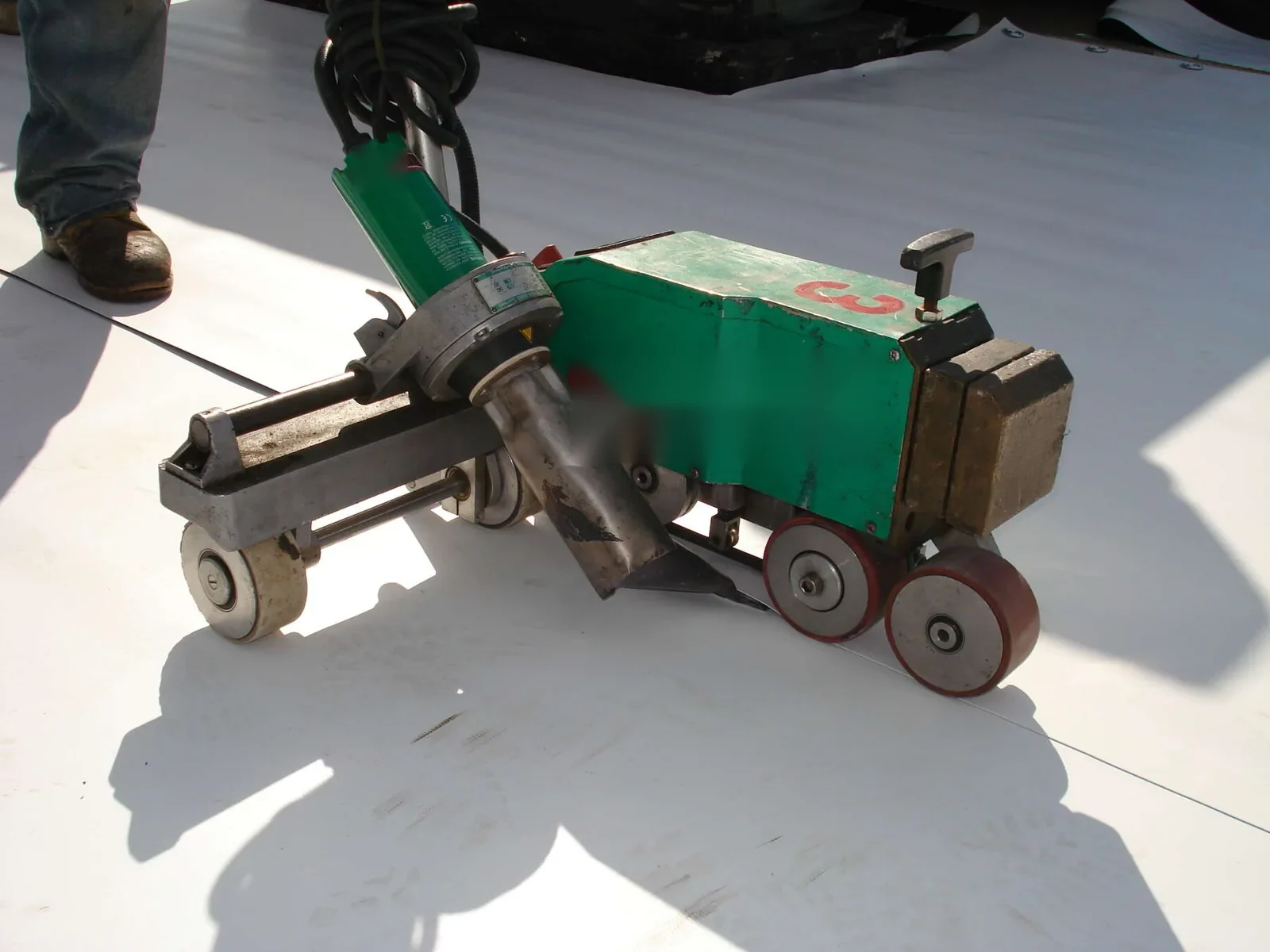
TPO and PVC seams are hot-air welded, so prep and weld settings have to fit the specific sheet and site conditions. We check the finished seam, intersections, flashing transitions, and patches rather than relying only on a visual pass from a distance. EPDM uses different joining materials and details; the repair must suit the membrane surface and approved accessories. Fleece backing does not remove the need for sound substrate preparation. A TPO system or PVC system should be compared by assembly, exposure, and project documents.
Central Industrial Area properties include agricultural processing and vehicle or equipment repair and storage. For those operating buildings, we map exhausts, service routes, and staging limits before placing seams or scheduling a lift. Product specifications and the existing roof documents guide the Carlisle assembly choice; field measurements settle how the detail meets curbs, walls, and perimeter metal. Where approved alternates are under review, compare a Johns Manville membrane specification with the Carlisle system requirements.
Resolve a seam or flashing failure
A leak near a Carlisle seam does not automatically mean the entire membrane has failed. We trace the interior report to the roof, inspect the field seam and nearby penetrations, and look for a separate water path at the curb, wall, or drain. On TPO or PVC, the surface has to be clean and prepared before a compatible hot-air weld can close the defect. On EPDM, the patch and seam work need compatible primers, adhesives, and accessories. We identify the system before repairing it.
We check moisture, attachment, brittle edges, sealant, and old patches before setting the repair boundary. A sound field around one opening may allow a local repair; repeated failures need a mapped scope and cause review. Seam repair and leak tracing should document both the opening and nearby conditions that influence recurrence.
On a Carlisle roof, drainage review follows the installed slope, outlet layout, and membrane transitions rather than a citywide weather assumption. We record each low point and the route to a drain, scupper, or overflow, then compare those observations with reported leaks and prior work. A confirmed outlet repair stays distinct from a seam repair, even if both appear on the same work order.
Decide what can remain in place
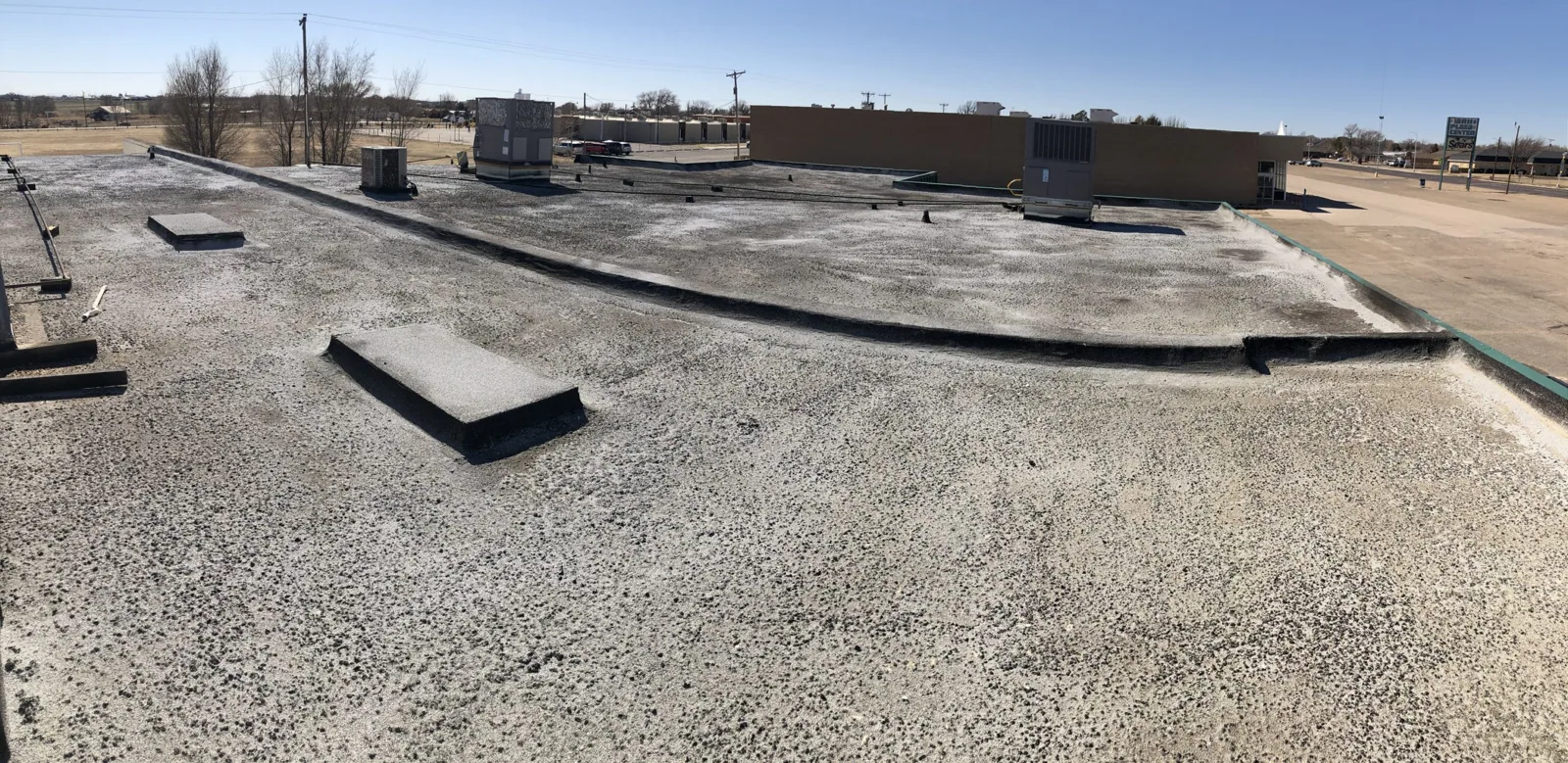
Recovering a roof can reduce tear-off only when the existing assembly is suitable to receive another layer. We review moisture survey findings, deck condition, attachment, layer count, drainage, and the required finished height. Wet insulation or unstable material should not be covered. A roof may need selective openings to confirm what is hidden beneath the surface, especially when older repair records do not describe the full assembly.
Replacement is considered when moisture is widespread, the deck needs repair, or added layers interfere with drains, curbs, clearances, or supports. We compare repair limits with broader-work cost and disruption. A recover evaluation identifies the conditions that must be met; a replacement plan documents tear-off, substrate correction, insulation, flashing, and tie-ins.
Product submittals should align with the project specification and the roof plan. We confirm membrane family, attachment method, accessory details, and transitions before purchase. Substitutions need review for compatibility and code or owner requirements. Carlisle offers multiple system types, but no product family eliminates the need to resolve drainage, deck, and perimeter conditions before work starts. The proposal should distinguish confirmed scope from concealed conditions that could alter sequencing or price.
Set the work sequence around the property
Occupied buildings require a sequence that protects access and keeps the roof watertight at each close of shift. We mark work zones, material routes, tie-off points, and temporary tie-ins. Facility contacts identify active air intakes, service corridors, production windows, and equipment that cannot be interrupted. Downtown Oxnard planning accommodates retail and office activity alongside residential and live/work uses. We set delivery and work hours with each building representative.
We confirm where tear-off can be stored, how debris exits, and what temporary protection covers open areas if weather changes the shift. When work spans multiple roof sections, the daily plan assigns a dry-in point before the crew moves. Mechanical or electrical trades may need to disconnect and reset equipment; the scope names those interfaces and identifies who coordinates them. If we discover wet insulation or damaged deck, the owner sees the location and proposed correction before the work expands.
The access plan keeps staff routes clear of active welds, open seams, and material staging, and records any change to the work area. For larger occupied properties, our phased reroof approach connects the membrane sequence to tenant and maintenance needs. Warehouse roof planning also considers loading access and equipment clearances as part of the work plan.
Keep the system identifiable
The roof file records membrane family, attachment, insulation, flashing, and repair locations. Photos and roof-plan marks distinguish changed details from original seams; retain approved submittals and closeout documents with it.
Maintenance visits check seams, terminations, drains, curb seals, and service paths. Set the interval from observed condition and building use; review planned penetrations before other trades access the membrane. Photo-backed condition reporting can connect the inspection findings to the roof plan, while the next GAF system comparison should remain tied to project specifications.
Send your roof plan, available Carlisle submittals, leak history, equipment schedule, and access limits. We will inspect the installed assembly, field-mark the condition, and prepare a repair, recover, or replacement scope that fits the building's operation.
Related Roofing Work
More from Roofing Manufacturers and nearby services
Inspect the Carlisle roof before choosing a scope
Send the roof plan, Carlisle submittals, leak locations, equipment schedule, and access limits. We will verify the assembly and document a practical repair or replacement sequence for the property.
Common Questions
Can a Carlisle TPO roof be repaired at one seam?
One seam can be repaired when the sheet and attachment around it remain sound and the surfaces can be prepared for a compatible weld. We inspect nearby seams, penetrations, and moisture conditions before limiting the scope. Repeated openings call for a broader check of the same assembly.
What changes between Carlisle TPO, EPDM, and PVC?
The material and detail set change. TPO and PVC seams are heat welded, while EPDM uses compatible joining products and distinct flashing details. We identify the installed sheet, exposure, and specification before choosing a repair material or comparing a replacement system.
Does a fleece-backed membrane solve an uneven roof surface?
Fleece backing is one feature of a specified assembly, not a correction for unstable decking or wet insulation. We check the substrate, attachment, drainage, and project requirements to determine whether that assembly is suitable. Surface irregularities that signal movement or moisture need separate evaluation.
How do you plan a recover over a Carlisle system?
Moisture, deck condition, existing layers, drainage, attachment, and finished-height clearances set the decision. We inspect those items and use testing or selective openings when records leave the assembly uncertain. The scope then identifies what remains and what must be corrected before a new layer goes down.
What belongs in the closeout file for a membrane repair?
Record the system family, repair location, preparation, material, photographs, and any nearby condition still being monitored. We add a roof-plan mark and note the inspection interval tied to the building's use, so another manager can find the same detail later.