
GAF Commercial Roofing Systems in Oxnard, CA
Review the roof before choosing a GAF system
GAF Commercial Roofing Systems
A distribution roof needs room for frequent service visits, while a manufacturing building may have more curbs, exhaust points, and shutdown limits to work through. GAF commercial systems include reinforced thermoplastic membranes, so the first field decision is whether the existing assembly, deck, drainage, and exposure suit a new membrane system. We inspect those conditions before naming a scope. At Sakioka Farms Business Park, distribution and cold-storage uses make access routes part of the roof plan. The roof itself still determines the material and attachment. Our TPO roofing work begins with that assembly review, then follows the perimeter, penetrations, and low points rather than treating a product label as a complete specification.
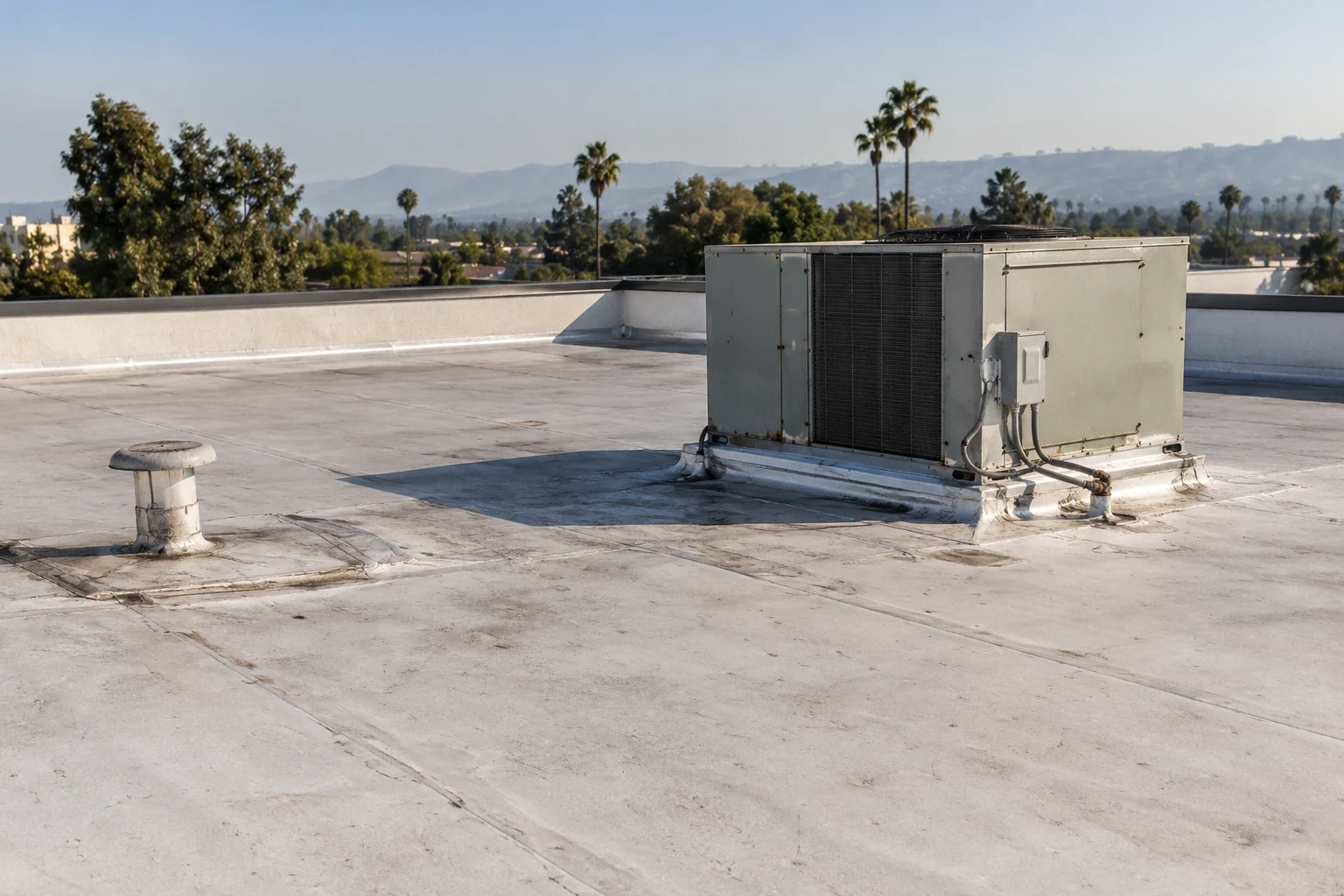
Match the membrane to the roof assembly
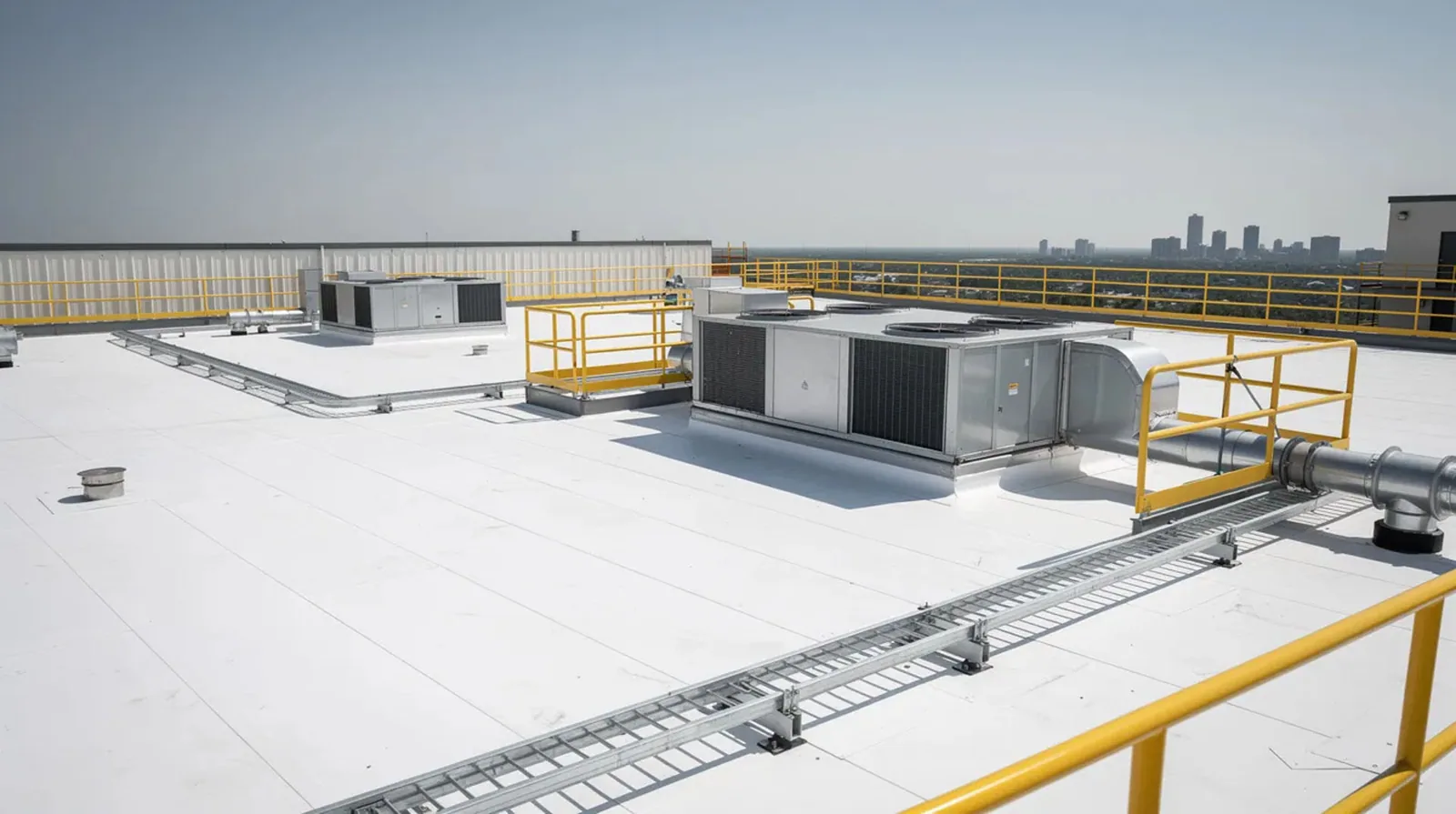
GAF's commercial single-ply range includes EverGuard TPO, PVC, and PVC KEE membranes in different reinforcements and sheet configurations. Those materials are not interchangeable by name alone. We check the existing roof, deck condition, insulation, cover board, drainage, edge restraint, and building use, then compare an adhered or mechanically attached approach where the system allows it. The project specification controls the final assembly. A reflective surface does not correct wet insulation or poor drainage.
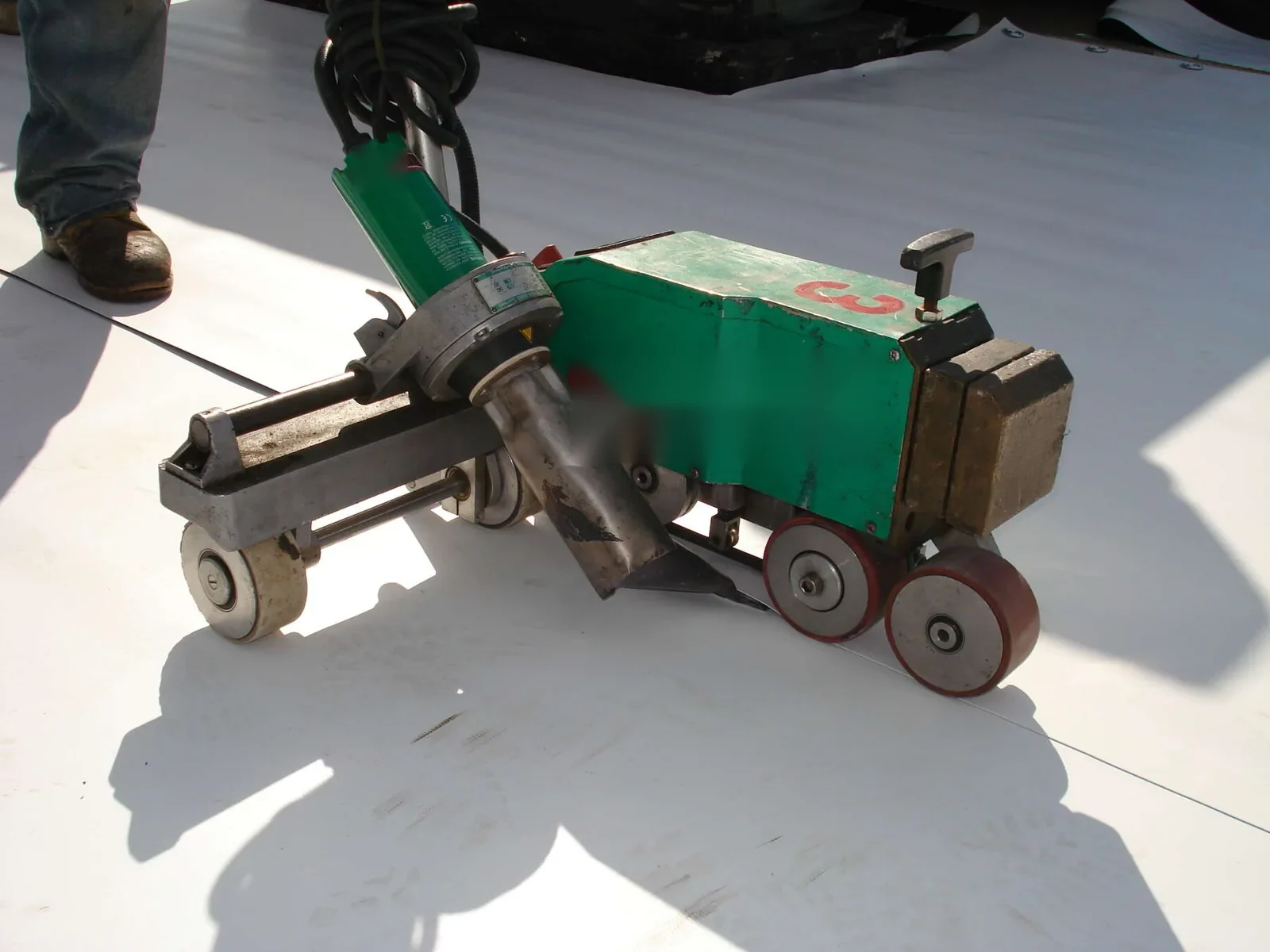
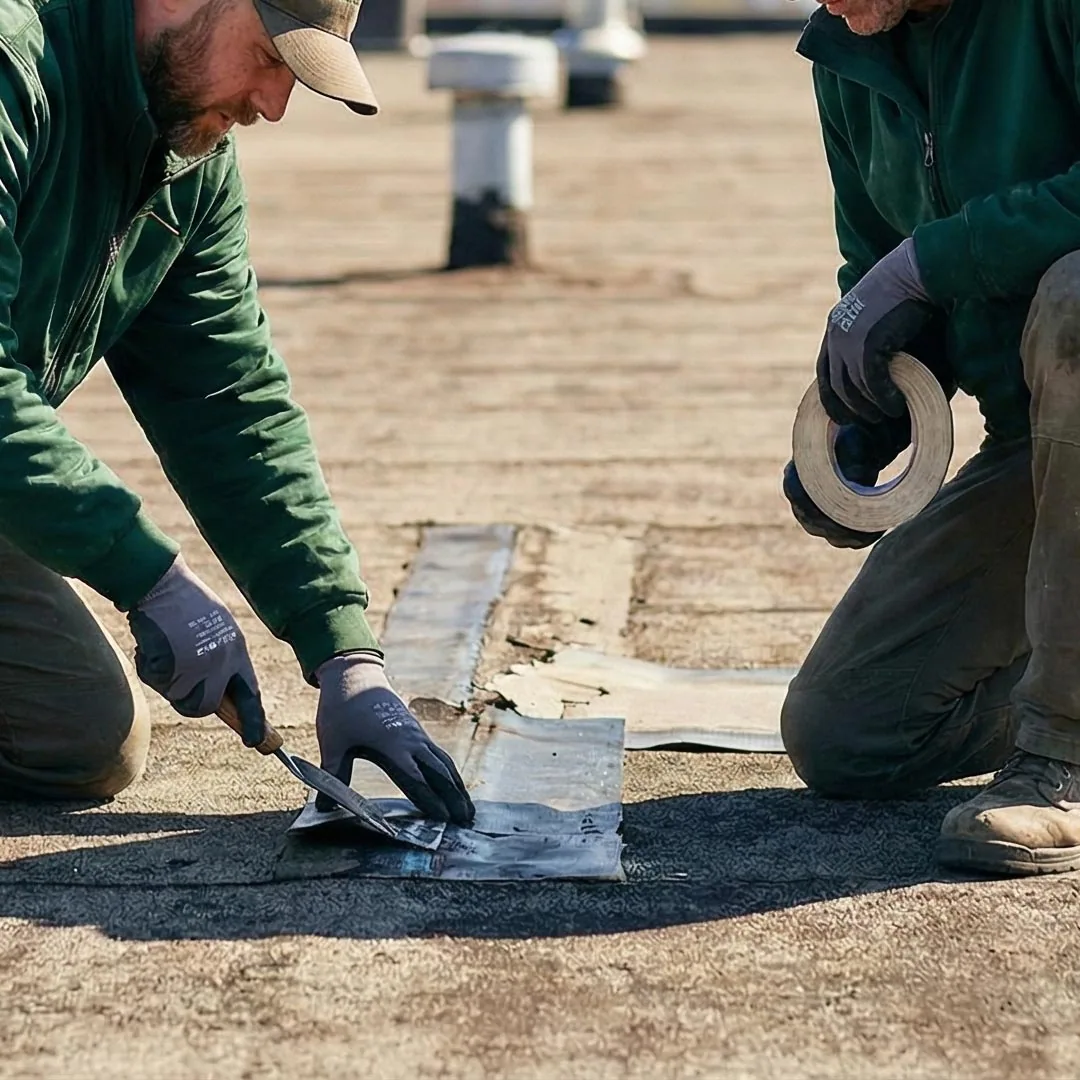
For a TPO assembly, field seams are heat welded after the surfaces are prepared and the welder is set to suit the membrane and conditions. That joint needs a clean, compatible surface and a consistent weld, especially at intersections and patches. PVC seams are also heat welded, while the membrane and accessory selection must follow the specified system. If chemical or grease exposure is part of the operation, we document where it occurs and review the specification rather than assuming one membrane fits every process. A PVC roof assembly may be considered when the project documents and exposure support it.
At Camino Real Business Park, planned uses include office, manufacturing, research, and limited commercial activity, with the area fronting U.S. 101. Review equipment access and service routes at each building, then record its membrane, insulation, and attachment before comparing repair, recover, or replacement.
Trace the details before specifying material
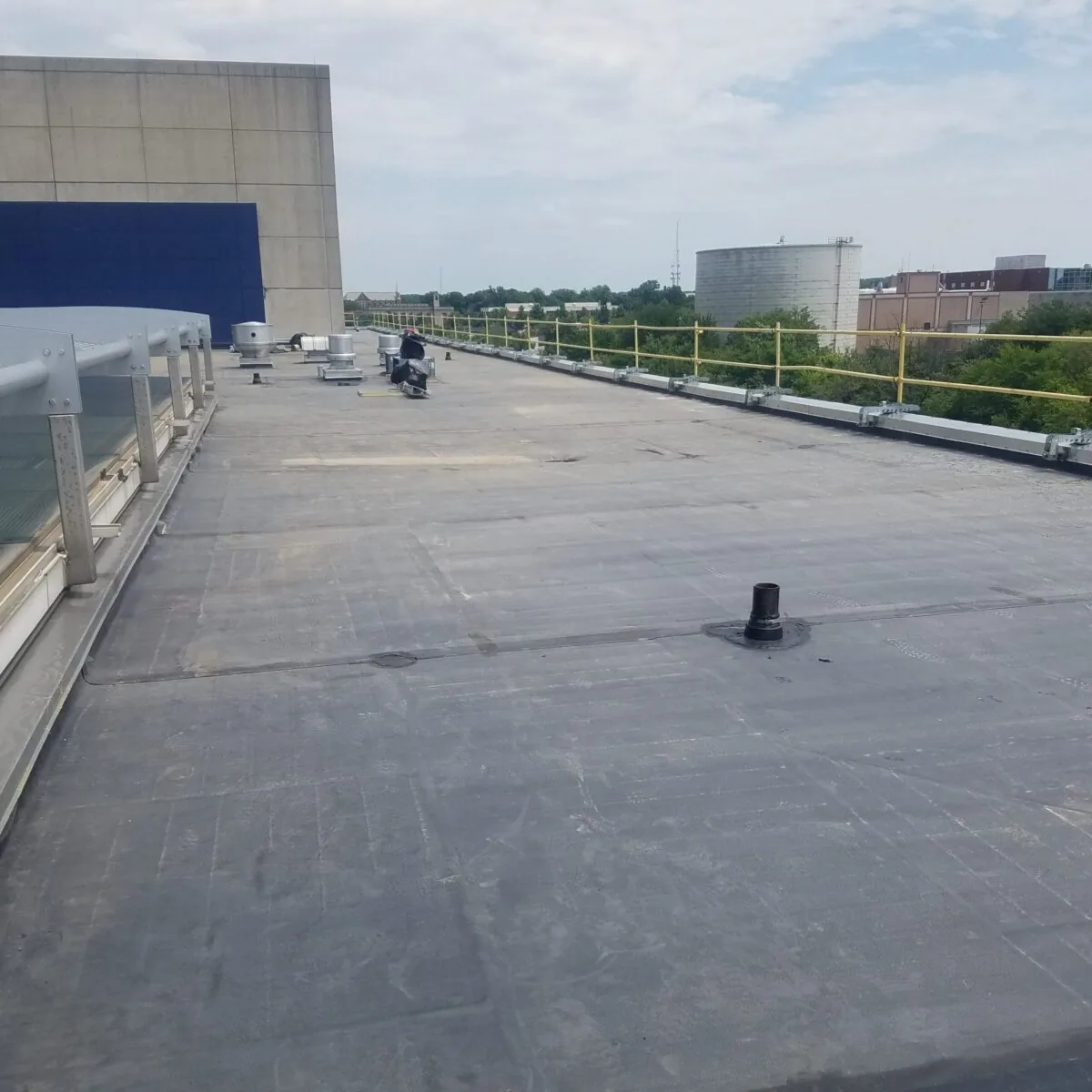
A product selection has to work at the details, not just across an open field. We inspect perimeter terminations, wall transitions, penetrations, drains, scuppers, and equipment curbs. The field mark records where seams turn, where water collects, and whether the membrane remains secure at edges. On an existing roof, loose flashings or wet insulation can make a recover unsuitable even when the surface looks broadly intact. A commercial roof inspection ties visible conditions to the roof plan and identifies needed testing.
A sound GAF membrane with one failed seam or flashing may need a compatible local repair. We prepare the area and close the detail with materials accepted for that assembly. If a transition includes a wall or curb, the repair has to restore the flashing path as well as the field sheet. A narrow patch over loose material can move the leak to the patch edge. We photograph the defect and show the owner which adjacent conditions remain open for follow-up.
Drainage deserves its own walk. A blocked drain or settled insulation can keep water against seams without a visible puncture. The Oxnard station recorded 1.77 inches during Tropical Storm Hilary in August 2023, a new August monthly record there. We use the event as drainage context, then base the scope on the roof's slopes, drains, and observed conditions.
Compare repair, recover, and replacement
A localized seam or penetration failure can be repaired when surrounding material is stable and the repair can tie into sound membrane. Repeated openings, widespread wet insulation, damaged attachment, or failing edge details call for a broader evaluation. A recover adds a new roof layer over an existing assembly only when the existing conditions, moisture findings, drainage, and project requirements permit it. Replacement may be needed when the deck or insulation cannot support the proposed work, or when added layers would create clearance or loading concerns. We explain which evidence supports each path.
GAF product literature describes particular membranes and accessories, but the project documents establish the approved assembly, attachment, and details. We check submittals before ordering. Selective openings or moisture testing can clarify unknown layers and affect scope and schedule. Our roof recover evaluation checks whether the existing system can remain in place, while a full replacement scope accounts for tear-off, substrate correction, insulation, and tie-ins.
Cost and schedule reflect access, tear-off, insulation, edge metal, drainage, equipment, and occupied operations. We state these constraints before work so the owner can compare repair, recover, and replacement on the same assumptions.
Plan access and protect operations
On an occupied property, staging can decide the order of work. We map crane or hoist positions, material routes, tie-off points, roof hatches, and any areas that must stay open for maintenance. We confirm active exhausts, intakes, restricted zones, and shutdown needs. The Central Industrial Area includes agricultural processing and vehicle or equipment repair and storage, so the plan follows each facility's traffic and work windows.
Before mobilization, we set tear-off staging, debris routes, and temporary tie-in limits. If concealed conditions change the assembly, the owner receives the finding and revised scope before work proceeds.
Roof edge and drainage work often intersects with other trades. Mechanical contractors may need to disconnect or reset equipment, while electrical or solar work can affect access and attachment. The schedule names each trade interface and roof-ready point. An occupied-building reroof plan coordinates the access window with membrane work.
Keep the roof file useful
The closeout records membrane type, attachment, insulation, flashing, drains, and penetrations, with photographs and a roof-plan mark. Later visits check seams, patches, edge metal, counterflashing, curb seals, and drainage. Set the service interval from building use and observed conditions.
Oxnard's Local Coastal Program maps hazards for parcels in the designated coastal zone. We document each building's actual edge, corrosion, and drainage conditions. Portfolio roof asset records connect repairs to capital decisions; project documents may also allow a Carlisle system comparison.
Send the roof plan, product submittals, leak locations, equipment schedule, and access contacts. We will field-mark conditions and prepare a repair or replacement scope. Compare an alternate Johns Manville membrane specification only when the project documents allow it.
Related Roofing Work
More from Roofing Manufacturers and nearby services
Review the roof before choosing a GAF system
Share the roof plan, leak locations, product records, equipment schedule, and access limits. We will inspect the assembly, document the details, and prepare a repair or replacement scope for your Oxnard building.
Common Questions
Which GAF membrane should an owner specify for a commercial roof?
The assembly and exposure decide the shortlist. We check the deck, insulation, attachment, drainage, edge details, and any process-related exposure, then compare an applicable GAF TPO or PVC system with the project specification. The product name alone does not establish the right assembly or flashing details.
Can a damaged EverGuard seam be repaired without replacing the roof?
A repair can work when the surrounding sheet remains sound and the seam area can be prepared and welded to compatible material. We inspect nearby laps, attachment, and insulation before limiting the work to one opening. Where failures repeat or moisture extends beyond the detail, the scope needs a wider review.
How do you know if an existing roof can be recovered?
Moisture findings, deck condition, existing layer count, drainage, attachment, and code or project requirements all affect that choice. We review records and field conditions, then recommend selective openings or testing if the assembly remains uncertain. A recover should not cover a condition that needs correction first.
What affects the schedule for a GAF membrane installation?
Access, tear-off, weather windows, substrate repairs, edge metal, equipment coordination, and occupied operations set the sequence. We identify the work area and temporary tie-in points for each phase, then coordinate with facility contacts before exposing the roof.
What should be saved after a commercial roof repair?
Keep the roof plan mark, dated photographs, repair material and preparation notes, and any open condition that needs monitoring. We provide a record tied to the location and roof assembly so a later visit can compare the same seam, curb, or drain instead of starting from memory.