Johns Manville Commercial Roofing in Oxnard, CA
Get a field-checked Johns Manville scope
Johns Manville Commercial Roofing
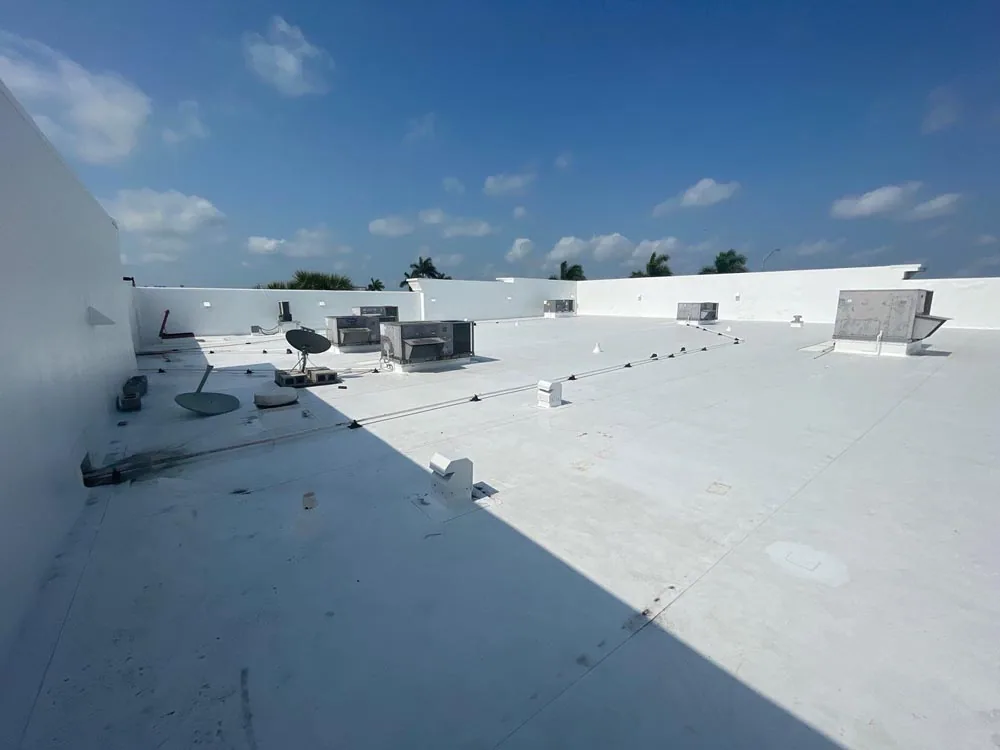
A roof specification is only useful when it matches what sits on the deck. Johns Manville publishes commercial systems for TPO, PVC, EPDM, modified bitumen, built-up roofing, and liquid-applied assemblies. We inspect the existing layers, insulation, drainage, attachment, and penetrations before translating a product family into a repair or replacement scope. At Sakioka Farms Business Park, distribution and cold-storage or fruit-processing operations are part of the city's reported building context. That makes delivery routing and rooftop service access practical questions for a project, while the roof's measured condition controls the assembly choice. Our Sakioka Farms roof planning starts from that building-specific walk, not an assumed system based on its use.
Confirm what the specification is asking for
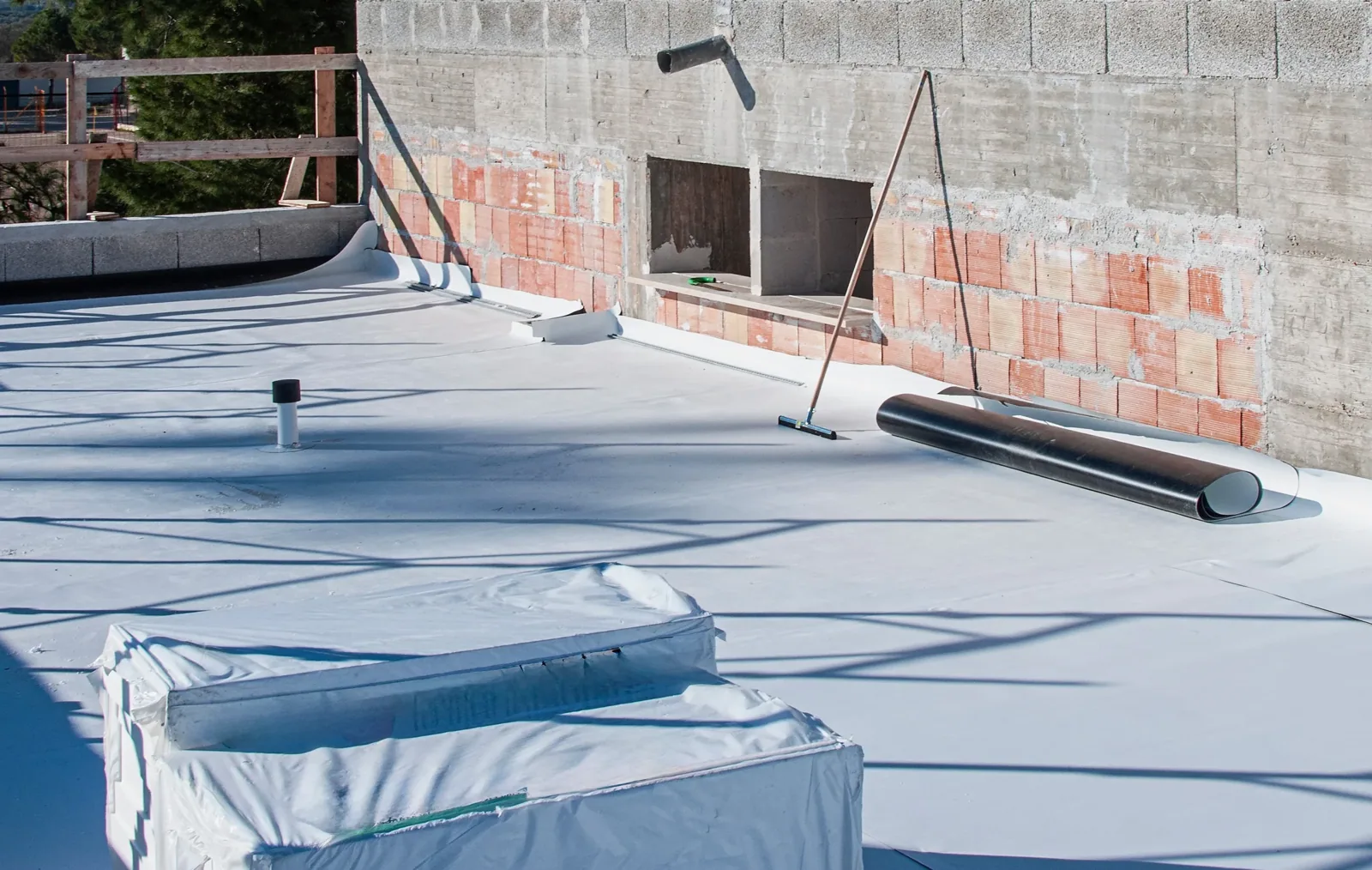
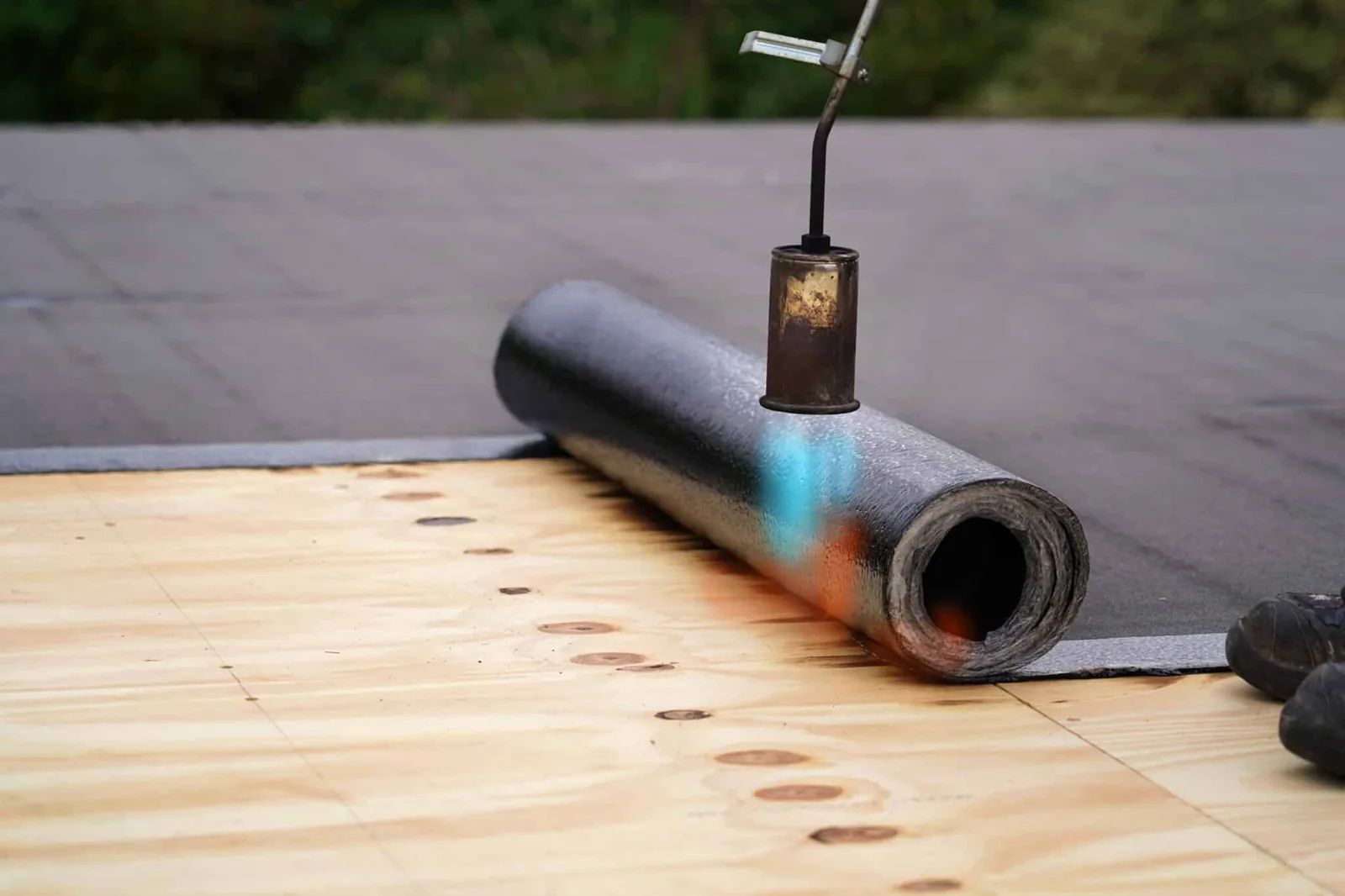
Johns Manville's product family covers several different roof constructions. TPO and PVC use heat-welded seams. EPDM uses different joining and flashing materials. Modified bitumen and built-up roofs rely on layered asphalt-based construction, while liquid-applied systems depend on substrate preparation, reinforcement, and specified film build. Each has its own transition details and repair materials. We identify the installed system and compare it with the project documents before recommending a repair or a new assembly.
For single-ply work, we inspect seams, corners, penetrations, drains, and edge terminations. Weldable sheets need clean surfaces and seam settings matched to the membrane. EPDM repairs need compatible products and a sound surface. On layered roofs, we check for exposed reinforcement, splits, displaced surfacing, and water entry at laps or flashings. Liquid systems need a stable substrate and continuous treatment at transitions. A modified-bitumen roof should not receive a generic coating or patch without confirming compatibility. Compare eligible substitutions with a Carlisle system only when the project specification permits them.
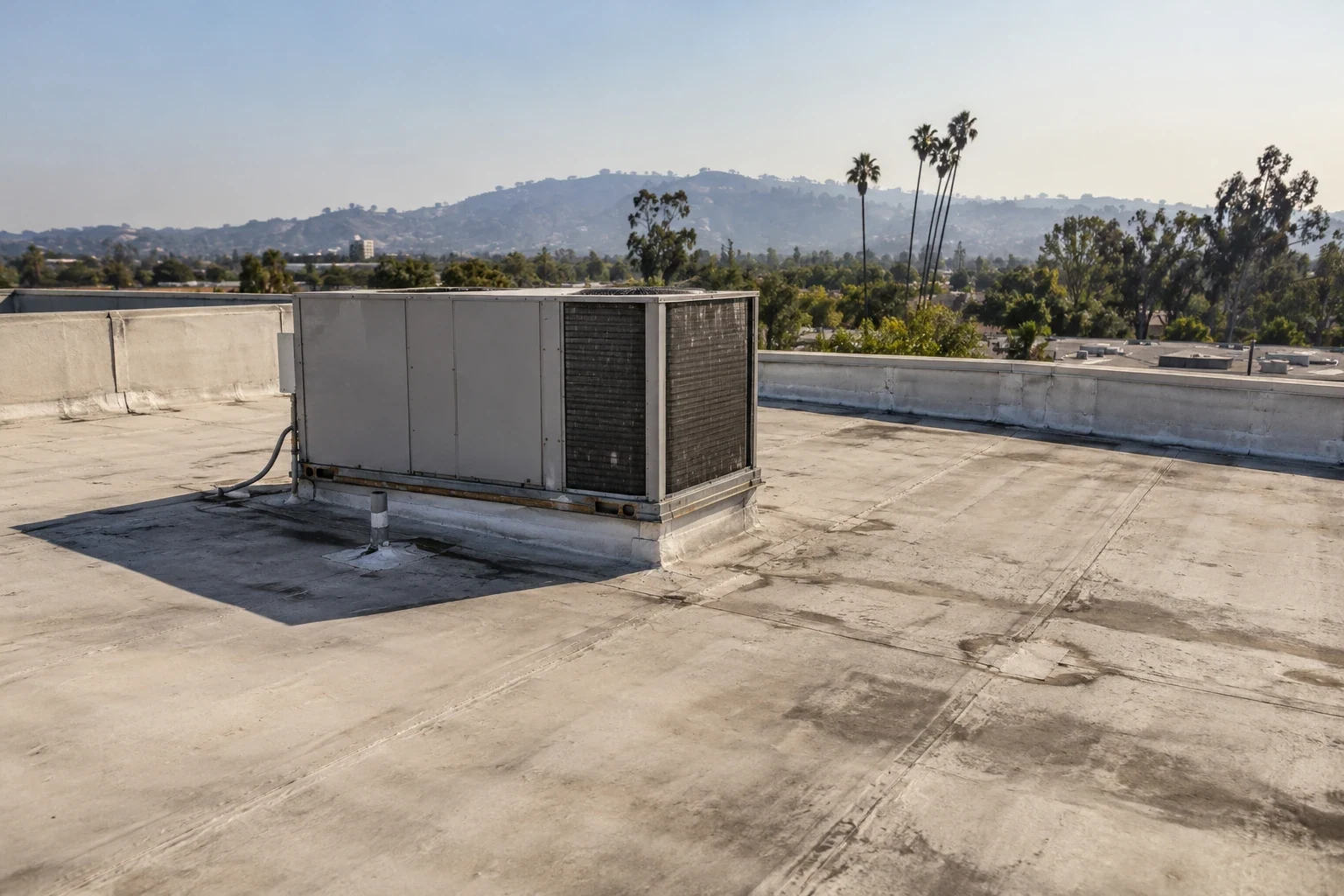
Camino Real Business Park's planned uses include manufacturing, research, offices, and limited commercial activity along U.S. 101. We mark mechanical units, hatches, low points, and prior repairs so the JM assembly matches the roof. Conflicting records and field conditions are resolved before accessories are ordered.
Find the failure below the visible stain
A ceiling mark is a report of where water appeared, not a roof diagnosis. We trace the likely route across the deck and insulation, then inspect seams, flashing, drains, and nearby equipment supports. Water may enter upslope or move along a layer before it reaches an interior finish. We compare the leak date with roof work and weather records, then note whether it is active, intermittent, or tied to equipment operation.
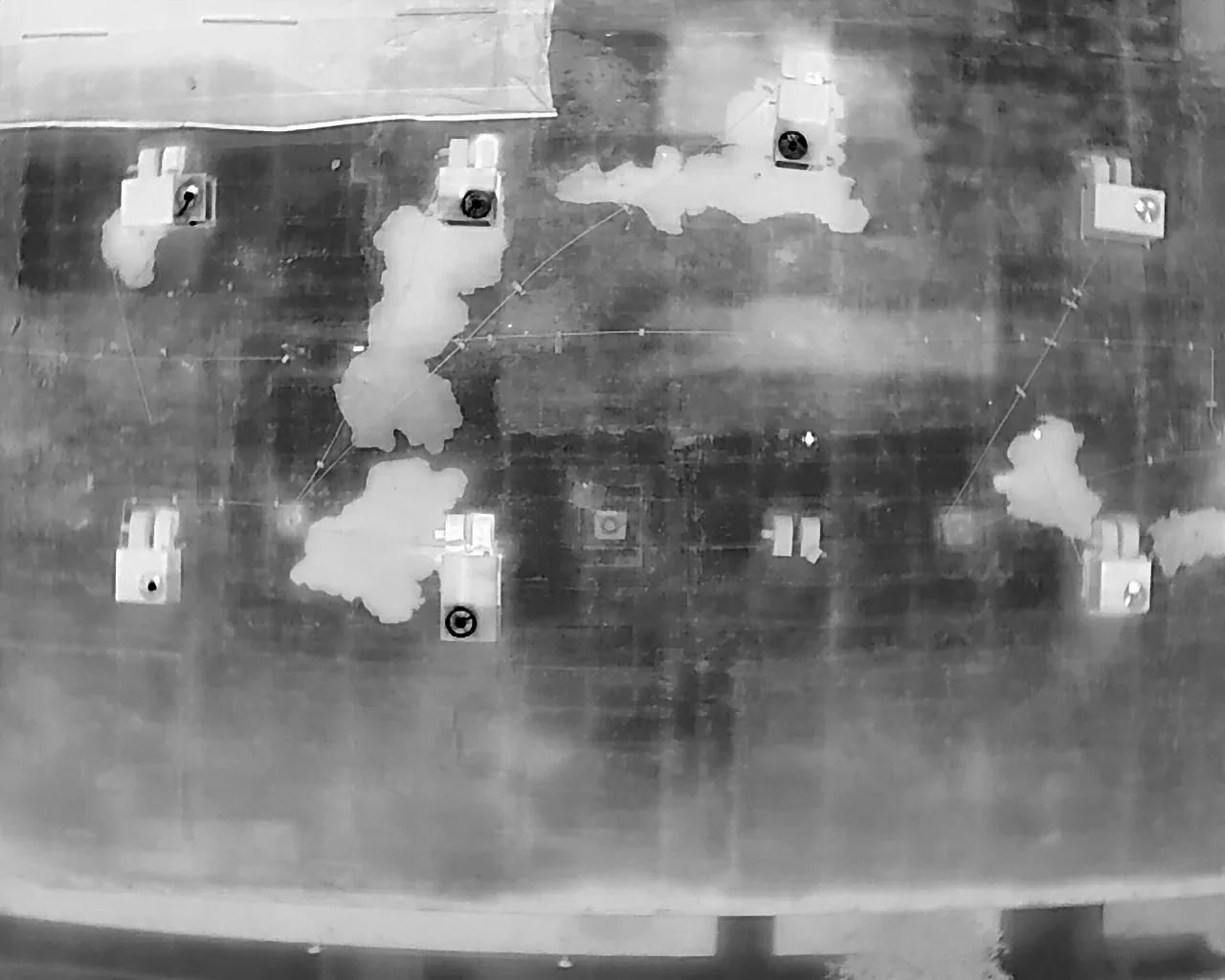
The National Weather Service recorded 1.77 inches at its Oxnard station during Tropical Storm Hilary in August 2023, a new monthly August record there. It is useful context when reviewing drainage reports and maintenance logs. It cannot diagnose an individual roof. At the building, we check drain bowls, scuppers, overflow paths, and areas where insulation has settled. Our infrared moisture survey can map suspected wet areas, with test cuts used where confirmation is needed. The owner receives a marked result and its limits before a recover or replacement decision.
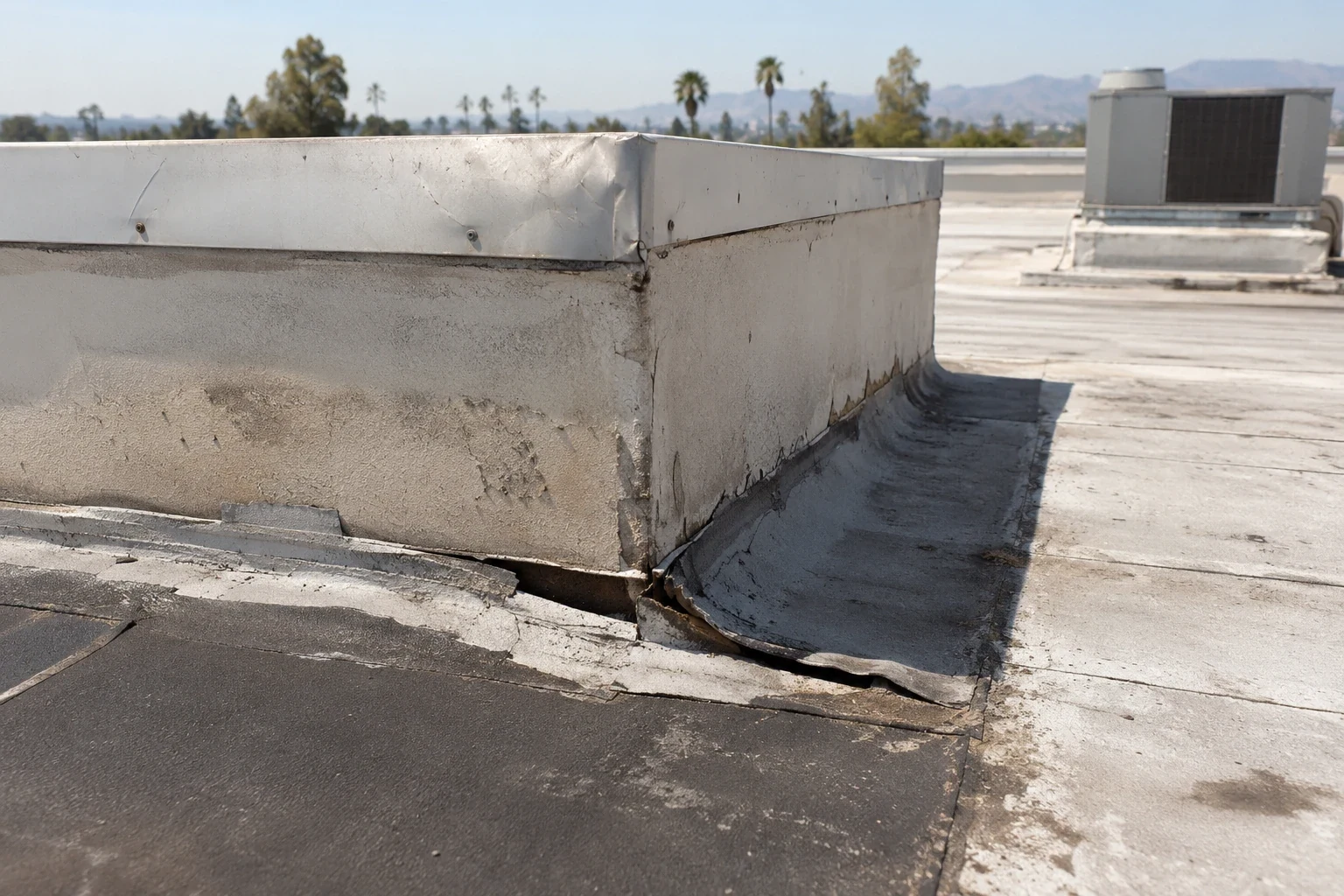
Single-ply seams can separate from contamination, preparation, or movement. Open built-up laps expose plies, while a failed curb seal can direct water beneath either system. We photograph and check adjacent sections before setting the repair boundary. A flashing repair or written condition report should describe the failed component and the evidence that supports the proposed work.
Choose a repair scale that fits the condition
A local repair makes sense when the surrounding material is stable, dry enough for the repair method, and capable of receiving compatible materials. We prepare a defined area and restore its seam, lap, flashing, or penetration detail. If wet insulation extends beyond the visible leak, the repair must address the affected area instead of sealing only the surface. Repeated openings in the same section call for a pattern review, including attachment, drainage, and service traffic.
Recover work is considered only when the underlying roof can remain and the new assembly can meet drainage, height, loading, and project requirements. A recover proposal states what remains, what gets tested, and what conditions stop the work. Replacement may be the better course when moisture is widespread, the deck needs correction, or added layers interfere with drains, curbs, or equipment. We compare each path by affected area, access, tear-off, insulation, edge metal, and trade coordination. A leak repair scope can remain separate from the capital plan, or the findings can support a replacement evaluation.
We align product, insulation, cover board, attachment, flashing accessories, and termination details. Manufacturer requirements and project specifications are checked together before work begins. The scope identifies concealed-condition allowances so price and schedule can be compared without assuming hidden material is sound.
Set limits for an occupied roof
Downtown Oxnard's code supports retail and office uses alongside residential and live/work properties. On a mixed-use block, deliveries, pedestrian paths, tenant hours, and rooftop equipment all affect where a crew stages and which sections can open. We confirm roof hatch access, lifting points, tie-off routes, and temporary protection with the building contact. Work near active intakes or sensitive equipment receives a defined window, and any required shutdown is coordinated before removal starts.
Each shift closes watertight. The work map marks tear-off, debris, staging, and temporary tie-ins. If concealed conditions change the assembly, we document the boundary and schedule effect before adding work. Coordination with mechanical and electrical trades is written into the sequence when equipment must move or penetrations need rework.
For a larger occupied building, phased reroofing keeps operations tied to daily protection and access decisions. A TPO installation or other Johns Manville system still depends on the same trade interfaces, edge details, and inspection hold points. We plan around each building's real use instead of assuming that one schedule fits every property.
Keep product and repair records together
Closeout records should identify what was installed, where the repair ends, and how future access should be handled. We include roof-plan marks, photographs, product submittals, insulation and attachment notes, flashing details, and any remaining condition that needs monitoring. That lets an asset manager compare the next service visit with a known point on the roof, rather than relying on a vague note that a leak was patched.
A maintenance walk checks seams, laps, counterflashing, curb seals, drains, and traffic routes. Set the interval by observed condition and building use. Oxnard's Local Coastal Program maps coastal hazards for parcels within the designated coastal zone; when that context affects a project, we keep it tied to the parcel and its actual review requirements. We do not treat the map as a condition report for a roof. A roof asset file can keep inspection findings and approved system records connected as capital needs change.
Send your roof plan, leak history, Johns Manville submittals, equipment schedule, and access limits. A GAF membrane comparison can be documented if the specification permits alternatives. We will inspect the assembly, identify confirmed conditions, and give you a repair, recover, or replacement sequence that respects the building's operation.
Related Roofing Work
More from Roofing Manufacturers and nearby services
Get a field-checked Johns Manville scope
Share the roof plan, existing submittals, leak locations, equipment schedule, and work-window limits. We will document the assembly and prepare a repair or replacement scope tied to the building.
Common Questions
Does Johns Manville make more than single-ply roofing?
Its commercial range includes TPO, PVC, EPDM, modified bitumen, built-up, and liquid-applied systems. We identify the installed material and project specification before recommending a repair or comparing replacement options.
Can a roof with a JM product label be repaired with any compatible-looking material?
The material family and detail control the repair. We inspect the sheet or plies, existing accessories, surface condition, and failure point, then select a repair method that fits the assembly. Similar appearance alone is not enough to establish compatibility.
What makes a recover unsuitable?
Wet insulation, unstable attachment, deck damage, drainage problems, layer limits, or clearance conflicts can rule it out. We inspect and test uncertain assemblies before defining what must be corrected.
How do you separate storm context from roof damage?
We compare the reported date and leak area with the roof's drainage paths, seams, flashings, and interior evidence. The station's Hilary rainfall record supplies weather context for Oxnard, while the repair recommendation follows the conditions we find on the building.
What information helps prepare a JM roofing scope?
A roof plan, existing submittals, leak history, equipment schedule, access contacts, and operational limits give us a starting point. We verify those records in the field, mark the affected area, and identify any testing needed before the scope is priced.