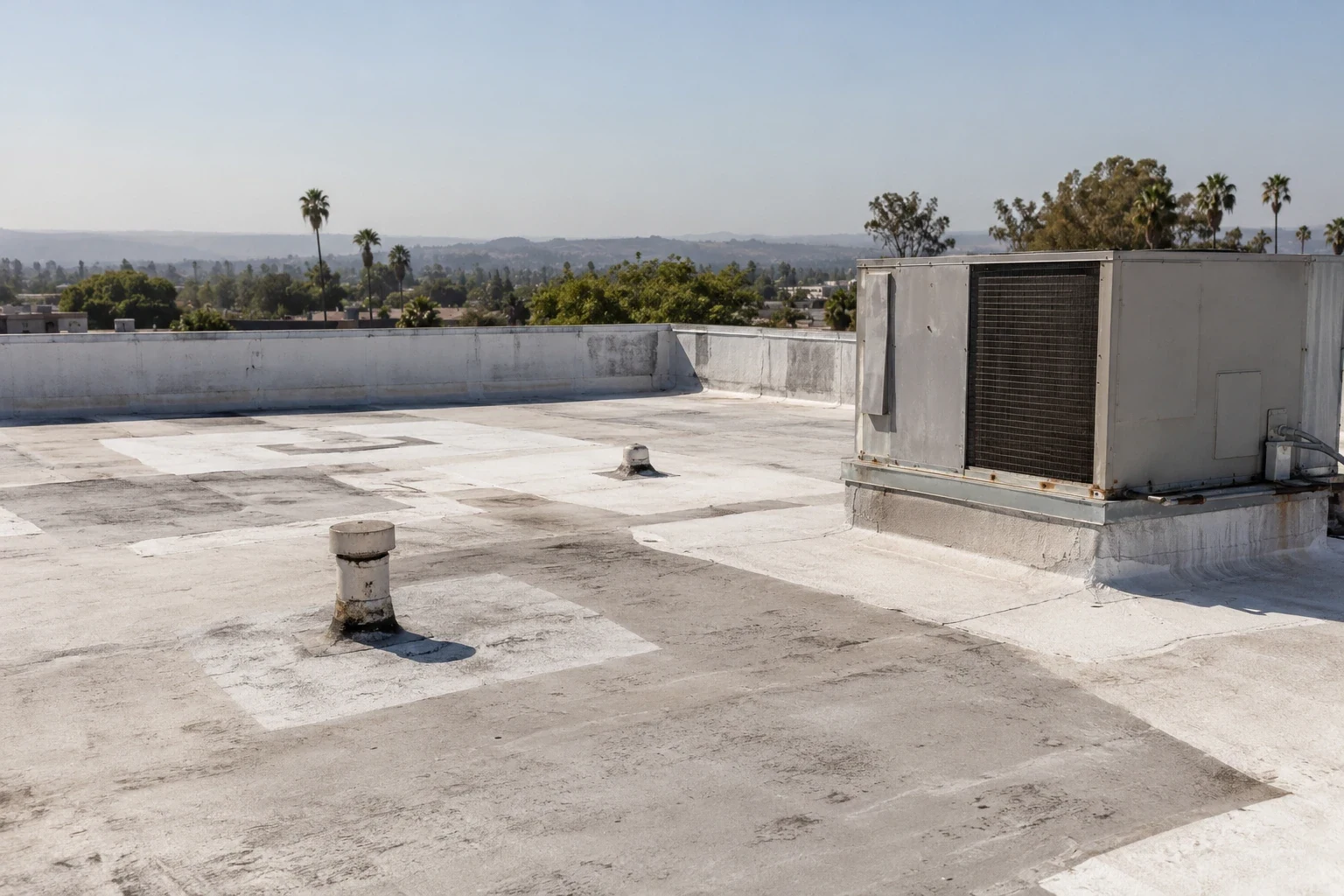
Government and Municipal Building Roofing

A public-building roof scope has to identify both the roof condition and the route people use below it. The facility contact confirms hours, public entrances, security, deliveries, and restricted zones. We mark the inspected roof section, record its assembly and water path, and show which detail supports the proposed work. That gives a facilities manager a clear basis for a maintenance order, budget request, or project bid.

Downtown Oxnard includes Core, General, and Edge districts with retail, office, residential, and live-work activity. The Central Industrial Area has a different planning context, including agricultural processing and vehicle or equipment storage and repair. Those city settings do not identify the use or roof assembly of a particular public facility. A Downtown Oxnard public-building roof assessment follows the verified building, current roof plan, and site contact.
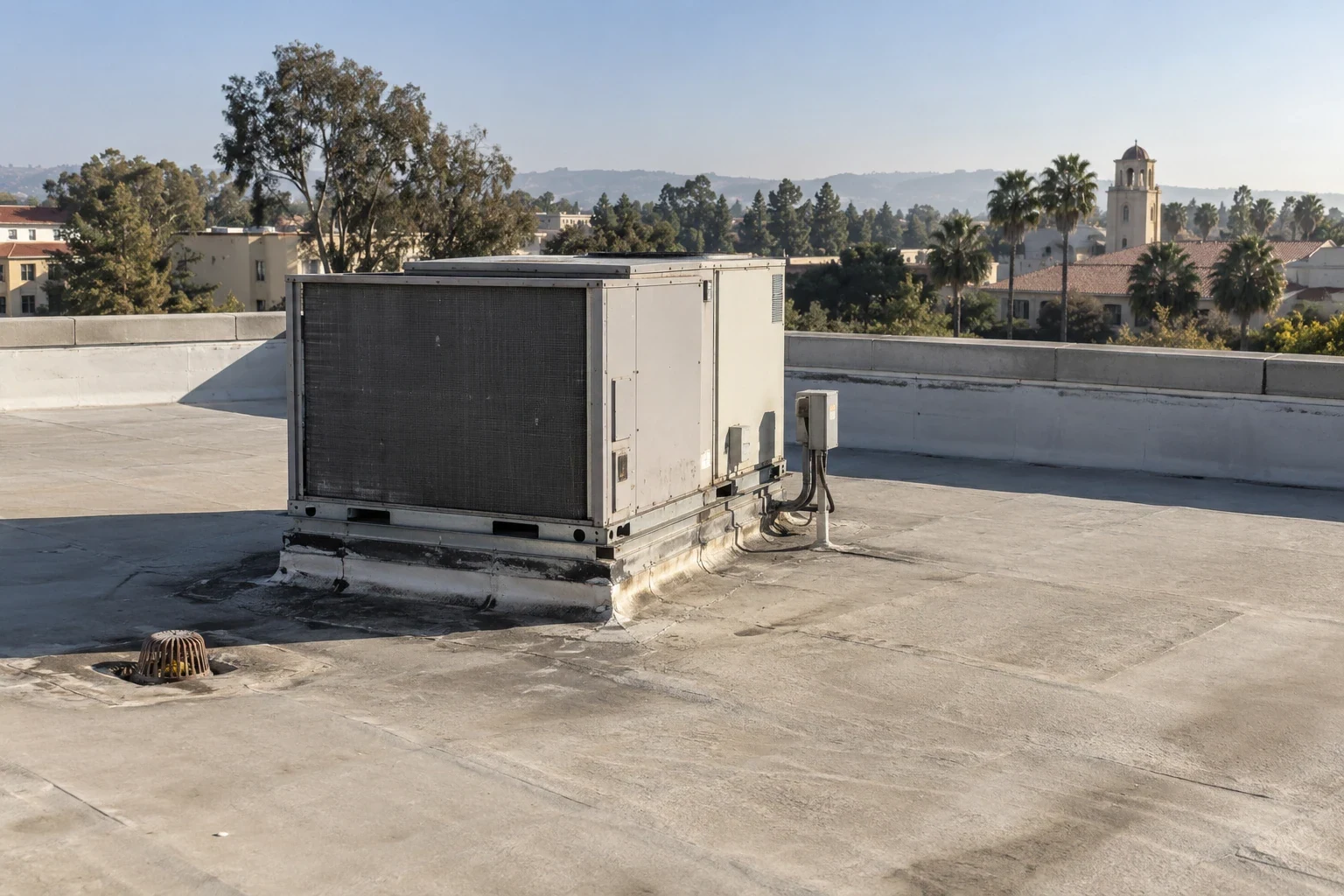
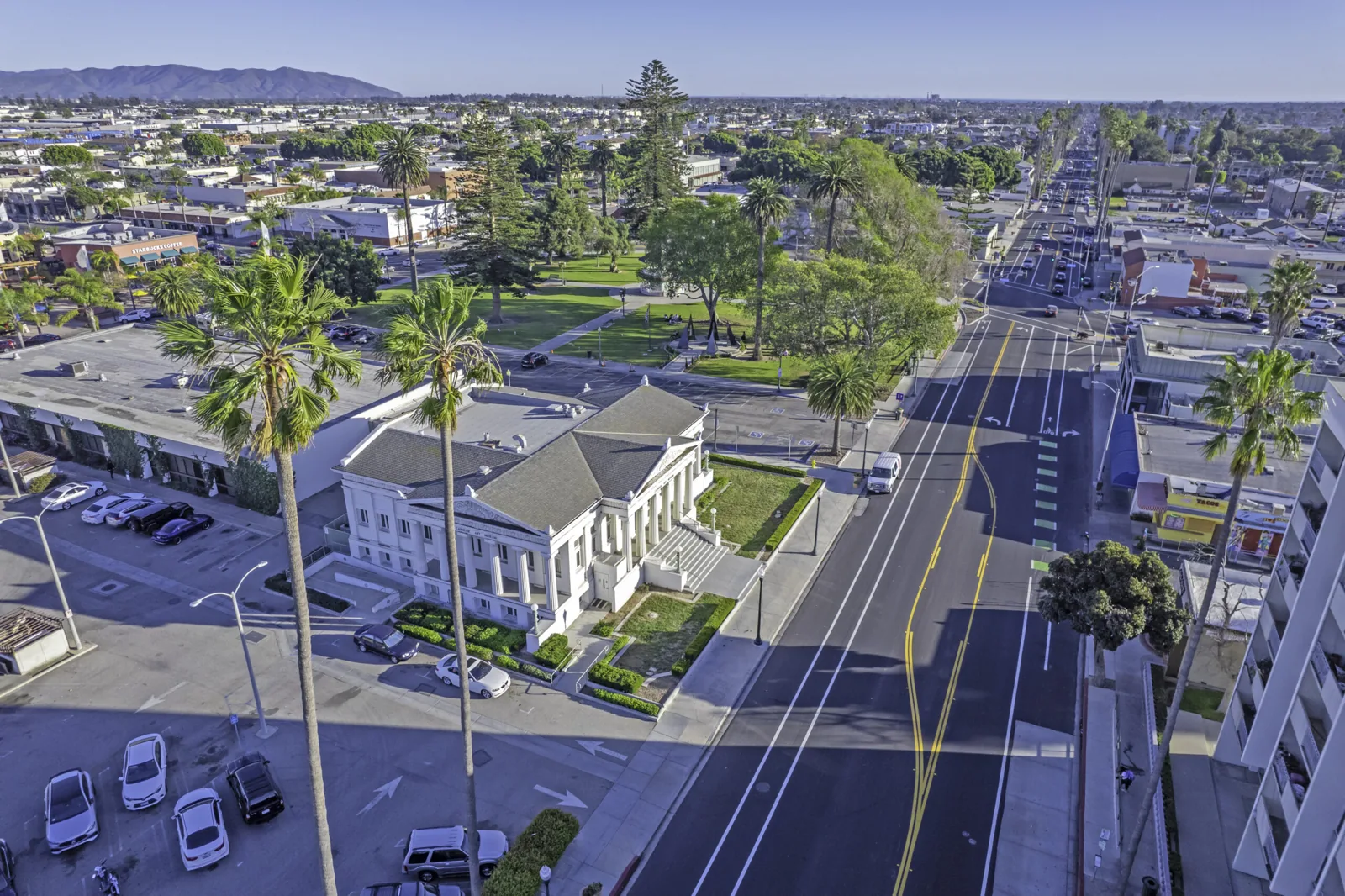
Government and Municipal Building Roofing in Oxnard, CA

Keep public routes clear during roof work

Before mobilization, identify visitor entrances, accessible paths, employee routes, loading areas, parking, and the location of any temporary public notice. The facility lead determines security and access requirements. We use those instructions to place lifts, material, and fall-protection access without routing people beneath an active repair. If a path must change, the approved alternate route and the time it will be restored belong in the daily plan.

Government properties may have public-facing and restricted areas in the same building. Verify which rooms are occupied, who can authorize access, and whether work can proceed during public hours. A roof zone above a meeting room or service counter may need a different work window from a back-of-house area. A phased occupied-building roofing plan defines the work boundary, weather-tight stop, and handback for each shift.

For a bid package, scope the building and roof area precisely. Note which areas were not reached, what records were available, and what concealed condition could change the work limit. This makes proposals easier to compare because each bidder can price the same marked location and access assumption.

Identify the installed roof before specifying a repair

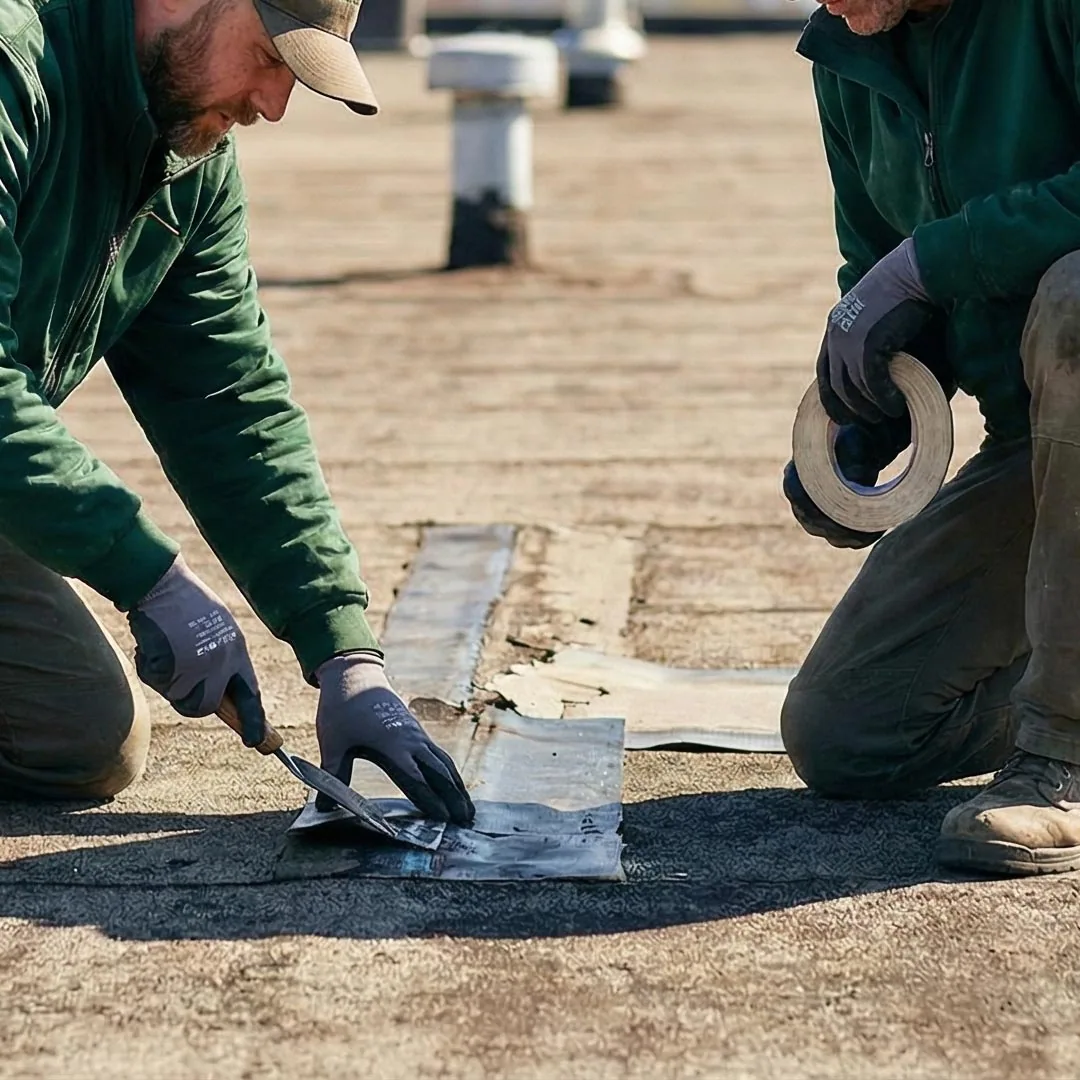
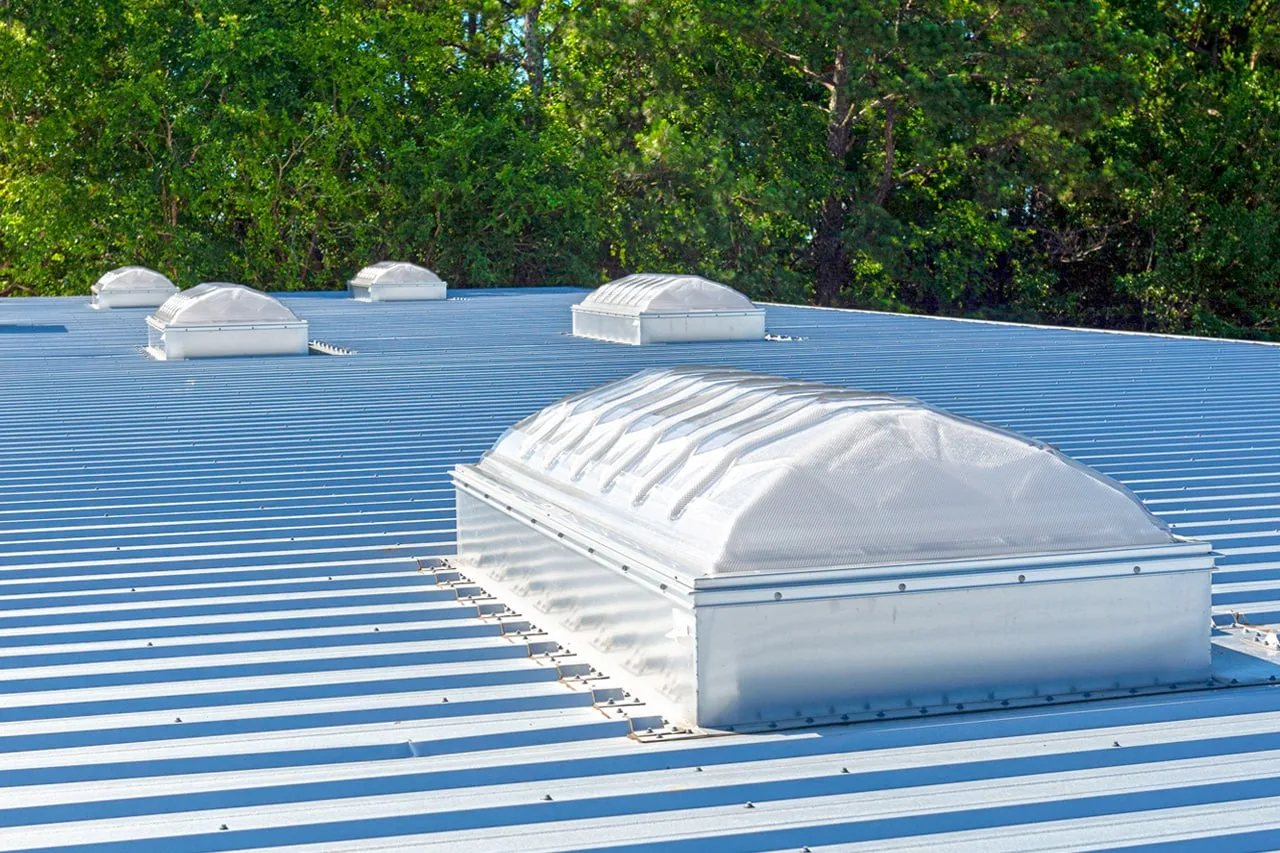
Field-visible seams, exposed edges, panel profiles, and prior patches help confirm whether the assembly is a membrane, metal, built-up, or another system. A public facility may have additions from different project periods, but age and material should be verified at each section. Compare drawings, maintenance records, and exposed details. If a hidden layer affects compatibility or removal, define a test opening and its restoration before deciding the permanent scope.

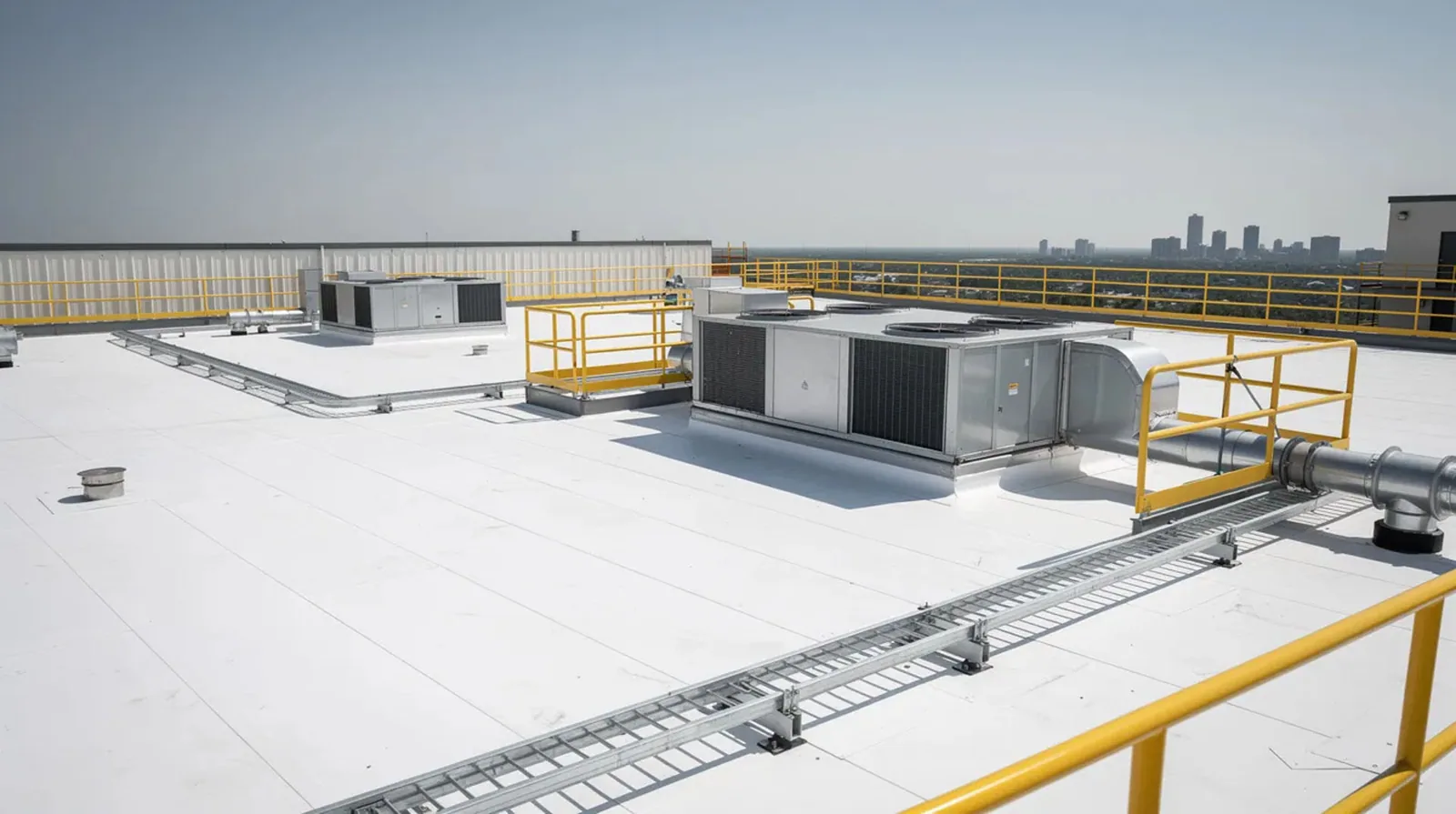
Inspect curb seals, penetrations, wall transitions, coping, fasteners, and edge-metal condition. Look for an open termination, split flashing, surface oxidation, or repeated sealant that conceals a failing connection. A penetration and flashing inspection can mark the interfaces that cross the membrane. If rooftop equipment work is planned, identify which trade prepares the receiving surface and who checks the finished roofing detail.

Oxnard's Ordinance 3070 adopts the 2025 California Building Standards Code. For permitted alterations, the designer and authority having jurisdiction determine what applies to the project scope and permit date. A condition report should document what is visible and identify where plan review or testing is needed; it should not imply code compliance from a roof walk alone.

Trace drainage and record the inspection boundary

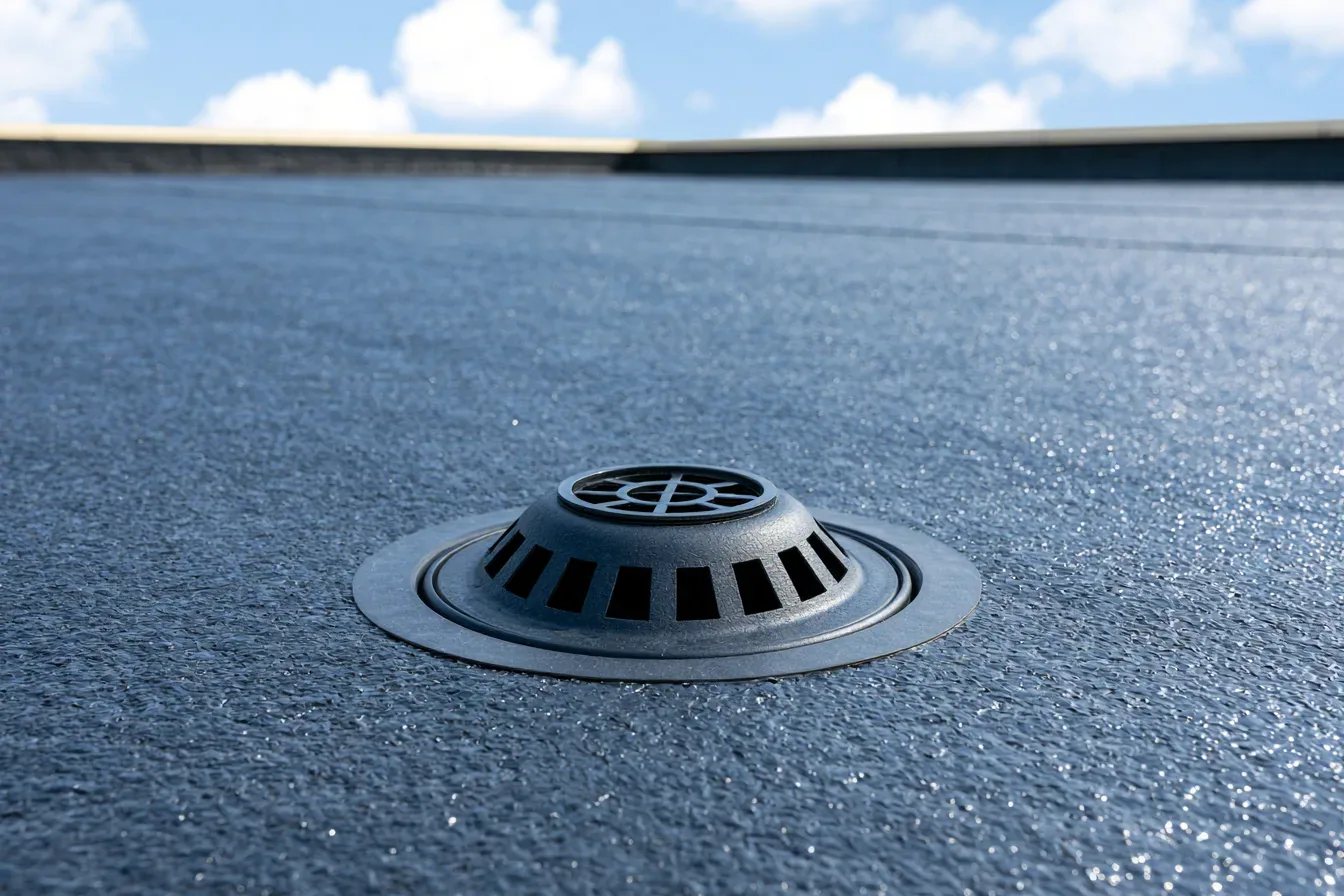
Follow the slope to drains, scuppers, gutters, and overflows. Mark low points, debris, ponding lines, raised patches, and outlets blocked by equipment or access limits. Check whether an addition directs water across another roof section. Interior staining helps locate a possible path, but it does not determine where water entered. The report should connect the room location, roof area, and evidence observed.

An Oxnard station total of 1.77 inches during Hilary set a new monthly rainfall record in August 2023. When a public-building leak report carries that date, compare it with repair history and inspect the building's outlets and flow path before writing the scope. A drain and scupper review can define work at a confirmed outlet, and a field-marked roof inspection can document adjacent seams and transitions.

The Local Coastal Program maps hazards within Oxnard's coastal zone, including sea-level rise, and parcel location matters. Confirm the actual public property against current city mapping before using a coastal factor in capital planning. No citywide assumption belongs in the building-specific scope.

Make the repair limit measurable

A local repair fits when the defect is identified, surrounding material can accept a compatible tie-in, and the repair boundary is supported by inspection. State preparation, materials, access window, public protection, and closeout evidence in the scope. If a test finds wet insulation or an unstable substrate, stop at the approved hold point and obtain direction before expanding the removal area.

A recover decision requires review of existing layers, attachment, perimeter height, drainage, and flashing transitions. Coating is not a cure for moisture below the surface or poor adhesion. A replacement scope should identify tear-off depth, substrate work, insulation assumptions, equipment coordination, temporary protection, and the daily dry-in target. A commercial roof repair proposal states the confirmed defect, while a replacement scope makes the larger assembly assumptions visible to procurement.

Include access, scheduling, contingency, and closeout expectations in the bid documents. The owner needs to know what inspection or testing is included, what requires separate authorization, and how a changed condition will be priced and approved. Those are roof-scope decisions, not administrative details to leave until the crew reaches the field.

Return the facility with a record its staff can use

Closeout lists roof sections inspected, assembly observed, materials installed, photographs, test locations, deferred items, and access limitations. Mark the repair and drainage points on the roof plan. Note whether public routes were restored and whether another contractor still owes work at a curb or wall. For a multi-building site, each building needs its own findings and completion status.

Share roof drawings, previous bid documents, repair records, public-access rules, equipment schedules, and the person authorized to approve changes before service. A school roof review also plans around public occupancy and calendars, while a municipal office roof assessment must follow that facility's actual access and security needs. If the building is managed by several departments, name the person responsible for roof access, the person accepting completed work, and the office that retains the updated roof plan. Those assignments keep the maintenance record connected to the next budget cycle. Include roof warranty documents and any inspection limitation so future bidders can distinguish confirmed repairs from areas that still need testing.

Request a public-facility roof review

Provide the building plan, procurement scope, roof records, access rules, equipment schedule, and approval contact. We will document the condition and define repair or replacement limits by section.

Common Questions

What does a roof inspection need to record for a public facility?

The report identifies each building and section reached, visible assembly, findings, photos, access limits, and work recommended. It also names areas not inspected and testing that would settle a concealed question.

Can the work take place while public services remain open?

The facility sets public hours, security, and alternate routes. We plan work zones and staging around those confirmed rules, then document when each route returns to service.

How can procurement compare roofing bids fairly?

Provide a marked roof plan, known access limits, testing allowance, and defined repair or replacement boundary. We state inclusions, exclusions, and conditions that could change the scope.

Does the Hilary rainfall event indicate damage at a city building?

No. It is a measurement at the Oxnard weather station in August 2023. A public building's condition must be established through its own inspection and maintenance records.

Who determines current building-code requirements?

The project designer and authority having jurisdiction review the proposed work, permit date, and applicable code. The roof inspection records field conditions for that review.

ServicesRoof SystemsProperty TypesIndustriesService AreasDamage RepairCapabilitiesManufacturersAboutRequest a Roof Assessment555-555-5555
Call555-555-5555