
Commercial Roofing in Santa Paula, CA
Arrange a Santa Paula roof walk
Santa Paula
A Main Street roof repair should be scoped around the building's use and the detail that failed. Santa Paula's economic-development plan targets Main Street, the 10th Street corridor, Highway 126 and Hallock Drive, and East Santa Paula Street for business-area improvements. City planning also distinguishes retail, commercial, industrial, and agricultural businesses. Those are useful local planning contexts, not a description of any individual roof. We start with the property access route, roof assembly, drains, seams, equipment, and interior report, then map the repair boundary before writing a scope. A Ventura commercial roof review keeps its own local records, while the field method here follows the Santa Paula building in front of us.
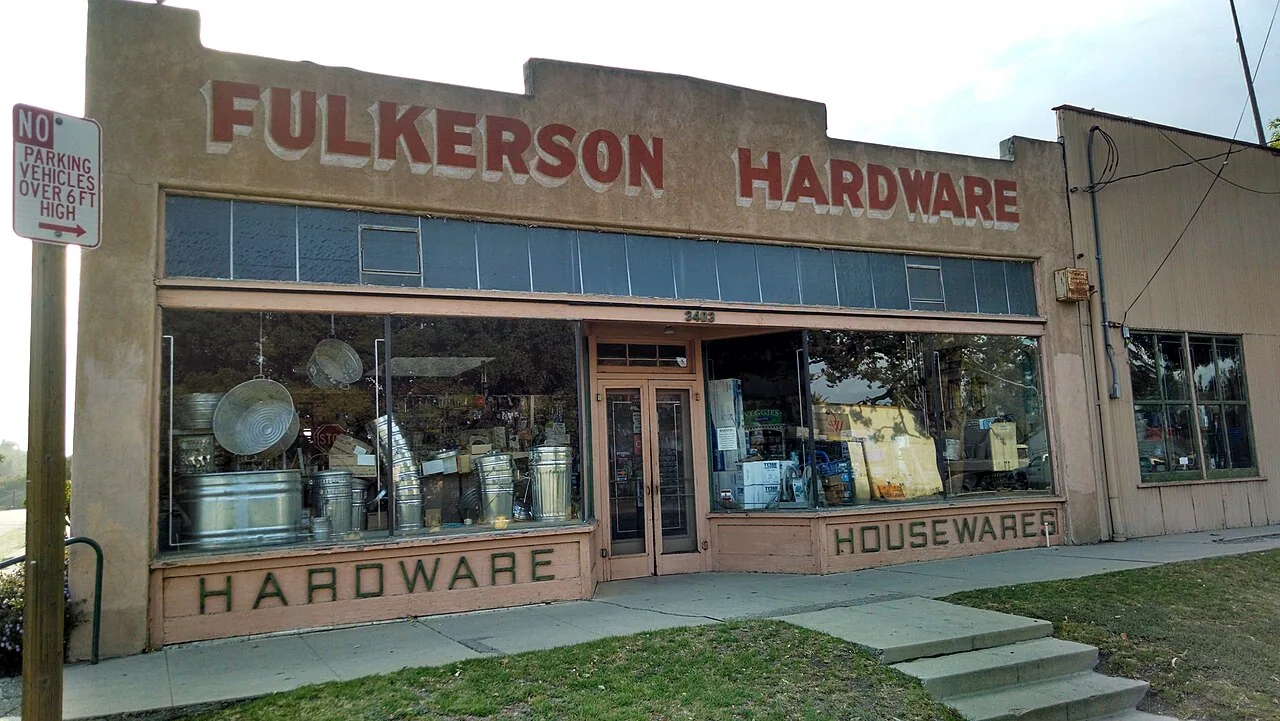
Set the access route before the roof walk
Before inspection, we confirm how the crew reaches the roof, where ladders or lifts can be placed, and which occupied areas need protection. The building contact identifies equipment that must remain operating, delivery windows, and any restricted path. If a roof has several levels or additions, we split the plan into sections and mark each observation to its location. This lets an asset manager compare repair quantities without confusing a low point on one wing with a drain on another.
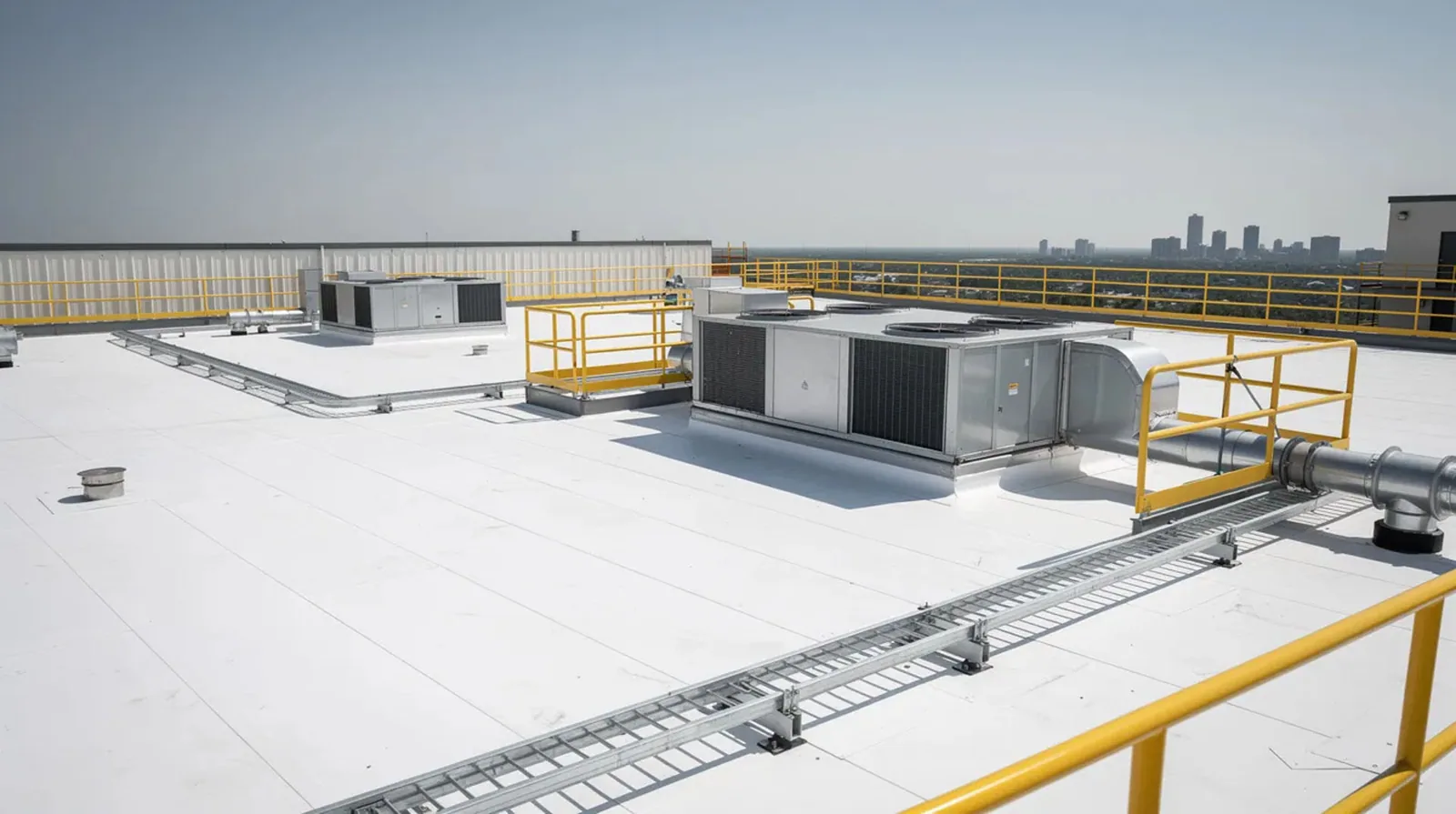
The walk follows slope toward the drains and scuppers, then turns to seams, curbs, penetrations, wall transitions, and edge metal. We note open laps, punctures, loose terminations, ponding signs, surface wear, and previous patches. A ceiling mark starts the investigation; water can travel under a membrane or along the deck before showing inside. We compare the room and date with roof features above it and nearby. A commercial roof inspection records the assembly and marks areas that require testing before repair limits are set.
Santa Paula's plan distinguishes retail, commercial, industrial, and agricultural businesses. We confirm the actual use with the property contact, then plan around its access, rooms, loading, and equipment.
Trace the water path to its entry point
A leak often appears away from its source. We inspect the reported room, check the roof above it, and follow the likely path to a seam, curb, drain, or wall. At each point, we look for an opening, failed tie-in, blocked outlet, or movement that could explain the report. If the route is not clear, we identify a test area rather than calling a nearby patch the cause. Photos show what was observed and where the next check should occur.
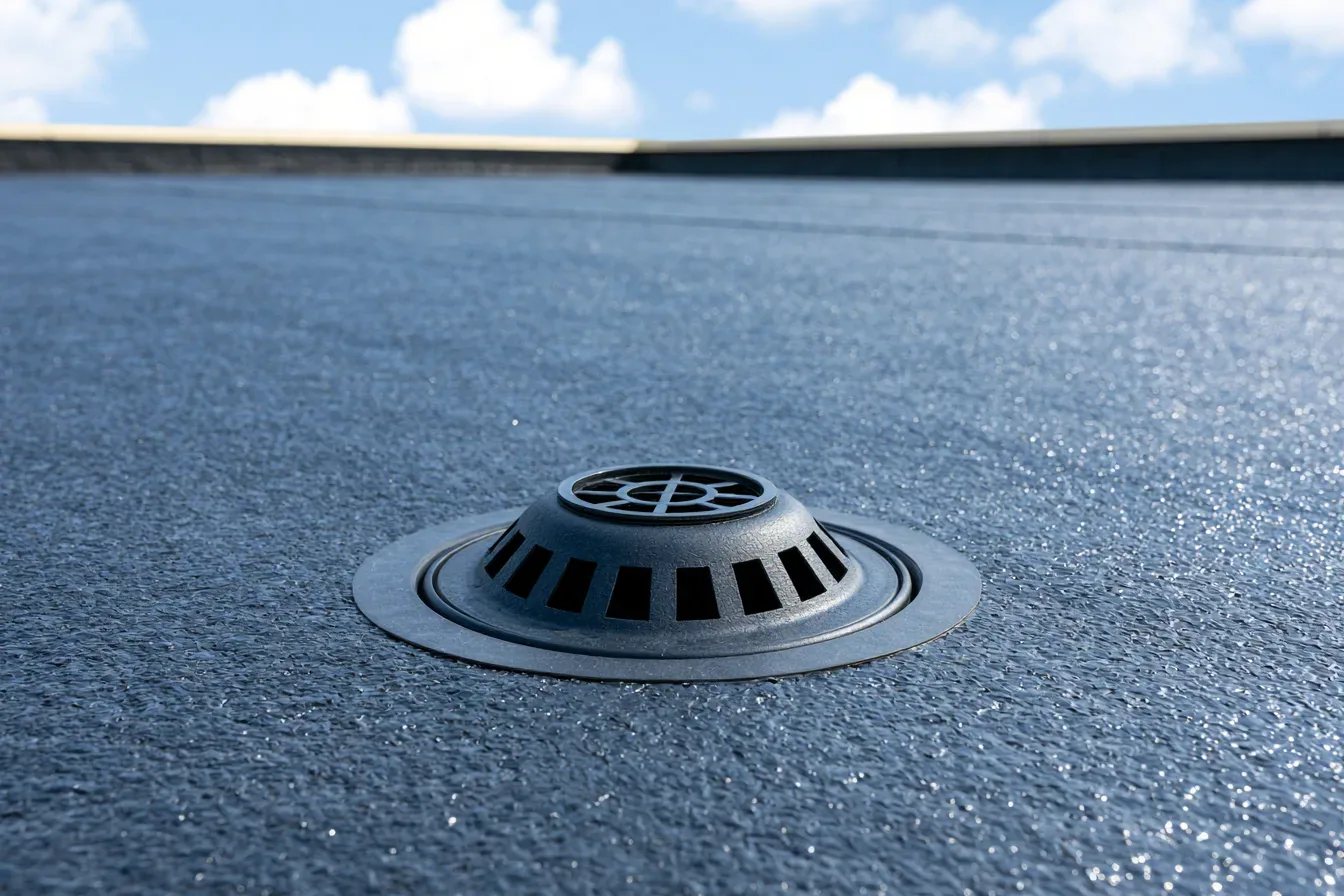
During Tropical Storm Hilary in August 2023, the Oxnard, CA station recorded 1.77 inches, a new monthly August record there. That market reference is not a Santa Paula measurement. We use the building's drainage, slope, overflow, and maintenance records to assess its roof. A drain and scupper review checks the outlet and membrane connection; if ponding remains after the outlet is clear, we inspect the slope and insulation for a depressed area.
When infrared readings suggest moisture, we mark the survey zones and explain where a test opening could confirm wet insulation. That result changes whether a repair stays at the surface or requires removal and replacement of the affected material. The owner receives test findings and limits before deciding on a broader scope. Moisture mapping is useful when it resolves a boundary, not as a substitute for a close look at seams and flashing.
Inspect the details where roof systems change
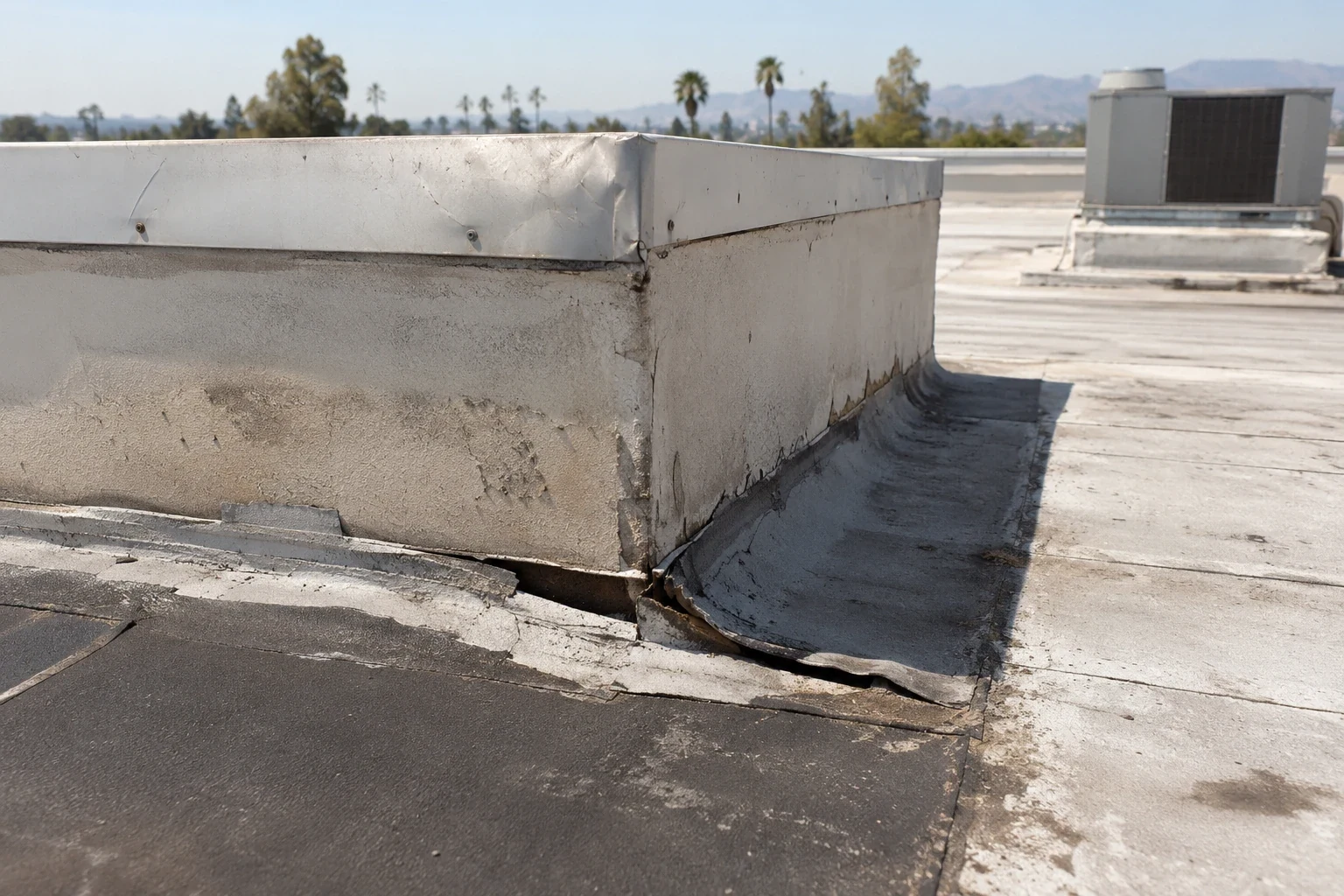
At a curb or pipe, we inspect flashing, corners, sealant, and membrane turn-up. Wall counterflashing and termination must shed water. At the edge, loose coping, open joints, or failed fasteners can expose the perimeter. We document the specific component and prepare a repair boundary that reaches stable material.
Santa Paula's targeted business areas include Main Street, 10th Street, Highway 126 and Hallock Drive, and East Santa Paula Street. A property project along any of those routes still needs its own material and access review. We identify whether the roof is single-ply, built-up, modified bitumen, metal, or coated before selecting repair products. A thermoplastic seam needs a clean surface and compatible weld; EPDM and metal call for different preparation and materials. Flashing repair can close a confirmed wall or curb transition, while seam repair restores an opening in a compatible membrane.
Prior patches are part of the inspection, not proof that the surrounding roof has failed. We map them, check nearby material for moisture or movement, and note any repeated defect pattern. If a repair zone intersects active equipment, we coordinate the unit access or shutdown before closing the roof. The report identifies the repaired detail and what remains for a later visit.
Choose between a defined repair and larger work
A local repair is reasonable when the surrounding material remains sound and the repair can bond or weld to a stable surface. Widespread wet insulation, loose attachment, repeating seam openings, or deck movement can require testing before a scope is set. We mark the extent, identify the evidence, and separate confirmed work from concealed conditions that could change it. If active water entry requires temporary protection, we document that separately from permanent correction.
A recover can preserve an existing layer when the deck, moisture, attachment, drainage, layer limits, and project requirements support another assembly. Added height affects drains, parapets, curbs, and equipment supports. Replacement can correct insulation or deck conditions but includes tear-off, debris handling, and daily dry-in planning. We compare options by the same measured areas and note access, disposal, and trade coordination. A repair scope addresses a verified defect; a recover evaluation considers whether the existing roof can remain.
Cost and timing reflect roof height, lift access, preparation, insulation, edge metal, drains, equipment changes, and work windows. We confirm delivery or production limits with the property contact, then list staging, crew route, interior protection, and the daily watertight boundary. If hidden conditions change the plan, we show the finding and get approval before adding work.
Keep the roof file ready for the next decision
Closeout should identify the building, roof section, assembly, repair material, preparation, photographs, tests, and any remaining condition. We tie each field mark to a plan reference and keep the open items separate from completed work. If access blocked part of the inspection, the report states which detail remains to be checked. That gives the next manager a reliable starting point when equipment changes or a new leak is reported.
Maintenance visits review seam edges, drains, penetrations, counterflashing, coping, and traffic paths. The service interval follows observed condition, building use, and planned work. A property group can keep its Port Hueneme roof file distinct from Santa Paula's while using the same inspection fields. Photo-based roof reports connect findings to repair priorities and capital planning.
Send the roof plan, leak history, prior repair records, equipment schedule, and access contact. We will inspect the relevant sections, map the water path, and return a repair, testing, recover, or replacement scope grounded in the building's condition.
Related Roofing Work
More from Service Areas and nearby services

Arrange a Santa Paula roof walk
Share the roof plan, leak location, repair history, equipment schedule, and access limits. We will field-mark the conditions and prepare a repair or broader roof scope for the building.
Common Questions
Do Santa Paula's targeted corridors determine the roof work?
They identify business-area priorities, not a particular roof assembly. We inspect the building, confirm access and use, and document the membrane, drainage, flashing, and repair limits before selecting the work.
How can you tell whether water came through a drain or seam?
We trace the reported room and timing to the roof, then inspect the outlet, surrounding sheet, seams, curbs, and wall transitions. If moisture extends below the surface, testing can set the repair boundary.
Does the Oxnard storm rainfall record apply to Santa Paula?
No. The 1.77-inch amount was recorded at the Oxnard station during August 2023. It provides market context; our Santa Paula recommendation follows the property's drainage and observed roof conditions.
What if a repair uncovers wet insulation?
We photograph and map the affected area, confirm the removal boundary, and explain how it changes the scope and dry-in sequence. The owner approves added work before the repair extends beyond the original limit.
What information helps plan a commercial roof repair?
A roof plan, leak location and date, equipment schedule, access contact, operating window, and past repair notes help define the work. We verify them on the roof and identify testing needed before final pricing.