Commercial Roof Coating Restoration in Oxnard, CA
Test the restoration option
Commercial Roof Coating Restoration
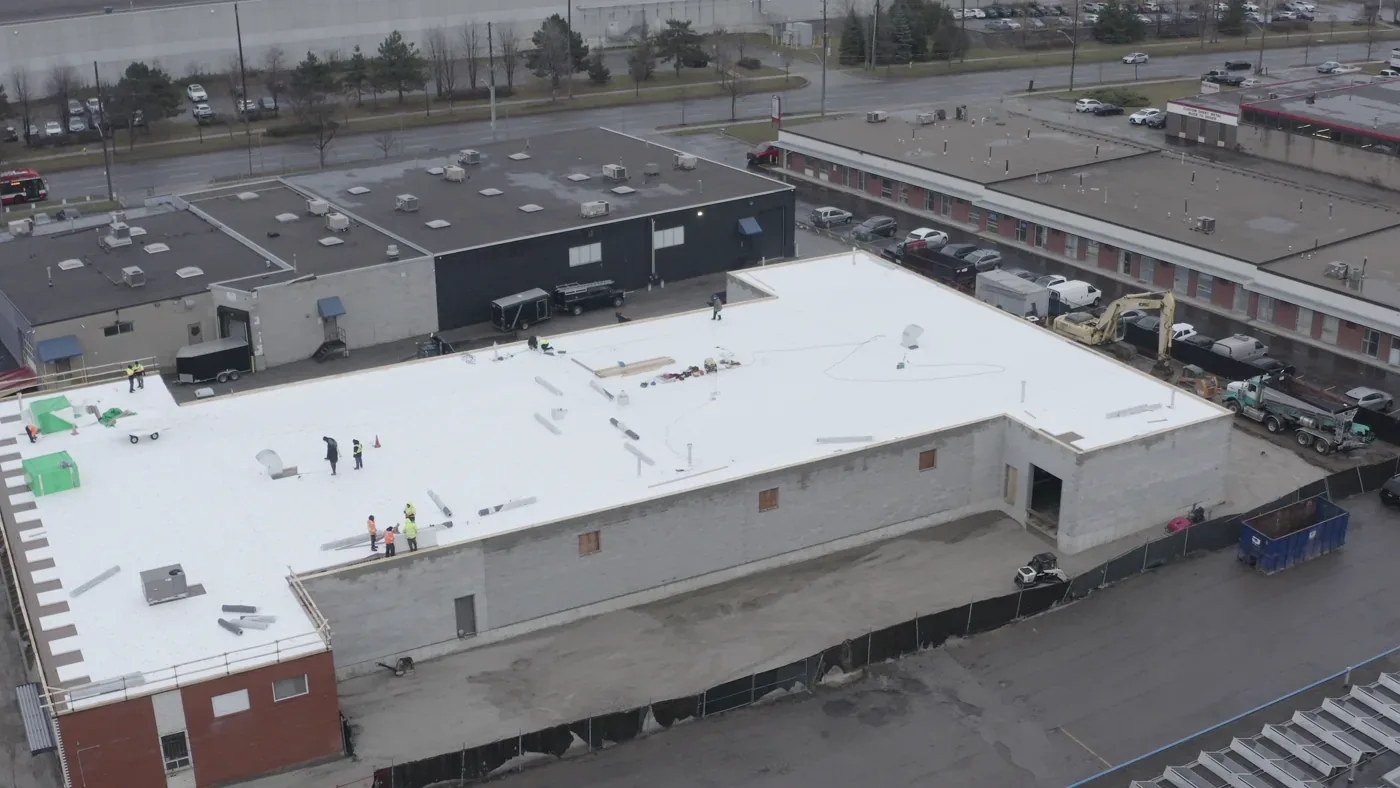
A coating belongs over a roof that can carry it. We first check whether the existing membrane or metal panels are attached, dry, and stable enough to accept another layer. The survey follows seams, fasteners, flashings, drains, curbs, and prior repairs, then tests representative areas for adhesion and compatibility. Oxnard has varied commercial settings, from manufacturing and research uses in Camino Real Business Park to agricultural processing in the Central Industrial Area. Those plans describe land uses, not the condition of a particular roof. The substrate decides. If insulation is wet or the assembly is failing, a coating can hide the problem rather than correct it. We explain the repair boundary and compare restoration with tear-off when the field findings support more than one option.
Confirm what the coating can preserve
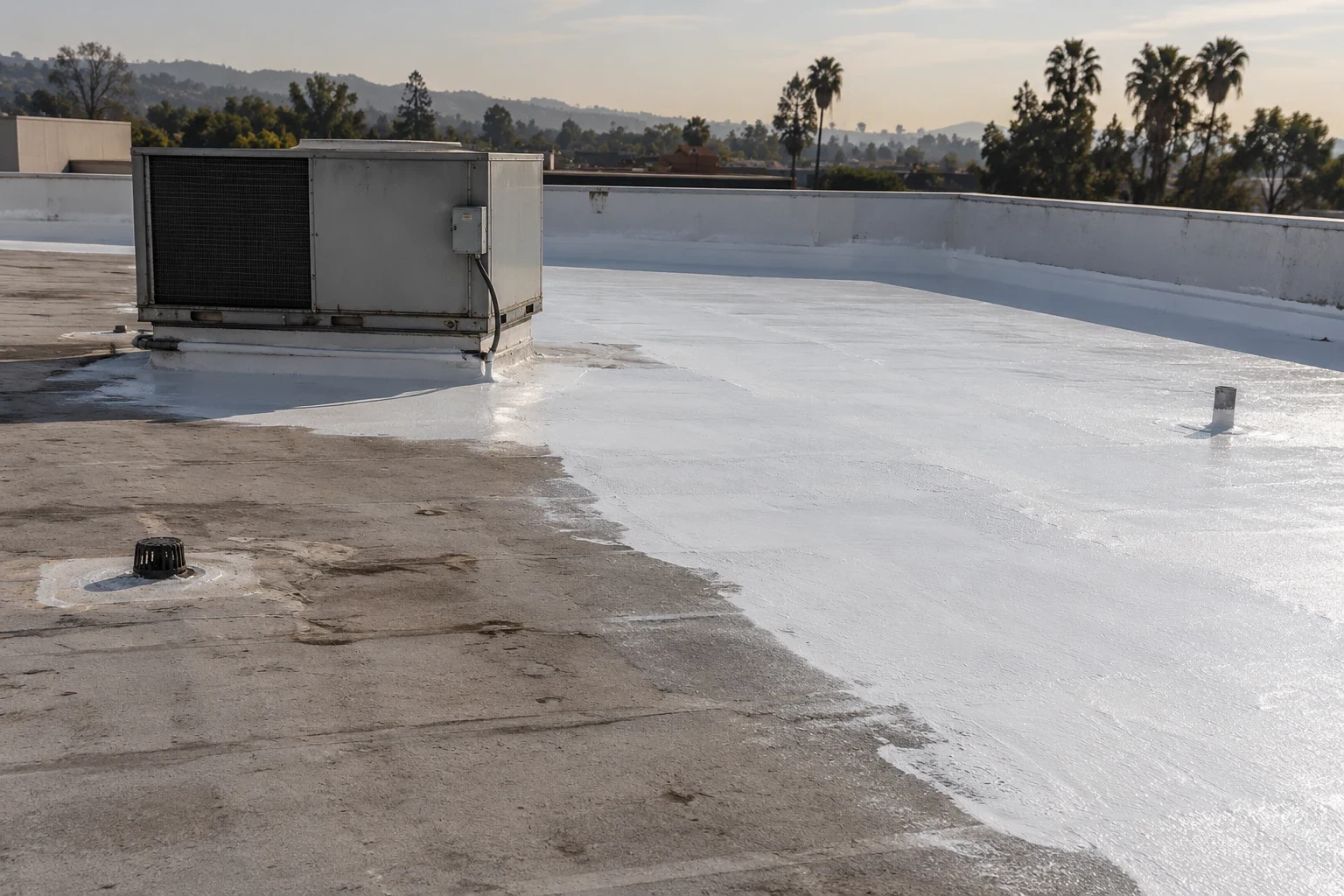
A coating can add a renewable surface layer to a roof that remains sound. It does not rebuild a weak deck, dry wet insulation, correct a failed slope, or secure loose membrane. We inspect the existing assembly and identify areas where repairs must come first. Blisters, open seams, punctures, chalking, rust, and standing water each need an explanation before the coating scope is priced. We also check whether repeated patches or incompatible prior materials interrupt adhesion.
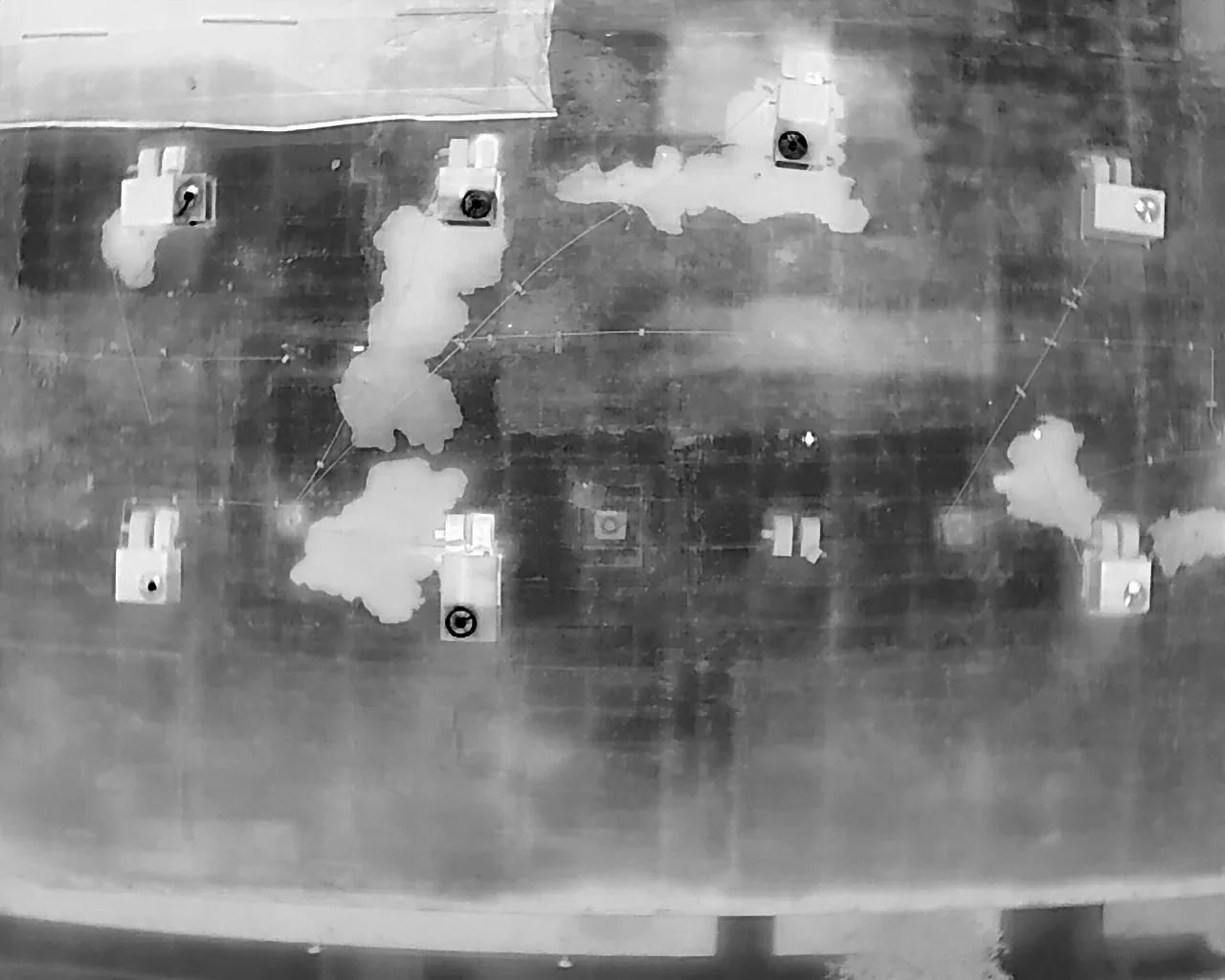
Representative adhesion tests help determine whether the proposed coating bonds to the existing surface after preparation. Where the system needs a primer, the test includes it. If the roof contains several substrates or old coating layers, we sample each relevant condition rather than rely on one clean spot. A hands-on inspection can locate repairs and map transitions. If moisture is suspected below the membrane, targeted moisture testing can guide the next step before restoration.
Prepare every surface and detail
Preparation decides whether coating adheres and whether water can move off the roof. We remove dirt, loose coating, debris, and material that interferes with the bond. Metal may need rust treatment or replacement where corrosion has reduced section strength. Seams, fasteners, penetrations, and transitions receive repair details suited to the existing assembly before the field coating is applied. Coating over an open seam does not make that seam a reliable joint.
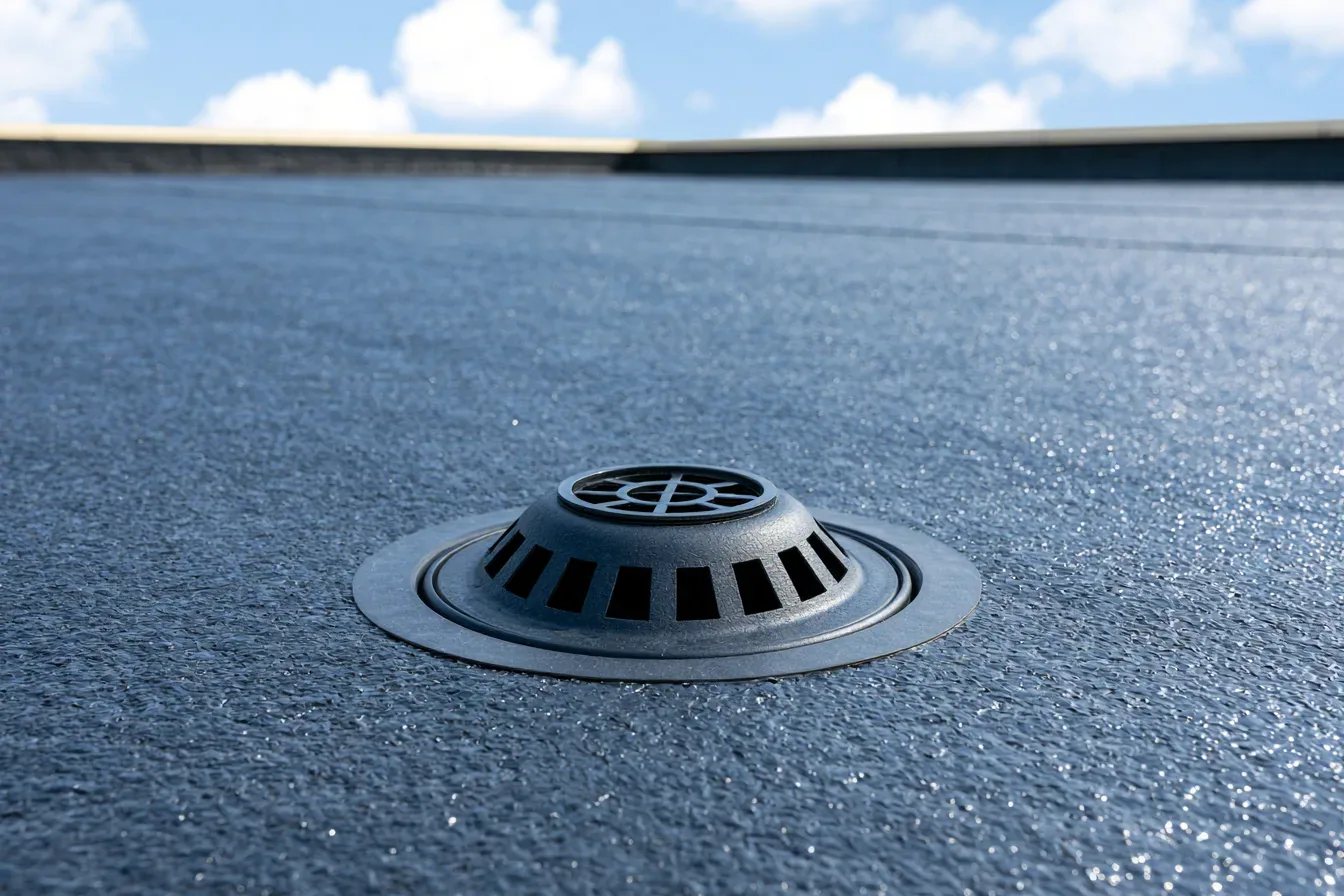
We inspect drain bowls, scuppers, overflow openings, and gutters before application. The coating must not block outlets or reduce the free route water needs to leave the roof. Ponding areas need a separate evaluation because some systems tolerate intermittent water better than others, and a surface layer will not change slope. At a roof with many equipment bases, we mask and detail each curb rather than coat indiscriminately across mechanical components. A drainage correction can be scoped before application if outlets or low points need work.
Match the coating to the roof
Silicone, acrylic, and other coating systems differ in water tolerance, substrate needs, application conditions, and maintenance requirements. We select the system only after identifying the roof material and the way water drains. A coating suitable for a compatible single-ply membrane may not suit a metal roof with active corrosion or a surface with incompatible residue. The product data and preparation plan need to match the actual substrate.
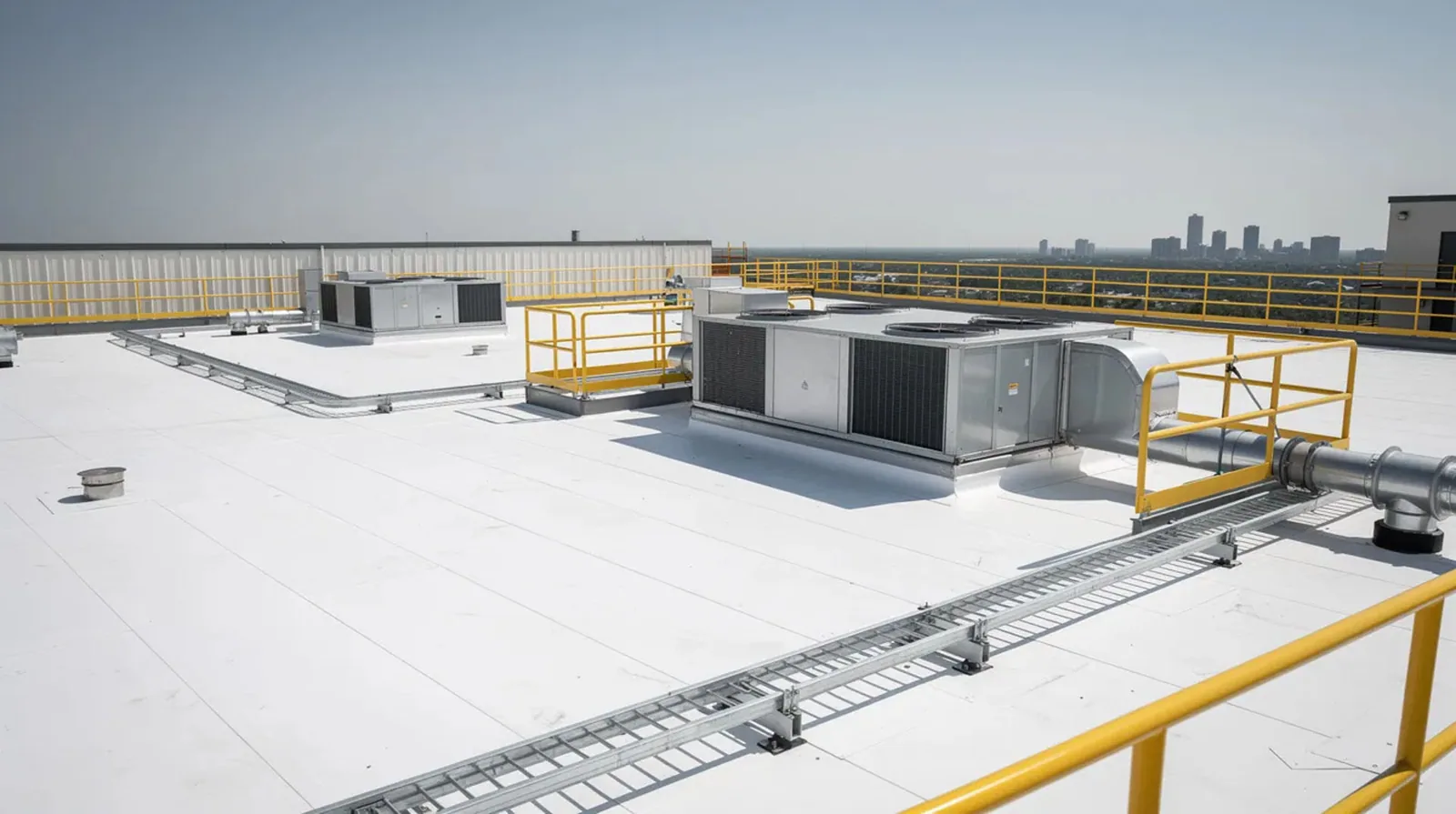
We include the coating type, primer if required, reinforcement at selected details, number of coats, target coverage, and inspection steps in the scope. The details at drains, curbs, wall transitions, and edges should be described alongside the field area. Manufacturer product documentation is provided for the system used; we do not add a warranty term unless it is specifically documented for the project. Compare silicone coating systems with acrylic coating options based on the assembly and exposure conditions found on the roof.
Check the parcel, not the city label
Oxnard’s Local Coastal Program identifies hazards and adaptation planning for mapped shoreline areas. That context applies only to parcels in the designated zone, not to every local building. We inspect the actual roof edge, drainage, and existing surface. Where oxidation, chalking, or failed sealant appears, the scope names the condition and required preparation.
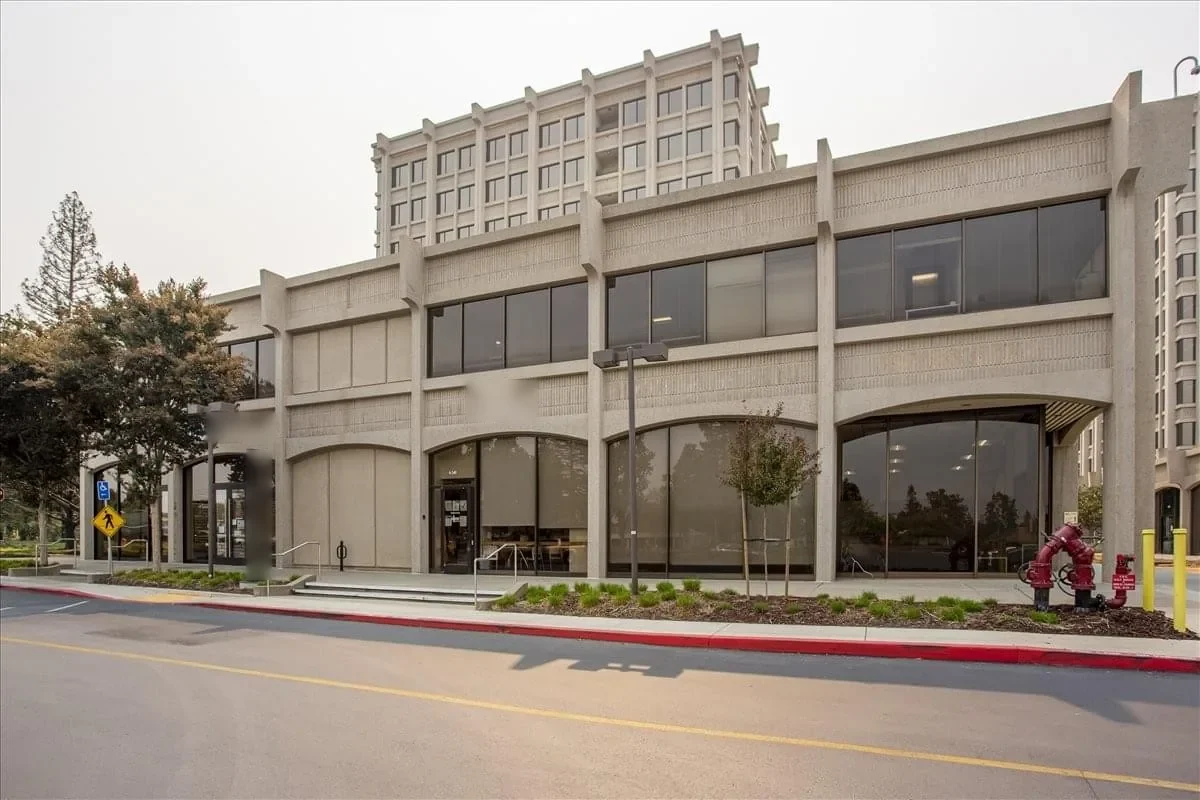
The local building mix also changes access planning. Camino Real Business Park allows research, office, manufacturing, professional, and limited commercial uses along U.S. 101. The Central Industrial Area includes agricultural processing and vehicle or equipment repair. Sakioka Farms has distribution and cold-storage development. Those uses prompt questions about equipment and access, but they do not reveal an individual roof’s assembly. We mark each building and section before pricing. Camino Real Business Park and the Central Industrial Area each need property-specific findings.
Plan the work window and quality checks
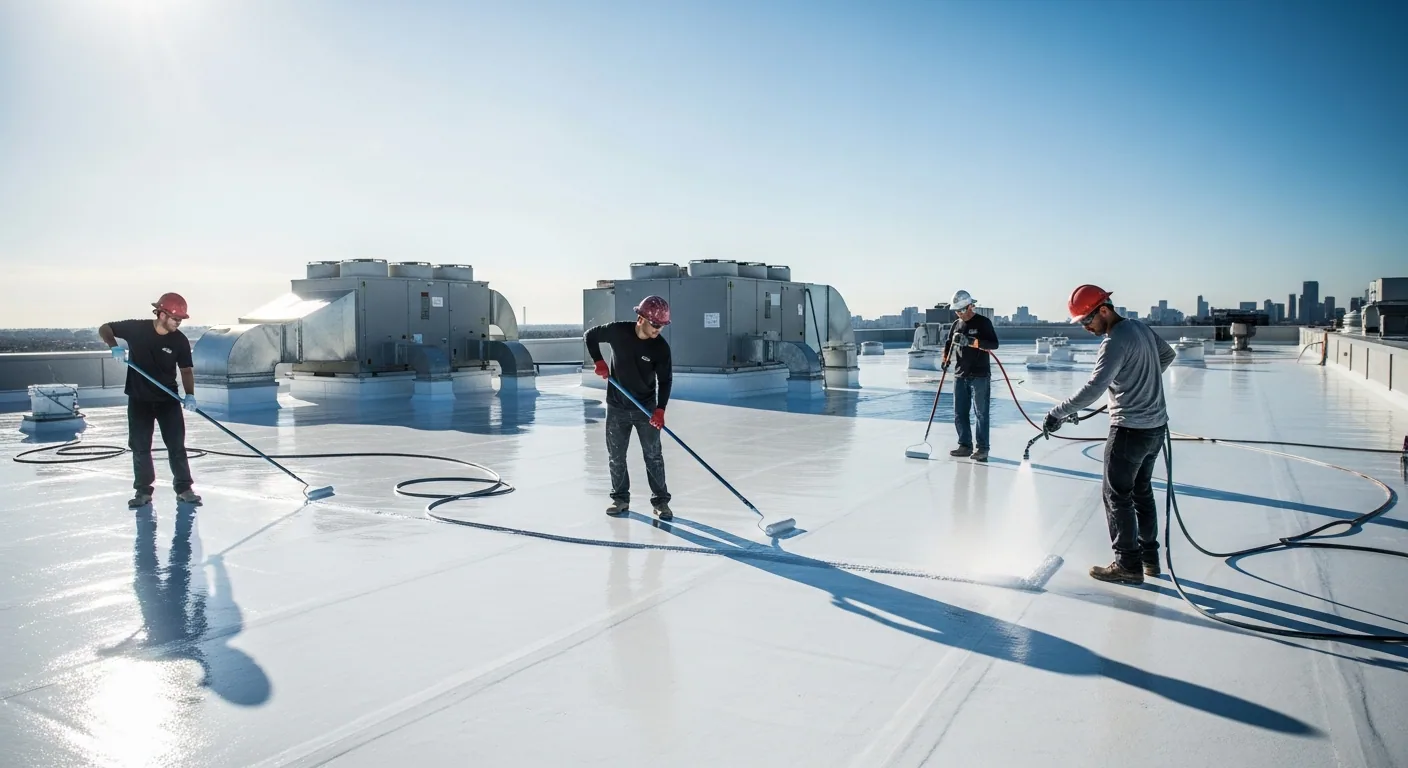
Coating application depends on surface condition, temperature, humidity, wind, and the manufacturer’s stated conditions. We check the roof for moisture and contamination before starting. The work sequence includes cleaning, repair, priming where required, detail reinforcement, field coating, and cure time. Occupied buildings need a clear notice and access plan, especially near air intakes, entrances, and loading activity.
We inspect preparation by section before it is covered, correcting missed details or blocked outlets while visible. The final pass checks coverage, drains, penetrations, and terminations against the scope. We identify any equipment protection or phased work needed to preserve a suitable application window.
Compare restoration with replacement
Coating restoration usually preserves more of the existing roof than tear-off, but that does not make it the right choice for every assembly. We compare substrate condition, moisture results, attachment, drainage, coating compatibility, and detail repairs. The scope should include the preparation and corrective work needed before coating, not only the material applied to the field. If the assembly fails those checks, we explain what removal or replacement would address.
Cost and timing depend on cleaning, repairs, access, equipment coordination, material selection, and cure time. We separate base work from concealed conditions. If a survey shows widespread wet insulation, a replacement scope may provide a clearer solution. For a defined damaged area on an otherwise serviceable roof, localized repair may be enough. The decision should leave the owner with a clear list of what the coating will and will not change.
Keep the coating in service
A coating is a maintenance system, not a set-and-forget surface. We identify inspection points and repair details that need attention at the next service visit. Drains should remain open, penetrations should stay sealed, and traffic should follow designated paths where practical. Later mechanical work can cut or puncture the coating, so the facility team needs a record of the selected system and repair method.
At closeout, we provide product details, preparation notes, and photographs, marking repaired and excluded areas. Send the roof plan, service history, equipment schedule, and access rules so we can test the substrate and scope only the areas suited to restoration.
Related Roofing Work
More from Commercial Roofing Services and nearby services
Test the restoration option
Send the roof plan, service history, leak locations, and equipment schedule. We will inspect the assembly, test adhesion where appropriate, and compare coating with other scopes.
Common Questions
Can a coating go over any commercial roof?
No. The existing roof must be stable, sufficiently dry, compatible with the selected product, and prepared to meet its application requirements. We inspect representative areas, check details, and perform adhesion testing when appropriate. If moisture or failed attachment is present, we identify removal or repair before recommending a coating.
Will coating correct ponding water?
A coating changes the surface layer, not the roof’s slope. We record low points and verify that drains and overflow paths remain open. If the water pattern comes from settled insulation or a blocked outlet, those conditions need correction first. The scope states whether drainage work is included or remains separate.
How do you choose between silicone and acrylic?
The roof material, exposure, drainage, water tolerance, application conditions, and maintenance plan guide the choice. We review product requirements against the inspected surface and test compatibility where needed. We explain the selected system and its detail work in the proposal.
What happens if you find wet insulation?
We mark the area and confirm the condition with testing where appropriate. Wet material is removed or addressed before a coating can close the assembly. If moisture is widespread, we compare restoration with a larger replacement scope and show the evidence behind the boundary.
How long before the coated roof can be accessed?
The return-to-service time depends on the system, weather, coat thickness, and manufacturer cure requirements. We identify any restricted areas and protection needs before work starts, then confirm the cure window for the products used. Equipment or foot traffic should not cross uncured coating.