Commercial Fire and Smoke Damage Roof Repair

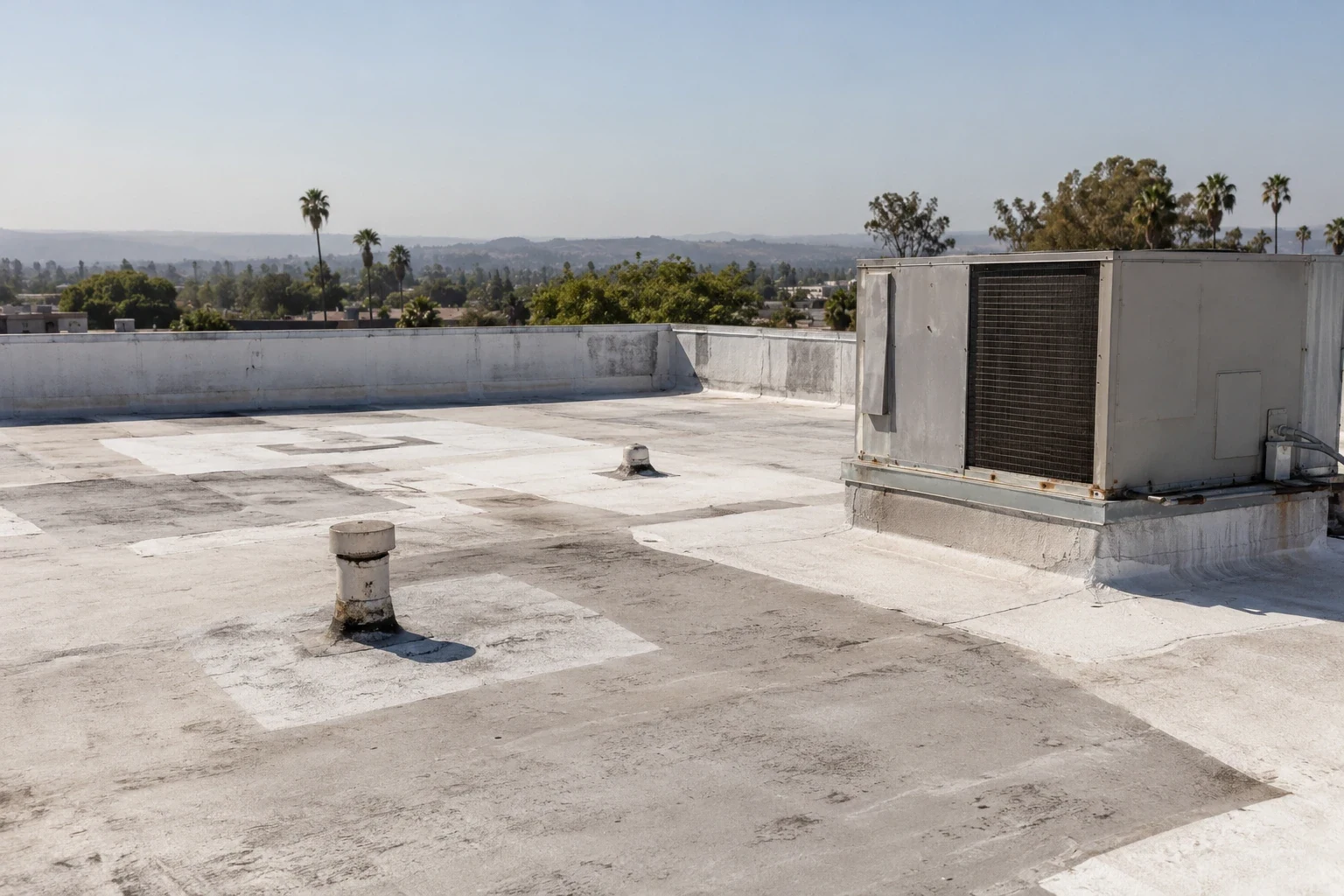
Heat discoloration at a roof penetration is a reason to inspect the material around it, not a repair limit by itself. After emergency personnel release the area, confirm safe access and mark visible burn, blistering, soot, and open roof sections. We record the affected assembly, protect active openings, and identify what requires testing before a permanent repair can be priced.

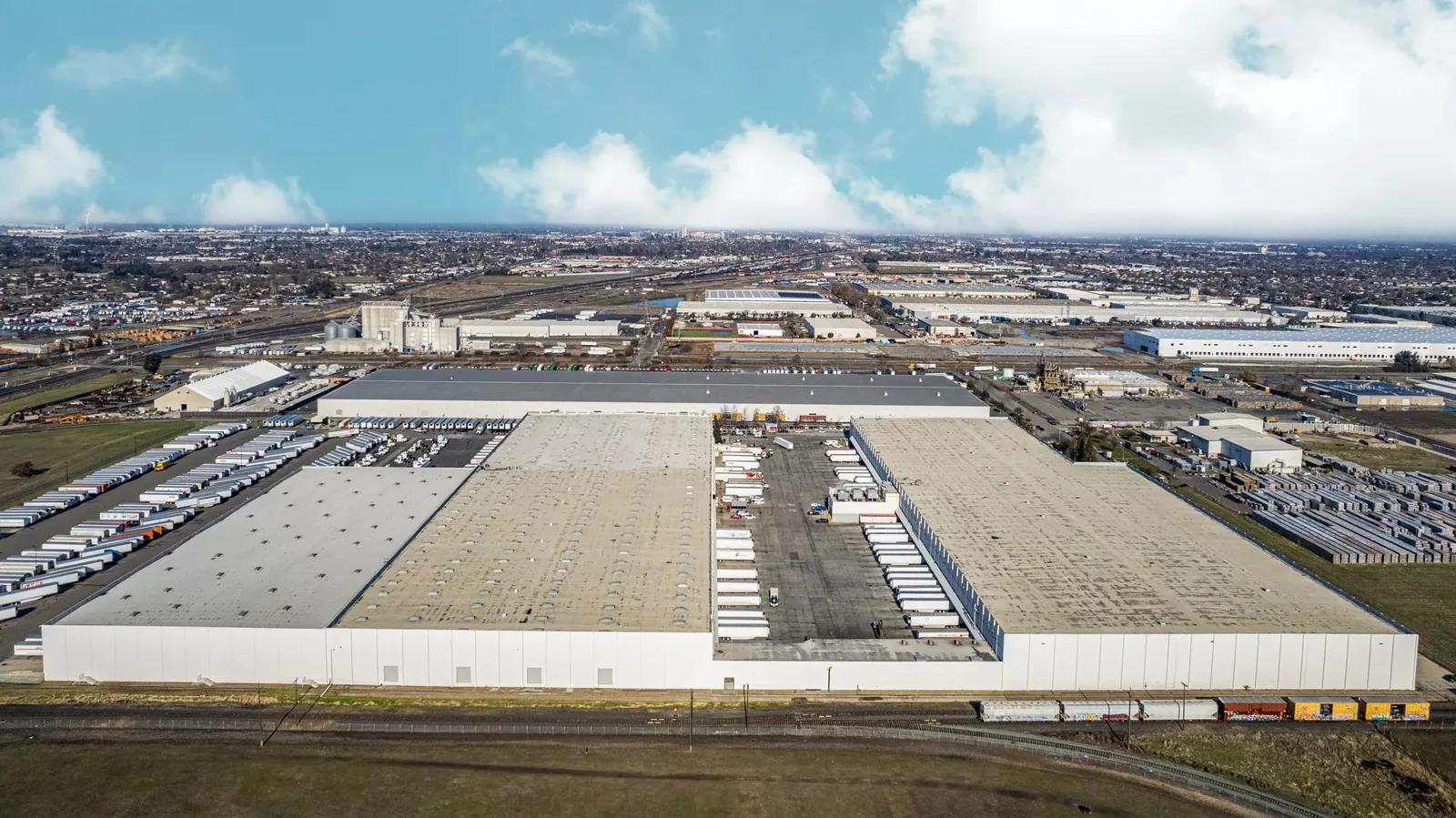
Oxnard's Central Industrial Area includes agricultural processing and vehicle or equipment storage and repair. Camino Real Business Park includes planned manufacturing, research, office, and limited commercial uses. Downtown Oxnard’s Core, General, and Edge districts include mixed retail and office activity, where public access below a damaged roof can require separate controls. Those local settings frame access, but they do not establish damage at a particular building. A Central Industrial Area roof assessment should remain tied to the facility's released access zone and the roof details inspected.
Commercial Fire and Smoke Damage Roof Repair in Oxnard, CA

Wait for the area to be released for roof access

Fire officials, the building owner, and qualified safety personnel determine when a roof or interior area is safe to enter. Confirm that status before inspection or temporary protection. Check whether the structure, deck, supports, electrical equipment, or stored materials have restrictions. Roofing observations do not replace fire investigation, structural evaluation, or hazardous-material assessment.

After access is authorized, map the incident area, openings, adjacent roof sections, and the route for crew and materials. If utilities or rooftop equipment remain isolated, identify who controls reconnection and which surfaces may be approached. A temporary cover should not conceal the fire boundary or block a later inspection. Record what was secured, by whom, and what condition still needs review before permanent work.

In a multi-building industrial setting, verify which structure experienced the event. A report in one tenant space does not establish damage across a business park. The owner or facility lead supplies the affected building plan and approved inspection limits. That keeps emergency service focused on the released roof section and avoids crossing into an unapproved work area.

Separate visible burn from heat below the surface

Inspect the membrane, coating, metal panels, insulation, cover board, and deck where they are accessible. Note blistering, char, cracking, softened or displaced material, smoke deposits, water from suppression, and deformation at seams or fasteners. Heat can affect attachment or substrate beyond the visibly burned spot, so a surface-only patch may conceal a larger condition. Identify the suspected extent and the testing needed to confirm it.

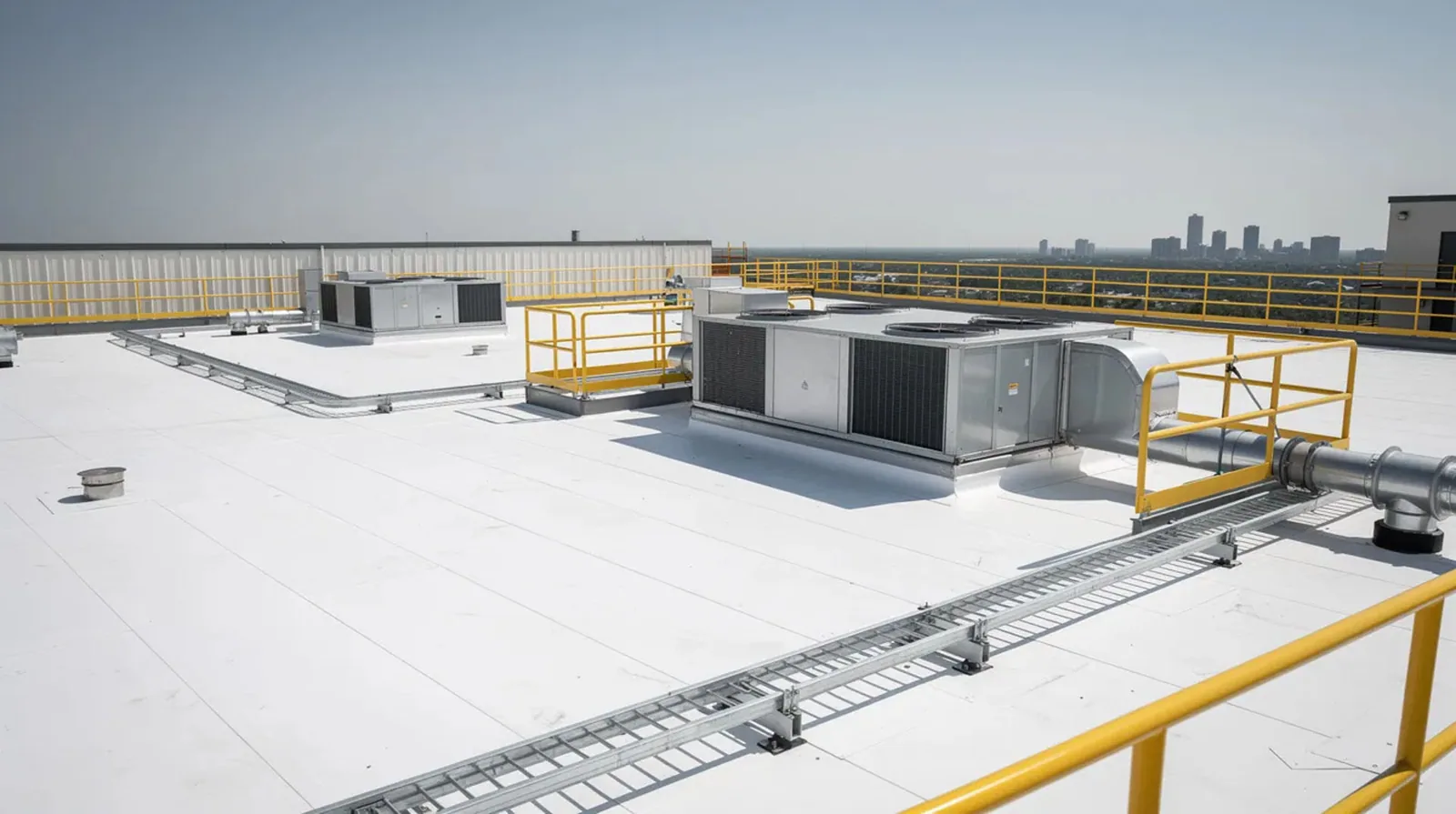
Follow the roof assembly at each transition, curb, drain, penetration, and perimeter. Check whether heat or fire suppression affected flashing, sealant, fasteners, or the receiving wall material. A commercial roof inspection can map observed conditions by roof zone. If a penetration or curb has lost its seal, a flashing inspection identifies the boundary of that detail.

Smoke deposits and odor can have different implications from membrane failure. A roofing report should describe what is visible on the roof and what remains untested. Interior remediation and air-quality decisions belong with the qualified professionals assigned to that work. Coordinate the roof access plan so material removal does not disrupt an investigation or remediation hold point.

Track suppression water and later rainfall

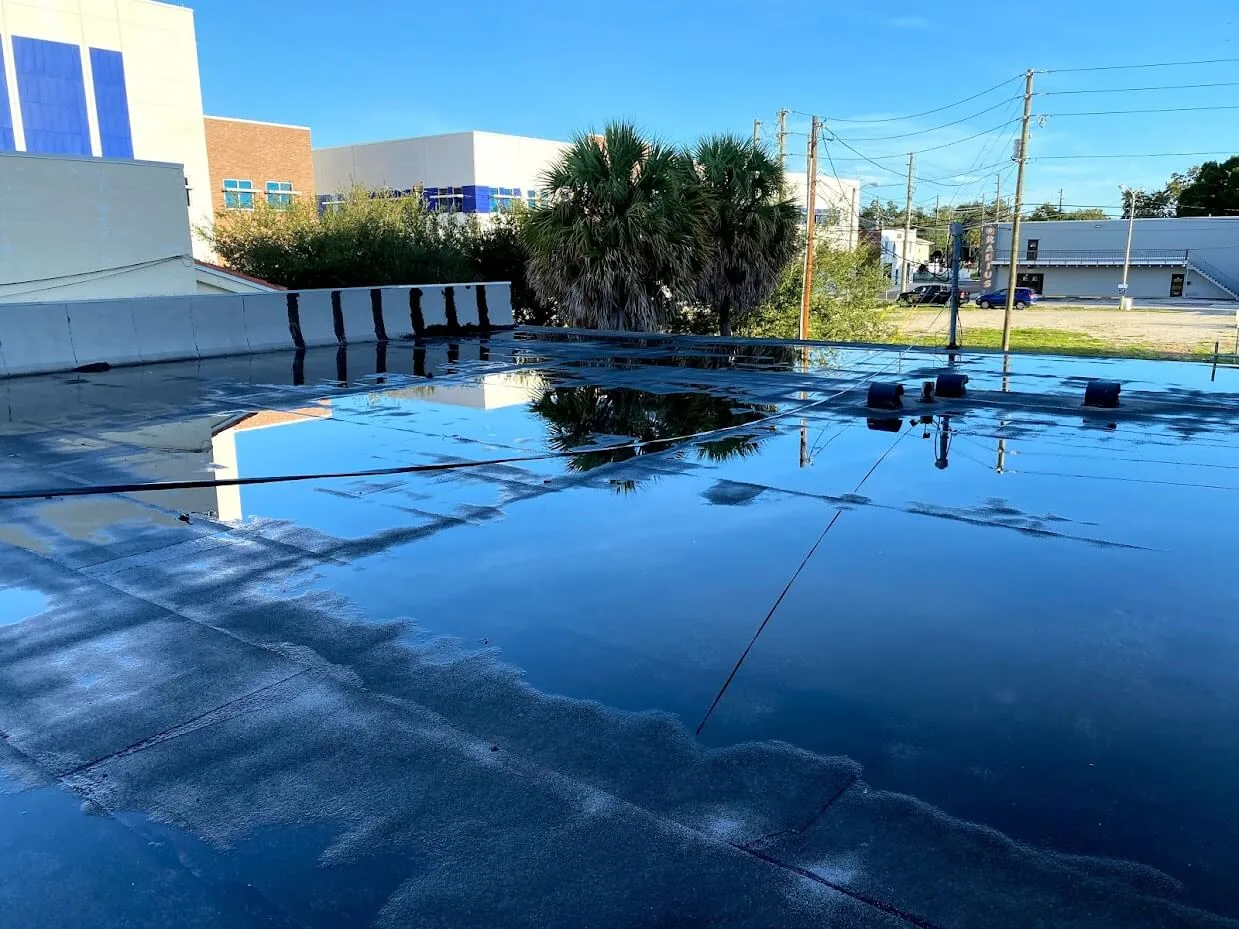
Water used during response can enter through an opening or collect in low points. Map where it drained and whether it reached insulation or interior finishes. Check outlets, seams, penetrations, and temporary covers, but distinguish fire-suppression water from later weather entry in the record. A date, room, and roof-zone mark help the owner connect each report to the correct event.

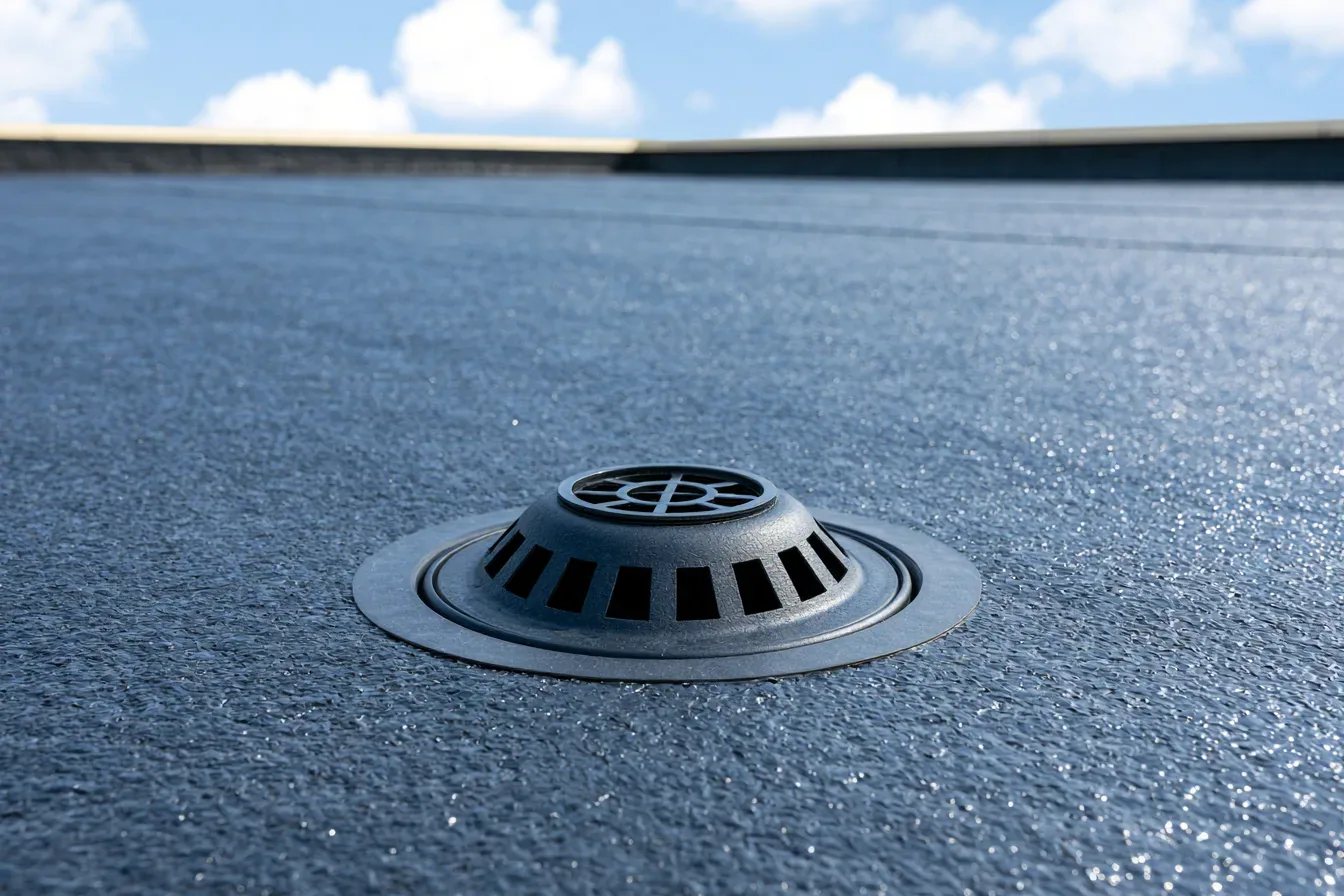
The Oxnard station recorded 1.77 inches during Tropical Storm Hilary in August 2023, a new August monthly record at that station. This is a separate, dated regional rainfall fact, not evidence about a fire-damaged roof. For a building with an open roof after an incident, inspect temporary protection and drains before later rain reaches exposed layers. A drain and scupper check can address a confirmed blockage; a ponding-water assessment can examine a low area that remains after access is safe.

Oxnard adopted the 2025 California Building Standards Code through Ordinance 3070. The project designer and authority having jurisdiction determine applicable requirements for permitted repair or replacement. Fire-related structural or code questions need the responsible design and public-safety review, not a conclusion from roof surface observations alone.

Price temporary protection and permanent work separately

Emergency stabilization limits further exposure; permanent repair restores the assembly after the affected layers and substrate are evaluated. Keep those scopes separate. The permanent proposal should identify removal boundary, replacement materials, attachment, flashing, insulation, edge metal, and inspection requirements. If destructive testing is needed, state the proposed area, restoration, and approval point before opening the roof.

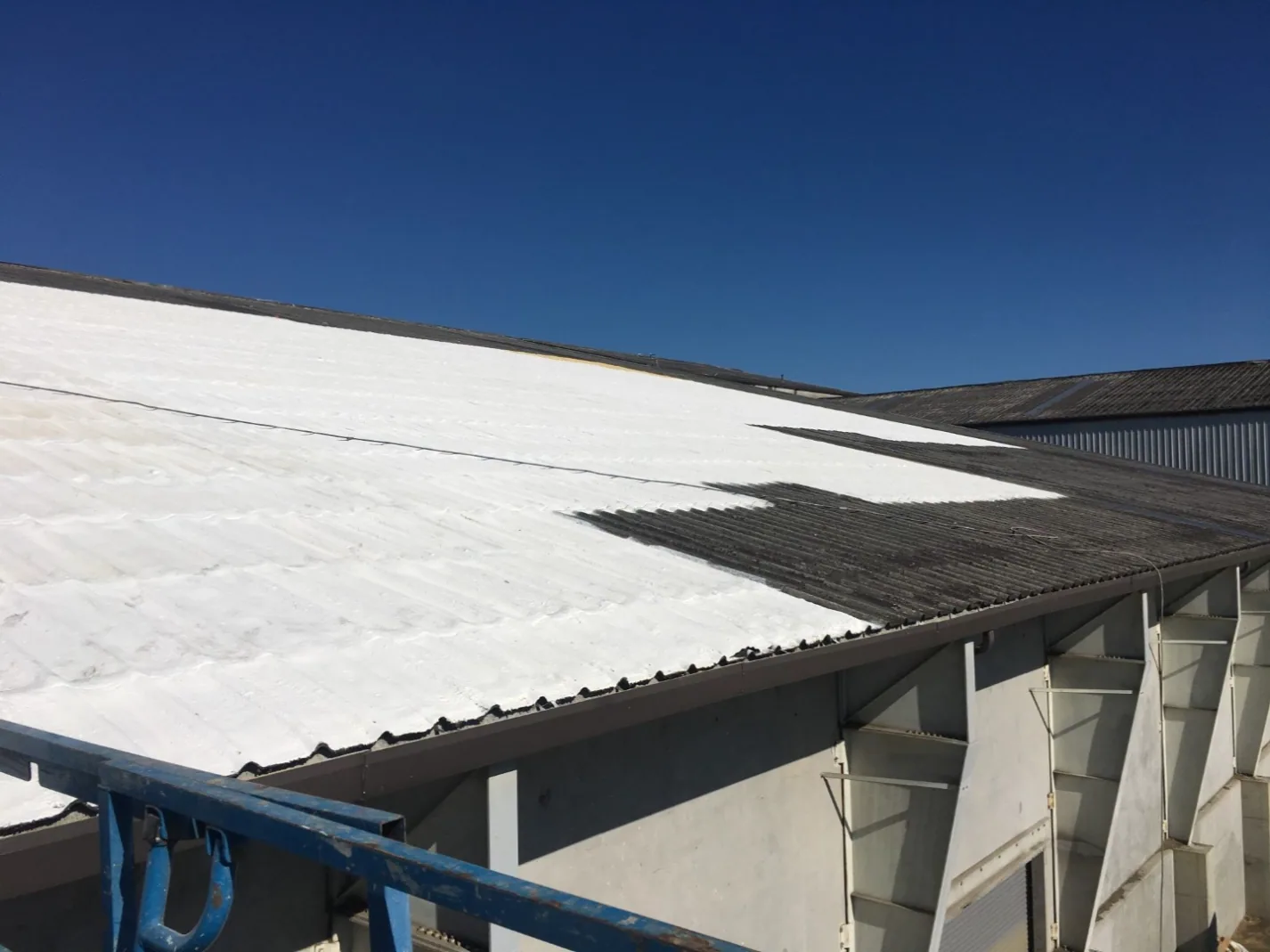
A localized repair may work when the fire effect is limited and surrounding material remains sound. Widespread heat damage, weakened attachment, wet insulation, or a compromised deck may require broader removal or replacement. Coating is not a remedy for damaged layers below the surface. A roof repair scope should show confirmed limits, while replacement planning accounts for the assembly that must be rebuilt.

Timing and cost can depend on safety release, testing, debris handling, roof height, equipment removal, weather protection, and the sequence approved by investigators or the building owner. If opening the roof reveals additional heat damage, stop at the agreed boundary and obtain direction before changing the work area. Document all affected parties and access restrictions in the revised plan.

Keep fire findings separate from roof assumptions

Closeout records the released area, inspected building, roof system, visible damage, tests, temporary protection, permanent work, and sections not reached. Attach photographs and field marks where permitted. Note which conditions came from direct inspection and which rely on information provided by the property team. Keep the incident date, response-water observations, and subsequent rainfall reports separate in the timeline.

Share the roof plan, fire-release status, investigation restrictions, response timeline, prior repair history, equipment schedule, and authorized contact when requesting service. A wind-damage inspection may examine displaced metal after a different event, while a puncture repair addresses a smaller, localized opening. Fire work may require multiple approvals before the roof boundary is opened.

Once permanent repairs are complete, mark the affected areas for a later service interval. The next inspection should check repaired edges, seams, drainage, and any transition exposed during removal. Leave unresolved conditions with a named owner and requested next action, rather than combining them with completed roofing work.

Request a released-area roof inspection

Share the fire-release status, affected building plan, incident timeline, investigation restrictions, roof records, and facility contact. We will document visible conditions and separate stabilization from permanent roofing scope.

Common Questions

Can a roof be inspected immediately after a fire?

The fire authority and building safety professionals determine when access is released. We do not enter a restricted roof. Once authorized, we inspect only the approved areas and follow site safety instructions.

Does a burned-looking membrane need full replacement?

Not necessarily. We assess the roof layers, attachment, substrate, and affected extent. Testing may be needed to distinguish a localized repair from damage that continues beneath the visible surface.

How do you handle water from fire suppression?

We record known response timing, inspect accessible drains and openings, and separate those observations from later rainfall. The facility's remediation team evaluates interior conditions and any specialized cleanup.

Can smoke damage be assessed through a roofing inspection?

A roof inspection can document visible deposits and material condition on the roof. Odor, air quality, and interior remediation require the qualified professionals responsible for those evaluations.

What documents should be ready for a permanent roof proposal?

Provide the released-area boundary, roof and structural plans, incident timeline, investigation hold points, test results, equipment schedule, and prior repairs. We state remaining assumptions before pricing permanent work.

ServicesRoof SystemsProperty TypesIndustriesService AreasDamage RepairCapabilitiesManufacturersAboutRequest a Roof Assessment555-555-5555
Call555-555-5555