Commercial Roof Membrane Puncture Repair

A puncture may be smaller than a coin and still reach the cover board or insulation beneath the membrane. Mark the opening before cleaning it, then check for a crushed spot, tear, displaced material, or water path beyond the visible hole. We identify the roof assembly and determine whether the patch can stop at sound sheet or needs a test below the surface.

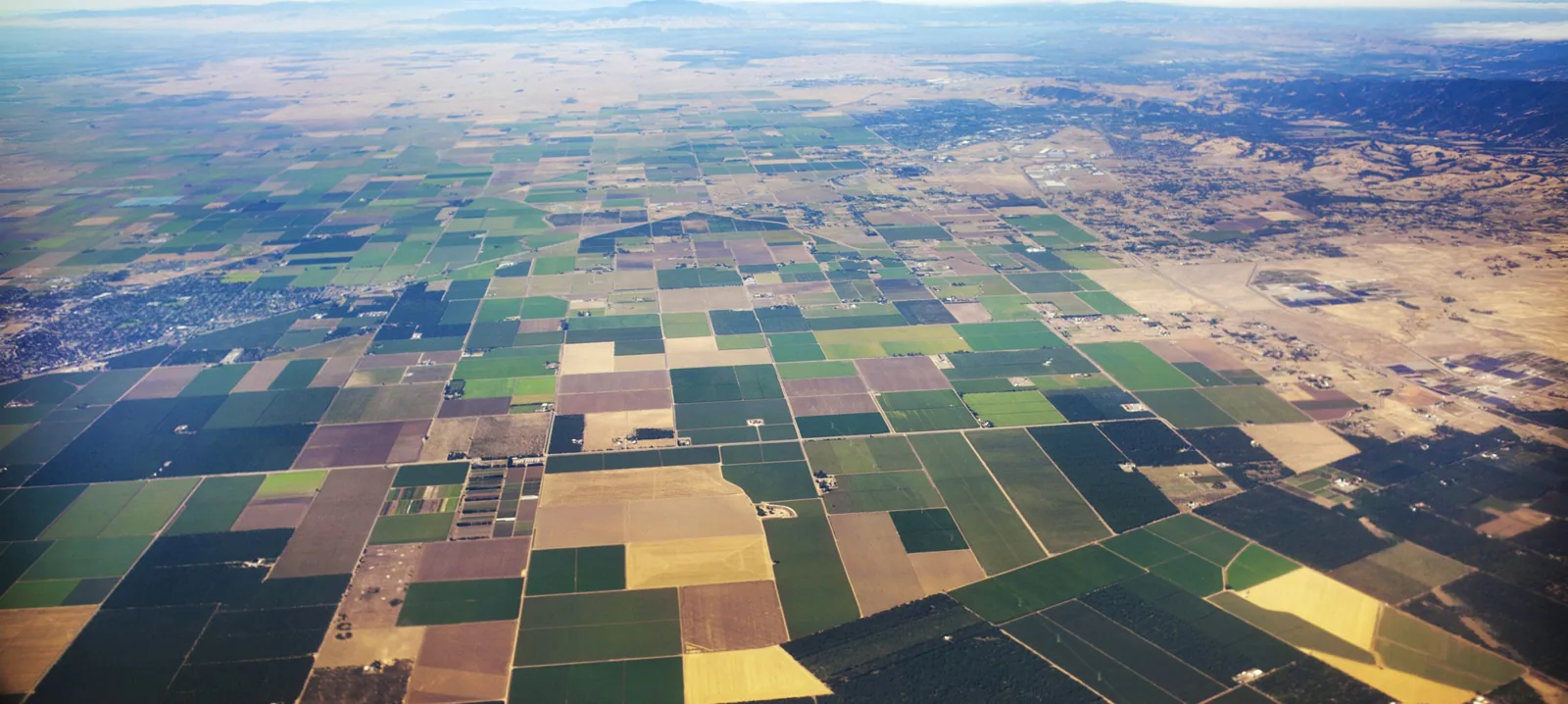
Sakioka Farms Business Park includes distribution and cold-storage uses, and its subdivisions include roads, utilities, landscaping, and stormwater facilities. Camino Real Business Park fronts U.S. 101 and supports planned manufacturing, research, office, and limited commercial uses. Delivery and service traffic can affect roof access at those properties, but the puncture cause must be established at the actual building. A Sakioka Farms Business Park roof inspection marks the roof area and any route where trade traffic has disturbed the membrane.
Commercial Roof Membrane Puncture Repair in Oxnard, CA

Locate the puncture before patch preparation

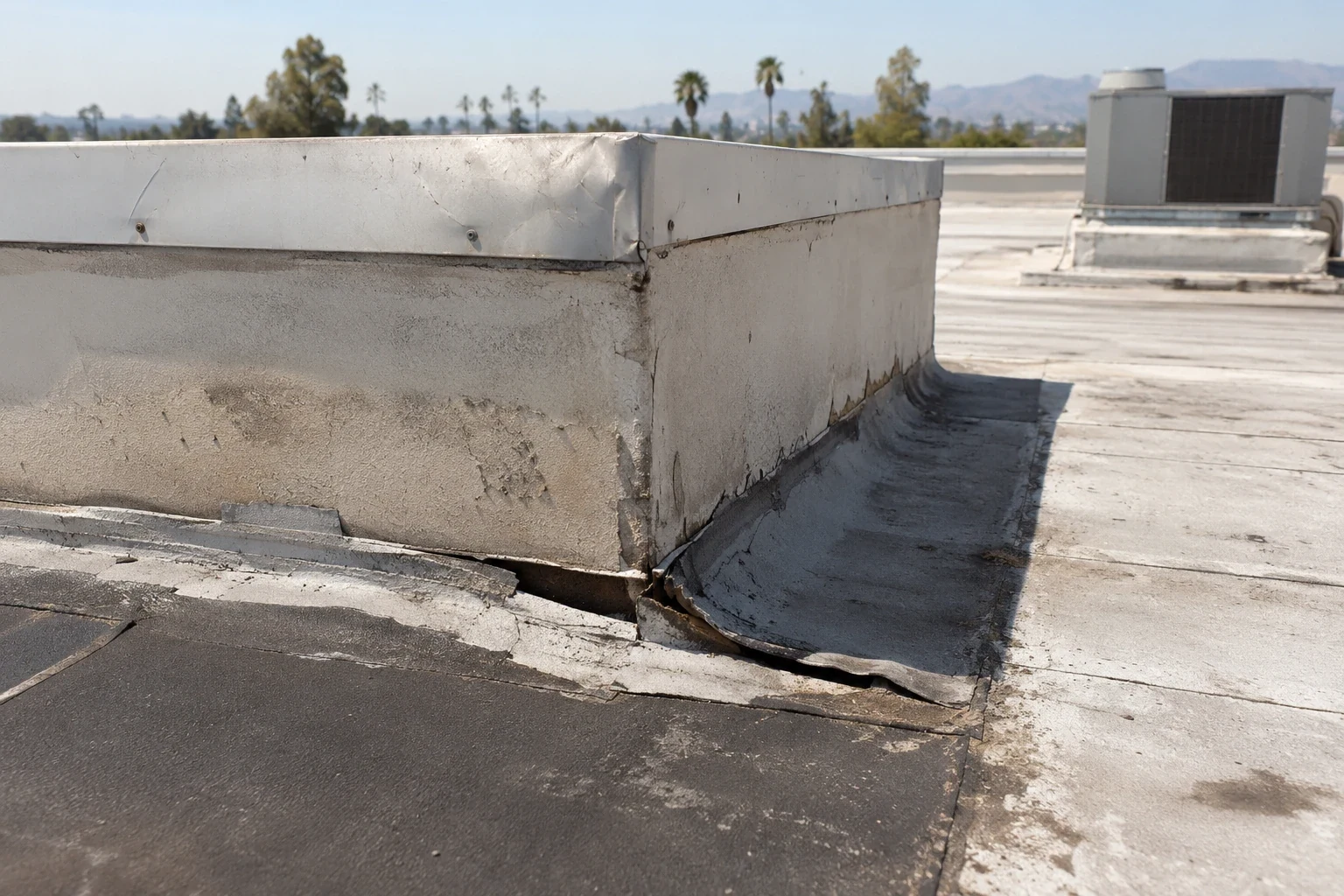
Photograph the opening as found and note the nearby seam, curb, drain, walkway pad, equipment route, or stored material. Look for scuffing, a cut edge, impact mark, crushed insulation, or an indentation that continues beyond the hole. Keep unrelated debris and footprints in the record if they help explain access, but do not assign a cause without visible evidence or a supporting service history.

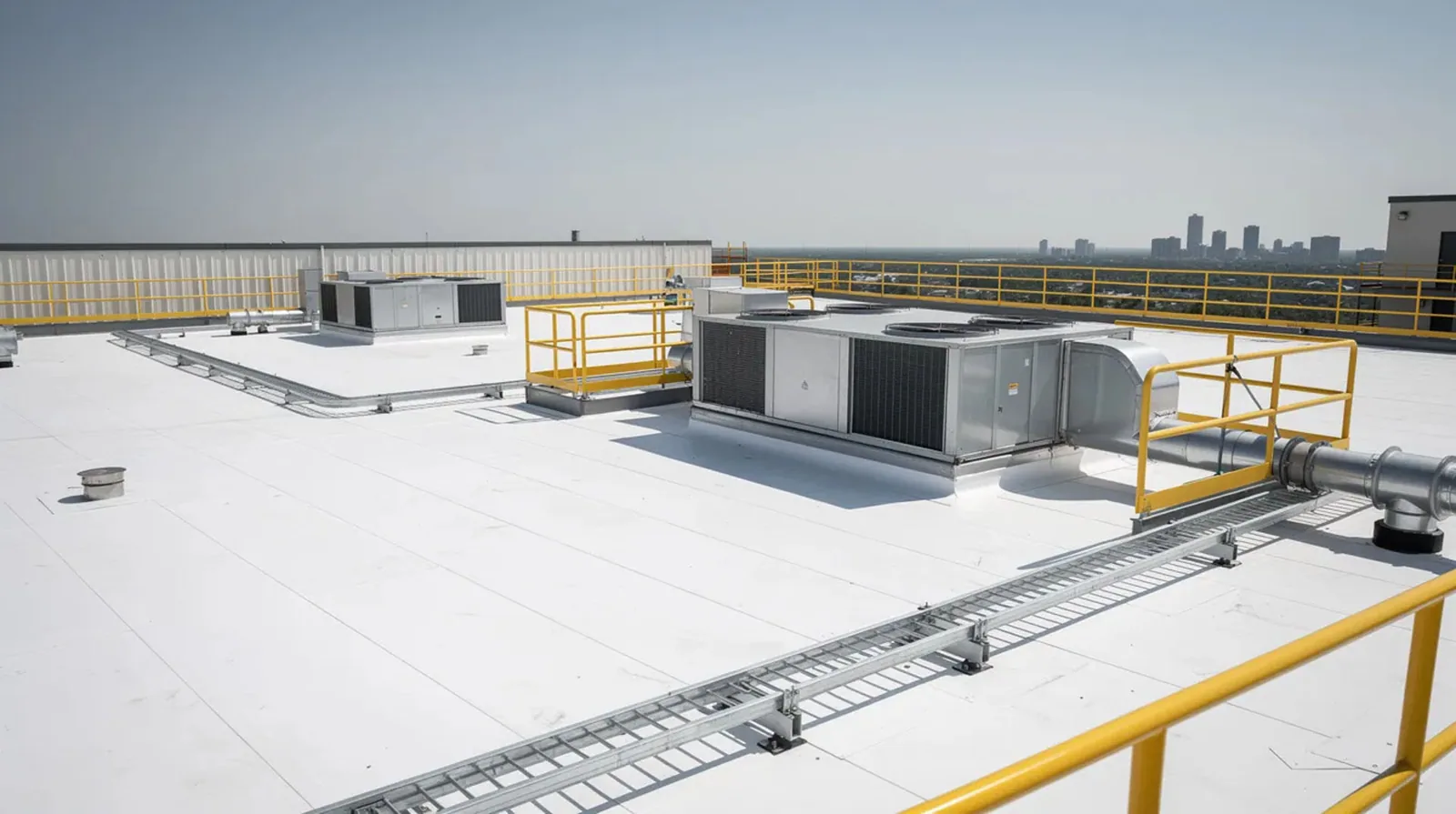
Check whether the membrane is TPO, PVC, EPDM, modified bitumen, or another system. A compatible patch, adhesive, weld, or repair ply depends on that identification and on the condition of the surrounding sheet. Compare maintenance records with the exposed edge and prior patches. A commercial roof inspection can map nearby damage, while a seam-failure review can check whether an open lap connects to the same water path.

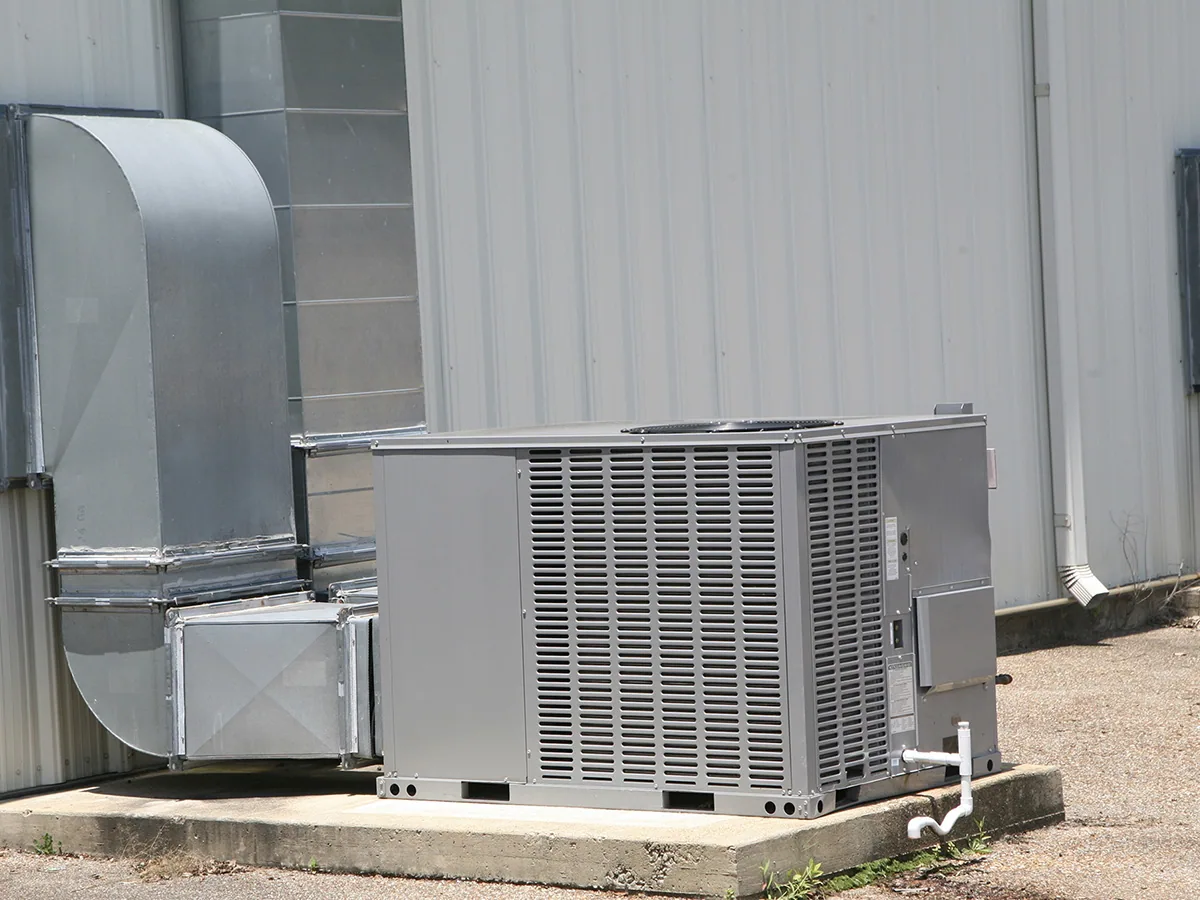
Trade access may involve HVAC service, electrical work, solar installation, or routine filter changes. Ask the property contact what work occurred before the puncture was reported. A roof log can connect the date, contractor, and route to the field mark. That information helps distinguish a new opening from a previous repair that has lifted at the edge.

Check what the hole reached

After removing only the material needed for diagnosis, inspect the cover board, insulation, and deck where the approved scope permits. Look for compression, wetness, delamination, rust, or a cut that widened below the membrane. If the substrate is damaged, a surface patch alone will not restore the assembly. Mark the test boundary and photograph each exposed layer before covering it.

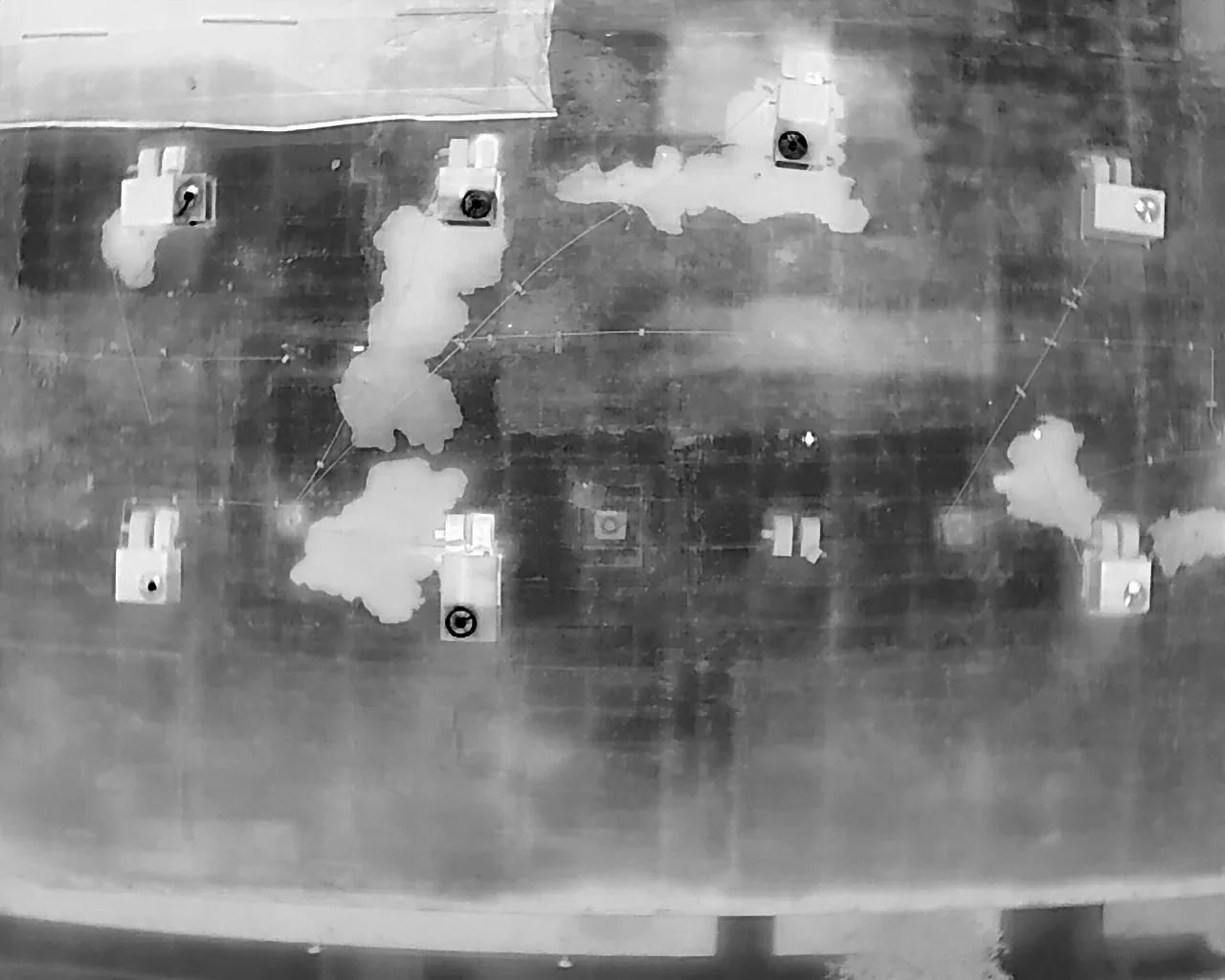
When the visible material does not show whether moisture extends beyond the puncture, define a focused survey or test area. A moisture survey can help select where a test opening belongs, but the roof layers need to be confirmed before removal is priced. Restore test cuts with a compatible detail and record who authorized the opening. Do not extend findings from one roof section to another without matching assembly evidence.

Oxnard adopted the 2025 California Building Standards Code through Ordinance 3070. For permitted repairs or replacement, the design team and authority having jurisdiction determine code requirements relevant to the scope and permit date. A puncture report records observed materials and damage; it does not establish hidden deck capacity or code compliance.

Trace any moisture before closing the sheet

Check the low point and drainage route around the opening, then inspect seams, penetrations, and wall transitions between the puncture and reported interior stain. Water may migrate under a membrane or along a deck before reaching a room. Record the room and timing separately from the puncture location. If no moisture is visible, document the evidence and the limits of the inspection rather than assuming the hole is the source of every leak.

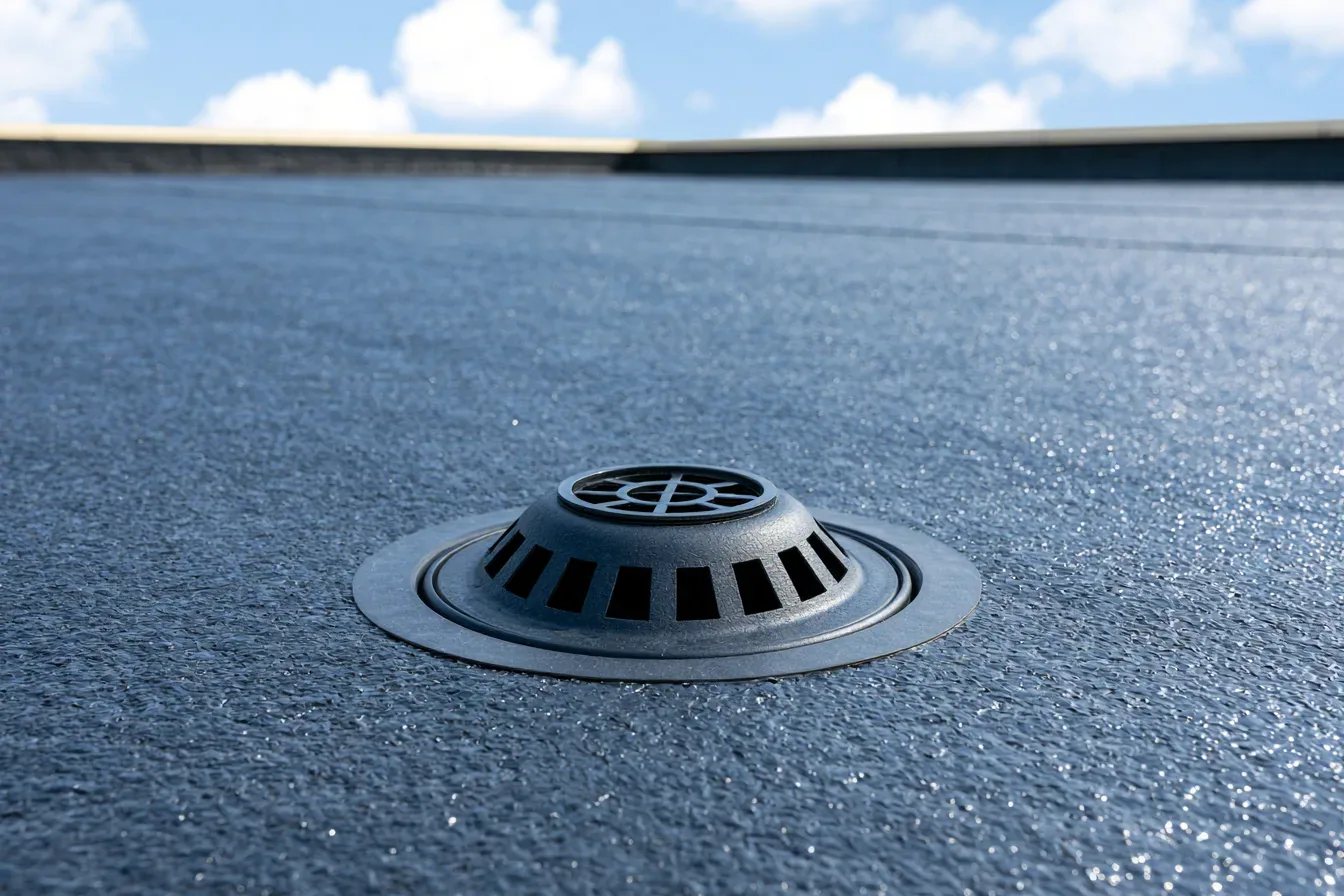
The Oxnard station recorded 1.77 inches of rain during Tropical Storm Hilary in August 2023, a new August monthly record at that station. This dated event can be relevant when the owner reports an interior leak after heavy rain; it does not prove that the puncture caused entry. Match the date with the service log and field conditions. A drain and scupper inspection can identify a separate outlet issue near the damaged area.

Oxnard's Local Coastal Program includes mapped hazards such as sea-level rise for the coastal zone. Applicability depends on parcel location and should be checked against current mapping if it affects planning. The membrane repair itself follows the roof materials and damage observed at the property.

Restore the membrane and the protection below

Remove loose or contaminated sheet to a sound boundary, dry and prepare the receiving surface, then install a compatible patch or repair ply. At a thermoplastic membrane, confirm the sheet can be welded and verify the weld. For an adhered system, use the specified adhesive and cure conditions. If insulation or board was compressed or wet, replace the affected layer and rebuild the membrane detail rather than bridging over the damaged material.

Protect the patch from follow-on foot traffic. A walkway pad or route change may be needed if service access repeatedly crosses the repair. When traffic originates from equipment maintenance, document the approved path and ask the facility contact to assign the next inspection. A equipment-access review can identify curb and service routes near the opening.

A focused repair may be enough for one isolated puncture. Multiple impacts, recurring cuts, or widespread wet layers may call for a broader scope. A commercial repair proposal should state the patch dimensions, underlayer work, protection, and verification. If the assembly cannot accept a durable tie-in, compare testing or replacement planning before covering more of the roof.

Mark the repair and the route that caused it

Closeout records the building, roof zone, identified system, opening size, affected layers, repair material, test results, and photographs. Mark the patch on the roof plan and note any service path that crosses it. List areas not examined and temporary protections still required. This helps the facility team inspect the same location after the next equipment visit.

Send the roof plan, reported event date, recent contractor visits, leak location, and access rules when requesting service. A wind-damage inspection can address material lifted around a puncture, while flashing work examines an adjacent curb or wall detail. Keep each repair boundary tied to the evidence for that roof section. Set a follow-up interval that reflects the surrounding membrane condition and the amount of maintenance traffic and access frequency over time.

Request a membrane puncture assessment

Share the roof plan, reported opening, interior leak location, service history, and recent contractor access. We will identify the assembly, inspect affected layers, and mark the patch boundary.

Common Questions

Can a small membrane puncture damage insulation below it?

Yes, depending on how long the opening has remained exposed and the assembly below. We inspect the approved test area and replace compressed or wet layers before restoring the membrane.

How do you know which repair material will bond to the roof?

We identify the membrane or roof system from records and field details, then use a compatible repair method. If the material is uncertain, confirm it before selecting a patch or adhesive.

Does a roof puncture explain every interior leak nearby?

Not automatically. We compare the room report with the opening, seams, drains, and transitions along the water path, then document which conditions need additional confirmation.

Should foot traffic be redirected after a puncture repair?

Where repeated service travel crosses the repair, a designated walkway or revised route may protect the detail. The facility contact confirms access requirements and the maintenance record notes the change.

Does the Hilary rainfall measurement prove the hole leaked?

No. It is a dated station measurement from August 2023. The puncture and any interior water need to be assessed through property-specific inspection evidence.

ServicesRoof SystemsProperty TypesIndustriesService AreasDamage RepairCapabilitiesManufacturersAboutRequest a Roof Assessment555-555-5555
Call555-555-5555