
SOPREMA Commercial Roofing in Oxnard, CA
Get a SOPREMA roof condition review
SOPREMA Commercial Roofing
A split in a multi-ply roof and an open PVC seam need different repairs, even if they leave the same ceiling stain. SOPREMA's commercial systems include SBS modified bitumen, SENTINEL PVC membranes, and Alsan liquid-applied products. We inspect the existing roof, identify its layers, and locate the water path before recommending one of those system families. At Sakioka Farms Business Park, the City reports operating distribution and cold-storage or fruit-processing uses. Those operations make loading and maintenance access part of a roof plan, but the proposed assembly follows the building's deck, insulation, and drainage. Our Sakioka Farms roof inspection starts with a field-marked condition review and a clear repair boundary.
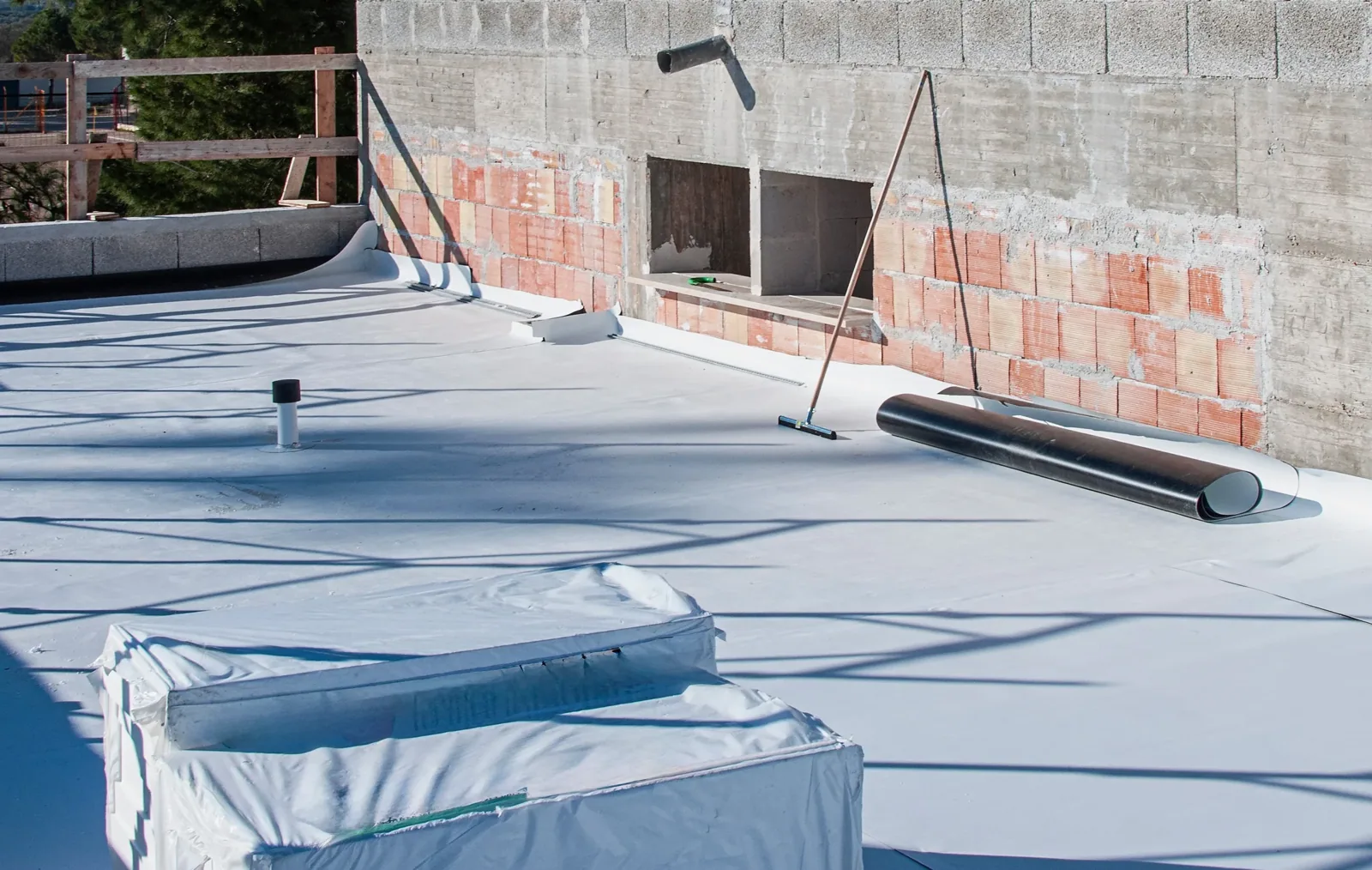
Match the product family to the existing roof
SOPRALENE SBS products are used in modified-bitumen assemblies, while SENTINEL is a PVC membrane family and Alsan includes liquid-applied systems. Each requires its own substrate, seam, flashing, and installation details. We check the product documents and roof surface before choosing a compatible repair method. On a new project, the specification sets the system, insulation, attachment, and accessory requirements. Drainage and edges still need field review.
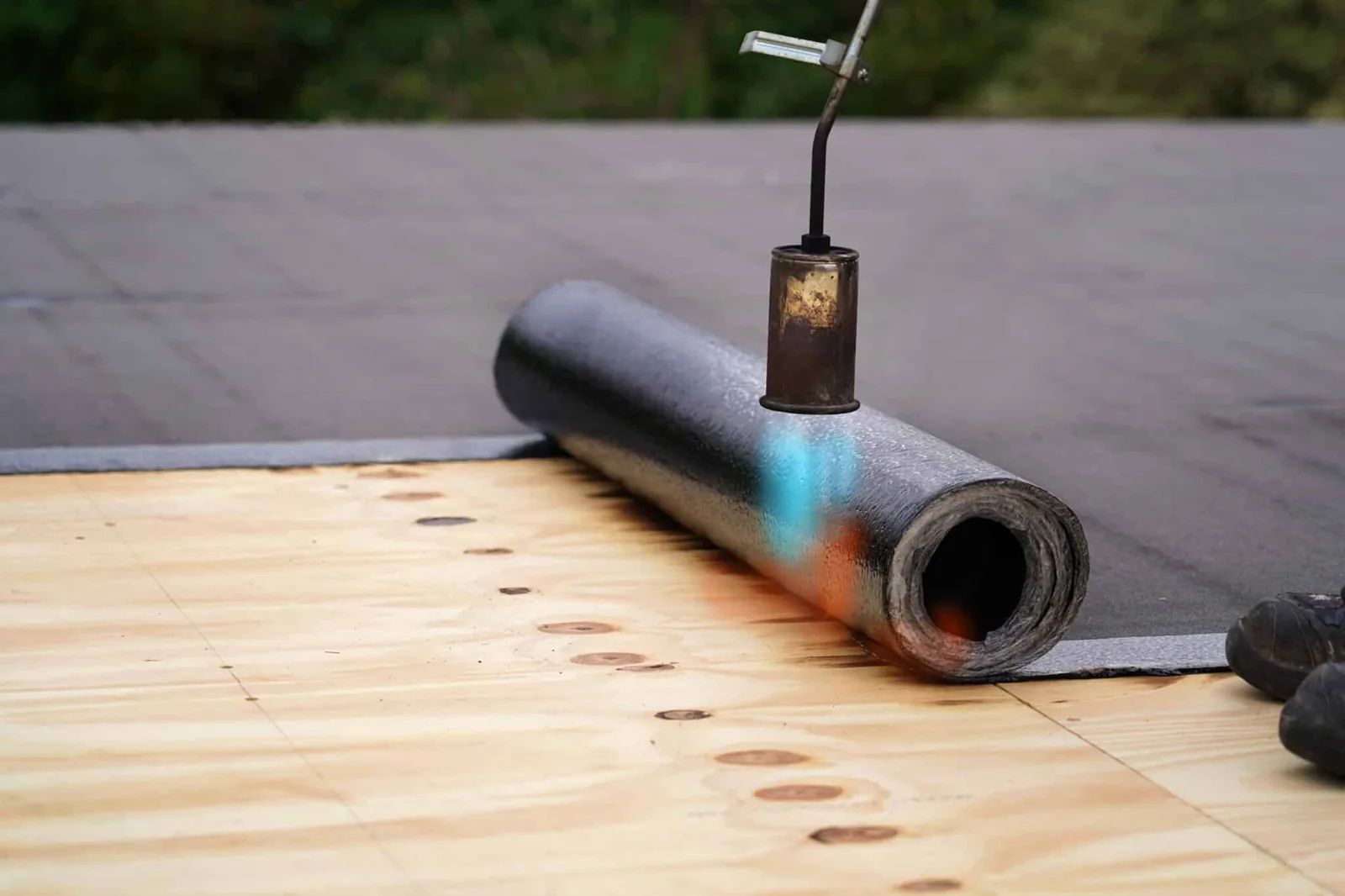
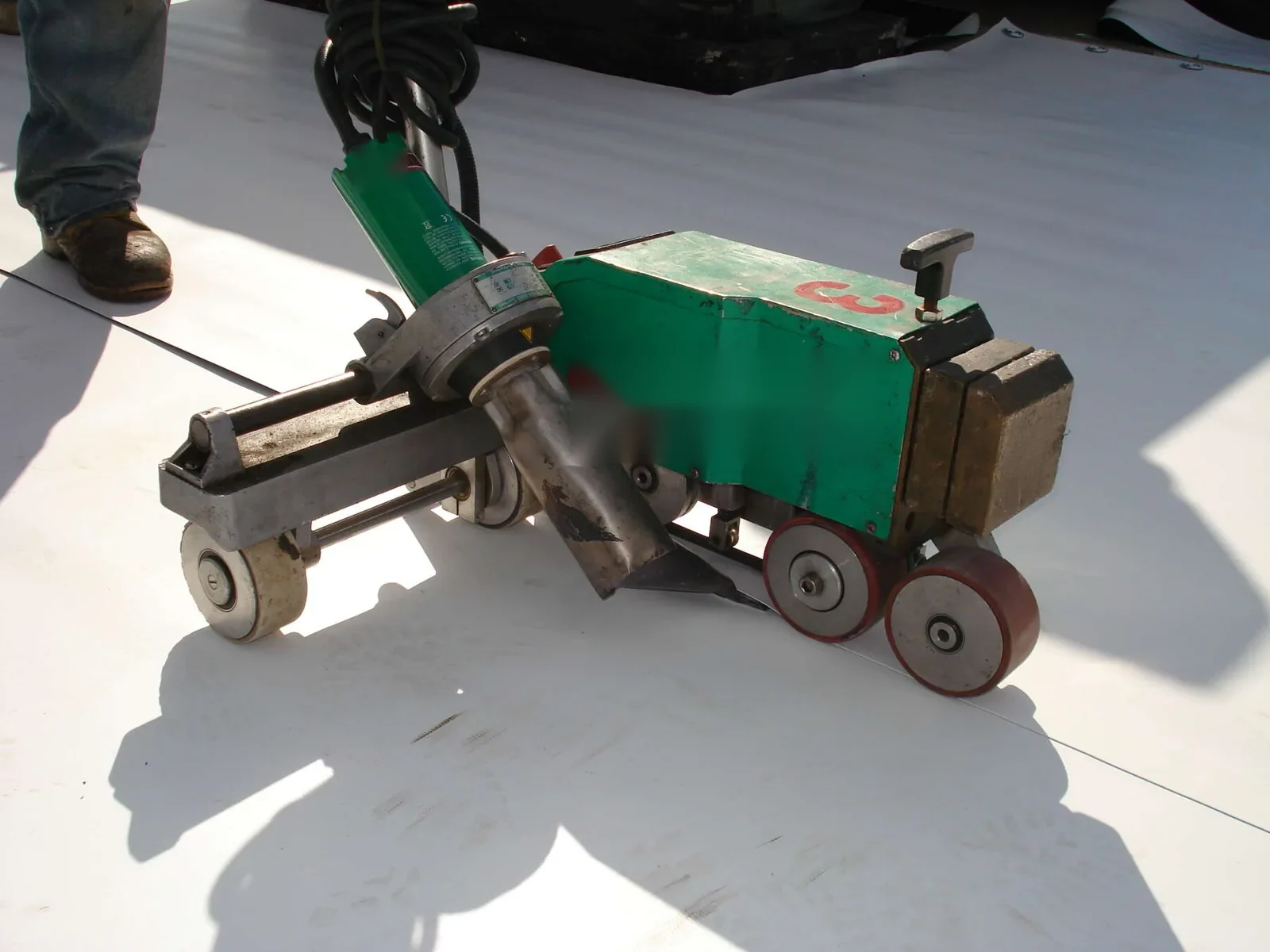
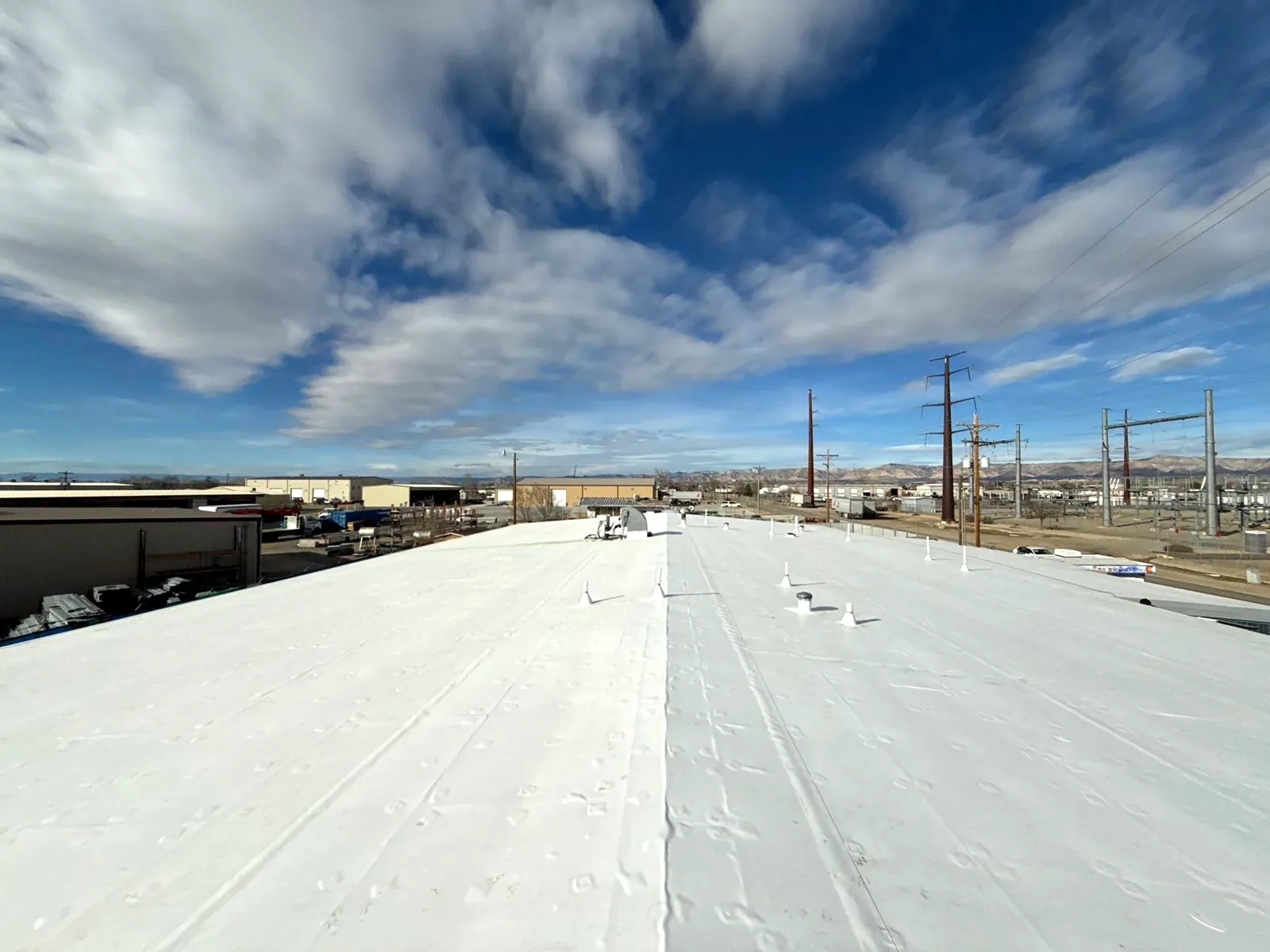
With modified bitumen, we inspect laps, surfacing, splits, flashings, and signs that underlying plies have been exposed. Repair work must tie into stable material and follow the system's preparation requirements. PVC work needs clean, weldable sheet and consistent heat-welded seams, including corners and penetration details. A liquid-applied system depends on sound substrate, compatible primer, reinforcement where specified, and continuous treatment through transitions. A modified-bitumen assembly, PVC membrane, or roof coating should be selected from the actual roof condition rather than a generic product comparison.
Camino Real Business Park is planned for office, manufacturing, research, and limited commercial uses. A roof supporting a production space may have different equipment and access restrictions than one over an office. We identify the roof hatch, material path, active penetrations, rooftop service routes, and low points for each building. Then we test whether the selected SOPREMA assembly fits those conditions and the approved documents.
Check laps, seams, and liquid transitions
A wall leak may start above the moisture line. We inspect membrane, counterflashing, termination, curb corners, and drainage. For modified bitumen, we check whether the surface and laps remain stable around a split. For PVC, we inspect seams and heat-welded patches. On liquid-applied areas, we look for loss of adhesion, cracks, pinholes, and thinning near edges or penetrations. The repair plan names the material and the condition found.
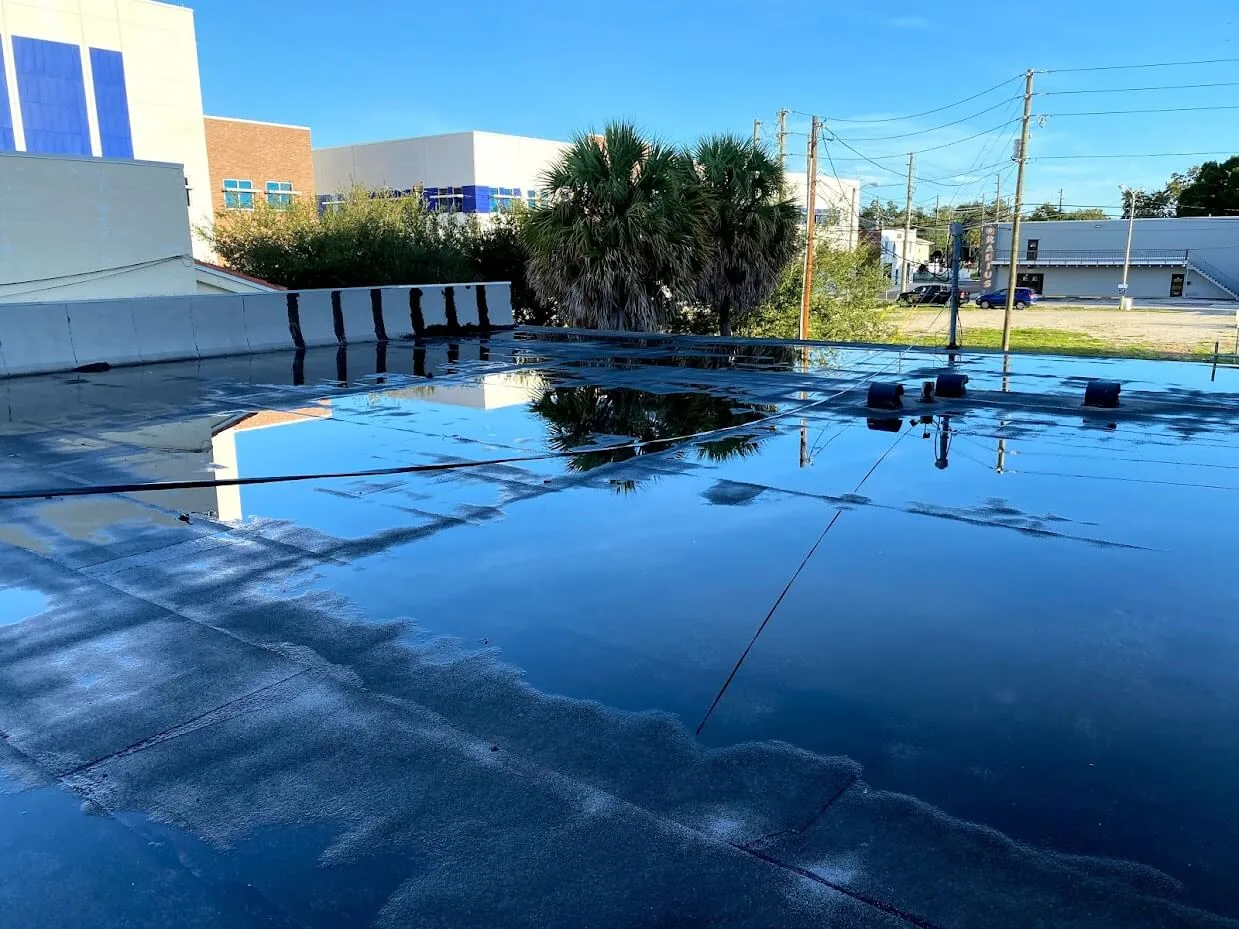
The National Weather Service measured 1.77 inches at the Oxnard station during Hilary in August 2023, a new monthly August high. When reviewing a roof with a SOPREMA assembly, we inspect drain bowls, scuppers, overflow routes, and low areas, then trace any reported water entry to the membrane, flashing, or outlet condition on that building. A roof inspection records those findings; ponding-water repair addresses drainage or membrane conditions when they are confirmed.
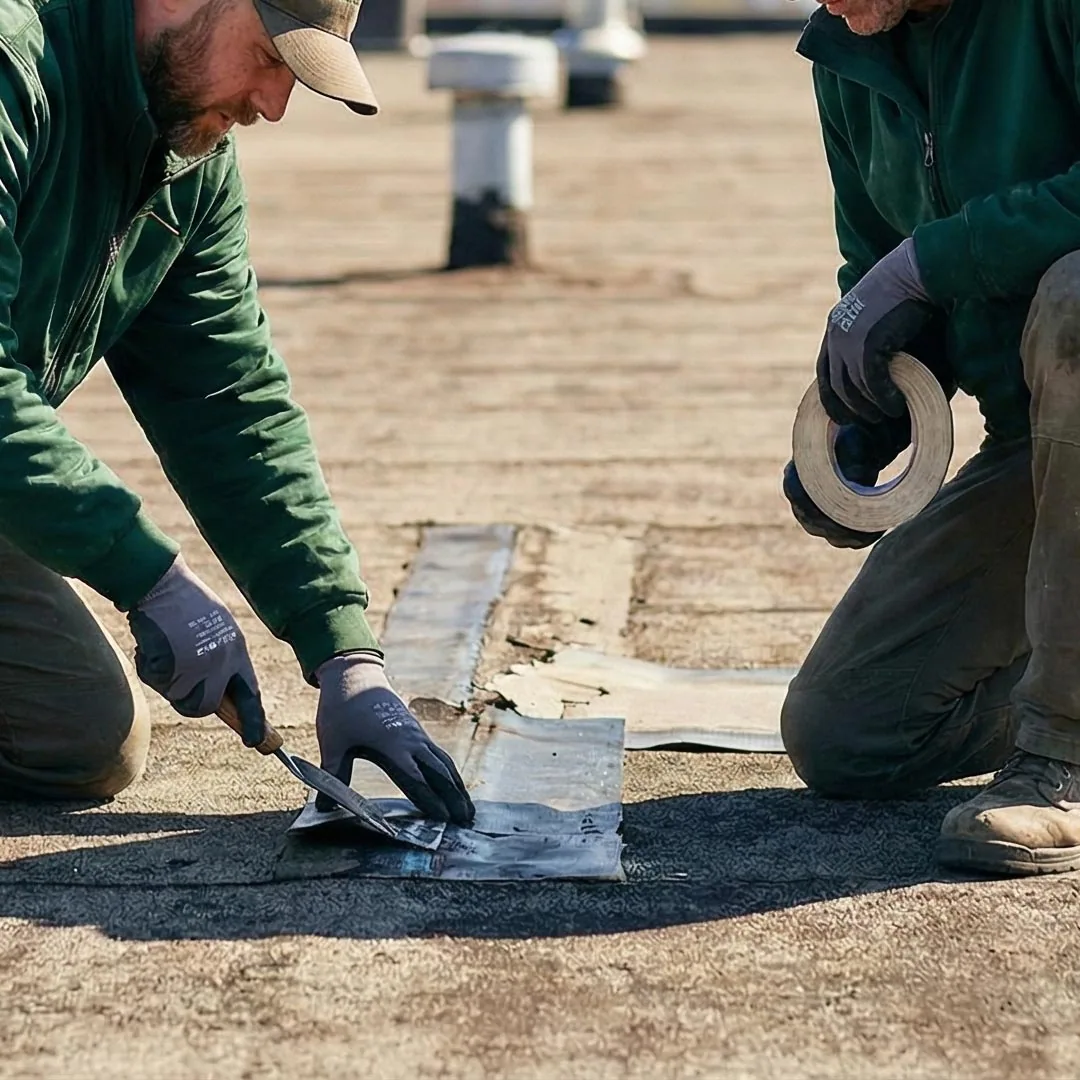
When a roof has several prior repairs, we mark their locations and compare them with the current failure. A recurring split near a curb can reflect movement, incompatible repairs, or a water path through the flashing, so the fix should address the detail that failed. We remove material only as needed to reach a stable boundary. If moisture may continue beneath the surface, a moisture survey can help define where a test opening would provide useful confirmation.
Set a sensible boundary for the work
A local repair is appropriate when the surrounding assembly is stable and the repair material can tie into sound layers. Widespread wet insulation, repeated openings, loose edges, or deteriorated substrate can move the work beyond a patch. We document the affected area and explain which conditions are confirmed and which need testing. A repair proposal states preparation, material, flashing transitions, and any adjacent condition left for monitoring.
A recover can preserve an existing roof only if moisture, deck, attachment, drainage, layer limits, and project requirements support the added assembly. We check the finished height at drains, edges, curbs, and doors, then identify insulation or cover-board needs. Replacement may be appropriate when the substrate cannot remain or when the roof needs broader correction. Recover planning and replacement planning should use the same measurements so the owner can compare scope, downtime, tear-off, and tie-in work.
Cost and schedule reflect access, removal volume, material handling, weather windows, equipment coordination, and protection for occupied areas. A liquid system's surface preparation can set a different pace than a sheet installation, and a multi-ply removal may require more debris handling. We include these drivers in the proposal and define the daily watertight closeout point. Hidden deck or insulation damage is treated as a decision point with photographs and owner approval before added work.
Plan each shift around operating space
At an industrial building, active exhausts and service visits can constrain staging and roof access. At a downtown retail or office property, the concerns may be deliveries, tenant paths, and noise windows. Oxnard's Downtown Code supports retail and office activity alongside residential and live/work uses, so each property needs an access plan tied to its actual neighbors and operating hours. We set hoist locations, debris routes, tie-off access, equipment restrictions, and areas that need temporary protection before the first section opens.
Daily closeout should leave the exposed roof secure and water-shedding. We show the crew boundary, temporary tie-in, and material storage point on the work map. Mechanical and electrical trades are coordinated where curbs or penetrations must move. If concealed conditions change the scope, the owner receives photos and a revised sequence before the work expands. A phased reroof plan connects those limits to tenant and facility operations.
After installation or repair, we compare completed seams, laps, flashing, drains, and perimeter details with the approved submittal. Photographs and field marks show where each section stops and which details need later review. Cold-storage roof work also needs coordination around facility operation and penetrations, including any refrigeration-related equipment confirmed during the inspection.
Keep the repair history tied to the roof plan
The closeout file records whether the building has modified bitumen, PVC, or a liquid-applied assembly, plus the product and repair material specified. We add photographs, roof-plan marks, attachment and insulation notes, and any condition that requires follow-up. This lets the next manager find the same lap, seam, or drain and compare it with the last visit. Approved submittals and changes should stay with the roof record.
A maintenance walk checks laps, seams, flashing, counterflashing, drains, edge metal, and traffic wear. Set the service interval by condition and use. If a substitution is allowed, compare complete assemblies and accessories. A Johns Manville system review or Versico membrane comparison should use the same roof data and project criteria.
Send the roof plan, current product records, leak locations, equipment schedule, and access contacts. We will identify the SOPREMA system in place, document the condition, and recommend a repair, recover, or replacement scope based on field evidence.
Related Roofing Work
More from Roofing Manufacturers and nearby services
Get a SOPREMA roof condition review
Share roof plans, product records, leak locations, and access limits. We will inspect the assembly, field-mark the condition, and prepare a repair or replacement scope for your Oxnard property.
Common Questions
Which SOPREMA product is right for an Oxnard commercial roof?
The roof assembly and project specification determine the shortlist. We inspect the existing material, deck, insulation, drainage, transitions, and exposure, then compare applicable SBS, PVC, or liquid-applied options without assuming they serve the same condition.
Can Alsan liquid-applied material be used over any old roof?
The substrate must be suitable and prepared for the specified system. We check adhesion, surface condition, transitions, and reinforcement requirements first; a liquid application should not conceal wet or unstable material.
How do you tell whether a modified-bitumen split needs a patch or a larger scope?
We inspect the split, nearby laps, underlying layers, drainage, and earlier repairs. If surrounding plies are sound, a defined repair may be enough. Repeated openings or moisture beyond the defect call for broader testing and a mapped boundary.
Does the August 2023 rainfall record identify a roof leak?
No. It gives a date to compare with the maintenance record. We diagnose a particular roof by tracing the water path and checking drains, seams, flashing, insulation, and interior evidence.
What project information speeds up a SOPREMA roofing estimate?
A roof plan, product submittals, leak history, equipment schedule, access contacts, and operating limits help define the work. We verify the assembly on site and identify testing needed before final pricing.