
Spray Polyurethane Foam Roofing in Oxnard, CA
Review an SPF roof
Spray Polyurethane Foam Roofing
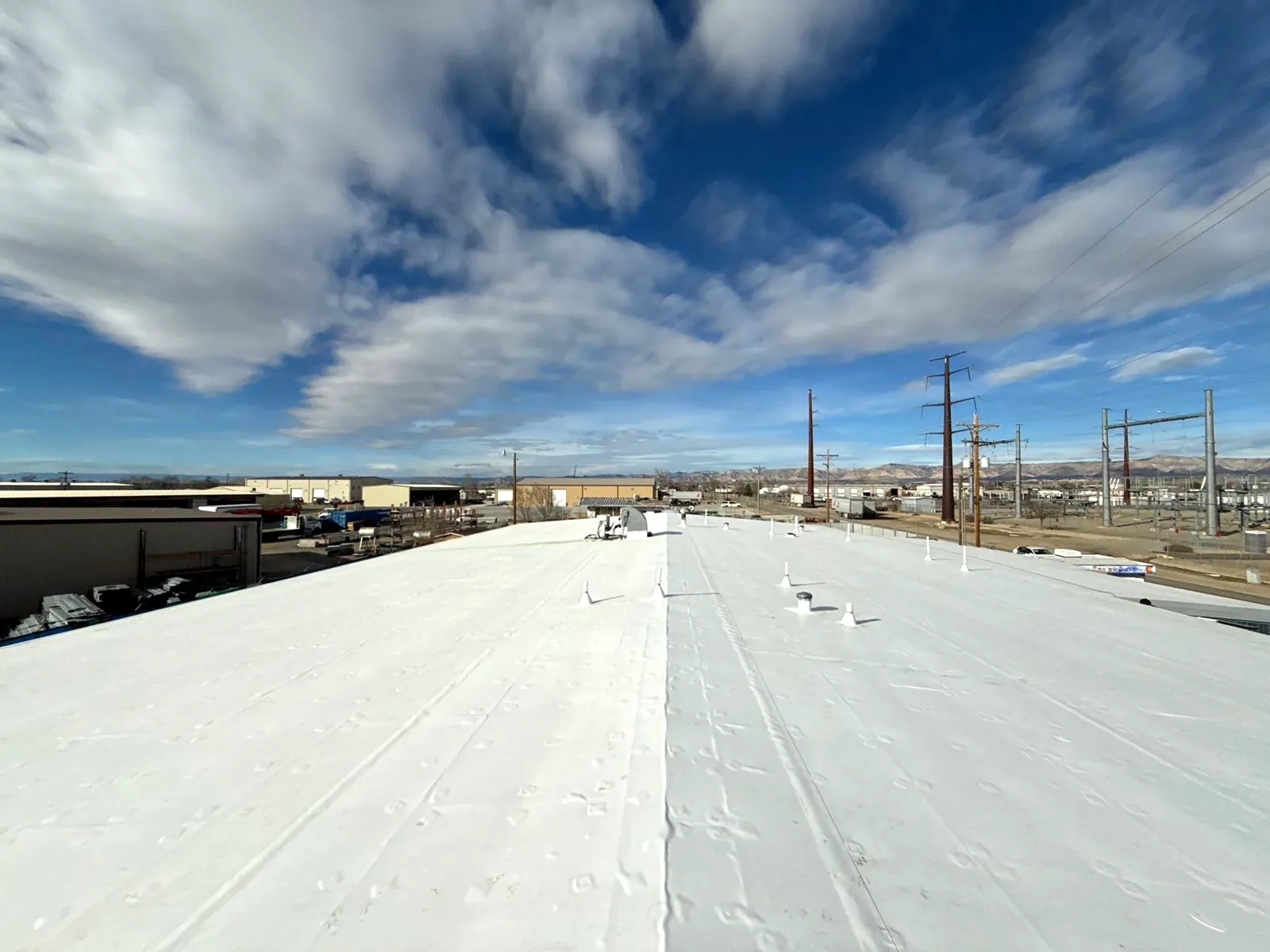
Spray polyurethane foam roofing forms a continuous layer over a prepared roof, then relies on a protective coating to shield the foam. We inspect adhesion, thickness changes, drainage, penetrations and coating wear before selecting restoration or replacement. Oxnard, CA includes industrial service activity in the Central Industrial Area and a planned mix of manufacturing and research near Camino Real Business Park. At an industrial service building, equipment replacement can cut through the foam and coating; near Camino Real, roof visits may need to fit research or production schedules. We confirm the existing system, test suspect areas where appropriate, and map where water moves across the surface. The scope names the foam and coating work separately, including any substrate repair needed beneath them.
Check the foam bond and shape
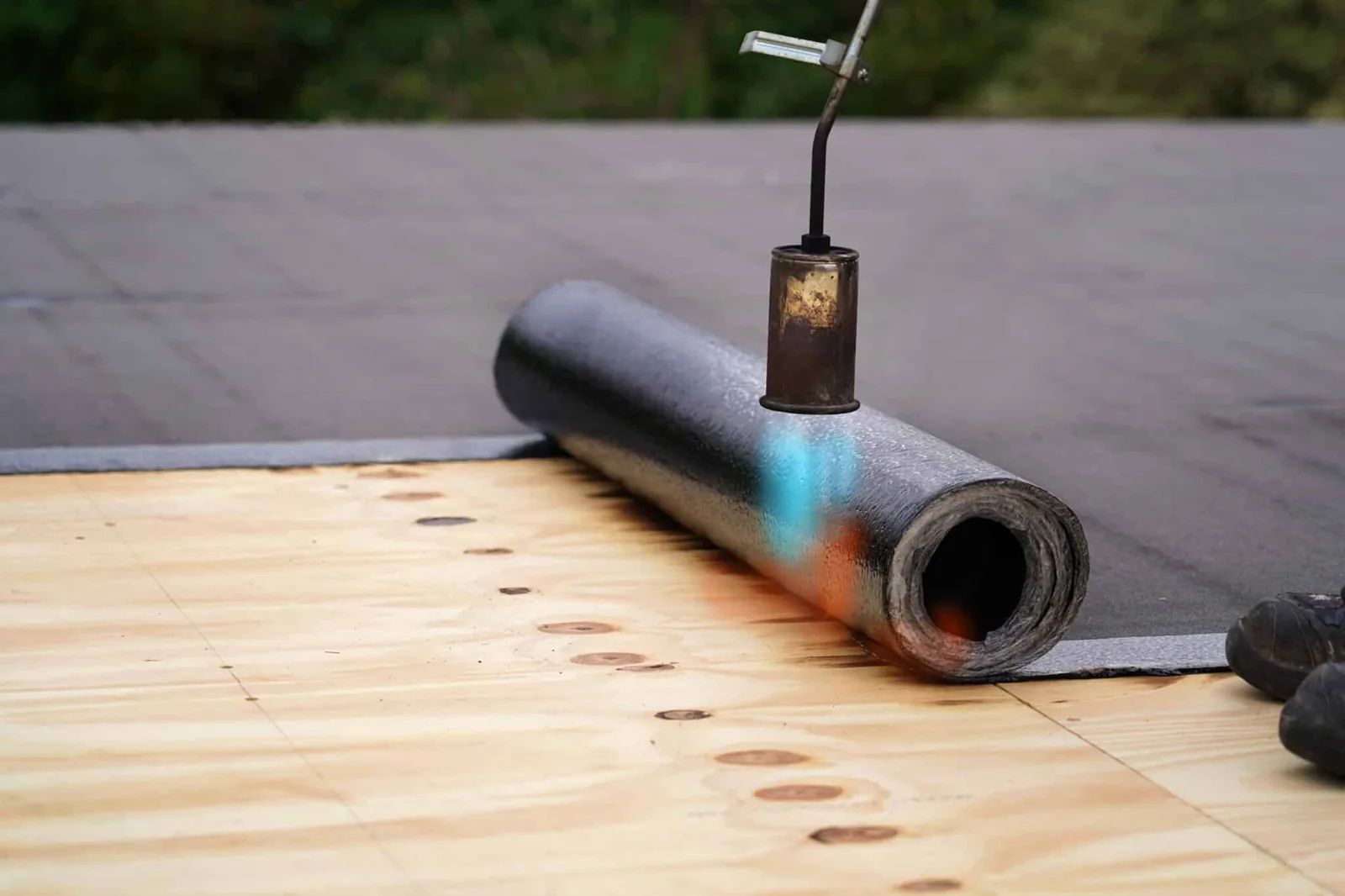
Foam needs a clean, dry, stable surface to adhere. We look for delamination, soft spots, punctures, open voids, irregular thickness and areas where the roof has been cut for later work. A raised ridge can be an intentional drainage feature or a poor application; we compare it with the roof plan and flow path before recommending changes.
Core samples or adhesion checks can help when records do not identify the build-up or bond. Testing is planned at agreed locations and openings are repaired. The test map marks each core or adhesion check so the owner can see which roof zones were sampled before choosing restoration or tear-off. A roof condition inspection can map visible issues and identify where additional testing would change the scope.
At a curb or parapet, foam transitions need a consistent bond and shape. We inspect corners, terminations and the path water takes around rooftop equipment. A repair must restore the profile without creating a basin or leaving exposed foam.
Renew the protective coating
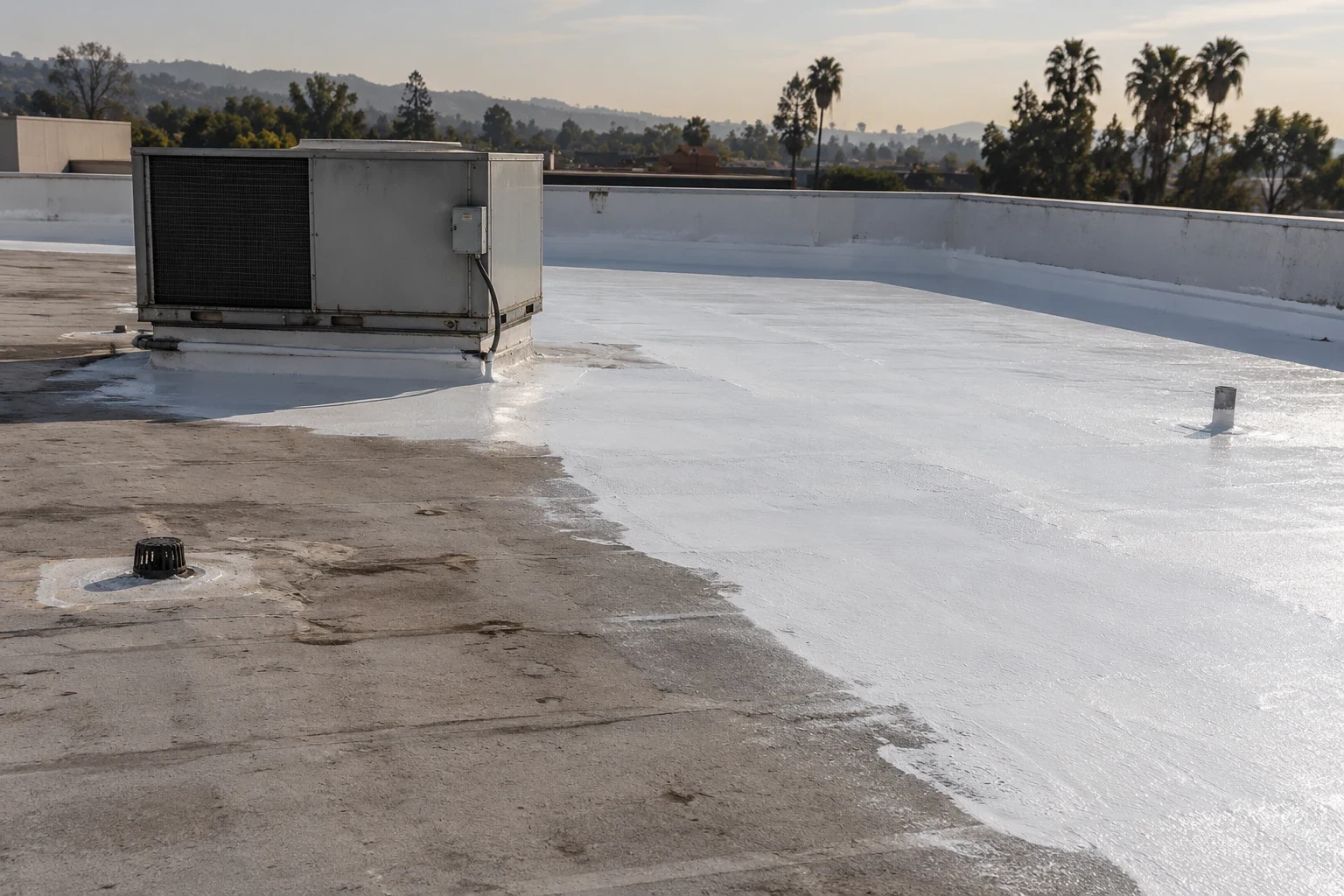
The topcoat shields SPF from ultraviolet exposure and weather. We inspect coating continuity, adhesion, thickness where specified, wear at service paths and exposed foam at penetrations. A coating may be restorable when the foam is sound and dry. If the substrate is wet, detached or widely damaged, applying another layer can conceal rather than correct the problem.
Preparation includes cleaning, removing loose coating and repairing blisters or foam erosion. Primer, reinforcement and coating are selected to suit the existing product and project requirements. We define coverage, treatment at seams and penetrations, and the finish at drains and edges. Silicone coatings and acrylic coatings have different use conditions, so the choice follows compatibility, slope and exposure.
A test area may confirm adhesion before full application. We document its size and outcome, then follow the approved preparation method across the roof.
Keep slope and outlets in the same design
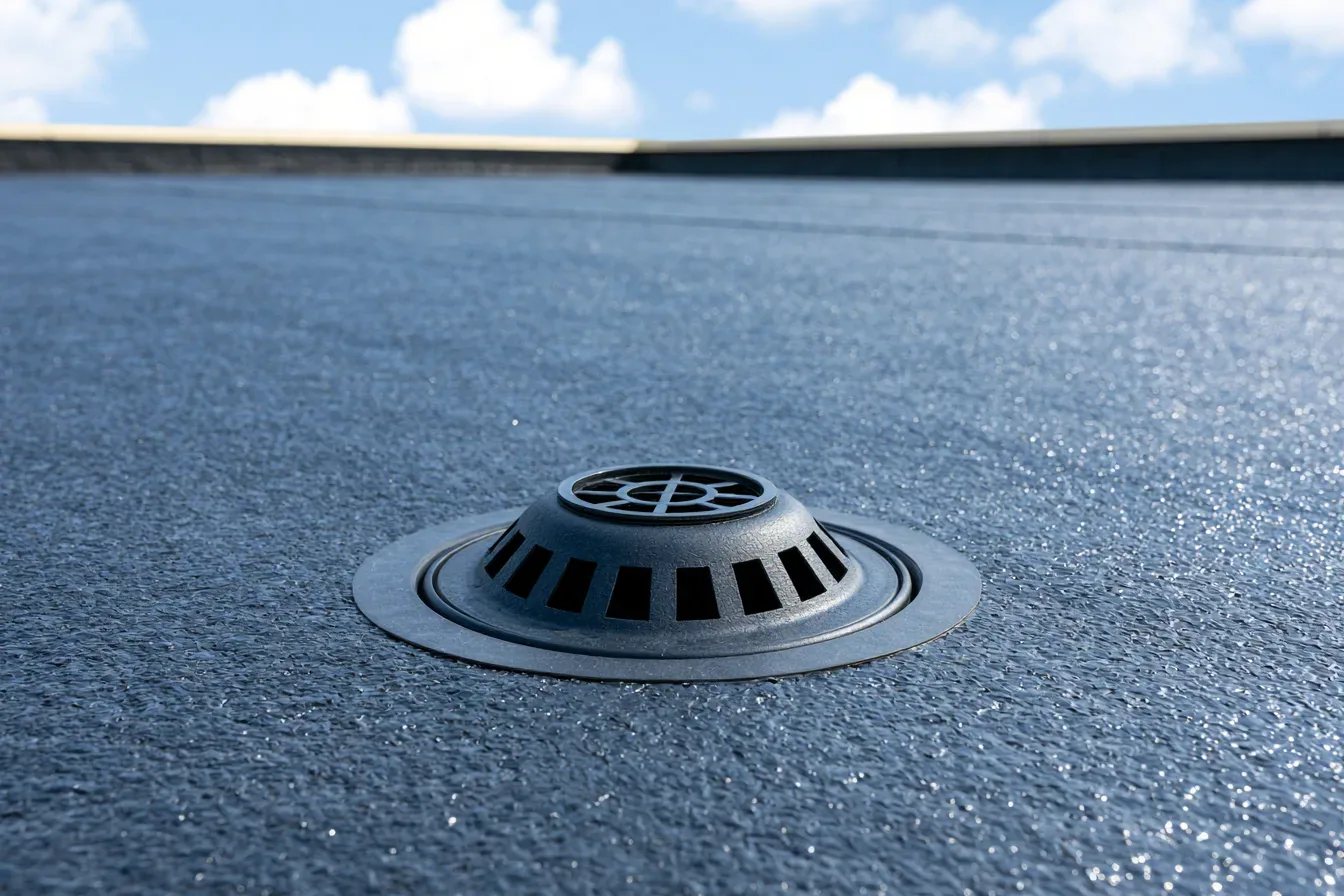
One advantage of SPF is that installers can shape foam to direct water, but slope must be planned rather than guessed. We measure low points, drains, scuppers and the high side of curbs. Added foam or repair coating should not narrow an outlet or build a dam against a wall. A roof plan identifies crickets and drainage paths that need to remain open.
Oxnard's weather station recorded a new August rainfall mark during Tropical Storm Hilary in 2023. Following Hilary’s August 2023 rainfall, the useful SPF check is whether low points, drains and overflow paths still move water across the shaped foam surface. Drainage service can coordinate outlets and overflow paths with foam repairs.
For a building near Sakioka Farms, active distribution and cold-storage operations may constrain roof access. We check material staging and receiving windows with the site's manager and protect the roof while equipment moves.
Restore curbs and service openings
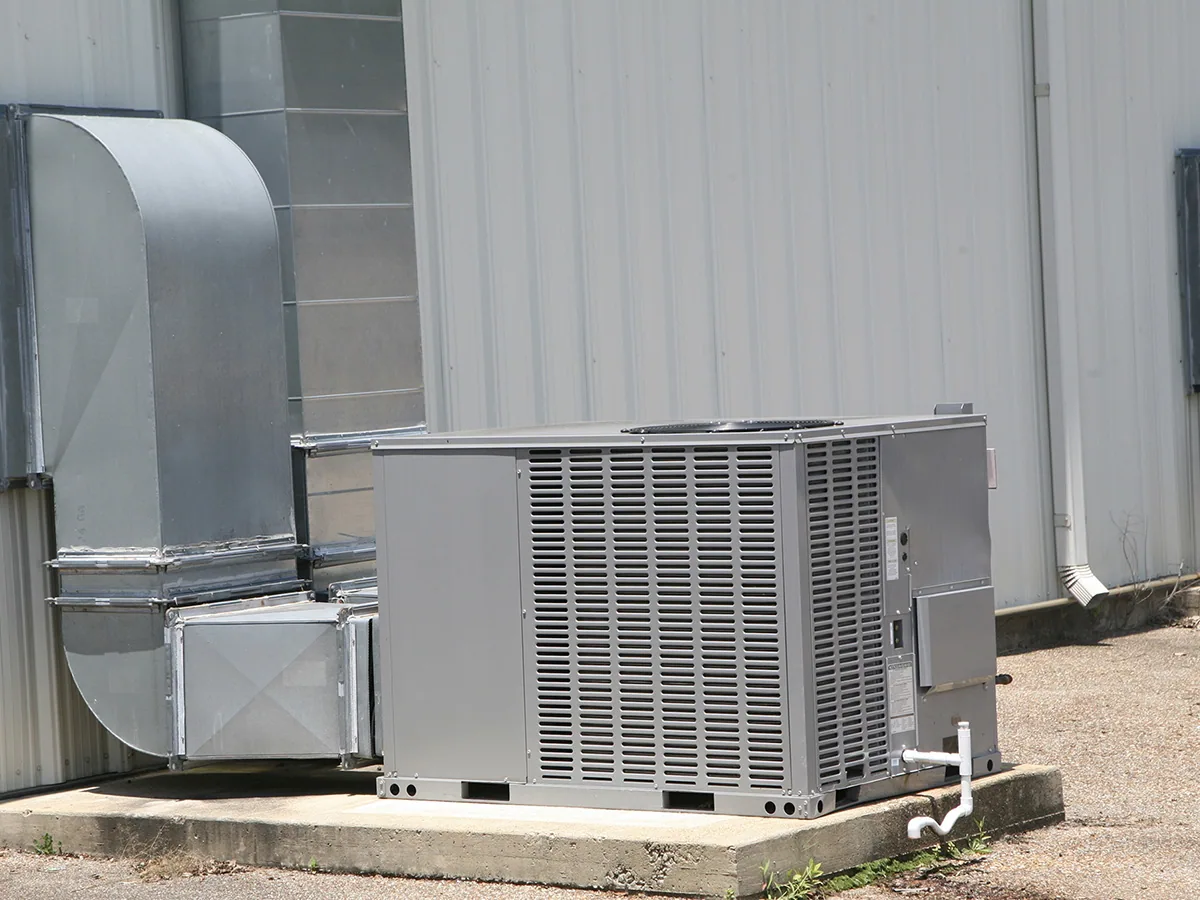
Foam often meets HVAC curbs, pipes, skylights and equipment supports. We inspect whether the material remains bonded at those edges, whether the coating reaches the termination and whether service work has cut through the protective layer. A split at a penetration needs a compatible rebuild of the foam profile and waterproofing detail, not just a surface bead.
When units are replaced, we coordinate the curb height, lifting route and tie-in so the new roof surface drains away from the base. Equipment curb work can be scheduled with the SPF repair. If foam or coating must be removed to reach the substrate, the scope identifies temporary protection and the sequence for restoring the surface.
Camino Real’s research and production activity can make intake protection and equipment windows part of the spray plan. We sequence foam and coating work around those building operations.
Choose restoration or a new assembly
Restoration is more plausible when the foam remains dry, bonded and stable and the coating can be renewed. Replacement may be necessary when the substrate has widespread moisture, adhesion loss, severe erosion or repeated repairs. We review cores, visual findings and maintenance records, then show the conditions that make each path practical.
A recover over SPF requires a compatible design and sound base. New layers can affect edge height, drains and equipment clearances. Recover evaluation checks the existing assembly before adding another roof system. If extensive removal is needed, replacement planning coordinates substrate, insulation and membrane details.
The proposal identifies foam repair, protective coating, reinforcement, preparation, and any allowance for concealed substrate work. It separates those tasks so the owner can compare restoration with tear-off.
Inspect the coating where crews travel
Maintenance checks coating wear near access routes, HVAC units, drains and perimeter edges. We look for exposed foam, punctures, coating separation and low areas where water remains. Rooftop service crews should use designated paths and avoid dragging equipment across the coating.
Cleaning tools and repair materials must be compatible with the installed system. We remove debris without cutting the foam, then photograph changes and mark their location. A small exposed patch can be repaired before water reaches the substrate; broad coating failure may call for a planned restoration.
Preventive maintenance sets an inspection record for the installed SPF roof. Sakioka Farms area service can coordinate visits with facility operations, while the roof interval follows coating condition and system requirements.
Record foam and coating together
Closeout should identify foam and coating products, thickness or coverage requirements, repairs, test areas and roof zones. Photographs show preparation, reinforcement, penetration work and the completed surface. With the coating and foam products identified, a future technician can select a compatible patch before opening a worn area.
Before spraying, the facilities lead identifies active intakes, nearby equipment and the roof access route. We mask those areas, keep drains open and secure the foam at shift end before the building resumes normal service.
CRA can inspect, restore or replace SPF roofing in Oxnard. Send prior product records, roof plans, leak history and access requirements. We will check the foam bond, drainage and coating, then set the work around the system's condition.
Related Roofing Work
More from Roof Systems and nearby services
Review an SPF roof
Provide product records, roof plans, maintenance history and known leak areas. We will inspect foam bond, coating, penetrations and drainage, then define restoration or replacement work in Oxnard.
Common Questions
Can a spray-foam roof be recoated?
Yes, when the foam is bonded, dry and stable and the selected coating is compatible. We inspect exposed areas, test adhesion when needed and repair damaged foam before applying a new protective layer. Wet or detached substrate needs a broader correction.
How do you find moisture below SPF?
We review surface changes, repair history and interior reports, then select suitable test locations. Cores or other approved checks can confirm conditions at those points. We repair test openings and document what the sample does and does not represent.
What happens when another trade cuts into the foam?
The opening needs a repair that restores the foam contour and protective coating. We identify the material removed, check whether the substrate is dry, and rebuild the transition with compatible products. A sealant bead alone can leave exposed foam below it.
Can SPF correct ponding water?
Foam can be shaped to improve slope when the deck and assembly support the design. We measure elevations and drains, then plan a path that does not create a new low point. Structural deflection or a raised outlet may need separate correction.
Which coating is best for an SPF roof?
The existing foam and coating, slope, ponding, exposure and project specification determine suitability. We inspect the surface, check compatibility and may test adhesion before recommending silicone, acrylic or another specified product.