
Commercial Roofing in El Rio-Del Norte, Oxnard, CA
Request an El Rio-Del Norte roof review
El Rio-Del Norte
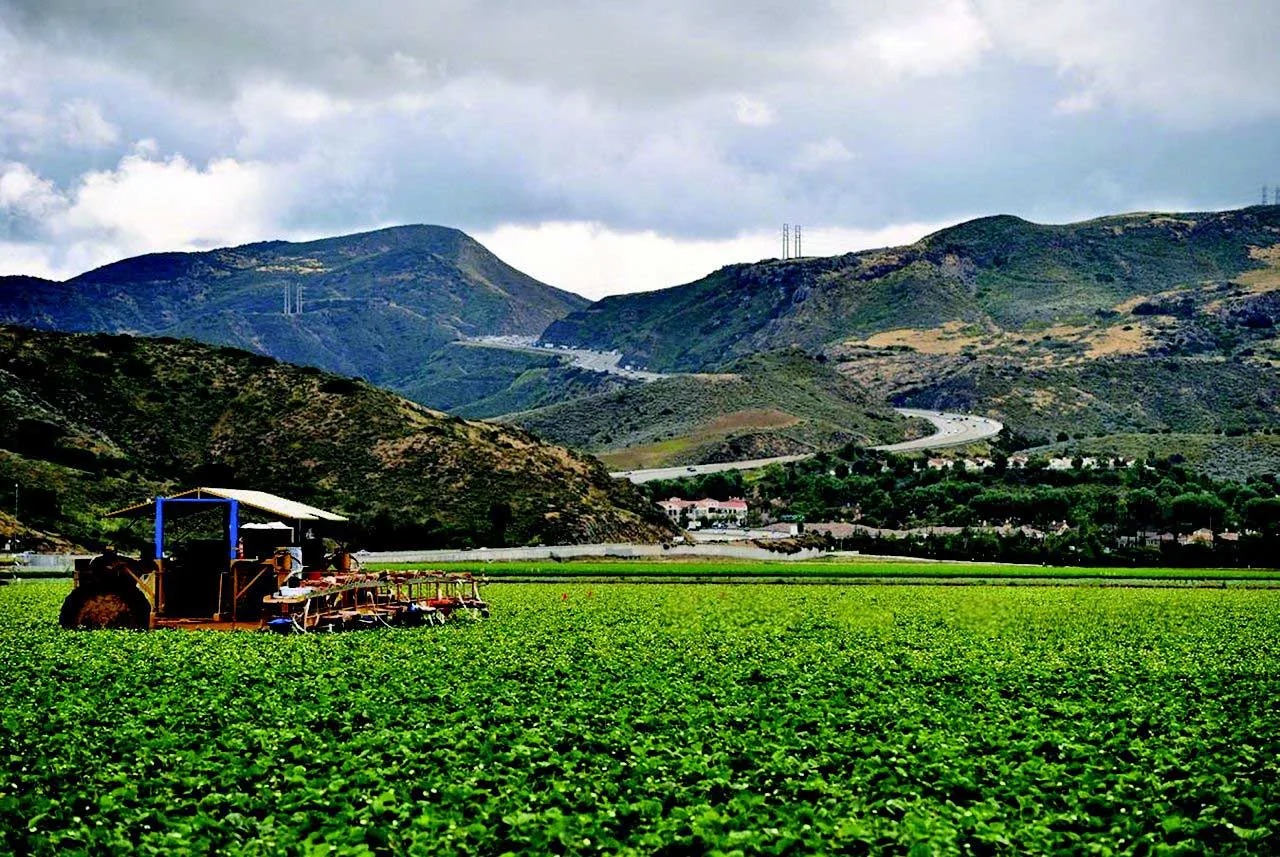
A repair scope for El Rio-Del Norte begins with the roof section and the access available to reach it. We identify the assembly, mark drains and low points, then trace the reported leak across seams, penetrations, curbs, walls, and perimeter details. Ventura County maintains an El Rio/Del Norte Area Plan for this unincorporated community, while Oxnard planning materials place it at the city’s northern edge. That boundary context is useful when a property team is checking jurisdiction; it does not define the roof’s condition. Our field record names the inspected area, what we found, and what still needs confirmation.

Confirm access before tracing the leak
We start by confirming the property contact, roof entry, tie-off route, equipment restrictions, and areas below the work. A large or divided roof may have sections that are not reachable from a single hatch. We note those limits and identify whether a second access point, lift, or equipment coordination is needed. If another trade must move a line or unit before a flashing repair, the work order assigns that step before the roof is opened.
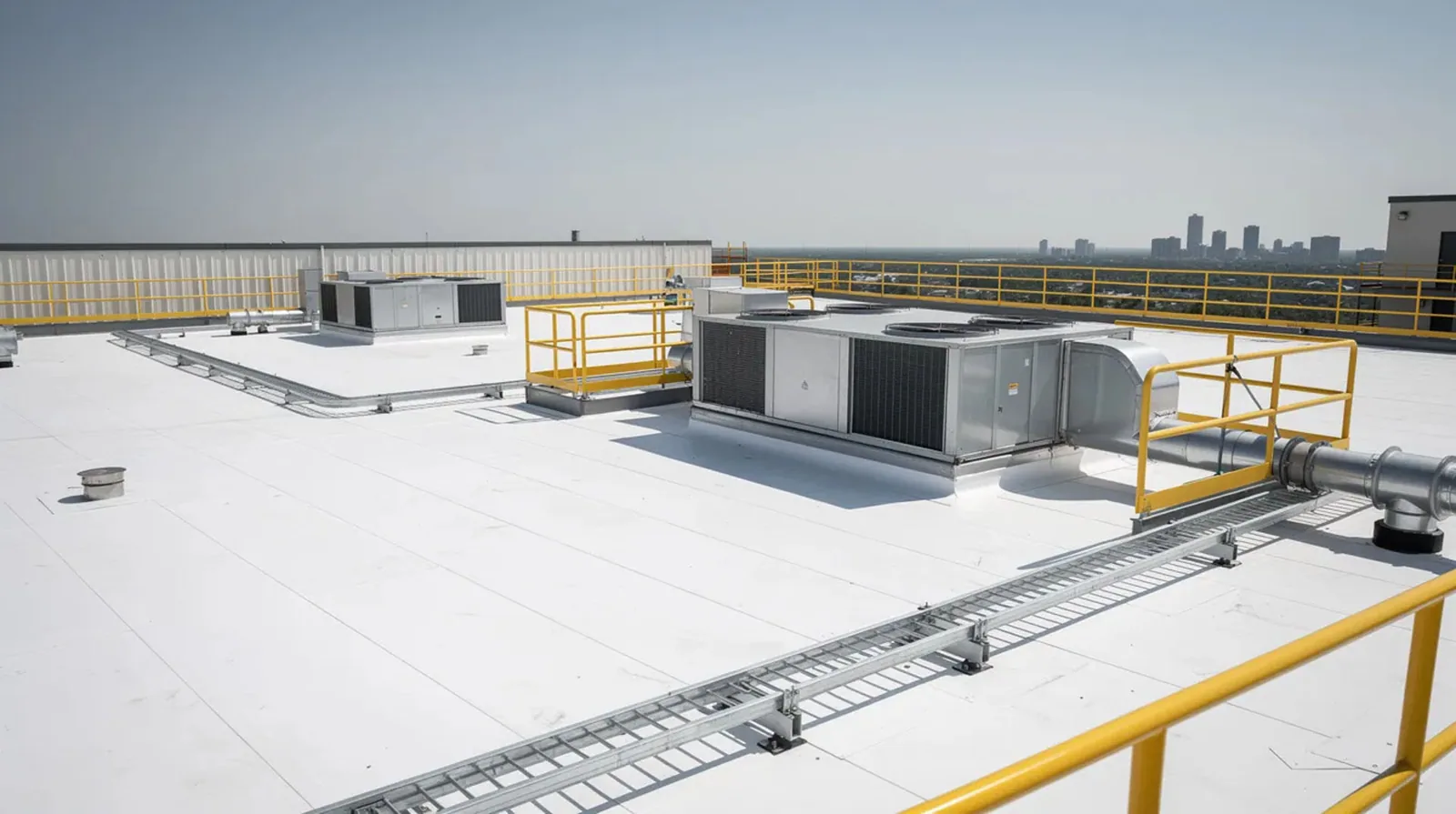
On each accessible section, we record the membrane or metal, seam condition, curbs, penetrations, wall termination, perimeter metal, and outlets. Open laps, punctures, loose attachments, surface wear, standing water, and old patches receive a map mark and photographs. A symptom inside a building can be distant from its entry point, so we compare the room and timing with roof details above. A commercial roof inspection can provide a baseline for planning work beyond the active leak, with access gaps recorded rather than silently assumed clear.
The county’s area-plan framework applies to this unincorporated community, and its regional planning policies coordinate land use near the Oxnard-Camarillo urban area. The property contact can confirm project review with the relevant authority. We keep roofing quantities, repair boundaries, and findings tied to the actual building. A nearby Camarillo roof review has its own property map and records.
Follow the water to a roof detail
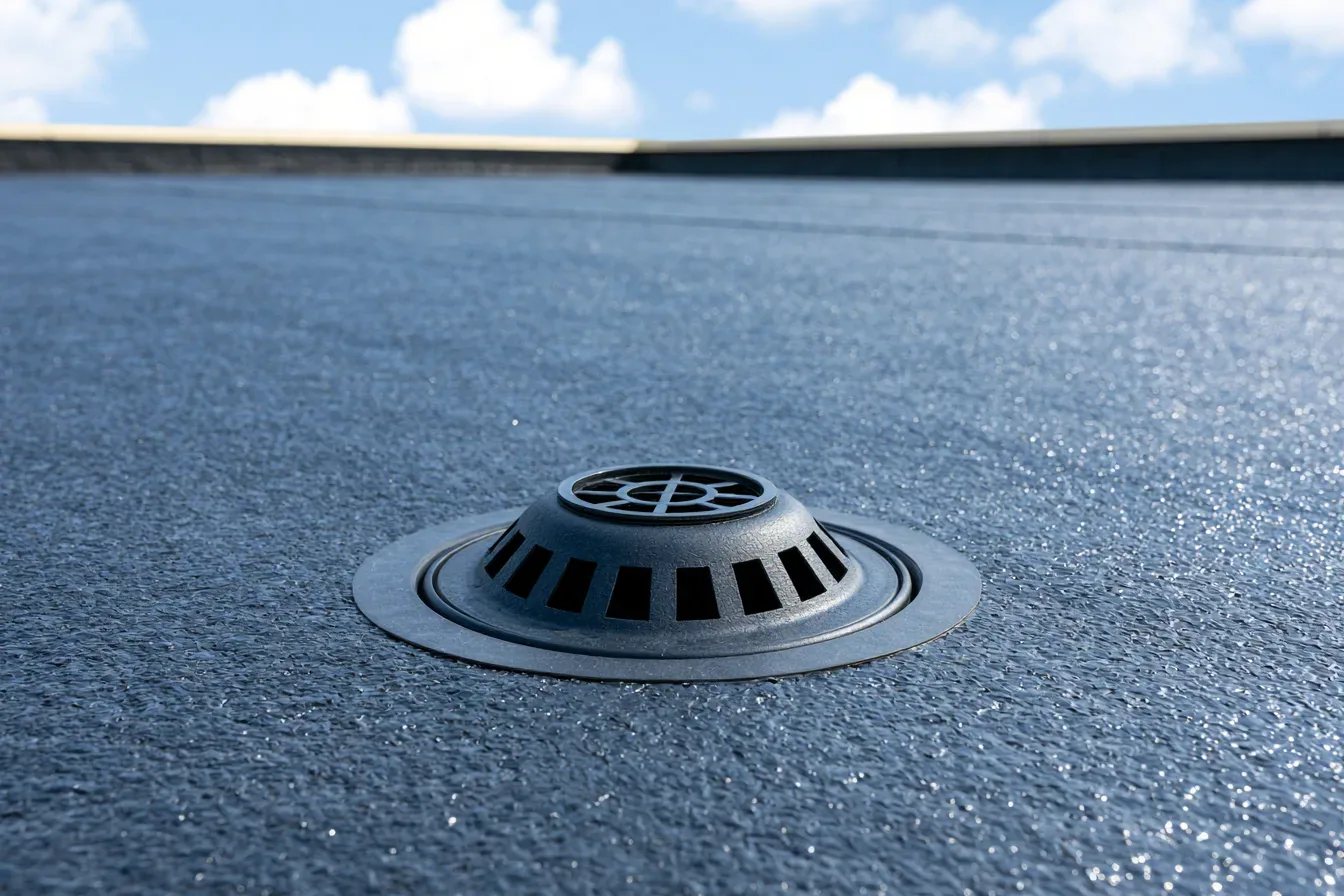
At a drain or scupper, we inspect the opening, membrane connection, overflow route, and surrounding slope. Debris can restrict flow, while an open seam at the bowl can let water enter even when the outlet is clear. At a wall, we check counterflashing, termination, and corners. At a penetration, we look at flashing height, seal, and the membrane turn-up. The report distinguishes a visible defect from a suspected path and says what evidence would establish the next boundary.
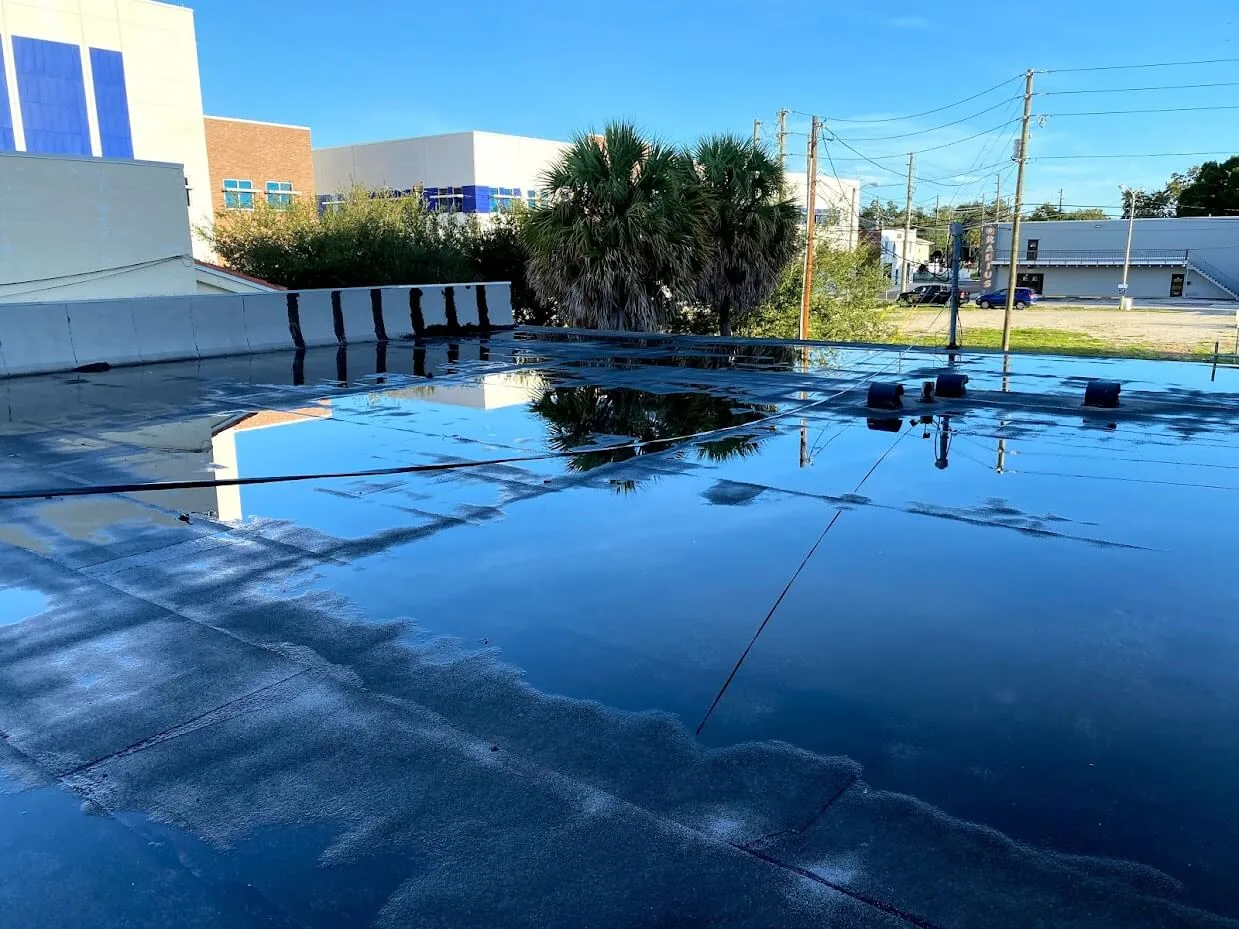
The National Weather Service recorded 1.77 inches at its Oxnard station during Tropical Storm Hilary in August 2023, setting a new August record there. That measurement is for Oxnard, not a separate reading for El Rio-Del Norte. For the property under review, we inspect its own drainage arrangement and water marks. A confirmed outlet problem may call for drain and scupper repair. If low areas retain water beyond an outlet issue, we map the affected section before proposing ponding-water repair.
When wet insulation may extend beyond the surface defect, a moisture survey or test opening can clarify the repair quantity. We mark the suspect area and explain which decision each test would inform. Testing is most useful when it determines whether a patch can stop at sound material or whether a wider section needs attention. The estimate keeps that investigation separate from confirmed work.
Restore membrane, flashing, and edge connections
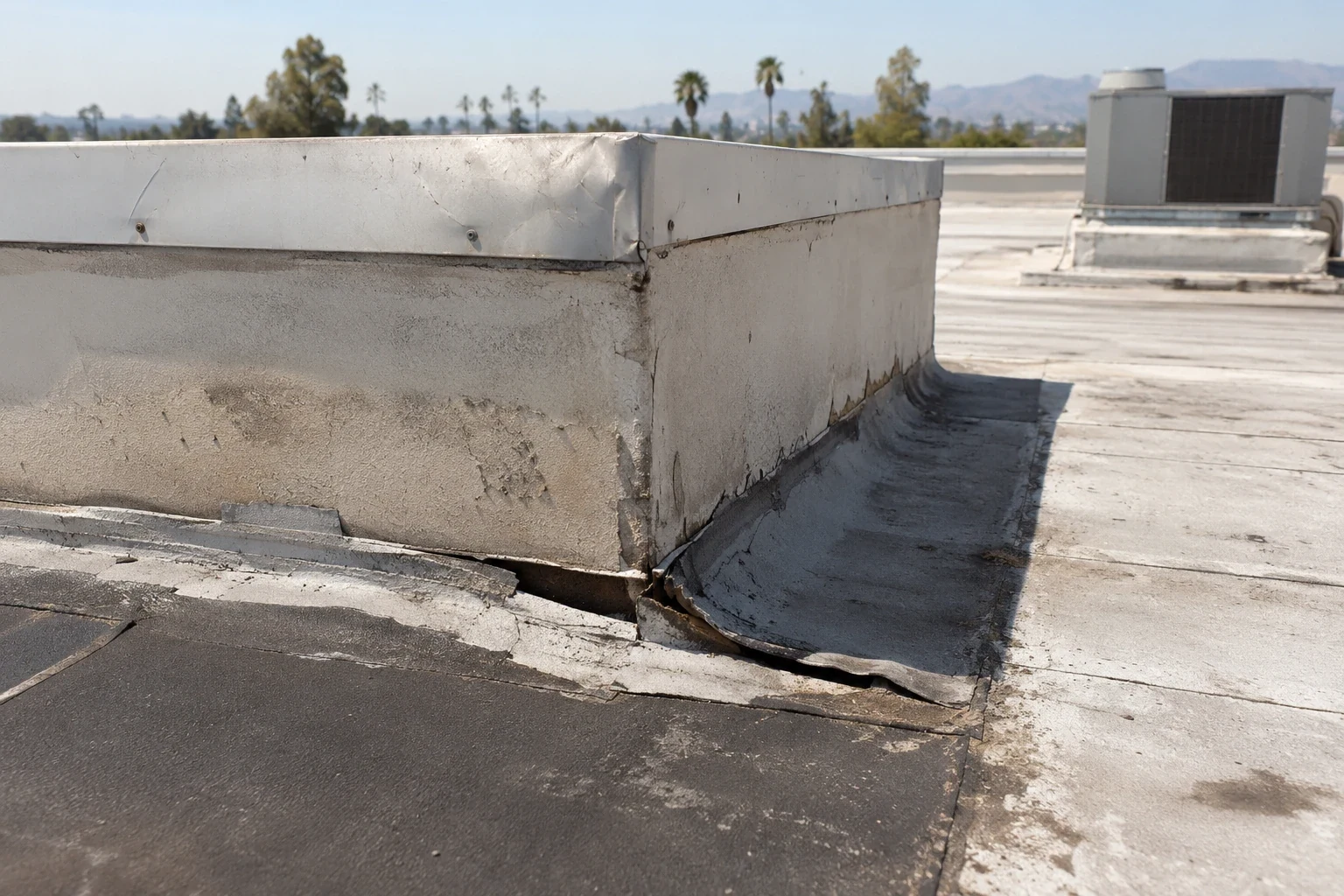
A durable repair needs a stable tie-in. We remove loose or failed material to a sound edge, prepare it for the identified system, and install compatible membrane, flashing, or metal. At a seam, we check whether separation continues beyond the visible opening. At a curb, we inspect the corners and field-sheet connection. At a wall, we verify the termination before closing the detail. If the perimeter metal has loosened, we correct attachment and laps instead of relying on a surface bead.
TPO and PVC require a clean surface that can be properly welded. EPDM, modified bitumen, metal, and coating systems use different materials and preparation. We identify the assembly before selecting the repair method. A confirmed membrane separation may need seam repair, while a wall or curb entry may call for flashing repair. We photograph the completed tie-in and note any adjacent condition that remains outside the repair.
For an active leak, temporary protection can limit entry until the permanent work is ready. We label the temporary step, identify its limits, and state what remains. The sequence includes a daily dry-in point and protection for the space below. An occupied building may need a set access window, so we schedule roof opening and closure around that operating requirement.
Set the scope from measured conditions
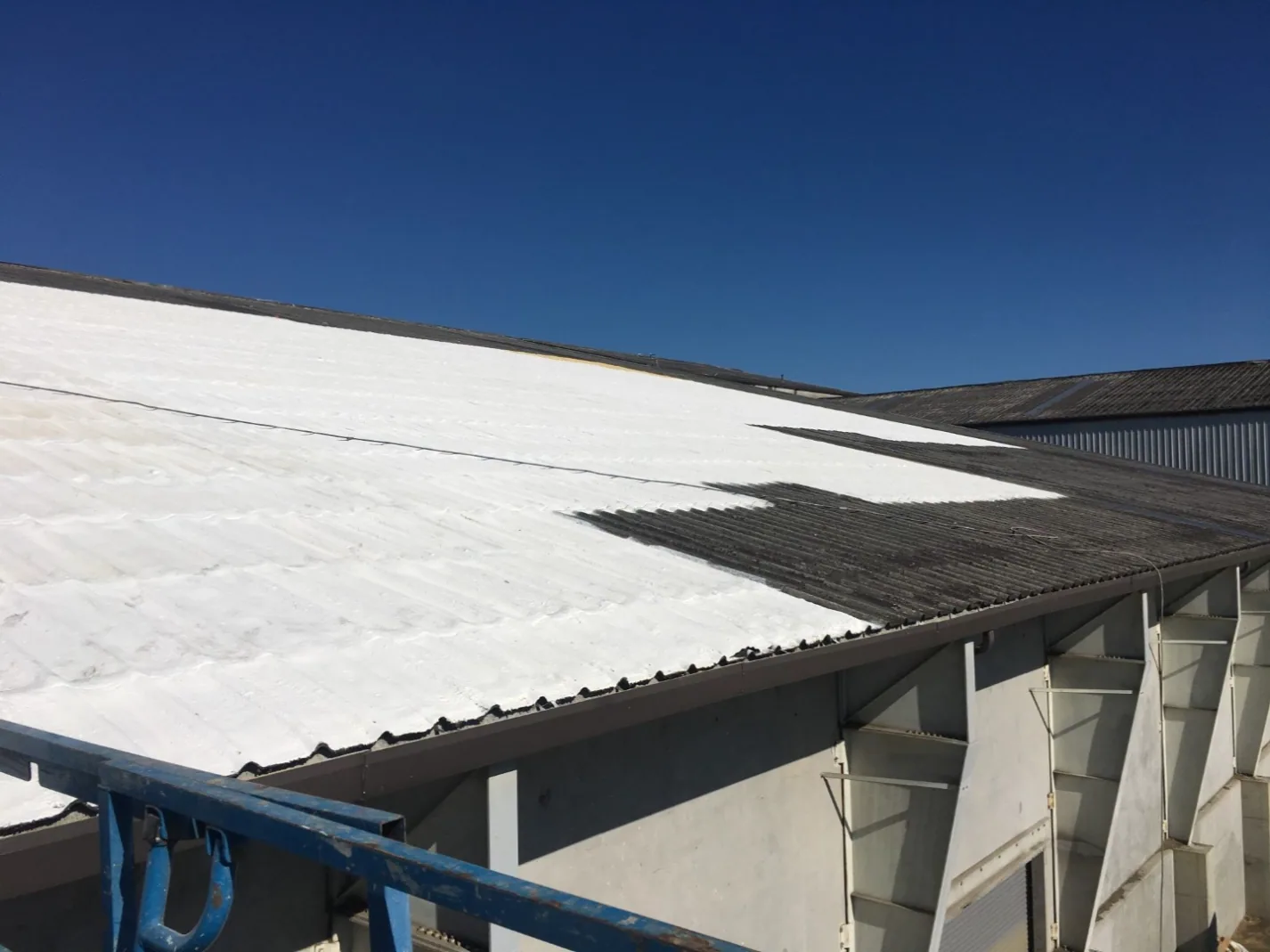
When a defect is isolated and nearby material is sound, a local repair may be sufficient. Repeat seam openings, widespread moisture, loose attachment, or signs of deck movement can require a larger investigation. We map each finding and define the confirmed area before pricing. A commercial roof repair scope should name preparation, materials, quantities, access assumptions, protection, and exclusions.
A recover can retain existing layers only if the assembly is dry, secure, compatible, and suitable at drains, edges, and penetrations. Replacement exposes the substrate but adds removal, disposal, and weather protection. We compare the options over the same measured sections and separate insulation, edge metal, drainage, equipment coordination, and staging. Where concealed conditions could alter the quantity, the estimate identifies the approval point. The owner can weigh service life and disruption against the documented condition without treating a test allowance as a confirmed finding.
Because El Rio-Del Norte sits near the Oxnard-Camarillo urban area, property managers may maintain records across both planning jurisdictions. The planning boundary helps identify who handles land-use review; it does not change the roof work method. If the portfolio also includes Ventura, we use the same field categories while keeping each site’s map and repair history separate.
Keep follow-up work tied to the roof map
The closeout lists the assembly observed, roof section, repair preparation, materials, photographs, test results, and remaining conditions. We flag any area that access kept us from inspecting. If another vendor later changes equipment or makes a penetration, the record shows where to compare that work with previous field marks. For an unresolved leak, it also preserves the test or inspection still needed to close the question.
Maintenance checks return to drains, seams, curb seals, counterflashing, edge metal, and service paths. The interval follows the condition found and how the property operates. A photo-backed roof condition report can help a manager prioritize repair work and retain a clear record for the next budget review. The report should distinguish an urgent defect from an item to monitor, with both connected to the same roof plan.
Provide the roof plan, leak location and date, access contact, equipment schedule, and prior repair notes. We will inspect the affected sections, identify what is confirmed, and return a measured repair or replacement recommendation with the next decision stated plainly.
Related Roofing Work
More from Service Areas and nearby services
Request an El Rio-Del Norte roof review
Share the roof plan, leak report, access details, equipment schedule, and earlier repair records. We will document the affected sections and return a measured scope.
Common Questions
Is El Rio-Del Norte within Oxnard city limits?
County and city planning materials identify the community as unincorporated and at Oxnard’s northern edge. The property team should confirm the parcel’s jurisdiction; our roofing findings stay tied to the building inspected.
Can you tell where a roof leak starts from an interior stain?
The stain gives us a location and timing to compare with roof details, but water may travel before it appears indoors. We inspect the likely route and propose testing when it could change the repair limit.
Does the Hilary rainfall figure describe this community?
It is a measurement from the Oxnard weather station during August 2023. We treat it as a dated city record and use the property’s own drainage and condition for the scope.
When should a localized leak become a broader repair?
Repeated openings, moisture beyond the defect, loose attachment, or deck movement can expand the work. We map those conditions and compare a confirmed repair with the area that still needs testing.
What makes a roof report useful to a property manager?
It locates each observation, records access gaps, shows completed work, and lists unresolved conditions. We connect photos and recommendations to roof sections so follow-up starts at the right place.