Local weather advisory

Coastal Flood Advisory: Commercial Roof Help in Oxnard

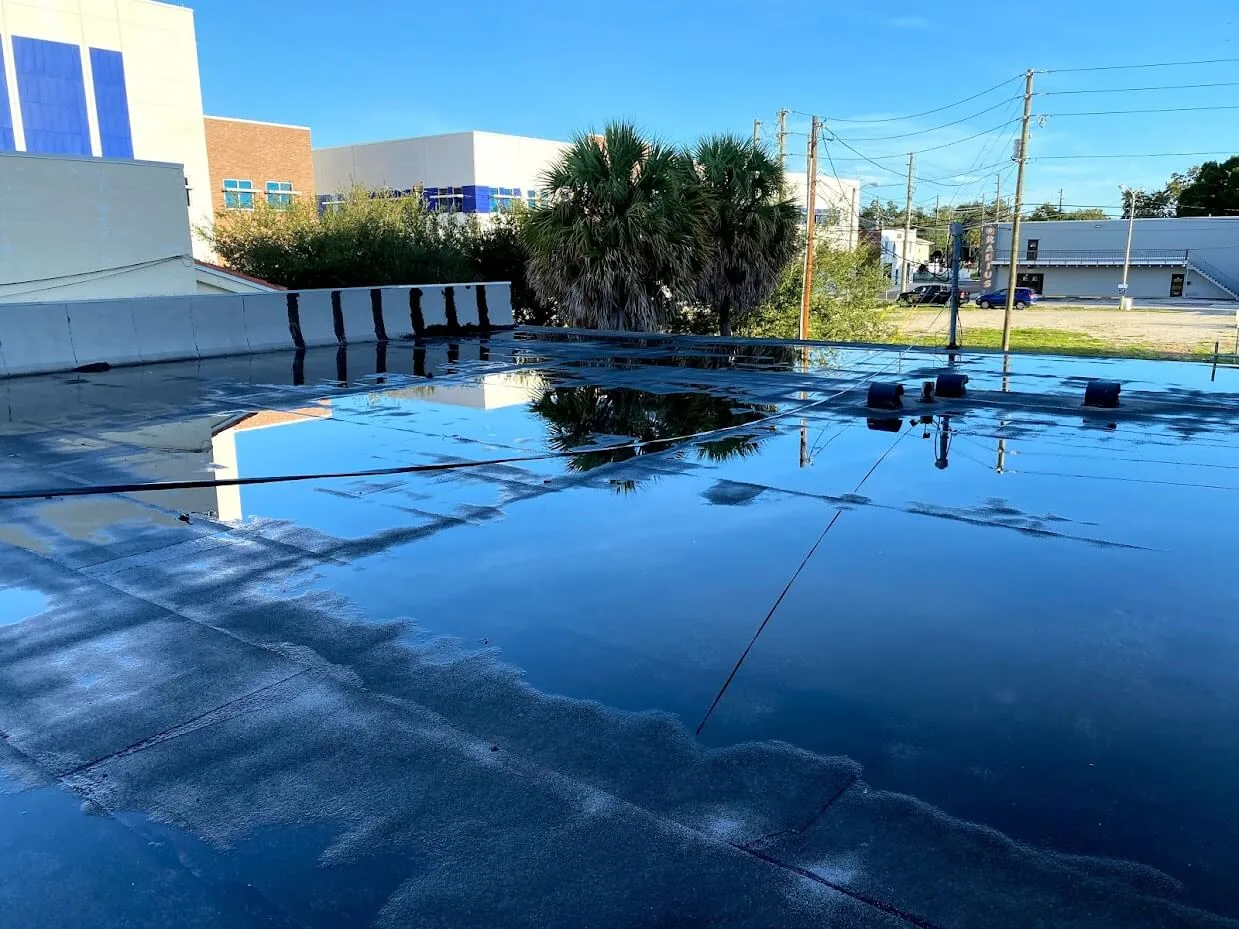
The National Weather Service has issued a coastal flood advisory covering Oxnard. Heavy rain and drainage loading can expose roof leaks, blocked drains, and ponding water. This is a weather exposure advisory; it does not establish damage to a specific roof.

Do not access a roof during hazardous weather. Protect people first, avoid water near electrical equipment, and request roofing help when conditions permit.

National Weather Service · Updated Oct 27, 2026, 1:54 PM UTC

RiverPark

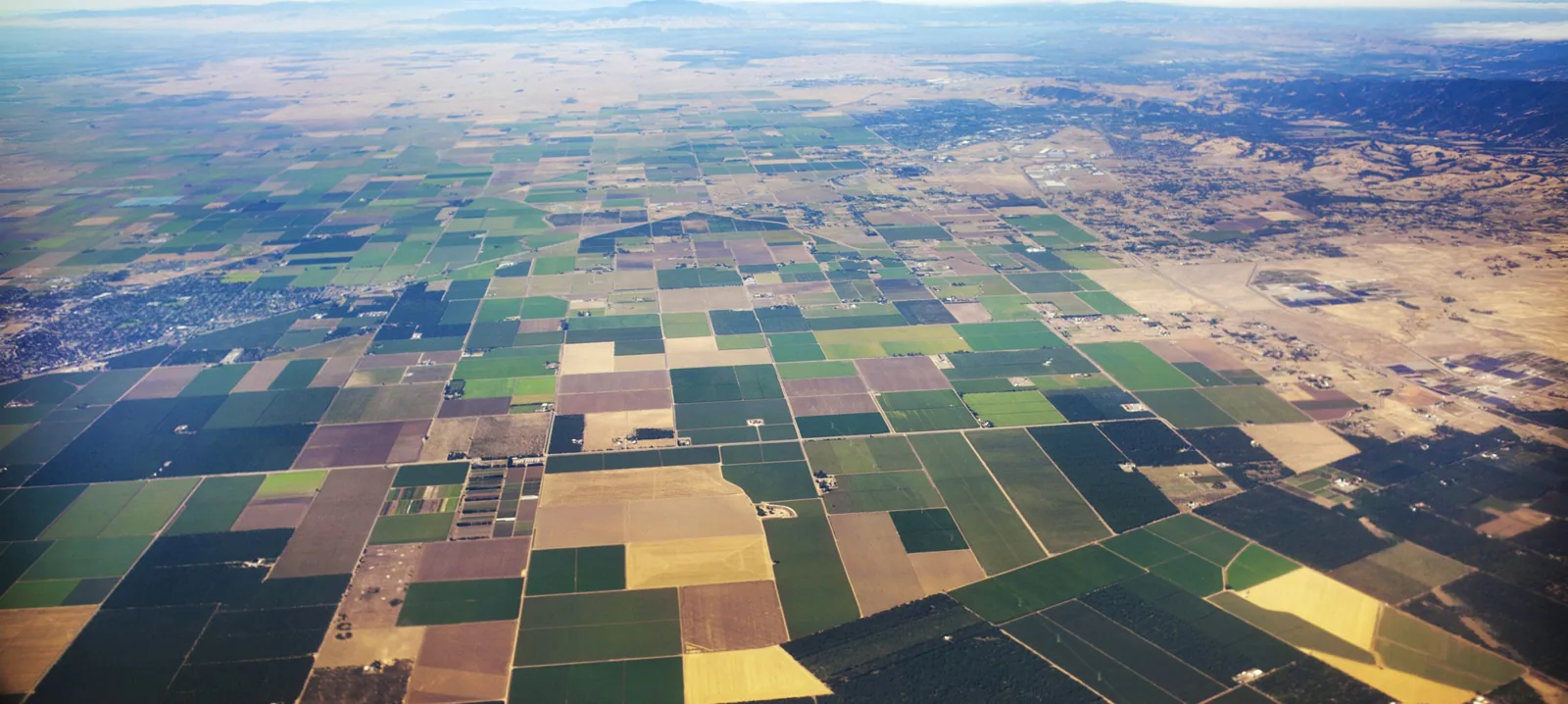
Commercial space within RiverPark sits in a broad district that also includes housing, parks, and open space. The roughly 702-acre specific-plan area combines those uses, placing some commercial roofs beside active residential or public space. That context makes staging, access, and protection below the work relevant. We start at the building, map its roof sections, note the assembly where visible, and follow drains, seams, curbs, walls, and edges before selecting a repair path.

The original plan allowed commercial development to proceed in phases alongside housing and included several planning districts. A property owner therefore needs a scope tied to the actual building and timing, not a broad assumption about the district. We record access limits, occupied areas, equipment routes, and any surface that cannot be inspected. Each finding receives a field mark and photo reference that can guide pricing, approval, and follow-up.
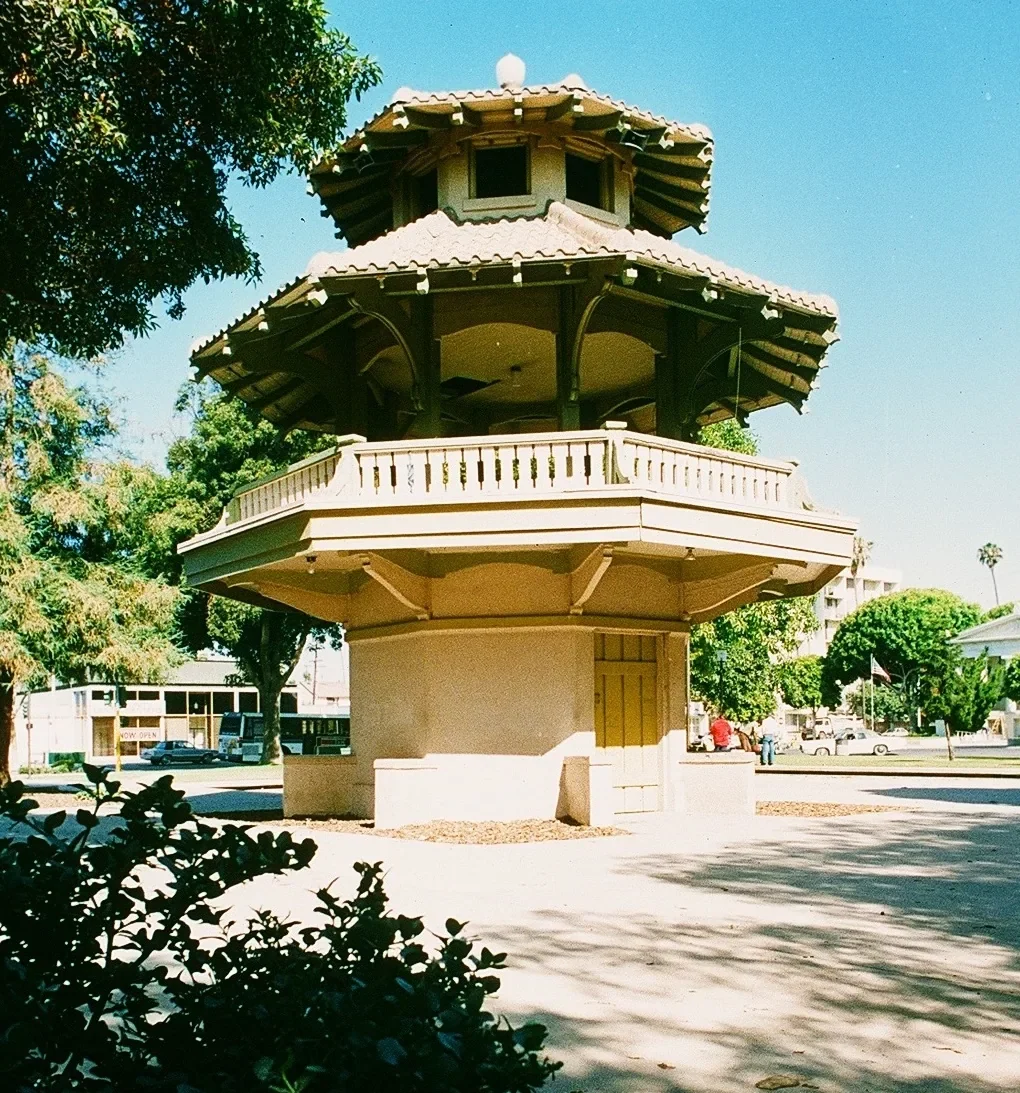
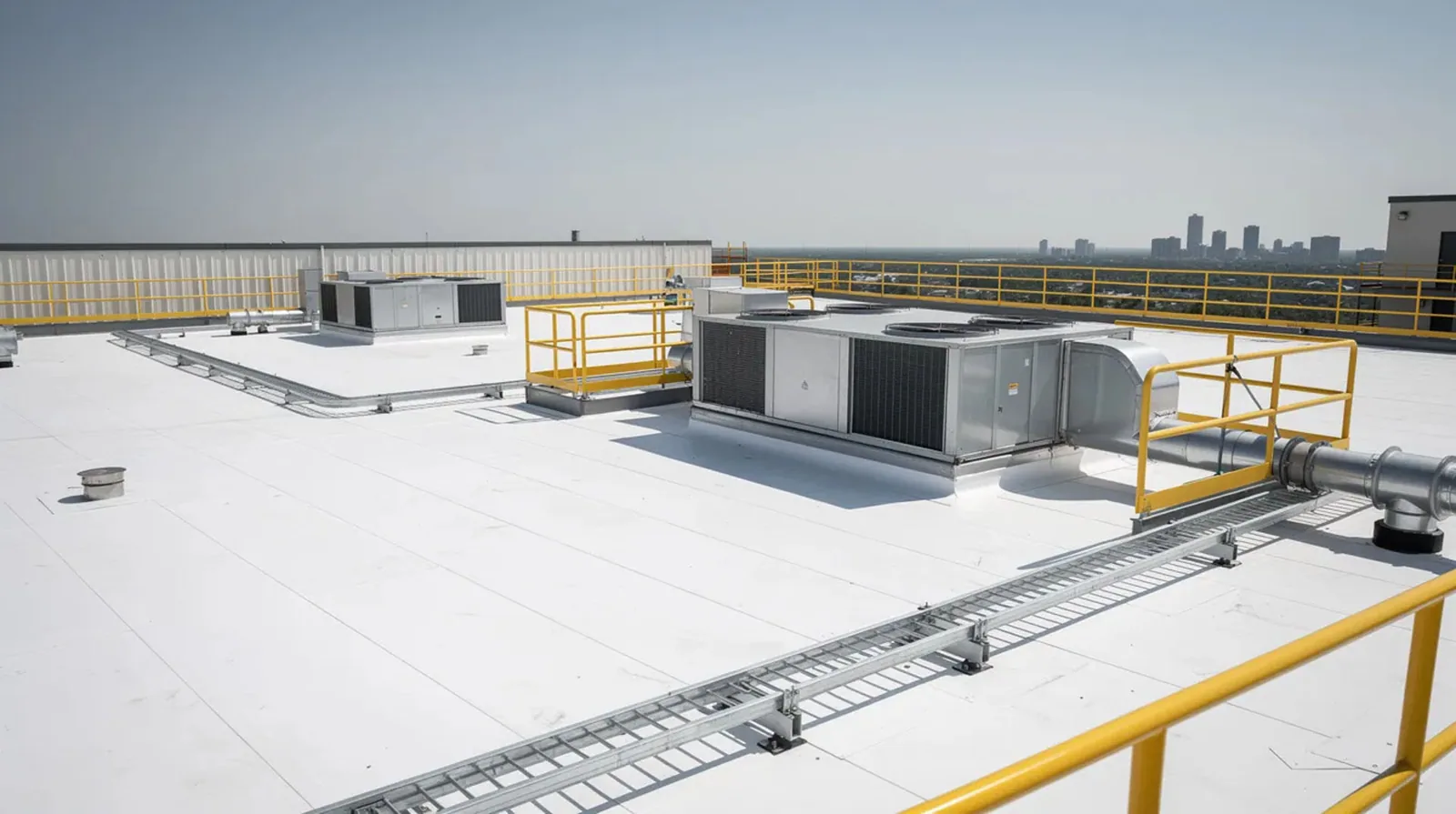
RiverPark in Oxnard, CA

Set access and work limits by building

At the start of a walk, we identify roof entry, tie-off route, material staging, nearby occupied areas, and any restrictions on lifts or deliveries. A site with more than one building needs separate roof identifiers so a leak report, plan, or work order stays attached to the right structure. We note what is visible from the access route and which sections require a different entry or safe access arrangement.

Then we follow low points toward drains and overflow paths, checking membrane seams, penetrations, curbs, roof-to-wall transitions, edge metal, and past repairs. We record open laps, loose terminations, splits, punctures, ponding clues, and any moisture line with its location. A field inspection documents reachable areas; a condition report with photographs links the observations to repair priorities. A blocked or inaccessible section remains identified as a limitation instead of being treated as clear.

RiverPark's mix of commercial space and residential areas makes delivery timing and protection below the roof worth confirming early. We ask who controls access and which paths residents or property staff need to keep open. A repair over one commercial tenant may have a different work window from a shared building or public-facing space. The plan carries those details forward without assuming that every structure has the same roof or operating hours.

Trace water before defining the repair

Water entry can appear indoors far from the opening at the roof. We compare the room location and timing with nearby drains, seams, curbs, walls, and previous patches. At each low point, we inspect the drain bowl, visible connection, overflow route, and surrounding membrane. Debris, standing-water marks, an open seam, and a damaged drain connection are recorded separately because each can call for a different action.

If the insulation may be wet below the membrane, a moisture survey can help locate a test area, but readings do not replace confirmation. We explain what the test would answer and keep a possible expanded repair separate until results are available. A moisture survey can narrow the investigation; a ponding-water assessment checks the outlet and roof shape together. That distinction helps an owner avoid pricing removal beyond the confirmed condition.

A new August rainfall record came from the Oxnard station in 2023: 1.77 inches during Tropical Storm Hilary. Compare that date with a leak report, then use the property's field marks, interior history, and test results to set the scope.

Match the repair to the roof assembly

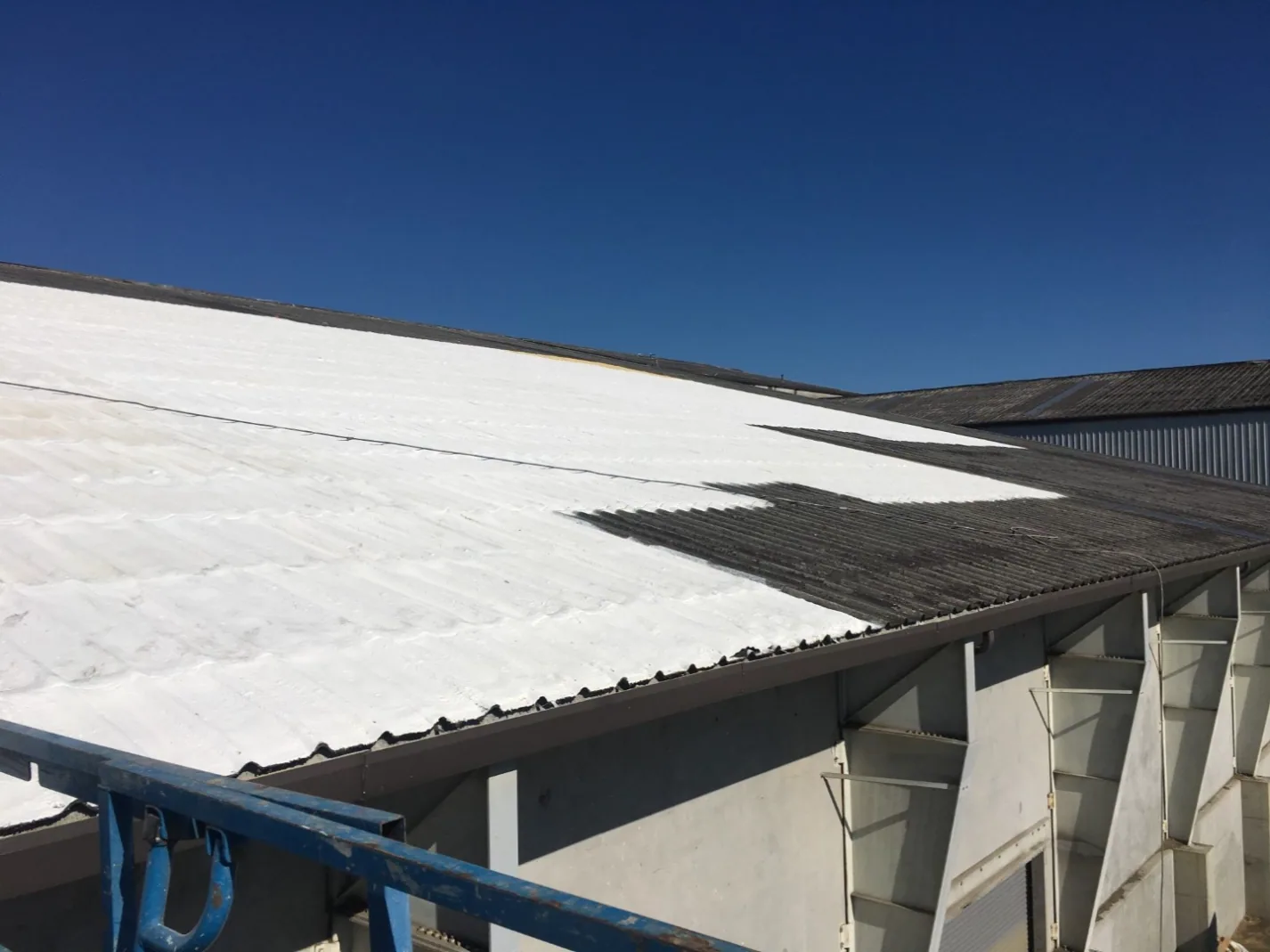
Before choosing a material, we identify the visible system and how its details are assembled. A single-ply membrane needs a compatible patch and sound tie-in surface. Built-up or modified bitumen assemblies require preparation suited to their layers. Coatings need a substrate that will accept the material and a clear boundary around the prepared area. If a roof includes additions or transitions, we map each section rather than treating the whole surface as one system.

Curbs, pipes, conduit, and equipment supports can create separate failure points. We check flashing height, corner treatment, fasteners, sealant, and whether another trade has changed the detail. At the perimeter, we look for loose coping, open joints, edge movement, or membrane termination issues. A curb and support inspection reviews equipment interfaces, while seam repair addresses a confirmed opening along the membrane lap.

RiverPark and the Sakioka Farms business area have different planning contexts. The Village at Wagon Wheel is another adopted specific-plan area with its own mix of planned uses. The City's progress report notes operating distribution, cold storage, and fruit processing at Sakioka Farms. RiverPark's plan instead pairs commercial property with housing, parks, and open space. Those facts help frame access and coordination; the roof assembly at the individual property still needs inspection.

Compare repair, recover, and replacement

A localized seam or flashing defect may be repairable when nearby material remains sound. Repeated leaks, broad moisture evidence, failing attachment, or defects across several roof sections may require testing or a larger rehabilitation. We describe the observations behind that choice and identify any test that could change the boundary. A recover may be considered where the existing assembly is suitable; replacement can involve removal, insulation, perimeter details, and drain adjustments.

Cost and timing depend on access, staging, area, preparation, removal depth, insulation replacement, edge metal, drainage changes, disposal, and daily exposure limits. If the property must remain open to residents or commercial occupants, the work sequence may affect duration. A defined repair can close a known defect, while a recover evaluation checks the base and added load. We keep the measured scope separate from assumptions about concealed material.

When a roof opening cannot be left exposed overnight, we plan a daily dry-in and protect the space below. Active leaks can receive response nights, weekends, and holidays. The record identifies the protected section and permanent correction still required, keeping temporary cover separate from the final repair.

Keep repairs visible in the property record

A closeout should show the building, roof zone, preparation, material, photographs, test result, and unresolved item. For phased work, record which sections were completed and which remain open. The next maintenance visit can compare the same field marks and notice if equipment, occupancy, or roof access has changed. That record is more useful than a portfolio summary that says only that the property was serviced.

RiverPark is an adopted specific-plan area, and Oxnard maintains a community facilities district there. Those planning arrangements do not set the roof service interval. We use the observed assembly, prior repairs, drainage condition, and consequence of a missed defect to decide when to return. A preventive maintenance visit can revisit outlets, seams, curbs, and edges; a roof asset record can connect photos and work orders with the correct building.

Send roof plans, recent leak reports, equipment schedules, access instructions, and prior repair closeouts. We will inspect the relevant roof areas, map conditions, and provide repair or testing recommendations that fit the property and its operating needs.

Arrange a RiverPark roof assessment

Share the building list, roof plans, leak history, equipment schedule, access contact, and operating windows. We will inspect the relevant sections and return marked findings with the next steps.

Common Questions

Does RiverPark's specific plan define how a commercial roof is built?

No. The plan establishes a broad mix of uses and phased development. We identify the roof system at the property and inspect the details before recommending materials or work.

How do you coordinate a roof repair near residential areas?

We confirm access, staging, work hours, interior protection, and paths that occupants need to keep open. The sequence limits exposed roof area and identifies the daily dry-in point.

What makes a leak report useful for the inspection?

The room, date, weather, and operating conditions help us compare the interior report with roof seams, drains, curbs, and prior repairs. We mark what is confirmed and what may need a test.

Can separate buildings be handled under one work plan?

Yes, when access and schedules align. Each structure keeps its own map, findings, approval, and closeout while the visit calendar can be coordinated.

When does a recover make sense?

The existing roof must be a suitable base, with attachment and moisture conditions understood. We inspect the assembly and identify tests before comparing a recover with replacement.

ServicesRoof SystemsProperty TypesIndustriesService AreasDamage RepairCapabilitiesManufacturersAboutRequest a Roof Assessment555-555-5555
Call555-555-5555