
Commercial Roofing in SouthShore, Oxnard, CA
Schedule a SouthShore roof walk
SouthShore
Mixed-use buildings in SouthShore call for a roof plan that accounts for the people and spaces below each work area. The Oxnard General Plan identifies the 323-acre South Shore planning area for residential, mixed-use, parks, and open space. That broad mix makes roof access, tenant paths, and daily closeout part of the scope, while the condition of each assembly determines what work is needed. We begin with the roof plan and a field walk, mark the low points, drains, seams, curbs, wall lines, and edge metal, then set a repair boundary tied to the building. A Mandalay Bay roof review can involve coastal visitor-service uses, but the same inspection starts from the actual roof and its operating limits.

Map the roof before opening a section
The first walk confirms roof access, staging, interior protection, tie-off routes, equipment, and tenant schedules. We mark each roof section so photos and repair quantities remain tied to the right elevation. If an addition or unit blocks a detail, the report states the limit and next inspection step.
From the access point, we follow the roof's low areas to drains and scuppers, then inspect seams, penetrations, curb seals, wall transitions, and perimeter metal. The walk looks for openings, loose termination, punctures, ponding indicators, surface wear, and signs of earlier repairs. A room stain is not the entry map. Water can travel along insulation or framing, so we compare the room and timing with roof features above it. A hands-on roof inspection can establish the baseline, while photos and roof-plan marks make each finding usable during pricing and follow-up.
Oxnard's planning framework uses specific plans to coordinate infrastructure and development standards across broad areas. For SouthShore, that planning scale is useful context for access and public-space coordination. It does not identify a roof system or prove that every property shares the same construction. We confirm whether the building has a membrane, metal, coating, or layered assembly before choosing a repair detail.
Trace water to the failed detail
A leak report needs a date, room, and operating context before it can guide roof work. We compare those details with nearby seams, drains, curbs, wall lines, and penetrations, then follow the route water could take under the surface. A membrane puncture may be upslope from the ceiling stain; an open counterflashing joint may direct water behind the roof edge. We photograph the likely path and distinguish what is visible from what needs a test opening.
During Tropical Storm Hilary in August 2023, the Oxnard station recorded 1.77 inches, a new August monthly record there. The date frames maintenance and drainage reports; the roof walk determines the condition. At the building, we check the low point, drain bowl, scupper, overflow path, and any membrane or flashing condition that interrupts the route. If standing-water marks remain after an outlet is clear, we look for a depression or insulation movement before calling it a simple blockage. Ponding-water repair should address the confirmed drainage or assembly condition.
If infrared readings suggest moisture beneath a membrane, we explain what the scan can and cannot establish, then propose selective openings where the result changes the repair boundary. Wet insulation needs a different scope from a surface seam repair. Our moisture survey findings are marked by roof zone, so the owner can decide whether to test, repair, recover, or plan replacement with clear quantities.
Close the roof at edges and penetrations
Water finds the change in plane. At a curb, we inspect the membrane turn, corner patches, seal, and fasteners. At a wall, we check flashing height, termination, and counterflashing. Along the perimeter, we look for loose coping, surface oxidation, open joints, and a secure connection between edge metal and the roof assembly. A field patch that leaves a failed transition can redirect the next leak.
Repair material must suit the membrane and the conditions around the opening. We remove loose or contaminated material to reach a stable boundary, prepare the surface, and restore the seam or flashing with compatible products. If repeated repairs cluster around one curb or drain, we check movement, attachment, and trade access before pricing another isolated patch. The scope shows the repair location, preparation, tie-in, and any adjacent condition that remains. Flashing repair can restore a failed wall or curb detail; a broader edge-metal scope addresses the perimeter when the field mark shows several related failures.
For occupied mixed-use buildings, we coordinate interior protection, delivery timing, and access routes with the building contact. The work zone must leave room to prepare the repair and close the roof watertight at shift end.
Compare the repair with a larger roof plan
A local repair is appropriate when the surrounding membrane or metal remains serviceable and the repair can connect to stable material. Widespread moisture, recurring seam separation, weak attachment, failing edge metal, or deck damage can move the decision beyond one patch. We map those conditions and explain which test or opening would confirm their extent. If the rest of the roof remains sound, a defined repair can keep work limited. If conditions repeat across sections, we compare repair, recover, and replacement on the same measurements.
A recover is suitable only when moisture, deck, drainage, attachment, edge height, and project requirements allow it. Added layers affect drains, curbs, parapets, and supports. Replacement can address broader insulation or deck conditions but adds tear-off and protection needs. The proposal separates measured work from hidden conditions and identifies the owner's decision point before scope expands. A roof recover review and a replacement scope can be evaluated against the same field findings.
Timing and cost follow access equipment, roof height, tear-off volume, insulation work, edge details, disposal, equipment movement, and the daily work window. In a mixed-use property, tenant notices and protected routes can set the sequence. We put those constraints into the work plan rather than assuming the whole surface can open at once. Each shift has a defined dry-in point and a secure boundary for the next crew visit.
Leave a record the next manager can use
Closeout records name the roof section, assembly, repair material, preparation, photos, tests, and remaining conditions. Roof-plan marks let a later visit find the same seam, drain, or curb. Keep access and equipment restrictions with the maintenance file.
A service interval should follow roof condition, use, previous repair history, and planned equipment work. A maintenance visit can clear drains, inspect counterflashing, check curb seals, and look for damage along service paths. Where more than one SouthShore building is involved, we keep its records separate by structure and roof section. Photo-backed condition reports connect field marks to actions, and a nearby Downtown Oxnard roof inspection uses the same evidence-first approach for a different mix of commercial spaces.
Send the roof plan, leak locations, prior repair notes, equipment schedule, and access contact. We will inspect the affected area, map the assembly and drainage, and return a repair or testing recommendation tied to the building's use.
Related Roofing Work
More from Service Areas and nearby services

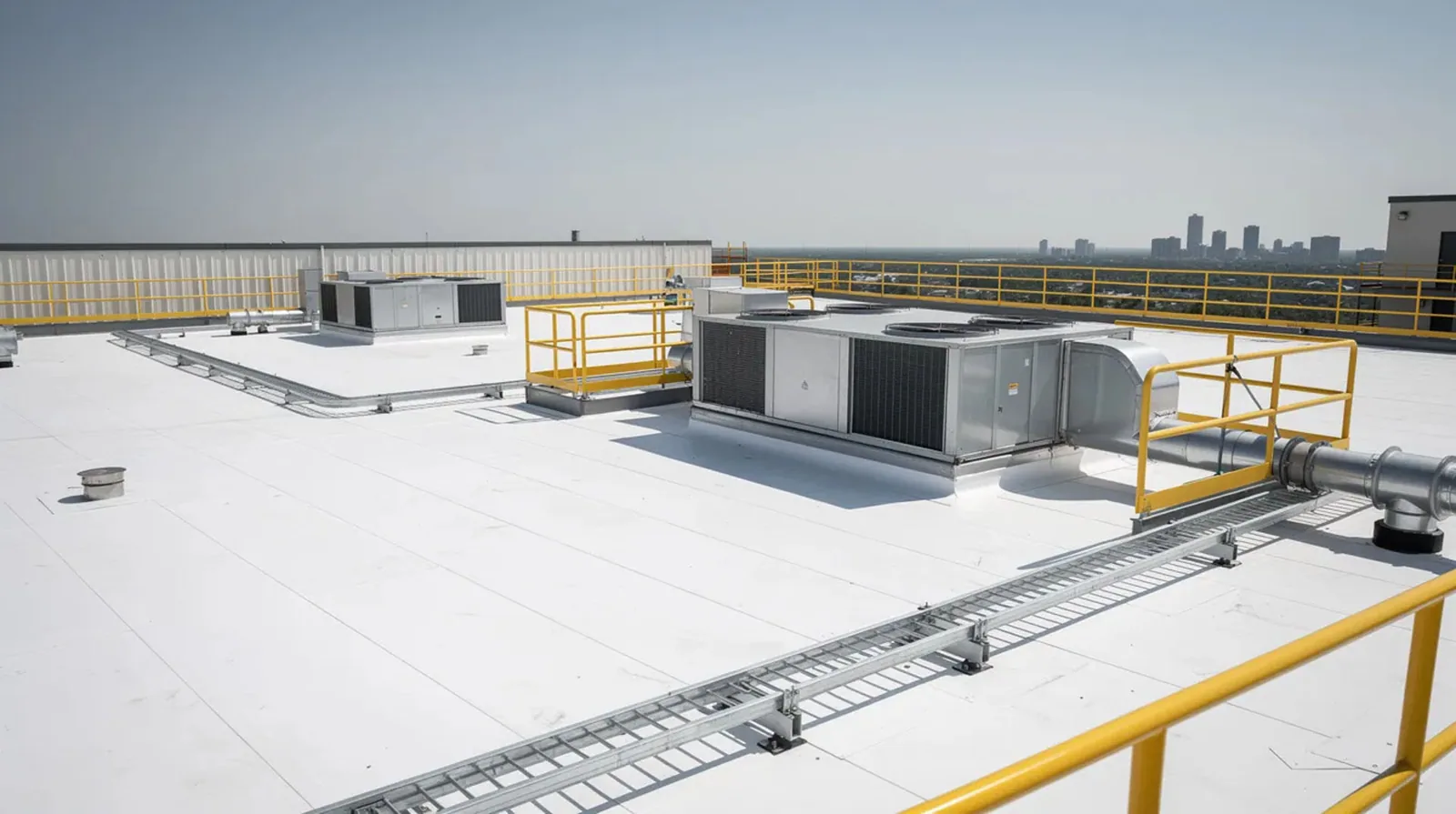
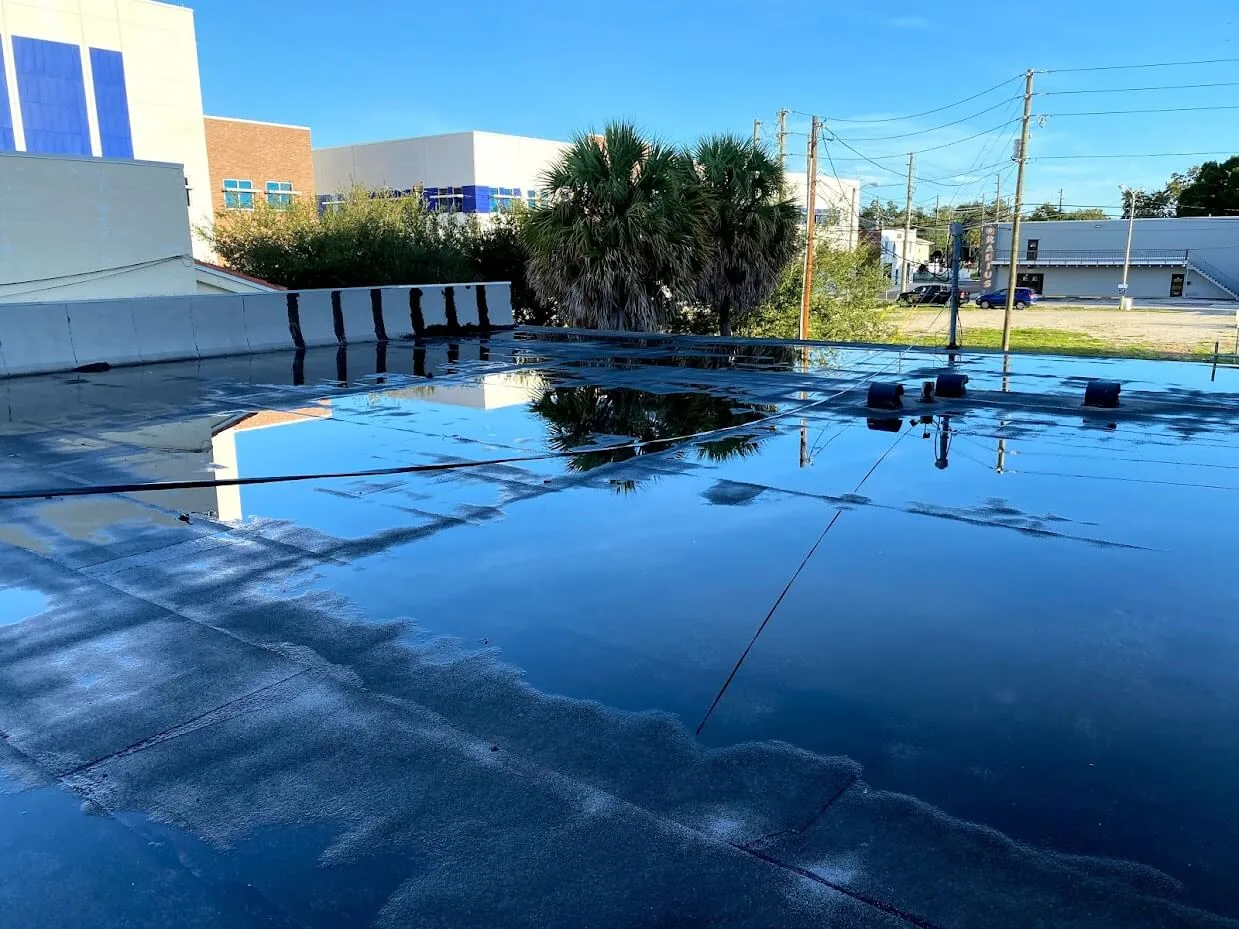
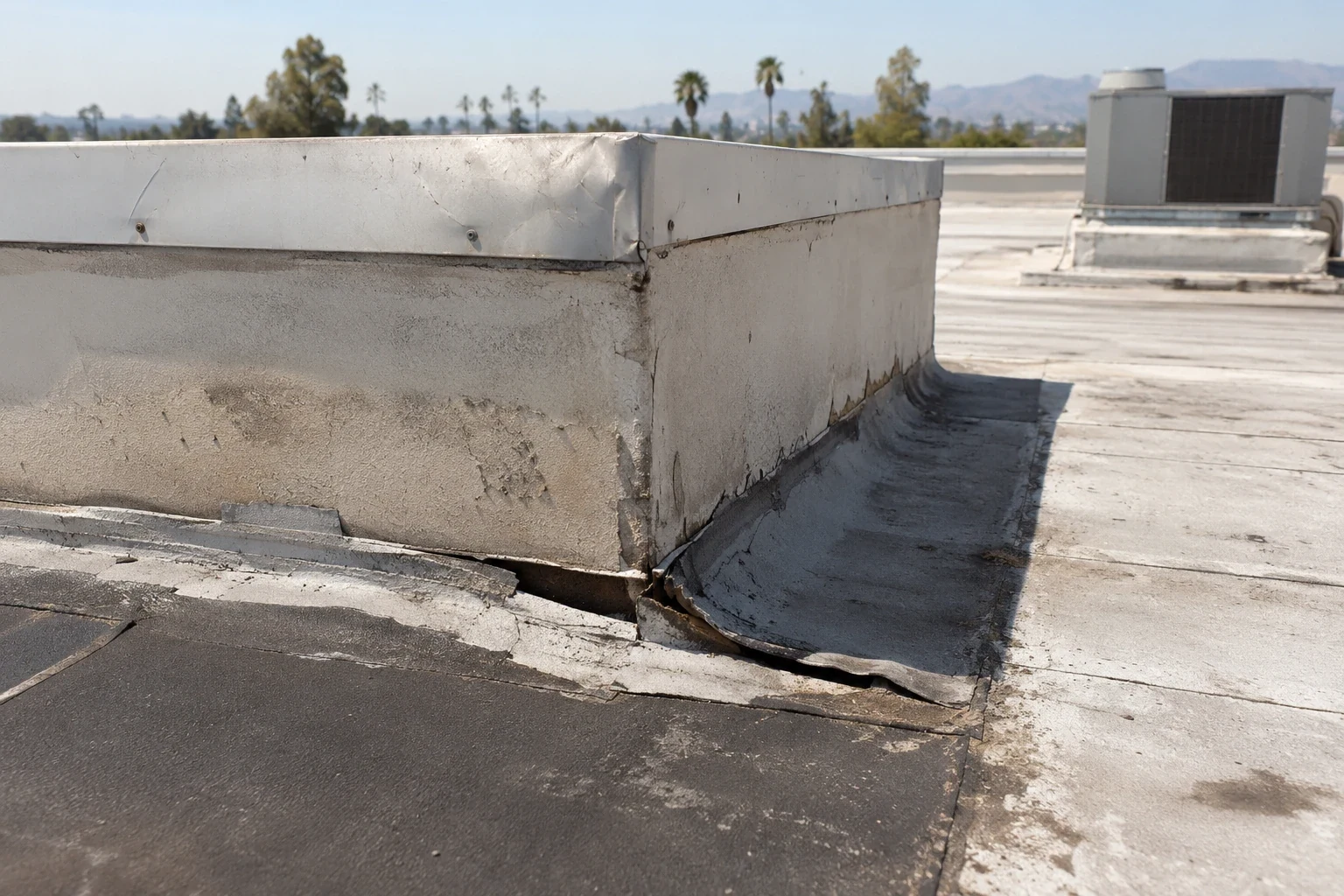

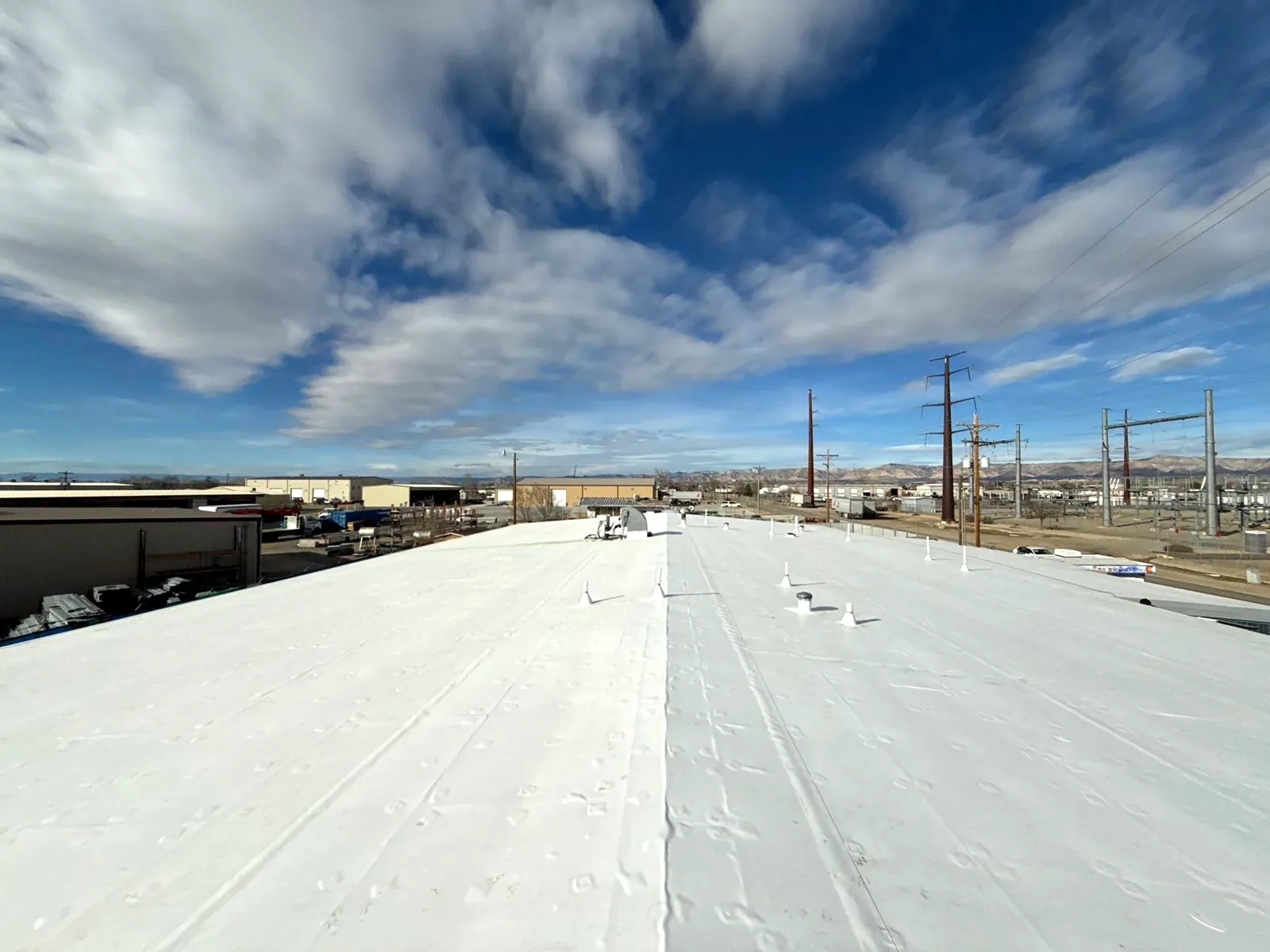
Schedule a SouthShore roof walk
Share the roof plan, leak location, repair history, equipment schedule, and access contact. We will field-mark the affected areas and outline a repair, test, or larger roof scope.
Common Questions
Does the SouthShore plan show what roof system a building has?
No. It describes a 323-acre area planned for residential, mixed-use, parks, and open space. We inspect the building to identify the roof assembly, drainage, and condition before recommending work.
Can you repair a leak in one section without replacing the whole roof?
A defined repair can work when surrounding material is stable and the repair reaches a sound boundary. We check adjacent seams, insulation, attachment, and flashing first, then document any condition that calls for broader review.
How do you separate a blocked drain from a roof failure?
We inspect the bowl, outlet, overflow path, nearby membrane, and low point. Clearing debris resolves a maintenance issue, while a failed connection or settled area may need repair or testing.
What affects work around occupied mixed-use areas?
Roof access, tenant routes, interior protection, equipment needs, delivery timing, and daily dry-in limits set the sequence. We confirm those details with the building contact before opening the roof.
What should be in a SouthShore repair closeout?
Keep the roof-plan mark, photographs, material and preparation notes, test results, and any remaining condition. We tie each item to a roof section so the next manager can find it.