
Holcim Elevate Roofing Systems in Oxnard, CA
Review the roof in the field
Holcim Elevate Roofing Systems
A roof with an older EPDM sheet and one with a heat-welded TPO membrane need different repair materials, even when the leak appears at the same curb. Its commercial offerings include UltraPly TPO, RubberGard EPDM, and related insulation and accessories. We identify the installed roof, substrate, attachment, and failure point before proposing a system. Across 430 acres at Sakioka Farms, the business park includes operating buildings for distribution, cold storage, and fruit processing. At an inspected building, we confirm delivery access, equipment, and roof service routes before setting the sequence. Our Sakioka Farms service planning connects those operating details to the work window, while the assembly condition governs the material choice.
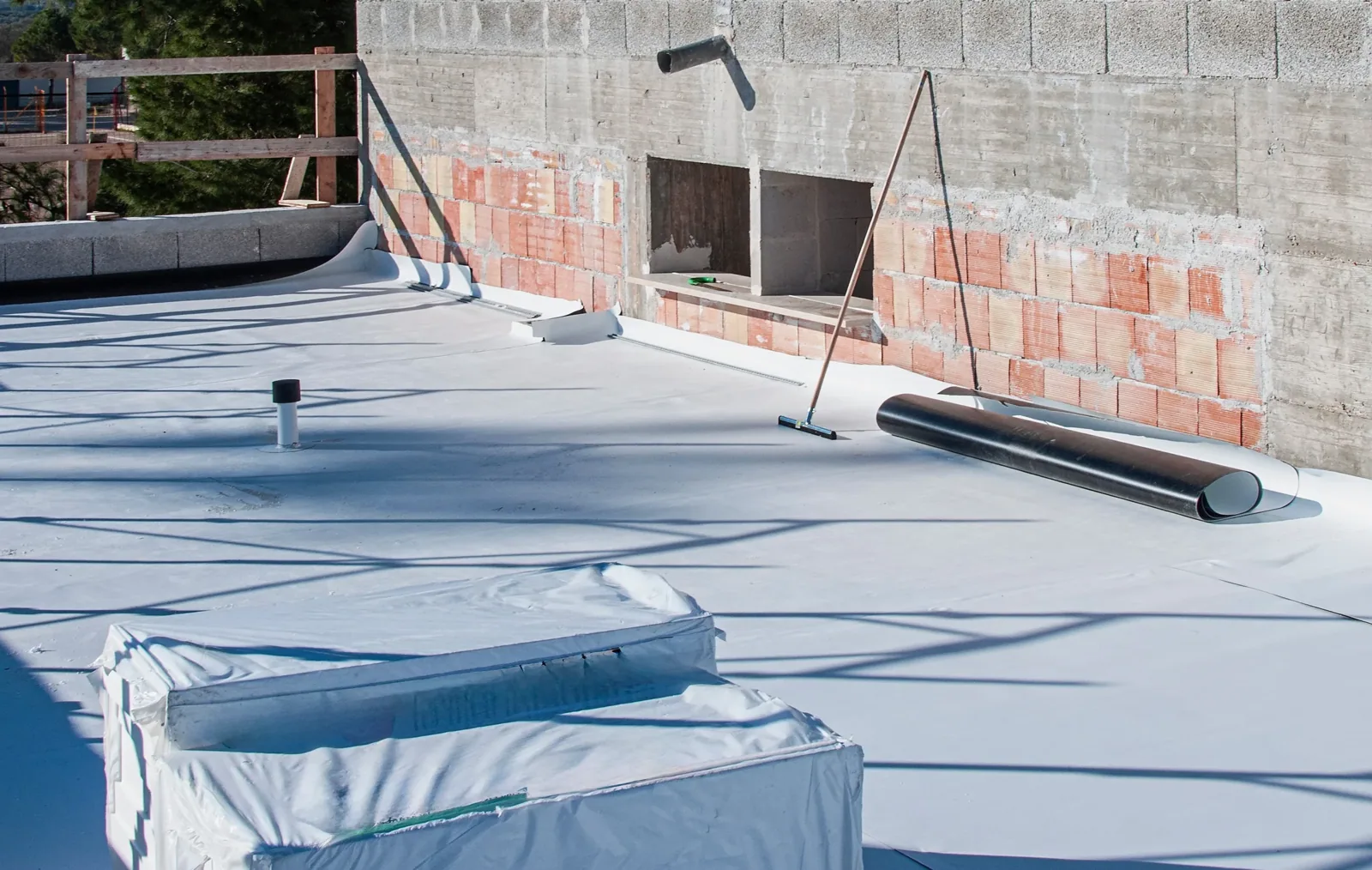
Identify the system before choosing accessories
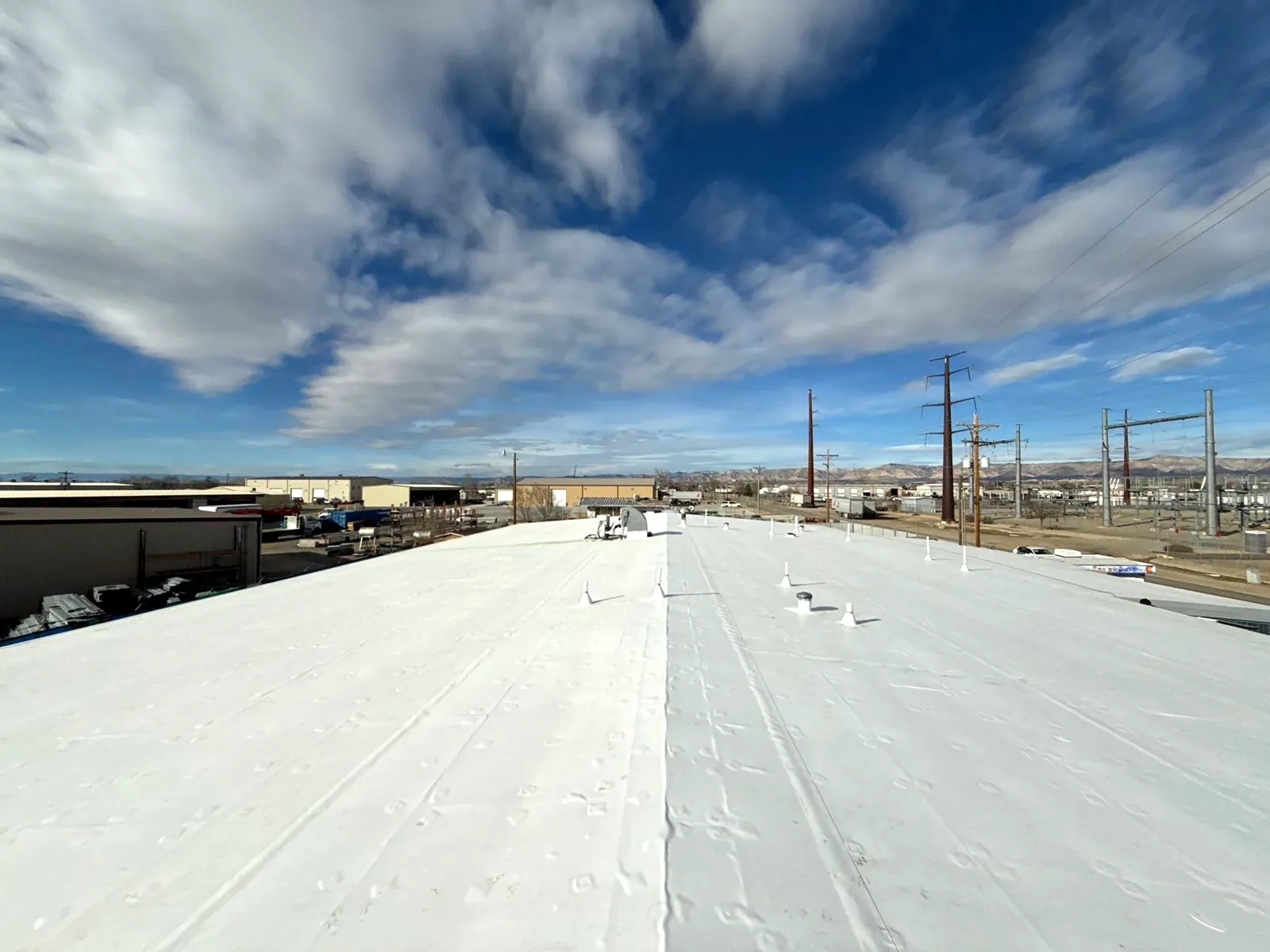
UltraPly TPO and RubberGard EPDM are different membrane families with different seams, primers, adhesives, and flashing details. ISOGARD insulation is available for assemblies where the specification calls for it. We check the project documents, existing layers, deck, attachment, drainage, and edge termination before comparing a new installation with repair or recover work.
Some membranes are offered with factory-applied adhesive backing. That can affect installation sequencing and surface preparation, but it does not remove the need to confirm substrate compatibility, alignment, temperature, and manufacturer instructions. We check that the deck and insulation are ready before placing sheet, and we maintain the specified lap and flashing details. For a conventional mechanically attached or adhered TPO assembly, attachment design, seam quality, and perimeter restraint remain central. TPO roof work and EPDM repair use different methods and should not share an assumed patch detail.
At Camino Real along U.S. 101, the adopted plan sets aside property for office and research uses, manufacturing, and limited commercial activity. At the inspected building, we verify operating hours, rooftop equipment, service routes, and loading access before setting the scope or ordering material.
Check the field sheet and perimeter
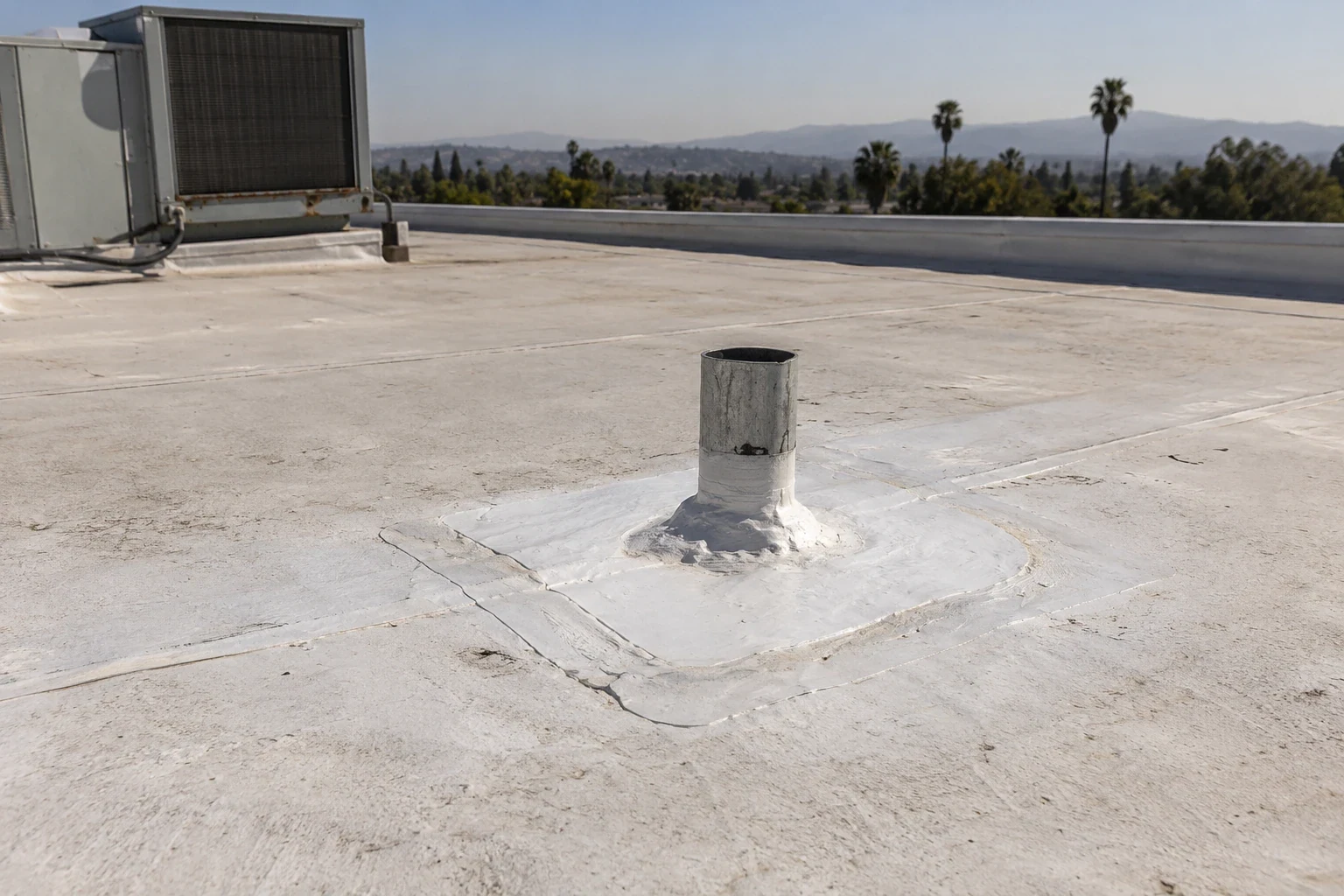
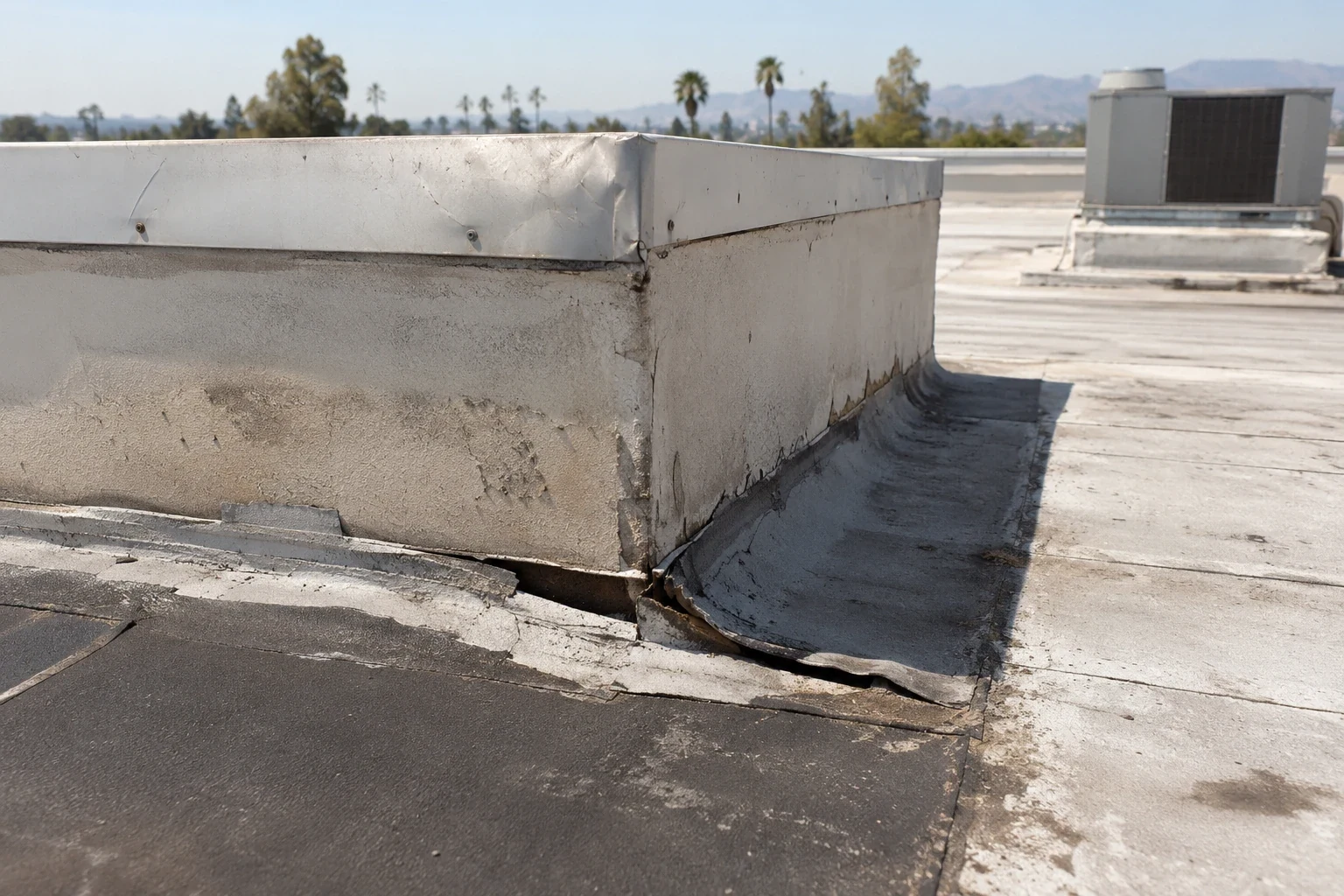
At a TPO roof, we examine heat-welded seams, patches, corners, curb flashings, and edge terminations. A seam that looks closed from standing height can still need probing or a closer check where it crosses a detail. At EPDM, we inspect lap edges, adhesive bonds, field patches, and flashing transitions using the appropriate method for that membrane. We also look at drains and low points because retained water can complicate the failure pattern. The condition report records location, material, and the next decision.
A membrane split or open lap does not explain every interior leak. Water can travel beneath sheet or insulation before it reaches the ceiling. We compare the report with nearby HVAC curbs, conduit, drains, wall terminations, and prior repair marks. If moisture may extend beyond the opening, we map the affected section before cutting. The roof inspection notes what is visible and where testing is needed, while a membrane puncture repair restores a defined defect after compatibility is confirmed.
The Oxnard weather station's August 2023 Hilary measurement was 1.77 inches, its top August total on record. That dated rainfall record can help frame questions about drains, overflows, and maintenance history. It does not diagnose a leak. We follow the roof's actual drainage route and document whether a blocked bowl, settled insulation, or failed seam contributed to the reported condition.
Repair what failed, then look for the pattern
A repair starts with a stable edge. We remove loose, contaminated, or incompatible material as needed, prepare the membrane, and use the method appropriate to TPO or EPDM. A thermoplastic seam may be heat welded when the membrane remains suitable for that work. EPDM repairs rely on compatible cleaning, primer, flashing, and patch details. We close corners and terminations as carefully as the broad field, because water often enters where one surface turns into another.
The nearby roof matters. If several seams have opened in one section, or if wet insulation continues past the first visible defect, a series of small patches may not address the cause. We field-mark the affected area, review attachment and drainage, and show the owner which repairs are isolated and which repeat. Where appropriate, moisture testing or selective openings establish the limit. The proposal separates known repairs from concealed conditions.
Trade work can compromise a repaired roof if equipment service routes cross fresh seams. We coordinate with mechanical contractors when curbs, supports, or lines need adjustment, then confirm that the completed penetration restores the flashing detail. For broader edge or drainage issues, edge-metal and coping repairs may need to be scoped with membrane work. A repeat water path at a roof-wall transition can also require flashing correction, not another field patch.
Compare a new layer with full replacement
A recover may fit when the existing roof is dry enough, secure, and compatible with the intended assembly. We confirm moisture, deck condition, existing layers, drainage, loading, edge height, and equipment clearances. Wet insulation or an unstable base has to be addressed rather than concealed. A cover board or added insulation changes the finished height, so drains, curbs, parapets, doors, and equipment transitions all need to be checked.
Replacement removes the existing system and provides a chance to correct the deck, slope, insulation, and details. It also brings more tear-off, debris movement, temporary protection, and access coordination. We compare that disruption with recover cost and the roof's remaining serviceable areas. The written scope states which system components are proposed, which alternatives are allowed, and where the specification controls. Recover assessment and a replacement scope should use the same field findings so the owner can compare them fairly.
The Local Coastal Program in Oxnard maps coastal hazards for parcels in the designated coastal zone. For a project in that mapped area, we use parcel-specific requirements in coordination with the project team. The map is not a substitute for inspecting a roof or specifying a membrane. We record actual edge corrosion, drainage, and attachment conditions on the building before adding assumptions about exposure or system life.
Document the installed assembly
Closeout should leave a record of the membrane, attachment, insulation, cover board, flashing, and repaired locations. We provide roof-plan marks and photographs that connect each detail to its place on the building. Keep the approved product data and installation requirements with those records, including any changes accepted during construction. A later inspection can then compare the same seams, drains, and equipment transitions instead of guessing which accessory was used.
Maintenance checks focus on seams or laps, edge restraint, counterflashing, penetrations, drains, and damage from service traffic. The service interval follows the building's condition and use. If another trade needs rooftop access, the roof record helps flag areas that need protection or a follow-up inspection. Photo-backed roof reports keep field findings tied to a dated location; a Sarnafil system comparison can be included when the project allows alternatives.
Send roof plans, leak locations, equipment schedules, and access limits. We will verify the assembly and prepare a scope for the building. A GAF system comparison can be added when project documents permit alternatives.
Related Roofing Work
More from Roofing Manufacturers and nearby services
Review the roof in the field
Share the roof plan, membrane records, leak locations, equipment schedule, and access constraints. We will identify the assembly and prepare a repair or replacement scope tied to verified conditions.
Common Questions
Can UltraPly TPO and RubberGard EPDM use the same repair method?
No. TPO seams are heat welded, while EPDM uses different primers, adhesives, and flashing materials. We identify the installed membrane and inspect the repair boundary before selecting compatible products.
Does a self-adhered sheet remove the need for roof preparation?
The factory adhesive changes how the sheet is placed, not whether the substrate must be ready. We check surface condition, compatibility, alignment, and the manufacturer's installation requirements before the membrane is applied.
How do you decide whether an roof can be recovered?
Moisture, deck strength, existing layer count, drainage, edge height, and project requirements shape that decision. We inspect and test the assembly as needed, then state what can remain and which conditions need correction before a new layer is added.
What should be inspected after another trade accesses the roof?
Check the path and work area for punctures, open seams, disturbed flashings, and unsecured materials. We can document those conditions and repair confirmed damage with details that match the membrane system.
Which records help price an roof repair?
A roof plan, product submittals, leak history, photos, equipment schedule, and access limits help define the work. We verify them on the roof and mark any testing needed before finalizing the repair boundary.