
Sika Sarnafil Roofing in Oxnard, CA
Plan a Sarnafil roof assessment
Sika Sarnafil Roofing
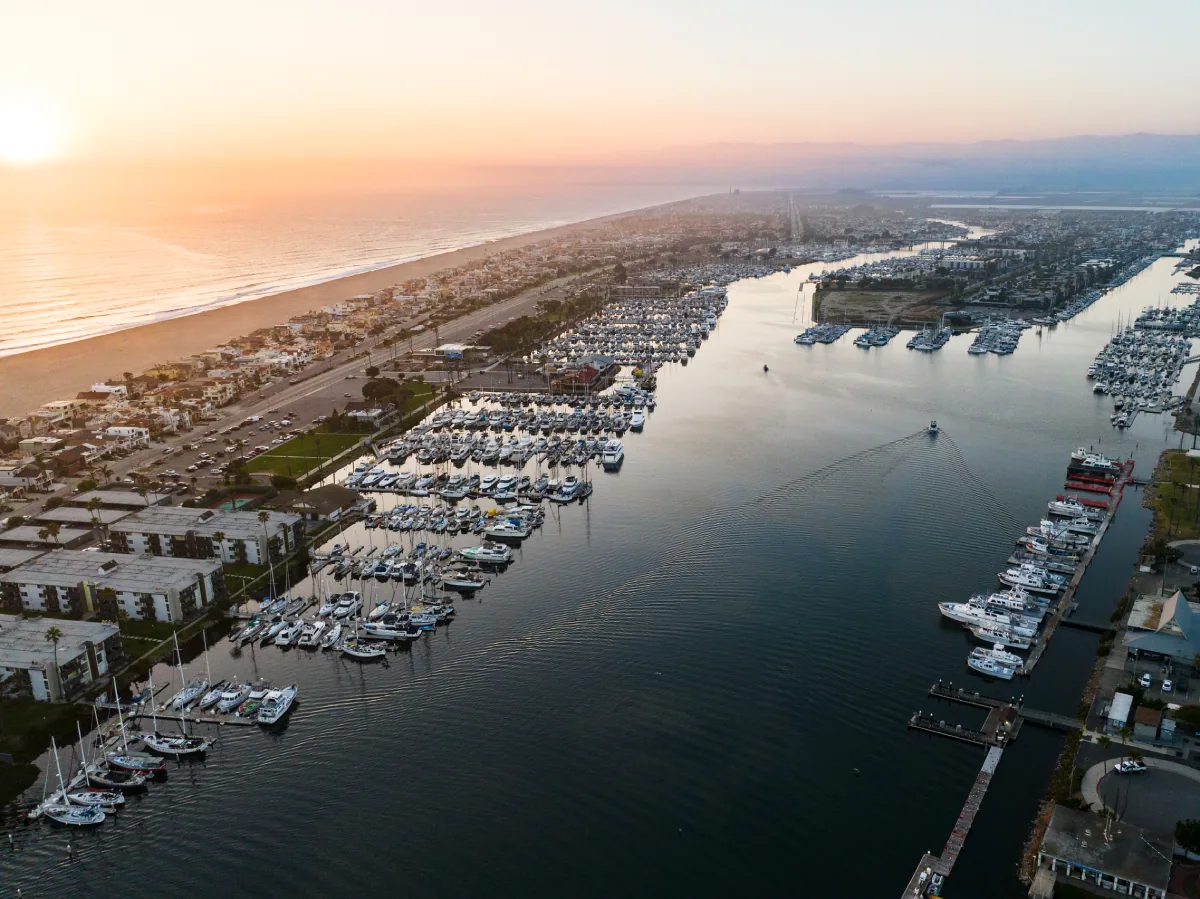
A PVC roof can look continuous across the field and still leak at a curb corner, wall turn, or drain bowl. Sika Sarnafil and Sikaplan product lines include PVC membranes designed for different commercial assemblies, with adhered and mechanically attached approaches specified for particular systems. We inspect the existing membrane, insulation, substrate, edge condition, and water path before recommending work. At the Channel Islands Harbor area, Oxnard's land-use map distinguishes harbor, recreation, visitor-serving commercial, and coastal-dependent industrial designations. Those uses make access and building operations relevant to roof planning, while the mapped coastal setting applies parcel by parcel. We check the property's actual roof and work conditions before specifying any assembly. Our Harbor-area roof service begins with that field check.
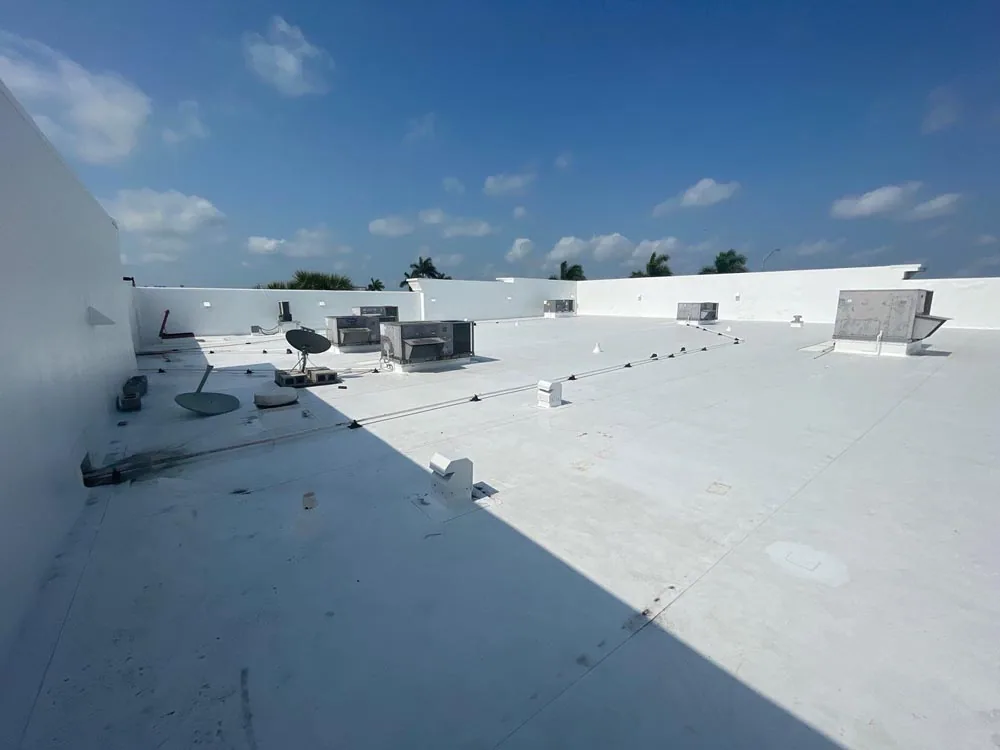
Follow the welded sheet into each detail
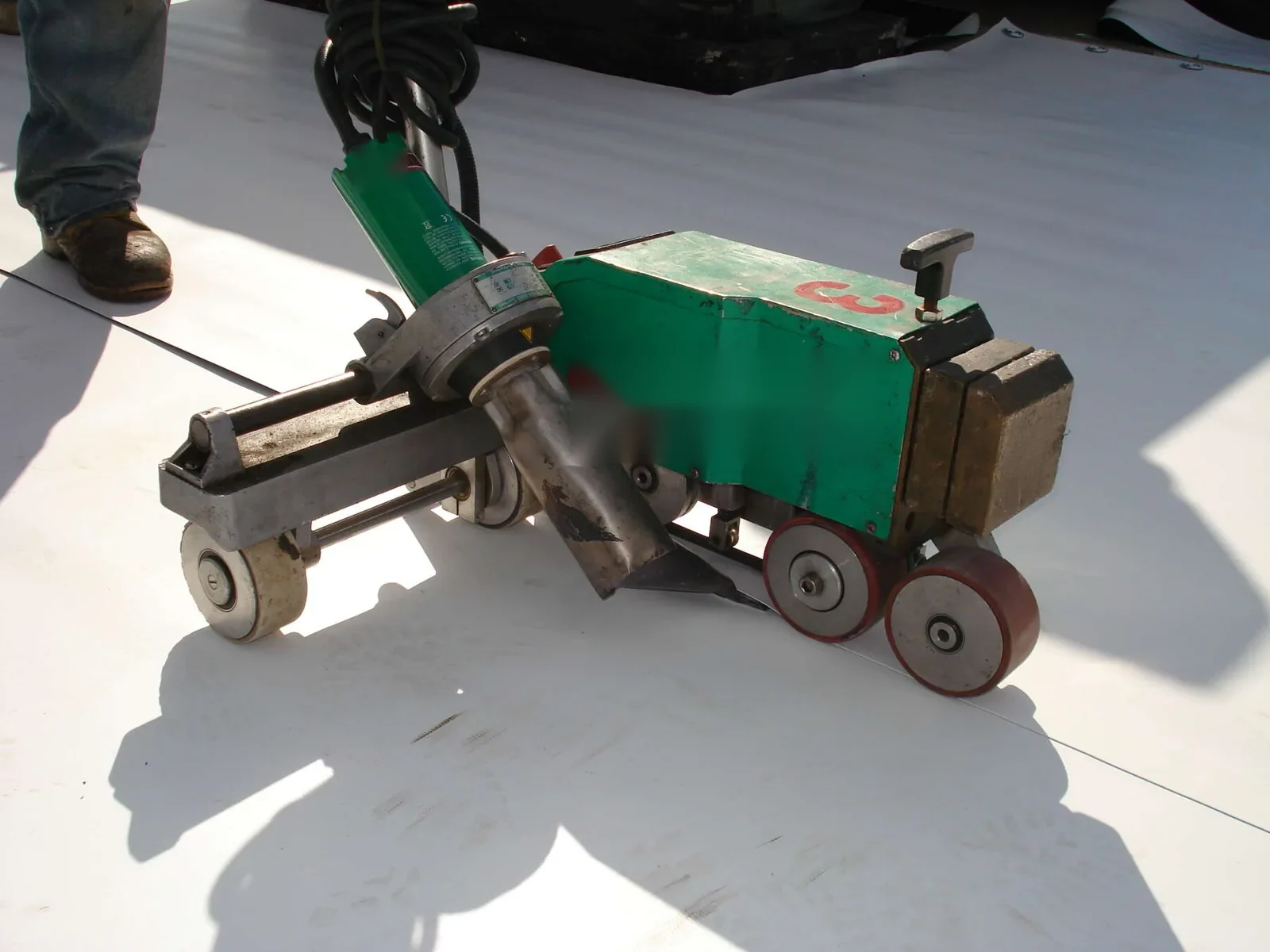
Sarnafil and Sikaplan PVC systems use heat-welded seams. The seam connects field sheets, but a complete roof also needs compatible flashing, corners, penetrations, drains, edge metal, and transitions to adjacent materials. Sika's product information distinguishes reinforced membrane types and system configurations. The approved specification controls sheet and attachment. We confirm the product designation against the roof and installation record.
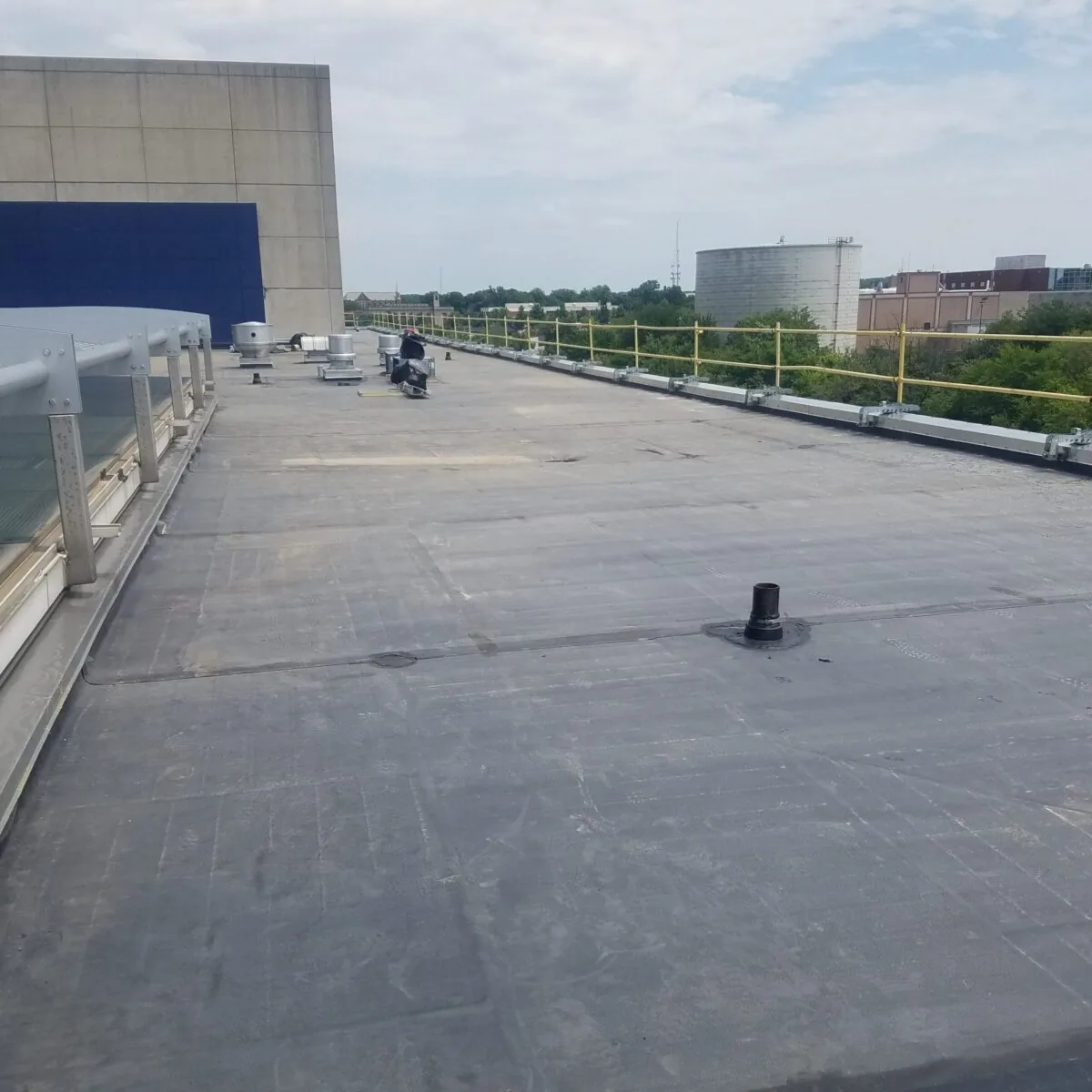
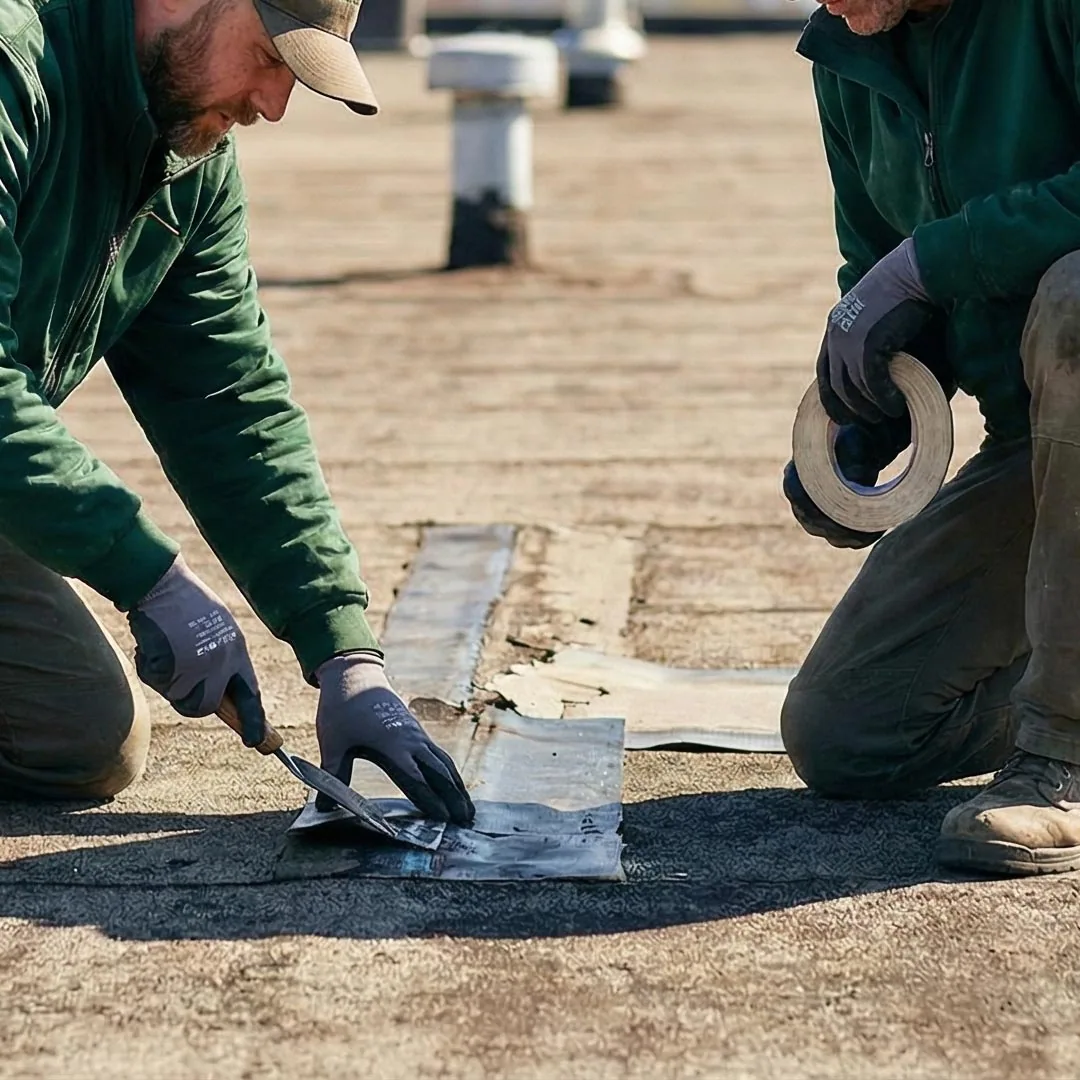
For a new system, we check deck condition, insulation, cover board, attachment, perimeter restraint, and water flow. Adhered and mechanically attached configurations place different demands on the assembly and edge details. Changes around rooftop equipment can also alter the membrane layout and service route. A PVC roof installation should account for those points before material arrives. Where a repair is required, we clean the surface, confirm the membrane remains weldable, and test the completed seam and corner detail.
Mission Oaks Business Park in Camarillo is identified in that city's General Plan as an established industrial district; the plan describes manufacturing, research and development, and agriculture-oriented business among city industrial operations. Those uses can involve active equipment and deliveries, but the property-specific roof schedule determines the access plan. We include this regional building context when planning service across the Oxnard area, then confirm each roof's own conditions rather than assigning a system based on neighborhood.
Separate a seam issue from water at a transition
A seam opening is one possible entry point, not the only one. We check the nearest laps, curb corners, wall terminations, roof drains, and penetrations before closing a reported leak. The interior mark may sit downslope from the entry, particularly where water can travel beneath a sheet or insulation. We photograph the opening and its surroundings, then mark the repair boundary on the roof plan. If moisture extends beyond it, testing can define the repair limit.
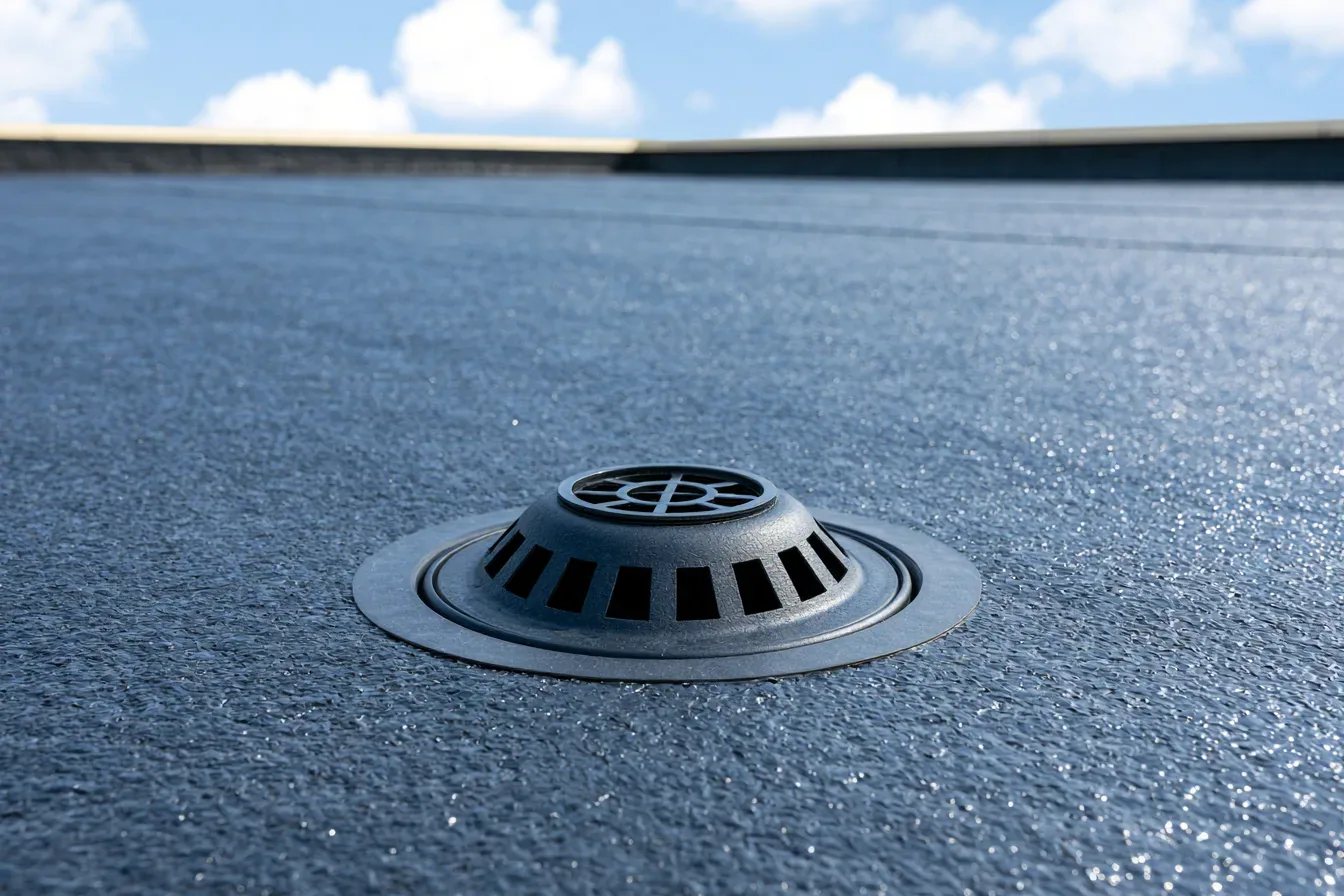
Oxnard’s weather gauge registered 1.77 inches during Hilary in August 2023, a record total for that month. On a PVC assembly, trace any reported entry across welded laps and outlets; the property’s inspected tie-in sets the repair method. At the roof, we inspect drain bowls, scuppers, overflow paths, and low points, then record any obstruction, settlement, or flashing gap relevant to the leak. The seam failure scope names the defect we can confirm. A drain and scupper inspection addresses water movement where the membrane itself may remain intact.
At a PVC roof, heat and contamination can affect a repair weld. We prepare the surface and check that a patch can tie to sound sheet. Corners and vertical flashing need careful work because the material changes direction and can be stressed by service traffic. Where a curb has movement or damaged metal, the membrane detail may need trade coordination before it is closed. The work record notes repaired details and any follow-up condition.
Set the repair or replacement boundary
A localized repair is appropriate when the membrane remains sound around a defined defect and the weld can be made to compatible material. Repeated seam failures, widespread moisture, loose attachment, or failing perimeter details call for a broader assembly review. We inspect enough of the surrounding area to understand whether the failure is isolated. If the roof has prior coatings, patches, or overlays, we identify those layers because they can affect adhesion and later removal.
A recover may be possible when the existing roof is stable and dry, the deck is sound, drainage remains adequate, and project requirements allow the added layer. Added height affects edge metal, drains, curbs, and equipment supports. Replacement may be needed where moisture or deck condition prevents a reliable cover, or where the new assembly needs a different slope or insulation design. Our recover review and replacement plan use the same roof measurements to set comparable scope limits.
The proposal identifies membrane, accessories, attachment, flashing, tear-off, and insulation. Cost reflects access, material handling, equipment movement, and work windows. If concealed conditions are likely to change the work, we state how they will be verified and approved. That keeps the owner informed before a crew exposes a larger area.
Protect service routes during membrane work
Channel Islands Harbor-area land uses include visitor-serving commercial and recreation designations as well as harbor and coastal-dependent industrial uses. These categories describe planning context, not a particular building's traffic. We confirm deliveries, tenant paths, rooftop equipment, and any restricted zone with the facility contact. The staging plan shows hoist points, tie-off routes, material storage, and the area kept clear for building service.
Each shift should end with a completed section or a secure temporary tie-in. Before tear-off, we plan debris routes and protection for openings. If another trade needs access, the schedule keeps tools and foot traffic away from fresh welds and open seams. We schedule equipment shutdowns and assign responsibility for resetting curbs or supports. Our occupied-building roof sequence coordinates these limits with the daily membrane plan.
A closeout walk checks welded seams, flashing corners, edge restraint, drains, and penetrations. We compare the installed details with approved submittals and note any field changes. If an owner plans solar or mechanical work next, we review the access path and penetration detail before another contractor reaches the membrane. Roof condition reporting can keep each finding tied to a roof-plan location for the next visit.
Keep the next inspection tied to this roof
Save the membrane identification, attachment, insulation, flashing details, product submittals, photographs, and roof-plan marks with the closeout. A later inspector can find each repair and changed detail. Maintenance checks look at seam edges, curb flashings, counterflashing, drains, edge metal, and evidence of service damage. The interval should reflect observed condition and building use rather than a generic calendar.
A specification can allow alternatives or require a named assembly. Where substitutions are permitted, we compare complete assemblies, including flashing accessories and attachment, rather than sheet alone. A GAF TPO system or Carlisle membrane system can be reviewed against the project documents when appropriate. We keep the final selection connected to the approved submittal and the actual roof conditions.
Send your roof plan, Sika submittals, leak locations, equipment schedule, and access contacts. We will verify the system, map the work boundary, and prepare a repair or replacement scope that fits the building's operation.
Related Roofing Work
More from Roofing Manufacturers and nearby services
Plan a Sarnafil roof assessment
Share the roof plan, existing Sika records, leak locations, equipment schedule, and access requirements. We will inspect the assembly and prepare a documented repair or replacement scope.
Common Questions
Can any PVC patch be welded to a Sarnafil roof?
We first identify the installed sheet, confirm the repair area is clean and weldable, and match the patch material and detail to the specified system. Similar PVC appearance is not enough to establish compatibility.
What should be checked at a Sika roof's wall or curb transition?
Look for continuous flashing, closed corners, secure termination, and a path that sheds water onto the field membrane. We also inspect the curb seal and adjacent seam, since a leak can enter at the transition rather than through the field sheet.
How do you know whether the roof needs a recover or replacement?
Moisture, deck condition, attachment, drainage, edge height, and the condition of existing layers decide the scope. We inspect and test where needed, then show which areas can remain and which conditions need correction before another assembly is installed.
Does Tropical Storm Hilary mean a roof in Oxnard needs replacement?
No. The station's August 2023 record helps frame the weather history, but replacement follows roof-specific evidence. We inspect the reported water path, seams, flashings, drainage, and insulation before recommending repair or broader work.
What access information should be ready before a roof inspection?
Provide roof access, equipment restrictions, work windows, and leak locations. We use them to plan the inspection and determine whether a lift or return visit is needed.