
Commercial Roofing in Channel Islands Beach, CA
Request a Channel Islands Beach roof review
Channel Islands Beach
A roof inspection in Channel Islands Beach starts with the parcel, the access route, and the details water can use to enter. Ventura County includes the community in its coastal planning area, with land-use guidance for unincorporated coastal communities. That planning context does not establish the exposure or condition of an individual roof. We inspect the assembly in place, mark drains and low points, then check seams, curbs, penetrations, walls, and edge metal. The report ties each finding to a roof section and states where access stopped, so the owner can review a measured repair scope rather than a guess based on a ceiling mark.
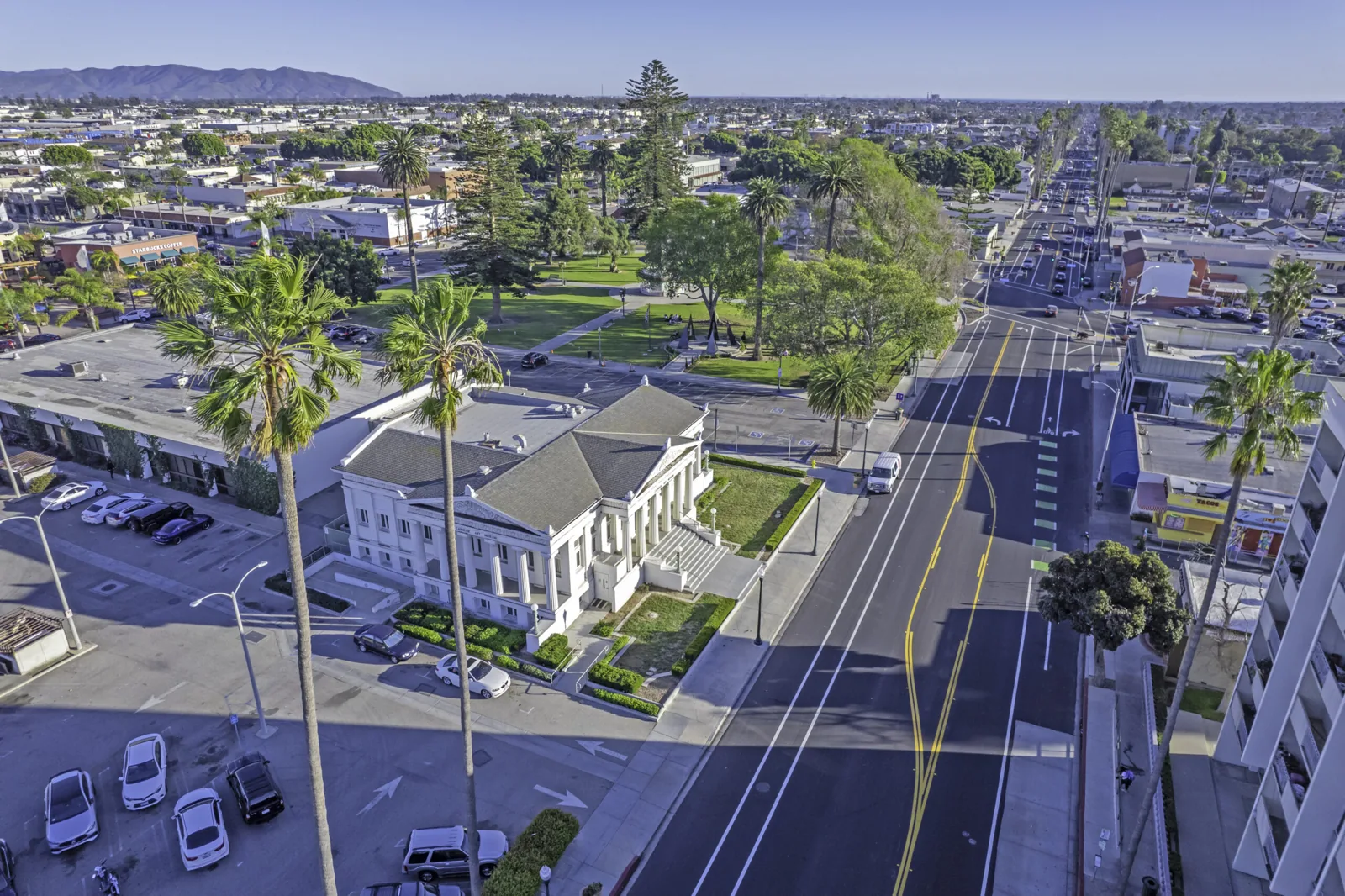
Confirm the roof route and the work window
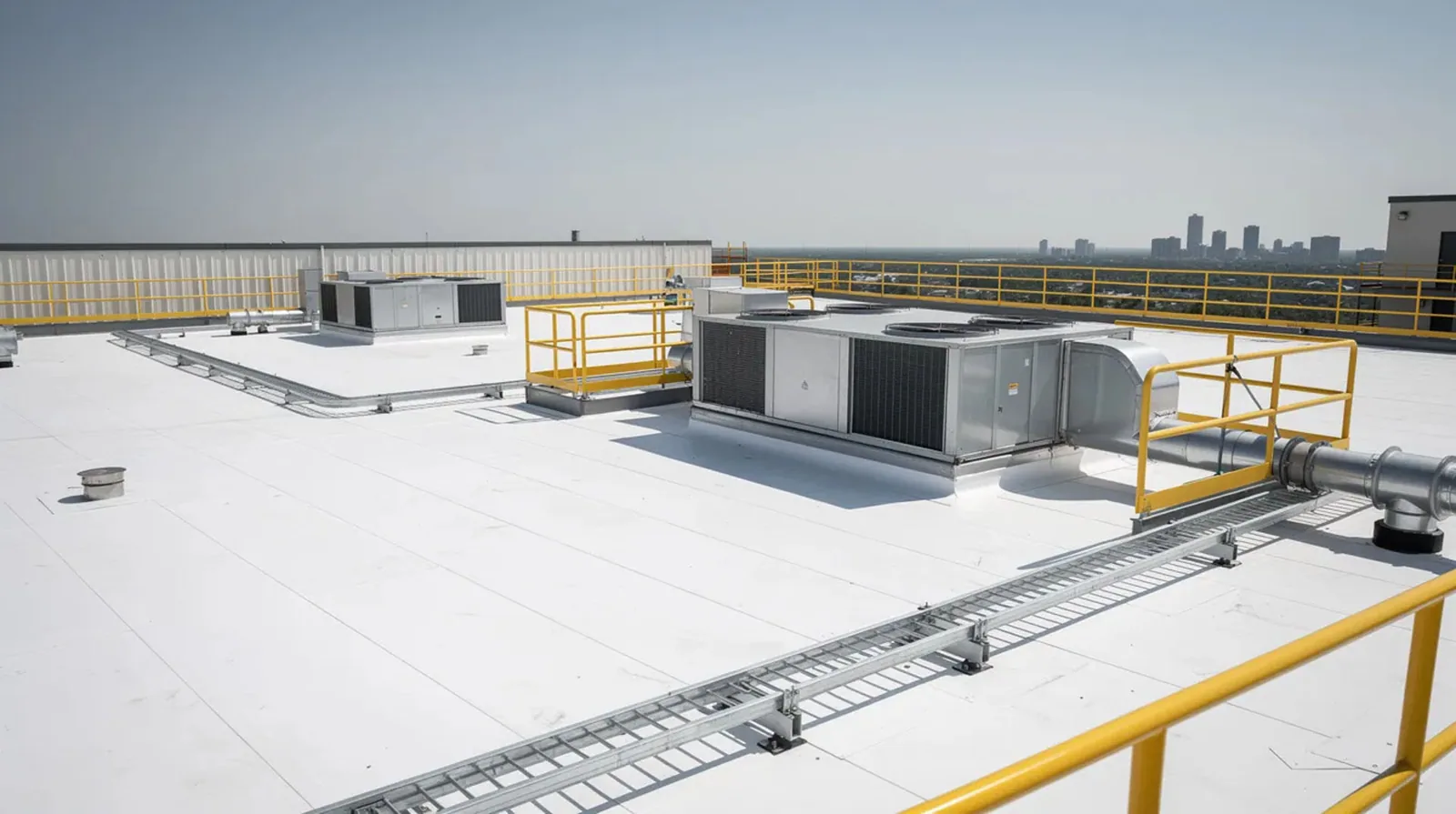
Before the walk, we confirm the property contact, hatch or ladder access, tie-off route, equipment limits, and the protection needed below. A divided roof or a locked equipment area may require another access step. We mark the sections that were reached and name any gap. The same map becomes the basis for repair quantities, staging, and the daily point at which the roof is closed.
We identify the roof system, map penetrations, curbs, seams, drains, scuppers, wall transitions, and perimeter metal, then note open laps, punctures, loose terminations, visible wear, and previous patches. Photos need both detail and location: a tight image of a cracked seal is difficult to act on without a roof-area reference. A commercial roof inspection records assembly, condition, and access limits in a form that can support a leak response or later capital review.
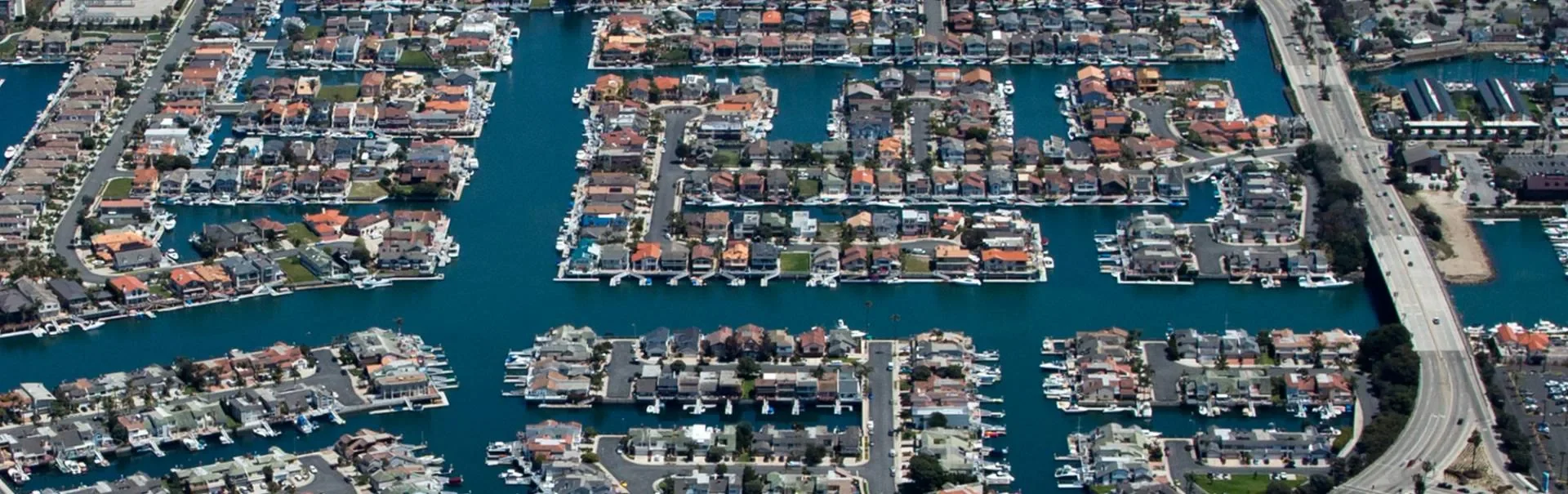
Channel Islands Beach falls within Ventura County’s coastal planning framework for unincorporated communities. The property team can confirm parcel-specific development or land-use requirements with the relevant office. We focus the roofing scope on the building’s actual system, observed condition, and authorized work area. Nearby Southshore properties receive the same field documentation while keeping separate roof maps and service histories.
Check outlets and trace the moisture line
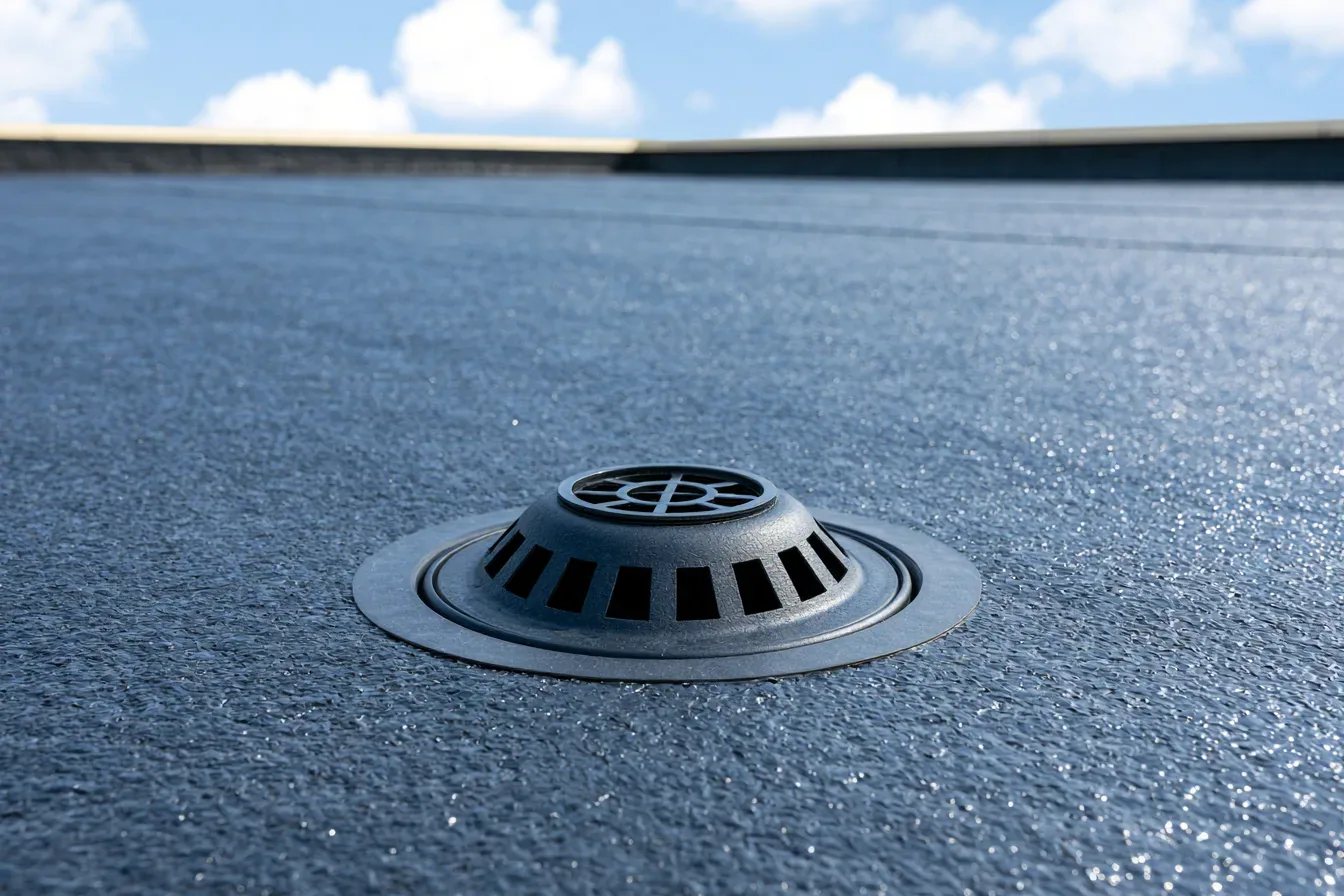
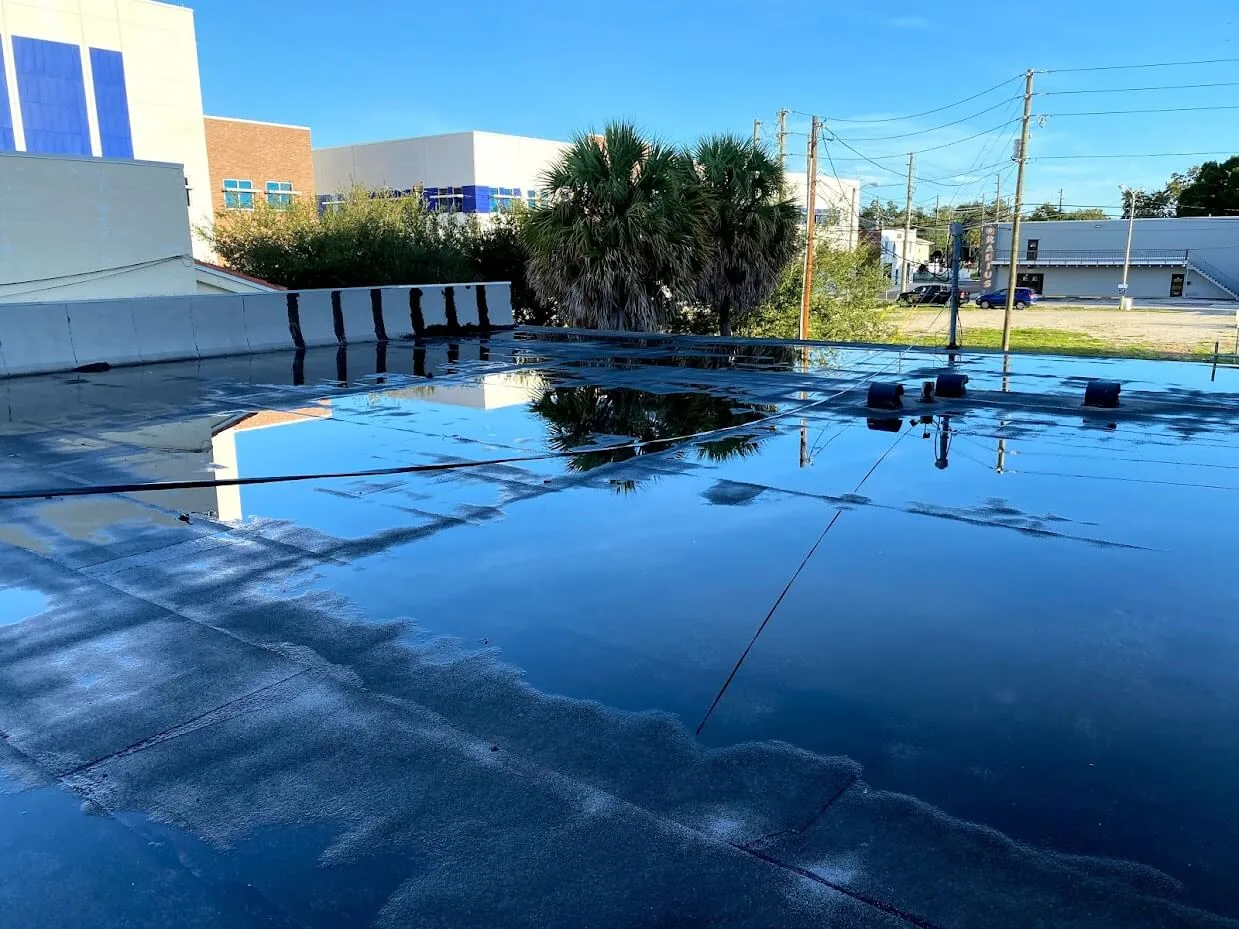
At a drain or scupper, we inspect the bowl, membrane connection, overflow path, and nearby slope. At a wall, we check counterflashing, termination, corners, and any opening where water can move behind the flashing. A leak near a roof opening may enter at the curb or follow a seam from farther away. We compare interior reports with those details and mark a test area if moisture below the surface could change the scope.
Channel Islands Beach is part of Ventura County's coastal planning area. For each property, we verify the address and governing jurisdiction before discussing planning constraints, then inspect the roof assembly, edge details, and drainage in the field. Coastal location alone does not define a membrane or establish its condition. A drain and scupper repair can correct a confirmed outlet problem; standing water away from that connection calls for a ponding-water correction based on measured slope and roof condition. A marked roof plan helps the facilities manager coordinate the work with access, tenants, and any parcel-specific review.
If the membrane surface does not reveal the moisture boundary, infrared mapping or a test opening can help locate the affected section. We state what the test would resolve, where it would occur, and how each result changes the estimate. That decision point is useful when it separates a localized detail repair from wet insulation that must be removed.
Tie the repair into stable material
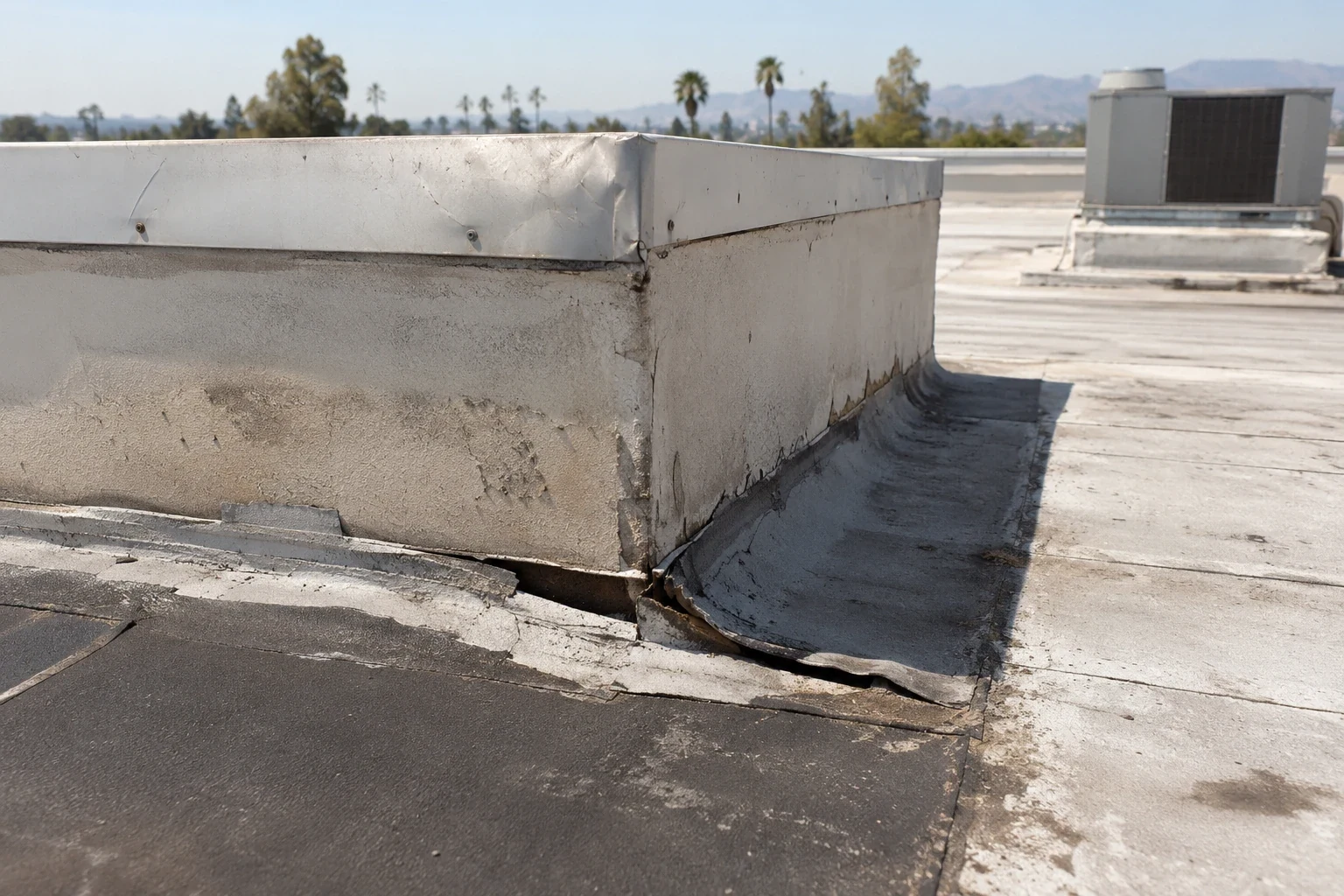
A roof repair should extend to material that can hold the tie-in. We remove failed or loose material, prepare the surface for the identified assembly, and reconnect the membrane, flashing, or metal detail. At a curb, that means checking the corner and the turn into the field sheet. At a wall, we inspect termination and counterflashing. At the perimeter, we check metal laps and attachment rather than covering a loose joint with sealant.
TPO and PVC require clean surfaces that can be welded. EPDM, modified bitumen, metal, and coated systems each need compatible materials and preparation. We identify the roof first, then inspect adjacent sections for movement, moisture, or a repeated failure pattern. A split lap may need seam repair; a failed penetration, wall, or curb transition may need flashing repair. The closeout photos show where the repair ends and identify any nearby condition not included in the work.
For active water entry, temporary protection can reduce exposure while a permanent correction is scheduled. We label it as temporary and state the work still required. The crew’s sequence includes protection below, equipment coordination, and a secure dry-in point at the end of each shift. These are scope items, not assumptions left for the property contact to discover after mobilization.
Choose a scope that matches the condition
A local repair can be effective when the defect is bounded and the surrounding material remains stable. Repeated seam failures, moisture over a wider area, loose attachment, or deck movement may require testing or a larger scope. We mark the findings on the roof plan and separate measured work from conditions that remain concealed. A commercial repair proposal identifies the system, preparation, quantities, access assumptions, protection, exclusions, and the area where work will stop.
A recover is suitable only when the existing layers are dry, attached, compatible, and workable at the drains, edges, and penetrations. Replacement exposes the substrate but adds tear-off, handling, and weather protection. We compare both paths using the same roof sections and list drains, edge metal, insulation, equipment moves, and staging separately. If a test opening may change the quantity, we state the approval point before the crew proceeds beyond confirmed work.
Coastal planning guidance is not a substitute for a roof exposure assessment. Site position and building condition matter. We inspect the property before describing the work and do not treat a planning designation as proof of damage. For an owner comparing this property with Ventura, each recommendation follows that building’s own assembly and condition.
Preserve the inspection trail
The closeout lists the roof section, system observed, repair materials, preparation, photos, tests, and remaining conditions. We keep access gaps visible and state what would complete the inspection. If a later contractor adds equipment or alters a penetration, the map gives the property team a point of comparison with previous roof work.
Maintenance returns to drains, seams, curbs, penetrations, counterflashing, edge metal, and service paths. The appropriate service interval follows the conditions recorded at the building. A photo-backed condition report can tie field marks to repair priorities, monitoring, and budget planning. When a defect remains uncertain, the report identifies the test or follow-up walk needed instead of rolling it into an undefined future item.
Send the roof plan, leak date and location, access contact, equipment schedule, and prior repair history. We will inspect the affected sections and return a repair, testing, recover, or replacement recommendation with its limits and assumptions stated.
Related Roofing Work
More from Service Areas and nearby services
Request a Channel Islands Beach roof review
Provide the roof plan, leak report, access instructions, equipment schedule, and prior repair notes. We will document the affected roof sections and return a measured scope.
Common Questions
Does the Coastal Area Plan describe the roof on a specific parcel?
No. It provides land-use and development guidance for unincorporated coastal communities. We inspect the roof system, details, and access at the property before recommending work.
Is the Hilary rainfall number a Channel Islands Beach measurement?
It was recorded at the Oxnard station during August 2023. We use it as a dated city-station fact and base the property scope on its own drainage and observed conditions.
Can an inspection identify a moisture boundary without opening the roof?
Sometimes surface and infrared findings help define a likely test area. If the boundary affects repair quantity, we explain the opening and how its result changes the scope before proceeding.
What should a repair proposal show?
It should name the affected roof sections, material, preparation, quantities, access assumptions, protection, and exclusions. We also identify concealed conditions and the point where approval is needed.
How do I compare work at two nearby properties?
Use the same roof-section fields and condition categories, but keep maps, exposure observations, and repair histories separate. We can document a site here and one in Southshore without combining their findings.