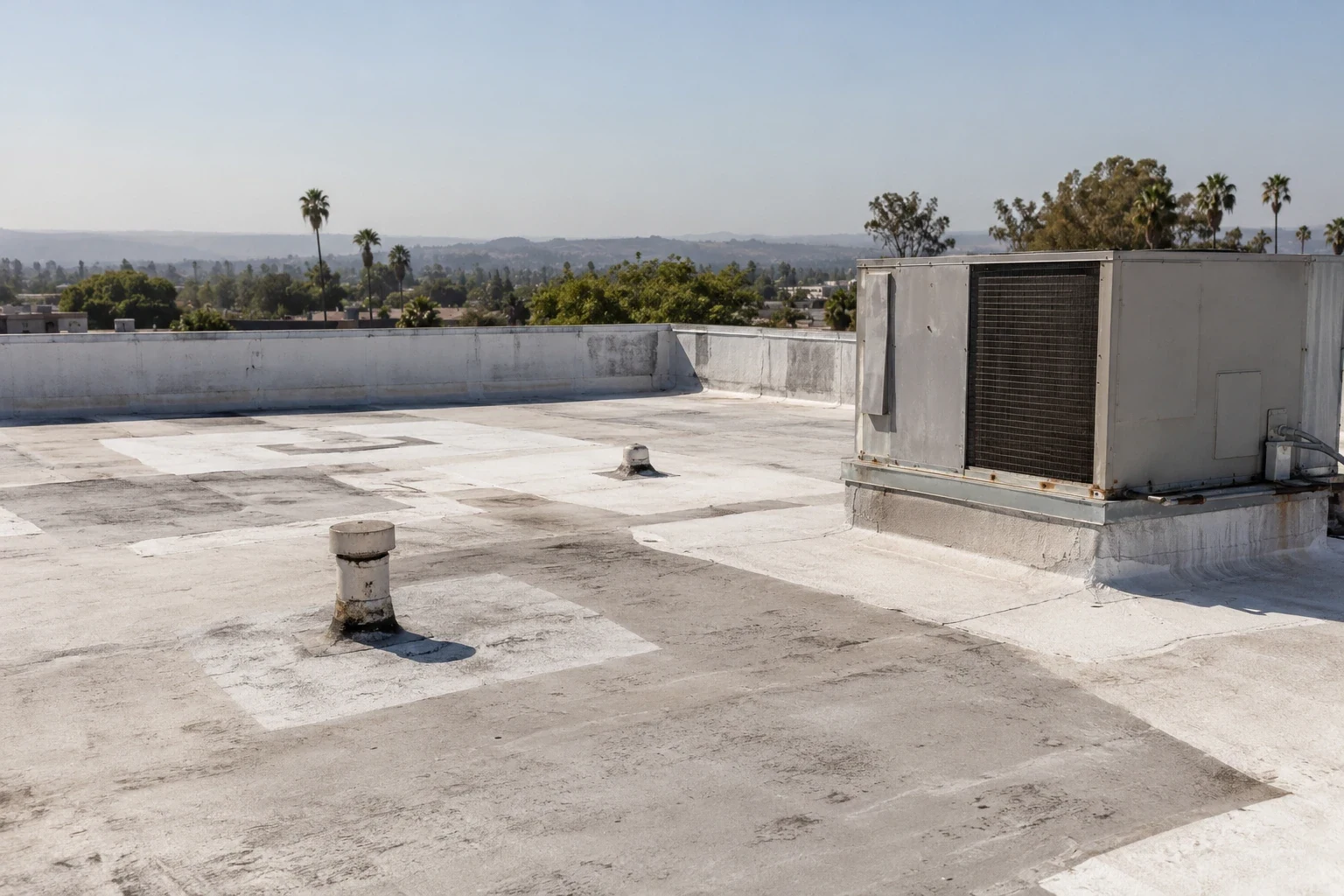
Commercial Roofing in Northwest Community, Oxnard, CA
Arrange a Northwest Community roof assessment
Northwest Community
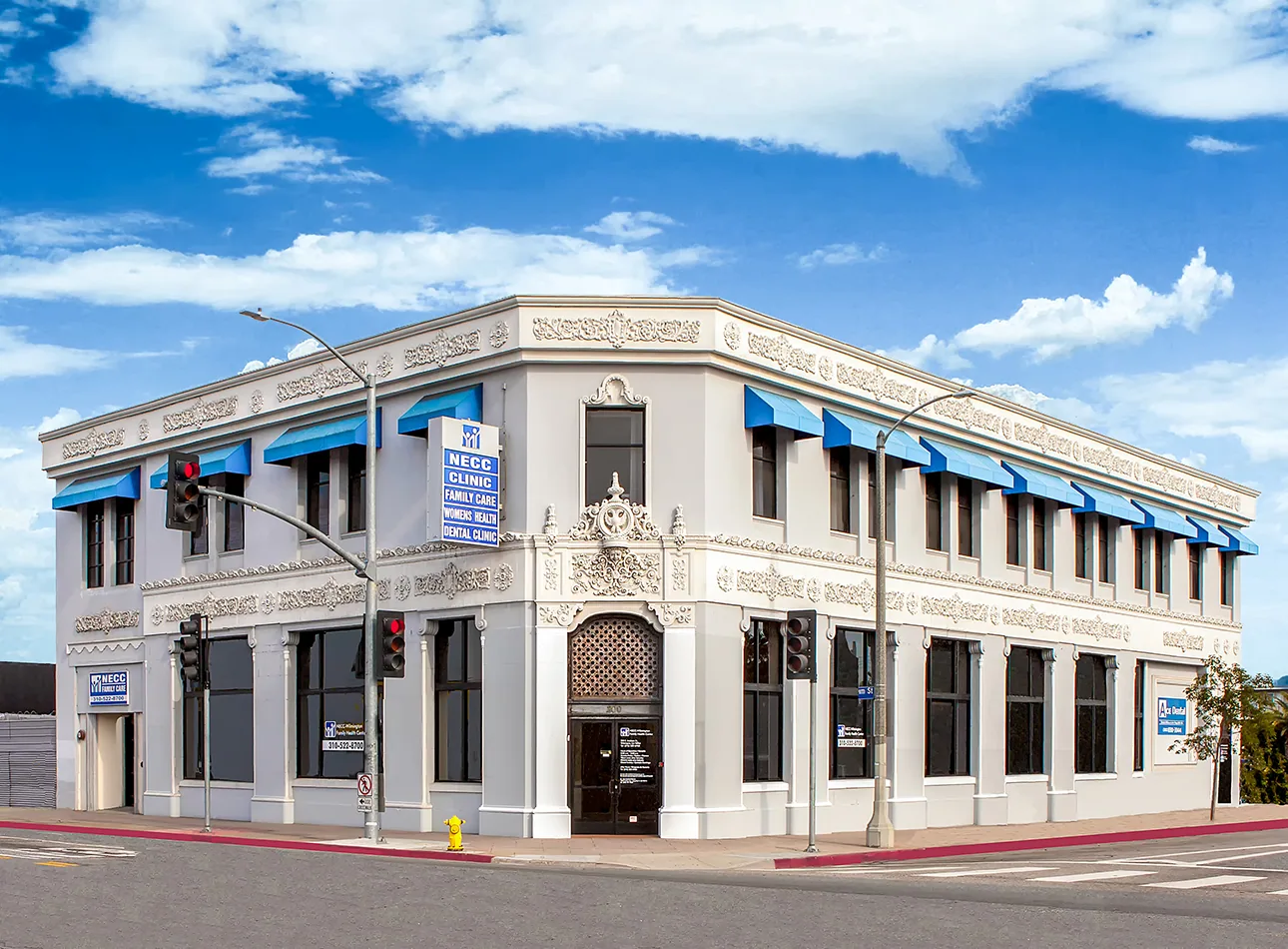
A commercial roof within Oxnard's Northwest Community needs a building-specific inspection, even when its property sits inside a larger planned area. The specific plan covers about 255 acres and combines residential and golf-course uses. It also identifies two commercial subareas, including a planned community retail and service center at Vineyard Avenue and Ventura Road. Those facts define a broad service area; they do not confirm what commercial buildings are operating or what roof assemblies they use. We check the actual property before recommending work.
On the first walk, we map roof sections and access, identify equipment and penetrations, then follow low points, drains, seams, walls, and edges. If the property is occupied, we record delivery, noise, and interior-protection needs before setting a work window. Each finding gets a field mark and photo reference, so an owner can distinguish a repair from maintenance or a test question instead of applying one conclusion to the full planning area.
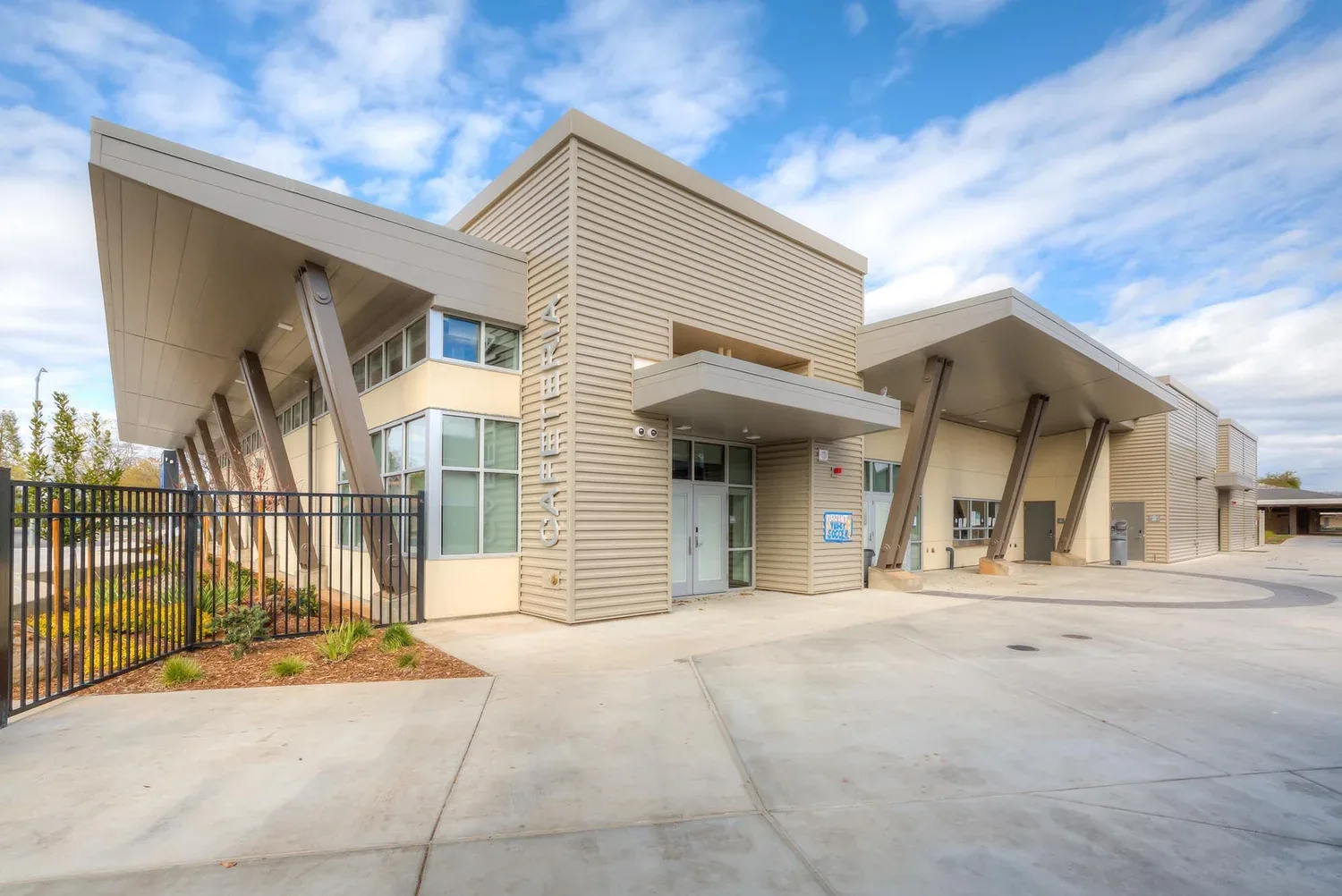
Use the plan to frame access questions
Oxnard's Northwest Community plan includes residential and golf-course uses as well as two commercial subareas. The planned retail and service center is located at the Vineyard Avenue and Ventura Road area. If a commercial property is being inspected there, we confirm the actual building, roof access, and current operating use with its manager. The plan provides useful context for questions about staging and nearby activity, but does not establish a parcel's construction or occupancy.
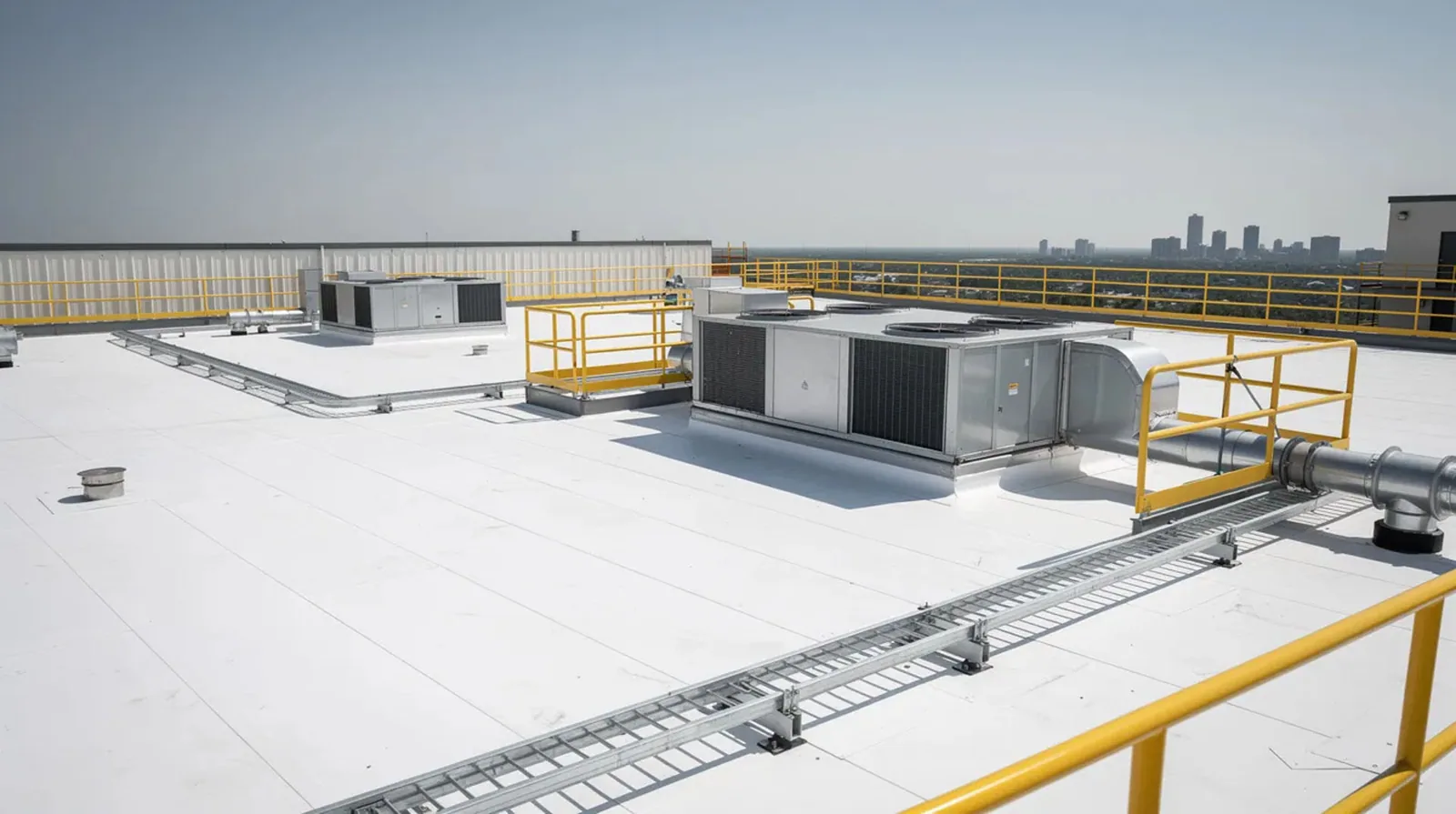
We identify the roof entrance, tie-off route, surface limits, equipment schedule, and nearby spaces that must remain accessible. A site may have several roof levels or additions, each with different drainage and transitions. We map the section breaks and note any curb, skylight, pipe, or unit that blocks an area. A commercial roof walk captures accessible conditions; a condition report can attach photos and limitations to the correct section.
The Northeast Community is a separate planned district with a broader land-use mix. A RiverPark property also sits within a multi-use specific plan. Each location calls for its own access and roof record, even when the same owner manages several buildings across Oxnard.
Trace low points and water routes
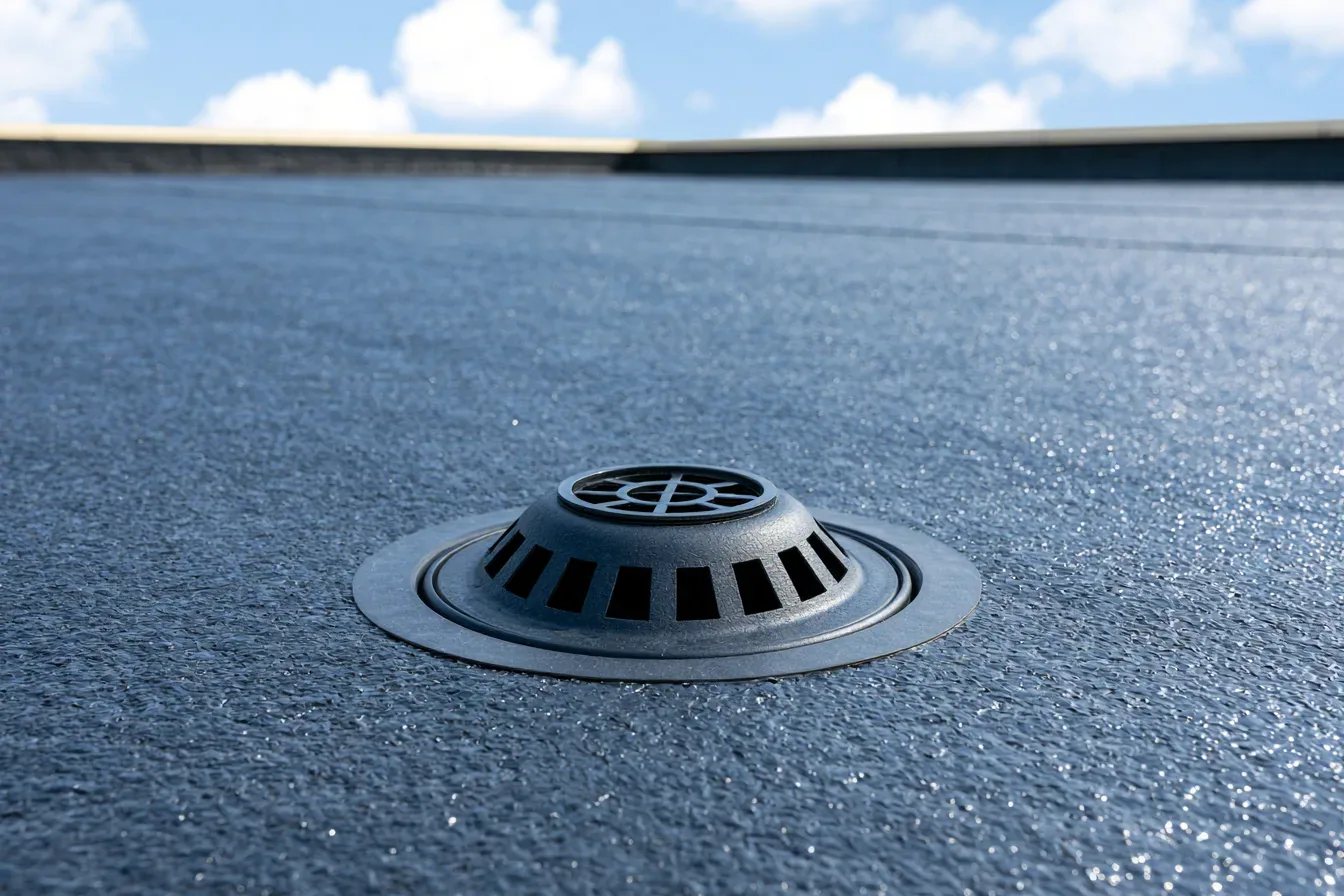
At a drain, we inspect the bowl, visible connection, membrane tie-in, and overflow route. At a scupper, we check the opening, metal, and surrounding wall flashing. A restricted outlet, a depressed area, and a split seam should not be collapsed into one ponding note. We record where water collects or leaves the roof and whether the observed condition looks like maintenance, repair, or a need for further investigation.
When an interior leak is reported, we capture the room and date, then compare that account with seams, curbs, roof-to-wall transitions, and low points above. Water can travel before showing inside. If insulation may be wet, infrared readings can help select a test area, but a test determines the condition below the membrane. A drain and scupper review documents the outlet; moisture scanning can narrow where to investigate.
Oxnard's Northwest Community plan places community-serving retail and service uses near Vineyard Avenue and Ventura Road. Roof access can intersect with customer parking, deliveries, and service entrances, so the site walk should identify public routes before staging. We inspect the roof's low points and transitions, mark the affected area, and set protection for the rooms or storefronts below.
Check where equipment and walls meet the membrane
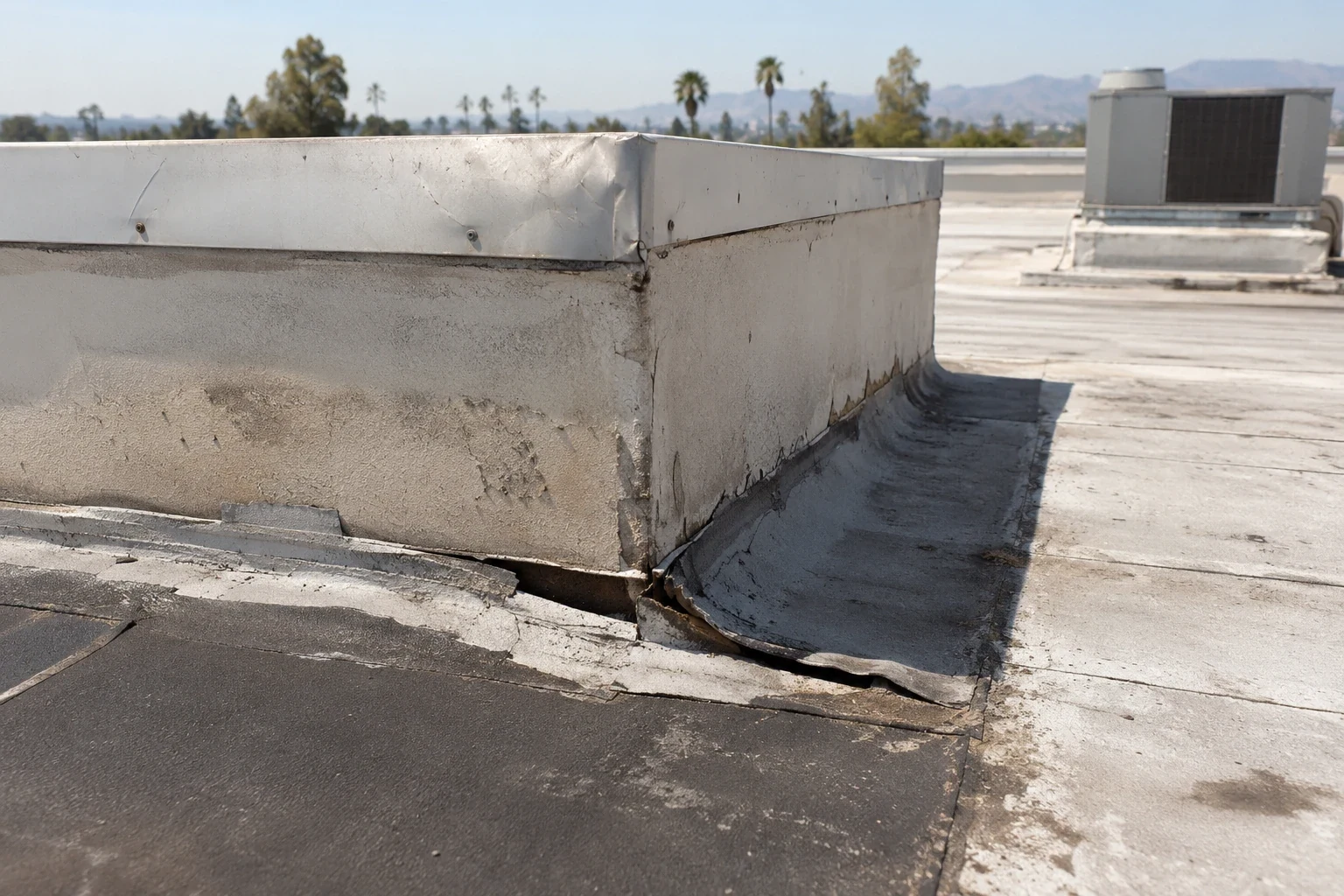
Curbs, pipes, conduits, vents, and wall transitions interrupt the roof plane. We inspect flashing corners, sealant, termination bars, fasteners, and the membrane connection for movement or an open edge. An equipment replacement may change the curb footprint or add a line through the roof. We note the interface and coordinate with the mechanical trade where a unit must be shut down or moved before a repair can reach sound material.
Along the perimeter, coping, edge metal, gutters, and terminations shed water away from the assembly. We look for open joints, loose sections, rust, lifted metal, and membrane pullback, then measure the affected length. A local repair may be adequate if adjacent material is stable; a longer run can require more removal and new metal. A perimeter inspection documents those details, while flashing repair addresses a verified wall or curb transition.
Oxnard's planning map identifies Pleasant Valley Road as a corridor and a boundary in the South Oxnard area. The site visit confirms each Northwest Community property and roof section before material selection or pricing.
Compare a patch with a larger correction
A single puncture or split seam with sound material nearby may support a localized repair. Repeated leak reports, broad moisture indications, widespread attachment problems, or multiple failed transitions can point toward testing or a larger rehabilitation. We identify the assembly where visible and describe how the proposed repair ties into it. If the deck or insulation cannot be assessed from the surface, the scope names a test and keeps uncertain quantities separate.
Cost and duration depend on access, staging, preparation, tear-off depth, replacement insulation, drains, edge metal, interior protection, and how much surface can be opened in one shift. Where residential activity or shared access affects a site, the work window can be an important schedule input. A repair scope addresses confirmed defects; a recover assessment checks whether the existing roof can accept another layer. Replacement remains an option when the assembly or underlying conditions cannot support a lasting repair.
For active water entry, our emergency line is staffed around the clock, including holidays. We protect the affected area, record the temporary measure, and identify the permanent roof correction still required. The property contact receives the safe access boundary and next inspection step before normal operations resume below.
Keep the maintenance record tied to the roof
After work, record the building, roof zone, preparation, installed material, photographs, test result, and remaining limitation. Preserve the original field mark if a test expands the repair boundary, and add the approved quantity and scope change. That history helps the next manager understand why work was done and where an unresolved item remains. Keep building-specific details separate when a portfolio includes properties in several areas.
A maintenance visit can revisit drains, seams, penetrations, and edge metal according to observed wear and service risk. The next inspection should compare the same roof sections and check whether equipment, access, or occupancy has changed. For a larger set of properties, a coordinated roof schedule can group visits while keeping each building's observations and approval distinct.
Share the roof plan, leak history, equipment schedule, access instructions, and prior repairs. We will inspect the relevant areas and return marked findings with a repair, test, or maintenance recommendation tied to the property.
Related Roofing Work
More from Service Areas and nearby services
Arrange a Northwest Community roof assessment
Send the building and roof plan, leak reports, equipment schedule, access contact, and work window. We will map the visible conditions and provide a practical next step.
Common Questions
Does the Northwest Community plan confirm a commercial center is operating?
It identifies a planned retail and service center. We confirm the current property and building with the owner before arranging access or describing its use.
What roof information can be established on the first walk?
We map accessible sections, visible assembly, drains, seams, penetrations, and edge details. Obstructed areas or concealed layers are identified for follow-up rather than assumed.
How do you handle a leak during a tenant's business hours?
We coordinate access, interior protection, noise, and the size of the roof opening with the property contact. Emergency response is available overnight and on holidays if water is active.
What if drainage appears to be the source?
We inspect the low point, outlet, overflow path, and surrounding membrane. A blocked opening may need clearing; a failed connection or damaged surface calls for repair.
Can a maintenance program cover different Oxnard service areas?
Visits can be coordinated across properties, while maps, priorities, and approvals stay specific to each roof. The interval follows observed condition and operating consequence.