
Commercial Roofing in Oak View, CA
Request an Oak View roof condition review
Oak View
A roof walk in Oak View should start with the route water takes, not with a guess based on the ceiling stain. We identify the installed roof assembly, mark low points and outlets, and follow seams, curbs, penetrations, and wall transitions around the affected area. Oak View sits within Ventura County’s Ojai Valley Area Plan framework, which covers an unincorporated area; that planning context does not tell us what membrane is on a particular property. The roof does. We record the section, access limits, and findings before writing the repair scope, so the owner can connect each recommendation to a visible condition.
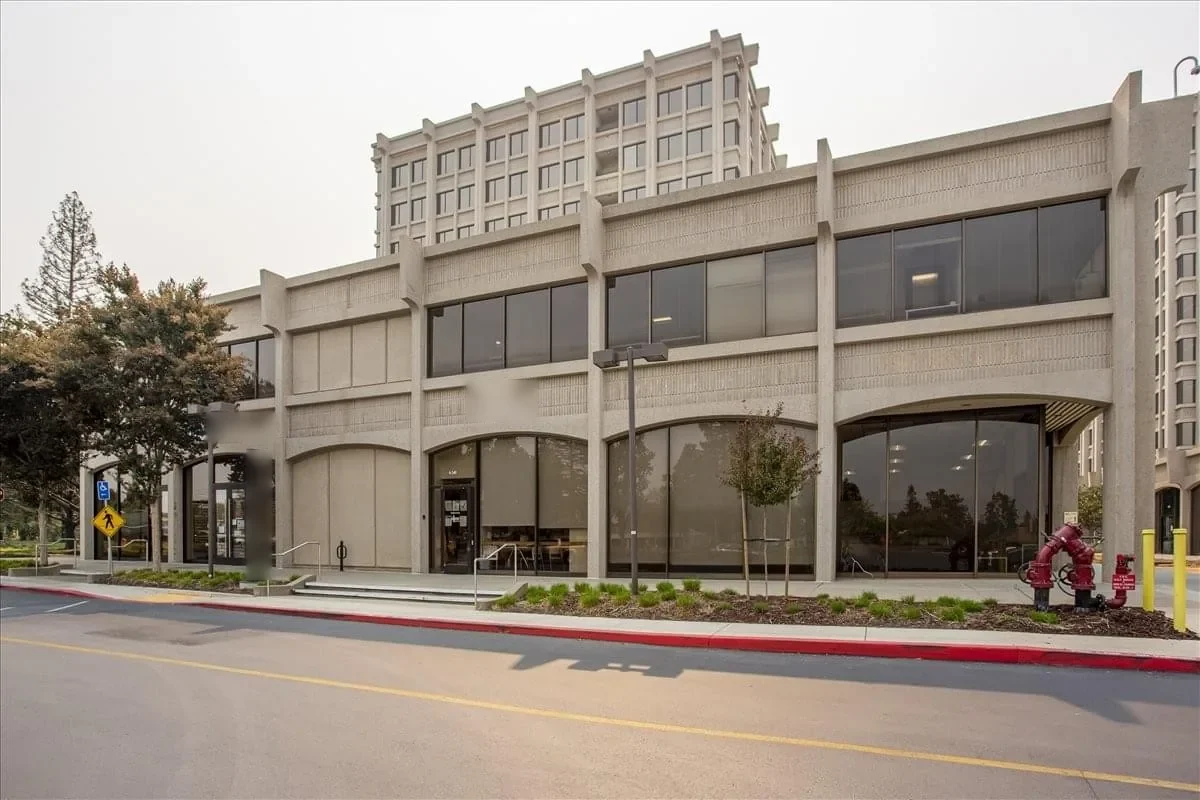
Set the walk around access and use
Before climbing, we confirm the property contact, entry route, tie-off locations, equipment restrictions, and occupied areas below. If machinery or a restricted area blocks the walk, we mark the limit and leave that section open for follow-up.
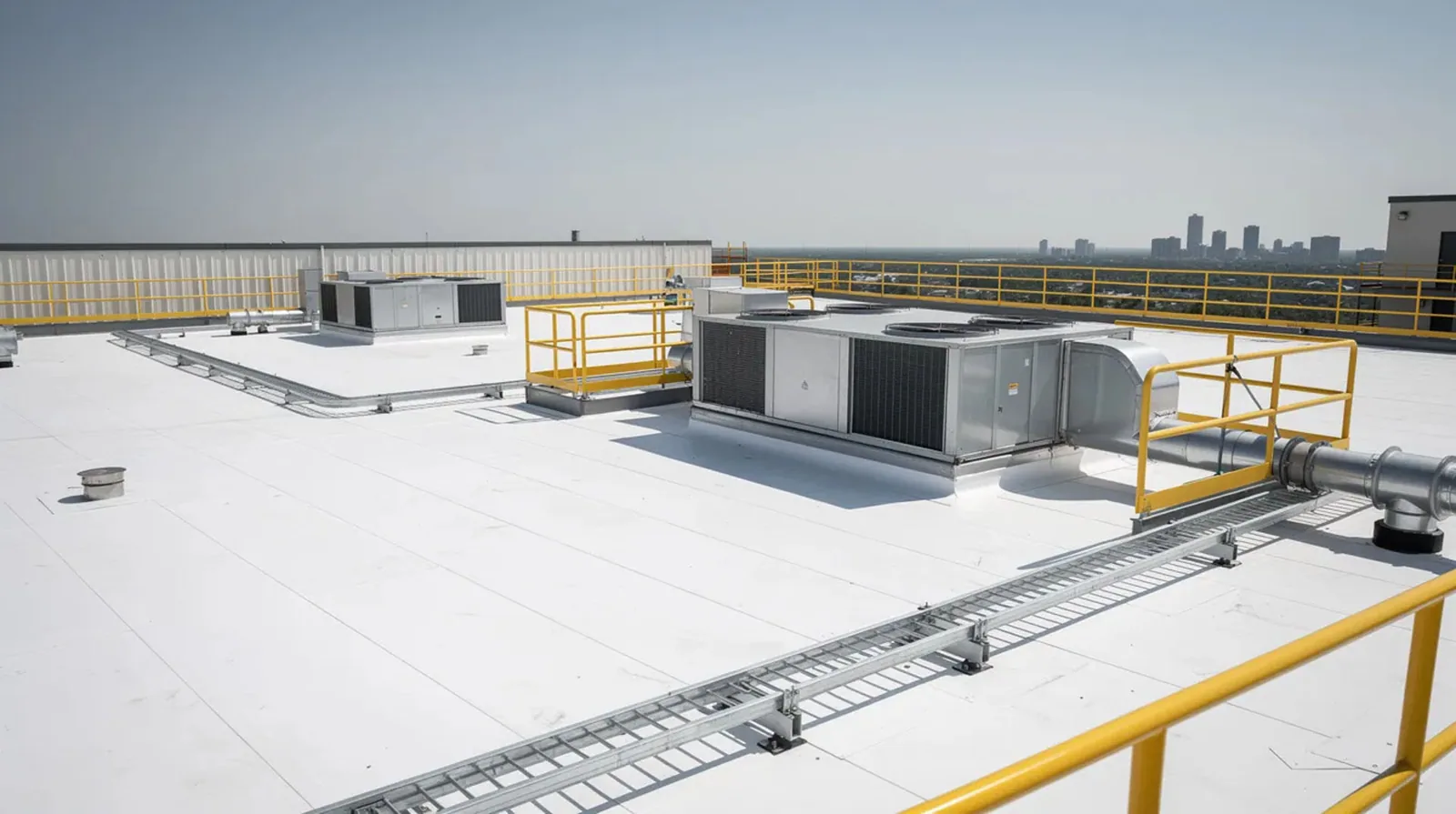
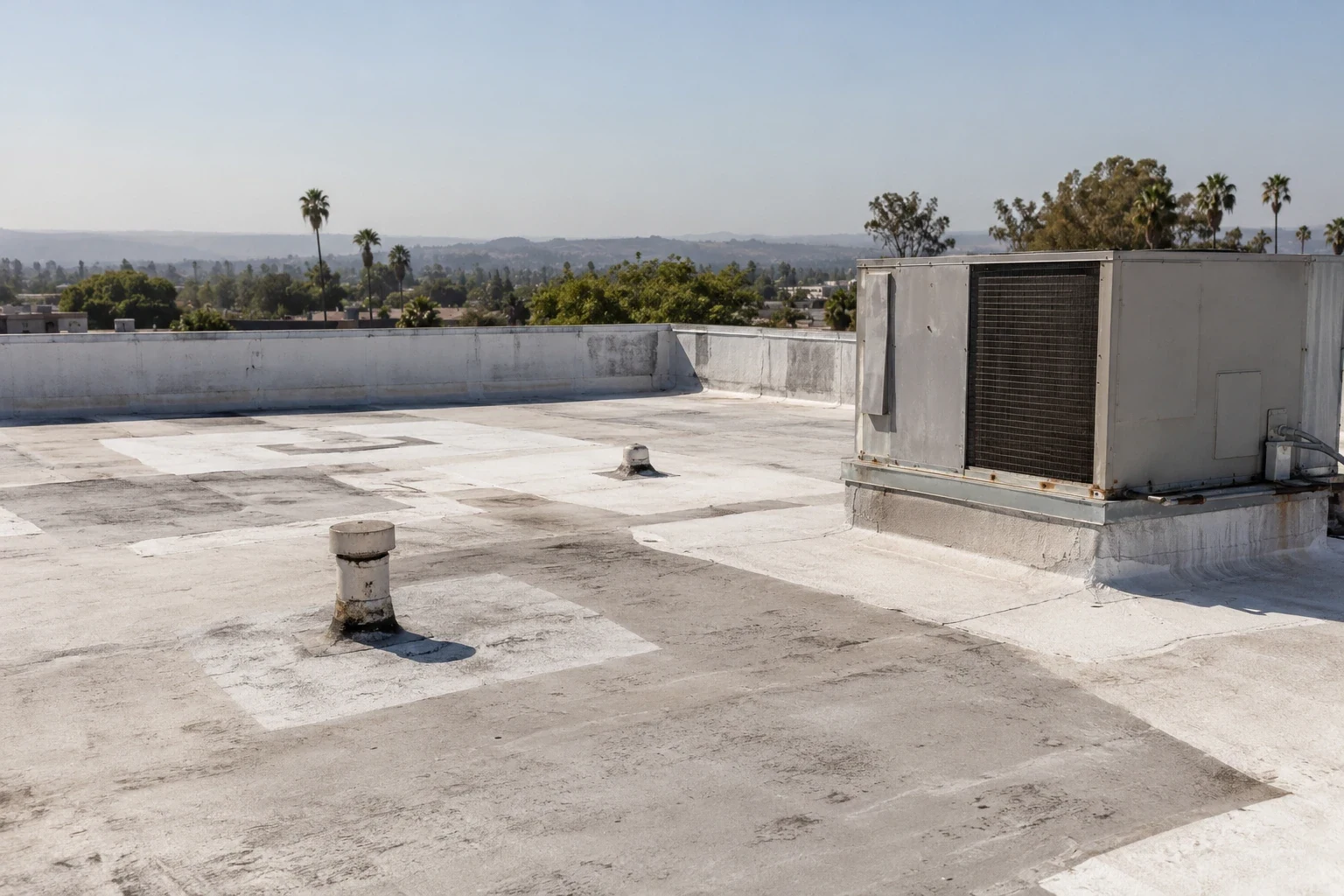
We divide the roof into sections that can be found again on a plan. At each one, we look for loose terminations, open laps, punctures, surface wear, ponding, and prior patches. A hands-on commercial roof inspection can also document details that matter to maintenance planning, including service paths, rooftop equipment, and drainage access.
For an occupied property, access windows and interior protection affect the sequence. We confirm whether a repair can be reached without moving equipment and whether the affected space needs notice or protection. Those details enter the plan when they change crew access or the time the roof will remain open.
Trace the leak from the low point
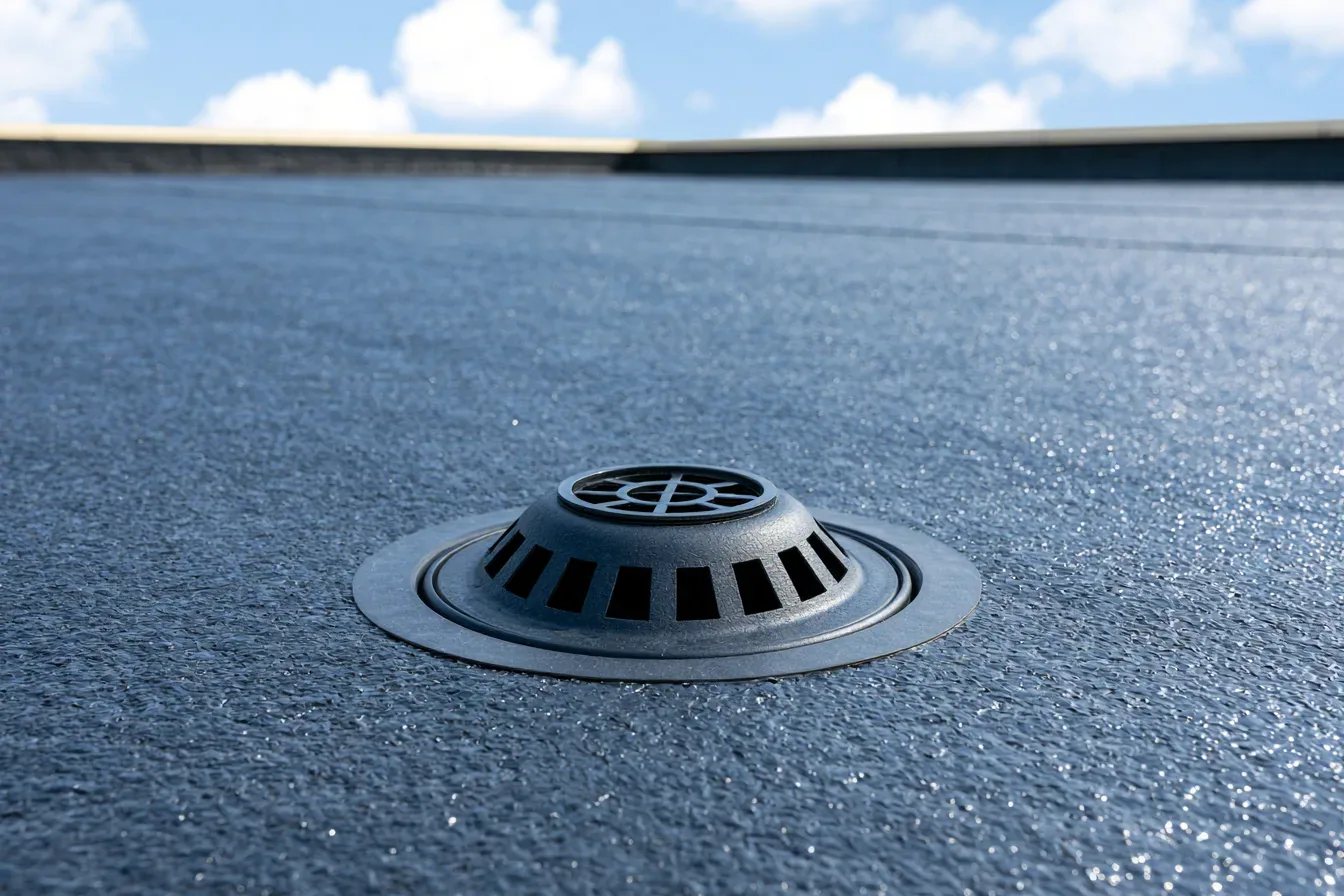
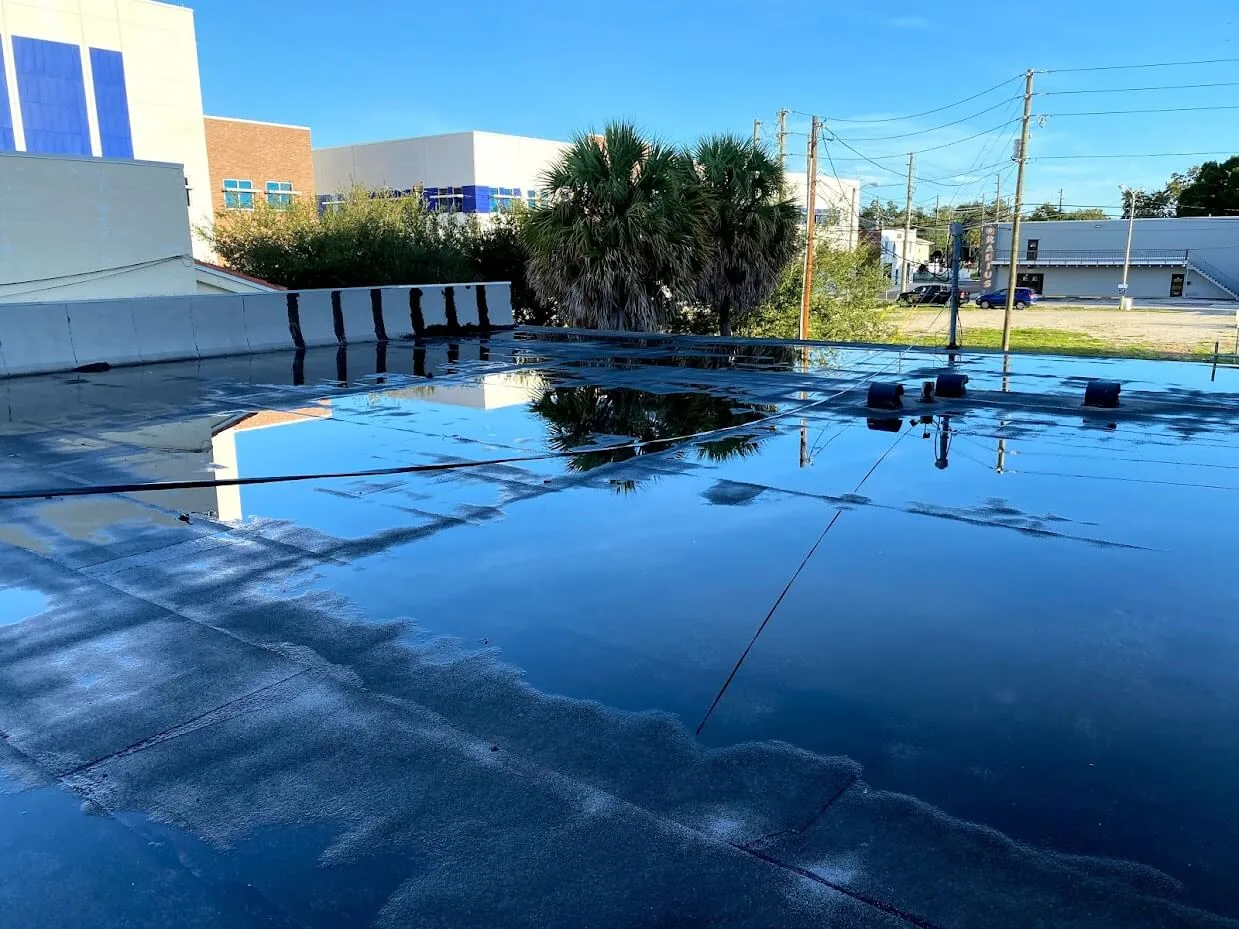
Water can enter above a ceiling mark and travel along the deck or insulation before it shows indoors. We compare the reported room and timing with drains, penetrations, seams, and wall lines above. At an outlet, we inspect the bowl, membrane connection, overflow route, and nearby slope. A blocked strainer calls for maintenance; a separated connection needs a roof repair. A depression that holds water may point to movement or wet insulation, so we record its dimensions and nearby details before deciding how far to open the roof.
The National Weather Service recorded 1.77 inches at its Oxnard station during Tropical Storm Hilary in August 2023, setting a new August monthly mark at that station. That is a dated Oxnard measurement, not a reading for Oak View. For the property here, we use the actual drainage layout and leak history to guide the inspection. When the outlet detail is the confirmed defect, drain and scupper repair can restore its connection. When the issue extends beyond the outlet, we evaluate the roof area and water route before recommending ponding-water repair.
If the visible surface does not establish how far moisture extends, we explain where a test opening or infrared survey would help. The test is useful when its result changes the material quantity or determines whether a local repair can stop at stable insulation. We keep confirmed work separate from concealed conditions, and identify how each result would affect the scope.
Repair the seam or transition that failed
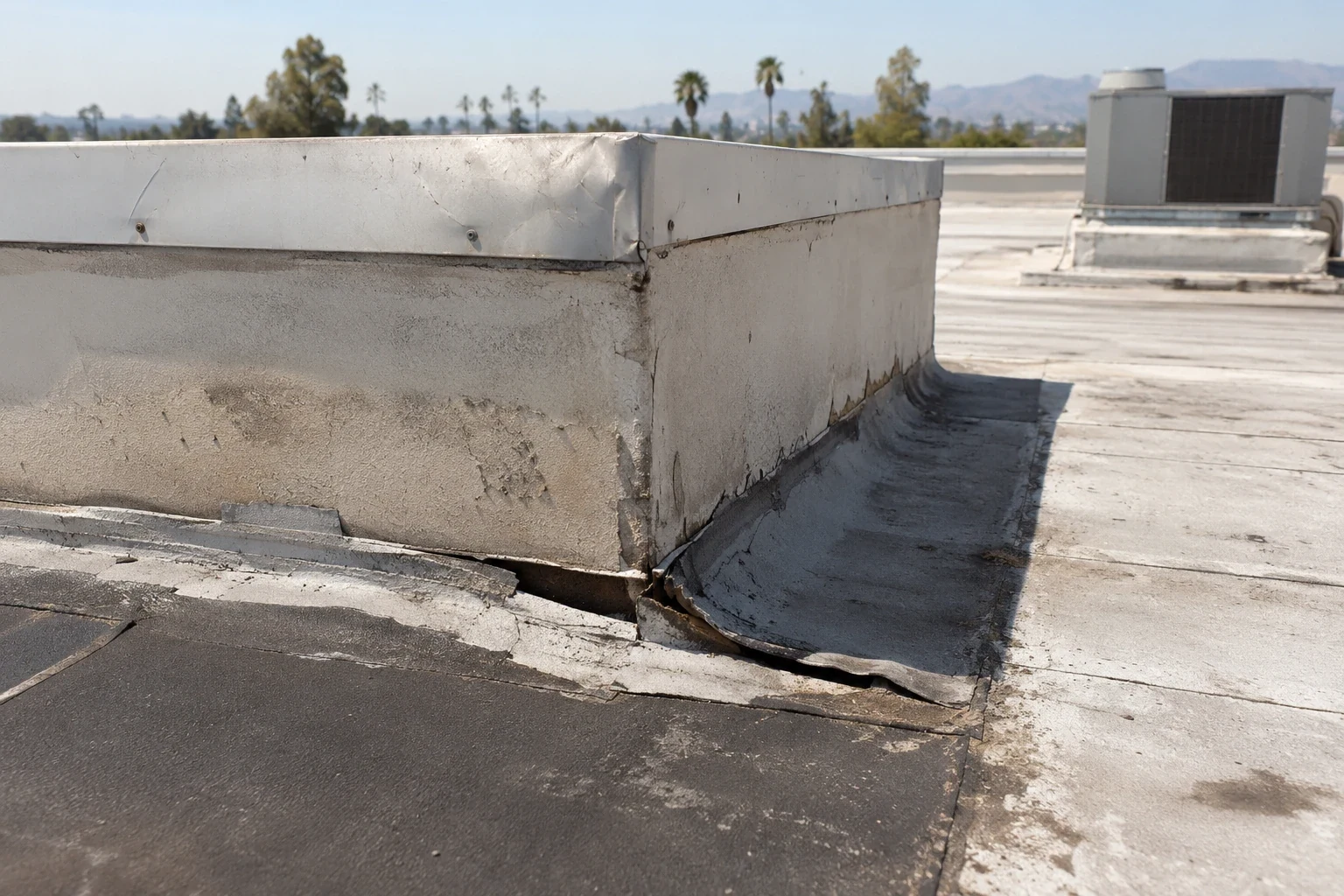
A patch needs a sound edge. We remove loose material to a stable boundary, prepare the surface for the identified roof system, and tie the repair into compatible membrane or metal. At a curb, we inspect corners, flashing height, seal, and the turn into the field sheet. At a wall, counterflashing and termination must send water back onto the roof. At the perimeter, we check coping joints and attachment instead of covering a loose edge with sealant. The closeout shows the repair location and adjacent conditions.
TPO and PVC seams need a clean, weldable surface. EPDM, modified bitumen, metal, and coated assemblies take different repair materials and preparation. We identify the installed system before choosing the method, then check nearby seams for movement or earlier repairs that may have lifted. A confirmed lap separation may need seam repair; a wall or curb path calls for flashing correction. If another trade must move equipment or conduit, we set that sequence before opening the roof detail.
An active leak may need temporary protection before permanent work can be completed. We label the temporary measure, record where it sits, and specify the permanent tie-in that remains. The work plan identifies the daily dry-in point so an occupied area is protected when the crew leaves.
Compare a bounded repair with broader work
A localized repair can make sense when the defect has a clear boundary and surrounding material remains stable. Repeated openings, broad moisture readings, loose attachment, or deck movement may change that decision. We mark the evidence on the plan and identify whether testing would establish the repair limit. A commercial roof repair scope should state the roof section, preparation, material, access assumptions, and what remains outside the work.
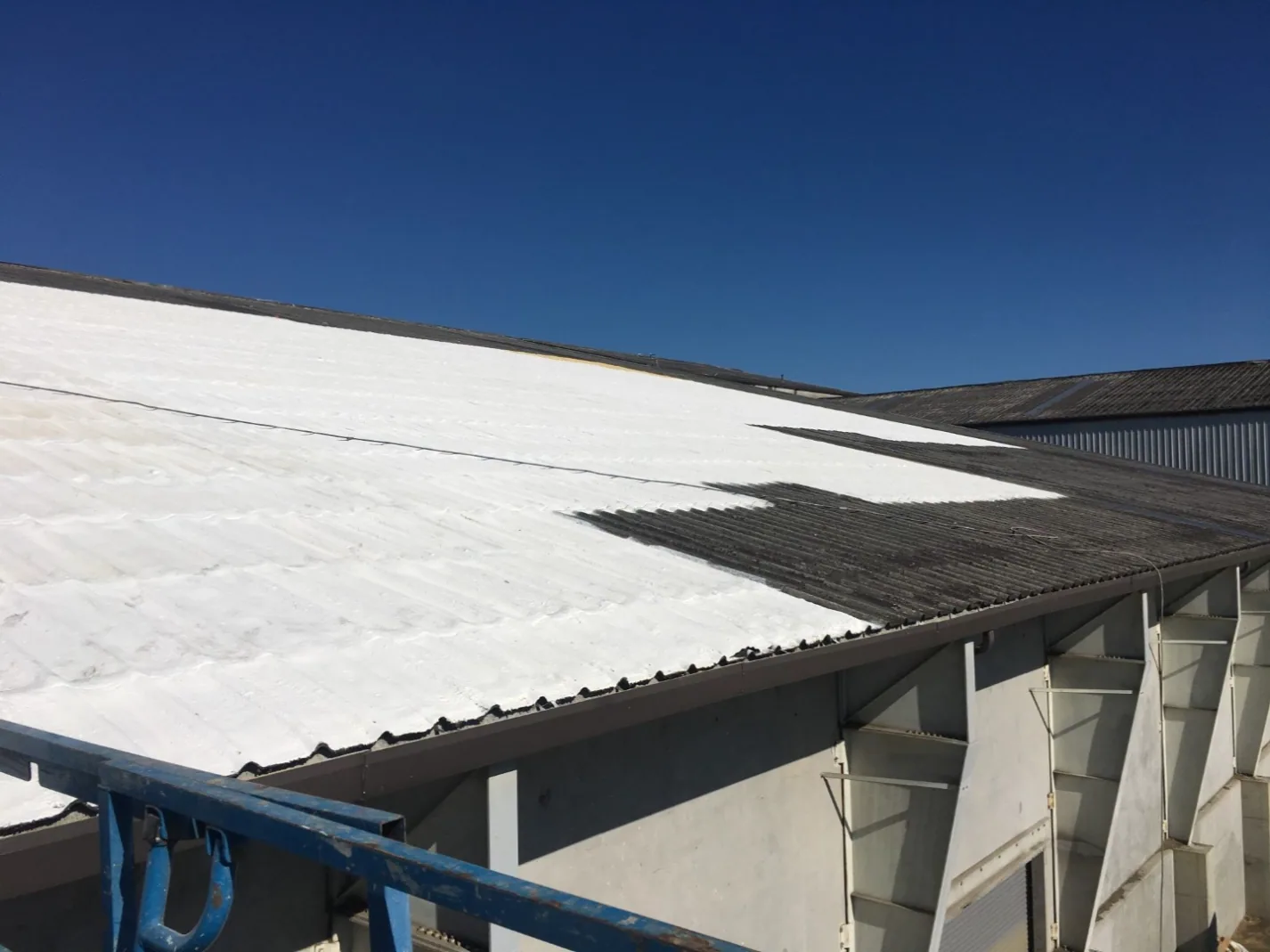
A recover keeps existing layers in place only when moisture, attachment, deck condition, drainage, added height, and project requirements support another assembly. Replacement allows access to the substrate but adds tear-off, debris handling, and temporary protection. We compare both paths using measured areas and separate line items for insulation, edge metal, drains, staging, and equipment coordination. The estimate should show what is known and what would need approval if concealed damage appears.
Ventura County lists Oak View within its Ojai Valley planning framework and includes Oak View in Port Hueneme worker-home data for the wider coastal labor shed. These regional facts give place context, not roof specifications. For a portfolio that includes Ojai and Ventura, we keep each roof record tied to its property.
Leave a useful condition record
The closeout record identifies the roof section, system observed, repair preparation, materials, photos, tests, and remaining conditions. We mark any inspection gap and note what would resolve it. If equipment is changed or another contractor crosses the roof later, the next walk can compare the new condition with the earlier field marks. A roof map is useful when each mark describes a specific observation rather than a general area of concern.
Maintenance checks revisit drains, seams, penetrations, counterflashing, edge metal, and service routes. The interval follows the roof’s observed condition and the building’s use. A written photo-backed condition report links repair priorities to their locations and can help separate immediate work from items to monitor. If the record shows a recurring leak or a moisture boundary that remains uncertain, we state the next inspection or test instead of silently carrying an unresolved item forward.
Send the roof plan, leak location and date, access contact, equipment schedule, and previous repair notes. We will inspect the affected section, trace the water route, and return a scope with clear repair limits and decision points.
Related Roofing Work
More from Service Areas and nearby services
Request an Oak View roof condition review
Share the roof plan, leak history, access details, equipment schedule, and prior repair notes. We will document the affected sections and return a field-marked recommendation.
Common Questions
Does the Ojai Valley Area Plan identify roof requirements for Oak View?
It provides long-range land-use guidance for an unincorporated area. We inspect the assembly and condition at the property, then identify any project review the owner should confirm separately.
Can a roof leak be limited to one repair area?
A bounded defect may support a local repair when the surrounding material is stable. We inspect nearby seams, moisture, attachment, and drainage before setting that limit.
What does the Oxnard rainfall record mean for Oak View?
The 1.77-inch reading came from the Oxnard station during August 2023. It is a dated market reference, while our Oak View scope follows the property’s drainage and observed roof conditions.
When would you test below the membrane?
Testing helps when the moisture boundary could change the repair quantity or the choice between repair and replacement. We identify the test area and decision it is meant to settle.
What belongs in a commercial roof closeout?
A useful record ties photos, materials, repair limits, and remaining conditions to roof sections. We also note access gaps and follow-up so the next inspection has a clear starting point.