
Commercial Roofing in Simi Valley, CA
Request a Simi Valley roof condition review
Simi Valley
Loading access and roof-hatch routes are part of the first work plan for a commercial property in Simi Valley. Ventura County includes the city in its incorporated-city and regional planning context, and county materials coordinate infrastructure policies across Oxnard, Ventura, and inland cities. That planning network helps a property team confirm which local review applies; it does not identify the roof system or the building's condition. We walk the roof plan, mark seams, penetrations, drains, edges, and equipment routes, then connect each finding to an actual repair decision. A Moorpark roof assessment uses its own building and planning records, even when a manager maintains properties in both cities.
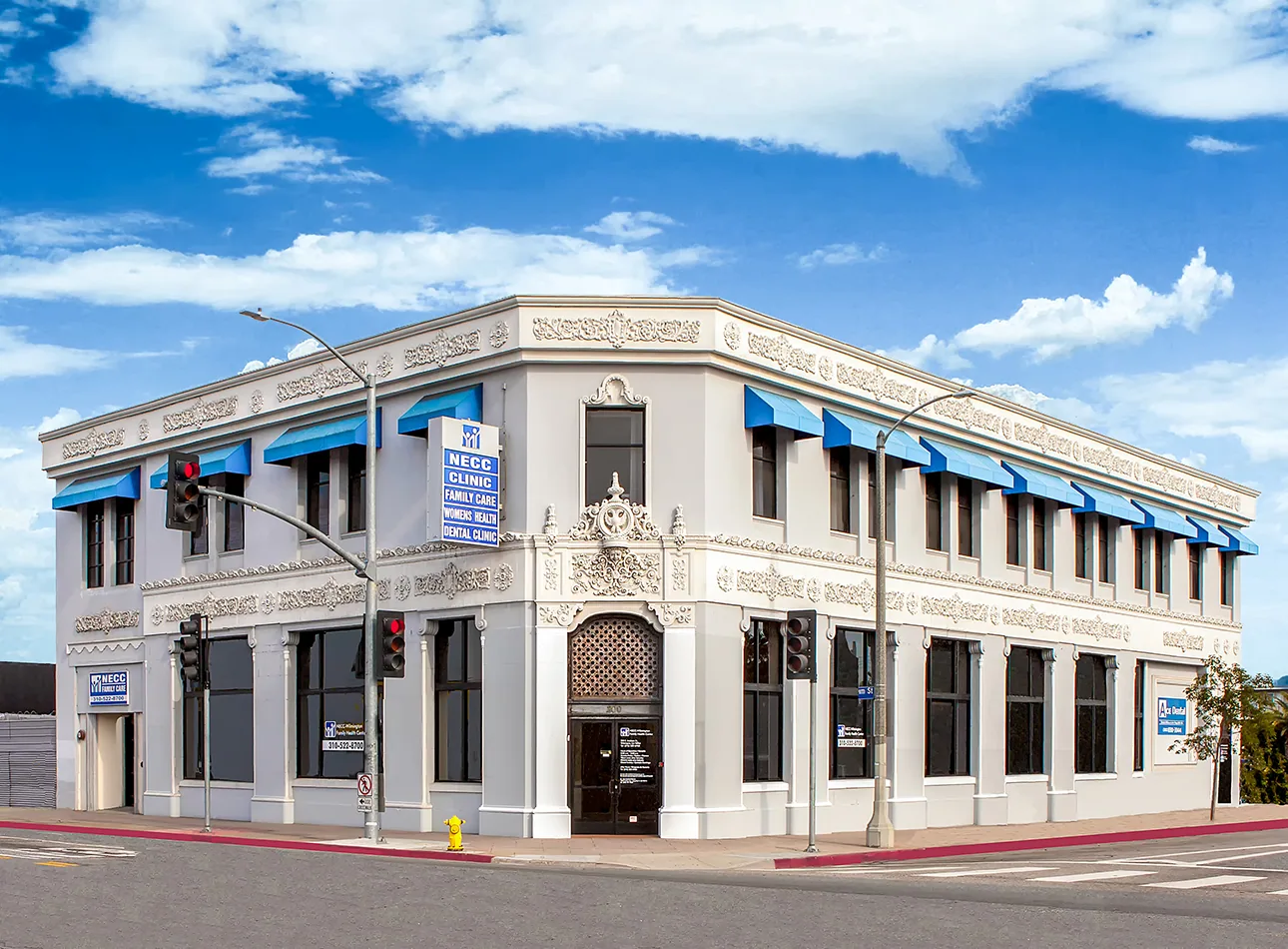
Set the roof walk around the work below
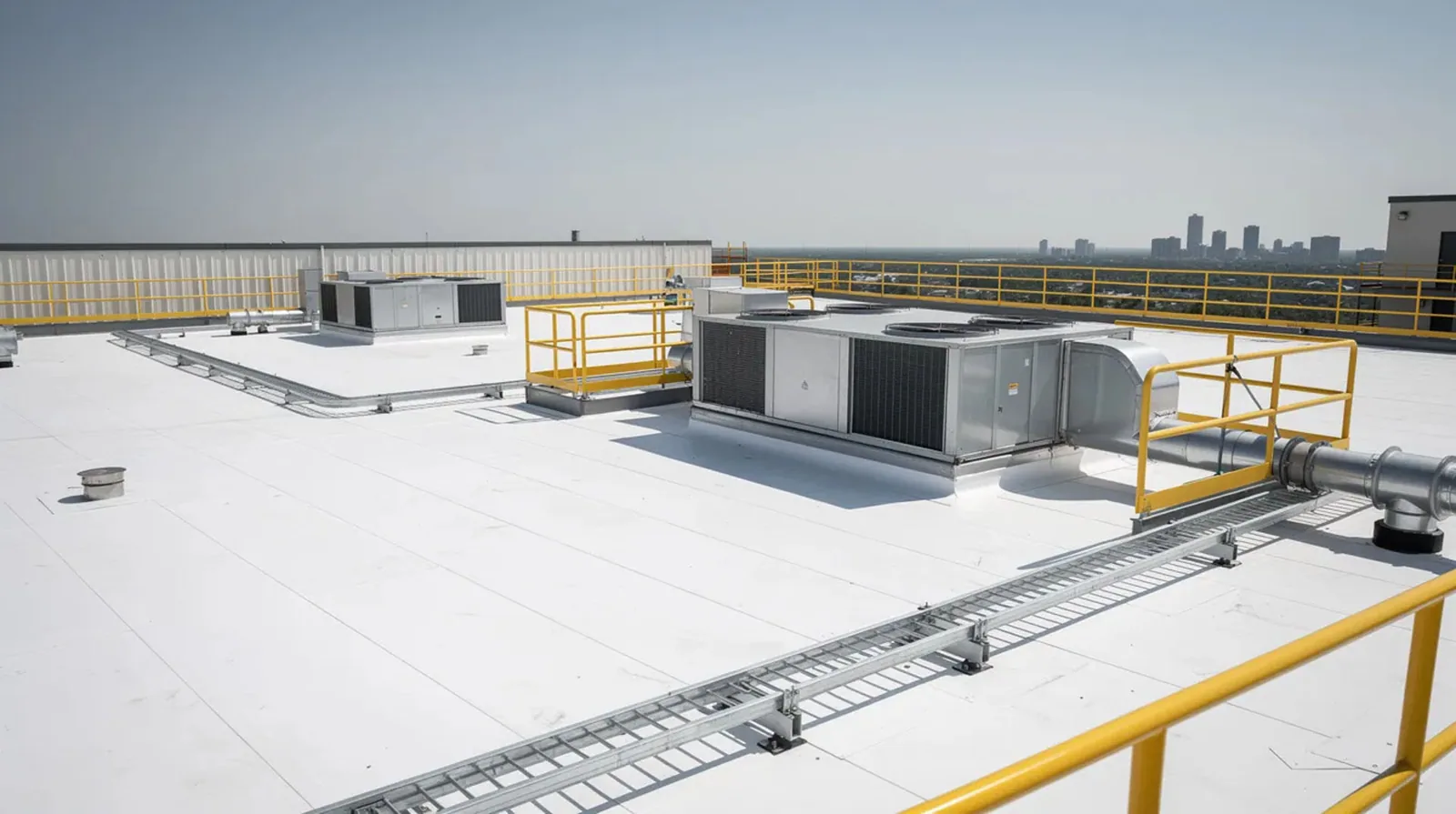
We confirm who can release roof access, which hatches or ladders are available, where material can be staged, and what activity needs to continue below. Equipment schedules, tie-off points, delivery windows, and interior protection affect the work sequence. When a roof has several levels or additions, we mark the sections individually so photos and quantities stay connected to the right area. Any detail that remains blocked or unsafe to reach is listed for follow-up.
The inspection follows slopes toward drains and overflow paths, then checks field seams, wall transitions, curb seals, penetrations, and edge metal. We look for open laps, punctures, loose terminations, splits, and previous repairs. An interior stain may be displaced from the water entry point, so we compare the room report with roof features above and around it. A hands-on roof inspection documents visible conditions and any test needed before pricing the work.
Simi Valley appears in Ventura County's regional planning context. For the roof, we record the property-specific access limits and work area instead of applying a regional designation to every building. The plan helps the owner keep public review and building maintenance in view while the contractor's scope remains focused on actual roof conditions.
Trace water through the roof, not the ceiling
A leak investigation starts with where water appeared and when. We compare the room report with seams, equipment curbs, penetrations, walls, drains, and prior repair marks. Water can move beneath the membrane or along insulation before reaching an interior surface. The field mark shows the likely route and any point that still needs confirmation. If a test opening would change the repair quantity, we identify where it should be made before material is removed.
Port Hueneme's employment-flow analysis lists Simi Valley among communities contributing workers to the coastal port economy. That regional connection can help property managers understand workforce activity across the county, while roof access and operating schedules remain specific to each facility. At the Oxnard, CA weather station, Tropical Storm Hilary produced 1.77 inches of rain in August 2023, a new monthly August record there. That number belongs to Oxnard and provides a dated market reference only. We inspect the Simi Valley building's own low points, drains, overflow routes, and flashing before recommending a correction.
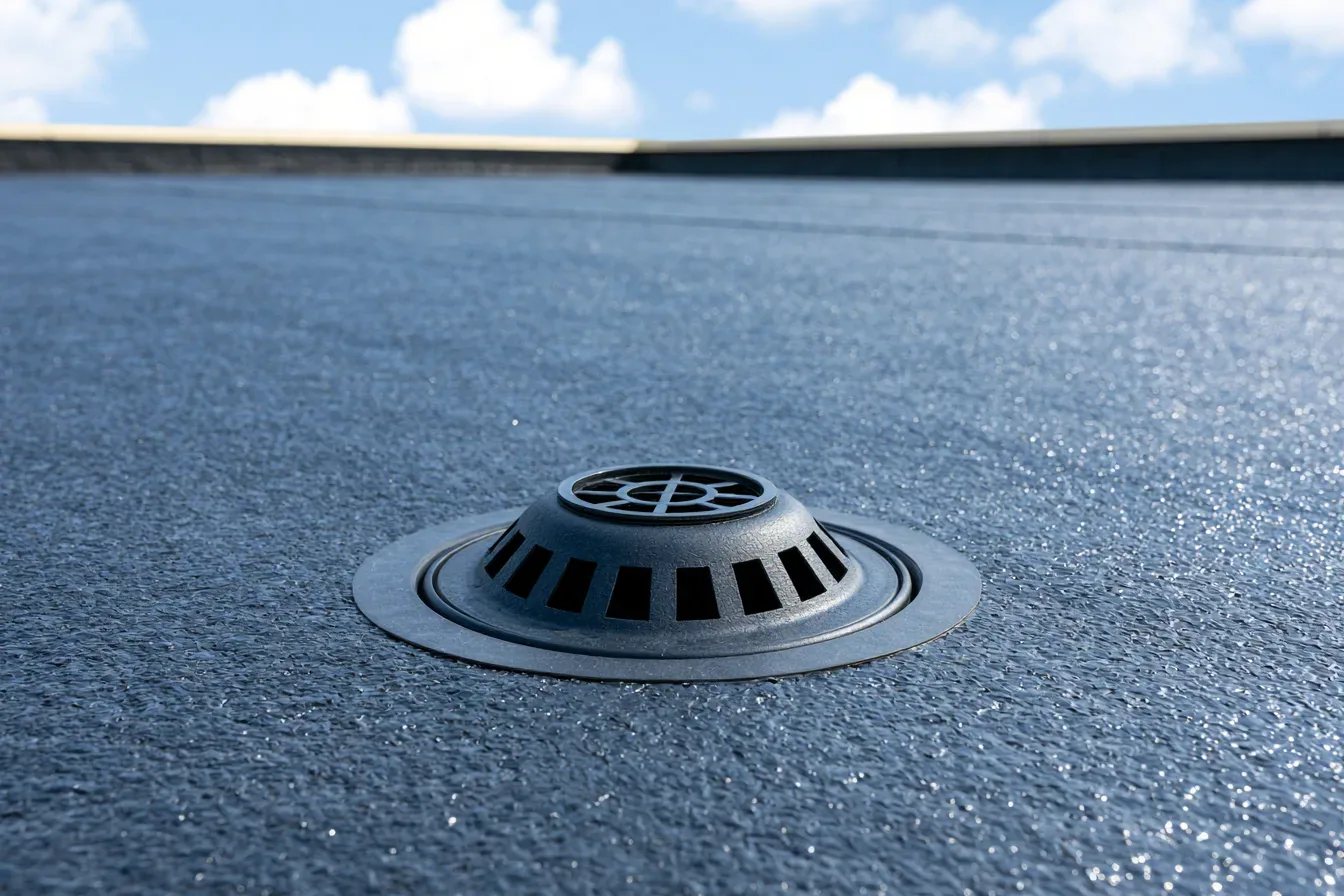
A blocked drain can need clearing; a loose drain tie-in or depressed roof area can need repair or testing. We identify which condition is present and photograph the outlet and surrounding sheet. A drain and scupper evaluation addresses the outlet, while ponding-water repair considers the slope, insulation, and membrane together.
Restore failed seams and wall details
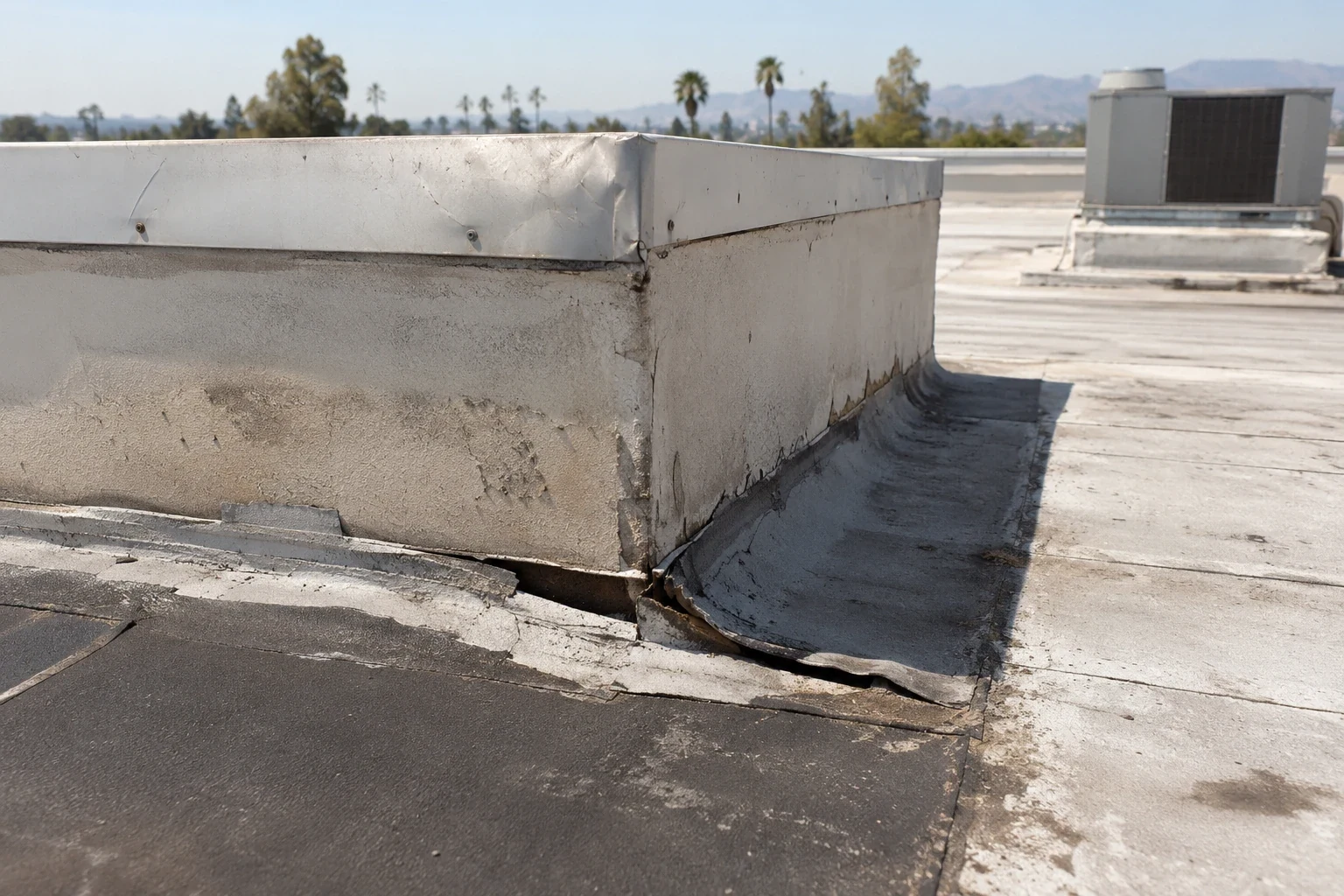
At a roof penetration, we check flashing height, corners, seal, and the sheet's turn around the curb or pipe. At the wall, counterflashing and termination should return water to the field. At the perimeter, we inspect coping, fasteners, open joints, and the membrane connection. A repair needs to reach stable material and restore each part of the transition, not just close the visible gap.
We identify the installed roof system before selecting a patch. TPO and PVC require compatible preparation and heat welding; EPDM, modified bitumen, metal, and coatings call for different materials. If earlier repairs are nearby, we check their edges, attachment, and moisture before repeating the method. Flashing repair can correct a confirmed wall or curb failure, while seam repair addresses a separation in compatible membrane. Photographs record the repair boundary and any neighboring condition still open.
Ventura County's planning network coordinates infrastructure across Oxnard, Ventura, and inland cities. For a multi-property owner, this makes it useful to keep each asset's maintenance and permit records together by municipality. The roofing record separately identifies roof sections, assembly, access, and findings so the same detail can be revisited at the next service interval.
Decide whether the scope stays local
A local repair can work when the roof surrounding a defect remains sound and the repair can tie into stable material. Repeated openings, wet insulation, weak attachment, or deck movement call for a broader look. We mark the affected areas and recommend testing when the result could change the work boundary. If temporary protection is needed during active water entry, it is listed separately from permanent repair.
A recover keeps the existing assembly only when moisture, deck, attachment, drainage, added height, and project requirements support another layer. Added thickness affects drains, edges, curbs, and equipment. Replacement exposes insulation and deck for correction but adds tear-off, disposal, and daily weather protection. We compare the paths using the same measurements and list material removal, access, staging, and trade coordination separately. A repair proposal can be compared with a recover assessment before the owner commits to broader work.
Timing and cost follow the access route, roof height, lift or hoist needs, preparation, removal depth, insulation, edge metal, disposal, equipment shutdowns, and work hours. We identify the crew route, staging area, areas that stay in service, and the dry-in point for each shift. If hidden conditions change the quantities, we show the field evidence and ask for a scope decision before proceeding.
Keep the inspection tied to future planning
Closeout records identify the roof section, system, repair material, preparation, photographs, tests, and any remaining condition. We place each field mark on the roof plan and distinguish completed work from follow-up. If an area was inaccessible, it stays listed for a later check. That gives a future manager a useful starting point after staff or ownership changes, or when a new leak appears.
Maintenance visits review seams, penetrations, drains, counterflashing, edge metal, and rooftop service routes. The interval follows observed roof condition and planned work. For an owner with sites in Thousand Oaks, reports can use the same headings while retaining separate city facts and property findings. Photo-based condition reports make a repair priority visible in the capital file without losing the location of the original observation.
Send the roof plan, leak history, equipment schedule, access instructions, and past repair records. We will inspect the relevant roof sections, map the water path, and return a repair, testing, recover, or replacement recommendation tied to the building.
Related Roofing Work
More from Service Areas and nearby services

Request a Simi Valley roof condition review
Share the roof plan, leak history, equipment schedule, access instructions, and repair records. We will inspect the assembly and deliver marked findings for the next work decision.
Common Questions
What does Simi Valley's county planning status change about the roof inspection?
It helps the property team identify which land-use or infrastructure review may apply. We still inspect the roof assembly, drainage, access, and repair limits directly at the building.
Can you determine a roof leak from the time water appears inside?
Timing helps narrow the search, but water may move beneath insulation before reaching the room. We compare the report with roof seams, curbs, drains, and wall details, then test where needed.
Does the Oxnard rainfall record represent Simi Valley?
No. The 1.77-inch total was measured at the Oxnard station during August 2023. It is a dated market reference; the Simi Valley scope follows the property's own drainage and roof condition.
When is replacement more useful than another patch?
Broad moisture, repeated failures, unstable attachment, or deck damage can make a local repair insufficient. We map the evidence and compare repair, recover, and replacement quantities before recommending a path.
What do you document after a Simi Valley roof repair?
We record the roof section, system, repair preparation and material, photos, tests, and any open condition. Plan marks make it possible to return to the same detail later.